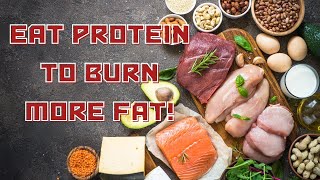
In this video, the presenter explains why dietary protein is a cornerstone of his metabolic meal system and essential for fat loss, muscle maintenance, and overall health. He outlines several key reasons: protein is the second most abundant substance in the body and the primary nutrient we must prioritize; it promotes satiety, helping to curb overeating and stabilize blood sugar; adequate protein prevents loss of muscle mass and bone density during calorie restriction, preserving the most metabolically active tissue; muscle and the thermic effect of protein both raise resting metabolic rate, meaning the body burns more calories even at rest. He provides practical guidance on protein portions—approximately two palm‑sized servings per main meal for men and 1–1.5 for women—and lists common protein sources (meat, fish, eggs, dairy, nuts, seeds) while warning that legumes are higher in carbohydrates and should be accounted for in the overall carb budget. The video concludes with a call to prioritize protein before addressing fats and carbs, inviting viewers to request future videos on those topics and encouraging comments, likes, and subscriptions.
Chapters
Hey guys, what's up, and welcome to today's video. Now today we're going to dig into one of the core components of my metabolic meal system, which is protein. So we're going to be talking about protein and the fact that it is one of the, the key nutrients that we obviously need to consume, both to, to maintain our health, but also if we want to burn fat, build muscle, maintain muscle, or enhance immunity and things like that. So essentially today what I'll do is I'll run down probably my top 3 to 4 reasons why protein is, is essential and how it's going to help you burn fat. And the first of those reasons is simply the fact that it is the second most abundant substance in the body. So we have water, and then following that is protein. So if you're— you may or may not be aware, but the, the word protein actually comes from the Greek word proteos, which means of first importance or primary. So we know it's the primary nutrient. Now, primary nutrient in terms of foods, because essentially oxygen is the primary nutrient that we need to survive. But protein, when it comes to food consumption, is number one. So we know that— sorry, that protein needs to be priority number one when it comes to our nutrition. Now, that doesn't necessarily mean that we need a high protein diet. It just means that we need to consume adequate protein for the maintenance of our health and of course the achievement of our goals. So depending on our goals, our activity levels, etc., the specific amount of protein that we need may go up or down slightly and so on, depending on what phase of training we're in and so on. But that's our first thing. So protein is of first importance. It's, it's the number one nutrient that we need to bring in through our dietary consumption. Now we also have the fact that protein keeps us satiated for longer. So for those of us who are trying to burn fat and lose weight, one of the issues that we tend to have is we overconsume, or we overconsume foods that aren't ideal for the goal that we want— the goal of fat loss. Where, where if you bring in enough protein, what that will tend to do is keep you satiated for much longer. So because protein takes more hard work and takes longer for the body to break down and digest and sent from mouth to anus. Because of that, it actually keeps us satiated for longer. It takes longer to break down in the stomach. So that's reason number 2. So we're less likely to consume foods that we, we maybe shouldn't be eating, you know, like your cakes, your biscuits, your sweets. It helps to regulate blood sugar, helps to regulate our cravings and so on if we're getting adequate protein in each meal. Now the next reason why is because we, when we're trying to, to burn fat many of us will reduce our calorie intake. And of course, with that, we tend to increase our calorie expenditure through exercise, training, movement, etc. Now, the catch-22 is if we're not bringing in adequate protein, what tends to happen is, yes, you might burn some fat, and yes, you might lose some water, but what people often lose, unfortunately, is muscle mass and bone density. So one of the ways we can negate that effect is to ensure that we have adequate protein coming in. Now, when we're talking about proteins, we're referring to the likes of your meats, fish, eggs, dairy, nuts, seeds, and so on. You could also include legumes and even beans and pulses. But with the beans and pulses, we have to remember that they are also relatively high in carbohydrate. So just be careful. And if you are eating those, take that sort of carbohydrate— excuse me, carbohydrate content and take it into account with the rest of the carbs that you're eating as well. So first off, we've got the fact it's the most important nutrient. Then we've got the fact that it will keep us fuller for longer. Then we've got the fact that it's going to help to maintain muscle mass and potentially even build new muscle mass. So that's another reason. Now, the reason we want to maintain muscle mass is because muscle is the most metabolically active tissue in the body. Meaning that even at rest, muscle burns more calories than any other tissue in the body. So if we can keep it strong and keep it healthy and obviously keep it active, it will continue to burn more calories and essentially increase our metabolic rate. So we're increasing our metabolic rate both by maintaining muscle. And then also the final fact, it actually costs more calories to run protein from mouth to anus than it does your fats and carbohydrates. So yes, it's going to maintain muscle mass to help keep your metabolism higher. You could potentially even build new muscle, which will also increase metabolism and obviously help burn fat. Then we've got the fact that it costs more calories to run from mouth to anus, which also increases that metabolism. So that's another reason why we want to ensure that we're bringing in adequate protein at every meal. So each of our main meals are breakfast, lunch, and our dinner. We should be eating an ideal amount of protein. Now, for the average person, particularly men anyway, we're looking at around 2 palm-sized portions per main meal. So that's the size and thickness of your palm per main meal. And then for women, it tends to be 1 to 1.5 palm-sized portions tends to be adequate. Now, what that will do, of course, as I've just mentioned, is help to keep you satiated for longer. It's going to help you maintain that muscle mass when you have got this slightly reduced calorie intake and obviously increased calorie expenditure, because we don't want to lose muscle mass or bone density. And then of course, it's going to naturally increase your metabolism because it's going to cost your body more energy, more calories to run that food from mouth to anus. So those are my key reasons for why you need to, or why you ideally should, increase your protein intake when trying to get healthy and to burn fat. Now, of course, protein is just one aspect of the meal. We've also gotta look at fats and carbohydrates. So if you'd like me to do another video which digs into those and the reasons why you need those and the specific types you should be consuming, let me know in the comments below. And if not, get started with protein. If you're new to this, if you're just starting out or you've sort of been sort of flitting back and forth between trying and then falling off and trying and falling off, one of the key places you should begin is with your protein intake. Yes, it's a little bit less convenient than snacks and treats and sweets and all the rest of it, but it's going to actually get you to your goal, whereas those snacks, treats, and sweets, of course, take you away from your goal. As always, guys, any questions, drop them in the comments below, and I look forward to chatting with you in my next video. And of course, don't forget to like, subscribe, and share this content with anybody else you feel may find it of use. Thanks for watching, people, and I shall chat to you soon.