In this vlog‑style endorsement, the speaker (SPEAKER A) introduces Jefferson Fisher and his new book The Next Conversation: Argue Less and Talk More. After sampling the first Kindle chapter and watching Fisher’s short videos, the speaker is captivated by Fisher’s down‑to‑earth storytelling and practical communication advice. The speaker relates personal challenges—stemming from an army background where communication was often loud, argumentative, or sarcastic, and from a neurodivergent brain that can lead to unintentional blurting—to illustrate why better conversation skills matter. Key themes from the book are highlighted: the importance of conversation values, confidence, assertiveness, and concrete tactics for deflecting insults, belittling, and rudeness. The video concludes with a call for viewers to share their own experiences and tips, encouraging community discussion around Fisher’s methods.
Chapters
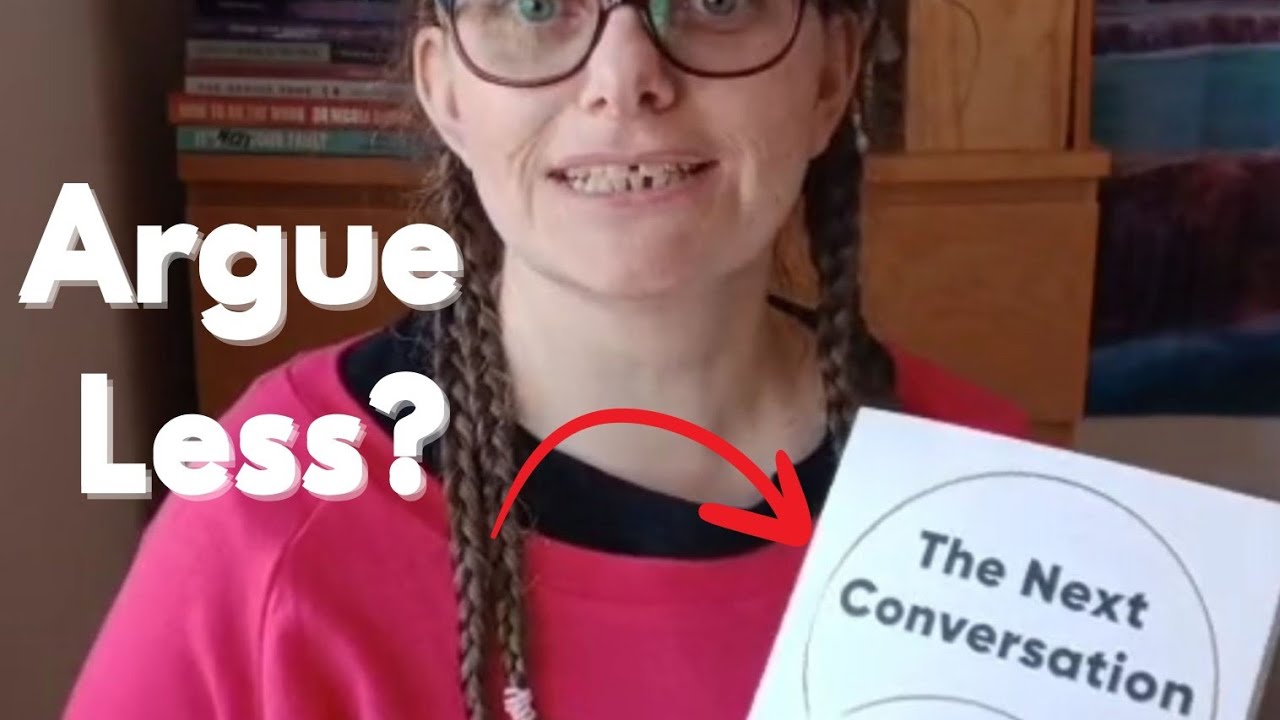
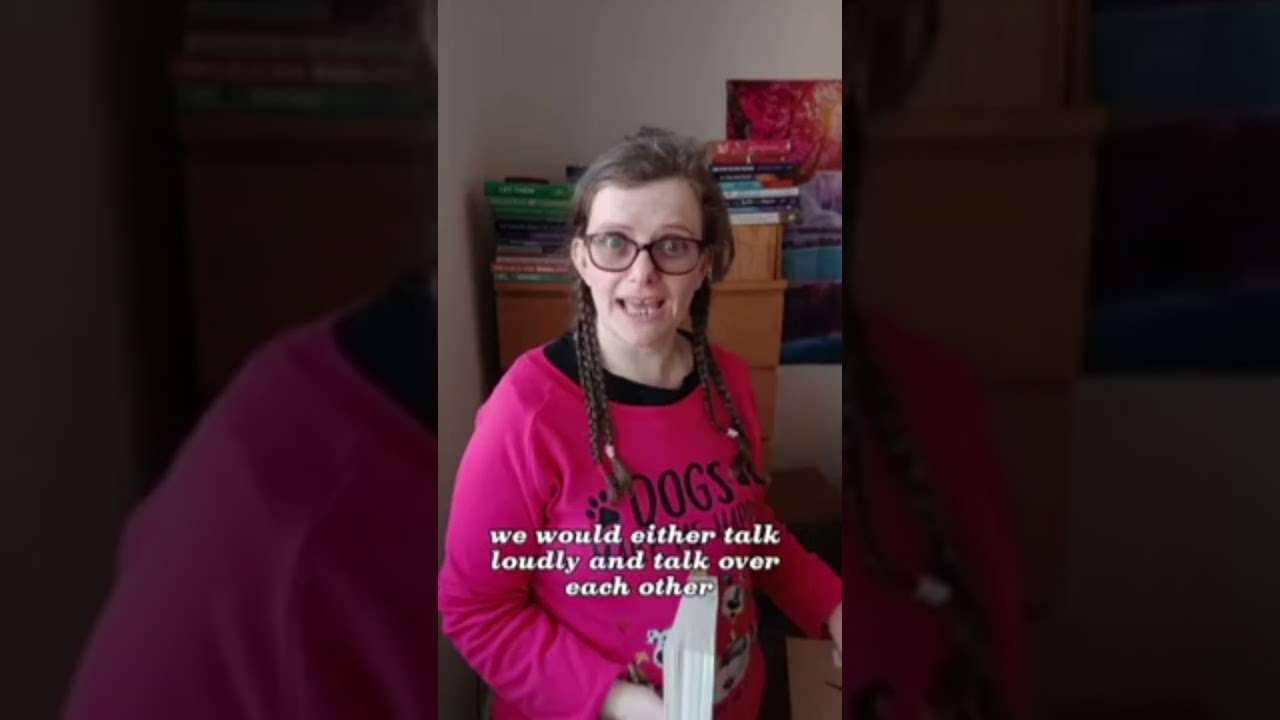
Have you heard of Jefferson Fisher? This guy has such an amazing, awesome skill. Skill is communication. Communication is a big, heated, controversial topic, but for a guy to have such an amazing skill, absolutely blow my mind. And he is so genuine and down to earth. That's what I absolutely love. Then I found out that he'd written a new book. His new book, The Next Conversation: Argue Less and Talk More. And this is actually on his bio, just one sentence. He helps people how to argue less so that they can talk more and have genuine conversations. Now, as normal, I downloaded the first chapter sample on Kindle And I was absolutely hooked by his entertaining and personal way of relating his stories. He's the eldest of 4 siblings, I think he is, and I really wish he was my big brother. My life would be so different. But anyway, so make your next conversation the one that changes everything. I've watched several of his short Videos. He does a lot of shorts. There are some longer videos on his podcast which I've got downloaded on my list ready to watch, and I just really like his down-to-earth way of explaining things. And a lot of what he says, I know it's true. Now, communication is a big deal. As army background, they didn't really know how to communicate properly. We would either talk loudly and talk over each other, or we would argue, or we would be sarcastic. You know, we were all dealing with different levels of personal trauma, and none of us really knew very good communication styles. I am so excited to read this. About different issues with such, um, kindness and tact. He basically is a good storyteller. It just draws you in. I would love to be able to do that. Why your conversations need values. I think we don't often think about that, our conversations, especially with my neurodivergent brain. I sometimes just blurt out stuff that I don't intend to blurt out, and then I'm like, where did that come from? If we're feeling triggered and we try to communicate something to someone, they might be picking up on our vibes, which might trigger them, and then you're having 2 completely different conversations because you're both relying on your own assumptions in your own head, which does not make for good connection or communication, and it usually ends up in dysfunction. I've got lots of short tips practical suggestions on how to deal with conversations that you're having. He talks about confidence and assertiveness. Oh, this looks good— how to deflect insults, belittling, and rudeness. You know, we've all had to deal with that. Let me know if you've watched any of his videos. What did you think? Let me know in the comments below. What tips have you found useful? You'll need to learn from him. Take care!