Does Your Cat Hurt? How to Tell and What to Do. #petlongevity #cat #cathealth
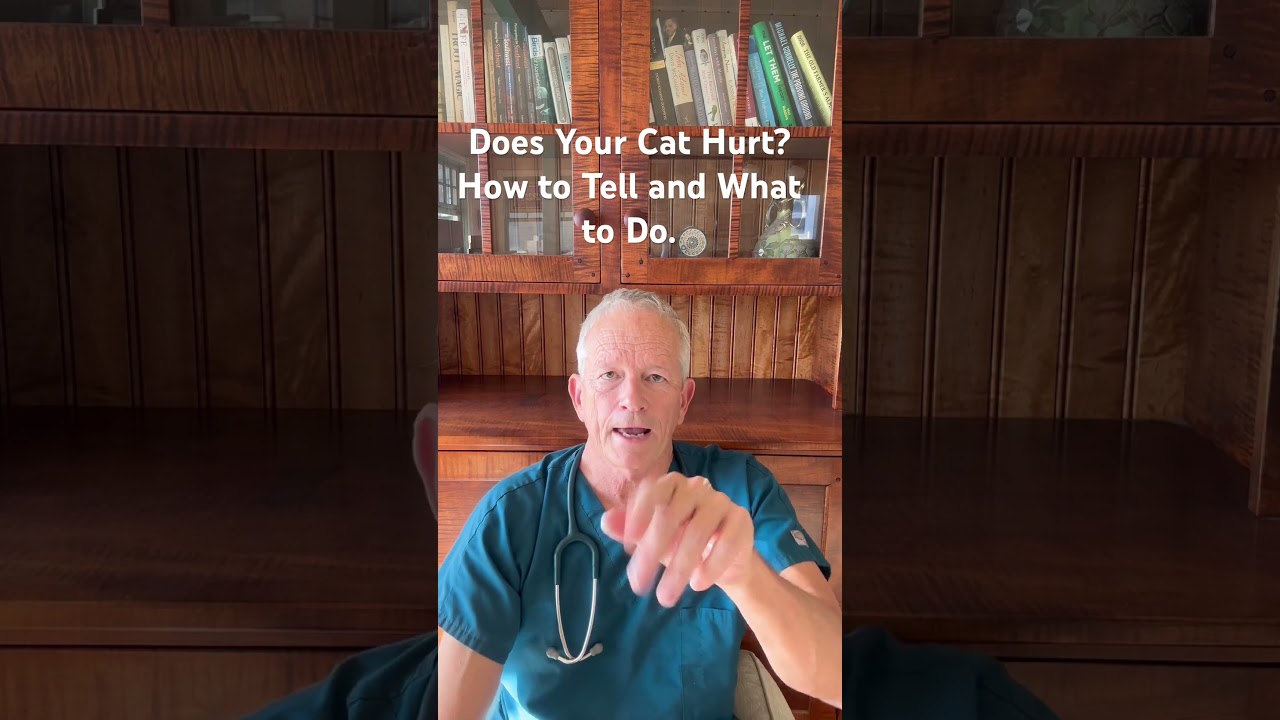
Dr. Kevin Toman explains how to spot chronic pain in cats: hesitation jumping onto furniture signals spine or hind-leg pain, while trouble jumping down suggests wrist or elbow problems. He recommends keeping cats thin, using fish oil and UC-II collagen, and avoiding oral pain relievers that damage kidneys. Solensia, an injectable antibody, is the safest pain option.
Chapters
More from Kevin

Tired of feeling like your cat doesn’t matter to your vet? Welcome!! #cat # petlongevity

Are Vaccines Shortening Your Dog’s Life? Could be. Here’s what you need to know. #doghealth #dogs
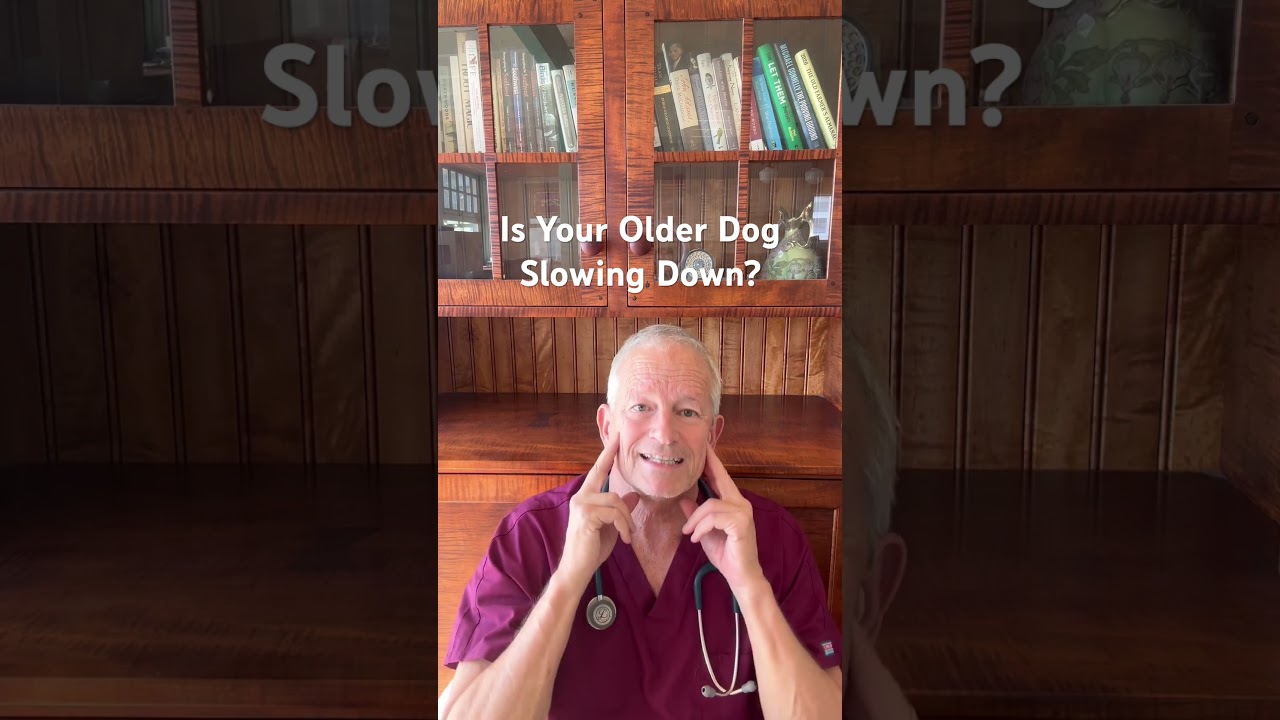
Is Your Older Dog Slowing Down? It’s Not Normal, and it’s Not Just Old Age. #doghealth #dogtalk


The BEST form of cancer in pets? That’s easy. It’s EARLY cancer. #caninecancer #petlongevity

How To Spoil Your Pet Like A Veterinarian. Ok, it’s embarrassing. #petslove #petlongevity #dog

There’s a test that could add YEARS to your Cat’s life. Why won’t your vet run it? #petlongevity

Why Veterinarians Suck… at Helping Your Pet Live Longer. #petlongevity #pettalk #dogcare #cats