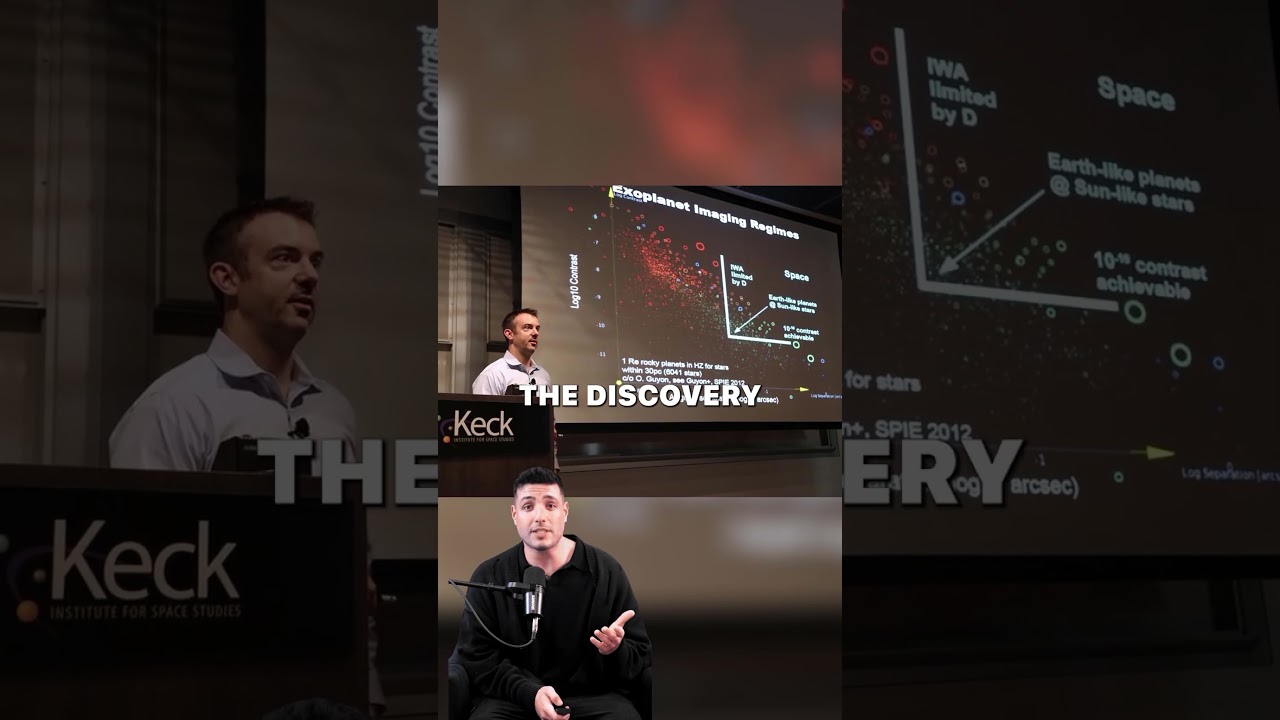
In this narrated segment, Dan Novaes explains how Roger L. Easton transformed satellite tracking into a global positioning system. In the late 1950s, scientists measured frequency shifts of satellite radio signals to locate the satellites themselves. Easton flipped this idea, proposing that satellites could broadcast precise timing signals that ground receivers use to compute their own location. He helped design a network of satellites transmitting synchronized timestamps, enabling receivers to triangulate their position. This concept evolved into the Global Positioning System (GPS), which today underpins navigation for aircraft, ships, cars, and smartphones, allowing billions of people to know their exact location anywhere on Earth.
Chapters
More from Dan

A robot "attacked" a customer in a Russian store, and the truth is more interesting than the video.