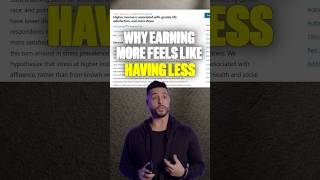
In this monologue, Dan Novaes explains why many people feel poorer despite rising salaries. He argues that a growing share of income is being absorbed by fixed, non‑optional expenses—rent, utilities, insurance, subscriptions—leaving less discretionary cash. This “money‑trapped” effect reduces financial flexibility, making even small purchases feel burdensome. Novaes proposes a shift in personal‑finance tracking: instead of focusing on gross income, people should measure how much money is already committed versus how much remains movable. By monitoring financial flexibility, individuals can regain a sense of control and feel richer, even if their income hasn’t dramatically increased.
Chapters
More from Dan

A robot "attacked" a customer in a Russian store, and the truth is more interesting than the video.