How do you see yourself?
14 Sept 2025 · 1 min
0:56
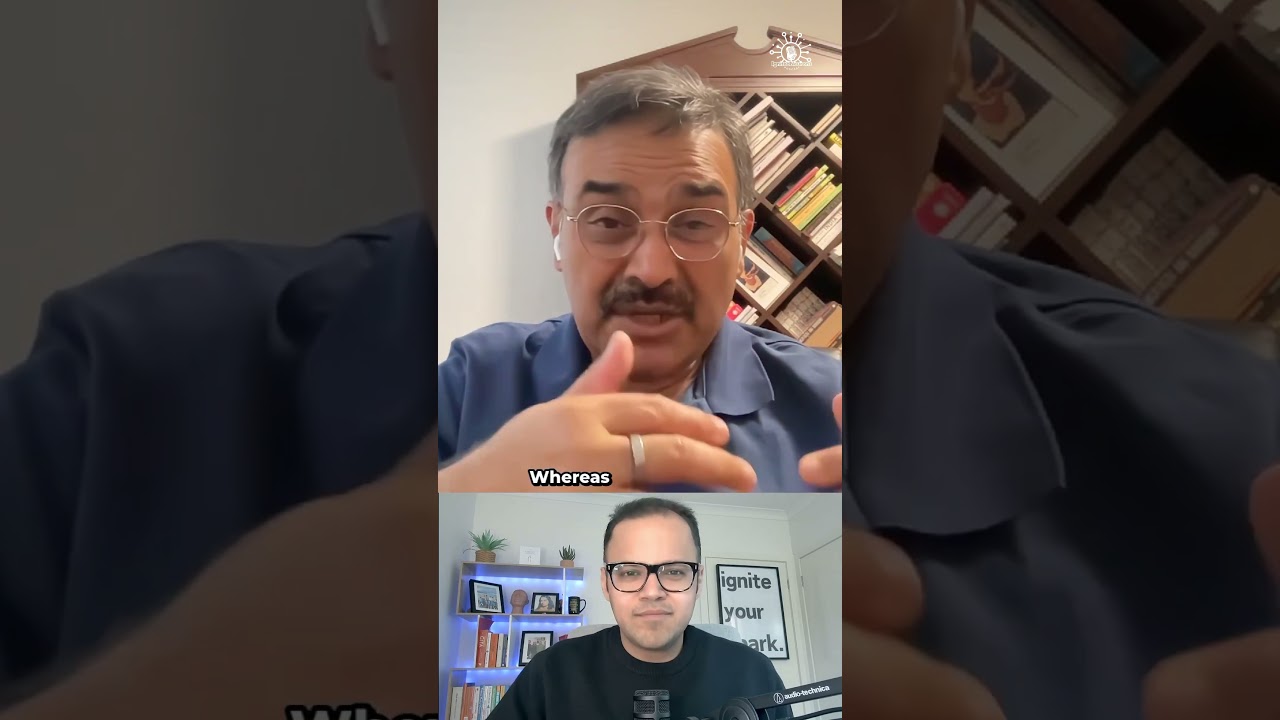
Western philosophy centers on the individual self pursuing personal needs, often leading to isolation. Eastern philosophy, particularly Indian thought, sees the self as relational, growing through give-and-take with others rather than hoarding resources.
Chapters
More from Utkarsh

youtube.com
You Left Yourself Behind | The 7 Questions That Help You Find Yourself Again | Michelle Chappel
1w ago




youtube.com
Are You Trapped in a Life You Didn't Choose? | Dr. Michelle Chappel | The IgnitedNeurons Podcast
2w ago




youtube.com
The Truth About Financial Freedom Nobody Talks About | Tim Kelly | The IgnitedNeurons Podcast
3w ago

youtube.com
The Question We Ask When Life Hurts #shorts #youtubeshorts #shortvideo #shortsfeed #shortsviral
3w ago

youtube.com
How to Keep Going When Life Changes Everything | Kenneth James Kunken | The IgnitedNeurons Podcast
3w ago