How regime control steals childhood from Iranian teens #Iran #Politics #Freedom
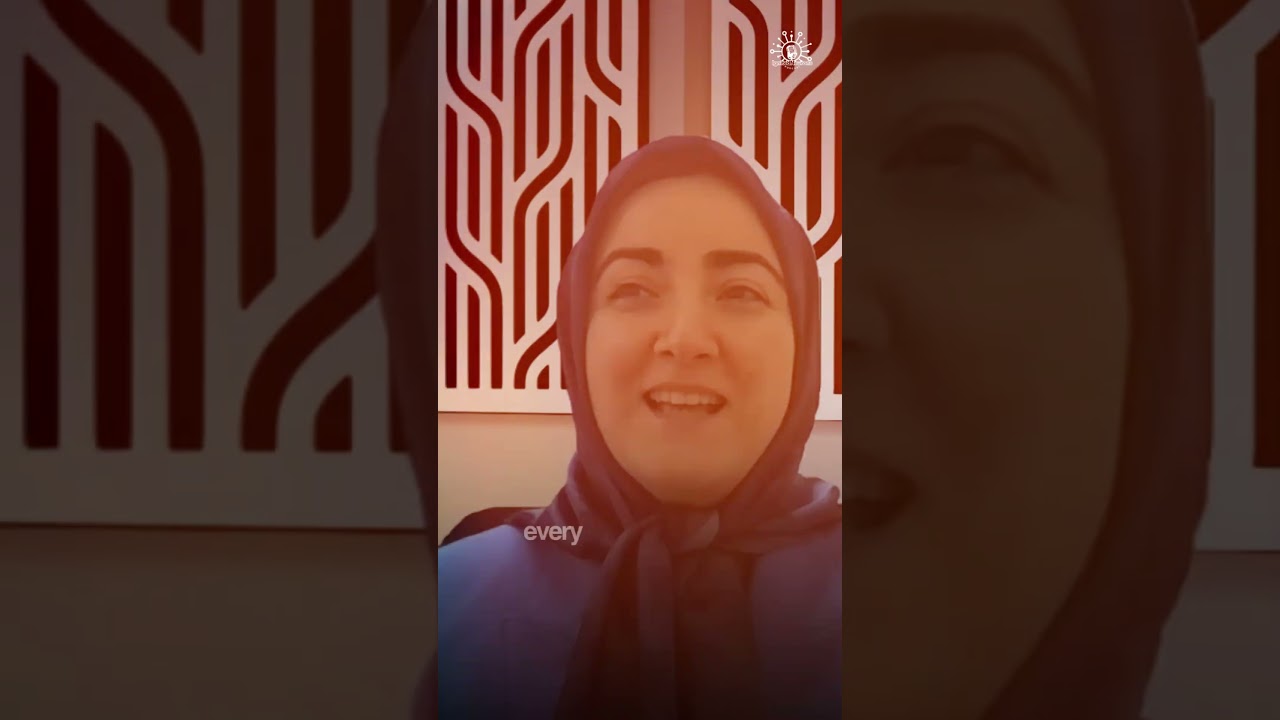
In this personal testimony, the speaker laments the loss of freedom and childhood for Iranian youth under the current regime. They recount the execution of a thirteen‑year‑old girl, Tamamespa, and her entire family in 1981, linking her death to the 1979 revolution and the regime’s ongoing repression of children and teenagers. The speaker reflects on how growing up amid such violence forces young Iranians to mature rapidly, rejecting the notion that they are merely children. They emphasize the importance of giving a voice to the younger generation, who continue to stand up for change despite the threat of lethal reprisals.
Chapters
More from Utkarsh

You Left Yourself Behind | The 7 Questions That Help You Find Yourself Again | Michelle Chappel




Are You Trapped in a Life You Didn't Choose? | Dr. Michelle Chappel | The IgnitedNeurons Podcast




The Truth About Financial Freedom Nobody Talks About | Tim Kelly | The IgnitedNeurons Podcast

The Question We Ask When Life Hurts #shorts #youtubeshorts #shortvideo #shortsfeed #shortsviral

How to Keep Going When Life Changes Everything | Kenneth James Kunken | The IgnitedNeurons Podcast