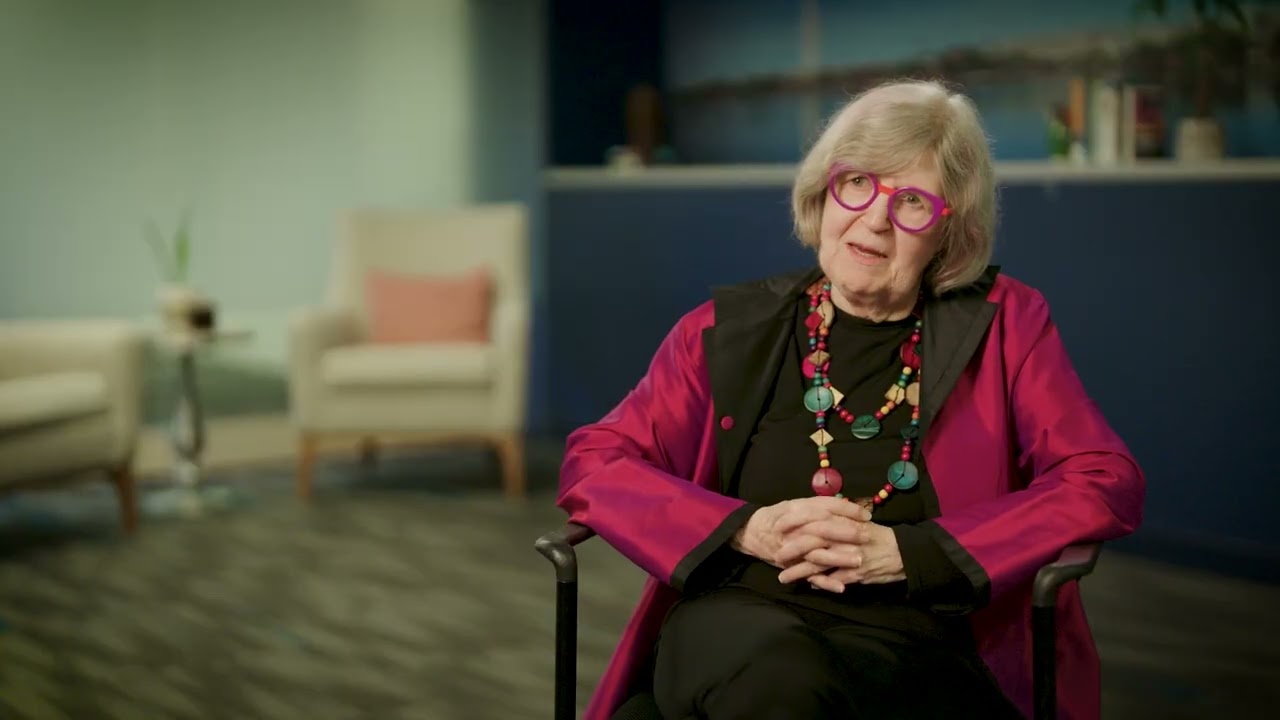
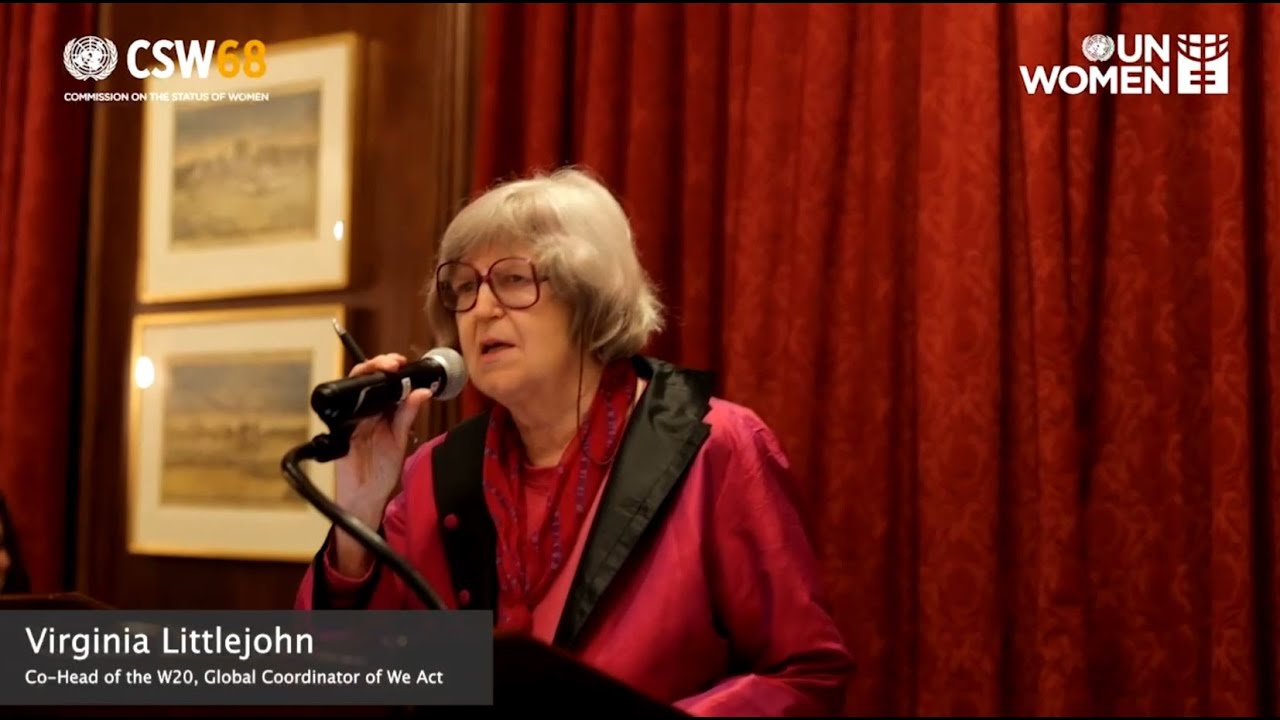
In this keynote, Virginia Littlejohn highlights the massive economic potential for women‑owned businesses if multinational corporations leverage their $700 billion annual spend on goods and services. By targeting just 1 % of that spend, $7 billion could be directed to women‑owned SMEs, fostering job creation and sustainable growth. She cites WeConnect International’s member corporations—such as AT&T, Accenture, Cisco, IBM, and Walmart—and details AT&T’s supplier‑diversity program, which spends over $2 billion annually on women‑owned suppliers and yields measurable innovation, cost‑savings, and quality benefits. Littlejohn underscores stark gender disparities: women own only 1 % of the means of production yet make two‑thirds of global work and 70 % of household purchasing decisions. She calls for coordinated action: expanding market access, providing mentorship, business‑scaling tools, and embedding accountability to integrate women entrepreneurs into global value chains.
Chapters
Corporations that we work with buy over $700 billion on products and services each year. We have the power to collaborate to influence at least 1% of that global spending. That, ladies and gentlemen, translates to $7 billion available to women-owned businesses that are able to compete for contracts, and that's not even counting government spend. The multinational corporations that are members of WeConnect International include Accenture, Alcatel-Lucent, AT&T, Boeing, Cisco Systems, Citigroup, Ernst Young, Hewlett-Packard, IBM, Intel, Manpower, Motorola, Pfizer, PG&E, and Walmart. But there are really important gender goals to all of this. So that includes promoting women's economic empowerment, moving beyond the informal sector and micro-enterprises to focus on SMEs and sustainable growth, increasing women's access to markets, including local and global procurement opportunities, providing women with better access to business models for growth, and that very importantly includes access to role models and mentors, and providing women entrepreneurs with the skills and tools that they need to scale up their businesses in order to create jobs and have real economic impact. The business case from the multinational point of view could be represented by AT&T, which is the largest telecom holding company in, in the world by revenues. They have a supplier diversity program which is designed to promote, increase, and improve the quality of the overall participation of small minority women and disabled veteran businesses in their supply chain. Just on the women's side, AT&T spends over $2 billion a year on goods and services for women-owned businesses, and they can trace several hundred contract wins to their supplier diversity program. Like other multinationals, AT&T values the innovation, cost savings, and constantly they talk about the quality of service they receive from women-owned suppliers. This is an event that we did jointly with the ITC at the Accenture headquarters in India. All of the people in saris are women business owners. You see Meg Jones over there in her rose suit, and then representatives from Accenture, Cisco, IBM, Walmart, etc., all of whom want to work with women-owned businesses in India. So why women, you might ask? I would ask right back to you, imagine what the world would be like if all of the buyers and sellers were women. A remarkable concept. But according to the World Bank, women-owned businesses represent a quarter to a third of all of the private businesses in the world. Women do two-thirds of the world's work— that's counting the caring functions— receive 10% of the world's income, and own 1% of the means of production. The top corporations in the United States, with the organization WeBank, that applied for recognition as leading corporations in supplier diversity spent 5% on average on goods and services from women's business suppliers. Women make 70% of all of the purchasing decisions in the home, represent 50% of the world's population, but are almost invisible in the global value chain. We have a lot of important opportunities that we can leverage if we can effectively integrate into the global value chain, including access to information on target markets, business management tools, quality control, and best practices for scaling companies, especially if we use state-of-the-art technology. So in conclusion, ladies and gentlemen, I would like to say that there's absolutely nothing we cannot do if we have a bold enough vision, if we collaborate effectively and wisely, and most importantly, build in accountability. Thank you very much. Thank you.