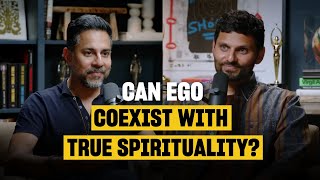
Vishen Lakhiani describes a six-phase spiritual progression where phase four marks a shift in being. He argues that major spiritual leaders like Jesus, Buddha, and Muhammad didn't just meditate; they had large-scale visions and created social impact. Real spirituality, he says, requires a future-focused vision, not just inner practice.
Chapters
I've heard so many versions of what a good vision for the future is. Some people say you should know exactly what you want. Some people say you should have an overall vision. What is the six phase version of a vision?
So when you finish phase three and you move to phase four, you're moving to a different essence of being. My last book was called the Buddha and the Badass. And that title came from an essay by the great philosopher Ken Wilber. And that essay was called Egolessness. And it starts like this. The great spiritual sages and saints of the world, from Moses to Jesus to Padmasambhava, were not feeble minded milquetoes. They were movers and shakers who rattled the world with the force of their ego. They instigated massive social revolutions that lasted generations, from bullwhips in the temple to subduing entire continents. Now what Ken Wilber was saying is that the great spiritual teachers were not just focused on the now, they were focused on the future. Jesus wanted to build a legacy. Buddha preached because Buddha wanted to change the institutions of that time the way the rich and the poor were. Moses wanted to free his people. Muhammad wanted to conquer and spread Islam to the world. Paramahansa Yogananda came to America to spread the wisdom of India. All of these people had a vision for a future they wanted to create. And that's really important. Mother Teresa wanted to feed millions of people. So if you really want to practice your spiritualness, you can't just be sitting on your meditation cushion. You got to have a vision for the future.