#77 - The Power of Asset Management in Real Estate Investing with Wayne Courreges III
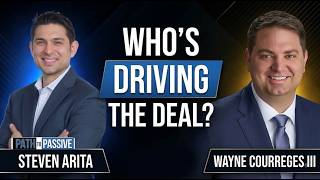
Episode #77 is an interview with Wayne Courreges III, CPM®, managing principal of Crei Partners (founded 2019). Wayne describes his path from Marine Corps → CBRE (16 years) → founding Crei Partners, which manages ~ $50M AUM and ~50 passive investors. Primary investment focus is multifamily and 20x50 storage facilities. Key themes: clear distinction between asset management (5,000-foot strategic oversight) and property management (boots-on-the-ground); rigorous pre-close due diligence and underwriting; weekly asset-management calls and daily KPI reports; monthly site visits; capital plans and refinance positioning; sponsor diligence advice for passive investors; partnership models and team-building; company values (R.I.D.G.E.). The episode also includes personal stories (family, parenting, values, scouting) and practical advice for passive investors.
Questions this video answers
2019
About $50 million
About 50
Multifamily and 20x50 self-storage (RV/boat storage)
Weekly (Wednesdays)
Chapters
So that's the question. Like for passive people, those that are listening to this recording obviously look at track record, but see how many deals they're buying each year. And if they're buying a lot, just ask the question, like how do you asset manage? How are you operating? You know, maybe they are partnering with other people and those people are leading asset management. That's a good answer. That's fine. But. But then you need to understand, okay, well if that person is going to be the asset manager, what's their experience? Foreign.
Welcome to the Path to Passive podcast where we talk about building wealth and empowering lifestyle through commercial real estate investing for tech professionals. I always wish that other tech professionals reaching financial freedom had documented their journey along the way. So I'm doing it for the rest of us. Join as we explore stories, many failures and lessons learned along the way. I hope you enjoy and subscribe. What's up everybody? Welcome to another episode of Path to Passive Real Estate Investing with with tech professionals. Today I got a chance to sit down with Wayne Courageous. Mr. Courageous himself was on the podcast today and I just got done with the interview, just got done with that podcast episode. Had a fantastic conversation with Wayne. You know, some of the things that I really, really enjoyed that we talked about is not only diving into things like the technical aspects of asset management of investor relations, but we also talked about some things about values, understanding, unique ability, how you get there. He shared some stories, which I really appreciated, about how he was thinking about raising his family and raising his kids, including a story that he's got about making a decision on how do I say, on how to instill certain values in his kids too, and weighing that, which I thought was really interesting from a value space perspective. I thought it's really cool. You definitely have to check that out because I think those kind of stories really help to help us think about new ways that we can make decisions. And it was really cool. So what do we cover today? We talk about asset management, asset management versus property management. Wayne lists out a lot of different things that goes into asset management. Really cool analogy he uses too. And you know, it's one he said he hadn't used other places, but it came out perfectly. I thought asset management versus property management, how we can find great partners to work with core values. Like I said, partner with others. He talks about investor relationships as well and how the values goes in investor relations. But really high touch for education, but also for really support and building those relationships too. Investing your education along the way too, which he's doing fantastically tactically of and as well as him and I are both in this group called Raise Masters. But he's doing more and more and more too. So definitely cool to hear about what he is up to and how he thinks about things. One of the things I thought was really cool to get into was about invisible work. And how do I mean invisible work? Well, if you're a tech professional, you're someone listening to this right now you're thinking about all the things that you can think about work that you do that other people don't see to produce something. And it's very similar, right? Very similar. On any industry, any work, any part of life, there's a bunch of things that people never see to produce the thing. And just like that is in real estate and you getting to hear about that is how I like to think about it is all the things that you don't have to do if you want to invest in real estate on a passive investor perspective. Especially if you don't love real estate like Wayne does, you know, love real estate like I do. It's that you can invest, you'll get all of the benefits and stay focused on the things that you want. So really cool to hear about hear about those things from him. Check it out also he's got ebook in the show notes connect with him on LinkedIn as well. Two great places to engage with him and his team as well as website. Check out the show notes there as well and of course like subscribe comment wherever you are. Listening to this on and connect with me on LinkedIn too. Would love to hear from you. Appreciate you have a wonderful day. Listen up, take some notes and enjoy. I'll see you in the next one. Bye Mr. Wayne. Courageous. Thank you so much for being on the show. Certainly appreciate you Had a pleasure chatting with you for the episode and and also getting to know you a little more as well. Checking out your interview. A plug for our buddy Kenny Johnson as well. But you've got really cool background. You know we're gonna go actually just introduce yourself as kind of nerding out on your background but tell me a little bit about yourself, Wayne.
Yeah, so I'm Wayne. I am the managing principal of Crei Partners. We started the company in 2019 and we've grown it to about 50 million assets under management. We've got about 50 passive investors that routinely invest with us year after year and and that number's growing thankfully as you know they're getting the returns and we're getting that trust and partnerships, and then they're referring people out. So it's been a blessing all around there. But on the family side, I have three kids, 12, 11 and nine. Wife of 15 years. This is November 8th. Next weekend, going to be going to Vegas and it'll be our first time. And I'm, I'm planning, you know, so this is an investment podcast, right. But I plan to lose money next weekend. Like, I, I have bucket of money. Like, and I'm saying it's entertainment money, but I'm doing like 500 a day. So if I lose it, I lose it. But I just think it's sort of funny that, you know, sometimes it's okay to lose money, you know, and have, have some fun.
But invest in fun. Come on now.
Yeah, invest in fun. That's right. And experience. Life is too short. But no, I grew up in Austin and I know we, you and I, you know, had the discussion prior on that, since you're based in Austin. But yeah, right now we, we hold our hat in Bryant College Station and play a little rancher farmer on the side and even just try to survive each day with, with being a dad. Right. So we were talking about that too, you know. You know, if we're doing everything we can for our kids. So anyway, that's a little bit about me in a nutshell.
Super cool, dude. Yeah, I love that. It's a great reminder. It's a great reminder to make sure that you're enjoying the journey along the way any place that you are. So getting into some of the investment stuff here is that you're multifamily and as well as an active developer, you talk about those different passive investors that you have too. But give us a little more of the background, like Marine Corps. How did you get here? Right. Marine Corps to CBRE, etc 100.
So I got the real estate bug, actually. When I was in high school, there was someone that I looked up to a lot who was a developer in Austin. And I just really, I mean, I, I tell you what, because my parents, I mean, they're, I mean, we grew up middle class. They, they worked for their companies long terms, but they didn't do any real estate other than the house that they, that we lived in, you know, most of our life. But it was someone that I met whose dad was a developer. And I just really got the bug for investing or real estate at that time. And it was 2003 when I graduated high school, I, I joined the Marine Corps. I signed up for the Marine Corps fall of My senior year in high school. So I knew I was going right in, you know, a lot of things obviously, going on with Operation Iraqi Freedom and stuff. So two days at a high school, I went right into boot camp. And then I was stationed with 29 Palms, California, with 1st Tank Battalion. And at that point, all of the. The entire battalion had come back from Iraq, and they were sending just line companies. So Alpha Company, Bravo, Charlie, Delta Company. I was always with headquarters just for my job. And so I bought my first rental property while I was stationed in 29 Palms, and I rented it to a really close friend and his wife. And so that worked out well because then I got stationed in Okinawa, Japan, for two years. So that's how I started on the real estate investing side. We can go down that path on single family. And why after that, I never bought another single family. But I, um. But speed up to after the Marine Corps, I joined CBRE. I worked for them for 16 years. And so I. I left the W2 corporate, you know, CBRE side, which I was heavily focused on. Operations, property management, asset management. And so that's really has helped transition to me to where I'm at now, because anybody can buy a property, but actually operating it and seeing it through and pushing the business plan is really what, you know, I feel like separates our firm. Yes, but we. But I started the company in 2019 having, like, this aha, or not even aha moment, Like, I come to Jesus with myself of like, hey, is this what I want to be doing my entire career? I love commercial real estate, so I was happy. The clients were great, team was great. But I felt like I wanted to get more on the ownership side, so I started doing that. But I didn't want to compete with the day job because CBRE did a lot of office, retail, and industrial. And so I didn't want to compete with the day job. And I also saw the ups and downs of office in particular. I mean, I was, you know, in real estate in 2008, you know, saw a lot of spaces go dark. The oil downturn, and I think it was like 2013, 2014, when I was in Houston again, saw things, you know, a lot of. Lot of layoffs, a lot of dark spaces. When I say dark spaces, like, they just leave in the middle of the night. So, like, tenants, like, they operate, but then they can't pay their rent or they lay off their stuff. Like, the space literally goes dark. You turn the lights off, and they're no longer paying rent. So I saw a lot of that especially on the retail side. And we saw it during COVID too. During COVID a lot of spaces, again, going back to. It went dark. You know, they weren't able to pay their rent because they weren't having enough business, etc. So I saw the fluctuations of that. And so I started getting into multifamily. I had this aha moment about multifamily. And so then I got a mentor and I had a lot of the asset management experience from office, industrial, retail, and it translates very nicely. But I also wanted to have somebody that I could ask questions to and really learn the intricacies of multifamily. Yeah. So that's what I did. And so we've been doing that. I also and have an RV boat. It's a 20 by 50 storage facility. We developed one here in Brian College Station, and we have one through partnerships in Huntsville, Alabama. But they're all 20 by 50 in size. So really those are the two asset classes that I really heavily focus on, Stephen. And a lot of people, you know, they're. They're moving away from multifamily currently because, you know, they may find more yield in car washes or other things, but I'm loving it because that's less competition and we're just buying, you know, great assets right now and going from there. So.
Yeah, outstanding. I love how you leveraged. You know, we also said there too about not competing with your job and doing that as the side thing that became the main thing and evaluating. I'd love for you just to briefly touch. We don't need to go through that full story, but I think always reinforcing the message, the aha moment of why no longer single family and. And how it made sense to do multifamily. I think if we can shout that at the rooftop so other people don't have to go through that. Yes.
Well, I only had one, so I've always owned the property. I mean, other than when I lived in an apartment with our family while our house was being built in Austin. We've always. We always owned our homestead. Right. And so. And you know, there's arguments. Is it a investment or not? I don't know. I made a hell of a lot of money off my homestead, so I view it as an investment. Yeah, I mean, I sold in Austin to move out where I was because so much west coast money was coming in and totally, you know, buying it in cash. So. But as far as going back to that single family. So quick story on that is the. I told My friend that, hey, I'm going to be moving or actually, I'm going to be selling this property. You know, I'm ending my Marine Corps time. I wanted to sell the property. And they. That got them spooked. They had a baby on the way, they got them spooked. And they moved back on base. Like, they moved base, got a house on base. Well, that home said vacant for about two or three months. And I was getting pretty anxious, so I called another realtor because I had a realtor who had listed it for rent, called another realtor and she's like, this house is not even in the MLS. It's like in the Palm Springs MLS, not in the 29 Palms, Yucca Valley MLS. Yeah. And so, you know, I terminated that. In the meantime, the house got vandalized. I always tell the story of, you know, it was completely destroyed. And I called usaa, our home insurance. You know, that's what we had our property insurance through. And they're like, do you have any personal property there? And I was like, no, they're just trying to coach me through it, which I don't know if they would coach me through it today. Times have changed. But back then they were like, do you have a refrigerator in the house? And I was like, yes. And they're like, okay, well, you have personal property. So they redid the house. I'll say. It's just such a huge headache. And I didn't really make much money off it. It was very time consuming for one unit. And then when it. When it was rented, it was fine unless it was like, you know, a major repair that needed to be done, which I didn't experience that. It was. The house was in good shape. But when they left then, now I'm having to spend money out of my pocket for that mortgage. And then when it lasted, you know, several months, I was like, this is crazy. And then. And then you can't, like, have it really professionally managed like you have. You could pay a property manager maybe 10% of the rental, right? But it's just not. When you start scaling, and you don't have to be scaling to 100, 200 units or plus right at first. But, you know, scaling. I've got an employee right now, he's already talking about buying, living in one. Buying like a duplex or like a four plex. What? You know, he's going to live in one, but he's going to rent out the other two or three. I'm like, I just love that. I mean, start, you know, if you're going to be on the active side and you want to own real estate on the active side, not be passive, that's a good way of doing it. But yeah, I just have no interest in doing smaller deals because of the headaches.
Yeah, it is a headache. It is a headache. And you know, even if you're paying a property manager like maybe a couple hundred bucks, it's like they're not going to do the same job as having a multi family property where that is their, like they're responsible site maintenance on site. Right? Yeah.
Yeah. And then I didn't even honestly know Stephen, about passive investing. I had worked in the industry for almost, I don't know, at least at that point, 12 years thinking really? And I'm like in the industry, Stephen, I'm thinking institutional clients, the MetLife, Invesco, JP Morgan, CIA, CREF, very wealthy individuals. Like when I worked in Washington D.C. clark, Mr. Clark, Clark Enterprises, they, they do a lot of the construction in Washington D.C. or they own a bunch of stuff. I'm like, really? That's reserved for the wealthy. Yeah, I, I was in this industry and I didn't know and then I don't even remember how I found out that like no, you syndicate and you can pool money together and you can buy assets. I mean it must have been around 2019 because that's when I, you know, I was like, okay, this is, this is fantastic. People like us, even though we good, we make good money salary wise, we can buy properties and team and partner with other people to do things that we couldn't do on our own.
So, so that, that's actually, it's kind of wild to, to hear. So even in, you know, CBRE land, commercial real estate land was off, etc, but you know, models apply, right? Passive investing models apply. It's not, it's not understood or known.
I think especially with a big company like my employees right now, they have the benefit of being a small company. So they're doing a little bit and touching a little bit of everything. Right. And so because we're, you know, we're a small team but we, we, but we're growing together and so we're all pitched in and helping out. Yeah, when you're in a big company, you sort of get siloed into your responsibility. And for all those years I was siloed into property management, you know, some asset management, doing operations and I really enjoyed that. I enjoyed the leadership, I enjoyed the team of that. But I wasn't really thinking more on the investment Side, I was thinking about how to, you know, make this property operate well, focusing on maximizing revenue, reducing expenses. I was thinking like a, the, a sophisticated business manager for this property. And I think we did a really good job at that. But I wasn't really thinking about like, oh, I could be doing this myself. And another thing too, Stephen's like, the reality is, is, you know, when you have, I was, I'm risk, I'm pretty risk adverse. Even though, you know, we are in this risk, sort of a risky business of investing. There's always risk. But I was like, you know, hey, I'm making good money on the W2 side. They're taking really good care of me. I'm enjoying what I'm doing. The team is good. So I just really, if it wasn't for me going back to school for my MBA and then getting that entrepreneurial spirit back, I would still probably be working for CBRE and be totally fine and happy. But when you're working for these big companies, there's a lot of policies and procedures so your entrepreneurial spirit goes up. They don't need you to be an entrepreneur. They need you to just follow the procedures. And I'm sure every company out there, including Amazon, probably has policies and procedures. And so your entrepreneurial spirit goes out. So it takes something maybe external. For me it was the MBA to be like, okay, that's still there even, you know, all these years later.
So interesting. Okay, so I'm going to make a mental note of that. So even at, while you were asset management, you were doing these for the, for the office spaces and looking at how can we maximize, how can we cut expenses, really just, you know, get more profit, more net operated income. Right. And profit after debt, etc. Etc. But yeah, well the training there and.
Like the, you know, I was a certified property manager, still am. Like there are training CCIM designations so the, the, the manager property managers that a lot of us know through multifamily, that is not always the level of sophistication like multifamily. Like for us we're very fortunate. We have a very strong multifamily because we have a really good management company. But I've dealt with a lot of multifamily companies, management companies where they're just not as sophisticated as the office and retail. It's, it's institutional level sophistication versus you know, local mom and pop type. And it's not like I'm trying to be mean here, it's just facts. But it's Also based on training. And it's also like, hey, all these people have college degrees, you know, for most part of the commercial. So. And there's higher level strategy discussions of how to maximize value for properties. I love that aspect and what I'm doing now because a lot of our multifamily managers before, like when they first started, they never had an owner talk to them about cap rates or noi or revenue. They just there to collect money or lease out spaces and, you know, make sure the unit turns happen. But when you start educating your manager and then have them start thinking like an owner, I get excited about. Because that's your. You're making them sophisticated when most people won't, which is crazy. Won't give them the time to, you know, educate them.
Yeah. And you get to, you create more of a vision, a shared vision and just more vision in general versus like, all right, cool, like this week or today, what do we need to do? It's not like. No. For the next 90 days. For the next. Where can this go? Right.
Well, it's like Wednesday, Steven. We have our asset management calls on our portfolio and one of our properties. We're going to refinance before September 2025. So like, we're on these calls mostly with the regional manager, but this manager joins us for like the first 10 minutes and we hear our updates. But I'm like, hey, you know, we have a, we have a refinance in the next, you know, nine months or, you know, hopefully, you know, maybe that bumps out to 12 months, but I'm gonna say nine months for this case. Well, we need, I want you to know the why. Why are you leasing? Why are you making sure you collect? I mean, it's more than just doing your job, but you're doing it so that way we position ourselves with the maximum income so we can refinance, get some investor cash back to our investors and, you know, hold the asset longer. So once they start seeing the why, it, it helps their lens because most, again, most people, they're not, they're not trying to build up their managers. They're just bean counters. And that's not what, you know, we need more than, you know, bean counters managing our properties.
Yeah, yeah. I mean, in, in most areas of life, it's. Let's more than just bean counters. Certainly. Certainly. So I love that your bread and butter is asset management and the. I'm a big proponent, big advocate of thinking about operational excellence, you know, for all of the reasons, you know, you talk about us, it's being a risky business. It's because we know there's so many moving parts, but when we have, you know, things in place, some policies and procedures, enough guardrails to do the thing, but still know the why and could think about things intelligently, then we can make much better decisions and quote unquote, reduce the risk. So high level, let's, let's spend some time on this. So tell me, what exactly is asset management for those listening and tell me like some of the activities that are involved in it and let's go from there.
Perfect. So I know your audience are mostly passive investors too, so I'll answer that. But the exciting thing is those listening is everything I'm talking about. You don't have to do like you're a passive investor. All your work is prior building these relationships, getting educated through like a podcast through Stephen, investing with Steven in deals. And you don't, you know, you're passive. So you're, you're, you're getting educated before you're doing all your work. And then once the deal closes or really once the deal, once the time you sign the subscription agreements and you wire the money, that's your extent of the, the headaches. Right? And so when I talk about asset management here, no, like that's the stuff that we actually enjoy. Like I'm actually talking high on it because that is just like those listening are tech employees or doctors or lawyers or you know, teachers, whatever you are out there, that's your passion. We are passionate about real estate and operating. So as far as asset management goes, it happens before we even close the property, happens through due diligence, happens in our underwriting and our working with property management to do due diligence, walking every unit, getting a good capital plan together, understanding, you know, what this property needs, looking at the Google reviews, talking to residents, if you know, they're willing to talk about like what, you know, what would they do differently at the property? Talking to the maintenance and the manager team, reviewing rent rolls, going through the delinquency report, you know, really just scrub and just to make sure like, you know, you have your eyes wide open of what you're going to expect when you buy the property. We spend thousands of dollars before we even buy a property, all at our risk. Right? So not only is there a lot of times hard money that goes down that, you know, for whatever reason we leave, we've lost that money. But we've also lost money in plumbers, electricians, roofers, etc. Who have to come out, run Cameras through all the pipe. We want to know everything about that property before, you know, we're raising capital from our investors. Right. So that's part of that is just that leading up front, then when you close the property, that's where like we really shine because that's the fun part. Like I enjoy the lifecycle of the property. Right. So every week on all of our properties we have asset management calls. Every day I get reports, KPI reports that show different things happening. Like, you know, if there's a unit that's gone vacant, maybe a move out, it'll start tracking how many days until that unit is renovated or made ready so we can get it back on the market. We'll look at delinquencies daily. We'll look at just a lot of different metrics. And then when we meet on Wednesday, for us it's Wednesday and we have, you know, we do back to back calls on all of our properties. It's, it's a long afternoon, but we start diving in on strategy. And some people do like asset management calls like every two weeks or every month. The market shifts so quickly from week to week that like for, in order to keep the ship, imagine like you're at sea and the captain like goes away for like an hour and imagine like the waves like moving the ship in a wrong direction. Like someone's always got to be on point. And I view that like in multi family. I've never gave that analogy before, but I sort of like it.
It's a good one, man.
Every week like you have to like keep, make sure like you're still staying on track. Concessions changes, occupancy changes, what's happening in, in not only on the federal level, but local level. So we do that as well. We look at our capital plans, we make sure that we're working with our lender insurance premiums. Every year we're going out to bid, we're protesting our taxes, we're ensuring that there's bids. I say on the asset management side, Stephen, is we're not boots on the ground. That's why we have the property management team. But if you think about it this way, if they're in the weeds and doing their job of collecting rents and leasing up and taking care of the asset. It takes somebody to be like a helicopter who's making sure at a 5,000 foot level or 500 foot level of like, hey, we're, you know, is everything going as planned? Like even yesterday I was telling my team, like, hey, when we go out there this month, because we, we go in person to all of our properties every month, which is another thing that differentiates us a little bit. But we, we go out to the property every single month and now we're starting it into winter months. So a lot of times those pipes, water, you know, faucets and all, they don't, they're not like wrapped up and covered. But it's like, hey, we also want to reduce the risk for our exposure to our properties, but not all the time are the people boots on the ground seeing stuff that we would probably see. So hopefully that, I mean, it just, it's a lot. It's managing, you know, making sure you're on the business plan and everything. But that is really the meat and potatoes of owning real estate. And if you don't have the time to give this year 100%, then it's not. I mean, for me, I gave it my 100% when I had a W2 because I worked weekends and late nights and like. But it came to a point where I was like, I can't do both. And so I had to leave CBR even though I was a happy W2 employee.
Yeah.
But I went all in on our business and it's just been such a blessing to give it even more of our everything. And now we have employees too that are full time that are also supporting the property.
Dude, you drop so many nuggets there. I wanted to ask you a question. No, no, no, don't apologize. There were some really good things I want to highlight because I think that that is such a great clip as you walked through along that. So I want to make a couple distinctions here and, and then I'll give you, you know, I'll let you comment on some of these. But the distinctions of that there's asset management and then there's property management. Property management is boots on the ground. Asset management is that 5,000 foot view in the helicopter, looking over everything, thinking about where's the market at, where is the environment, where, you know, how are the insurance rates going, how else is, you know, whatever else needs to be paid attention to. And you give some examples, what is the, you know, having those conversations with the property manager on your Wednesday afternoon that's stacked with your properties. And so the distinction between asset management and property management is that you're looking at a much broader perspective. They're not synonymous terms, but they're. It's a broader perspective and because of the level of sophistication, more education that you have. Not just education, skills, experience, over Time compounded is that when you go to properties, you see things that property manager won't see because of that, but you also have so much more invested ownership in making sure that it's working the way it should. One thing I'm really passionate about, which I'm glad you were making the distinction too, of you were a very happy W2 employee, but you wanted to invest as well. And you're working nights, weekends, all the things I get it, I understand, is that you love real estate and your team love real estate. And more importantly, I would say is that the things you mentioned, this is the thing I'm passionate about, is exposing the invisible work. Because we don't see all the things investors don't know and see all the things that happen in the background. Right. And so, yeah, great, great list and going through those things. I'm very curious. Do you know Dan Sullivan with. Yeah. I mean, I got the who, not how book behind me, but I actually joined strategic coaching.
I have my first one next month.
So. Super cool. Are you going to Canada or doing all virtual?
This one's in Los Angeles. So every quarter will be in Los Angeles. So, yeah, I'm going to dive in on that.
Dude, I can't wait to hear about it from you.
I'm excited because a lot of the training and stuff has been real estate, but now that we're growing the business, you know, I'm not going to be learning real estate at his conferences. It's about, Right. Business growth and leadership and stuff like that. So we always got to be learning. Right? That's the. It's just the path. So.
Yeah. So my question is, is for you is, you know, there's people that love tech, they love medicine, they love whatever it is. But, you know, one of the big things from dan Sullivan Co. Is, you know, unique ability where you like doubling down, tripling down what you like and what you're good at. So why do you like asset management? Why do you like real estate?
So you and I, I'll answer this, but you and I are both part of Raise Masters. Right, sir? And Raise Masters is a great. It's a great mastermind for those that are going to take the fiduciary responsibility to raise capital and bring people that don't know maybe as much about real estate investing. But, you know, they'll be in my mind like the jockey or the horse. Right. The person who's going to lead the investment. And that person is responsible for learning the active side and all that. Yeah. Unique ability, Raise Masters. So thank you. I had to, like, have a moment with myself of like, hey, am I just going to raise capital and do a good job raising capital? Because I need those people to close deals. I need people to help me raise capital to close deals. And I can do many, many deals faster because I'm raising capital. And I have other sponsors that I have vetted that I feel very confident that they can deliver. And I've got several people and a lot of them are in raise masters that can deliver on what they say they're going to do. Do I want to do that or am I going to do more of a slow approach and just buy two or three deals a year and do asset management? I had to figure out what I was going to do, and what I chose was asset management because that is what I've been doing my whole career, right? And that's what I've enjoyed. I enjoy the operations. And honestly, there's a huge leadership component. Talk about the management company, your partners, everybody. We're all trying to lead to the same destination. And not all deals are smooth, right? And so having the grit to not put your head under the pillow when things get tough, I tend to excel. Maybe it's the marine in me, I don't know. But I just love the challenge, you know, especially in real estate, because there's challenges. So that's sort of what I've really focused on for my unique ability is asset management, really, just because that's what I'm good at and what I know. But I partner with other people and we've unfortunately, we do a lot of repeat, you know, rinse and repeat with those partners, and they're a lot better at raising capital than I am. Like, we have our investor base and we raise capital, but if you're raising 6 to $10 million, you know, you're going to need other partners to join in. And they do more than capital raise. They should. All of our general partners, the active side, they're on our calls every week. We're all, you know, pushing the business plan together. But when you look at, you know, why I chose asset management, it just. That's just what I know. It's probably like, why would, you know, why do you, you know, I don't know much about tech, but I'm like, why do you do a certain software, certain build? It's sort of like, that's just what you know. And so that's. I don't know if that really answers the question, but that's what I've been really passionate about and I had to like. And I think it's normal for all of us, even those listening on the call, like, hey, am I calibrated correctly in my life? Am I doing what I'm enjoying? And not every, you can't calibrate every single day because there's gonna be days that you don't enjoy things. Right. But I think holistically overall, is it a career path you enjoy or you know, are you sort of living in your passion? And there's going to be opportunities where things look a little shinier and like, oh, we can make, we can scale faster, we can do things more efficiently and make a lot more money or maybe it's more time. Not everybody's money motivated, so don't want to always just say it's money, but like, whatever that is and then you have to think about it. And for me, I had to think about, hey, am I just going to raise capital and participate lightly in deals or am I going to like, hey, find deals and actually operate, implement the business plan. But to do that you have to do it slowly. Like Steven, you've placed it on social media. There are a lot of companies out there that just do deal after deal after deal after deal. Like how the heck do you do all these deals and do a good job? And so our investors, like, they know like Wayne's going to bring out two to three deals a year, you know, they're going to subscribe, you know, fairly quickly because we don't have things every single month because we don't have the time to implement a business plan. And properly, properly, even if I had it staff, I wouldn't, I do have a staff, but it would take two to three months at least to make sure your property is at least going in the right direction before I'm even looking at buying something else. So right.
It's, it's getting. And again, you know, I'm thankful I don't even have to ask you a lot of these follow up questions. You go right into it, which is that, you know, you're eating, you eat too much and it's like, I can't, your body can't keep up with it and do what it needs to do. And the same thing, acquiring and be able to implement the business plan, I mean value add. Right. And so be able to implement that business plan. That absolutely takes time as well. And so, yeah, I see that too. And I wonder because I'm like, well, you know, some businesses, you know, businesses will explode or die because they're you're. Even though you might be getting a lot of customers, your cost outweighs it and you can't keep up. Right.
So that's a question like for passive people. Those that are listening to this recording obviously look at track record, but see how many deals they're buying each year and if they're buying a lot, just ask the question, like, how do you asset manage? How are you operating? You know, maybe they are partnering with other people and those people are leading asset management. That's a good answer. That's fine. Yeah, but, but then you need to understand, okay, well if that person is going to be the asset manager, what's their experience? You know, what are they? So it's sort of, you know, sometimes. And this, I love these podcasts because it's very educational and the fact that, you know, they assume that because I'm investing with Mr. A that Mr. A is going to be the, the main sponsor and operate. That's not always the case. Right. So Mr. A may be raising capital, but he's really partnered with Mr. B and Mr. B's running the deal. That's fine, that's normal. But you just want to know, like, what is Mr. B? Like, what's his experience? What's her experience? You know, like what you know. And then once you really had the holistic and that's part of the due diligence, all the work that the passive investor does by listening to your podcast, by reading blogs, by understanding being a passive investor, all their work is done beforehand. And once you've done your due diligence on the person and a little bit of the property. But hey, you can have a great property, but a poor per. Or you know, a poorly executed type person and do horrible. So heavy on the sponsor and then that team.
Right?
To talk about.
Yeah, it's a good call. It's a very good call. Because you know, just personally speaking, I don't have all of that background for operating a whole bunch of, you know, multifamily, et cetera. But the, it's, hey, I'm partnering with these people and if the, like you're saying the trust factor of if you like how I problem solve, think through things and make decisions, here's all the evidence of why it's a good call.
100%. What do you think? Like a football, like a team. Like the quarterback can't run and throw and block all himself. Right. So you have that team and you and I can go buy individual properties. And probably many on your podcast listening can Buy single family properties on our own. But then we're dealing with all the tackling and blocking and dealing with three T's, termites, tenants and toilets. Right. Or we can join a team. And that team is the. Is the general partnership team. And we can do more things bigger together and we can do. Go back to like, finding your joy, like finding. They're just. Most people don't like operating real estate. I don't like doing code for tech. I don't know how to do it. I wouldn't want to do it. Like, whatever it is, like, that's okay. Like, you do you. And then let's partner with people who do them and, you know, we all grow together.
Yeah, dude. So that contextually is such a big deal. So. By the way, I did hear your answer there. You said that. Come back to that. And then partnerships. So you said that it's what you were doing, it's what you knew. But then you also talked about it right after that. Is that what's what you're passionate about? And it's also what you do and what you know. So you do like it though, right? It's this intersection. Yeah, it's this intersection too, of, you know, you probably get the. The fruits of your labor too, right. Of. Of seeing the successes because you do a great job at it. And so it's kind of this. It's if, you know, you kept going down through it too, of, you know, it well, you do it, you like it, and it just keeps on looping. But you're in that great quadrant, that unique ability. And so when you think about that from the partnerships perspective, you know, if someone's in tech and there's like, dude, I hear all this asset management stuff. I'm like, dude, I don't want to do it. So, you know, Wayne. Yeah.
Cool.
You guys are awesome at it. Great. I'm gonna go play pickleball, dude. You know.
Exactly.
But was that a. Was that a shift or was that.
A shift for you?
And if so, when in your career was it on? It's not just about, like, me. And I'm sure you were competitive us, you know, Marine Corps and, you know, being great at the W2, et cetera, to partnership was with others. Where did that shift come from?
Again, it went back in 2019 of just like, oh, we can syndicate, we can partner. And then I've always really been good at building teams from W2, you know, even then, like, in the office side, you know, you're working with engineers, you know, you're dealing with coordinators, assistants, accountants. In the Marine Corps, I was working with teams. You're always working. Teamwork was just always baked in. Baked in. So it wasn't a huge, far off concept for me to like, have teams to do this because every deal and the team is different every time because not, not always every time, but like I said, if I go in and buy an idea, like yesterday I did an offer for property in Houston and if that deal comes out, like, okay, well, we can do the earnest, which before I couldn't do it. Right. But if you couldn't do it before, you know, say you couldn't do 100,000 as an example. Well, then you just bring in somebody who could do the 100,000 and they take part of the GP or maybe you don't have the net worth to sign on the loan. That's okay. Like, find somebody who can, you know, you can partner with, do that or bring in the money. Like, you start seeing like, what are your holes in the company or you as an investor, and then you start filling in the holes by people that you network with and you build relationships. And so to me, that wasn't a far off concept. It really just excited me because, like, oh, I can do this. But remember, I, I like. Real estate was my passion. And so once I realized, like, I can do more by bringing on a team and, and growing, like, that was that. But most of my investors, they do not want to do active investing. They are extremely happy in what they're doing. I verily. You know, Stephen, there are a lot of people who preach out there like, oh, get into passive investing to get wealthy and get out of your day job in five years. Like, I don't have any, I really don't have any investors that way. I have investors who want to diversify. They want the tax benefits. They like, they like the reoccurring income. But these doctors and the attorneys and teachers and such, I really can't think of a conversation where they're like, hey, I want to get out of my day job. Yeah, and you're going to save my day by doing that through real estate. So Anyway, it just pie 2019 is probably when I was like, hey, I could do more of a syndication role and but the team aspect, I've always just been, I've always joined the team.
I love it. I love it. So, you know, it's really cool to hear too, because it's, you know, it's, it's kind of if it's been in your environment, you've been immersed in that for a long time. Then, you know, let me. Let me phrase it this way. It's like some people really have to learn that really intentionally. And that is, you know, to learn that skill later on is much more difficult versus It's. It's just kind of how you do things. Right. Um, and I think that.
But that's why, like, we have our kids in sports, even when they're in trouble, when. Even when they're, like, not doing good in school, whatever, we don't take them out of sports, out as a punishment. Same thing. Like, I don't take my son out of scouts because he's doing something that I don't like. People, parents, a lot of times use that punishment. So it starts early. And I'm like, you know, when I think about my scouting background, when I think of sports, like, that's where you learn the leadership and teamwork and the grit and like, hey, like, not. It's not always fun to earn. Yeah. You know, something.
So the Kenny Johns podcast about talking, you know, from being fathers, et cetera. But I'll ask you this now. It's a little bit of a pivot, but I'll come back to it because I like how you were talking about. It starts early here. So we said we're going to talk about. So I don't feel like I'm airing any dirty laundry, but there's a. Let's say, I think it was your son who may have had a rough week. And you do this really cool thing where you're doing one on ones with your kids on a weekly basis. And so. And what is it? Got in trouble or something to that effect? You're trying to.
Is. So first of all, my son is an incredible entrepreneur. I'll give you a quick story. We were at Scout camp this summer. He had this. He went to the scout store, bought the bucket, you know, the big jar of pickles.
Oh, yeah.
And each one of those pickles, the scout store sold for $1. So he bought. He spent probably $20 for 20 pickles. I'm just throwing a number out.
Love it.
Yeah. He goes to his mare badges, you know, mayor badges, with his bucket and sells a pickle for $2. And this is all him. And like, and then even before that, like, when he was like, I mean, he's 12. So like, maybe when he's 8 or 9, he. We would go camping, he would get cool rocks, and he would go back to our house, and we're on a cul de sac. And he would sell the rocks. So I'm not worried about his future. He's going to do just fine. He's a straight up entrepreneur. But school, it is not his thing. And so like, I'm trying to motivate him. Like, hey, you know, you need to, you need to focus on. This is your job. And I even try to like, hey, I'm gonna pay you for your grades. Like, I try to do everything right, but it, for whatever reason, just right now, seventh grade, maybe it's hormones, whatever, it's just not clicking. Well, it goes back. Stephen, what you were saying. Like, so every I we're Texans football season ticket holders and I bought them when they were dirt cheap when nobody wanted to go to the game. Like it.
So investment, good investment. Yeah.
I honestly, the. The seat license was $150 per seat because you have to buy the seat license to then have access to the tickets. Now they're going 6,000 to 10,000 a seat. So it was a great investment. I am not selling though. But anyway, I rotate my kids out and so this Sunday and I know this, this will air whenever it does, but the Texans and the Lions are playing and it's in and he is up for that game. And so I've been debating, like, man, am I gonna take him? And I'm actually, I've already decided I am going to take him. And the reason is this is because you're. You only have limited moments to make moments. And I'm just like pulling that out of my butt right now. But I'm just like getting excited about it because I was like, you know what, what does it say, like, hey, if you do poorly in this, that you don't get this. But it's like, when's the next time the Lions is coming to Houston, Texas and doing really well and we're, you know, we've got CJ Stroud, stuff like that's a memory that, you know, he's going to have now. He. We're going to drive back to College Station on Sunday night. It's going to be a late night and he'll go to school Monday. That, that I'm not going to, you know, question. But when you. Like right now he doesn't have his phone, he doesn't have Xbox. Like there are punishments that are happening. Yeah, they viewed punishments, but when you're taking away, say sports or scouting and other things, I just, I. You do those things for the memories. But also it teaches in and that self of those sports and stuff like that's teaching. Maybe it's not teaching math and science or, you know, Spanish, right? Which is what he's struggling in. But maybe it's teaching him leadership, hard work, that grit, right? Staying in shape, you know, those are all things that are important. So.
Yeah, man.
And he's gonna do just fine in life, even though he's right.
Yeah.
Not doing good in Spanish. And honestly, it's what pisses me off. Steven, we're going off on a tangent here, but I'm like, the stuff that they learn, like, on, like, math, I'm like, when was the last time I divided a decimal into a number? Or I did a fraction or found, like, you know Spanish? And I told him, like, I told him last week because he's feeling hard on himself. I'm like, hunter, when you bought that bucket of pickles, did you need school for that? He's like, no. I was like, when you sold those rocks, did you need school? So I'm like, you do need school to get to a point where, like, hey, you're graduating. I mean, these are check boxes, right? But it's not gonna. So I'm like, trying to tell him the bigger picture goes back to asset management. You gotta be like the helicopter guy and be like, hey, like, yeah, it sucks in the moment, and you're gonna fight through it, and we're going to help you through, But.
I love it.
You're gonna be okay. So if any parents out there with kids struggling, they're gonna be okay. The last time that you, like, even spoke Spanish, like, if I needed to, I would take my phone, right? I mean, I'd love to learn Spanish, don't get me wrong. But it. There's other ways that's gonna. Technology to help support people, dude.
I completely agree. So two points. First one is I went to Mexico City. I don't speak any Spanish. Really. And I did everything by, like, goog Translate and, like, you know, the apps, you can, like, point at it with your camera and it translates it real time and use other, you know, whatever to set it up so that you can speak English. And it will say Spanish, it will act as a translator, speak Spanish, and it gets translated. I'm like, holy.
You know? But even, like, in Japan, Stephen. Because, like, when I was stationed in Okinawa, I had this great plan of learning Japanese. The thing is, those kids speak better English than me. Like, I would go to, like, these kids, they're speaking amazing English, and they help translate to the old generation. And the older generation, if they look or act old, they're really old. Like it just their genes and you know, that's why, you know, fish oil. You know, I take fish oil because I mean, I saw it in Japan where it's like, man, these people are just amazing. But they speak really good English. You go to China or Korea and you know, my, my point is, you know, it's like it'd be great to learn a language but the reality is it's, you know, through the technology that you experience in Mexico City and just the reality of other people learning English. Yeah. Anyway, there's like someone out there listening like, yeah, you should learn, you should show the respect of the culture and I want to learn it. But the point is, is like if your kid isn't getting it, they're going to be okay. Yeah.
And, and, and furthermore, it's so you're talking about in context, you know, I love it. He brought it back to ass. Bring things back to business. Like, well, what's the value on this? But you're talking about a value based decision on things like leadership and teamwork and those kinds of things. So in putting it in context from a value based decision, I know this all comes to is the kid going to the game or not? And like, well, this not only if we stack things on this scale, you have this giant memory and you also are making the value based decision based off of, you know, making sure they stay in, you know, things that are going to improve leadership, improve teamwork and improve entrepreneurship sales. Like stack those types of values. It's kind of a no brainer. Yes, some punishment do better. But also, let's not take away this other stuff too. So.
I think it was a good segue to asset management. We talk a little about family, but some asset management in that.
So yeah, for sure. So one of the things that, you know, we're kind of on this topic already, so let's just kind of go a little deeper on it. And you know, as we keep on asset management values, I always like to do some kind of rapid fire and like, you know, like what would you tell yourself when you were starting and all that kind of stuff. Right. But I think what's really important is value based decision making and having strong core values and you talking about, you know, your Marine Corps having played a big part of that for you. Just kind of how you went from place to place. But I know that, you know, it's also really important for you from the perspective of having, you know, leadership traits and principles for, you know, being in real estate, you know, deals and sponsors did a whole blog post on this. I love this acronym. Jay, you did the tie buckle. Tell me a little bit your perspective here and how you implement them too.
Yeah, so a really great question. When I started adding full time employees in 24, we added two full time employees. I was really having to figure out the culture and our values for the company. And we had it sort of in place, but I really thought more about it and we came up with the Ridge values. And the Ridge values is, you know, respect, integrity, dependability, grit and execution. And so, and then how we do that, like as a company is we have a floating Ridge day every month. They have a floating Ridge day. They can do service, they can get their nails done. I don't care. But the whole idea is that reinforces our values through this day that they have. And so those are, you know, when I worked for cbre, it was the rise values, respect, integrity, service excellence. For us, our company, it's ridge. And so if you stay by those values. So let's start with respect. No matter what level in the company or not, the company giving respect to everybody at all times, even when it's not being given back to you is huge. Right? Because people will remember how you made them feel, not what you did. So that's where that to me comes in. Integrity. If, you know, and I've told my team like, if, if. And I, and I've had moments with my kids of like, you know, integrity. But it's sort of like that is such a huge, nobody can take away integrity but you. Like, that is one thing that you can keep. And if I lose that with our investors, even when things aren't good, like if things aren't good, being truthful, like, hey, this is what we're doing. This is how we're fighting through it and getting through it. You know, dependability, you know, if you say you're going to do something, do it. If you can't do it, communicate of, you know, setting that expectation. You know, grit. For us in the Marine Corps, I had a lot of grit. Cbre, I don't know if I had a whole lot of grit because I, it was just part. You follow the procedures, you go in and you take care of your team, like, but come out as an entrepreneur where like you eat what you kill and oh, by the way, this is like a pretty tough real estate environment and you're, you're pushing through and you, there's things coming at you. Like grit is huge. And so that wasn't something that wasn't even a word. I was thinking about a few years ago, but now it's like in our values and something we're doing and then execution, you got to follow through. And that goes back to asset management. You've got to execute, you got to, you know, investors are counting on you to deliver. And so those five values is what is going to lead CR partners into the future and hopefully, you know, build a reputation for investors that continue partnering. And here's the thing, you have the limited partner, Steven, but you also have partners that are raising capital and they're looking after their investors and they're participating in asset management. But in my mind I've got like two investors. I've got people that I want to build a relationship with that are raising capital, who's going to help execute the deal. So I've got to be, you know, those ridge values are essential to build those relationships and keep those relationships for future deals. But then also have our limited partners. Right. That you know, are doing that. So those are the five values that have just rang pretty clear to us, you know, over the years, especially now.
Yeah, I love it. I think some of the things that I think they're so important and I know, you know, you're. I think you were. Yeah. You were just telling me you're going to be a strategic coach. And Dan you know, really harps on too. I haven't been in it. I've just, I've looked at a lot of the things so just disclaimer. But I think it's really cool to have like not just you know, be things on the wall or things we say but, but real stories. Sure. Right. Do you have your quote unquote reviews around it? Can people say that's not very respectful, that's not very integritous or it's not very. We didn't execute as fast as we should or whatever. Right. So like how on the day to day.
Yeah. Well we're actually on our weekly. We have team meetings on Mondays and in the very beginning we start off with who showed or like do you have an example of somebody who lived or showed ridge values?
Nice.
So like last Monday we sponsored a golf tournament that gives back to veterans and families who like education. So kids whose parents or dad or mom may have passed away, like they can potentially earn, you know, a scholarship. So it's one of our ways of giving back. And we had a tent and we had, you know, we had a raffle. You know, we were trying to get to know people coming through but There was a huge part of execution aspect of it. And so, like Monday I was like, both of, you know, two of the employees that went out there, I was like, y' all executed it beautifully. There was a lot of pre work, you know, and so bringing those into your team meetings, going back to the values and then for us, like having that day, you know, it just continues reinforcing those values. It's almost like a mission, like your mission statement, like, and this something I can do a little bit better on for crei. But I was really like when I was working for cbre, CBRE is such a massive company. Most people that join cbre, you know, they do their. Their job, but they don't really have my experience on my teams. They didn't really have the big picture of what the mission of the company was. And so CBRE started coming out with, you know, short videos of how to like, sort of align the employees. And it's hard to do when you have a massive company. I'm sure Amazon and all. Like, it's hard to get a. When. When you start getting further away from the mothership. It's hard to like, still stay in good wi fi of the mothership, you know, when you're out on, you know, 100. So. But you start. But implementing those type of discussions and keeping it reoccurring, it keeps your team, you. For us, it's important because, you know, especially going back to the rich values. One of my team members, she's getting to know our investors. She's building those relationships. She's, you know, she's got to understand, you know, the why, why we're doing things, you know, and, you know, how to get to know, you know, these investors. So hopefully we can, you know, solve a need, which is diversification or tax depreciation, whatever it is, and wealth growth and, you know, take care of them.
So I mean, it cannot be stressed enough is kind of the point, right? Like making it real, having the Monday the calls, like recognizing people for it. Say, this is a great example of this. Hey, you know, Susan, you did this really good job on execution. Hey, you know, John, or whatever. This is awesome the way you that you did this respect and showing that. But also on things like, you know, it's like if you set. Set the, you know, incentive, but also as well, but also like on a quarterly basis or whatever the review performance cycle type of thing is, is like, how did you do on these values? Right? And then you have examples. You have, this is how we're evaluating and this is how we speak about it, this is how we embody it and it's a real thing and that just isn't something on the wall. Right, agreed.
Yeah. I love that with implement on the quarterly aspect of it too. So that's something I can take away from too. It's like, hey, we do it on the weekly. But then when we do that, we haven't. I haven't done a quarterly yet. So I need to do. That's one of my goals, especially into 2025. It's part of the reason why I'm doing strategic coaching to get some of these other business ideas to start, you know, doing. Because, you know, my prior life, we did annual reviews. It was three. Yeah, yeah. And so doing more of a quarterly check in is something we're going to be pushing forward.
Yeah, yeah. I think it might be in traction. The Gina Wickman book. But as an example that you can or others can look into, it's just when hiring it's like here are all the technical side of things, can you do job domain experience kind of thing. But it's the other of are these type of people that I want to work with, would I go into battle with them? You know, type of stuff. So I want to be respectful of time here. I do have some other questions. Since you, you brought it up. You talked about investor relations. I don't know I had someone talk to this specifically yet. So do you mind just talking about what exactly you know, is investor relations and you know, how we had.
Yeah, I'll be quick. So on investor relations side, in the beginning it, it deals with the person who's. It was me. Right. Because a lot of times the people that were initially investing with us are friends, family, people that I already knew. But as you start building additional investors and stuff and you're executing real estate and you're trying to go find other deals, like it gets pretty tough. Right. And so I had a, you know, a great investor relations person who worked part time and it worked for a couple of years really well. She was amazing with connecting with investors, understanding the more personal aspects of their life, when their birthdays are, how many kids, what are they struggling with, et cetera. And so that was really a great benefit. And then as we continued growing, it became more and more evident to me that having more of a full time presence because it just, it gets really tough when you have. When you're juggling family another, maybe another job and you're doing part time. So we've gone to more of a full Time role in that position. She also assists on the marketing piece. But, you know, the last couple days, you know, we have gone through every one of our investors and I've shared stories and conversations with her and given more input of like who this person is. And so that way when she starts calling and building those relationships, she already, she's not starting from ground one. She knows that they already invested in this. They already know that person's from Austin and this is how they met Wayne. And so I just felt like it's just a personal approach. I think the hospitality piece is huge that I really want to really focus on, you know, and what I have focused on, but I really want to double down on the hospitality is, you know, communication. We do monthly newsletters. We do every other week newsletters, excuse me, to the full gamut of all of our current investors and potential investors. And then we also do monthly investment updates of all that's happening. And we include monthly financial income statements. So our investors know every month what has happened. And they have the financials, this full transparency of the deal. They also have the investor portal that they're able to go in, they see their distributions, they see what they're invested in, et cetera. So there's also an online portal. So that investor relations person is really helping the experience, making sure that portal is working, making sure that the investors that we currently have are happy that we're taking care of them or nurturing them for future investments. But also as we get new investors that are coming in through the pipeline, that there's a relationship building there and that we're again, for those people, a lot of times it's a lot of education because we're nurturing the existing ones. But a lot of times they already have the education.
Right?
But the newer people, they need that education. And so there's a lot of time. So it's, it's a very important role. I would not give that to a person that's a VA or somebody that's like outside the. I mean, it just.
They don't have the values, understanding.
Yeah, it's like the portal I never have given unless they were a CRI Partners employee. They did not have access to our portal because that portal has documents, that has Social Security numbers, everything. And it's mind blowing that some of these groups out there, they have a VA who has access to their portal, who's not even an employee of the company. They're a contractor through upwork.
And I'm like, right.
It's crazy. So investor relations is extremely important to me. But it's also the sensitivity and the confidentiality of our investors information that's really, really important, you know, for us.
Yeah, dude, thanks.
I mean, there was a lot said there, so I don't know, but it's such an important piece. I.
That's that honestly, it was perfect. You know, the audience, tech professionals, etc, they do want to hear the, the more technical and elaborate answer versus like, well, you know, it's the people that talk to people, you know.
Yes. A lot more. It's relationship hospitality.
Yes. Yeah, yeah, I got you, I got you. All right, so rapid fire questions, what are some of the things that you had to sacrifice to get where you are today?
Well, my 8 to 5 paid for my night. Was it 8 to 5 paid for my 5 to 9. You know, that type of mentality, like, it was a lot of hard work grit. I sacrifice every day. I've got, you know, thousands of dollars that are being put into growing this company through software platforms. We have over $70,000 going into. Hope my wife's not listening to this. Like $70,000 going into mentorships, masterminds for my team members. I mean, because I'm just educating there, like, I have the experience, right? But there's so much changing so rapidly and there's people that do it better than me. So it's like, hey, let's get them into like, let me pay for their master's degree in essence of marketing, of underwriting asset management. Even though I can teach asset management, there's so much better ways of doing things that I may not even know about, right? So talk about sacrifice. I even like. And people out there who have businesses can relate to me. Like, I really want a pool in my house. I can afford a pool at my house, My wife wants a pool. But that hundred thousand dollars that for a pool, we're redirecting into salary, right? Or, you know, masterminds or resources costar, etc. So there's a sacrifice every day. And I think that can, you know, people that are tech entrepreneurs and people like there are, whether it's time, money, resources, and just like, hey, you could be doing something. And that's the story of life, right? Like when I was in the Marine Corps, Stephen, I was going to school at night while a lot of my friends were playing Xbox, right? So they didn't graduate with a degree. I was going to work. So I've always had this mentality of like, take advantage and, and work hard. Because those investments you give into yourself or Your company, over the long run, you're going to be thankful. And I've always been thankful, looking back. Right. So there's constant sacrifice and, you know, that's just part of the entrepreneurial journey.
The decisions compound over time. Yeah. And then second one is, what do you think most people don't know about the work that it takes to. Takes that in real estate, in multifamily asset management.
Yeah. So I think a lot of people over the last several years thought it was easy. You know, they could buy a property, go away, management company can manage. And, you know, because cap rates were compressing, rents were going up, there was a lot of free money out there, so rents were driving up. I had people tell me, you know, your. What were they saying? Like, because I was passing up a lot of deals, I'm like, hey, your biggest regret are going to be the deals you didn't pass or that you passed on. And I'm so grateful I passed on all of them that I did. I got one property that's aged me quite a bit. But we're working, you know, we've worked through that with the, with the lender and everything. And so. But that's, that's the life of the real estate. It's not always going to be fantastic, but it's going to be always opportunities to push through and going back to like that teamwork and leadership, you know, get through times that are good and bad. But yeah, for the people that are getting in. If you don't have the strong conviction of riding the waves of real estate, then join Steven's passive investing group. Like I just the other day, like, that is. You don't have to have the headaches of real estate if you don't want to. And that's why that took me so long to realize. I mean, I knew I can invest in like REITs, right. You can invest in a stock, but actually like having ownership in a property that I could say, like, hey, I own a percentage of this property. Like, why that took me so long to know. I don't know.
I hear you, brother. I hear you. I hear you. All right, man. I've had a ton of fun chatting with you. These are. I love your. I love your, your depth on things and that you preempt the question, knowing where we're going. And you keep on talking about that from knowing your why, and that's really evident to me. So I super appreciate that. So talk to me where people. Or talk to others where they can engage with you. What kind of conversations do you like to have?
Yeah, I mean, I really try to give as much education as I can. And I would say if you want to learn more about passive investing, you can go to creipartners.com ebook. That's a good way to start learning about passive investing. And you can reach out to me personally@waynereipartners.com as well. So Stephen, thank you for having me on. This is a great conversation and you know, keep doing great things for your investors as well.
Yeah, man, appreciate it, brother. I'll make sure all those things are in your show notes too and we'll chat with you soon, brother.
All right. Sounds good. Thank you.
Thanks for joining us on another episode of Path to Passive. We love connecting with our listeners and those on the path to architecting their wealth and improving their lives. Feel free to let us know what topics you'd like to see see in future episodes. Get in touch with us through email or Instagram. See you next week for a new episode.
More from Wayne

September 2026 Meetup: Investing Ahead of Growth: The Bryan–College Station Opportunity





May 2026 Meetup - Apartment Complexes & Passive Investors: Opportunities & Risks


March 2026 Meetup - Reading the Market: Economic Indicators Every Investor Should Know


February 2026 Meetup - Syndication 101: How CREI Partners Structures Deals for Investors

Build-to-Rent (BTR) Communities Explained: Why Investors Are Paying Attention