Analyzing Rent Rolls in Real Estate Investing
3 Sept 2023 · 1 min
1:20
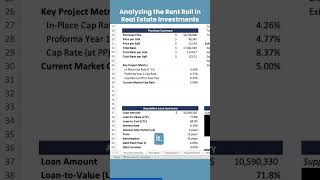
A brief explanation (spoken) defining a rent roll: a document listing property units (residences, offices, storage), tenant names, lease start/move-in dates and lease expirations, monthly rents and sundry charges (electricity, storage, parking, insurance), totals for leased and vacant units, and notices to vacate. The speaker describes using the rent roll as a snapshot of occupancy and to compare average rents to market comps to identify value-add opportunities.
Chapters
More from Wayne

youtube.com
September 2026 Meetup: Investing Ahead of Growth: The Bryan–College Station Opportunity
2w ago







youtube.com
March 2026 Meetup - Reading the Market: Economic Indicators Every Investor Should Know
6mo ago


youtube.com
February 2026 Meetup - Syndication 101: How CREI Partners Structures Deals for Investors
7mo ago
See all content
