Christopher Nelson-The Untold Stories of Real Estate Investing- Building Teams and Protecting Data
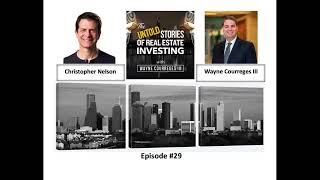
Podcast interview (Nov 18, 2022) with Christopher Nelson (co‑founder/principal, WealthWard Capital; ThriveCommunities) about his path from tech to real estate, founding WealthWard Capital, team-building and hiring approaches (test projects, contractors, paying for high-impact talent), and guidance for passive investors (do-your-own underwriting, ask operators questions, value over-communication). Nelson emphasizes cybersecurity and investor-data protection (email is insecure; use secure portals for wire/PII, password managers, device encryption, VPNs, SOC2 attestation). Investment cautions for 2022: distinguish cash-on-cash vs equity plays, consider hold period (many sponsors seeking short-cycle equity plays), watch aggressive multifamily rent-growth and exit-cap assumptions; he highlights mobile home parks as an income/cash-flow play (ThriveCommunities offering claiming ~10.5% cash-on-cash) and discusses blockchain/tokenization as a potential path to secondary liquidity.
Chapters
Welcome to the Untold Stories of Real Estate Investing hosted by Wayne Courageous iii. A place where active and passive investors come to hear the good, bad and ugly of real estate investing. Our guests consist of experienced operators and investors who want others to succeed by sharing their stories. If you're looking to syndicate deals or grow your wealth passively in real estate, you've come to the right show. It's now time to sit back, take mental notes and enjoy next episode of the Untold Stories of Real Estate Investing.
Welcome to Untold Stories of Real Estate Investing. I'm your host, Wayne Courageous. For our next episode we're excited to have Christopher Nelson who is the co founder and principal of Wealth Ward Capital, a private equity investment firm that has acquired over 3000 multi family units. Wealth Ward Capital invests in cash flowing institutional grade assets invest. His focus is meeting with operators and finding the next investment. When not out looking for opportunities, Christopher is spending time with his investors educating them on building thriving passive income portfolios. Christopher is a 20 plus year technology executive with over two IPOs. Real estate investor, educator and author. He's built professional services practices, run small businesses and helped take Splunk through an IPO and grow to a billion dollar company. Christopher has a proven track record of building strong partnerships, win win negotiations and finding great opportunities where others are not looking. Welcome to our show. Christopher.
Woo, thanks so much. Wayne, you were. Thank you for going through all that. I really appreciate it. Happy to be here.
Yeah, I'm excited. Fellow Austinite based out of Austin, so excited to have the conversation and we met a couple of weeks ago so a lot to unpack today in a short amount of time. It was great meeting you in person at the Intelligent Investors Real Estate conference. I'll do a shout out for that conference. It was my first conference in two years, maybe a little longer than that, but yeah, about two years due to Covid. So it was great to get back in the swing of things there. But you spoke on the Raise Masters mastermind group about protecting investors sensitive data. So I want to dive into that topic further. But first would love to hear sort of about your, your past, your history on, you know, how you got to where you are today in real estate and and co founding Wealthward Capital.
Thanks Wayne. And so I came from technology background. Right. We all read about it in the newspaper as people who work for technology companies and then they go through these IPOs and generate tremendous wealth. Well, that was my experience and I do have to say that there's a belief that when people go through A sudden wealth event that all of a sudden, you know, angels are singing and, you know, it's things are great and things are rosy when the reality is it's not. There's truly a psychological effect called a sudden wealth event that creates a lot of stress, creates a lot of anxiety, because if we haven't prepared for that event and I hadn't, I've worked hard to get there. I was focused on getting there, but I hadn't prepared for it. It created a lot of stress and a lot of anxiety. And I realized that at that point I was completely overexposed in the market. I was in a six month lockout period, so I was seeing no 90% of our wealth just ride the emotions and feelings of the market, which is definitely a surefire way to get an ulcer. WAYNE and so our goal was then, how do we start in a tax efficient way, harvesting those dollars from the technology equity, getting into a strong cash position, and then starting to deploy that into real estate. And we realized upon doing that that we were looking at the lens of real estate through California, so we couldn't see beyond it and understand how to invest out. And we had to really ramp up and do a ton of learning on the math, meeting operators. We made a few syndicated investments and things were going well. We're understanding a lot. But then our move to Austin and getting out of the Bay Area truly accelerated things for us as a family. So we were going down the path of becoming experienced LPs, limited partners, investing. And as I was sharing this with my friends back in the Bay Area, because I'm a true believer that we need to talk about money and what we're doing, not in a braggadocious way, but in how we're making it work for us way. I had a lot of people start raising their hands and I was lucky enough to have a mentor in real estate that was guiding me as an LP that said you can actually make a business out of this. And I was hesitant at first because I wasn't sure whether I wanted to have that responsibility. But when I really heard from everyone that they needed the help and I realized this gap of income assets, income producing assets in people's portfolios, I made the move.
Yeah, and very interesting coming from a limited partner side, having this equity, this cash coming in from these IPOs, probably selling your house and all in California, relocating to Austin, which in 2017, that cost of living was definitely a lot better. One thing we talked about prior to the show is that you were looking at, you Started buying single family homes. So did, did that. Single family homes. Is that where you started? And then somebody tipped you off about scaling larger or.
No, actually we had started being LPs and syndications first. We'd actually gotten exposed to crowdfunding and that really sort of appealed to my sort of executive nature of, okay, get to know the operators, understand those things. But they were, you know, we were out of state, we hadn't met a lot of people. It was pretty, you know, remote in distance. And so when we got here and we saw everything, as I mentioned to you before, we are truly a household divided. You know, we are in love. But my wife is an active real estate investor. She loves to own the dirt. She loves to talk to the people. She loves to manage the asset like you do, Wayne. I love the executive engagement. I love to know the operators, see how that business runs. I like to see large things and help people and companies scale. So being a capital partner and helping syndication businesses grow or create funds, that's what gets me really excited and focused. But we just came here and we just knew that there was a huge opportunity and there was to actually anchor our active portfolio. And so we just made the move. The timing was right.
Yeah. Well, you mentioned scaling. So when looking back on starting wealthward capital, would you have done anything differently or what systems did you put in place early on for you to scale? Because you have, you know, 3,000 plus units is incredible and that's a lot. So congrats on that success. But would you have done anything differently to scale faster, smaller or. And then, you know, the systems in place. Would love to pick your brain on that.
Yeah, I think that I would have probably started bringing in some virtual assistants sooner. I mean, I think as we've learned through a lot of these, you know, masterminds and groups that we in on how to really scale the marketing. That was new to me. My, you know, in tech, I was never part of marketing. I was never out front and doing this online and. Or digital social. So I think getting help there sooner, I like you, was. Was trying to run very lean. And so I struggled for a long time. So I think, you know, in hindsight it would have brought somebody in sooner who understood that. But the good part of that, the interesting, the good part is that I feel that doing a lot on my own and telling a lot of my own story and my reasons why that's truly really solidified my message. And I don't know if I'd be in the same point today, but. But I honestly think that, you know, as you and I were talking, too, is that, you know, I treat, you know, this business, you know, because I am still in a W2, smoking a brisket. Right. I want to go, you know, low temperature. You know, I'm not growing incredibly fast. It's low heat. And I'm really focused on quality.
Right.
And this is what, you know, I talk a lot, I've mentioned on other podcasts, too, is that I'd much rather have a small list, you know, 300, 200 investors that are doing 100,000 to $250,000 a year than this huge list of people that are doing, you know, onesie twosies. And I really want to know my people. Like, I really want to know. And I want this to be a very intimate business. So, you know, the low and slow is working so far.
Yeah. And it helps that your life is active. You know, she wants to be part of that business. And so, you know, you can. You can shift things that work best for her and for you and make that work.
You're totally right. I mean, what. What happens is when there's capital available. Like, this is where I do say is that. Is that, you know, you can look at it as a house divided. I joke about that just because we're down here with, you know, Texas football flags in our neighborhood, which we don't fly any, by the way. But in reality, I of us as a double threat. Right. In the sense that if we get inbound capital, we can look for. Is there an active opportunity that she wants to take on? Okay, great. Is there a passive opportunity? Let's look at what's in whatever arena or vertical, if you will, and then we can go and make investments. And that's allowed us to truly continue to grow our portfolio.
Yeah, I love that. And so when you're looking for operators to partner with, you know, what are things that you're looking for that sort of meets that criteria for you and your investors to partner with?
I think that. And again, a mentor told me this is. I look for three things. Integrity, integrity, integrity. Right. And what I mean by that is these operators need to be who they say they are. And it's so important because, you know, we are outside of the sec. We're in a space where, you know, we put a lot of trust in the operator. So knowing who they are, you know, and that includes doing background checks, you know, spending considerable amount of time with them face to face in properties. Super important for me also, it's a track record of Success and that doesn't always mean real estate. I mean one of the groups that I am partnered with here in Austin, Wildhorn Capital, I was watched their first investment and I invested with them as wealth board capital with a group. And their second investment, they've gone on to do many more. But both of the principals and founders there were, you know, very experienced in other. Andrew was in, you know, marketing for startups, right. He was a guy who was in my world, but he had done tremendous things, very successful and his partner Reed was ground up construction and again, track record of success. So I think that there is a DNA of people who understand what it means to be successful in business and they can do that in real estate. And then there's always people who've been successful in real estate for years.
Well, we'll talk about the team sport shortly because I 100% agree with you on that. But while we're talking about what to look for in good operators from a private equity side, what about passive investors? Probably very similar, but someone who's not as experienced. I mean you started out as a limited partner, so I'd love for you to share your experience because as a passive investor you may not have a lot of opportunities to hang out with.
Those guys with the operators. Right. Well, and that's part of what I learned, right. And I really looked at Jeremy Roll, who I think is, I think of him as the godfather of the passive investing professional movement and guys like Steve Sutledge and what they showed me is, number one is have your own methodology of due diligence, do your own underwriting, understand in advance what your assumptions are and then really try to spend time with as much time on the phone with the operators and as much time as you can engaging them. Because the way they treat you in the onboarding process is they'll treat you the same way down the line as well too. So it really is important that you get to know them up front and really press and push as much as possible because you truly are trying to stress test something that you'll see later on and then, and then understanding the math and knowing how to read the numbers is important. And I honestly believe that it's not as hard as people think. And I do think that that is an exercise that I try and walk all my investors through is how do they understand what are key things that they need to see and if it doesn't look right, you need to poke.
Yeah, it's that gut check of does it seem like we can really achieve 15% year over year rent growth, those type of things, you know, asking questions. And I will say I love your point about asking questions because that is a really great, I want to say segue but you know, on how they are going to communicate throughout the project. We just closed on a project in December and we've. You've already sent out two communications and planning on a quarterly call next month. And I feel like that communication is so huge for that passive investor who's about, you know, they're putting in 50, 100,000 or more. And you know, for those that aren't used to real estate, the game, you know, of developing or redeveloping, renovating, et cetera, that communication is key.
It really is. And quite honestly I think that that's, it's one of the. Communication over communication is something that separates good operators from mediocre operators. Right? Is making that sure that you are truly over communicating so that investors like, okay, great, you are doing your best effort to keep me super apprised of what's happening. That builds trust and that lets people know, you know, we're not trying to hide anything.
Well, one thing I was impressed when I checked out your website is I mean you've got a solid team behind you, you know, that are supporting the investor relations, the brand, the outreach. So when did you start bringing in those team members and how did you go about finding them?
So I took a sabbatical in 2019 and was really focused to, I needed to take a break from technology because it is a industry that can burn you out real quick. I've been burnout a couple times and it was during that break that I knew that I needed to really start building the team around me. The business was getting to be that size and I think what I usually do is I try and go out there and understand who is, who's doing something really impactful in the field. Like I really, I would much rather pay up for somebody who's doing something really impactful because I think it can truly push forward the brand. And then I always try and get into engagements that I consider like, you know, bite sized chunks or projects so that we can try and understand can we get into a flow work state together? And if we can and we can see what flow looks like, right, we're finishing each other's sentences, we're aligned on, on, you know, what we're trying to achieve here, then I know that, okay, now let's actually do the next project and maybe it's twice as big and then we start talking about, you know, okay, how do we partner long term, how do we create win wins between us as a team? But that's TR how I've built this team here at wealth for Capital.
Nice. Yeah. So it's really important, it sounds like, to sort of test drive a little bit before you go right into, you know, the say, professional marriage. Right. So you're, you're testing them out, going on date, you know, dating.
Yeah, well, I, I do because you know, I mean, I think that's one of the flaws, one of the challenges we have in the workforce, right. Is you know, you go there and you go through this interview process that's very staged that people can really prep for. And you know, in technology, right. It's, it's, you know, it's there and I know and I've had to prep for interviews myself and it's, it's very, but it's not the work. And so I think one of the advantages of real estate being entrepreneurial is you can engage people that are, you know, working as contractors and put together things that you can act as if. And then, you know, what I always do is, you know, it's a sports analogy. Look for the free agents and be like, okay, you need to actually be on this team and then you go recruiting, you know.
Yeah, love it. Well, since we met at a mastermind a couple of weeks ago, are there any other masterminds that are programs? I mean, you've mentioned your mentor. You don't have to say that, who that person is or a group. But if you want to, I would love to hear about what other programs, masterminds that you've seen that are helpful for people trying to transition to real estate. And then so starting out because I've, you know, I found is, you know, there are groups, mentorship groups that are great at getting you to a certain point. Right. But then as you need to scale or things change, you've got to continue putting yourself in positions where you're with other like minded people, you know, areas. Right. So that helps push. So all that said, you know, have, have there are other masterminds or any groups that you recommend?
Well, as, as we, we're both a part of Raise Masters, which I think is, you know, a great phenomenal mastermind for those who are on the capital raising side and building a capital raising business, learning the fundamentals, et cetera. The other mastermind, you know, and I actually, oh, I don't, I don't have the book here, but I am a part of a personal Branding Mastermind by a gentleman by the name of Mike Kim. And he wrote a book called you'd are the Brand. And I joined it because I started reading a lot of his materials and following him. And I realized that especially in our part of the real estate business where we are raising capital, we're also doing a lot of education that what's going to differentiate, what's going to set us apart, what's going to pique people's interest is our story, is how we tell the story. And one of the things that I learned from him that I thought was so profound is you where your personal brand sits at the heart of you know what, you know, what pisses you off, what breaks your heart and what problem you solve. And that was something that really helped me articulate that, you know, what breaks my heart is that there's many technology employees and I know plenty of them that have 7, 8, $10 million in the bank, but they don't feel like they can take a sabbatical or retire because they have no income vehicles. They're all in stocks, they're all in venture capital. What pisses me off is the fact that we have this financial behemoth, this wealth management industry that will not own up to the fact that the bond market's dead, income's dead, and they need to start pushing people towards income producing assets so that they can have a decent retirement and not fall into this 4% rule that's going to end up not leaving any generational wealth for their family. And that's the problem that I solve is through real estate. And so I learned all of that and been able to articulate that because I went to a personal branding mastermind that I think is so important for us as real estate professionals because we can't just lead with oh well, you need to learn noi and cash on cash and passive income is good. We need to be able to tell that with some stories in passion if we really want to turn people around.
Yeah. And that educating and having that mindset that, you know, you have a lot of value to bring and you can speak their language too. From a technology side. You know, we talk a lot in the raised masters mastermind, but you hear it a lot other places. But you know, finding your avatar, who's your customer, you know, who can you relate to and educate? You know, I hate like the sales marketing in real estate because it's not sales and marketing, it's educating. And if you're educating, you know, people are going to want to learn more And I've said it on the show before, where we're all very cattle like driven mindset of a herd. You know, we, we go through this, the stocks and you know, 401k and you know, all this. But, you know, the reality is, is, you know, real estate can really open up incredible amount of wealth and time whether you want to do passive or active, you know, you, you can even have a choice than that too. So love, love what you're saying and, and kudos to you for taking it to another level and getting that, you know, mindset, you know, mentor. I think that's, I have to look into that myself too.
So happy to share.
Yeah. So a couple weeks ago, I know we keep going, talking about a couple weeks ago, but you are very passionate about protecting sensitive data. And obviously with your technology background and you being very close and intimate with what's going on in the online world, I just think I would love to just give you an open mic. Sure. And you can spend the next 30 minutes if you want, talking through. But I just feel like it's so important from a passive investor side and an active investor side. But you know, with this podcast, more so educating people who just don't know any different. And there's nothing wrong with that. That's why people are listening into this podcast. Right. But I just think you had so much, so many things that hit me too. So I'm, you know, we're digging it on our side too, to make sure we're protecting. Making sure we're protecting. But all that said, I'm going to tee you up and, and just share your thoughts on, on all that.
Yeah. So, you know, it's interesting, right. Regulation and having compliance and regulation is a headache, but sometimes it's good hygiene. Right. And so I just know from my experience of helping companies go from private to public, when you become a public company and you are under the purview of there are very stringent guidelines as far as the way that you need to handle data and a lot of things that I've been exposed to. And the world of cybersecurity is truly the new frontier of crime. You know, you are not going to there. There are plenty of people that I would argue that are born, born today that will never actually physically be pickpocketed. Right. When we were, at least for myself, you know, growing up and going to, you know, Europe in the 90s, you know, was you be careful of pickpockets. We're now we have to be careful of our online presence. And our online data because identity theft, phishing, where somebody is trying to get access to your bank accounts or your private information so that they can either sell it to somebody else who's going to exploit you, or so that they can exploit you their self and try and take money. We're, we're a much greater probability that's going to happen. And so because we are in the world of private equity, right, this is private business and there's not a lot of compliance, we have to hold ourselves to a higher standard. And so that's where I at the mastermind said, I have been flabbergasted as I've come into this industry and I've seen people being very flippant with bank account information, wire transfer information. I mean, one of the most common ways right now that you'll find that fraudsters are taking advantage is number one, is email is not safe. Email is an unsafe form of communication. It is not encrypted. People can snoop it, people can spoof it. So they will take, if somebody's emailing wire instructions, they'll intercept it. They'll put new bank accounts, ship it to somebody. No validation, verification. Somebody is wiring information to another bank account. That's why wire information needs to be presented on a secure portal or secure Dropbox and somebody who has that specific email can download the link. There needs to be just a very simple process set up to ensure that that's secure. And that's just an example. And so what I really try to walk people through is how do you need to physically be safe with your devices, right, Your computer and your laptop, People's investors, laptops should have passwords on them and you should not turn them over to other people to play on or do things on things that have your private and personal information. You should, everybody should have a password manager, right, that has all their passwords. So they're very super secure, stored in a place and not written down anywhere. And then, you know, you should think about encrypting your laptop and your phone too, you know what I mean? Which is just means that if somebody takes it, they can't then go in and mine that data out of that hardware device directly. It's locked up in your password. Then I talked about how you should be online secure, right? Where you should think about a VPN software virtual private network. So if you're at a coffee shop or a co working space, you know, people can't again peek into your traffic. And then at the end of the day, it's really just Making sure that you are working with people that do have, you know, data privacy policies that you understand or you can ask questions about, or they're partnered with people that do have certifications or looking to get certifications. You know, SOC2, which is Security Operating Center, SOC2, type 2. Those are some specific attestations that you want to see people pursuing that, you know, that they're handling your data in a safe way. So that's that. I don't know if that was a message, if that was a rant, but definitely I am passionate about it because, you know, we, we have to take care of each other. And as I told everyone, it's like we just need to be next, secure than the next guy. It truly is the law of the jungle. They're going to look for the weakest link and they're going to go exploit that. So we just need to start working on our hygiene and moving our level forward.
Yeah, no, there's a lot to unpack there. And from a limited partner side passive investor where you're, especially in the beginning where you're asking a lot of questions and you're not sure knowing what to send or what not to send, I think the big key point, and there's a lot of key points there, but first key point is email's not safe. Right. General questions, all that. I mean, it's a way of communicating for sure. But you know, if your syndicator or sponsor is asking for, you know, your bank information or you know, other personal. What is it? PP Is it ppi.
Ppi. Yeah, yeah, PII Sorry, pii. Personal identifia.
Yes. So PI. The pii. Right. So that, yeah. Need to go through a portal or some other.
That's right.
Safer system. Yeah.
Well, and that's where asking somebody, so what is your data privacy policy? And if they, they stutter and they balk, then you realize like they probably don't have one or they don't know what that is. And that's not like it's not surprising. So then it's okay. What are you going to do to keep my data safe? Can you get one? They're not hard to get. You know, can you get one? And then making sure that they have other people in their office because then it's really, then that contract that's holding them liable, then they're being responsible and they're accepting that liability, which I think that they should as part of this business because they're taking bank account information, then asking them, okay, how are you going to ask for this information, where is it going to be stored? Does that have encryption? Does that have, you know, do they have any attestations? How do I know, you know, who's got the keys to my data? On the back end there's a few series of questions and you know, now you're inspiring me that I may need to put that together into a, you know, lead magnet. What are the, you know, 10 cybersecurity questions that every passive investor needs to ask for sure.
I'm glad I helped you.
Yeah, no, thank you. Yes, Wayne, you have just, you have just inspired me. Thank you.
Man, it's big because I mean especially like wiring. I won't wire money unless I call the person and we're, you know, I confirm over the phone that the numbers are correct. You know, time and time again, you know, you just see in the news of these people that are just being, I don't know, they call it Internet jacked or hijacked, whatever it's called in the Internet world. But it's like, you know, what a scary thing where you know, you're investing, you know, thousands of dollars and that's really not a question like it literally like when you look at other syndicator sponsors, even my ebook Passive Investor, you know, things to ask, data sensitivity and that it's not really thought about. And so I appreciate, you know, that that was a big what they say, you know, if you go to these meetups, whatever, what's your twenty thousand dollar moment? You know, for me that was your, my twenty thousand dollar moment is like how do I protect, make sure I'm protecting our investors information and we, we do that through our investor portal and you know, there's things such as that but I mean even going and asking follow up questions to, to the portal and not assuming, you know, the stuff so.
Right. And making sure because again like this is a, this is an evolving threat and so then it's really understanding how they're adapting to grow and change. What are, what's their investment in it? Yeah, yeah.
Well, it's all great information and I'm, I'm hope, I know that the listeners out there are going to be asking those questions, you know, in the future. But so as we sort of close up, I wanted to just make sure that we covered, you know, any, any comments, suggestions, anything that our listeners should be aw of and prepare for investing in 2022. Sort of a new question that I've been asking before I end but you know, I want to just give you the mic if there's things that you're seeing in 2022 when you're underwriting other people's deals or you're, you know, you're things that you feel like, hey, people really need to be on the watch out for this or be prepared.
Yeah, I mean, yeah, I know there's a few things. No, I mean, because the thing is, is, you know, again, like my company is also still positioned the same way where I am going and finding investments for my family's portfolio. And then I open that up to my group. So if you think about it, think of me as the lead LP in the group. So here's a few things that I'm seeing that I think that people need to be asking themselves. So number one is, what's more important right now? Is it really your equity multiple or is it the cash on cash return? Because I think that if it's really cash on cash, you need to start then either looking in other markets or other asset classes besides multifamily. Because multifamily, what I'm finding in my portfolio is where I have been investing and I'm still doing some investing here in Central Texas, that cash flow is going away. I mean, it's getting much more compressed and it's an equity play, which to me that becomes another growth tool. Like what I have in stocks is I'm not going to get any cash flow and then it's going to expand. Well, I need cash flow so that I can be training my portfolio to support me in retirement. So that's number one. Number two is do I want to be getting into investments and partnering with people where I'm going to have to cycle the capital in two or three years. Right. Because a lot of. And this is where different size syndicators have different needs, larger syndicators. Right. We heard this from some of the large syndicators that are at iirec, which was our meetup, but also a larger real estate conference, saying I want to hold on to my assets in perpetuity and cash flow these things because I don't know where I'm going to buy the next one. Right. We're in this market of, okay, so I sell out all of a sudden, get this great expanded equity and now what? So I'd say that those are the questions of do you want equity expansion, do you want income? And then what kind of hold period are you looking for? Because that's what's really took me two different asset classes. And right now, wealth. Ford Capital is investing and we've built out investments and relationships in mobile home parks because we're seeing that there's still a lot of opportunity like there was in multifamily in 2015, 2016, where you can get high cash on cash. We're putting together 10 year plus holds with cash out refis so that we can return those the capital, reduce the risk. But we're able to own these assets and cash flow which gets to the core of our portfolio, which is income. The second part I'll say is that I am definitely seeing in multifamily underwriting, I am seeing a few no no's out there. I've seen a few, you know, and these are, you know, I get a lot of inbound from sponsors that want to do business and want to partner with Wealthward Capital. But I've seen people that have a, you know, a exit cap that is going to be, you know, smaller. They don't show any compression or, sorry, any expansion of the cap, you know, on exit. So they're really, you know, writing in a lot of risk to these. And then it goes back to your early point, Wayne, where they're continuing to project this rent growth where it's like, well, where's all the jobs that are going to be paying for this? Like, I mean this is one of the things that I'm hearing is, you know, you see a lot of multifamily syndicators that are just high right now and rents going up, rents going up, rents going up. I don't know if that's a good thing. It's going up so fast because at some point how do renters really support this? And so I think looking at, you know, the sustainability of these models and you know, what if rent doesn't go up or can we conservatively just go back to an original, you know, we just have a few percentage points a year. What does that pencil out like? Because we can take the other stuff as gravy but we're going to unintentionally have some very angry renters that are going to be going to Congress if we just keep riding this wave and pretending that it can go on forever.
Yeah, again saying how it is it's so important and just to reduce risk. It's all risk at the end of the day. Right. But I'm seeing what you're seeing over and over again, even as a passive investor looking at deals in our markets, I won't say which ones but like markets that we're in and that we're very comfortable with and there's Some rule of thumb like taxes and insurance and these things like where's, you know, and so, you know, and I'm not gonna, well, I am going to do a shameful plug, you know, for our monthly meetup. But we do that and we, we go back, you know, we pull back the curtain and we go through our underwriting, you know, just sort of edge what is to educate and teach these passive investors what to look for. What are these levers that people can pull to make a deal work? And one thing I definitely see eye to eye with you on, it's better to have quality and have the slow cooking brisket than being a deal every other week. And not to say that's a bad thing. It's a bad thing if you're doing it because you're doing these levers a little too risky. Right. So.
Right, right. And this is to me is, right now is, is. I do think that experienced operators necessary, experienced operators required people with some healthy scar tissue because there's a lot of people that are trying to break into it right now. And I'm seeing just some underwriting that just to me is just not sustainable. And I would much rather pass. You know, what is it that, that Hunter says? Hunter Thompson is our shared mentor is, you know, sometimes the best investment, your best investment is the one that you don't make.
Yeah, for sure. One thing also to get hit on your first point about cash flow versus equity or cash on cash versus equity. So, you know, what we're seeing is cash flow plays like what should have been a five to seven year cash flow, but the market is so hot because everybody is looking for yield. And when I say everybody, like institutional, overseas, everybody's looking for yield. And so there's just money that just needs to be placed. Right. And so that's really pushing it on, on this equity multiple. So people that are getting in cash thinking that hey, this is cash flow, you know, the, because the multiples are just so high, you know, they're, they're churning. So you know, I, it's hard from a syndicate operator standpoint to, you know, make a decision on what to do that's going to make everybody happy. But I think more so just, you know, again, everybody going in with their eyes open like, hey, things can shift and you know, business, you know, plan shift and ultimately general partners ideally are, you know, in theory and what they should be doing is looking after the best interests of all their investors.
They should. And this is where I do think. I mean, this is where, you know, I'LL I'll take us into the, you know, into the future, you know, with my, my tech crystal ball is this is where, you know, I spent a lot of time with, you know, Michael Flight on blockchain and real estate and where tokenization of real estate will then allow GPs to own things in perpetuity and provide secondary liquidity. And I do see that there is, you know, and this is something that I'm very bullish on. I'm working on with the Thrive community teams that we do the mobile home parks with, is our goal is to hold those assets in perpetuity as operators, but then we can provide through these, this tokenization, which is really just saying instead of having large $50,000 contract, you can break it down into $100 tokens, thousand dollar tokens that get equity, cash flow and depreciation, and then you can sell those on a secondary market for their value at the time. That is again, based on the underlying fundamentals, financials of that company. But I see that that's where it's going to go so that then you can start holding this in perpetuity, everyone can get liquidity, even the GPS themselves. And then. But then you have at least clarity of where you're going to put that money next. Because that's the biggest question. I mean, and this has been a great. I know we're exploring and thinking aloud, but that's what I'm asking myself is where am I going to put my money next so that I don't have to think about cycling all of it every two years because I don't know where the assets are going to be.
All I know is I'm excited to have another podcast show with you talking about this tokenization thing I got in the crypto world last year didn't put a whole lot into. I think it's like seven grand or something like that. But it was just testing it out. I've lost. I was at the peak of everything right before Elon Musk did his thing on Saturday Night Live with Doge or whatever Dodge. I don't know, I still own it. But the point is now that things are changing in the metaverse and everything else, man, we've got to have just a separate show on that. Pick your brain on it.
No, we'll talk about it so that people can understand again the difference between crypto in these currencies that are creating this open market and the difference between Bitcoin and others. And then also then looking at blockchain and tokenization of real Estate. It's almost like saying it's apples and oranges. It's two different things. And I would love to be able to tease that out for people.
Yeah. Again, as I said before the show, a lot of these questions and stuff are pretty selfish because I'm learning along the way and bringing our audience along for the ride. But so as we close up, I always ask this question and it is, what is your proudest moment investing in real estate?
I'll tell you, my proudest moment is when I see I had some investors that started with me when I was early on and they were exiting their technology careers and they were overexposed in the market and they have been investing alongside me, alongside my family. And it was really that weekend some of them were there at the conference, they took me out to dinner. And they're living some of their best lives right now. And a lot of it is because of the education, the investments. And they invest with me, they invest elsewhere. They have become so savvy, so astute now. I really think of them almost as partners. And I'm actually creating an investor advisory board for wealth, for Capital. And they're going to be on it. They're going to be the first members. But I just get excited when, you know, the, the teaching and the education is able to see somebody else through to success where they can really live their lives in the way that they want to and they feel, you know, as safe as we can, as secure as we can in this world. That just excites me to no end and it makes me so happy.
Well, keep doing it, Christopher. You're doing awesome things and I'm excited to continue building the relationship with you. But as we close up here, anything else you want to add on the show or tell us about how listeners can find you? Anything else before we wrap up?
Well, yeah, I mean, what I would like to tell listeners about is that, you know, I try to ensure that I am, you know, practice what I preach or I'm providing what I talk about. So we have at ThriveCommunities Fund, you can go and check out our latest offering. You get a free webinar and you can go and see our offering on mobile home parks where we are operating in a very interesting niche of mobile home parks and we're able to provide a 10.5% cash on cash return to our investors. We've just hit our January distribution and we are just nailing expectations. We over communicate and we're continuing to raise capital and we'll do a cash out refi in years three to five and then continue to hold it for 10 years. So this is the type of investment that I'm anchoring in my portfolio and this is something that we would love to provide to your listeners.
Sounds good. Well, send me that link and we'll make sure it's, it's published on our website as well. So. But thank you, Christopher, for your time. Great discussion. And you know, hey, we could talk mobile parks next time, but I really think the blockchain and all that's going to be it's one. So we've, we've got another two podcasts, I'm ready coming up. So really enjoyed it. But yeah.
And let's try and figure out. I'd love to figure out a time when we could do it live. It'd be great.
Okay. For sure. Yeah. Thank you again for your time and we'll touch base soon.
Thanks, Wayne.
That's all for this episode. We hope you subscribe, share and leave a review of the show. For more information about passively investing in multi family apartments, check out Wayne's free ebook by going to creipartners.com ebook Also, follow us on Facebook by searching CREI partners. This was the untold story.
More from Wayne

September 2026 Meetup: Investing Ahead of Growth: The Bryan–College Station Opportunity





May 2026 Meetup - Apartment Complexes & Passive Investors: Opportunities & Risks


March 2026 Meetup - Reading the Market: Economic Indicators Every Investor Should Know


February 2026 Meetup - Syndication 101: How CREI Partners Structures Deals for Investors

Build-to-Rent (BTR) Communities Explained: Why Investors Are Paying Attention