Passive Investor Must Knows for Evaluating Real Estate Syndications - October 2025 Meetup
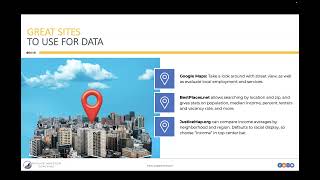
Recorded meetup presentation (YouTube) by Wayne Courreges III, CPM® on Oct 20, 2025 for passive and active multifamily investors. Wayne introduces his background and CRI Partners, then covers practical guidance for passive investors: market research and location evaluation (drive-market preference, use of Google Maps/Earth, bestplaces.net, justicemap.org), real estate market cycles (recovery → expansion → hypersupply → recession), multifamily asset classes (Class A–D) and why his firm prefers B/value-add in 100–150 unit range, deal sourcing (off-market, broker relationships, seller outreach), sponsor/operator roles and investor considerations (who is the 'jockey'), and a Q&A about unit-size economics, sourcing, and underwriting considerations. Closing includes links to PassiveInvestorCoaching.com and CRI Partners contact info.
Chapters
All right, welcome. It's October 20th. We are talking about passive investor must knows for evaluating real estate syndications. We just finished up our networking which is about 15 minutes prior to this discussion. So excited to dive in and talk about real estate syndications. This meetup is on the fourth Monday of every month where we invite passive and active investors to discuss the good, bad and ugly of multifamily investing. Usually the first part of our meetups we'll be doing our networking breakout and then we'll do our guest presentation. There's several meetings a year that I'll take the lead but I also like to get our real estate attorneys and tax advisors and self directed IRA consultants try to bring in a lot of different groups to talk through, even like costar to talk about market research and updates and so really just try to add a lot of value to passive investors Primarily one of the things we talked about in our networking breakout session is there's a lot of education for active investors but there's not a lot of education for passive investors. So it's one of the things we've done. We've done this for about two years and yeah, it's been something I've enjoyed doing to you know, sort of give back and help other investors. So a little bit about myself. I am based in Bryan College Station. We have about 60 million assets under management of that primarily multifamily between 100 and 150 units in Houston and San Antonio. We do target the Texas triangle but been really just finding a lot of value in the Houston, San Antonio markets. And then we own and have developed in Bryan College Station. Most recently we built a storage facility and we are in process of the next couple months we'll be breaking ground on a multifamily development, an office, retail and then later next year a hotel in the Bryan College Station area. This is what I've done all my life. 16 years prior I was with CBR in commercial real estate. So I don't really know anything different. This is something that I have always been part of. My first single family investment was when I was 19 in the Marine Corps. So I've really enjoyed commercial real estate. It's something that I've, you know, if I wasn't doing anything else it, you know, it would just be real estate. So but I enjoy this education aspect building teams. We are up to three full time team members at CRI Partners plus myself. And so we are excited to, to grow and you know, add value to our investors. So Shelby, she's On the call today. She is the backbone of our investor relations, so she'll definitely reach out and, you know, build the relationship. There's no sales pitch or anything. It's just us getting to know you. If there's anybody watching this or listening to this after this video, whether it's through a podcast or YouTube, you know, we're. We're accessible, whether it's Shelby or myself. But Shelby's been a great team member to really understand, you know, each investor's needs and try to fit them with an investment within our portfolio. That. That fits it. So let's get going into what I sort of view as what passive investors should know. We're going to dive deep. For those that have watched our passive investor education program, that's@ passiveinvestorcoaching.com you're going to see a lot of these slides are very similar, but I want to dive a little deeper into some of these as well and hopefully, you know, answer some questions if there's any, you know, with the group that's on the call. But, but let's start with market research and evaluating locations, because prior presentations we've talked about, you know, what to look for in a deal sponsor and, you know, what type of investor are you? Are you more cash flow or equity upside? But, like, what happens when you get that deal that comes across your desk and you're like, is this something that really I should invest in? And so part of that is market research and evaluating locations. And I don't think we need to make it more complicated than it is. A lot of times what's best is just investing in markets that you're already familiar with. I mean, there's somebody on this call right now that's from, you know, Raleigh, North Carolina. Does it make sense for him to be investing in Florida or Texas or other places? Maybe not for the first one. Maybe as he builds relationships with the sponsors and gets to know that market. But what better market to invest in than markets that you can easily drive to? So there's another investor on this call in Dallas. You know, San Antonio is, what, four or five hours away. It's not too bad of a drive. And so, you know, being able to drive and sort of see these markets is huge. It's part of the market research and evaluating locations is just being familiar with the areas that are already sort of in your. Your driving area. There are markets, though, that I would typically stay away from. And it's not a political thing, but any, like, blue states, I typically wouldn't invest them because they're not very landlord friendly. A lot of times the growth is heading more to the south southwest. And so when you start looking at, you know, states and cities in particular, looking at sort of where they sit as far as being landlord friendly or resident friendly, and it's not a political discussion. We're just. It just is what it is when it comes to investments. So that all, you know, ties into market research and evaluating, you know, locations. We heavily invest in Texas, but I won't ever buy anything in Austin, even though I grew up there. I love Austin. It's a beautiful hill country area. But I would absolutely never do that. You know, I had my dad, he lives there, and he tried to, you know, put a whole house generator on his house. Took eight months to do the generator for his house in Austin because of all the different inspectors that had to come out and all the red tape. It's awful. And so investing outside of Austin, going into San Antonio, Houston, uh, you know, those are markets that we are comfortable with because we know those areas. Right? So what I'm trying to say is, is like, no matter where you are, you know your backyard better than anybody else. So is it a place where you would want to invest? Maybe, you know, start there. From a market assessment, if you are investing in areas that are outside of places that, you know, like, we're going to talk through how to evaluate those areas and make sure you're comfortable. Because everybody's going to have a different risk profile. Everybody's going to have a different comfort level. And so from a market assessment, you know, let's start in your backyard. If that doesn't work, then let's, you know, go through some of these steps on how to evaluate other markets. Everybody's going to have their own techniques. Some of that is like having to go touch the physical building itself. Look around. You know, some of the things if you're looking at a property is, you know, if you go in middle of the day, you know, there are a lot of cars on site. What type of cars are there? You know, I don't want to see a whole lot of cars in the parking lot on a Tuesday afternoon. Makes me think that maybe people aren't working. Right. And so if they're not working, they're not paying rent. What type of cars are out there? Are there a lot of H vac window units? Is the property in a, you know, C class area? You can change a property, make it beautiful and, you know, put a lot of time and effort into repositioning an asset, but you can't reposition a location. It is what it is. So those are things that want to look at. Everyone's priorities are different. There are people that really enjoy finding, you know, the diamond in the rough where, you know, it's a true deep value add. And they're having to go in and do a full repositioning. You know, we've done one of those. And I'll tell you, that has aged me 20 plus years. And so we don't like doing that anymore. It's, it's cash flowing day one. Assets that, you know, we can slowly move the needle and not have huge impacts to occupancy or, you know, cash flow. So. But a lot of people, you know, and there's no wrong or right or wrong on it. It's just, you know, what people's preferences are, whether they want a home run at the end of five years, but with that home run, there's higher risk. And we're going to talk through some of those different risk profiles shortly. But the goal is to research the area to find, you know, desirable neighborhoods, future and present growth and good jobs and income and advantageous percentage of renters and homeowners. Typically. What I like to see is, you know, a 50, 50 split where, you know, there's a good amount of renters and a good amount of homeowners. Homeowners tend to take care of the area. You know, they're invested, they bought into the area. So I like to see a good share of homeowners, but I also want to see a good chunk of renters. The other thing, the market assessment that I look for is we, we are targeting in, in big cities, there's a lot of groups that will target, you know, smaller markets, you know, whether it's, you know, McAllen or some of the, you know, say, Beaumont and tertiary markets, you know, we stick to the big markets, whether it's Houston, San Antonio, Dallas. I'm going to put Austin in there, but we won't buy in Austin. But there's a lot of surrounding cities in Austin, Georgetown, Round Rock, Pflugerville, Buda. There's a lot of different communities around Austin. But just looking at those bigger cities that have over 100,000 plus in population, anything under a hundred thousand, we're not, you know, we're not looking at. And then primarily, you know, we're reducing our risk by investing in a big city name. And so that's what we, we typically do. But everyone's going to have different priorities, different Areas and where they think they're going to find the most value. But what if you're like, you know, give the Raleigh example and you're trying to invest say in Texas, say San Antonio, you know, what are some good sites for data? Well the best thing to do is you know, try to travel there but most people aren't traveling to go check out an investment and that's okay because technology has, you know, allowed us to be a little bit more efficient with our time. So starting with Google Maps, you know you can get a pretty good street light eyed view just by putting in the location and just putting your, your mouse to where you can be street level and sort of look around. What are things to look for? I like to look at like convenience stores. Are there bars outside the window? Are there pawn shops, discount stores, you know, what's the, what's the school, you know, ratings in the area. So you just start looking and you can sort of just go from, you know, every 100 yards, you know, just move street view on Google Maps and just sort of see what the area is like. And so those are some of the easy free, you know, Google Maps that you could do. Google Earth is also incredible where you're able to just get a bird's eye view of the area and sort of see where the parks are, see where you know the different stores. Is there an H E B which is a big Texas grocery store or Starbucks? A lot of those places are, you know, they've done their homework on, on areas that are experiencing growth and they're positioned to be in those areas. And so those are all good things. So through Google Maps, Google Earth, other websites I like to use is bestplaces.net this is great when you are looking at a market that you're not too familiar with. So say you know, put in Houston or San Antonio, the zip, it'll give you the stats on population. I mentioned that we won't invest anything less than 100,000 people but you know, in reality we're investing in areas that have 2, 3 million plus people. Right. So but if we were going to invest like Brian College station, that's about 300,000 people. So it fits, you know, the checkbox of over 100,000. But we're also going to see a median income. You know, if we're wanting to make sure that the resident has three times the monthly rent and income, you know, we want to see what that median income is. What is the percentage between renters and, and vacancy. There's a lot of Markets that don't have much renters, they're mostly homeowners. So that wouldn't be a place that I would be excited to buy in a multifamily apartment. But if I can find something that's you know, 50, 50, 40, 60, you know, just in that range where there's, you know, sizable renter population, then you know, that's something that excites me. But bestplaces.net it's a great resource for that. And then I also like justicemap.org this you can actually put your, the address in and it's color coordinated and like the darkest, darkest red is like a really rough area. So just be thinking about crime. Going back to what I said, you know, we, we bought a property where you know, we were repositioning the asset. My plan was to rebrand it and you know, you can do all the hard work and change the, the property positioning but you can't change the whole area. Right. And so it's just something to, you know, just continue on the back of your mind of like you're not only investing in the property, you're, you're investing in a neighborhood. And how does that neighborhood look long term? What are the type of residents that live there currently? Is it one that you would feel comfortable living in yourself? Like that has been one of the decision makers for me too when we go look at a property like is this something that my three kids and wife and Great Dane and Lab are happy to live in? And I would say every asset we've bought other than that one that was a true deep value add like we would totally live in. And oh by the way, they're all cash flowing. And they're cash flowing because they're, you know, places that people want to live. So not overthinking and, and you know, just putting yourself in a situation like is this a place that I would live? And you can use these three websites as a way to, to do some evaluation and research whenever you're looking at a property. So other things to know about is market life cycles. Just like in the stock market, there's ups and downs or cycles. And you know, just like in a stock market, if you're buying at a low, you know, if you're a long term investor and you're buying sort of at the, the low part of the market, you know, you are, you're getting great value because you know there will be an upcycle. So they're going to shift from city to city. You know, it's real Estate is very micro, even down to the neighborhood. But when you look at, you know, cycles in real estate, they're going to range from nation, statewide and you know, definitely local areas. And so when we look at market concepts from a cycle standpoint, it's definitely city by city. I wouldn't compare Austin and Houston even in today's market, because think about it, Austin had a huge amount of population growth and a lot of wealth come to it when, you know, especially during COVID and right after Covid when a lot of people from California were moving to Austin. And so a lot of those companies now post Covid are, you know, working from home and such. They're not having to move to Austin. So there was this lot of over development during that time. And so what Austin's seen is a huge reduction in rents where, you know, Houston, San Antonio, yes there were supply, but it wasn't as dramatic as what we saw say in Austin. So you're going to see these different cycles and they really come into these categories. It's recovery, expansion, hyper supply and recession. So no matter where you're living right now, whether you're Dallas or Houston or Raleigh, or where I'm at right now in Lancaster, Pennsylvania, as I do this conversation as we travel over the next few months, you know, every city is sits in one of these pockets, whether it's recovery, expansion, hypersupply and recession. So knowing where and that city that you're investing, like where does it sit in the cycle? And what I like to do is really try to find moments to buy in the cycle where you're sort of at the bottom. That's sort of an environment that we're at now. It's extremely hard to raise capital in this environment. And I'll say, you know, hey, we may be in this recession in some of these cities, but low transaction construction activity is low. Everything slows down. It's really tough. But those that invest in the tough times see the largest gains. Think about like 070809, when a lot of people were running away from real estate. But those that stayed in saw a huge hockey swing and growth in wealth during that time. It's when people and things get really, you know, really aggressive on pricing. And we saw that reason why I didn't invest in San Antonio for a few years is every time I would do an offer, we would get outbid by a million dollars. Could we offer more than a million dollars? Yes. Could we have won those deals? Yes. But every one of those deals we walked on, people would Tell me. Brokers would say, hey, Wayne, like the biggest regret you're going to have are the deals that you pass on. But look at what's happening now. Like, we're buying assets way below value because we waited and we were, you know, I would say, being very smart about our investments. And it's because when we think about like expansion, you know, declining vacancy starts to generate, new construction starts, best time to sell, prices are at their highest. So like depending on what the city's in, whether it's an expansion, which then goes into hyper supply, which I mentioned, Austin, you know, there's, you know, as an example, there's many other cities, Nashville, in other cities across the country that are in this hyper supply. But as that hyper supply gets taken over, you know, say like two to three years as new residents move or as people absorb those units, there's not a lot of new construction because then they're in that recession. So it's just a cycle of real estate that we're in. And so depending on where you are, you know, could depend on if your investment's going to be as profitable as if you were buying in sort of a time like now where, you know, it's hard and not a lot of people are doing transactions. But just think about how successful that property is going to be when it's easier to do those type of transactions because cash flow and equity is coming that way. People. One thing I'll say is people are definitely have a herd mentality. If people are sitting on the sidelines, people are going to sit on the sidelines. The investors who really take advantage of these markets are usually the ones that are going into the storm, not out of the storm. And we've seen that time and time again with these different cycles. Other things, you know, investors should know is, you know, what are the difference between the different types of asset classes within multifamily in particular, because each one of those is going to have a different return structure. So when you think a lot of, like the institutional groups, MetLife, JP Morgan, TIA CREF, you know, they have retirement funds, they were looking for yield. They want return on investment, but they don't want a lot of risk. Right. And so what you typically do is you'll see a lot of those institutional groups buy the high rise downtown buildings, the new luxurious apartment complexes. And so there's not a lot of value add in the sense of not a lot of renovations into place because typically there are newer, you know, much nicer property. So great amenities, stable and thriving, good neighborhoods. They're really looking from a conservative standpoint of, you know, preservation of cash always being number one priority. But they're not needing a huge yield or return year over year because if you just equate it back to the stock market, you know, you're going to have your growth stocks and you're, you're going to have your, you know, moderate stocks that, you know, do well year over year. It's not going to give you that 12 to 15%, but it's going to give you a solid 6 to 8%. And you're going to be happy with that every year because it's a pretty solid investment. You're not going to have the yo yo effect. So class A properties typically are institutional newer properties that again, don't have huge equity multiples or cash on cash type returns. But they are, I would say, the less risky, you know, in that and with just like any type of market situation, less risk, less reward. And then you sort of have this middle piece which is class B or C. These properties could be, you know, 20 to 30 years old, but they're in a good location. They just mainly need, you know, better management. They need a capital influx to maybe repair roofs or do some new H vacs, repaint, you know, just keep it, you know, current and competing with the market. But just because it's older, you know, doesn't mean that it has a whole lot of structural or, you know, maintenance defects. But it does need to, you know, have some love, right? It needs to be a little revamped, needs to be taken care of a little bit. There is cash flow on it. But where you can see the opportunity is by renovating some of the units, renovating the exterior, things that like push cash flow, you know, because it's a business and that business is it's maximized on value based on the net operating income. So the more cash flow you're pushing out, whether it's income or expenses, to maximize that, that operating income, you're maximizing the value so you have a better opportunity to maximize value, to get a higher equity multiple and still get on that cash on cash or those annual returns through more of A, B or C. Right. And so this is where, you know, CRI Partners, this is our comfort level. We're in the B, we, we prefer B. We don't have any, we have one class C at this point, but all of the other properties are, are now, you know, class B's and then you have your D value. Class D properties, this is an appetite that I Don't have we, we had one of these and you know, it's aged me quite, quite a bit. But I would say a lot of people do well when they do these, you know and, and some people have different risk tolerance. You think about the growth stocks and you know, the, the huge upside on some of these return on values is, you know, they're buying a property that really needs a lot of work. They're okay with having occupancy drop down to, you know, 50, 60, 50, even low as 40% to reten it. You know, there may be some structural issues or such, but they've got the capex to reposition it and do it and that's, you know, a great business plan for certain types of investors. So again, again, there's not a right or wrong to any of this. It's just sort of what your comfort level is in investing now typically with these type of devalue add and you know, there's going to be quite a bit of work older properties, but they do have, you know, potentially the largest upswing as well if, if it's executed, you know, correctly. Right. And per the plan. Just a few more slides here and then definitely we'll open up questions. But you know, class A, B or C, this is sort of, you know, some people are like, you know, how do I know if I'm in a class A or B or C? But let's just start in the middle. So I would say anything like 20 to 30 years. So at this point, you know, anything 1990 or older, I would say B or C. Anything 70s is definitely class C. You know, just an older property doesn't mean it's in a C area, but just the property itself, just based on age and what it, you know, probably needs to stay relevant in the market is something to consider. B and C, you know, mostly will be, you know, deferred maintenance, some cosmetic renovations may be needed. But one of the things that I really like here is you're going to want to be less than 15% so you know, less than 85% or excuse me, more than 85%. Occupied talks about that cash flow that we were talking about earlier. There's you know, high potential for equity growth, medium level of risk, know, medium syndication skill required. I would say in today's environment, every syndicator skill should be high right now, just a challenging time to operate. But then when you look at class D, that's going to be a lot of your deep value ads. And this can be older, you know, negative cash Flow but that's the business plan. You're not expecting any cash flow maybe for two to three years because you're repositioning an asset but you're looking for the upside, the equity. And then if you look at class A, just like your, you know, your stable stocks of you know, class A, it's, it's new stable, low risk, you know, think of it as like your Coca Cola, you know, stock. It's, it's there and it's going to give you a return and not have huge ups and downs. So just a couple more slides here on why we choose value add properties. And again every, every property, every investment decision is going to be different for everybody. But I do like the, the potential for stabil stabilization and growth both cash flow and equity over the whole period. Even if we're cash flowing at a 1 or 2% year over year is still cash flow. And so that cash flow to me there's nothing better like a dopamine hit. One of the investors on this call in our breakout groups, you know, she just got a distribution last, you know, a quarter after we purchased the property. And it's just a good, it's a good day when distributions are being sent and you know, like I said, it's like a dopamine hit. But those are the type things that you get to see in a value add. Perfect amount of risk and reward. As I talked about, it's not a huge, huge deep value add where you're having to retent, reposition the asset and then it's not also on the other side where it's a brand new property and even then you may have a lease up project on your hands if it's a brand new property, but there's not a whole lot of value added. It sort of is what it is. You're building it at top of the market and all the granite countertops and everything is already in place. And so we do have a passive investor coaching program. One of the things I, I'm really passionate about is you know, helping people accelerate learning about you know, real estate investing and, and more particular passive investing. So you know, Passive, Passive Investor Coaching.com PassiveInvestor Coaching.com is a resource for those out there. There's, it's no sales pitch or anything, it's just knowledge and hopefully that will help those. And so what I'm going to do is I'm going to stop, share or, and see if there's any questions maybe in the chat box if anybody wants to put. But that's that's my presentation for tonight and happy to answer any questions that comes up. So I want to put it to the group here. Anybody have any questions or things you want to go over?
Wayne, this is Tony. Can you talk a little bit about how you come upon investment opportunities? I know that you look for some and I know that you've said brokers will reach out to you with potential deals. So really how do you source your opportunities? Because you probably have to, I don't know, look at 10 times as many as you actually invest in. Probably more.
Yeah, so the first ones. When I first started I whenever a broker, I love broker relationships. But every time like starting out when brokers were sending me deals, I was very skeptical. You know, brokers want to work with people that have proven themselves to close on deals. They want the least risk of, you know, someone not being able to close. And so by the time a deal would come to me I was like, I always was skeptical, like why are you sending it to me? So most of the time we never went with a broker deal. How I got my first deal was this huge off market process. I was going after, you know, certain criteria. 1980, newer properties. I think at that time I was actually doing 1970 and newer properties, 100 plus units. I was going to the secretary, excuse me, the county website to find recorded owners. I went to the secretary of state website to see who the actual owner is behind the LLC and I did a bunch of text blasting. I know it's illegal right now, but when I first started it wasn't as illegal and I was just text blasting. And that's how we got our first property was literally through a text message. Over time. One of the brokers I've worked with, we've done two, actually three deals with them and they know that if a property is put on a market officially like we, we're gone. We don't compete with best and final offers. And so a lot of times these brokers would, will come to us before it goes on market because you think about they don't really want to go through the whole marketing package. A lot of tours, a lot of evaluations. If we can make a deal off market, even if it's about to go on market. And so the reputation has gotten there. We're easy to work with. We do close the deals that we, you know, set our sights to. It is getting hard to close deals in any environment. So typically deals are now coming to us. But when you're first starting, I would definitely be questioning why they're sending you a deal when they have other people who could probably close that with more confidence. And so yeah, the other thing, Tony, I would say is like when people are going after the same meat, like think about sharks, they're all going after the same fish. And I say it's like blood in the water. That's what we were seeing a few years ago where people were outbidding each other because everybody was going after the same meat. And so like what we're trying to do is go to like the blue ocean and find opportunities whether direct with seller or before they go on the market. Because like again, once we're in the market where other people are competing, whoever wins that bids, you know, the highest bidder. So hopefully that answered your question. But a lot of off market search and now even less off market search now because the brokers are coming to us now that we have a reputation.
You also have some GPS that you've worked with, I imagine through multiple deals. Do they bring any opportunities to you?
Most of the gps that we work with typically have other professions. A lot of them are doctors. They're. They're not. There are, there are a lot of really great capital raisers, but not so much operators. And that's okay because we have like when I worked for CBRE, I was an operator. That's what I did for 16 years. A lot of property management, a lot of asset management. So that's sort of what we enjoy. It's also a control issue for me. Like I enjoy controlling like anybody can close a property, Tony. But like what happens day one of owning an asset? And it got to a point too where I felt like I was being stretched with the portfolio we had. So we, I hired a senior portfolio manager, Will Swenson. So I'm more focused on acquisitions and capital raise where day one he's taking over on the asset management side. So our partners like that because they're not having to get in the weeds. They join our calls, you know, all of them, you know, they're on our weekly calls but our team is the one leading and you know, it's a team sport. So if they have questions or concerns, you know, like tomorrow we have a call one on one with one of the, every quarter we, we go through financials with one of our co gps and, and I think it's great because they are engaged in trying to, you know, know what's going on for their investors. But are they getting the calls from the property management team after hours? Now we are, you know, and that's okay because that's sort of the role we've played. But Tony, not to continue on, but when you invest in a deal, it's really important to know, like, who really is the jockey on the horse. There are. This is a. It's a team partnership. You know, I can't raise all the millions to close on a deal, so we partner with other people to collectively do it. And so there's nothing wrong with it. But as long as they say, okay, hey, I'm raising capital for Wayne, like, if, you know, there's a group that's raising capital for Winston with us, but all his communications, I love it. He's being very transparent that he's partnering with CRI Partners. CRI Partners is the jockey on the horse. What really irks me, and I'm starting to get a little passionate here is, is like, if a deal starts going south and then you call that person up and like, hey, what control do you have? And they're like, well, I don't have any control because I'm not the lead sponsor or I'm not, you know, and that's where I think people just need to know, like, who really is running the day to day. So anyway, longer answer than you asked. But just something to consider when you're evaluating sponsors is, you know, what's their involvement? Post close.
Thank you.
Yeah. And, you know, a lot of our partners too, like, they'll put in their AI, like when we do our weekly calls with asset management. And I love this is like, they'll. Even if they miss a call, they'll have their AI assistant, you know, listen in that provides those notes. And then like, if I have a. A property that's like dropping a little bit in occupancy, like, they're really good at, like, pinging me an email, like, hey, Wayne, I noticed, like, we're under 90%. What's. What's the plan? And so there's. And if you ever need to know, good sponsors outside of me, you know, let me know, because there are definitely ones who are fully engaged and those that raise capital and they, they, they don't show their face until the end of the time. That's great. Questions. Any other questions we have definitely have some time.
Yeah. Wayne, this is Darren. So in the actual. The space, what have you seen? You showed us the A class, B class, C class, and D class. So which ones have you seen us? A sweet spot in what, 30 units, 50 units, 100 units. What do you think?
That's a great Question, Darren. I would say for me personally I found that it's a lot easier to close on a 100 plus unit property than it is a 50 or a 75. And there's a couple of reasons there. One, when you think about property management. So for us Every, for every 50 units we have one person in the office. So for example, if we have 100 units, I'll give them a better example, 100 units, I'll have one person outside the office that's the maintenance person and one, one person inside the office. And so for every 50 units, adds another person. Well, if you're at a 50 unit property, you still need maintenance and you still need a manager. And the only issue is now that you have fewer units to offset that cost of employment, right? And so your price per door on payroll is a lot higher. So 100 units is sort of that sweet spot. And so that's what I've done. I've also found it easier for loans and raising capital. People are excited about the bigger deals. So a lot of times people think, oh, I should do a 2550 unit, it's going to be easier to close. My recommendation is like, no, go to the bigger units. It does take more work. You do have to, you know, if you're going to be buying a property you have to have a minimum net worth of the asset. So if it's a 10 million dollar asset, you need to have a net worth of $10 million or, and then you know, you know, 5% of the liquidity. But if you don't have that, Darren, and on many cases I don't have it when it comes to certain types of properties, you know, then you partner with, with people who have that liquidity and that, and that's where a lot of those repeat relationships and what Tony was asking about repeat sponsors or partnerships is, you know, once you do one or two or three deals, it gets easier to do others because people can, you know, count on you on that. So that's what I would say, 100 plus units. For us, we stay under 150 units, Darren. And the biggest reason is because anything over that you start getting into the institutional, competing with the institutional guys. And so that's sort of our sweet spot is 100, 150. And even in that most of our properties are around that 130, 120, 730 unit mark.
Do you have a percentage of, I mean if it's off market, do you have a, a formula of the arv, what you actually purchase the property at the value?
Yeah, I mean you want to be in the know as far as like price per door and you know, cap rates. The problem with value add cap rates going in is there's a value add component. So you're buying it just like it's a business. You're buying the business. And when you buy a business, you're thinking about how can I improve revenue, how can I reduce expenses, how can I improve net operating income? And so buying a value add property, a lot of those you may be buying at a higher price or higher, excuse me, a lower cap rate. Lower cap rate equals higher price. But there is a value add component that you're going to be implementing. And so I usually typically. Look, Darren, at year one cap rates, I'm not so much as concerned about in place cap rates. I would be concerned about in place cap rates, Darren, if I was buying a new construction type property, a newer property, because it goes back, there's not a lot of value add that you can add into that. It sort of is what it is because you're at the market. But for an 80s 90s product, I would say that that's what I'm looking at. The other thing too is, you know, if you're buying a property, think about like who's going to be buying. And this is good for passive investors, both active and passive investors. Think about like when you're buying a property, who's buying this five years from now or seven years from now? Because you know, it's typically five or seven years because the loans balloon at that time. Right. Who is the buyer? And so if it's a 60s product today, is 60s going to be as attractive in five to seven years? No. I mean, I have a property that's a 67 property, but it's been completely renovated and has done really well. Cash flow and just great property. But most 60s product typically have what, cast iron pipes, flat roofs, maybe a boiler system, you know, all those things that people just don't want to mess with. Right? Yeah. So think about. So for us, like we were looking at 70s a couple years ago, but now that prices have sort of come down, you know, we've been finding value in 80s or newer. So all of our deals for the last three deals have been 1980 or newer. And so, you know, just a little shift from strategy. Did that answer your question?
Yeah, that answer my question.
Cool. Any other questions? All right, what I'm going to do is I'm going to stop recording to see if there's any other questions after this, but I'm a pause here for anyone listening at the for a recording podcast, YouTube, you know, you can reach us at Wayne reipartners.com again. It's Wayne reipartners.com Again. Check out passiveinvestorcoaching.com if you want more educational content. And if you want to get to know us more, we're available.
More from Wayne

September 2026 Meetup: Investing Ahead of Growth: The Bryan–College Station Opportunity





May 2026 Meetup - Apartment Complexes & Passive Investors: Opportunities & Risks


March 2026 Meetup - Reading the Market: Economic Indicators Every Investor Should Know


February 2026 Meetup - Syndication 101: How CREI Partners Structures Deals for Investors

Build-to-Rent (BTR) Communities Explained: Why Investors Are Paying Attention