174 Colleen Flaherty: Transcendental Training & Motherhood
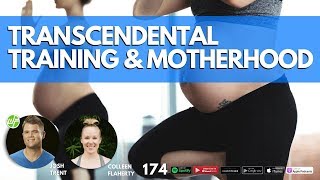
A podcast interview (Wellness Force Radio, episode 174) with Colleen Flaherty, founder and CEO of Procreate, about strength-and-conditioning for women during preconception, pregnancy, and postpartum. The conversation covers environmental toxins and fertility, the "Goldilocks" zone for exercise in pregnancy (not too little, not too much), how targeted movement and reduced stress can benefit maternal and fetal health, and practical postpartum recovery/support (including doulas and slow, intentional rehab). Colleen emphasizes bridging traditional birth wisdom with modern training practices and invites collaboration with birth workers and researchers.
Chapters
Do what you can now like in the present so that in the future that could be in the next minute or the next hour, 10 years down the line, you are setting yourself up for the best result. You are setting yourself up for your kids best result and your long term health. Like what are you doing now for movement that is going to build you so that when you're 70 years old, you, you're still hiking, you're still walking on the beach, you're still doing like tai chi or golfing or whatever you want to be doing. What are you doing now that's going to set you up for that success? Not the sexy body. No one's going to care what your body's going to look like when you're 70. But like, are you moving, are you mobile or are you in a wheelchair? Like, what are you wanting out of this life?
That's Colleen Flaherty and this is episode 174 of Wellness Force Radio. What's up, my friend? It's your host, Josh Trent. And welcome back to another episode for your weekly access to global experts in all things wellness as we discover the physical and emotional intelligence we need to live life well.
In this episode we're talking with my friend Colleen Flaherty, the CEO and founder of Procreate and an NSCA strength and conditioning coach for women during preconception, pregnancy and postpartum, as well as an educator for trainers and health pros across the world. What's most interesting about this podcast I know you're going to feel today is this intersection we're going to discuss between what Colleen calls transcendental training and motherhood. And why this is so interesting is because pregnancy in the first seven years of a child's life literally shapes and colors the lens for their entire existence. Yes, the research is showing that what happens in utero drastically shapes human life much more than we ever thought before. And while you listen to this podcast.
I want you to really pay attention.
To the correlations between how you were raised and how you show up now, emotionally and physically. We're continuing on with our Standtall series with our partner Intelliskin, creators of Smart compression human technology, which has been a total game changer for me if you've been watching us on social especially during my kettlebell swings when posture's so important, this smart compression pulls your shoulders back so you can use your deeper diaphragmatic breathing and stand taller during your workouts. And at the desk, make sure you head over to intelliskin.net and enter code WF20. That's WF20 to get 20% off your entire order today. And today with Col Lean, we're not only talking about that fascinating intersection of transcendental training and motherhood, we're also talking about the Goldilocks zone. Not too little, not too much, for pregnant women to get in a great workout while not going over the top. Why training during pregnancy is different for every woman. How naturally balancing your hormones is better for the health of the mother and the baby compared to using IVF and other fertility practices involving chemicals. And how smart exercise for mothers can hormonally and physiologically fuel children for the best life possible. Now, this episode brought up some emotions in me. I know it's gonna bring up emotions in you because no matter how much we fight it, we walk around in these meat suits on a rock in the middle of outer space, we're all still kids inside. You know it's true because you feel it every day in this journey we're on together of discovering physical and emotional intelligence. It's all connected to the young man or young woman inside of you. And this is why I'm so excited for you to hear this podcast right now with Colleen Flaherty from Procreate. Make sure you go over to her website, procreate.com with a K, dive into all her highly intelligent physical and emotional training resources. Now let's drop in live and in person from the Wellness Force Studio in Encinitas with Colleen Flaherty.
So, Josh Trent with Colleen Flaherty. Is that how you pronounce your last name?
That was great.
Yeah, Flaherty. I'm pretty good. I did some research about you. I have had the chance to understand a little bit more about who Colleen is, but tell people who don't know you. You're the founder of Procreate. We're going to link so much about you in the show notes. Who are you? What do you do? Like, what are you all about?
Who am I? I'm still journeying on that. Currently. I am training women, you know, in person, strength and conditioning. And it's all about moms. It's all about women who want to get pregnant. Pregnant women and moms of any age and stage. This population has been really ignored in our culture for the past, you know, 40, 50 years. And we could go into all the levels of how birth has been monopolized.
And I'm so excited to talk to you about this. I was telling you before we recorded, too. It's one of the topics that so many moms either they're in health and wellness themselves, or they have a passion for movement or whatever it is. We've never dove into what happens in utero that shapes the foundation of all human life. And also, what are the ways that we can truly care about mothers, care about the feminine, proper ways of training. So such a powerful conversation we're about to have. But let's set the tone for this. I mean, 4 million babies are born in the United States every year. This is a lot of lives. But yet we also know, through research, 2016, fertility rate us lowest it's ever been. Let's start there. Why do you think we have this huge landscape of 4 million humans that are coming into the world, but yet. Yet our fertility rates are dropping? Like, what's going on there?
So with 4 million babies, we also have 4 million moms, which I think a lot of people forget that, you know, moms and dads are born when a baby is born. So that's really powerful to think about. Like, whoa, that's a lot of human.
I've never thought of responsible. I've never thought of a dad being born, too. That's true. Yeah. Yeah.
And so to go back to your question, I think, you know, we were just talking about our food and our nutrition and what that's been like over the past, you know, 30, 40, 50 years, years with eat more grains and eat all of this processed stuff that we can now mass produce. And it's really easy and delicious because the scientists have created it to be so. And that stuff isn't good for our bodies. And it's affecting us on so many levels that we are now coming to realize just, I feel like everything else. But then we also have to look at. And I was just talking to my parents last night. They're beekeepers, and they're so. And they're also gardeners, and they're so into horticulture and all of the. All of the happenings of bees and just the huge load of pesticides that are affecting the bees, but then they're also affecting us, who are the consumers of the foods that bees pollinate. And so now we have this huge, like, pesticide and chemical and toxic load that our bodies are constantly having to fight off, be it consumed in food and water or just in our environment that we're breathing in every day. This is affecting us on, you know, the hormonal level, the endocrine level, all that stuff. So now our bodies are trying to fight, and it can't do, you know, its job to the best of its.
Abilities, especially the glyphosate. We talked about this with Dr. David Minkoff, understanding how much glyphosate, how much of these pesticides, herbicides, fungicides are in our food, in our water. Babies are being born and they're tested, and the babies obviously get food from the mother. And so whatever the mother's eating, that baby's eating too, either energetically or food. Right, right. And so these pesticides and fungicides and all this. Do you explore this in your work? I know we're going to talk about movement and training, but how does this plug into the whole conception piece?
I think it's a conversation of women who are trying to get pregnant, you know, making them aware. You know, let's stop storing our foods in plastic containers. Let's stop drinking out of plastic water bottles, convert to glass. You know, start looking at the chemicals that you're putting on your body. So many people are raised with just, it's okay to put on your face lotion and your body lotion and your perfume and your makeup. And, you know, for women and men, if they wear makeup, but those things have such high loads of chemicals in them that we don't necessarily realize. And so it's examining your total environment so that it's as clean as possible, so you're not putting that stress on your body day after day after day because it's a compounding effect.
And there's many different ways that the body can be stressed. I'm so curious, though, like, you don't have children yourself. You have a lot of energy around this space of helping moms really live the best life possible. Like, how did that even happen? Because it's not like you have children yourselves. Right. So how'd you fall into this place of, you know, SNC background and movement background and, like, what brought you to that place where you cared so much about moms?
I call it divine intervention when people ask me this question, because I don't have children. I just, when I was younger, I'm an only child, which is super interesting, too, to examine.
Does it have its pluses and minuses?
Yeah, it does. Just with, I guess, having siblings as pluses and minuses. And so I. I started really young, like, babysitting. I just loved kids. And my mom would always be like, babies just stare at you. And I'm like, they're just looking at my good aura, you know, like, they just know. And so, I mean, as I come to learn, like, babies pick up your vibes, they pick up your heart rhythms. And I'm, I'm just so chill with kids. I get them like babies don't freak me out. They've never freaked me out. And so I just started nannying and then I started weightlifting when I was 14, just on my own in the weight room. Loved it. I loved that. I loved how I feel. I love the environment. I also loved being like the only girl in the weight room. So like being around all the guys, that was just like, I don't know, I just have always loved having, you know, being around the guys and I was just athletic and so it was just super fun for me to be in that environment and just always working on myself. And that could go back to like me being more masculine and less feminine when I was younger and how that just culture of being a girl being raised, like downplaying the feminine because it's not as cool or.
Well, did that come from your soccer too? Because I know you were a soccer player for a long time.
Yeah, I think I just, you know, in the culture when I was growing up, it was, it just wasn't like a thing to be more flowy and feminine. Like you wanted to be the fastest and the kid always like climbing the, the fastest and the best on the playground. And that was reinforced and from our, the adults. And so I started working out at 14 and I was also a competitive travel soccer player. Loved it. Was on a premier team for whatever that's worth. But our team was awesome. And our, my coaches, one of my, he's one of my mentors for coaching, soccer coaching. And then at 16, I tore my first ACL, rehabbed back and almost a year later I tore my second, my other acl. And so not having a good coach was my downfall because I trained myself to be, you know, worse off than I should have been because I wasn't doing deadlifts on my own. I wasn't doing posterior chain work on my own as a 14 year old. Like I didn't even know what that was.
Yeah.
But I had no one saying like, hey, you're a girl, like you're at risk of ACL tears, so let's train you this way. It wasn't that. It was just like I was on like the leg curl machine and the quad, you know, extension.
This is where most people go. They just do the sedentary machines.
Right, Right. I didn't know, I didn't know anything else. And so I had to go through physical therapy twice. And that experience trying to get back to soccer, it was all right, you're done with physical therapy. See you later. Good luck. But it's like you're not ready for, like, athleticism. You're not athletic yet again. So there was a lot of slow training that went back into being at peak performance for the soccer field. And that was really hard and really rough and a lot of mental, emotional stuff went along with that because I was a 16, 17, 18 year old. And that experience has really crafted my passion for postpartum recovery because I know what it's like to be, be a certain way in your body and then to go through an event like birth or surgery, and then coming back, you're just like, oh, I'm just going to get back to what I was doing. No, your body's different and we need to train differently.
I've seen photographs and also videos where there are women doing CrossFit. And you know, people have written in there like, you pick on CrossFit. And I'm like, I don't pick on CrossFit. It's just that there's so many things that are glaring about how its periodization doesn't really help the human. And so I look at women who are on video and they're literally like, they can't hold their bladder because they're lifting so much weight, they're doing box jumps and urine is falling on the box. Like, that obviously is a very shocking example of over training and not specified training. But when we look at training, the mom who's, you know, she's pregnant right now, or maybe she's recovering, let's contrast those two things. Because you can't train the same when you're carrying a life inside of you, right? As when it's just about your life.
Once I got that book off the library shelf on pregnancy exercise, my whole world just exploded. I thought it was the coolest thing ever that you could train intensely during pregnancy. And it just makes so much sense that you have these specific adaptations during pregnancy to not only grow another human, like, grow a second human. Like, that is just so wild statement, so wild. So you have all these really cool adaptations during pregnancy to grow a second human that we're discovering more and more women are able to, like, push their limits safely and specifically to be more athletic and they are hitting PRs and they are running longer distances. All these really awesome things that our culture and coaches that we talk to when we teach, they're like, I don't, I don't know what to do when that happens. And I'm like, what do you mean, and they're like, but are, are they supposed to be hitting PRs? Are they supposed to be, you know, like doing this? And it's like, well, why shouldn't they?
That's a good question though. I mean, why do people feel like they shouldn't be improving even when they're carrying a life inside them?
It's actually the best time to try to improve in certain things because you're basically blood doping. You have more red blood cells, you have double the amount of fluids and plasma. So you're recovering faster, your lungs are more efficient, your heart is more efficient and stronger at its, you know, pumping blood through. And so why, why wouldn't we use this advantage for not only current but then long term health?
And this is that before, this is.
A cool, this is a cool thing that me and a couple other women who are training pregnant women and moms, we're seeing this. If you are pushing again, I want to like repeat myself and say specifically and safely pushing yourself through pregnancy, you're not going like over the edge and crazy. But if you're doing it smartly, you can have advantages to your health. That we're seeing moms have this benefit, you know, 1, 2, 3, 5, 10 years down the line, which is so exciting. And at the same time, it's just a lot to think about, of how are we gonna now train pregnant women, like all across the board to have this advantage? Pregnancy is an advantage and there's a.
Sweet spot for training, like whether you're carrying a life or not. But especially their specificity around carrying a life. What is that? Goldilocks Zone? You know, don't train too hard, but also don't push yourself to where you're not getting hormesis, to where you're not getting these positive adaptations. What's that middle even look like for moms? It's a really big question, but like, let's go there.
I think I heard on one of your other shows, I was listening and a lot of times we have to say, like, we don't know because it's going to depend on the woman. And we can't make a broad statement. Which I think is why a lot of these organizations like ACOG and other like medical, they can't have a reg, a broad rule of like, okay, 140 heartbeats per minute. Like that's how high you can get your heart rate during pregnancy. Like, no, it can't apply because everyone's resting and working. Heart rate are so different and their.
Heart rate variabilities aren't going to be the same for every human.
Exactly. So you can't say that. So I think that's why they have a really hard time making a broad recommendation, because every person is just so different. So what I always recommend is, you know, you have to be smart about it. You have to know where you're at and be in your body before you get pregnant and be aware and be tracking of what you're lifting and how far you're running and how fast and just have that data. So then when you do get pregnant, or even like I feel, if you get injured and you have to rehab, at least you have that data to go back to.
Yeah.
And so when you get pregnant, of course you're going to feel different. You're going to feel tired and fatigued. You're going to feel really awkward and wobbly and off balance. You know, these are all natural things. But if you can at least continue to do the movements that you are doing or the running or whatever, boxing, whatever you like to do.
Whatever is fun.
Yeah, whatever is fun for your body.
However, you can be fit and have fun.
Right. If you can continue to do this, awesome. If you can also continue to, like, push yourself in the moves that feel comfortable to you, continue to do it and tap into, like, what you've got going on. You've got awesome stuff happening in your pregnant body. So if you can push yourself to squat a little bit more or deadlift a little bit more, go for it. Try. Maybe you ride the air dyne a little bit longer. You know, even though it sucks, try it and push your body. Because you can, you can.
You train trainers, you also coach coaches. And what you do is you tell people what are the healthy guidelines of training people that are carrying lives inside them, or especially we find that there's a lot of tearing in the abdominal wall. I mean, a woman's body goes through hell.
It does.
Like a woman's body, you're literally pushing a life through you. It take much of the woman's life to do that. Now, the approach when the baby comes out and what goes on with her emotionally and psychologically, that is a big topic. But yet we see people going to the gym doing the same thing they did when they were pregnant, before they were pregnant. Let's dissect that, because there are guidelines around how you train when you're going through the pregnancy and then also when the baby's coming out.
Yeah. And I think a huge component that we need to also address is how women are, like, mentally Emotionally preparing not only for their changing body during pregnancy, but then the main event of birth, what that's going to be like. And then they're already planning ahead for postpartum. So one thing I'm constantly talking to my pregnant clients about and we tell our coaches is like, you're always checking in, you're always saying, like, how are you feeling today? Like, what's been going on? What's been, you know, what have you been thinking about lately? Because they have so much shit going on in their minds when they go to work, when they walk down the street, when they go to their doctors. There's so much coming at a pregnant woman all the time that.
What do you mean by that? Just information from doctors and friends and family.
Yeah. I think our culture is. And like, older generations are still very like, fear based. A pregnant body is a fragile body.
So don't jump rope, don't run.
Yeah. Don't do anything to like put yourself or the baby at risk and just sit and eat for two type of bullshit, you know, Mindse. That so many people still have, which is mind blowing. But it's.
That's why you're here, Colleen.
Exactly. And so with a lot of athletes, it's the changing of the body that's a very big hang up because they've worked so hard and so passionately to have their body look a certain way and then to just have it all be changing in a way that was what technically they were avoiding. You know, they start losing their muscle definition, they're gaining weight, their face is getting puffier, Their clothes that were super fitted and athletic aren't fitting the same anymore. You know, this is a lot of mental and emotional stress that women have as they go through pregnancy. And we need to keep addressing it and keep saying, you know, it's okay. It's pregnancy is temporary. Motherhood is forever. We're gonna work on it. We, like, we got you. We were your support team. We're cheering you on. And it's so important that women have that positive reinforcement from their coaches and from their support system in the gym and then out of the gym. It's huge. And it's gonna change the way they think about themselves, and it's gonna change the way they think about their birth and what they want for their birth. And on the other end, it's gonna be like, okay, I know my support team had me and I know my support team has me on the mamahood side of things. And so when the postpartum time happens, what we're finding is it's not okay to just jump back into your normal routine before, like your six week checkup. And everyone's like, blah, the six week checkup. My doctor just says, like, I'm not dying, so I'm good to go. And it's like, okay. They don't know what a lot of other people know. So cool. Like, you're quote unquote cleared at your six week checkup, but that doesn't mean you're cleared to just jump back into your normal routine. And you probably feel like you're not ready to jump into your normal routine either.
So do you think moms go too hard or too light when they've had the baby? Like, because of their body changing and they're like, oh my God, I've gained this weight and I'm puffy. Like, do they go to a place of going to overachievement mode?
I see both. I see women who are scared and don't want to do anything to like wreck themselves or injure themselves. But then I see women who are like, I feel good at four weeks. I'm just gonna go back to the gym and do super easy stuff without weight. So it depends on how educated you are as a mover. It depends on, like, how much you know and how much you're in touch with your body and your birth experience and your postpartum experience, that is your mental emotional state. Postpartum is going to play a huge role along with your support system and your recovery processes. And it's just like if you are an Olympic athlete, you know, the Olympics are going on right now, and it's just like they have recovery on point, like on lock. And that's exactly what we need for new moms. We need them to be getting, you know, fresh, clean water, bone, broth, warming spices, warm food, organic if possible, and low grain, like gluten free. Just all the good stuff that the body needs to recover and replenish.
So for trainers listening health pros, what are the guidelines around things they should not be doing? What are the things that are deleterious to moms in that mom?
Yeah, I would say, you know, they need to just as soon as they get home and they rest. You know, we've had thousands, thousands of years from other cultures about that. Six week is about 40 days. And it's 40 days of like sitting in and mom should be waited on. They should be doing little housework. They just need to like breastfeed and, or feed bottle feed. Whatever is right for your family. They need to just be doing that and chilling because your body needs to rest and recover, like, and sleep. Just sleep and just, you know, have that space. But a lot of women don't get that space because, like, their partners have to go back to work after a week or two. Because that's just our culture.
And our culture is very different from European culture in that regard.
Or they don't have family close by, or they just don't have that. Those friends and family close by that want to come over and care for a baby. So that's why you're seeing a rise in, like, postpartum doulas that come to the house and basically are like a family, what a family member would do, but you have to pay them.
Tell people what a doula is, because I'm sure people have heard of it. But what exactly is a doula?
There are birth doulas who are basically like a birth coach during the birth process. And that's what I love, because that's like me, but I'm. I'm for your physical. I'm your physical, like, movement coach. But a doula is a birth coach. So they're very well educated in natural birth and birth interventions and mental emotional support and what the mom needs and a whole bunch of awesome stuff. So I always recommend a birth doula because we all need a coach at different points in our lives. And they're.
They're like, I would say, throughout our whole life.
Yeah, yeah, yeah, that's true.
That's the optimal. So, so then circling back to this question of. Of healthy guidelines for movement, I have heard, and I remember when I was getting NASM certified like 10 years ago, it was, don't do anything supine with a pregnant woman. Never put them on their back. Is that true?
Yes and no. So we have, again, like, it depends. So we have one study that we read where they actually measured the pressure put on the vena cava, which is what the fetal placental unit pressure will put on when a woman is in supine. So we're all concerned about the blood getting back to the heart because we don't want a woman to obviously pass out. And so you have to think, okay, so how far along in pregnancy is she? Okay, she's only in her second trimester, so not that far along. And every time when I do back laying with a pregnant client, it's, if you feel okay, stay there, do glute bridges. You're probably going to be fine. But if you feel lightheaded, if you feel dizzy, if you Start seeing like little white dots. Just roll to your side, chill out there for a while and then push yourself back up and we'll do something different. Nine times out of 10, a woman is never gonna have an issue even in the third trimester. I've never had a woman be like, oh, I feel dizzy or faint in a laying on her back. Yeah, that's just never happened. I think it has to do with like that verbal confirmation of like, you're probably okay, but if this is going to happen, here's your options. I think so many times, pregnant women and I think just humans in general, but we don't give them the, the knowledge and the confirmation and like that choice, power of choice to be like, you're fine doing this, but, but if you're not, we'll. Here's the other choice that we're gonna give you. And so that, that's another laying on your back supine is another one of those recommendations that, you know, everyone is trying to recommend because they're trying to be safe. But is it, is it real? Does it really apply? You know, you have to just take a case by case basis. And I've literally had some women just be like, I don't want to lay on my back because in my mind I've talked myself out of it because I've been told the story that it's bad for me. And so I always like to challenge those, those women in a loving way, of course, and just be like, well, have you. Do you sleep on your back? Yeah, I sleep on my back. Okay, well, why can't you lay on your back right now? What's the difference? Oh, I guess there is no difference. Okay, so a lot of training, pregnant women and moms is we're starting to come face to face with these stories that they've been told.
And the emotional part is such a big deal. I mean, I can't even imagine where the mind might go when you're growing a life inside of you. The worries, the constraints, the stress. There's so much there which we'll go into. But I had this last question around healthy parameters because I'm just fascinated as a man.
Yeah.
I don't know anything about pregnancy really. I mean, I know somewhat from research. So for somebody that is in that process with their loving partner, you know, they're, they're looking at creating a life together. What are the ground level things? A few things, maybe one to three things that the woman and man can work on together in regards to just the physical training, like what are the healthy guidelines there?
Preconception wise? I would say the things we've already talked about with like getting chemicals and toxins out of your home.
No microwaving. Plastic bowls.
Yeah, no microwaving. Just get rid of a microwave because then it forces you to like, not use, not buy microwave.
It brings you back to old school. You have to cook and connect.
Yeah, come on. Exactly. That would be my first one. My second one would be find movement that you both enjoy. Because, you know, I think a lot of your listeners are, you know, very well educated. But when it comes to movement, you have to have fun and find things that you enjoy. Because if you begrudgingly wake up at 6am or 5am to go to the gym, like, you're not getting the benefits that you can truly be getting from a movement experience because of your attitude and your emotional state and the hormones that are released from that. And like, think about doing an activity that you hate to do. And like, are you putting your focus and your intention behind that or are you going and playing and having fun? And what is your intention and focus in that experience? And they're two completely different outcomes at the end of them. And so finding movement that you both enjoy for sure. And the last thing I would say, especially if you're having like fertility issues, is or just trying to conceive, find a holistic practitioner to help you regulate your hormones and what's going on. Because so many times I see people give up and want to go to just the drug route because it's fast. And if we just give our bodies time and patience and love and care, it's going to do what it wants to do. It wants to be in homeostasis. It wants to get its period regularly for women. Like, if we can just find a professional to help us get our nutrition and maybe supplementation for both men and women or partners on point, then we're going to see better outcomes. And this is a total offshoot. But I was talking with my midwife friend and we were like running stairs at the convention center and we were just chatting, chatting, chatting about all of this stuff. And she actually shared with me that it's when you go the fertility route of like IVF and, you know, using a lot of chemicals to induce certain things in the body. You know, we're actually seeing babies born with higher risks and less, you know, we don't want to see babies who have, you know, more health risks, like higher risk of cancer, higher risk of developing different autoimmune diseases. Yeah, we don't want to see this. But when we go the infertility route and, like, try and force our bodies to be ready for pregnancy or forced pregnancy, you know, we're seeing. We're seeing these increases, and it's really scary and sad. So I always am, like, preaching to whoever is trying to get pregnant. I'm like, just take the time and do what you can to naturally get your body in homeostasis, because that's gonna be always the best outcome.
It's a contrast to something that I know you talk about a lot. It's masculine, feminine. You know, masculine is the doing energy. Feminine is kind of like the accepting, the nuanced exploration of the space. And I think about Tina Muir. She actually had an article where she was not able to get her period for years. She was a pro runner. Sponsored by Saucony. I'm gonna Connect yout because I think her story would be something really aligned with your mission and procreate. And I understand what she was going through, because yet women that have ambition, but also that want to have a child, that's challenging, and the challenge with that is in order to succeed in this world, it takes a certain kind of emotional intelligence and drive. And then also to be a successful mother, it takes that feminine, nurturing space that doesn't always involve being in the boardroom, crushing it in work, being in that go, go, go mentality. And I think this is why we see the statistics we talked about in the beginning of the show where one in three people are having issues with infertility. Now, this mindset of doing both, how do you think that can happen? That's a loaded question, Colleen.
So loaded.
How do you have ambition and also bring in the space for a new life as a conscious mother?
For me, it starts before even getting pregnant. You have to really examine, what are you doing? Why are you doing it? What do you, you know, what are you doing day in and day out? And I see a lot of females and, you know, go to social media, like, it's so easy to see, you know, who is getting the most likes for their booty shots versus who is getting, you know, two likes for.
Like, it's the ugly part of human nature. Yeah, it triggers me, but I understand why it's there.
Yeah, absolutely. So, like, are you building a body or a physique to show off to other people? Because you're wanting to get praise from how you look? Like, is that your goal? And you may not know that that's your conscious goal, but that's just Your driving force until you really peel back the layers of like, why am I going? And like killing myself in the gym or just chilling on the elliptical for hours on end, like, what is my purpose and my intention with this? And so getting super clear on not only movement in the gym for your body, but like your job, like are you doing it to just make a paycheck or are you, is it really serving your soul to do what you're doing day in and day out? And, and I think with that exploration you can find your, your softness and your, your magic and your gift because you're starting to actually like listen to your intuition and what you want to do versus what the world, your parents, your partner are telling you what to do. It turns from that external to an internal drive.
It's really about soul searching. And by the way, for everyone listening, Tina did have her baby. So she got back into her cycles and everything and she did it, Colleen, by smart training and actually letting off the gas pedal.
Exactly.
You know, people that are driven these A type personalities, especially moms that have maybe been in athletics or, you know, millions of athletes in this country and they want kids too. So then let's explore that emotional intelligence because the fetus, I think people forget this, it has consciousness very early. You and I talked about this. First trimester is where the spine and the heart is created. One to three months is a foundation for emotions and behavior. There's so many different phases when this life is being shaped and what affects that directly is the mother's stress load, what she's going through. Paul Check talks about this in his work where there's been multiple studies, actually one we'll link in the show notes here from the Daily Mail UK that babies born to stressed out mothers struggle with lifelong emotional scars. So let's talk about this because the responsibility physically is what your specialization is in. But what do you see from the emotional side, how this affects the fetus?
I've actually seen moms that were really stressed out, that only came and worked out with me once every two or three weeks. And as much as I poked and prodded to encourage them to come more often, you know, they were stuck in that hamster wheel of this is how life is supposed to be. So I'm supposed to be a stressed out lawyer and she, you know, she was pregnant and you know, her baby, you know, I checked in, I hadn't heard from her a while. I called her and texted her and emailed her and finally got an email back and just like, like, obviously Checking in. How is everything going? Like, lay it on me. And I think that's one thing that my clients know about me is I love. I will just sit and I just want you to talk. Just tell me everything. Like, lay it on me. And I love when I get like 5 paragraph emails from women and they're like, I'm sorry that that was so much. And my first response is, no, no, no, it's not too much. Tell me more. Like, I love hearing everything, because women just need to let it all go.
It's also the mark of a master practitioner, the ability to receive so much info.
Yeah. Yeah. So I love that. And so she sent this. Sent me this email, and her baby is just so, so colicky and doesn't like to sleep and it cries all the time and whatever. And I just look back and her whole pregnancy, she was just so stressed out and couldn't calm down and she wouldn't have any. She wouldn't come to me for movement practice and just letting all that shit out. Like, I love to slam balls on the ground. Like, I love slam balls. And so it's my one thing that I always throw into TR with pregnant women and new moms. Well, not new moms, but moms after a certain point. And it just feels so good to slam stuff like battling ropes. Like, you gotta let that energy go. And so I think we forget that movement is so powerful. And going back to your previous question of finding that feminine is how I'm forcing it to happen is I've totally changed how I train women. And my. My approach is a bodybuilding style with ground movement and, like, primal movement with, like, yoga. And it's all focused around, like, breathing and bracing and just this not slowness for the whole thing, but it's focused like there's an intention. And I was at a gym and I left because everyone just kept saying how. How it wasn't fast enough and it wasn't intense enough. And even though I explained the benefit of lifting really heavy weight slowly and purposefully, it just wasn't. It wasn't what they understood to be effective. And I love Anders approach because I was listening to his podcast of just slowing down and how you create so much space and you can really focus on doing the movement well, not just doing it fast for time. And that's what we need. Like, our life is so fast. And going back to what I said about pregnant women just getting tons of stuff thrown on them day in, day out. Like, they don't need to go to a class That's a hit class. That's fast, fast, fast. Go, go, go. That's just feeding into their cycle of, like, life is fast and I have to keep up and keep going and whatever. And it's stressful and it's like, no, dude, let's just like, take a breath and take a break.
Yes.
And let's do specific movement that's so, like, juicy and rewarding for your joints and your body and your fascia and your brain and your stress levels. Like, let's just bring it down. And I know you and I were talking about, like the nervous system and just like, ah, let's just like, get some good stuff in together.
Colleen. We always do a breath break at the beginning of each show. And I've had people write in, like, thank you so much for reminding me to take a deep breath. And when we started doing it, I was like, I wonder if people will enjoy this because I like taking a deep breath.
I do too.
I'm so surprised how many people are like, thank you, God, for that deep breath. Right.
Thanks for that reminder.
Absolutely. And this is why I was so excited to talk to you. And in this prep of research, the UK study, I was talking about what they mentioned with this stress imprint on the child is that fast paced, frenetic way of being that unfortunately in America, our society is pressing women into.
And so what this does is that's the masculine. That's the masculine us and the masculine.
And so we're constantly going between these two things, this duality. But they talked about this gene, the glutocorticoid receptor. It's involved in the brain's response to stress. This is what's actually scientifically happening on a very subatomic level where when the mom is experiencing stress, when she's not mindful of her emotional health during that pregnancy phase, it really does imprint. It almost puts a hologram, an emotional hologram on the child for the rest of their life. Have you seen this in your work? And what are your strategies around giving that mom her deep breath and allowing her to understand this connection between how she is stressed in pregnancy and how that can shape the fabric of her child's life?
Yeah, I think we forget and we don't talk about enough is from conception, your kid is, you know, experiencing what you're experiencing, and it's listening and it's feeling and it's moving in all the ways that you are or are not living your life. And so the easiest way to that I understood this concept was if you think about you know, a calm, you know, peaceful mom. And what that baby is getting like, they're getting a calm, peaceful environment. And when they're birthed, they're like, center, you know, what they form the rest of their life from that center is like calm and peaceful because that's what was laid down, like you said. And so then contrast that with the stressful, frantic, go, go, go, woman. You know, you're laying down that foundation of when that baby's born. Their center is now a heightened state. And like life. What is life if it's not stressful? And go, go, go. And so anything that's opposite of that, like, oh, you want a calming environment and like a quiet nursery, like your kid is gonna be reacting because that's not what you just laid down the pattern for when they were in your body. So now you're seeing kids that are reacting to a calm environment because it's not their normal state that they were used to. And it's so fascinating, you know, that people aren't talking about this more and like realizing this more.
This is why we're talking about it. Right. My curiosity was so lit on fire by you and your work. I didn't even know that this niche served so many people. 4 million plus babies coming into just the United States, thinking about it globally. Right. So this understanding of how the hologram is imprinted on the child's nervous system, I can't think of a more pivotal thing than how that mom shows up in her emotions during these nine months.
Yeah, I mean, you're washing your baby in stress hormones, if that's where you live, you know, for its whole entire development, like the development of its heart, the development of its brain, the development of its ears, fingernails, like your body is just pumping in what your producing. And so that's a huge responsibility, like not to put pressure on women any.
More than they are creating a life.
Right, right. But, you know, it's something that we have to talk about because we want women to change their ways. We want women to be more mindful. We want them to be more calm and present and focused. And how can they do this more, you know, in their lives or how can they have practices that counter this experience? Like maybe they have a stressful job and they just can't quit the stressful job. So what are you doing when you're not in your stressful job to like, counter these experiences? And how can you breathe and, you know, do what you can to bring more mindfulness and peace into that stressful experience? And I Just, you know, there's a study, I, I can send it to you so you can put it in the show notes. But you know, they found that babies of moms who were, you know, moderate, intensive, intense exercisers in, you know, any regard, you know, they had greater brain development and it's like, yeah, duh. Because active body is a healthy body. And of course a healthy body is going to produce a healthy, healthier kid. And babies of moms, I think across the board women that I know have been really intensely ex, like active during their pregnancies. Like their babies are so chill and they're like toddlers and they're just so chill. They're just walking around. They don't have like outbursts and they don't have colic and they're not screaming. They sleep a lot, they're pretty calm. They don't get startled, you know, and it's just like I want to exercise just to have like that type of kid on the other side.
So do the work now. This is the take home here. Like everyone, whether you're a trainer or a mom, do the work in those nine months to move your body well, to do that slow mindful strength training, using a barbell or not. The payoff will be like three to five years of you having less stress when that child's not waking you up, when the child is so much more well behaved, right.
And you have, you know, you have a healthier kid, you know, you're not gonna have as many doctors visits, you're not gonna have as many like interventions and scary episodes and like all that stuff. And of course it's not perfect. Like this isn't saying like exercise and your kid will be 100%. Of course it's not, it's not life. It's not. Our human bodies are, you know, we're not robots, so stuff is always gonna happen. But one thing that we're work I'm constantly talking about is like do what you can now like in the present so that in the future that could be in the next minute or the next hour, 10 years down the line, you are setting yourself up for the best result. You are setting yourself up for your kids best result and your long term health. Like what are you doing now for movement? That's what I'm concerned about. Like movement that is going to build you so that when you're 70 years old, you're still hiking, you're still walking on the beach, you're still doing like Tai chi or golfing or whatever you want to Be doing. What are you doing now that's going to set you up for that success? Not the sexy body. You know, no one's going to care what your body is going to look like when you're 70. But, like, are you moving? Are you mobile or are you in a wheelchair? Like, what. What are you wanting out of this life?
What is the intention behind it? And honestly, this conversation, along with many others in our field, it's, how is this really raising the consciousness around healthy pregnancy and movement? And I think about, in your work you've mentioned multiple times, you talk about the consciousness of the fetus, you know, so the fetus can think, feel, and communicate. Why is this important for women to understand?
Yeah, and I love learning from, like, doulas and midwives and other birth and baby practitioners, like chiropractors. It's so fascinating that we've had this wisdom, but it just gets so, like, bubbled into one thing. And what I'm constantly doing is like, I just want to keep bridging all of these professions and these bodies of work together because our bodies are all integrated. Like, if you're a psychologist, I want to know what you know, because what you know will help me be a better strength coach. And just the same as, like, a chiropractor and acupuncturist and nutritionist, like, everything I can pull these little bits that's going to help me best serve in the movement realm. And so with movement, like, your baby is constantly moving in your belly. And it gets to a point when it gets so big that it might not be doing somersaults, but your movement is teaching your fetus, like, about movement. And movement is normal. And movement is not only getting those good hormones and the oxytocin and serotonin, all those hormones that make you feel good during your workout, your baby also gets so it feels good during its workout or during that, like, vigorous movement. And you're communicating something to your baby when you move. And that's just our animalistic nature. And so you're, again, like, you're training your baby that movement is a part of life. And that's another thing that I see with active moms or kids. Like, they just love to, like, move. And they're constantly, like, crawling and rolling and wanting to be active. And it's a good thing. Like, kids should be wanting to be active. And on the other, you know, in the other regards, with, like, emotions and that consciousness through movement, like your body, your baby can also, like, move in certain ways to tell you Something. And it can, especially when it's on the inside. Obviously it's not, you know, you can't just, like, look at it and hold it when it's like a baby in your arms. But. But through its movement, it's communicating something to you, especially during the birth process. So there's a lot to be said. If, you know, why is the baby not head down? Like, that's telling the mom and the provider something. Because babies should naturally go head down. But is there, like, too tight of muscle in the pelvis or in the stomach that the baby's not able to turn upside down? Like, what's keeping the baby from doing what it's supposed to naturally be doing during the birth process? It's like, babies know how to birth. Babies, you know that that's just their innate wisdom. A mom's body knows how to birth, but our brains and our ego get in the way of birth. But, like, babies know how to birth, and they, you know, it's when we start throwing, like, interventions and rushing the mom and the baby, that whole process. It's when we interrupt the natural cycle of things. And the baby is communicating something to us all the time. And that's the one thing I love talking with midwives about, is just, like, stories of babies communicating something through the birth process. Like, it's stuck at a certain position for hours. Like, why is it stuck? Like, what do. What does the mom need to do? What's her body telling her to do? Or how to move to help this baby along? It's a dance. Birth is a dance, which I think is so lovely. And it's a woman listening to our body. And so many times women will do, like, really weird positions in birth that no one, like, no birth class taught her to do this weird stuff. But it's just. She's listening to her body. Like, she's doing what her body and her baby needs. And in the positions that is calling.
It'S the same reason why the monarch butterflies fly for the winter. There are certain genetic programs that run without us getting in the way. Or we get in the way of them.
Or we get in the way. Yeah.
And that's what I see with a healthy pregnancy, a healthy conception or not. So I almost feel like what you do. It's been such a great conversation with you. I almost feel like what you really do is you take this ancient wisdom and you apply it to, like, modern motherhood. That's really the chasm that you're crossing here. Tell people about procreate, the spelling on this is unique as well.
Yeah.
With a K. With a K. Why did you choose this?
It just came to me. I had another studio called Baby Bump Academy in Rochester. And I was like two years in and I like, just one day I was like, huh, Procreate with a K sounds really badass ass. But in Rochester, I was in a very conservative town, so I went. So I already had Baby Bump Academy as my brand and I just started playing around with like Procreate as like my, you know, online thing. And I just had it, had the domain and once I closed the studio, it was like BBA was just the studio in Rochester and that's where it lived and it's no longer. And Procreate was what came up. And it's just to me, whenever words have a K for a C, I just feel like it's more badass, it's more fun and it's more edgy and more fun. Yeah. And so that's just it. I think that is. That is the brand that I'm breathing into, not the bba, which is more softer and approachable for that demographic.
And it's obvious to me that you have such a fire, Colleen, and such a passion for this work. And I can only imagine if you do choose, if you and your boyfriend choose to have like a life that you bring into the world, how healthy that child could possibly be. And I think about, we hope. I think about your mission too. You know, building not just women, but courageous women, families and coaches through proper, safe, dynamic movement to reduce risks of pregnancy and birth complications, optimizing fetal health, creating this thriving postpartum experience. We explored this a lot in our conversation, but what did we miss? Is there anything you think we can really expound upon as we close out the show? Because there's so many things to talk about here that I think people's consciousness and curiosity got sparked a lot. There's going to be many links in our show notes today, but where did we not go that you think is important for women in conception and pregnancy and training safely?
Yeah, I think that we could talk more about the postpartum period because a woman is going to be a mom forever. And not only are those first, you know, months really, really important to the baby and the mom baby and the parent baby connection, but that's also setting the mom up for a foundation of motherhood as well. So like I said before, if she's getting like that support and that nourishing food and the time to rest, that's laying her foundation for how she's gonna be in practice as a mom versus, like, a stressful experience, a traumatic experience, you know, experience where she's not getting the help and she's feeling anxious or depressed or, you know, anything that is coming up in her and it's not getting addressed right away. That's gonna just like, you know, other things at other times in our lives that's gonna affect every choice and every decision we make throughout the days, throughout the months. And so I just want to stress the importance of moms and dads and partners getting as much support and calling and as much support. Ask for help. Ask for people to come stay with you. That's another thing that I see a lot is women don't ask for what they need. Ask through pregnancy, and as a mom, freaking ask. And people are more than likely wanting to help you. And then for the movement component, I. This could be a whole show that we talk about, but. And if you want more like, contact me. But that postpartum time, you can move your body, like we said before, smartly and specifically, because now is the time where you're at an increased risk for injury or worsening a symptom like diastasis or pelvic floor issues. So you need to be smart, you need to be safe, you need to be slow, like we talked about, and really honoring your body. And it needs to be. And it can start, you know, it can start a couple weeks, but you're not going to just start back running. You're going to be doing really slow, quote, unquote, boring movement, rehabilitative movement that's just going to lay the foundation for you getting back on your feet quickly, or are you going to rush and have an injury and now you're going to be taking, you know, 10 steps back? That's what you have to really ask yourself, like, is this movement right now worth it? Or do I just do what I need to do and let my ego go and do what my body needs? And so I can take that step by step back to getting into the gym or running or climbing or surfing, whatever it is. And that's a very specific thing that I know a lot of practitioners in the world are working on. And I love it. I love to see everything that's coming out right now, because 4 million women need the help. And that's just in the US Think about in the world.
I can only imagine.
Yeah. So postpartum is a really special time for that relationship with the baby. And the one thing that I'll say about that with the baby that I learned from a conference that I just went to is women and partners need to just take that slow down. Like, slow down. Watch your baby. Your baby is always trying to communicate things through facial, through body movements, through mouth movements. And you need to be in a, a calm place to be able to pick up on those cues and to be able to really know your baby and to be able to respond accordingly. Because how you respond, as we know, is building that trust level of how that baby is then going to form relationships for the rest of their life. So moms and partners just. I know it's so hard to not be on phones and to not want to rush around or and do all of the things, but it's really, really important that you slow your heart rate, slow your nervous system, get on that same level as that baby.
So do the breath break in the beginning of Wellness Force Radio, but also schedule with your partner once a day minimum to meet up and do a two minute breath break. I mean, that's something really tactical that it might seem far too easy. Your logical mind right now is, yeah, exactly. So you're telling me that I can have a better pregnancy experience, but you by just scheduling a two minute breathing session with my partner each day.
Yep, yep.
Because all you need is just changing your state. And I think what's. What I've enjoyed so much about getting to know you is you're really changing the conversation around pregnancy and what that is in our modern world, which has so many demands that are different than millennia ago. So, Colleen, tell people where they can go, where they can ask you questions. I would love to do a Facebook live Q and A with you. I think that'd be fascinating.
That'd be cool.
When this comes out, we'll make sure to do that, but let people know where they can start to dig in more. We scratched the surface of such a big conversation today.
So many procreate co. And remember, that's procreate with a K with a k.co and on Instagram and Facebook @fit2procreate. And I just want to ask that listeners contact me with if you're a birth worker or if you know a researcher, someone who is just working and studying pregnancy and postpartum. Like connect with me because, because like I said, I'm building those bridges of professions to get information to the women and the partners and the doctors and all the people who need to know it. And I know of a researcher in New York who's doing amazing things, but it only stays at the academic level or it only stays within that bubble of who they're researching for. And I need that research. And I know someone else needs that research. So let's keep connecting and building this community of providers and people doing the work so that we continuously keep changing the way we serve preconception, pregnancy and postpartum women and families. Because that's the only way we're gonna keep changing this, you know, snowball. It's starting and it's only gonna get bigger if we're doing it together.
Such a fascinating conversation. And like I said, I think there's gonna be probably 20 to 30 links from all the things we've talked about today. Colleen, thanks for coming over to my house and I just wanna acknowledge the work that you do in this lane. I how you exactly found it. I have a little bit of an idea now, but it's just so cool to see a passion and a fire for a lane that you've chosen that's kind of come through you in a way. So really enjoyed having you on the show and I'm sure we'll talk more in the future.
It's my pleasure.
Thank you.
Hey my friend, thank you for hanging out and growing with me on today's show. Remember to hit subscribe Share this podcast with somebody you care about that you think gets to hear this message. Support the show by by leaving a five star review for the podcast right now simply by tapping on your show artwork. On your iPhone, click that purple link that says review this podcast. It helps the show reach more conscious and smart people like you and your voice will attract more world class guests that want to come on the show.
So let them hear your voice.
For all the downloads, videos, links and free resources mentioned on the episode, go to wellnessforce.com radio. And while you're at my house on the web, join us in the Wellness Force Community newsletter on that page and I'll send you four free guides around staying healthy with your eating, moving and sleeping while you travel. Join a group of people like you over at the Wellness Force Community Facebook page. This is where we talk about the.
Things that really matter.
We share our wins, inspirations, struggles and a lot more.
So join us.
Tap on the show artwork on your phone and hit that purple link that says join the Facebook group and I will welcome you at the door. Okay, now you get to go out.
Into your world and create impact for.
The people that you care about. So until I see you again real soon, I'm wishing you love and wellness.
More from Josh






Your child's future start before pregnancy... and even before conception! #podcast

MD Reveals: Your Healing Creates Your Child's Reality (The Souls Coming In Need Strong Bodies)



