Are "Red Flags" Trauma in Disguise? This Is Why You Fall for the Wrong People
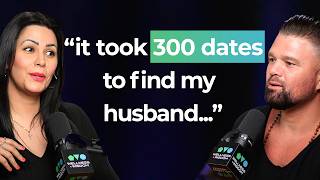
A long-form YouTube interview (Apr 29, 2025) where host Josh Trent speaks with relationship coach Sylvie Kucassian (master's in psychology). They link red flags in dating to childhood trauma and attachment styles (anxious, dismissive/avoidant, fearful/disorganized), discuss how nervous-system responses can mimic or mask true red flags, and emphasize self-awareness, healthy boundaries, relational agreements, and vulnerability skills as paths to more secure relationships.
Questions this video answers
April 29, 2025
Josh Trent (host) and Sylvie Kucassian (guest, relationship coach)
A master's degree in psychology
About 300 dates over a two-year period
About 15 years with the same therapist
Chapters
I think I went on like 300 dates in like a two year period. What I was on a mission to find my person, but would rarely ever get beyond that first date because I was always looking for that red flag. Silvie Kokasian is a relationship coach with a master's in psychology who pivoted from.
Acting to teaching others how to create.
More self awareness and build better relationships.
Is it the nervous system shutting down when we get a red flag or is it truly a red flag and how do we know the difference?
Again, if our childhood experiences were chaotic, very intense, we're all going to be drawn to familiar. If we, your family system was healthy, then maybe that fireworks is okay. But if it was not and you haven't really worked through those things, you have to be willing to put your objective glasses on and look for that.
So then there's chemistry connected to childhood wounds.
And do you really want there to be like explosive fireworks right away to the point where it clouds your judgment? There's never been more pressure on romantic love. We used to look to God and spirituality for our connection to those places, and now we look to creating that in conscious relationships. Maybe we rely a little too much on relationship for that feeling of aliveness.
What'S actually happening in our brain when we see potential. But we don't see the true red flags.
The healing lies in really.
Is it the nervous system shutting down when we get a red flag or is it truly a red flag and how do we know the difference?
We're each going to have our own red flags. You know, I'm going to have red flags that are unique to my experience. You're going to have red flags that are unique to yours. And I think, you know, we have to figure out what those are for ourselves. But also I think there are some universal red flags. Meaning, you know, if we go all the way to the extreme end of abuse, emotional abuse, gaslighting somebody that is just, they can't make space for you, cannot take any accountability for their experiences, can't be vulnerable in any way whatsoever, is just very self, self, self oriented. They don't have, they can't make space for other people. I think that's just a person you really can't create a relationship with. Right? So absolutely it can be tied to their nervous system. You know, they're just afraid to open. But I think, you know, this is the, the journey that I, that I think I've really stepped into is, is helping people to learn relationship skills, right? How to bridge that sense of self towards others in ways that is, is knowledgeable about our own vulnerabilities and has done the work to, to work through those things and, and, and really create secure, functioning relationship dynamics. And I can go into that more, but I'm curious where that.
Oh yeah, we're gonna, we're gonna jump off the cliff for relationships and learn about how to stay attached securely and healthily. But yeah, at the core of my question, it was really, there's so much, I guess you could say sensationalism on YouTube and on Instagram specifically, IG, that a lot of terms are used that can be paradoxical and can actually be an echo chamber for people to go on Instagram and, and feed themselves more of what their wounded self is actually hungry for, which is complete antithesis of their healing. So when I hear red flag, I'm like, yes, like you said, definitely red flags exist if someone's abusive, if someone's not available. But also, couldn't a red flag be a sensitivity inside? Living inside of one's nervous system where someone else's sensitivity or attachment style triggers what they might express as a red flag? Do you see in your work how that could be confusing for people at all?
100%. And I think this is where the gift of knowing our own brains is so important. Like understanding what my, what my, my own self narratives are. I know you talk a lot about that story, the narratives we speak to in our mind. If I don't have a sense of how my brain works, you're absolutely right. I'm going to go looking for evidence that's going to match what already exists in my brain.
Yeah.
So when I was on my dating journey before I met my now husband, I remember going on so many dates. I think I went on like 300 dates in like a two year period. What I was on a mission to find my person. But wardrobe, it was a lot of wardrobe, it was a lot of effort. But you know, as much as on the, on the surface, I was ready, quote, unquote, I was so terrified underneath. And I would rarely ever get beyond that first date because I was always looking for that red flag, was looking for it, I was scanning for it. I would even ask questions that would only bring out the red flag. Right?
Yeah.
So it wasn't until I really got in touch with the fact that I was doing that that I could actually be more vulnerable and look for the connection points that enabled me to take a little bit more responsibility for how I was showing up to create that dynamic. So even red flags can Become yellow flags, green flags. If we work on creating agreements to prioritize the safe relationship. Right. So somebody that may be struggling with drinking but is willing to now take accountability for it and do the work to, to heal that part of themselves so they can relate in healthier ways in the relationship, somebody that might be really critical and avoids vulnerability, that was me for a lot of my life, is if they're willing to take responsibility for those things and, and start to relate in new ways, then they can create a healthier relational dynamic. So we all have red flags inside of us. We all have them inside of us. And I think when we do that work of really exploring and excavating what those are in ourselves, we just approach relationship in a more humble way. And I think that external focus, it can be, it can be. It's, it's a tricky thing because I think the boundaries have to be there, but it has to be paired with that, with that self awareness journey. You know what I mean?
Sure. The boundaries are. It's funny, even before we started recording, we were already talking about boundaries. Boundaries can either be something that heals us and keeps us safe and strong and resilient, but if they're porous through learned behavior or trauma, you know, capital T, lowercase T, they can actually be really harmful. And that can be a red flag that we unconsciously seek out in others. Did you find in your journey that you had strong boundaries when you were dating the 300 dates, or were your boundaries a work in progress at that point?
I think I had really rigid boundaries.
Rigid boundaries. What's the difference between rigid and strong?
Yeah, so healthy boundaries is when we can look at the person before us and really have this beautiful, adaptable way. We decide whether a boundary is even needed at all. When we have really strong internal boundaries. Sometimes we don't even need external boundaries as much. For those of us that have had, you know, childhood trauma or difficult, chaotic experiences, we might need to step into a phase where we need to actually communicate and have those external boundaries. But sometimes those boundaries can also be a trap. Right. They can actually prevent us from like I, my dating experiences, from connection, from creating intimacy. And really just my, my, my autopilot was no, protect, self protection. No, this is going to be safe. This isn't going to be safe. I'm going to be hurt. And on the flip side of that is maybe somebody that grew up in an experience of neglect in their family system. So they long to be seen. They long for connection so deeply that they will take whatever is Available and not really do it in that has those healthy standards, which is the boundaries. So they're on either extreme. It can hurt us. One of them hurts us from having connection. The other one hurts us from only having connections with potential people that do end up hurting us and taking advantage of us. So kind of exploring where we fit in that, in that spectrum so that we can be really fluid with that. And it's again, knowing your brain, right? Where do you. Where is. What's your autopilot? Are you going from that self protection and really teasing that apart a little bit.
I loved how you said knowing your brain, which is maybe a bit counterintuitive at first audible. To know your brain, you actually have to, in my opinion. I'm curious how you feel learn by the results that your brain creates. So in other words, if your brain is running on autopilot and there's a default mode network that just Searching for threat, searching for threat, you're eventually going to find it everywhere.
Everywhere.
And then potentially you could block yourself from somebody that is just doing their inner work on their journey and they give a little tiny hint of a hard no for you or a red flag for you, and you could potentially lose somebody that may have been incredibly amazing and loving for you. I remember in one of your interviews you were talking about that, that you would get close and then you would feel like, don't hurt me, and you'd pull back that style. We're going to go into all of them because I know this is like really one of the things that you're super skilled at is attachment, which, gosh, how many podcasts have we done on attachment? Probably 10 or 15. My favorite one was with Mark and Dr. Stan Tatkin. But I really am loving what I'm seeing on your website and in your work. There's really four out of those four. And we'll go into the other three. Which one did you see in a previous version of Sylvie really playing out and how did that play out for you?
Great question. Yeah. So can I share a little bit about. Yeah, so a little backstory about how the attachment styles work and then I'll share about how I experienced my own attachment. So attachment is really that. That relationship with that primary caregiver, whoever was that core person that was responsible for attuning to us regularly, helping us to regulate, making repairs quickly so that we did experience that regulation and safety as a child. And when we had a parent, that was really consistent with that enough times. And research shows that it's only about 30% that's required, which is kind of monumental. Not that the 70% of the time for them to be abusive, but 30% of really attuned, really attuned, attunement. And then the rest of the time the repairs happen quickly. So they get it wrong. They repair quickly.
Wow, that takes off a lot of pressure. We don't have to be perfect, y'.
All. We don't have to be perfect. There's a lot of resilience designed in nature. But where it starts to create more, more anxious attachment is when that caregiver is really attuned sometimes, but really offline a lot of other times. Whether that's mental health related or they're just busy working a lot. And so there's that, that there isn't a predictability and reliability for that child. So they can experience anxiety as an adult. Abandonment fear of like, oh my gosh, is this person going to be there? I'm afraid they're going to leave me physically, emotionally, you know, one of those. And then for more of the dismissive avoidant, there's a lot of that emotional neglect where they don't experience much at all attunement. So they are much more self reliant as adults. They're like their mini mini CEOs I like to call them that really don't see the value of relationships. Even though deep down inside, of course everybody longs to be in relationship with people. That's very human. Yeah. And then the disorganized, fearful avoidant is one that came, came out more recently which is that chaotic household upbringing experience. And that's where you have a lot of that flip flop, which is what I think I related to a lot on one side. I really longed for relationship but I was terrified. So I would, I would get it and I would opt out. So even in the beginning of my relationship with my husband, and this is always embarrassing to share, mortifying. But it's important to be honest because I think this is how we all realize that we are growing. You know, I would threaten to leave the relationship all the time whenever I would feel scared.
You pack a suitcase?
Oh yeah. I always have my metaphorical suitcase ready to go.
Did you actually have a suitcase like packed in the closet?
But it was in my mind. The suitcase was being packed in my mind all the time.
Yeah.
And of course that was very destabilizing for my husband. That did not feel good for him and to feel safe at all. And I had my first therapy session with Dr. Stan Tackin. We Had a couple therapy session with him. That was the first thing he called me out on. You cannot do that, Sylvie. I was like, I just remember that feeling. Gulp. Like, of course I know that intellectually, but sure, when I would be under threat, you know, I grew up in a household of violence as a child, so I was terrified that something really bad was going to happen. Even though I had such a safe partner, Brian couldn't be more of a gentle, kind, loving man. But it's still a man. I still get really scared. And so I had to really work with my own nervous system around my own fearful avoidant tendencies so that I could. What do I need from him in order to stay? Even if that means just go to the next room? You know, how can I communicate my fears? And, you know, a lot of times when we would be in. In conflict, Brian would come to me with lower his body on the. You know, lower than me to. To show his signaling that he's not a threat. And he would say, I'm not going to hit you. I'm not going to. I'm not going to hit you right now. So I would never do that. And just like that, constant messaging over and over landed more and more deeply in my nervous system. But it took time, you know, how.
Long did it take you? I'm asking if you.
If you look, there's still moments where I have my metaphorical suitcase packed, But I know what it is. I know that it exists inside of me that I don't. I think people think that, you know, this healing journey, there's going to get to a point where we're perfectly healed and we're. We're. We're this perfectly conscious person. It's impossible. I think that we all carry two to three, at least, core vulnerabilities with us throughout our lifetime. I think we can absolutely do work to soften the charge. And I think we can create agreements with ourselves, internal boundaries with ourselves and with those we're in relationship with to create a secure, functioning relationship. Like, I still have that dialogue, but I don't. I don't communicate it in that way. I'll say, you know what? I need to take a break. I'm gonna go in the room and I'll calm myself down. And that's an agreement I have with myself and that we've created in our relationship because that also triggers his abandonment wounds, which is part of what he struggles with. Right. I like to say that to people because I can't tell you, you know, Josh, how many people I'VE worked with that. As soon as I say that, like, you're allowed to have vulnerabilities in your relationship, you don't need to show up perfectly healed. They're like, what do you mean I don't have to heal X, Y and Z perfectly? I was like, no. Do you know anybody that is that I like to meet that person?
I don't know anyone like that. Even when they have 12 million followers, like, it just doesn't exist. There was something that you said, and it was the disorganized. The disorganized avoidant. Is that also because I read Tatkin's book, like maybe five, seven years ago, and he talked about the island and the wave, and I know that there's the ambivalent technology that kind of flows in the attachment world. Do you feel like disorganized and ambivalent are the same or are they different?
So anxious is more of the fear of abandonment. Dismissive avoidant is fear of getting suffocated. And the fearful avoidant, also known as disorder. Disorganized is a bit of both of those. Okay, so it's like alternate. They. They alternate sometimes with some scenarios and people. I might have that fear of abandonment with other people. I'm going to have that fear of suffocation. And it's the. The way that I like to describe it, it's like a push pull. Like, I want the relationship, but as soon as you get close, I'm going to opt out. As soon as there's too much intimacy and vulnerability or conflict or something that's really scary and painful that I don't know how to deal with or shame, I want to opt out. Right. And so there's a lot of that in and out experience that of course, is not going to create safety in a relationship, but it's also really painful for the person experiencing that. It's very confusing because you're like, I loved this person yesterday. And now I'm. I'm so terrified being here. What the heck is going on? But if we go back to the roots of that thinking about a child that's gone through a chaotic, really chaotic, unsafe experience, of course, when they're in an adult relationship, you know, Stan Tack and talks about that, those implicit memories. So we don't have memories of what happened to us as children, but we experience them behaviorally when we're in those adult relationships. So, like, I'm doing this thing, and I don't understand why we have to start kind of connecting those dots. Even if we don't have the memories.
This is so good. One thing I learned from Mark Wolin, he wrote a book called It Didn't Start with youh about intergenerational trauma and family constellations. He said that those memories can actually be stored in the recesses of the amygdala, not even in the unconscious or subconscious. So, in other words, it's the most ancient wiring that, like you said, we don't remember, but our body remembers. And that's the most powerful thing because we may feel something and we don't even know we're feeling it, which then triggers a behavioral response, and then we show up in a way that we really don't want to show up, and it's just exhausting. Can we just be real about this?
Oh, my God. It's so.
It's so exhausting. And I think, like yourself and me and anyone who's really interested in mastering emotional, mental, physical, spiritual, everything, wellness. We experience enough pain, and then one day we're just like, enough. Like, I want something else. I want a different result. When was that exhale for you? When you were like, okay, white flag. I'm good with playing this old game. What's the new game look like? What does the new game feel like? Was it when you went to school or was it before that?
I think it was when I met Brian. I think it was when I met my husband.
So after school?
After school, yeah. Oh, yeah. I learned all the theories, thought I was, you know, doing great. And it's not really until we're in relationship and we're triggered and activated that we. We even see those attachment wounds.
That's it. So you can't get relational training just from a book.
No, you cannot.
You heard it here.
How many books are on that website? Throw them away.
Listen.
I think I experienced it when I realized that I had someone that was responsive to my needs, that cared about my experience, that was gentle, that was tender. But who was a real candidate? I think I chose a lot of partners that, in the back of my mind, knew that they're not. They're not really my person. I think I did that game for a while. Not. Not consciously, but in a way, I think I always had a little bit of the. I don't want to say the upper hand, because that's not the right framing. I just felt. I think I may be pursued, unavailable. Because it did. I didn't have to show up, you know, so it's when I actually had a candidate, somebody that was willing to create something. It was Confronting in the most insane ways. I was like, I can't hide in this relationship. I just can't. So here's my choice. Do I want to keep creating that experience and going on 300 more dates and no, I want to be in relationship with the same person who is such a beautiful mirror for me to finally get to work through these things. And I remember being in my therapist's office ready to pack my bags and leave again. And she's like, if you want to leave, leave, but wait till you work on this. Get through to the other side of this experience that you're feeling and if you still want to leave, leave. And of course, as I got to the other side of the feeling and got to really regulate it, I didn't want to leave. I didn't know how to regulate that. And as him and I started to become better at co regulating each other too, when shame would come up for me, and it came up for me in the beginning so painfully, I slowly started to get tastes of safety. And it took time. You know, I've been in therapy for 15 years myself with the same person who was like my grandma. It takes, it takes time. I think that we're in a very quick fix moment in our culture at this, especially through social media. We have these carousel slides of, you know, getting to the sealed version of ourselves. And you know, I think we have to look for signs that the relationship is moving in the direction of healing, moving in the direction of more safety, more connection, more health. And it doesn't mean you're not going to have those struggles. You are, but how do you kind of learn from those things? And do you have a partner who's willing to or a friend that's willing to co create that safety together? And sometimes it's us that's contributing to that lack of safety. Can we be really honest about that?
Sure.
Right. Because I think so many of us are focused out there, but there's so much that we are also contributing to that.
Yeah, there's so much goodness there. Thank you for sharing that. Because, you know, you're seen as an expert, yet I think you only earn your expert title or your wisdom by going through the hard stuff that people come to you to learn to surmount. Otherwise they wouldn't want to pay you. Right. You've walked a mile. Yeah, you've walked a mile in someone's shoes. So you understand it. You know, referencing back to Tatkin, I didn't know that he was your first. That's really cool. That's actually super special. He talked about how literally whether you want to use the imago reference or just like emotional avoidant attachment meets anxious attachment. We are a piece in a puzzle that fits and we do it in ways like you selected Brian in a way that maybe you didn't even consciously understand it sounds like. But he was that peace that could provide you safety in a way that then would bring out the dragons. Do you ever find that paradoxical and also humorous? Like the very person I want to love the most is finally the person I can exhale and bring out the dragons on. What is up with that? What is that?
It's bizarre, isn't it?
It's very bizarre.
Like, I feel so safe with this person. Ah, here's all the stuff. What the hell?
Let me just take out my suitcase and unpack it on the table for you.
I think that's what is also so confusing for people because they think that oftentimes, you know, it's going to be so easy and aligned. And for some people it can be because they may have grown up in a healthy.
There's anomalies out there. I've seen them.
There is. There's, you know. Yeah, you're like, I know this one person.
I work on not comparing myself to them and just noticing when I'm comparing.
Yes, it's hard because it's like, wow, you really don't struggle. That's again, 1%, maybe 5%. But yeah, I think that's, that's the thing that when you are in a relationship and you do feel that safety and all this stuff starts to arise. That's the space where I, you know, when I work with people, I'm always saying, this is where you get to start creating agreements. This is so valuable and so important. I know Stan Tackin talks about this a lot in his work. What are the agreements we need to protect ourselves from ourselves and what are the agreements we need to protect ourselves from each other. And those are two different things. Right. Is that land 100?
That's why I'm quiet. I'm just, I'm very interested in the two aspects because they seem separate, but they're connected to the same end result, which is peace, harmony, fulfillment, connection.
I think you said it perfectly right. If I'm. If I keep getting this same result, the only way that I can start to change that is tweaking something about me, what I'm doing. It doesn't mean that the end result is going to change, but it at least gives it the potential to change. So something small might be all right. How can I take responsibility for how I showed up? How can I be more curious? How can I just approach it in almost like at a scientist, like, experiment with the different ways you are communicating with your loved ones and see how that impacts that person. And I think, you know, I'm going to be writing a book on vulnerability very soon. I'm in the beginning stages of that, and I think that's one of the biggest keys of healthy and connected and intimate relating. If I can drop a particle of vulnerability in this relationship, is the other person going to meet that? It doesn't mean they're going to meet it perfectly in the same exact way. But we have to be the ones to dive into that space first to really know if we're going to be met on that bridge.
Yeah, it seems like it's this. It's extending an olive branch for some connection. And I've seen different research and we'll make sure we link it in the show notes. I think it's like 70% telling or 80% telling of a couple to stay together if one partner has a desire or a bid for connection. And it could be, like you said, super small. It doesn't always have to be like, come and make love to me. Just a simple bid for attention or bid for connection. And that's consistently rejected. It's over 80%. They won't make it. Why do you think that is? What is so special about the small bids of connection and the large. But those small, everyday bids of connection seem like that's what nourishes everything.
It's so true. I think the Gottmans really put that on the map for all of us. As far as the five to one positive ratio, you know, having five positive interactions for every negative one. So every time, every time I think about every. If I have a conflict with my husband, all right, better do five more things, little things. But like you said, how can I be a little more present? How can I kind of continue to balance the. The bucket with. With positive moments, small moments. And I think, you know, we are if we're not attuning to the people that we're in relationship with, Right. If we're not present, if we're not really, really there, what are we doing? Like, I think about that all the time, right. And again, this isn't about perfection. And if we come from a household of neglect, we might not even see, see those responses, those positive responses to the bit. So again, knowing our brain. But if we're in relationship and we're not available for attuning a good a majority amount of the time, what are we doing there? I always think about that, Josh. Like, why not just be alone?
What's the point?
Yeah, what's the point?
What's the point of being a relationship if you're not gonna attune why?
What's the point of not being validating? What's the point of not being present? What's the point of not being. And when we're not gonna be available, can we communicate that in a way that. Especially if we have a partner that has an abandonment wound. Right. That's a whole other thing that says, you know, I'm going to be off grid, I love you. But it's that turning against in the bids that I think is the most damaging. Right? Like, oh, it's that bird. You want to show me again? I've seen it. You've showed it to me 12 times. How many more times you want to show me that damn bird? Yeah, right. It's so rejecting, so painful.
Deep exhale for that. I actually just did a. A podcast, a liberated life series podcast today about curiosity in the place of damnation or curiosity in the place of projection. There's something so healing and so powerful. I know it's easy for people to hear me say right now, and that's why I'm asking this question. How do we actually embody the true courage and the wisdom to insert curiosity in conflict rather than something else? How have you done that?
Yeah, I think curiosity is the. Is the gold standard. I think you, you nailed, I think the word that really allows space for growth and expansion in a relationship. Without it, we're really doomed. I think it shows up in a few different ways. You know, I think about. It's hard to be curious about another person if we're not curious about ourselves, I think. So there's a. There's some of us might be more attuned to others than ourselves. So we kind of have to figure out where that balance needs to shift. For me, I was always hyper focused on others. I really needed to spend time being more curious about myself. Very parentified. As a child, I took on that role of caregiver. So I was always very like externally focused on other, but felt really kind of lonely inside. And so I think, you know, for me, working with my therapist and other other healers helped me to have them be curious about me so that I could go inward and really learn. Okay, what, what was my childhood like? What do I like? What Are my values? What are my boundaries? Just like getting to know myself. That's one element of it, I think. And then whenever we're being judgmental to someone, I think that's the anti. The anecdote to it is, is that curiosity. Right. When we are judgmental, to ask, why am I being judgmental? What is this about them that's getting triggered and activated in me? And what is it about this that's so painful? What is it bringing up for me? So there's so many different elements to getting to that curiosity. Right. And. And also where it gets stuck, where it gets constipated a little bit. Right. So there's that self inquiry.
Yeah.
So that we can be a bridge to learn more about our partners. And, and, and also in this, in the differences. You know, Brian and I are doing a talk next month. It's going to be about how to bridge differences for more connection. That is one of the most important things is curiosity. We. We want our partner to be like us, but even though we choose people because they're different. Yeah. But in moments of conflict, I want you to think like me. Why can't you see it this way?
I'm guilty of even saying to my men's group, I run a men's group, actually. We meet in this studio, and sometimes I've admitted to the men, like, I wish she would act more like a man. And then we all laugh because we know that's not true.
Yeah.
It's so mysterious and wonderful about the feminine is that it's not us. I mean, obviously femininity lives in me too, but it's so perplexing because my modus operandi is so different that it requires, like you said, it requires my curiosity. And if I choose to rob my curiosity, then the pain scale just increases for both of us. And so it's like knowing and doing are very separate because I've been doing a lot of work, especially this past year. I mean, with children, it just intensifies all things. I'm sure your clients come to you like, our kids are five and we want to rip each other's hair out. You know, like, please let me work with you. And what I found, I'm curious what you feel is that the more intense situations that happen, the person with more, to use an NLP term, behavioral flexibility or emotional resilience is actually the one that controls the situation. Have you found this to be true? It's not that the person that's done, quote, more work because there's many different constitutions Somebody can come into a relationship and just be naturally. Have a set point of being more regulated. That's just the thing. And then somebody who's been through a traumatic childhood has more dysregulation. But have you found this to be the case that in most relational dynamics. And let's just go heteronormative, let's just say male, female, just for an example. Is it truly the man's responsibility to hold the space and hold ultimate regulation unlimited?
Oh, my gosh.
And then have the woman flail around and do whatever she wants and then he just has to take it? Because that's. That's a lot of the adage out there on Instagram. A man has to hold unlimited space. And however your woman shows up, well, then you just need to own it, my friend. That's what being a leader is. What are your thoughts on that?
I had. You literally saw me have a visceral reaction to. Yes, I think that is one of the most damaging messages that is out there right now.
Why?
In the feminine, masculine conversation, because it can be abuse. It can be emotional abuse. You know, I think having a man that just has to tolerate anything and just be this, like, rock and hold the space and just receive, that's not. That's not even healthy for her. That's not going to keep her in integrity with herself. And yeah, this is definitely one of the areas where I coach a lot of people around. It's so important to create agreements around how to be respectful on both sides, how to express your feelings from a place of responsibility. I think being able to witness the range of emotion is important from on both sides, but not from a place of where you could just spew out any words and stories and assumptions that comes out with that. I talk about boundaries a lot of my work. So what that might look like is maybe a woman sitting saying, you did X, Y and Z and Z. And they might not even be true things that he did, but that just might be her story and assumptions. That's actually a boundary violation that she is causing of him. She's violating his intellectual boundary because he might like, well, I didn't actually do that. That never happened for me. So it automatically is going to create defensiveness, shut down. And over time, imagine the amount of resentment that's going to build there. I have so many men that come to me just venting to me about their frustrations around this and how confusing it is. And like, I don't know how I'm supposed to just take this. You know what I mean, so I think it's a. It's. It's like the. It's the shadow side of potentially women feeling oppressed and repressed and abused for so many generations, but it still cannot be expressed without boundaries.
Yeah. I love what you said, because I believe it is a man's role to hold a different type of space. And maybe you can disagree with me. I'm totally cool with that. I believe it is a man's role in my own life experience, and in interviewing all these people and just going through many programs and courses and reading books, it really. I remember I was interviewing Dr. John Gray, and he's like, never complain to your woman. Never complain to her. And I thought, okay, that sounds good in theory, but I'm also a human being that's probably gonna complain sometimes. Obviously, it's not good. It's not healthy to just ruminate on complaining. Where's the healthy middle in this? And if so, what would the agreement, Maybe like one you and Brian have. What would that agreement sound like? What would it look like? So that she feels comfortable to express her shit, her stuff, but also, he's not just becoming a punching bag.
Exactly. Yeah.
What does that look like?
And I think this is where we all get to decide and negotiate the. The kind of energy we want to create in our relationship. I know Pat Allen talks a lot about this in her work as well. Whereas the masculine is more of the, you know, want the respect, and the female, female is the cherishing. I work with people that are in a lot of the gray of that. And so there. There's a. There's a whole other world of clients that I've. I've worked with that is much more in the middle of that. So that means, you know, where is the space for the man to get to be vulnerable? I mean, women also are yearning for that expression of vulnerability for men and for. And for us to actually be able to hold that same space for men, too. I think Bernie Brown talks about that a lot in her work with vulnerability. So one might say, hey, I want you to be vulnerable. But as soon as he is vulnerable, she doesn't know what to do with it.
Yes.
So I think there's. We're learning how to do that for each other in a better way. But right now, there's. There are these roles and expectations that is very cultural and societal that are shifting a little bit. But everyone. Every couple gets to kind of decide where they want to energetically kind of play and what feels good. And there's no Right or wrong, everyone gets to decide that for themselves. So I love when Brian is vulnerable. I mean, it's the most beautiful gift. I love to be able to witness that. And he is also incredible at being with my very ranging emotions. And I have a lot of them. But where the. I think what you're. The question you're asking is how can we show that whoever is sharing the emotions in a way that is not attached to assumptions, projections, stories that are intellectual boundary violations. So that might look like, oh, my gosh, I'm so angry right now. You know, when you did that thing, I know you didn't do it on purpose. I know you're doing your best. But I'm so frustrated. I feel it in my body. Sometimes I'll just make like a cat sound like, like just feeling my frustration at Brian. But I don't get to say cruel words to him. I don't get to. I mean, I have criticized him. And of course, anyone that's been in long term relationships, you're going to, you're going to do the boundary violations in these smaller and sometimes bigger ways. You have to be able to take responsibility for those things. We have to repair. Because I have worked with a lot of men who are also confused and are like really the recipients of a lot of emotional abuse. And that is, that is also not okay. You know, so curious about your, your line on that.
Yeah, I, you know, I love it. For me, it's a yes. And it is. And I love how you said each relationship has its own pulse or tone. It's for them to figure out. But the, the guidelines that, that I've seen be the most healthy. But I've not practiced clinically. This is just my own anecdotal experience. Right. Is that there is a pause and there's actually there could even be a timer on the table of five minutes where, you know, Kerri Michelle just gets to emote. And even if she does say stories that I don't think are true, I just listen and then I reflect back to her in nonviolent communication. Hey, here's what I heard. I can see how that might have made you feel. And how can we create something different together?
Beautiful.
And then I would do the same. Right. And that's been the most healthy. Is actually setting a phone timer out and just giving space for each other's. Not abuse.
Yes, yes.
But to share their wounds. And even if those wounds come out as projections, so the fuck was so be it. Just let them come out and then let's get down to the healing. And for me is like, okay, if there's a shared space of vulnerability, then we at least have similar realities. And even if we have different realities, we can have a conversation that honors the other person's reality. It's the agreements to which you speak. And I wonder if we could. So park that right there with agreements, because I want to come right back to that. The woman you are now, and especially the woman when you met Brian, like you said, for you and him, the agreements were paramount. The agreements were so super important because that's where the foundation was built for trust, for co regulation. But the woman that was in school, that was labeled general anxiety disorder, ptsd, who was she then? And how did you structure your heart, your psyche to get to the place where you were even ready for an agreement with Brian?
You know, baby steps, crawling my way, okay, to the next best moment, the next best choice. You know, what do I have available in this moment? I think also, you know, being around people that exuded those securely attached skills were very important, was very important to me. My therapist, for example, I think role being around role models who have learned these skills, because I do think a lot of these are skills that we learn. And I think that was really, really helpful for me just getting to know myself through that therapy journey and slowly unraveling, co regulating with my therapist, setting boundaries, creating, you know, new ways of relating. So if I were to express, oh, you know, would you be willing to do this with me even in my friendships? Vasavi and I. You just had her on a guest. Yeah, her and I created the most beautiful agreements in our friendships. Ear early on, these are my vulnerabilities, you know, she would share hers. These are the things we realize really early to be sensitive about towards one another. So I think just sharing those things more openly and then once I really owned my own wounds in a powerful way, I was able to start expressing them more than projecting them. And I think like you said, we all project. It happens, you deal with it. Sometimes it's just gonna come out that way. It's like this, this person, that safe person that it's just. It's like a, you know, it's literally magnified on the relationship. But I think once you've projected enough, you have an idea of what's happening inside of you. So I started to understand what my sensitivities were, what my needs were, what my values were. And I think understanding the vulnerability and humility were two really important things I needed. And so I'm like, okay, I need to really bring those. And then seeing who was. Who was down to go on that life ride with me, both friendships. And I have the most beautiful, loving, sensitive group of, you know, female and male friends now and again. Brian and I are constantly creating agreements, rebooting those agreements, because that's also the other part of it. Like, you're gonna evolve as a couple. You know, there's things about. There's agreements we had in the beginning that we don't necessarily need anymore because we've. We've. We've worked through those things. And so it's like looking at where you are as a couple now, figuring out what boundaries you need to set. And there's another thing that I think is also really important for. For couples is figuring out what are your. What are the threats to your relationship and what are the potential threats and how to navigate those things as a couple. And I think for me, it just. It's just reading a lot. A lot of books. So the books are valuable.
Sure.
And being humble enough to know and recognize that this is an area that I want to grow in, and there's a gap here. Can I be. Can I be a messy student in this learner? Can I fumble to learn how to do it better? I think, you know, getting in the door of working with someone and actually saying, like, I struggle with this is what I think has been my greatest asset.
Yeah. You know, it's a lot more than just vulnerability from you that I heard, because, you know, my next question, I'll ask with respect and softness. Right. Answer it however you want to answer it. You. You had said that in the journey from the label. And by the way, I don't even know if that label resonates with you anymore. Is that something that you feel doesn't apply to the current version of you? You mean this generalized anxiety?
I still have generalized anxiety disorder.
Okay, so you feel that.
Oh, yeah.
So on the road of that awareness and then going through the different, you know, I guess you could say dark nights of the soul. In understanding your wounds, what was one of. Or maybe the most potent wound that you addressed in order to meet Brian, in order to actually be capable of.
An agreement, I think the biggest one was the terror of being. A terror of feeling trapped. The terror of feeling trapped in a relationship, trapped in a dynamic where I felt helpless and powerless, which is experiences I had as a child. And so I was really horrified of being in that dynamic again and not feeling like I would have access to my voice, not be able to influence my partner, not feel like my needs would be taken seriously because I've also been in previous relationships where those things happened as well. So it wasn't just childhood. It was also, I think, a lot of toxic, masculine, Armenian way of being where a lot of women don't get treated in the best way. And so I think excavating and, and, and, and just a lot of crying and a lot of acknowledging and being with. And the validation through my. My therapy journey allowed myself to. To slowly start to see, okay, what are the things I need to really speak up about earlier? What are the things that I do need? And can I. Am I willing to take the risk to share those things again, but this time walk away if they're not willing to meet me? And this isn't about. This is also me willing, willing to meet their needs and, you know, honor their experience? I think I was someone who stuck around for things too long. I think my loyalty meter, and this is, you know, where we talk about loyalty, is beautiful to an extent where now if there's harm, there's no willingness, there's. There's such a rigidity, you cannot. It's like this flower that's just not dying in this environment. I think that word flexibility that you use, Josh, is so important when we're in relationship to be able to. To be willing to be influenced by the person.
Yeah.
So I hope that answers your question.
Oh, yeah, no, I, I was seeing. I know it's a good conversation when I'm seeing pictures in my mind as you're speaking. And what I was feeling from you is like this. A reed can bend in the wind, but not so much that it snaps. So it's cool for emotional resilience and regulation to be able to bend and weave with your partner, but also there's just the self awareness that comes in where if you're seeking out these partners unconsciously and your reed of strength or resilience continues to snap, then one must, through this pain of the reed breaking, eventually come to terms with why the reed is breaking, breaking, why they're attracting these people, and so on and so forth. I mean, how this played out with Keri Michelle and I, as she used to say early in the relationship, I feel like I'm being smothered because I had previously a really deep attachment wound that was anxious. My mom was manic bipolar when I grew up. She still struggles with that now. My dad left home super early, so home to me never really felt like, like that safe exhale. And so the Only way I could control my environment. And you talk about this in your work. People that are avoidant are really just seeking. They want control that they won't be left. They want control that they won't be abandoned. Same. Same. They want control that they can micromanage this person and essentially smother them if they're not conscious to keep themselves safe. And that was one of the most massive deaths and rebirth we went through as a couple where I really had to look at, okay, why do I. Why am I so afraid of her leaving me? I would still be okay if she left. I would actually still be okay because I got me no matter what. And the journey to get there was. I mean, we'd be together for five years. The journey to get there was like three and a half years. Like, it was. It was a long time. And I'm like, I love this person. Why am I so afraid she's going to leave? And then I walked it back through breath, work, through psychedelics, through my podcast, which is, by the way, y', all, I haven't know if you figured this out yet. This. This is therapy for me and for all of us. Right? That's what a good podcast is, because we're all longing for these conversations, for the confusion we're experiencing. And so the clarity that I got is that no matter what, what really helped me heal the anxious part of me, I will be okay. My children will be okay. She'll be okay. It'll actually always be okay. But I intellectualized that for so long, it didn't live within me.
Okay.
I couldn't actually feel it in my heart or in my guts. And it was going through almost completely separating and being away for a week where, actually, Mark was a great friend for me. During that week, we had a few calls, and I did a solo journey with some psychedelics. And I just went deep into the part of me that was so afraid that it had to be attached, or at least it felt like at that time, it had to be attached anxiously. And the real truth there was that that was actually part of my maturity process to be a man that could hold space. Not because he has to out of fear of him losing her, but he could just hold the space for her because he loves her, because he'll be okay and so will she.
That's beautiful.
And I can say that now with, like, you know, there's still residues that pop up just like they all do. But the core of that shift, the core of that identity shift happened almost like 180 where for six months I was avoidant. And I was like, oh, I'll get back at her. I'll be avoidant. Which is like the immature, unintegrated version of attachment. Anyways, long story short, this back and forth, the anxious avoidant seems like the anxious avoidant is really, can be, in my opinion, the most toxic, the most harmful because you're literally polarized in your opposites. Kerry. Michelle had a very challenging childhood with abuse that she shared on the show. And so she had a very fearful attachment style where she would get close but then she would pull back if I had behaved in any way like the men that had hurt her. And I know she doesn't mind me saying this because she said it herself.
Yeah, yeah.
So I wonder, in your experience, it.
Sounds like me and Brian.
It kind of does.
Yeah. Yeah.
So I wonder in your experience, both personally and with so many clients now, the dance of the avoidant attachment towards secure seems like the path. Yet there's many things that can block us from making it a dance and from it actually being a war. So what are the things that make it a war and how can we make it more of a dance?
The anxious and avoidant dance is. It's such a common pairing.
It's common.
It's so common. And there's, there's such an attraction point between opposites in nature. Everything is about opposites and polarity. And I think that they both have certain ways of being in the world that the other is longing for.
Yes.
Like somebody that has more of that anxious abandonment wound will look at somebody that has more avoidant patterns and like, wow, they're just good on their own, man.
How do you nice to be them?
Yeah, you just get to focus on your work and your creativity. I mean, I would just look at Brian, I'm like, wow, you just, you're good. Like, how do you do that? You know? And I think for the person that has more avoidant traits, they're looking at someone that has more anxious traits. This person is usually really emotionally expressive. You know, there's a lot of Right. Brain strength in the anxious attachment. There's a lot of left brain strength in avoidant attachment. And so just from a brain perspective, you can see why they would be drawn to each other so that they can create that sense of wholeness. Not perfect wholeness, but more wholeness. This. Right. And so you're going to see it in the, in the more toxic realm of the acting out from those patterns without creating new ways of being. So this is where I always say to people, you can be in any repairing, anxious, anxious, anxious, avoidant. Anxious, fearful, avoidant, but with agreements towards moving that relationship towards the secure, functioning dynamic. And so with someone that has more anxious tendencies, that will look like, all right, I want to punish this person when I'm upset, I want to be petty as hell, but I'm. I'm going to choose not to do that because I know that if I do that, it's going to harm the ecosystem of our relationship. It's going to always come bite me in the ass.
And it'll make them more avoidant.
It'll make them more avoidant, which is.
The antithesis of what we want. Yeah.
Yes. And that's. I think that's. That's the painful realization that I think you, you spoke to me in the beginning is that we're going to. And we've probably at this point, when we're ready to change, we've done this enough times, and we're like, I didn't get the result. I wanted comfort and soothing from my partner, but I was so critical of them that they ended up being more avoidant. So I guess I should probably do that differently next time. So we are sick of our suffering, as Elizabeth Gilbert says so beautifully in her work. And so for the. What that looks like is how can I learn to communicate my upset more directly, more clearly? How can I ask for what I actually need rather than focusing what on what is not present? Right. Because that lack of clarity is so confusing for the other person.
Yeah. Do you feel like passive aggressiveness comes from either a lack of skill set or a lack of courage to speak the truth in the moment?
So with anxious attachment, that passive aggressive. Passive. I'm sorry, the passive aggressiveness and that punishing is because they're terrified of abandonment. So being direct is in their mind. They think, if I'm direct, there's more likely a chance I'll be abandoned. But if I do it sideways, might be abandoned. But it's. It's a little bit of a. It's a confusing way of not taking that emotional risk. It's not being. It's not taking that. That risk because that vulnerability, fear is right there.
I don't say this from judgment, but it feels like a cowardice. I'm not saying cowardice to, like, shame someone, but it. But it feels like the path of cowardice either because the skill set isn't built or the courage isn't there. Would you say it's cowardice or would you say it's Something else.
I think it's a lack of skill. I think it's just the person doesn't know how to do it any other way. I mean, usually in the family system, they never saw it modeled, you know, and it's a lot of, it's just, it's just so unconscious. The programming. Yeah, you know, it's coming out so messy in those, in those first relationships, a lot of projection with anxious attachments. So they don't realize they're doing it. They just know that the person is feeling pushed away oftentimes because of how they're being. And so for the more avoidant person, you know, they really struggle with vulnerability. So their partner is always like reaching towards them because they want to connect with them. They want, tell me about what's going on for you. What are you thinking? What are you feeling? Their work is oftentimes being more revealing, being more present, creating date nights, routines for connection because they can just go hide in their castle and just hang out there. And then why is this person following me around the house? Well, because they're yearning to be with you. So the agreements are the gold where you start to recognize how to find the bridge for both people's needs. And it's not going to be perfect. There's going to be times where you're going to have to tolerate your partner being a little distant or your partner being, you know, maybe more emotional than you can handle. But it's again, it's like, is it continuously moving more and more towards that secure attachment and are you setting those internal boundaries and agreements with yourself so that you're contributing to create that environment?
It seems like, it seems like the avoidant, especially in social media, gets a lot of the blame. Like the avoidant is really chastised publicly because at first glance, without knowing the deeper story, which by the way, I believe that being anxious is equal the same in many situations as far as the pain it brings as it is anxious and avoidant the same. But the avoidance seems to get most of the flack out there. Why do you think that is?
Well, I think that, you know, if somebody is really extreme in their avoidance, they're just not present for the relationship. So it's almost like being in a relationship with a ghost. So I can see why we can be harder on that behavioral type. Whereas you have somebody that has more anxious attachment. They, yes, while they can do these behaviors that can be petty and punishing, but they're still really engaged and show up for the relationship. So I think, I think that's why. Because like they can feel that, like, well, I just don't, I don't have this person. I can't get my hands on them. They're not there. But I, I do think the empathy comes in when we understand the level of neglect that they experience. For them, it is terrifying to reveal their needs, their, their boundaries, their, their vulnerability because they were judged, they were shamed, they were criticized, they were left alone to cope with their own regulation. So they're going to auto regulate themselves. How could they not do that? And I think where we can really, this is where when we are in relationship with someone, we do want to be curious about the willingness somebody has on both sides. Like are you willing to be more direct with me in your communication style? Or can you take punishing off the table? Because that's not going to, that's not going to fly. Are you willing to be more vulnerable? Are you willing to open up and then seeing if that slowly, if there's progress in that direction so that we do leave relationships when there is no willingness. I think that's also a really important note to mention.
It's beautiful to have a map. Like we all get in the car, you know, we put the phone on the dash and we plug in where we're going to go and we're like, yeah, the map will take us there. But it's so fascinating how people go into relationships with no map, myself included. At least you did the work to create the map or as you call it, the agreements with Brian. Right, but if we don't have an agreement or we don't have a map, I don't know what the percentage is, but it's probably very close to 100 that we're not going to get to the same shared destination we desire. The map is really interesting because your work is so deep in attachment. But then I'm going very deep into IFS and Schwartz's work with internal family systems and then also seeing Mark Woland's work and understanding the ancestral trauma healing from Teal Swan. And I'm in the process of creating my own map where I'm pulling from people like yourself and people that are at the edge of thought, like true thought leaders, because we need a map. Yet maybe one person's map may not work for them or may not resonate for them. Do you find that there's a certain type of person that represents resonates more with attachment theory and attachment mapping?
I love ifs, by the way. It's phenomenal.
I think it's going to change the landscape in ways we don't even understand. It took him 40 years to get there.
It's, it's profound.
So profound.
You can even use it in the intersection with attachment in the sense of, you know, how you shared. Well, when I have, I have this anxious attachment patterning that arises sometimes, but then I actually have this other part of me.
Right.
That's really good on. Like I would know this knowing that I would be okay no matter what. Those are very different parts. And I think even with the attachment map, a lot of times people get really fixated on typing themselves. And I said, yeah, there's a part of you that is anxious.
They, they diagnose them. They put themselves in a little box that says avoid it on it or. And then that becomes a self fulfilling prophecy.
It definitely can. I think we have to look for those moments where, you know, the exceptions to that too, we have to look at. You know, for me, like right now I feel mostly secure most of the time. I've worked on so much that I don't have a lot that arises. But when there's a certain level of emotional unavailability with someone, whether it's romantic or a friend, it can still kick in. But I, I can communicate it in a way that's not projection anymore. 90% of the time, sometimes as projection, let's keep it real. But that parts work really allows me to own that other part of me that has healed a lot. I think the parts work really gives us space to integrate the many parts of ourselves that make up who we are. That's constantly evolving. And you asked the question of people that are drawn to attachment. I think a lot of people that have had intense childhood experiences are definitely drawn to that. And because it's such a powerful tool for intimate relationship building to know how to shift those behaviors. I think people that are in the stage of romantic relationships and seeing those attachment wounds come up are really drawn to the map as well.
And when they arrive at the map, what, what state are they typically in when they're, when they're asking you for the map?
Yeah, they've usually read the book attached.
Okay. Okay.
They have some knowledge of the, the different attachment styles, but they don't know how to do things different. So they're like, I, I don't want to sabotage my relationship. I know in the past I have, I want to learn to communicate with my partner. And I also want to understand how to communicate in a way that will help them feel safe because that's the next stage. Right. There's communicating self, but how do I communicate myself in a way that's also honoring and respectful of my partner's vulnerabilities? Yeah, because it's not just about us. It's about. It's a both. And, you know, if I say, well, this upset me and da, da, da, da. But I'm not keeping in mind what my partner's biggest wound are. I'm losing him as an audience in two seconds. So it helps to also understand what the vulnerabilities are on the other side. And that's where people really come to me for.
So this is why I love podcasting in real time. If. If you were to create a map that would go as wide as possible for healing, or let's just say for the biggest potential of healing, would you put the attachment style on top of ifs, or would you interweave them together? In other words, would there be a hierarchy where somebody would want to begin with knowing and with getting, you know, therapeutic work on the attachment styles and then put ifs below it? Or is that the wrong dichotomy? Is that a false dichotomy where you'd actually just put them together?
I don't think I have an answer to that. I think it's a. It's like you said, everyone's going to be drawn to different maps, and I think you can approach attachment through the lens of ifs. And, you know, even in when we're in. When I was in grad school for, you know, my master's in psychology, we learned so many maps, I can't even tell you how many theories and theories. And so I also utilize solution focus there, you know, therapy in my work. So that's also, like, a way to help people move towards the behavioral change. Right. So I think there's a lot of similarities in the map. There's just different ways of languaging them, but I can see them definitely supporting each other side by side, you know, same.
Yeah.
But I need a little more time to marinate on that question.
That's good. Me too.
Yeah.
So, okay, let's shift here, because we've been going into theory, and I really appreciate the stories you've shared, and I know you all have maybe heard some of my shares before, but they're really poignant for the time when I first got with many of my exes, I would see their potential, and I'd be like, oh, I can see the rainbow over the clouds, but I would completely miss everything else. The true red flags Right. Not just the ones that I was in fear of and that my reticular activating system was looking for. What is it about our brain and what constitution do we have or what types of people go into a relationship seeing someone's potential? What's actually happening in our brain when we see potential, but we don't see the true red flags.
And this is where the map pairing can, I think, can be really beautiful because I look at this through the lens of attachment. For people that have more anxious patterns, they oftentimes are again so yearning for connection and intimacy that they can bypass those red flags. Like it's, it's. They. That yearning can be really, really deep, that desire for connection and intimacy so they can idealize people. And you know, the healing lies in. And I'll share the, on the avoidance side as well. The healing lies in really going back to childhood and being willing to acknowledge your childhood pain and grieving the parent, you know, acknowledging the gifts your parent did give you, your caregivers didn't give you, but also grieving the things you did not get. I think grief is very bypassed in our, in our, a lot of our wellness culture. There's a lot, a lot of grief to heal this stuff. I mean, there's grief. To be able to create something new, we have to be willing to acknowledge what we didn't realize receive, especially the bigger stuff, you know, from the more avoidant tendencies. They can idealize someone because it's almost like they have this relationship with this perfect person. But close up, that's when it gets really hard for them. So I can create this amazing loving attachment experience of them, but when they're over there, when they're far away at an arm's length. But then once I start to get to know them, I start to see the cracks. I start to, you know, know, really start hyper focusing on the flaws because they're getting too close for my tolerance level, you know, so they're approaching that pedestaling kind of in different ways. And this is where just no noting that we do that, just being able to see that we do that so that we can be more honest with ourselves and how we start to relate to people. You know, what was your experience? So you.
I, I remember doing that early in my podcasting career with guests. I'd have like this huge, mega, multi million dollar best selling author on the show and I would pedestal them and then I would learn that they're going through shit. They actually didn't meet my dream expectation of who I thought they were. Gonna be that I was projecting onto them. And I experienced that enough times and I was like, yeah, I'm gonna let that game go. I'm gonna stop pedestaling people because they're just people. Like, it's pretty rare that I get super nervous for a guest. It's really just excitement for me. It's like excitement. And I just. I want to connect.
Yeah.
But the embodiment of driving an expectation on somebody as a. Let's just say for an anxious attachment style. If I'm projecting onto somebody what I think they should be as my dream person versus how they're showing up, how would one actually cultivate the discernment to know the truth in that moment or in their whole relationship?
Yeah, I mean, I think we all go through a little bit of that in the honeymoon phase of a relationship.
There's a lot of chemicals going on.
Oh my God.
Puppy dogs, ice cream.
You know, it's really hard. Evolution is trying really hard to get us to pair bond with someone.
No doubt.
So you have to kind of allow that to be present in that early stage. But to not make long term choices from that first stage of the relationship. You want to get to the. You want to at least again, this is my suggestion invitation. I know. You know, there's people listening that are like, I knew right away. We got married six months. Great. I hope that worked out. You know, I hope that worked out amazingly.
Yeah.
But from an from just the relationship stages perspective, the first stage is the honeymoon phase. The second stage is the negotiation phase of the relationship where we start. Those chemicals start to dwindle a little bit. And we really get to create. To see if we can create.
You left the fridge open again.
She left the fridge open just like that.
That's second stage. You didn't take the trash out.
All the things. We start to notice those flaws a little bit more.
Right.
And so we have to be willing to kind of see things with clear eyes. You know, for someone who has more avoidant tendencies, this is usually the point where they opt out. Oh, okay. I love this person. Was great from there. Now it's getting too real. We also start to see the person we're in relationship with similarly to that attachment figure based on attachment theory. And so a lot of those past wounds are going to start to get projected in that second stage. This is where a lot of the work starts to happen. So again, knowing. I think that's where the attachment work can be really valuable. And if you have a history of opting out at that marker that might be what's happening. And if you're more anxious, this is where speaking up about your needs and like really owning them so that you don't start to build that resentment towards other person. Like, well, they, they don't show up for me. They don't care about me. Well, have you expressed it? Have you been honest and open about it?
Yes.
Have you been vulnerable about it? So that's where the skills really start to come in.
So then there's chemistry connected to childhood wounds. And a lot, I won't share names for confidentiality, but in, in friend circles over the years here in Austin, there's been men and women that I've talked to, but mainly men that say, yeah, she's, she's amazing. It's perfect. But there's just no charge. Like, well, have you made love? Yes. And it's great, but it's just not like the past relationships. There's, there's no, there's not as much charge or there's not as much chemistry as I'd like. How do you see that as the real truth? From past wounding neurology and also from your mapping of attachment, Is it really that we want the charge that felt like the unhealthy relationships, or is it really that love, when it's true and when it's balanced and when it's secure and attached, can actually be an exhale that sometimes things are just boring? And that's beautiful.
Yes.
I've heard that from many different people. Like, true love actually feels a little boring at times, but it feels safe.
Yes.
So what is that in our neurology and in our attachment styles that, that makes us wonder or makes us doubt the chemistry connected to the childhood wounding, how does that operate?
Yeah, this is a question that comes up a lot in my day with my dating clients. Significantly, like, if that chemistry is not there on that first date, what do.
They even mean by chemistry? What is that?
And do you really want there to be like explosive fireworks right away to the point where it clouds your judgment? I think, I think we're, you know, it's even what we see in the media. The way that relationships are portrayed is very much in that way that you just described. And so again, if our childhood experiences were chaotic, very intense, we're all going to be drawn to familiar. So if we had that experience and we have that fireworks, our brain is literally going to, is going to turn on like fireworks in the presence of someone that feels familiar. It's just going to happen. So you have to kind of know that. That that's normal and that if your family system was healthy, you know, as healthy as you can imagine it to be.
Yeah.
Then maybe that fireworks is okay. But if it was not, and you haven't really worked through those things, you have to be willing to put your objective glasses on and look for that. And I'm with you. Like, when I. When I met my husband, I was like. I had a therapy session was like, I feel like the most content I've ever felt in a relationship, but it doesn't feel like the way that I felt in my last relationship. And it was because in my last relationship, I was so hungry for a connection that I couldn't reach. It was always out of grasp. Whereas in this relationship, I felt so fed and nourished and, like, connected to myself. And I was like, I love this feeling. It's just so different than what's portrayed in the media. Yeah, it's so different. And I think we have, you know, for some of us, maybe we rely a little too much on relationship for that feeling of aliveness. Do we have that aliveness in other parts of our lives? You know, Esther Perel talks a lot about how the. The shift in how we used to look to God and spirituality for our connection to those places, and now we look to creating that in conscious relationships. There's never been more pressure on romantic love.
Yeah.
I think there's a lot of other collective messages that are adding more pressure to that chemistry as well, you know?
Yeah. I feel like. I wonder how you feel the rates of divorce are increasing. I think it's 80% of divorces are initiated by women. There is this piece that. I cannot let you go without talking about this piece. This is so important.
Okay.
We look at these cultural narratives, and you've already spoken to many of them because we're in a soup of messaging, if you will, on especially Instagram. I think Instagram is the primary one, maybe TikTok, too. But there's all these, quote, experts that are sometimes teaching from their wound that hasn't fully been healed and the lesson hasn't been embodied. I'm not here to call anyone out or create controversy. I'm just saying there are people with significant followings where when I feel into what they're teaching and I listen to what they're teaching, I can tell that it's a man that is still angry at women, or it's a woman that's still really anxious and really doesn't respect men. But it's so easy for me to see, because I've been doing this work for way over 10 years. Gosh, I don't even. 15 years or something. So my question for you is, in this ocean, in this soup of information, where there's so many experts that are preaching one thing and doing another, where do you see the positive side of the feminist movement lying? And where do you see the harmful side of the feminist movement lying?
Yeah, it's a big question that we can unravel in a whole episode.
I know. You know, because it informs people. It informs people about what they should and should not do. I'm speaking specifically to women, and my curiosity has always been, well, what are you really fighting for? What's the truth of what you're fighting for, and why do you have to fight so hard for it?
Do you mean on the side of women?
Yes, on the side of women.
We could talk about the level of oppression women experience for a lifetime, you know, and the collective pain. I mean, women haven't been able to vote. I mean, they. Recently, within the last few decades, voting has been put on the table. Women couldn't get to have their own credit cards, bank account. You know, there's so many ways in which I think about, you know, this concept, you know, sometimes even how it shows up with my husband. You know, I. I have such great ideas. I can come up with ideas for days. And one of the things that's so important for me is that when I give him a. A really good idea that I've really crafted, that he credits me, that he honors that. This came through me. You know, this is a way that he has, you know, that he honors me as. As a lineage of women and all the women before me that. That had to write, that wrote these brilliant books, but could never put them under their name. It would have to go through a man's name. I think about all these ways in which women weren't given a voice. And I was born in Saudi Arabia, so I have connections to parts of the Middle east where that gender oppression is on such an extreme level. So I think we're in an interesting time where so many more women are having the opportunity to be empowered to speak up. I mean, even me sitting before for you, for most of history, nobody would care about what I think. You know, the fact that I'm in a relationship with a man who cares so much what I think and values that, and so excited that I was doing this podcast with you. It's such a. It's such a. It's such a new thing. That didn't exist for so much of history. And so I think that we have to remember that everything that's happening is standing on the shoulders of that. And I think, you know, there's probably, of course, some anger and some, some ways that it might be coming out that like we talked about earlier. Right. This maybe intense expression of anger and upset that's coming out towards men that I'm an advocate for boundaries about.
Yes.
Like I really am.
Yeah.
You know, when I work with women, because that won't be sustainable for a healthy relationship. How can we express that in a way that still allows women to feel the rage that is there in a way that's still honoring and respectful? You know, my husband has seen me when worked through that on a few times. I remember, you know, being on a call, we had an interview where the man, the two men on the call completely ignored me the whole interview when I was there with Brian and I got off the call sobbing to him. I was sobbing, I was like, I just felt so invisible in that. And so it's a, again, there's so many places that I can go with this. I think that, you know, I get to really witness the pain that is caused by how women have been oppressed and how, how many marginalized communities are continuously oppressed. And it's, it's a tricky thing because it's shifting the way roles are. Like you said, marriage, women are now able to work and take care of themselves and have these self sufficient. They are no longer needing to be reliant on men in these ways. So there is this pressure, I think, in heterosexual relationships for men to show up in a new, different way that's very, that's very intimidating for a lot of men. A lot of men are angry about that.
Yeah.
Like, what do you mean? I have to show up as a conscious, caring man if I have to not only provide, but I have to do that. Well, yeah, if you want to grow and be a good person of integrity and care about what women have been through and what your mom has been through and your grandparents. So I'll put the pin there.
There's a lot there that is actually its own podcast. But I think what I want to reflect back to you is I hear you about the oppression. That's real. I'm not just going to circumvent that. Yes. And, and actually it's still going on in many different cultures. Right. In your birthplace, origin and around that. It's still going on quite, quite heavily. It's very sad, I guess. What I'm speaking to, without ignoring that, taking that into the space, is, let's just say, for lack of a better term, American women or women that were born and raised in America. What I feel like, in many ways, I, and some men are being asked to pay for is the sins of our fathers and grandfathers. And on one side of that we could say, okay, well, we actually understand why that's there. We understand why the anger is there and it's valid and it's acknowledged. And how does that fall into healthy relating where I'm not just learning my own spiritual development in union with a woman and also being a father to children and running a business and providing and showing up as a conscious man? The checklist seems long is what I'm saying. Yeah, it seems like a lot. Like you said, it's there for growth. So I'm all for it. I'm all for it. And I do not feel that it's my responsibility as a man today, in this moment, to pay for the sins of my. My father, my grandparents, and my great greats anymore, because I think that dilutes the space. It poisons the space of connection between man and woman. I wonder how you feel about that.
Well, I think, you know, this is. This is. There's a difference between paying for and witnessing. Right? And I think that's the big distinction is how. And, you know, if. If a woman is expressing their. Their pain, their rage, their anger, you know, men are still allowed to have communication boundaries. In fact, I urge them to have them. You know, like, hey, I want to be present for you. I really. What you are experiencing is real and valid, and I really want to support you. I want to comfort you. I want to hear it. Can you. Can you do it in a way that's not attacking me? Can you please do it in a way that's not blaming me? Because otherwise I check out of my body, I can't be present, and I. I want to be here. I want to hear you. So that's the distinction that I do think is important to clarify because it makes all the difference. We can listen to someone and witness them if we don't feel like we are being, you know, attacked. And again, sometimes, you know, certain things can come out as projection. But that's why I think I was. I'm so adamant about those boundaries because it does. It can wreak havoc if we don't have boundaries in, you know, expressing those things in a way that's also considerate and respectful of the other person.
Yeah, you Know that's essential. The reason I'm presencing that is because obviously all maladies and all trauma works both ways. It's not like women are just here to shit on men, which is what many of the red pill community people would. Would want to say. And the whole movement of, like, the Andrew Tates, and I just feel like that's quite toxic. And it can be this echo chamber where men can train themselves to think that women aren't safe, to think that women aren't trusted, think that women are crazy. Right? That's the old adage of like, oh, this woman is totally out of her mind. I think there's a specific phrase I'm blanking on, but it's like women were labeled that for a long time. The word's not coming to me now. But also on the male side in the hetero relationship, it's like, yeah, we're not in our father's generation anymore. And so I think the resentment that many men feel and I used to feel in my development was like, well, why do I have to do so much more than my dad did? Why do I have to do that? It's a very infantile question. Because times are different. That's why. And that's what evolution does, is it forces you to look at the things that aren't working. That's how nature works. Yet I just. I wanted you to speak to the heart of a man who would be potentially experiencing that in his relationship. Maybe he's in a partnership where he loves the woman so much, but she's been in those oppressive cultures. Or maybe her mother taught her, because that mother was living and breathing in that oppressive culture. So epigenetically, emotionally, it was transferred that belief to the daughter. Is there a way out of that? And if so, is it just with the boundaries that you speak, or is it something deeper?
Well, I think the person has to do. Whoever's experienced that oppression, there's grief work in there for them. Right? Right. They have to, you know, it doesn't mean that their partner is the only person that's going to support their journey. I don't think that's the way I think they're going to have many spaces, ideally, to be able to share, to process it. I think for women to have other women who also can validate and be with what they've experienced. And because a lot, you know, a lot of men don't. It's also they. They can't really ever really understand it on a visceral level. In the same way that anyone that's from a marginalized community, we can't ever really understand it, but we can just be curious and open. But absolutely. I mean, this is, you know, it's a. It's a. It's a lifetime of work. And, like, this is something that I would say even in the last, like, five years, I've really done some deep healing around and. And have more ability to talk about it in a way that doesn't feel as charged. And it's a. It's a nuanced thing, but I hear you. I have a lot of men that share their. Their. Their fears of women. To me, behind closed doors, their fears of being attacked, their fears of that rage kind of pointed towards them. And we do a lot of work around those boundaries. We do a lot of work on how to hold that witnessing. And also, it's. It's. It's hard. I mean, you're in a white man's body. You know, you're the most privileged person population, so there's a lot. There's a lot of that. How do you. How do you. How do you do. How do you hold that? How do you deal with that? And, you know, that's. That's your journey to kind of figure out where you want to stand in that, too.
You know, it's funny, I'm. I'm having this memory when you first walked in the studio and I was talking to you about range, masculine range. And I think there's two things being called forth, maybe more. I'm sure you can add more. Range is what is resoundingly present in all of my men's groups, in all of the people that write in. And in most conversations, I feel like what women really desire from us now in 20, 25 and beyond is range. Range to pay the bills, to cut with a knife when we need to, to provide also to hold space, to have nonviolent communication. The range and the capacity of that range, I feel, is very vast for men right now. It's a very large space that is being called forth. What do you feel equally on the other side? First, would you add anything to what I think is being asked of men right now? And then secondly, as our range increases, what is the equal giving or what is the equal reciprocity on the feminine side or the female side?
I think in the same way that men are being called towards that emotional presence and range that you're speaking to, I think many women are stepping into careers for their first time in their lives. And, you know, so many households are shared financially. Right. They both are working or if there's more than two people in the relationship, there's more contribution. It's not every, it's not every family system and every, you know, couple gets to decide what that looks like for them. But I mean, that's definitely how it is in my relationship. Like we both absolutely value a lot of those non traditional, I think ways of relationship that previously didn't exist, you know. So I think it's, it's such a good question and I think it's, it's a moving target right now. I think we're kind of in this gray where it's still being crafted. But we do have to remember that there's never been more pressure in relationships than there has been been now. So much of that seeking from spirituality is now also, I think having that village has been, you know, torn apart where we had so many other people to provide that sense of support, that two person family system. Obviously if you have kids, but they're not part of the two person. It's hard. Yeah, it's just really hard. But I see a lot of women, I mean, working to pursue these careers and these, these ways of also contributing financially, intellectually. I don't think it's ever going to be like a perfectly reciprocal thing, but it's, you know, we all kind of find what feels satisfying and what works for, for each of us.
You know, you mentioned children. So when you, when you place children inside of the union, it changes things radically, profoundly.
Sure.
And the demands of the man having his range. And then on your side, if it is a double income household, what's your sense on. Because you've mentioned nature a few times, which I love and I always look to nature for laws. Nature is very brutal at times from animals, but we're also partially an animal. We're half beast, half spirit. Do you see when children come in that, and I'm speaking like very blanket statement, I know there's outliers here. Do you see that when children enter the space that most women want to just relax and be there for the children and if they want to work, that's fine, but like that's really a significant role in the upbringing of the child. There has to be that feminine presence, that nurturing. I mean it grows in the woman. The child grows in the woman's body. It's cellularly, energetically, spiritually a part of her. It's so different than the way that a father relates. Right. Equally a father and mother can love. When children come into the equation of sacred union. There's that range that's still desired and then there's the range on the wife's side that's desired. How do you see that shifting and what does it look like from a healthy perspective of people, husband and wife, healing their attachment styles and also caring for children? Do you find a sense that blanket statement, it's just so nourishing and healthy for the mother not to work for her, to be there for the children and be present for the children. Don't you feel like that's part of nature's laws?
I have a lot of, I work with a lot of people where if they're in a heterosexual relationship, the man actually really enjoys being home and tending to the kids for those first years while the female loves to be working. So I think, I think again, this goes back to like every couple has to create what feels aligned and, and natural for them. I think there's so much, there's so much more permission for people to operate in these more non traditional ways. I mean, I work with a lot of same sex couples and there has to be one primary caregiver. Yeah, but it could be, you know, it could be a man, it could be a woman, it could be really anybody that's choosing that. But I do think though, that role of somebody having that attunement is very valuable so that there is that consistent presence so that healthy attachment can develop in those first few years. Years. But having that one, usually it's one caregiver that's present. Yeah, some, some women absolutely want to be that. But a lot of, I know a lot of men that also literally like their dream is to be home with the child.
Wow. Any of those. That's wild.
Yeah, there's a lot, I know a lot of people in my own community, but also in the work that I do, like a man's dream is just to have kids and that's like part of their vision and just thrives off of it. And the female is, you know, working and is very entrepreneurial and it works beautifully.
Yeah.
So I think, you know, that's the, that's the thing I, that I, I like the fluidity, the fluid approach because things change and evolve so much in a relationship. Journey for the long haul, you know, and expectations, roles, different, different ways that again, our own messaging, I, I came, I came from a family system that was very traditional in the gender roles. And me and Brian have really kind of found our own unique way of navigating that. So there's no right or wrong. But you know, if it's going to help the. If there's. We need one parent to be the primary caregiver.
Yes.
So for those first few years that, you know and that I think that can be hard in the modern day when there is a lot of pressure to have that two household income. It's really hard.
Yeah.
You know, what are your thoughts on that?
Well, I feel like I really love providing and I've done a lot of work on that. Like, is it just societal conditioning? It's like. No, I actually really love it. I just enjoy it. Right. And I think it's one of the greatest gifts in the world. Like you said, if it works for people, great. I'm not here to judge, but I think it's such a beautiful gift that a mother can be there for her child breastfeeding as long as possible. We look at the, you know, microbiome that happens with bottle feeding versus feeding from the breast and just the skin to skin contact and the way that the mother can be there for them. I just find that it's so much more peaceful for people in my space. I can respect that. It's different in many spaces. Right. It's good to have different views.
That's what you've seen predominantly. That's the thing you've seen.
Yes.
So I get that.
Yes. But then on the other side of it, like if there is a safety in the home and there's a mother and father or whoever is the caregivers is doing their work, that seems to be the common thread. If you're doing your work, if you know who you are, if you understand that safety is actually a co regulated space. It's not just one person carrying the load. Gosh, it just seems more peaceful. Isn't that what we really want? We just want peace and fulfillment.
Absolutely. We want to see whoever our parents are, you know, to. To have a loving, peaceful relationship that has repair, conflict and repair. And we want to see those role models so that we can experience that on a firsthand level. So we're not in therapy for 20 years to work through those things.
In your book, the book is. You can't share the title yet, I'm sure. Right. But it's about vulnerability.
Yeah.
How much conversation or how much research and expression is in the book about vulnerability of your own life? I mean, you're writing a book on vulnerability. You have to share stuff that maybe you've never shared. I would assume that's there.
It's going to be a lot of personal Stories, Yes, a lot of personal stories. And how I've navigated my way towards vulnerability and also practical strategies and tools because my work is also very practical, if you haven't noticed. Like just helping people to learn the actual skills, the healthy boundaries. That really helps us create a healthy relationship with vulnerability in a way that is, is going to allow us to create the intimate and connected relationships that we all long for.
It's become a buzzword. I mean, not to me. Not to me.
It is.
I understand it for what it is. Vulnerability is not sexy, y'. All. It's like, it's hard. But I'm sure. Well, I assume, I'm curious. In your book, are you going to address that? And if so, can you give us a bit of a teaser here? Like, why has vulnerability been so co opted? I see like influencers or people. I'm about to be vulnerable. That's not vulnerability. If you have to say you're about to be vulnerable, you're probably strategically being vulnerable. Why did vulnerability get so co opted in the space? And what does true vulnerability breathe? Like, what does true vulnerability feel like and look like?
I love that question. What does vulnerability breathe? Like, such a poetic frame.
What does it breathe? Like? It's probably going to take longer. Exhales, I assume.
You know, it's interesting when we see people sharing on social media, we're like, wow, that was so vulnerable. Right? Yeah. But we don't actually know that it was.
We don't know if it's their highlight reel.
We don't know if it was vulnerable for them. It might feel vulnerable to us.
Yeah, yeah.
Because maybe sharing something like that would touch upon a part of us that feels really exposing. But only the person revealing knows if it's vulnerable. Right. And we feel vulnerability has happened in a relationship because we feel more connected to the person. Because sometimes I remember I would ask my therapist, like, how do I know if they're being really vulnerable? So you feel it?
Sylvie, I love that you asked an intellectual question.
Oh my goodness.
To a somatic experience.
Exactly. Well, I.
When does my mind know they're being vulnerable? Vulnerable?
When do I know it's taken place? Yeah, I think that was my, my biggest journey. Like, if I have like, gosh, document after document of my, my own sessions, I had no idea how to do it. I didn't know what it looked like. I just, there was no. I just didn't understand the concept and I think. So part of it is. Yeah, it's, it's really revealing. The things that are emotional Risks. And I just always go back to. It has to be for a purpose that's going to create connection. Otherwise it's just masturbation. Right. It's not really going to create some kind of more closeness or intimacy with someone. You know, and we all are. We all have different tolerances and comfort levels with what is vulnerable. I might think Brian is sharing something vulnerable on a podcast, but he's really comfortable sharing that. Like, oh, I just have to brace myself, you know, and so it's that emotional risk is sharing something that we might feel judged around, rejected around. And it's a. It's a while. It's a. It's a very nuanced topic that my goal is to bring that nuance to it, to really to bring it home through story and through also I think, busting some of the myths that. What? Vulnerability. Vulnerability is not.
Okay, you know, give us one, please. What is. What is vulnerability? Not that it's been proclaimed to be.
I don't think transparency is always vulnerability.
Okay.
I think we think sometimes just because somebody is sharing something transparently that feels like maybe something society would. Would judge or feel shame towards doesn't necessarily mean that it's a vulnerable thing. You know, it's, It's. It has to be really connected to what is that risk for the person? Someone could go on a first date and reveal a lot of stuff and be really transparent, but were they vulnerable?
I've been on dates like that in the past where it was just like 30 minutes of this person telling their whole life story. I'm like, that's a red flag.
Yeah. You're telling me all this regulation deep.
Dark stuff in 30 minutes. So, so going back to your point, what. What is it? Not what. What's more of what it's not before we get to what it really is.
Vulnerability without any desire or bridge to concrete connection with other person is because again, masturbation. And you know, there's this quote by a fellow colleague blanking out her name. And I love. I have to make sure to credit her for this. But, you know, vulnerability has to be considered of the other person. Her name is Jordan. And blanking out her name, but it has to be considered of the other person. Like you said, 30 minutes of vulnerability that is not really present or attuned. What are we doing with that? What is that? So vulnerability is relational. Vulnerability is intimacy, happens at the edge of vulnerability. So without it, it's the glue. It's the glue of a relationship. But just because somebody is being vulnerable with Us, it doesn't mean that they're the right fit. We might have a date with someone who's really vulnerable. We feel really connected to them, but that also doesn't mean that they would be a good fit for us. Right. They might share a lot of traumatic things and expose themselves, but does that mean that's someone we want to create and build a life with? Maybe we have to sit with that. But vulnerability can be really intoxicating. Really intoxicating. I mean, you see, like, performers, actors, you see them pouring their soul. There's nothing that draws us more like a magnet to another human than them revealing those parts of their soul. Right. So. So I'm curious. What are you. How would you define vulnerability?
Ooh, I think that I'll speak from the eye. I, in my life see vulnerability as sharing something in a moment that brings up fear for me. But I also have the intuition to know that it's going to bring more love and peace to the moment.
Beautiful.
Because if I just shared everything that I was afraid of without the awareness or the understanding of how it's going to impact a moment, then I could just be vulnerable without borders, which I think is really unhealthy. I think strategic vulnerability and vulnerability without any borders at all, AKA oversharing, gets tucked into this one phrase that I've heard so much, and it's someone that says, oh, well, I'm just speaking my truth. And when I hear somebody say that, oh, I'm just speaking my truth, I get the sense that it's their ego that is putting a veil of acceptance on potentially really harmful things that they're sharing under the guise of it being my truth.
Yes.
And I think that's a dark web in the vulnerability. I mean, you're writing a whole book on it, right? I guess you can call it a vulnerability space or let's just call it a topic. But yeah, it's. It's the awareness of me to feel fear around sharing something that creates either safety or love or connection or something good. You know, does it create something good in the moment? And if it does, then I just. Vulnerability is a practice. Like you said, it's a skill set. And I think there. There is no zero to a hundred with vulnerability. It's like learning how to ride a bike of vulnerability, and I'm going to fall down a bunch. I'm probably going to overshare sometimes, or maybe sometimes I'm in so much fear I won't share at all. And that lack of sharing actually disconnects it. Creates a Grand Canyon with my woman and I. So I think, like you said earlier, it's like straight up a moving target.
It is.
It's a moving target. And there's just no way to have mastery over it unless we are curious about it, which is, I'm sure, why you're writing the book. We who struggle with the thing we teach. We teach, and then as we teach it. Do you find this when you teach clients, when you come coach people? It's like you learn so much more by coaching people and teaching people than you ever would just going to school and reading a book and even going to conferences yourself. Do you find that to be true?
Definitely. In the beginning, a lot. In my work, for sure. Breakthrough after breakthrough. Counter transference would happen a lot when I was doing things.
Like, we're like, they're having a moment, and you're like, realizing in your life that you're having the same moment or the same awareness, the parallel. And you just keep quiet because you're the coach. But you're like, yeah, good job. Mental note. I'm learning that for myself.
But thank you for that gem that you just helped me. That you just helped me put together.
Totally have those moments.
Yeah. It's so human that. That parallel processing. We call it countertransference and therapy. And it's that process when you're working with someone and it brings up something in yourself.
Yes.
And then to go and make sure you do your own therapy, to. To work through that so that it's not getting projected back onto the clients. It's a lot of. A lot of ethical things that I'm really grateful for my. My therapy background on. And the name of the woman was Jordan Pickle. I want to make sure that.
Oh, cool.
Last name her. It's very cool. Yeah.
Yeah. Vulnerability can feel like a pickle.
Well, and you said something that I think is right along, that if you're just sharing without any. Like, what is my intention for this? Right.
Yeah.
Otherwise, you know, there's the radical honesty movement, which lots of thoughts and feelings about. I remember going, I can tell you're.
Not a total fan.
I'm not a total fan because it's what you said. It's like. It feels a little bit like verbal diarrhea. It's not always relational. I remember I dated a guy very briefly who was. Went through that space, and sometimes the things that he would share were so inappropriate, like, beyond inappropriate, like borderline gross. And I don't mean that from a place of judging the. What he Was sharing, but it was so not a tube wound. It was so. It was like, you're just sharing this thing that has nothing to do with me or us or what is this like, I just felt like it was like. Like a dumping bag for this. This projected thing. And. Yeah, and he was also going through a phase where he was like, I. I feel like I don't even know how like to be vulnerable, I'm so lost. And so it's like we have to. We have to find our own relationship with it. But you said the word boundaries. I think until we know our boundaries and really have good internal boundaries, it can be hard to be vulnerable because then it's like, whoa, how do I bring myself kind of back from it? Right.
You co led a training with. With our buddy Mark Groves, and it was about boundaries. I haven't gotten to see it yet. I'm sure it's awesome. Did you find a common thread with those? And. And with most people that struggle with boundaries, that always relates to attachment styles. In other words, is attachment style a way in which we either enforce the boundary or have it be porous? Or is it a separate topic completely?
So the course was attachment 101. It was attached. It was an attachment course. Yeah, it was an attachment course. I think we, maybe we talked about boundaries a little bit in that. But there's definitely some crossover, of course, with attachment and boundaries. But there's also a lot of other family of origin dynamics that. That can shape the kinds of boundaries we might be more vulnerable to getting violated as an adult.
Okay.
So that might be. We're more susceptible to someone violating our emotional boundaries. If we grew up having those violated as a kid, Physical boundaries is a little bit more universally understood. You know, spiritual boundaries. You said something about pedestaling guests. That reminded me of one of the spiritual boundaries that can get violated. So as a kid, if we had a parent that was untouchable, never vulnerable with us, that can almost cause us to put them on this pedestal of just not being able to relate to them in a way that was connective. So. And I'm not saying that is what happened for you, but it helped me connect to that, that the spiritual boundary piece, where somebody's almost on, or maybe they're a religious person or a pastor, but they're not vulnerable about their human experience. So that child kind of is always like, can be susceptible to cults, can be susceptible to environments where the other knows best, and almost like, violate their own sense of self as a result. Because that's an area, they're vulnerable, or somebody that grew up with their intellectual boundaries violated, grew up in a home where, let's say, the stuff that was going on was never addressed. Parent comes home drunk, sleeps on the couch every night. Nobody talks about it. So it's almost like they start to gaslight themselves, and they can end up in relationships where somebody projects a lot on them, but they don't know how to say, like, hey, you know, you're actually making assumptions about me that aren't true. What's happening for you? So we can. I mean, this is a whole. This is another rap. We won't go there, but.
All right, well, this has been phenomenal. I really feel like in the beginning, there was this true vulnerability from you where you shared about your life. But I really love how we can put science, vulnerability, and spirituality all at the table, and they all can play. And I think what's really beautiful, at least in this time we live in, is that we even have the space to do this. Like, good Lord, when you were growing up and when you and your family dynamics, you had no idea you'd be doing what you're doing now at all, because the space just wasn't conducive for that. So I just want a presence that it's even amazing that, you know, y' all are joining us here for almost a couple hours. How awesome. How grateful can we be that we're even in this space of reflection, of growth? Because how awesome is that going to be for future generations, for our children? Listen, I just want to, like, give a presence to moment of gratitude for that. It is such a big deal.
So grateful for that.
And I really feel, like the curiosity I have for this podcast and my own journey, it really just comes down to this one core piece. And as we say goodbye, I'd love for you to answer this core piece for you. Ever since I was a little kid, the earliest memory I ever had, I was like, why are these adults so angry at each other? Why are people fighting? What are taxes like? Don't you guys know there's a different way than this? I knew that as a child. I think we all do.
I agree.
And the question that popped up for me, if I go way back, and I've gone way back in ceremonies, I've gone way back in meditation, and. And the initial question for me has always been, how do I live my life well, AKA how do I not live my life like my caregivers? Because I don't like that life. It doesn't feel good for Me. So how do you believe we live our life well? How do you live your life well? What does a life of wellness mean to you? And how do you gather the wisdom in order to do so?
You know, I started a podcast as well, called Love with Integrity. It's been on pause. It's been on pause for a while.
Okay.
A lot of work, so kudos to you. Putting together a podcast is not for the faint of heart. It's a lot of work. So just kudos to you for your consistency and creating such a beautiful community.
Thank you. No, it's not. Yeah.
And, you know, I always thought about, why did I name it that? Name it Love with Integrity. And I think that has always been, like you said, like, there's certain things as children, you just know more. There's a sense of moral compass that we have as kids that's so deep.
Yes.
And I think, you know, for those of us that are interested in this work, as you and I both are, you know, it's my. My life's work is to be as much in. In my own integrity as I possibly can be. And I obviously am defining what that means. Humility, vulnerability, and creating. What are the values that are important to me in this season of my life, but also paired with a lot of self compassion, you know, I think that's where the parts work can be really beautiful of just like, you know, being compassionate when my. My toxic shame that I've had for so much of my life arises. Being compassionate when I don't do it. Perfect. Because again, you can have this, this, this. This barometer of integrity, but that can also be a trap. Right. So this paradox, embracing this paradox of life, but always moving towards, you know, being a kinder partner, being a more compassionate partner. And I think for me, a lot of that work gets practiced relationally. And so that's why it's such a big part of my. My. My purpose in life is to support people with. With defining that for themselves as well.
Amazing. Instagram is where you're active. Yes.
Yes.
Okay. Give people the handle for that.
It's my name. Sylvie Kucassian.
Cool last name.
Thank you.
What does it mean?
It doesn't mean anything that I know of. It's actually pronounced.
Okay.
I. I always make it simpler, but I. I've been really trying to.
It's on the screen right now.
Yeah. With a. So it's a very unique pronunciation. It's my grandparents, you know, the name that's been passed down and. Yeah. Instagram is my. My world where I think a lot of people find me, and they can find me on my website if they're interested in working with me and booking a free consultation.
That's amazing. All right, y', all, please share this podcast with someone that has been struggling with some of the core concepts, the wounds, the projections, so that they can just have more peace, so that they can have more understanding of who they are and what we're here to do, which essentially is love. I know that sounds really reductionistic, but at the bottom of everything we've described today, it's love. It's either love or it's fear, which is, in a paradoxical way, leading us back to love. So I really enjoyed your presence here. Thank you for being the last POD in Austin. You're. You're moving to la.
Yes, yes, yes.
Okay. So super blessed. So thank you for being my guest so much. Josh, until we see you again, we're both wishing you love, wellness, but most importantly, peace and power. You cannot have power unless it comes from peace. We'll talk with you soon.
More from Josh






Your child's future start before pregnancy... and even before conception! #podcast

MD Reveals: Your Healing Creates Your Child's Reality (The Souls Coming In Need Strong Bodies)



