Autumn Smith: How To Heal Your Brain With Food | Wellness Force #Podcast
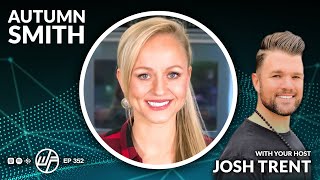
YouTube podcast interview (Wellness Force) featuring Autumn Smith (co‑founder of Paleo Valley) interviewed by Josh Trent about the role of nutrition and lifestyle in mental health. Autumn recounts her personal journey from dancer to founder, links gut health to brain health, and gives practical, foundation-level guidance: reduce inflammation (identify triggers like gluten/dairy/BPA), correct nutrient deficiencies (B12, omega‑3, magnesium, zinc), stabilize blood sugar, and use fermented, tryptophan‑rich protein snacks (grass‑fed beef/turkey sticks) as convenient options. She also recommends breathwork/meditation, seasonal eating, testing (Cronometer, glucometer, hair mineral analysis, microbiome/hormone panels) and social/nature practices to improve resilience.
Chapters
If you just take three days out of your life and just put everything you put into your mouth into that software, it'll show you where those nutrient gaps might be. And if you're looking low in the Bs, if you're looking low in the omega 3 fatty acids, in iron, in zinc, in vitamin C, these are really key nutrients for the brain and especially protein. Like I said, those are our precursors to neurotransmitters. This is the one thing I find with pretty much every woman I work with, she's under eating high quality protein. And it definitely impacts not only the blood sugar, but also the mental health.
What's up, everyone? It's Josh Trent. I'm here with a special guest. Her name is Autumn Smith. She is the co creator, I guess you would say, of Paleo Valley. Autumn and I did a podcast three years ago, and we're here to talk about a different phase of mental health. Last time we talked about the truth behind mental health. Three years later, as I was just sharing with you before we jumped on here for Facebook, now we're talking about the things that can actually heal our brain. We're in this conversation right now of mental health and mental health awareness. Autumn has an incredible story of her own. Autumn, welcome back to the show.
Thank you, Josh. It's always such a pleasure and an honor to be with you and to have access to your audience. I'm a huge fan of your work and just grateful for you.
Hey, likewise. I can think back to when I first met you at PaleoFX. I think we were in a crowded elevator or a crowded airport, and I was like, who is this lady? She seems like she's full of energy. And then I came to find out that you came from a past where you were actually a dancer. Like, share with people that fun fact before we dig into mental health. You were a dancer back in the day?
Definitely, yeah. I think I started dancing when I was 4 because my parents did also notice that incredible amount of energy, and so they put me in ballet. Then it just kind of snowballed from there. I trained with the principal of the Bolshoi Ballet from Russia, and then I moved to Los Angeles, did some dancing, and Las Vegas, I did some dancing and then I ended up on a world tour with Jennifer Lopez. But I was at that time actually her fitness trainer because I got into this fitness dance method called Tracy Anderson. So where she employs dancers who have this really solid connection with their body, and it's just a whole system of fitness based on that. So I got to do a lot of traveling with her and working with all of her cool clients, so.
Wow.
It paid off, that energy.
Yeah, it's cool because, you know, thinking of your past and we're going to talk about how you're the certified eating psychology coach and what that even entails for people, people that don't know. There's so many things about you that I think people gloss over. They're like, oh, it's this bubbly young lady and she's behind this health movement and blah, blah. They don't know. No one knows the incredible story filled with thresholds and, like, multiple heroes, journeys that you've had. So let's recycle the story for a little bit. Let's take the time machine back before we get into mental health, which is why we're here, by the way. If you're watching this right now, let us know where you are. Where are you in the world? We had somebody from Sweden typing in the other day, Autumn. I was like, hey, across the world, it's all good. And also, if you have somebody in your life that's struggling with mental health right now, please share this podcast live. Share it with somebody that you care about. Let us know in the comments what's going on. So go in the time machine for us. Going back to this, you know, you started out in a totally different path. What even led you to nutrition in the first place? For people that don't know anything about Autumn Smith or Paleo Valley, yeah.
It's such a crazy story with lots of twists and turns, and we're still in the story.
It's the best kind of.
Yeah, totally. So I was, like I said, a really energetic child and a happy girl until I kind of hit my teens. And then, you know, I was dancing a lot and also experiencing some digestive issues for the first time. High school, middle school, they're pretty challenging. I was actually bullied a lot. And so it started with digestion. Doctors couldn't really fix me. I did, you know, doctors and psychiatrists, and we did everything. And because there was not really a solution, I just kind of snowballed. So we know there's this gut brain connection. So digestive issues weren't remedied. They started to manifest in other ways. Anxiety, depression. I remember using substances just to try and calm myself down in high school a lot in high school because I really felt hopeless, because I didn't. I just thought something was wrong with me. And then no one had an answer. And so I just resigned to this. Is going to be my life. I'm going to have to learn to manage. And I did until I met my husband, actually. And I was that girl who I put on a happy face. Anyway.
He wasn't on the dance team, though. That'd be so cool if he was on the dance team.
I wish he was, but he won't even dance with me today.
No.
He's a musician, but not a dancer. But no. Yeah. So we met, and when I finally moved in with him was when he kind of started to see what the truth was, because I was that happy girl who was still, you know, making it happen. But then he saw the digestive issues, and he just wanted better for his new wife. And so he started doing some research. We researched together, realized that diet had a role for some people in not only digestive issues, but maybe mental health. And this was, like, way back in 2010. And so we decided to just try it. I mean, we had nothing to lose. And in 30 days, my digestive issues were gone. And then the other piece, the mental health piece, has been a longer journey, but I can honestly say I'm the happiest I've ever been today, and that the more I learned, the more, like, kind of foundational variables I could dial in. And today, the reason we founded our company was because I was working that awesome job as a fitness trainer for Tracy Anderson, and I was really fit. I mean, really fit, but I was not well. And so when I had this turning point in my life where I learned that food could be used as medicine and that I could actually feel amazing, not just, like, look pretty good, I realized that this had to be the thing I taught other people, because I spent too long suffering, and I didn't want people to feel like me anymore. And so we decided to create our company. Because I was always on the road and traveling, I still wanted to do that and live that life. And so we wanted to make things realistic for people who are busy and who wanted to still be out there in the world and doing things so that they didn't have to stay in their kitchen every day, all day and cook three meals unless they wanted to. But that's why we founded Paleo Valley. And most recently, we also founded another company called Wild Pastures. And that's a whole nother story. But that came. My little son, Maverick, was born.
I love that your boy's name is Maverick. That is so cool. That's such a fun name. And I think back, you're a Maverick of your own. Like, I forget who Made that popular in politics. Somebody made that name maverick popular. I don't know who it was. Let us know in the comments if you know. But I think about what it takes to really cut your teeth in this industry and withstand the demands, Autumn, of just the stress, you know, serving and being of service and caring about others and being a figurehead like you are for the company and going on shows and all this. Like, what is your go to? What is your go to? To calm yourself? Is it breath? Is it meditation? You know, because we're about to talk about all the phases of mental health, nutrition being one of them. But just as a go to for everybody kind of feeling that tension right now with their jobs, their families, their world, what's something you can give us right now to settle us in?
It is absolutely meditation and breath work there. I do both every single day. I have an infrared sauna. It was like the best purchase I've ever made. It's like my sanctuary. I go there and I have a mommy moment for 15 minutes a day. And, you know, I'm working on a lot of emotional things too. And so I usually have a reason to be in there and some sort of guided meditation, usually. But if I'm just like in my car and I all of a sudden realize, why am I so tense? Like, there's nothing like why. I'll just do like four, seven, eight, breathing. Just like in for a count of four, you hold for seven, and then you just exhale for a count of eight. And that seriously, it changes your reality if you just do it six times. It's that simple. Like two minute commitment. And it changes my world and my view on everything.
Yeah, everybody watching with us, take a big deep breath. Gloria says mine is water fountains. We have somebody tuning in that says, I like to take deep breaths as well. So everybody, let's just take a deep breath together and just tune into this conversation. Because some of the things that Autumn and I are going to explore, you know, they're challenging. They're challenging for a lot of people, but they're real. And we're going to hit it with the truth, with Autumn's expertise, and honestly, with nutrition. So, Autumn, would you mind, can we take a deep breath together?
I would love that.
So we're going to inhale through the nose, exhale through the mouth, let go of anything you're carrying. And we look at this topic of mental health and we understand that there's so many people suffering. And we feel right now in the collective that there's so Many people stressed like never before. In your community, what has been the conversation that's top of heart for you? In other words, what do you feel that we really need to know right now about mental health at this time in the world?
Well, first, something that's really top of mind is that when we're relating to one another, just remembering the humanity in us all, and that whether you are pro mask or you don't want to wear the masks or whatever you think about the mask, just remember we're all fighting our own battle. It's not about inferiority, superiority. It's just we can never know exactly what's happening in that other person's mind or situation. And so just kindness is the first thing when it comes to relating to one another. But when it comes to mental health, I think the important thing to understand is that this pandemic is going to. They predict the next big issue will be a mental health epidemic. And unfortunately, we were kind of already there. 40 million people are suffering from anxiety, and that was pre Covid. And, you know, depression is the world's leading cause of disability. And there's nothing to be ashamed of if that's your reality. And so that's what I want people to know. I grew up and just thought something is wrong with me and I'm less than. And I just want you to know this is. Is part of life. Mental health struggles, you know, they linger sometimes, but we all experience them and there's a lot you can do about them. So that's what I've learned from them.
It's so powerful. I love the way you brought up, like, hey, if you're pro mask, if you're pro this, whatever. I found myself getting into narratives where I want to tell other people my truth and everything. But look, we're not here to convince anyone of anything. I think really what's happening is we see that there's a line of division between people, and there's been a line of division about mental health and even like mental health being kind of like a. No, no. That you don't even talk about. It's like mental health, politics, food and sex. Certain things at the table that are challenging. Right. But I have experience with this in my own life. A lot of people know if they're listening to Wellness Force for a while now, that my mom suffered with taking lithium and being bipolar for 20 plus years. A lot of people in my family Tree have taken SSRIs. So this is rampant. I mean, if you look at the numbers and we're actually going to post an article right now that someone really special wrote. I'll let you guys figure it out when you click on the link. Someone really special wrote this article, and it's about boosting our mental health because we can start with the inside to meet the outside world demands. That's what this is all about. We can't control other people's stress. We can't control the craziness online or the BS in the world. Give us some hearts and let us know if you are dealing with stress right now. Autumn, when we look at bolstering our mental health and actually taking care of the gut, brain access in the brain. One of the coolest things that I know is that if we're taking in healthy fats and healthy protein and we're getting all these good nutrients in our gut, that actually has a direct correlation with the brain. Almost like a link, right? A redox system that Dr. Bush talked about. Share with us what you know about this link between the gut and the brain and really the fat and the protein.
Yeah. Oh, it's so fascinating because, yes, most people thought that, okay, our brain and gut connection was like, one way we thought, and then it went into our gut. But what we know now is that, like, four messages for everyone that comes from our brain to our gut, goes from our gut to our brain. And so when our gut's unhealthy, where 95% of our serotonin is made, 50% of our dopamine is made, then our brain becomes unhealthy too. What we also know is that there are many, many sources of inflammation in today's standard American diet. And inflammation. Like they used to think that depression was this chemical imbalance. Right. That we needed to treat with a pill. But people would be interested that there hasn't actually been a human trial to show that a serotonin deficiency is actually the cause of depression. That's kind of something we've been trained to believe. Interesting for financial interests. But the truth is, what we know now is that depression is often the root cause of a lot of mental health issues. And so when it looks at what are we doing more than we're eating every day, we're eating three times a day. And so I think if we're eating inflammatory foods, we are three times a day creating an inflammatory environment, not only in our gut, but also in our brain. And so I have a lot of steps people can take, and there's like three foundational ones. I often just give if you'd like to hear Those.
I love foundations because sometimes we get, like, in the weeds of what are the biohacks and what are the crazy things we can do? And meanwhile, the foundations, the most important things, they just get glossed over. So take us to the foundations.
The foundation. Well, that's the kind of. The first piece is just the inflammation. We have to find what's causing inflammation for you. And there's some really, like, people have probably heard about gluten, but gluten can be a strictly neurological disease. You know, for every one symptom in the gut, there's, like, eight in the brain. Okay. So there's also this story about this PhD, like, really intelligent woman who is. The gluten became such an issue that she became kind of psychotic. I think that it was spiraled so out of control that she attempted to murder her parents. Now, that's a really extreme example, what they found when they removed the gluten. She got better. And I know, and I have a client I'm working with right now, and he is such a lovely soul. And when he eats gluten, five days later, it will be five days later, he will have paralyzing anxiety. Okay, so it's gluten. You know, sometimes it's dairy for people, but other people have just other foods that their body's not tolerating well or, like, underlying gut dysfunction, which is causing healthy foods to become inflammatory for their bodies. And so just finding that source of inflammation. Even things like BPA exposure in plastics have been linked to mental health issues. And so it isn't. While you can start with food, it's a very powerful place to begin. It definitely isn't the only cause of inflammation. Just wanted to throw that out there. The second one is nutrient deficiencies. So we are all talking about, well, at least the people I'm in contact with lately, what we're not eating. We're eliminating gluten and dairy and soy and whatever else. And I think that's great, and that is powerful for a lot of people. But the bigger picture I think we all miss is, like, what are we eating? And is this enough to sustain us? Because all of our brain chemicals, like our proteins that we're taking in that is becoming our neurotransmitters. Okay? So if we're not getting enough protein or our body's unable to digest that protein, then it will manifest in nutrient deficiencies. B12 is a big one. Fish oil is a big one. Magnesium is a big one. And there's another really cool, powerful story about a lifelong Vegetarian, who all of a sudd became delusional. And it spiraled in. She became catatonic eventually, and no one really knew what to do with her. They tried electroconvulsive therapy. They did everything and anything. Thankfully, she was transferred to a different hospital. They gave her B12 injections, and she had a full recovery. So just vitamins, simple vitamins. And my little hack for this to track it is an app called Cronometer. Do you use this, Josh?
No, but tell us about it.
Yeah, it's so simple. It's like my fitness pal, but it has this really extreme micronutrient database. Rather than just looking at proteins, fat, and carbohydrates, you're going to see your iron, your vitamin a, your vitamin Bs, all this stuff. If you just take three days out of your life and just put everything you put into your mouth into that software, it'll show you where those nutrient gaps might be. And if you're looking low in the Bs, if you're looking low in the omega 3 fatty acids, in iron, in zinc, in vitamin C, these are really key nutrients for the brain and especially protein. Like I said, those are our precursors to neurotransmitters. This is the one thing I find with pretty much every woman I work with. She's under eating high quality protein. And it definitely impacts not only the blood sugar, but also the mental health.
Why is that? Why do you think that happens? Because I've heard there's an old adage in the fitness space. You and I came from a similar fitness background. If I eat too much meat or if I lift too much weights, I'll get bulky. If I eat too much fat, I'll get fat. Where did that come from? And what's the real truth about that? Because like you're saying, if we're putting the foundations of healthy fats, that's actually what makes our brain work better. Fat and brain health go hand in hand.
The brain is basically all fat.
It's pretty much fat.
We need really high protein. It's pretty much just fat. And so I was in that camp. I was so afraid of fat growing up as a ballerina, I just totally avoided it. And I think that is one of the major contributors to why my mental health deteriorated so rapidly. But also the protein thing. Women, you have to work really hard to get that muscular. I mean, I worked out six hours a day, some days for four years while I was a Tracy Andersen fitness trainer. And I did not look big at all or bulky. Sure, I had nice definition, but I was definitely not bulking up and I was eating a lot of protein just to sustain that muscle mass. And the other thing is, it's funny because if you look at a 150 pound lady who doesn't have a lot of muscle and one who does, they look very different. One is smaller and one just takes up a little more space and they're both fine. But what I'm just trying to say is when you're eating protein, you're going to help that lean muscle mass become actually, you'll build it more easily and you will actually look more slender. So I don't know where it started, but I just want people to know that don't be afraid of protein. There are specific circumstances, kidney stuff, if you have cancer, there's specific circumstances where you'll want to be careful. But in general, I see most women under eating and I always just like to aim for like, you know, 100 grams. That's kind of my. And are you familiar with Julia Ross?
Julia Ross? What did she. She wrote a book about. What was her book?
The Mood Cure, the Diet Cure, recently. Cravings Cure.
Yes.
Yeah. So I'm actually gonna do her program and that's. Her whole thing is working with addictions, working with mental health issues. That's food addiction, that's, you know, alcohol addiction, that's cravings. And these, we're using amino acids, the precursors of neurotransmitters that you can also get in food. So I just think that's a powerful testament to. They are in your diet.
When I look at that foundation you speak about, you talked about inflammation, which. That could be literally an entire podcast, like we could do it, an entire show on inflammation. But essentially, if you're eating organic, if you're eating the right kind of foods in season, by the way, because this is something that I know that you do too. You, your family lives in Colorado, correct? Are you in Colorado?
Yeah, we moved from San Diego to Boulder about three years ago.
What have you noticed about eating in seasons in Colorado? Because this directly relates to. To mental health, no matter where you are. Some people live in food deserts, some people live in concrete jungles where eating out of season or eating in season, it's not even a conversation. But you know, from your eating psychology background and from your own mental health background, like, how do you and your family eat in season there? And what are you even eating right now?
Yeah, it's funny because seasons, you know, I came from Southern California and I was there for 10 years. And what seasons have done for me is just to bring me more in tune with that body wisdom. Right. Okay. So when it's always said, I don't know, for whatever reason, I wasn't as attuned to the changes. And now I definitely am, like, right in there. So in the winter, obviously, we want more warming foods. And I'm having the soups, and we're having the stews and the roasts and all of that kind of beautiful stuff. And then in the summer, I'm eating tons more fruits and fresh fruits and vegetables. And in Colorado, it's really easy to eat in season, because especially where I am in Boulder, that's just kind of the thing. And so I get a new experience. Experience. And my body and my eating style can change with the planet and the environment. And it's just. It's a wonderful experience that I hadn't had before I came here that I never want to lose again. I just. I really enjoy that aspect and looking forward to the different foods and knowing that what I'm putting into my body isn't coming from a thousand miles away, which a lot of food is. And the nutrient quality is very, very different. The taste is very, very different. And so all of it, it's just a totally different experience. And I think I just want to say that that is. I heard this quote the other day that I think might resonate with people, and that is health is coming back to the self. And I feel like that seasonal eating and that cyclical nature of our body and about everything else, if I could get you to do one thing, is just pay more attention to yourself.
Yeah, I love that, because this is all we have is our self. And a lot of times, too, it seems like my problems are outside myself or my decisions around nutrition are outside myself. And the challenge in this current environment that we live in is that most people are around other people that they haven't been around in a long time as much. Spouses, brothers and sisters, co workers, everybody's kind of stuck. And I think that's why we're seeing mental health rates escalate as well when people are having trouble. So when we look at the actual nutrients, you know, this gut, brain, mood, connection, and understanding that, yes, it is the healthy fats and it is the proteins, but there's something really powerful that's found in Turkey, and it's also found in beef that I know you and your entire camp is huge on. I mean, it's like, I feel like the beef sticks, especially the turkey ones, I tried them last month and like they lasted a week. This huge box of turkey sticks. They lasted a week. Anyways, I noticed this and this pertains to my question for you. When I'm eating healthy fats, when I'm eating foods that contain this beautiful ingredient called tryptophan, everybody knows tryptophan. It's not just the sleepy fat hormone. It's actually something that can yield really powerful mental health benefits. Why did you guys choose to do the turkey sticks and the beef sticks? And how does that pertain to, for people to have better mental health right now, legitimately, like literally and figuratively at home?
Okay, this is, yes, this is great because we did decide our flagship product was going to be the grass fed beef stick. And this is interesting and I'm going to get to Sriptefan in a second. But the first reason that I didn't mention my third foundational piece is we've got to balance the blood sugar, right? A lot of times blood sugar imbalances, they just manifest as psychiatric symptoms. Because think about it, it's when you eat a lot of sugar or highly processed foods, it's that come down that crash that feels a lot like anxiety, can feel a lot like depression. And so that is why I wanted to do a protein snack. Now when I looked at proteins, I looked at Dr. Felice Jacka's work and she's a wonderful researcher out of Australia and who's done. She kind of spearheaded this whole movement. It really wasn't looked at at all before 2010, which is just like, I can't even believe that. But she found that in one of her studies, red meat seemed to be protective against mental health issues like depression and anxiety. And women who ate less than, I think it's three to four servings a week were more inclined to suffer from either depression or anxiety. And it wasn't that, oh, you better eat as much red meat as possible. It didn't keep going, but it was just when you didn't have enough. And so I thought, okay, me, I was definitely someone who didn't eat a lot of red meat. And I thought, I really want to find a way, a delicious way to get more of this into our diet. The creation of it was just, I also wanted them to be fermented because there's a super weird ingredient called encapsulated citric acid and it's just hidden as citric acid in B6 and actually made from hydrogenated oil and GMOs and it's the industry standard and so I knew, okay, we're going to do away with that and we're going to add probiotics. Because in addition to the protein, fermented foods contain bacteria that help our body, our brain, produce our inhibitory neurotransmitter called Cahaba. And this is what people are using when they have, or kind of leaning on when they have like a benzodiazepine or some sort of anti anxiety medication. So fermented foods can be a way, a natural way to do that. And when it comes to tryptophan, tryptophan is one of those amino acids. So amino acids are just like the breakdown products of protein. And it's one of them that actually turns into serotonin, which is our brain's like inner sunshine. Right. So when we don't have enough serotonin, we are self critical. We can suffer from panic, we can have seasonal affective disorder, we can ruminate. I see a lot of things just like over and over the same thing. And so our brain will make serotonin, more serotonin in response to an adequate intake of tryptophan. There have been two studies that looked at it specifically dietarily. Like if we just craft a diet that is high in this amino acid, will it improve and reduce things like anxiety and depression? And there has been research to suggest that in fact it does. And so again, those three reasons, we're like, okay, I need to make a source of tryptophan that's really, really easy that also has probiotics because that's going to help gaba. And it also just contains red meat that can be really high quality. Grass fed grass finished, of course. And again, we just wanted to create this mental health protective snack that people could just grab and like not worried about having some of those other ingredients involved, which is pretty much the standard in the industry.
Yeah, put down the Doritos, y'.
All.
I mean, I know, I know it's really like a, it's an emotional eating pattern. And it's fascinating to me because, you know, in your background, the certified eating psychology coach, like you put your money where your mouth is. Like your entire family, your entire movement, everything you guys represent is about being in quality, helping people with nourishing foods. Like you have many, many things that you stand for besides just the beef sticks. I just love the beef sticks. I'm like very impartial to the beef sticks. Like they're my go to. So what I found, and I'm curious how you feel about this. When we look at the psychology of eating. You just broke down a lot of science. Rewind that if you're watching this on the replay and listen to what she shared. Again, because the science is huge. But we know that we make decisions based on emotion. And those decisions for food, especially, like the eating and emotion decisions, they're driven by our past behaviors. You know, behavior change is a loop, and the loop continues until there's a pattern interrupt. So what can you share with us about eating psychology and being a true pattern interrupt? And then how can we create a cue, like a trigger action response to where we can go for the healthy foods, like the tryptophan, the turkey sticks, things like that? Can you create that connection for us?
I love that. Yeah. My eating psychology training was invaluable. So what we learn about eating psychology, obviously, is that there's a lot of motivation, like, a lot of different motivators, but usually eating and our behavior of eating is not about food. It's about our relationship with life. Right?
Yeah.
Okay.
That's right.
Past experiences come up. A lot of times people are eating because they're bored or because they're avoiding something. I find that, like, food is our most direct source of pleasure. Right. We are wired for pleasure. We have to have pleasure. And especially right now, when we are tense, things are scary. Like, all of a sudden, we need to change that state, and so we lean on food. Okay. There's also sometimes people just have these memories of food. I remember working with one particular client, and he could not let go of his cookies. He would not just drop the cookies. And it wasn't until we did a lot of digging that he remembered, like, he kind of had a strained relationship with his mother, and she always used to bake these cookies for him. And when he ate him. Ate them, it took him back to a place where things were okay with them. And so he was trying to recreate that experience. And so, yes, we're basically. And then there's the whole food addiction piece. So sometimes it is emotions that are driving this, and sometimes it is the fact that food engineers are damn good at their jobs, and they are paid to create these combinations of food that, like, literally prevent us from stopping eating. Okay. So they hijack our brain chemistry. That is another thing I find with a lot of people I work with is that sometimes it isn't always about emotions. It's just about addiction and the fact that foods can light up those dopamine pathways in the same way that drugs do. Okay. And so when it comes to, like, Interrupting that pattern. I think the first thing is just, like, awareness. Ask yourself, hey, why am I eating? And when I did that, for the first few times, I realized I'm bored. I don't want to do what I'm supposed to be doing. I need a change of state. I'm getting tense or I'm feeling sad. I'm looking for pleasure. And also the way that I do a cue is just. I don't keep a lot of processed foods in my house at all. And my beef sticks are always on my counter. I always have my deviled eggs or something in the fridge. I can see them. They're. But the other thing I do for people is we don't want food to be our only source of pleasure, you know, and so I always have people do this pleasure inventory where we write the ten things that light you up, like, just make you so excited that have nothing to do with food. Like, if you woke up on a Saturday morning and you had no responsibilities, what would you be doing? So I would be off on a hike. Yes, Yes. I might drink a great glass of wine with a friend. I would make a playlist. I would do a dance party, just, like, whatever that is for you. And like, two or three of those things need to be in your life every week. And you'll find that when you have these additional sources of pleasure, food isn't your only input that way. And so you start to, like, lessen this dependence that you have. And then you can start asking deeper questions once you've done that, like, why. What emotion is behind this and why that's so powerful?
Let's pause there, because I'm thinking of the scene in Half Baked where he was like, abba, Zabba, you my only friend. And I was like, wait a minute. That's what we all feel like sometimes. We feel like the food is our only friend, but we have so many things beyond just food. And I love that you brought. That was probably the most powerful mind nutrient you've dropped in this entire conversation so far. Because we're talking about, you know, if you're just tuning in mental health, not just, like, trying to fight mental health or be aware of mental health. We're talking about how to have more of it. We're not trying to fight against it. It, you know, or bring some kind of beating drum paradigm where we're saying we need to fight mental health. It's like, that's the wrong approach. You know, I think about when we. When we talk about mental health, I think about in my own life too. When I have the most shining mental health, it's when I'm loving myself the most. It's when I'm sleeping, it's when I'm caring for myself, it's when I'm seeing my friends. And right now that's definitely under attack. So what is something that somebody can do from a practical standpoint? You know, they're, they're at home. What do they eat in the morning, what do they eat for a snack? And then what do they eat and feed their mind and their heart when they leave their home? You know, can we hit both sides of that?
Oh, absolutely. Okay. So they actually did some really cool research out at Columbia University about the most mental health protective foods very recently. And these are going to surprise you. So I'm going to throw these out there and if they're not your favorite foods, it's cool. Just choose one. So it was oysters. Oysters are like number one. Okay. And then we've got poultry giblets, not a super popular option, but still the lips. I don't know about you. It's not what I. It's not my go to organ meats. And then it went on and on with fish. Okay, so those are the animal based ones. And then watercress, spinach, kale, greens. So what I'm trying to say is high quality animal products and greens are your go tos and fermented foods. Like, I'll admit I'm not someone who loves them, but what I do is I choose like five different fermented foods. Like I just went to the store today, I got this dill garlic mix and something, whatever else. They had this beet, these fermented beets. And then of course we have our beef sticks which are also fermented. Love it. And I just have a spoonful of each one every day. So I'm mixing it up and I'm still getting all of those fermented foods. Now if you're a mommy watching, I just did this fascinating interview with a lady who says the way you get your children to eat for events is you have them just put them in their mouth and you let them know if you don't like it, you can spit it out. Because even just putting it in your mouth starts to change things and your tastes and so you don't always have to just get them to eat it right away.
Wow.
So I have. Yeah, it's kind of cool, right? It'll stop the resistance slowly. And they think it's really fun to be able to spit it at least my 5 year old guy really gets a kick out of that, that he's allowed to spit something out. So the greens, they've also done studies, I think this was out of Chicago, the University of Chicago, that If you eat two servings a day, they had brains that looked 10 years younger. And so I'm always doing my two servings of GRE. I do my organs. We have an organ complex. If you don't want to taste them. If you want to taste them, that's beautiful and really, really high quality wild fish. So those are the snacks that I'm doing and I'm always protecting my breakfast. This is the biggest piece of the pie when it comes to keeping your blood sugar stable and avoiding that crazy swing. That can happen when you eat a breakfast that takes you up because you'll inevitably come down. And so that just means 15 to 20 grams of protein at every meal and snack. But if you can't pull that off, just start with breakfast and it will be so much easier to maintain the rest of the day. Okay, so that's basically what I'm doing. There's also some really interesting research around fasting and its ability to kind of dampen the inflammation associated with anxiety. And for me, I've noticed I do really well when I do intermittent fasting and even the occasional 24 hour fast. Of course you got to talk to your doctor. It's not medical advice, but there is something really powerful. There's just like a sense of not only like well being, but of slowing down and of like questioning your relationship with food, noticing when you're eating or what big role it plays in your life and where you can devote your energy to other things. So that's fascinating. Now when it comes to like the other kind of food, it's funny because I know Josh, you definitely test your hrv and I've been doing this for a really long time. And it's heart rate variability. It is a measure that they use in psychological research, actually just kind of like a window into your mental health. What I notice, I change my food, I change my lifestyle, sleep, social time. And not just like any social time, like those connections that you really cherish, the one like your tribe, those people that you just like can't get enough.
Of the inner circle, love connection, the cuddle, puddling, like the good stuff.
Exactly. That is what changes my HRV in the most positive direction. So what I invite people to do is get on a zoom call. My friends, we have 10 girlfriends. I grew up with in high school. Friday nights is, like, high school girl time, and it is a riot, and we have the best time. And I'm like, like, beaming for the next two days and take the time to reach out to other people also. I don't know what it is for you, but it's music for me. And so exploring new bands. I can do that in my house. And just recently, Vance Joy's always been awesome. But if you're looking for some super calming, just, like, soulful music, I really like them. And my last tip would be get outside. Okay. Because nature is so powerful. And I was in a slump the other day, and I just said, you know what? I'm gonna go. Going to take a little hike, and I'm going to wear my mask, and I'm going to be responsible in all the things. But I came home a different person. And so those are things you can do even if you're kind of where we are today.
There's so much juice there that you shared with us, and it's all really tactical. Like, everybody just rewind that again. Like, let that land for a moment. Because sometimes the truth, it hides in plain sight. Like, we see the clouds, we see the beach. We know our friends are there. We're getting calls from people that love us. Maybe we're isolating. Like, there's always some kind of a barometer for truth. Autumn and I feel like with your background in psychology and even looking at the nutrients that we're talking about for mental health, what do you think for most people is the big piece they're missing when it comes to the way that they even look at food, their relationship with food. Can you set a frame around food relationship for people?
Yeah. What I guess I see most often is that food isn't, like, a source of nourishment and joy enough for the people I work with? I think a lot of people get caught up in, like, well, what do I eat? What is the right thing to eat today? We all want to be doing the right thing, and we're, you know, it's understandable that we're scared. But I think what it comes down to is you have to listen to your intuition and listen to your body because you are the only person who can design that perfect diet. And so you cannot go and take even all of my advice. If you hate eating poultry galets, don't do it on my account, you know, and don't be choking things down. This is what I was doing. This is what a lot of my clients are doing. Like crafting these diets, these piecemeal diets, based on what other experts are saying. The other thing I want people to know is even what's working for you today is not going to be working for you necessarily tomorrow or in the next season. Just like I said, we have to eat in tune with our environment, in tune with our life circumstances, right? And so there will be times when there's actually seasons of nourishment, right? So you could be in a, like a anything goes because you've been in this really strict season and you've been like, healing and doing like some intense protocol, and all of a sudden what you really need is just to let go for a while, okay? And so you need to be able to move through those and question and stay aware and just know that your body's going to give you the feedback that you need. Unless, unless your metabolism has been hijacked. Unless, of course, you're eating really, really processed foods and all of those things if there's metabolic damage around the foods you're eating. But once you can tune in, once you heal that and you tune in, that's going to be your golden ticket to the perfect diet. And so I just wish people would come with more of a posture of curiosity rather than a rigid desire to.
Do the perfect diet, because I think there's so much. And, you know, you and I, like, I've started really looking into Paleo in 2009, back when I read Rob Wolf's book and Paul Check's book in 2008, 2009. So it's been like over 10 years of me, like, learning and understanding. If you look at metabolic typing, if you look at carnivore, if you look at low protein, high protein, there's so many ways that work for people. But like you said, depending on the season, depending on what they're actually going through in their life, like, there ain't no cookie cutter diet. There ain't no anything that's gonna work for us all the time. And so this is my question to you because it relates to something that I dealt with when I was young. I found a drug called food when I was probably six or seven years old. And I can distinctly remember when I was stressed, when I was angry, when I was sad especially, or when I didn't know what to do. My little nervous system was like, well, we gotta find peace. We gotta find somewhere to go be at home right now. And I would go eat like a carne asada burrito or just eat, like foods that Would just sedate me. There are people that really do need more. More fat, more protein, more carbs, but they have to work with a professional. What. What are your thoughts around, you know, people that have strong mood disorders? You know, someone that has, like, psychotic events or somebody that has, like, severe h. ADHD or anxiety? Is there a starting place for all of them or are they all unique? You know, is every single person unique?
Oh, I love that question. So everyone is very unique. And just like we talked about, there's been this relationship between, like, schizophrenia and celiac disease that we've been aware of since the 1950s. But it would be silly of me to come up here and say that, okay, schizophrenia, you just need to eliminate gluten. Well, there's definitely an inflammation going on in the brain, but you have to find your specific type of inflammation. You have to find that cause of inflammation. And I've even worked with people who have manic depression and, you know, like your mom and like my aunt, and they've been able to stabilize, literally, with a few changes in the blood sugar. Okay. And that is not going to be everyone's story. Okay. But it's.
But it's worth a shot.
It's absolutely worth a shot. And so my foundational pieces for everyone is just to make sure that your nutrient bases are covered in the chronometer. Like I said B12. That's insane that a woman became catatonic and she was able to come. I mean, like, who would even predict that? And also the blood sugar. We know that people who have diabetes have a higher incidence of depression. And so that could be definitely a piece right there. And also just the inflammation are those foods we know also, like, dairy is a big one. If you have antibodies, if you're producing antibodies to dairy, you can have, like, a three to five times increased risk of bipolar depression. Like, there's research to suggest that. So those three things find the inflammation, make sure that your nutrient bases are covered and stabilize that blood sugar. And, of course, have some testing. You do that and then have testing. Get in with a functional medicine doctor, somebody who can run your labs and identify that. Just look at, like, Dale Bredesen's work. He's worked with Alzheimer's over at ucla. Was the first person able to actually reverse it. And this is a, you know, a multi pleiotropic approach, Meaning there's a lot of things that they change. But still central this kind of approach is finding your specific imbalances because they'll be different for everyone. But there's Definitely some places you can begin. Definitely.
I love that because I think about some of the research in the blog post that we link, you know, talking about, like, what is the real nutrients? And. And there's a lot of research pointing towards the tryptophan being like, the number one nutrient, the precursor to serotonin and ocd. There's a fascinating part in this article where they talk about ocd and the link to really like OCD is believed to be an issue of an imbalance in serotonin and the precursor to that. One of the, I guess you could say factory workers that work in the body that makes serotonin is tryptophan. And a lot of people know what that's like, what they're doing Thanksgiving dinner, and they're like, oh, I'm so full and I'm so tired. We're not talking about tryptophan where you're being, like, overeating. What I'm saying is, like, the healthy levels of tryptophan. There's even people that take tryptophan in pills. They'll take pills of tryptophan to meet this. But what's the difference? What's the true difference from getting tryptophan from a beef stick or a turkey stick compared to taking it in a pill form? There's a lot more bioavailability difference.
Yes, absolutely. Definitely. So I think that we cannot recreate in a lab what we have with food and the synergy that's with food. This is kind of an unrelated example, but it's a powerful one that back in 1934, three physicians got a Nobel Peace Prize because they found out that beef liver could cure anemia. Okay? And it's not because there's a lot of iron, because we know a lot of people were taking iron and not getting rid of anemia. It's because of the other compounds in it, like vitamin A, retinol and copper, that are all working synergistically. Okay? So we have. We've honed in. Tryptophan seems to be important. But the cool thing about food is it's going to have other awesome vitamins and nutrients that are all going to work together synergistically to create the benefits. Right. And your body recognizes it. Okay? There's debate, there's whether or not you have digestion, whether it's working well. Are you able to break it down? Are you able to access those nutrients? What else is in those supplements? There's all of these questions. Whereas if it's a food it's right there. Your body knows what to do. It's been doing that for a really long time now. I do want to say that supplements have their time and their place because while you're supposed to have 4 milligrams per kilogram of body weight of tryptophan daily, some people will need more, some people will have genetics, and there's just a break in that chain. And so both can have a place. But food is always where I begin because we don't want to just be putting supplements into our body if it's not necessary. So food is my starting place every time.
I love that because a lot of people do blood tests. There was a company that I used to use. I'm actually looking for a new company, if you know of anyone, where I can really get solid blood testing and also bring somebody on the show. Because if we're not really measuring, like you and I both know, we like to track things. We track our families. We track our business. Like, we track it all. Not from a place of control, though. This is different than, like, having a firm, like, grasp and white knuckling controlling. It's just healthy, positive feedback. You know, Gretchen Rubin calls it like the obliger personality, where I have this external framework for accountability. Like, yeah, that's kind of me. I mean, I definitely recognize on that aspect. But what else are you tracking besides this nutrient? You talked about, the cronometer. I believe you're probably tracking your sleep. What else do you track when it comes to mental health? Do you do any either physical or emotional tracking so that you're just feeling good from the neck up?
Yeah, great question. I mean, there are so many different things I've tracked. Okay. But where I started and where your listeners might benefit from starting is just your blood sugar. Like, get a glucometer. And the cool thing is because if you look at the glycemic index and the glycemic load, that's a really beautiful place to start in terms of what foods would probably impact your blood sugar in a negative way. But what's true is everyone's different. Your blood sugar footprint is like your fingerprint. Right. Some people can have bananas better and have a better blood sugar response than berries and vice versa. And so I definitely do that now because, again, we have that link between insulin resistance, which is just like blood sugar that's gone too high for too long, and depression, anxiety. But other things, minerals. Minerals. Okay. So this was a major turning point for me this year was I feel good, I feel great. I feel better than I felt in my life, more stable. But when you look at my mineral balance, it left something to be desired. My zinc levels were pretty low. My copper levels were really high. And I don't know if you've ever heard of Dr. Brian Walsh, but that is a really common situation for a lot of people. The zinc to copper ratio is really off and so improving. That can have a really profound impact. The other one is microbiome testing, of course. Okay. Again, it's all central. These bacteria are basically telling our brains what to do. They are so incredibly powerful. And again, they're creating neurotransmitters and vitamins and nutrients. And so if you haven't ever done some sort of stool testing just to kind of see where your digestion's at, that's really, really powerful because you clean that up and magic happens. I actually worked with a little boy who had tics, like early signs of neurological issues. And it, it was Candida. We found there was a Candida link and we were busy tracking all these different foods and okay, well, they're identifying triggers, but at the end of the day, it was, we had to get rid of the Candida that was interfering with all the nutrients that his brain was needing in order to function optimally. And I could go on and on. There's even hormonal imbalances. If you don't have enough progesterone, you might want to do a Dutch test. If you have anxiety and it's specific to one phase of your cycle, that's a really probably powerful reason to get a hormone test. Also your thyroid. If you're hyperthyroid, hypothyroid rather, you will feel depressed a lot of times. And if you're hyperthyroid, that could be a symptom of anxiety. But I don't do all of that on a daily basis. The one marker that I'm really honed in on is that hrv, because that is like a one snapshot of just like how is my whole body functioning? And while I do like a time and place to get kind of like yearly check ins on these other variables, I don't think that sustainable or the goal unless you really enjoy it. And so just having one that I measure with my Oura ring is really, really insightful. And it tells me immediately when I'm doing things, something like dyeing my hair that I shouldn't be or working way too hard, then my HRV tanks just.
You're like a Lamborghini. I mean, you're a very like high performance machine. So you know somebody who can you speak to? Two things. First of all, we had a question about zinc and copper. Diane asked, how do you test the zinc and copper? Obviously, it's just a mineral analysis.
It is a mineral analysis, and there are a few ways, like the two ways I've gone through, I do just, like, a hair mineral analysis and trace elements is the company that I really, really like. There you can work with someone. There's also a man, a genius man. Do you know Morley Robbins?
No. But you're saying a lot of awesome people. The show notes for this podcast are going to be massive. It's going to be like a treasure chest.
Okay, okay. So Morley Robbins, this guy, he's like. They call him the magnesium man, but he is really versed on zinc, copper, iron, and magnesium. I mean, ad nauseam about them. And he does something called the Morley Panel, and he breaks it all down for you. Now, I had the hair mineral analysis, and that was a starting place. But when he did his more thorough analysis, it became really, really clear that there's a lot more going into it. And I don't know anyone who's more knowledgeable than this man. And he does a lot of, like, free stuff. He has something called the Root Cause Protocol, and it is all about rebalancing these minerals with food. And so definitely a place you should check out.
Thank you so much. And then I'm thinking about, as I said, like, you're the Ferrari, but you've done work to get there. It's not like you came into the world. I mean, this is a. You're a person who's been through, like, severe anxiety, severe emotional issues in your past. So people tend to talk. I call it sharing from the middle. And I love it because there's so many things that I'm learning about my life when it comes to mental health and being in a relationship and running a business, and I'm not even a parent yet. You know, for all the parents out there watching and for you and Chaz and what you go through on a daily basis, can you speak to someone right now? Can you settle in and speak to somebody who is literally at their wit's end? You know, maybe they're feeling. Even watching this on Facebook or listening to this on a podcast, they're feeling real heavy, real down, and they're not exactly sure what place or what step to take next. Is it food? Is it breath? Is it something else? Like, where do they begin? Where did you begin? Back in the day?
Here's where I began, because I was in that mode. I just had to go. Like, I was that person who couldn't sit still because I was afraid of those emotions. Right. And so you weren't going to get me to meditate. I was just, no, I did not have time for that. And so what I did was I balanced my physiology. It was a lot more accessible for me to start with food because it didn't seem too out there for me at that time. And so that was like my first phase. Like, okay. And what it does is, like, it teaches you how important you are, you know, to yourself. It's like a daily reminder that you're worth investing in. And soon, over time, you learn to trust yourself again just through this daily practice of nourishing yourself and choosing the right foods. But if you are open to breathwork, that is my second go to for sure. Like, there is nothing that you have in you that can change the state of your being, take you out of a stress response, give you an entirely new perspective, and you always have it with you. And so take some breaths. Do that four, seven, eight breathing. Do it two times a day. Alternate nostril breathing is also a fascinating one because you can kind of like access the side of your brain that you want. Like, do you want your more playful side or do you want your more work oriented side? And you can just do that too. And also, like, kind of of like yokes your two hemispheres and so any sort of breathing exercise that resonates with you, or just take a deep breath like Josh and I did.
Wow, you're speaking our language, Autumn. Thank you so much for that. Like, and those things, they might seem like, so simple, but the most powerful things in the world are simple. Like water going down a stream is simple. Air flowing through trees is simple. You holding your child is simple. But they're so, so, so powerful and they're so overlooked. Michael Pollan, when I was in Austin once, he said, you know, the truth hides in plain sight. The truth makes great memes because people see the truth and hear the truth so much that they just ignore it. But yet what you're speaking about, if people actually do it, this is the difference between knowing and doing. Autumn's telling you what to do, are you going to do it? Like, there's courage involved in that, you know? So can you speak to the courage aspect of this? Can you speak to the courage aspect of people hearing what you're saying and then creating and summoning the courage to actually do it?
Yeah, I Think it all boils down to just like, remembering you're worth it, because I had that struggle my whole life. So it is about courage, but it's also, like, a commitment to yourself and knowing, like, you're worth these small daily efforts. And no matter what kind of messages you received in your youth or maybe even their generational. I've just become onto that. I'm sure that you're onto that aspect of that. Not everything we're feeling is because of us. It could be like a generational.
It didn't start with you. Mark Wolin, listen to him on Wellness Force. Absolutely. I believe in what you're saying 100%.
Yes, exactly.
Haven't you felt this Autumn, and haven't we all felt this let us know. You ever felt something that you knew wasn't yours? You're like, wait a minute. That thought's not mine. That feeling's not mine. What the hell's going on here? That's like my dad's or my grandpa's or my grandma's thought. Have you dealt with that, too?
Oh, 100%. It was, like, so eye opening for me because I had the most loving parents in the world, and yet I had just these, like. Like feelings of anxiety. And I went to neurofeedback, and they're like, oh, my gosh, your neck is so tense. Why are you so tense? And when exploring my family history, it kind of be like, okay, well, I can understand. And just like, your triggers are your treasures. Right? Like, noticing why is that triggering me? And I couldn't always identify something in my own life, but I could if I talk to my family members, kind of get this, like, collective or, like, really specific story from someone else. And the last thing I want to say about that courage is that basically we're all fearful. A lot of us, not all of us fearful of emotions. Right. A lot of us. But what we have to remember is that emotions are guides. And they only, if you allow them to come, they won't last as long as you think they're gonna pass right through you. I went through a particularly difficult week. I mean, really difficult. And it was really hard. And if you don't fight it, if you don't fight it, it goes away. It will. It will get better. But when you don't, it's stuck. It gets stuck. And you start compensating, whether that's gambling, whether that's food, whether that's just overwork, whatever it is. But we just need to get rid of the fear of, like, feelings in general, I think that's been a big struggle that I've been working on. And it's when I do it, it serves me well.
Not perfect well, I always know when there's such a moment of truth because I get chills in my arms. And when you're explaining that right there, there, I had a chill that started in my heart, and then it went down to my arms. And I know if you're listening and watching, you felt it too. There's one thing that we haven't explored here. And as we wind down, so you can, like, go be with your family and so all of us can go put these things into practice. You know, the courage to put them into practice. The question that I've been wanting to ask you ever since you came on here was as a mom, as somebody who is leading a business, and, you know, you're also just a human being managing all of these things. What is the North Star? What does your heart go to when things really start buckling and when, you know, for lack of a better term, the shit hits the fan? Because we all have moments like that. So what's the North Star for you?
The North Star is my Maverick. Okay. And when I get real serious and things in the business haven't always been easy, this last month, and then I have to remember a. What is really important? Like, in five years, am I gonna remember this as, like, a really big deal in my life or not? And is this going to impact Maverick, like, in any real way? And what is really, at the end of the day, what I'm going to be thinking about, like, in my last years, in my last moments, it's going to be my family. It's going to be the time that I share with them. And this is a game. Life is a game. Sometimes it gets hard. But if we keep this playfulness about us, rather than, you know, Chaz, my husband, I remember being particularly upset about some sort of supply chain issue, and he's like, autumn, we're making beef sticks. We're not curing cancer. Keep it light, keep it light. This is a game, I guess, just keeping a playfulness about it and just remembering what's really, truly important at the end of the day. And for me, that's definitely family.
Wow. Mic drop. Autumn, you've given us so much today. And you've also given us more. More. Because the beef sticks and the tryptophan and the turkey sticks, which are like, my ultimate personal favorite. We have a ton of resources for you guys. Autumn and the Paleo Valley team have been super generous, so thank you for this. They're giving us 15% off of this tryptophan Rich. And I say rich because these turkey sticks are more than just turkey sticks. They're mental health tools. Like, we gotta fight off this stuff in the world, you know, people's negativity. And I feel like we should hold a turkey stick up and, like, fight off somebody with it for negativity so we can have our mental health. Like, the turkey stick is a sword. But seriously, though, I really do love this company and I know you believe in us and we believe in you. And so everyone go to paleovalley.com you can use the code. Josh. You get 15% off of the turkey sticks and the beef sticks, and we covered so much ground on them for mental health. I got chills a couple times, and it was just a really great, deep conversation with you. As to be expected, that's exactly how ours was three years ago ago. But with everything you've learned from three years ago up till now, how do you define wellness? You know, you answered this question three years ago. I don't even remember what you said, but I'm curious how you see it now. You know, what do you see as wellness? How do you define that?
It has to be that quote that is just like, it was something I heard this year, and it's just like, health is coming back to the self. And it was. I was always that person looking outside of me. I need to fix something. I need to be something. I need to appease someone. And when you realize, no, no, no, you're enough just right here, just as you are even today, and you take the time to have that curiosity about, well, what happens when I do this and what happens when I eat this, and it happens when that. I think that relationship to yourself is wellness for me, without a doubt.
I love how we started with the self and we came back to the self. If you yourself are feeling a little bit low or you're challenged right now, just know you're not alone. There's so many resources. You're here with us on this podcast. We've had hundreds of people comment, you know, talking about, like, what they're going through and how great this conversation is. Share this podcast and go to Paleo Valley, like their page. These turkey sticks are incredible. Obviously, you know, paleo valley.com, the code is. Josh Autumn, thank you so much for the light you're shining in the world. It's been a total joy to reconnect with you after three years, and I look forward to the next time we see each other in person. So until Autumn and I see you again real soon, we're both wishing you lots of luck, love and lots of wellness. Autumn, thank you for coming on.
Thank you. It was an absolute pleasure, as usual. As to be expected. Thank you for your time.
More from Josh






Your child's future start before pregnancy... and even before conception! #podcast

MD Reveals: Your Healing Creates Your Child's Reality (The Souls Coming In Need Strong Bodies)



