BEING FEARLESS FOR YOUR HEALTH | LIVE YOUR BEST LIFE - IAN RYAN
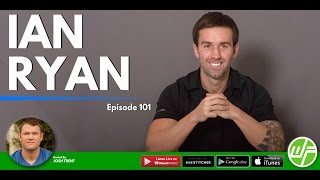
Episode 101 of Wellness Force Radio (host Josh Trent) interviews Ian Ryan — creator/host of the Fearless and Healthy podcast and a health coach. Ian recounts his fitness origin story, the traumatic loss of his brother to a heroin overdose (a catalyst for major life change), and his decision to move to California to pursue authentic, public-facing work. The conversation centers on fear vs. love as drivers of behavior, the power of imperfect action, morning rituals (running, hydration, green smoothies, gratitude journaling, meditation), and practical tools for clients (simple workout/nutrition programs, a body-type quiz). Key themes: worthiness, service through vulnerability, habit-building, stress management (breath/meditation), and community as an emotional hook for sustained behavior change.
Chapters
Wellness Force Radio.
Feelings are essential, but they can't dictate our actions.
We literally infect each other with our emotions. We came here for a special purpose. Let the purpose unveil itself.
Knowing without doing is the same thing as not knowing.
They're not just trackers.
I'm gonna wear this and it's gonna.
Help me do the right thing.
Wellness force radio episode 101 with the creator of Fearless and Healthy, Ian Ryan.
We're worthy. And just by following our intuition, by becoming a little bit better every day, you know, I think we can realize, like, wherever we're at right now is okay as long as we're taking the steps necessary on a daily basis to become the best version of ourselves possible. In that moment, I said, you know what? I'm just going to live this, like, true and authentic life to myself and share my story because I think there's power in vulnerability and authenticity. And when you can share what's real to you, you can help other people that are going through similar challenges.
What's up, my friend? It's Josh Trent. Welcome back to another episode and your weekly access to global experts in all things wellness, behavior change and new technologies. In this podcast, together, we'll discover the connections between our emotions and healthy habits to live life well and enjoy the process. This podcast is brought to you by Perfect Supplements, a company who actually walks the talk with their values of pesticide free, non GMO real food supplements that fuel us for the wellness journey, save money, support the show and get more wellness in the process by heading over to perfectsupplements.com wellnessforce and enter code wellnessforce to get 10% off your entire order. I think, and I know you're really going to love this show with Ian Ryan from Fearless and Healthy. Ian and I have developed this friendship over the past year, and on this podcast, we're talking about something that's a lot deeper than just fitness and nutrition. We're talking about for anyone who's ever felt unworthy to live this fearless and.
Healthy life they desire.
Ian Ryan is on a mission to let all of us know that we're not only worthy beyond measure, but we have the personal power and confidence needed to take imperfectly perfect action with the knowing that anything is possible. And I want to be really clear too. This is not a show about motivation. This is a show about inspiration. Two different sources of energy, right? One comes from the inside, based on a feeling that we feel and a mission that we have. The other one comes from external forces. You know, we get motivated when we have a wedding and we want to look good either in the bride's dress or in the groom's suit. We want to make sure that our high school reunion, that we're perceived well. Well, that's not what I'm talking about because those are temporary sources. And what we're looking for, what I'm looking for, what we all want, is sustainable change, the things that we can depend on for the long term. Now, before I go into Ian's bio, I want to remind you, if you have not entered for the $2,000 in wellness prize packs, this is your sign. Head ON over to wellnessforce.com 100 that's wellnessforce.com 100. Make sure you enter.
All you have to do is just.
Click your show artwork right now.
Just hit that link at the top.
In purple that says review and you are entered. Your review won't show up for 24 hours, by the way, so don't write me an email and be like, I.
Left you a review.
It's not there. Don't worry, it'll show up in less than 24 hours. A little bit more about Ian. He is the creator and the host of Fearless and Healthy podcast, a top ranked show in health, self help and education with over 150 episodes. He's interviewed some of the best minds in wellness and personal development that support growth in both mind and body. And with nine years, he's been a highly sought after health coach who believes in holistic approaches to wellness and putting a large emphasis on the mind. So for this show, if you've gone through a tragedy or if you're in the process of overcoming an obstacle, whether it's emotional or physical, you'll learn how Ian moved across the country to inspire people on a bigger scale and why. Being fearless doesn't mean that you operate without fear, it just means that you move forward in its presence. Let's step in to this inspiring talk with Ian Ryan.
Ian, welcome to the show.
Josh. I am so excited to be here, man. It's gonna be a lot of fun.
You're in my apartment studio. We are friends. We've developed this cool friendship over the past six months. Your story was so inspiring to me. We've hung out a couple times in person. It was incredible learning about you and being with you in person. I thought this is someone that Wellness Force gets to learn about, you know, your story, what you've been through. It's really, really powerful.
Josh. Well, it's an honor to be on your show. Thank you for having me. And, you know, I'm just excited to dive in and talk to your audience here.
What's something that people don't know about you? You've done, like, 150 podcast episodes. Me. What's something about Ian that people don't hear about online?
Yeah, you know, I think that we do these podcasts, and oftentimes, you know, people think like, oh, man, this guy must be, like, this extrovert. He loves talking to people. Like, he loves doing all these things. And the reality is, it's like, I love my alone time and my space and being by myself. I'm actually can be quite introverted. And when I tell that to people, like, they don't see it. But, yeah, that would be something that I think a lot of people don't know about me until they get to know me well. Right.
And then they.
Then they're like, okay, I can see that now. But nothing that I've ever really talked about in an interview before.
That's cool. Well, I wouldn't. I'm one of those people. I'd be like, he seems very outgoing, but what I'm hearing from you is that the same way that you've grown, and we're gonna talk right now about your story, because I think this is the ABCs of you. You had a tremendous obstacle that you overcame. And before that, though, you're in health and wellness for a long time. So bring us back there. I mean, what was your story from the beginning before launching a podcast that's now reached over a million people?
For sure. So let's. Let's take it back, man.
You know, let's pump the brakes and go way back.
For sure. We'll take it all the way back. Yeah, let's go. You know, I was like a skinny kid growing. I'm still skinny, but, you know, in high school, I was. I was really skinny. I went away to college my freshman year. I remember putting on about £20. You know, I was drinking beer, I was eating. I was doing these things. And I remember coming back. Back home. I went to West Virginia University, and everyone noticed. You know, they were like, wow. Like, Ian really put on, like, more like the freshman 20. My girlfriend's parents called me out, and it was a confidence thing because, you know, in high school, as a senior, you know, everyone. Then you go away to a big school, and you're like the little guy on campus, right? So I was like, man, I really got to do something about this. If I want to, like, meet girls, if I want to, like, you know, have a good time at college. I'm going to have to start taking care of myself. So that's really when I got into weightlifting. And once I saw those physical changes in my body and I was more confident, I felt so much better. And I really haven't looked back in terms of fitness since then. So then when I got out of college, got started in a big box gym, started managing clubs, you know, worked my way up in that industry, and eventually, you know, I felt a calling to do something else. Like, I wasn't fulfilled. And I think a lot of people go through this at different phases in our life, right? We're passionate about something, and then it doesn't fulfill us anymore. So it was the next step. And my next step was launching my own business. I remember starting a personal training business out of my dad's garage. Grassroots. Yeah. And I just. I built a website, and I was like, you know, this is going to. I'm going to make so much money. Everyone's going to like, I'm going to be like, you know, the biggest personal trainer in my area. And I realized, well, building a website doesn't really translate into a successful business.
Just because you build a website doesn't mean people are going to start sprinting your way.
Yeah, right. But in that experience, I learned so much, right? I learned about marketing, and I ended up starting a corporate fitness business in D.C. and I really learned what it was like to kind of try to do things on your own and make it work. Right? And I had a lot of fun with that. I really did. It was a great experience. Once again, I came to a crossroads where I felt like I needed to make that next move, right? So I really wanted to go online and get my message out to more people. That's when I started getting really into personal development and mindset. And I was like, man, I want to do something online. But there was so much fear around putting my message out there. I was like, well, what the heck is everyone gonna say? Like, who am I to go online and do a podcast or, you know, start a YouTube channel? And then I had this moment, Josh, that really changed my thinking. You know, my brother had been struggling with drug addiction pretty much his entire life, and it put a huge strain on our relationship. And it also caused me to kind of, you know, isolate myself from him and my family. And I kind of dealt with that in my own way. And I got a call one morning from my father, and I was sitting in Starbucks. I was reading a book. I think I was, you know, working on some. Some workout plans, and he said, ian, I think your brother's gone. And in that moment, I was. I just. I felt my heart just, like, you know, collapse. It was. It was terrible. I mean, I remember it so vividly. I had. I wouldn't say that I was necessarily surprised because of where he was, and I knew he was struggling with the addiction, but you never think it's actually going to happen. And I remember rushing over my parents or my dad's house, the house that we grew up in, and there was, you know, ambulances there, and, you know, my mom's hysterical, and, you know, I realized that he was gone. He had died of a heroin overdose. And, you know, it was just this moment where a couple of my good friends were there, my girlfriend at the time was there, and it was a day that, you know, I revisit in conversations like this today. You know, I think it. Sometimes when we share the things that we go through, tragedies, it can help other people in similar situations. So although it's a difficult thing for me to talk about, you know, that shifted everything for me, Josh, because I realized no one is promised tomorrow. And really, like so many of us, we look at life like, well, you know, I'll do that next year, or, you know, I'll do that next month. I'm not ready. Right. And the reality is, like, you realize that at any moment, like, life could be snatched away from you. And maybe it's not drug addiction, but maybe it's a car accident or something that's just, like, out of your control. And it made me shift. So my big shift was like, you know what? Screw this. I'm moving to California. And it didn't happen immediately, but, you know, after a couple months, I was like, you know, I really. There's things that I want to do in my life, and if I don't take action on some of these things, you know, who knows, like, what my future entails?
Man, I know that everyone can feel the real energy in your voice and the authenticity in your voice. I wish that everyone was here in the studio hearing you in person, because I'm feeling you right now. And I. I think what I'm gleaning from you and hanging out with you is that this does not have to define our past, does not define our now. So many things that I think a lot of people have gone through. I haven't had loss like that, but I know somebody listening has. I know somebody listening has gone through exactly that. And what happens to the mind is a couple things. We can either take it in a direction where we go into addiction, we go into things that behaviors and things that don't serve us, or we turn it and we turn that pain into art. We turn that pain into service for other people. You know, we've had guests on the show that have talked about this. Dan Pardee, one of my favorite guests, one of my virtual mentors, his father passed. That led him to create Dan's plan and human os. And there's a lot of people in this world, you being one of them, that I have a lot of respect for, because you could have gone the other way. You could have gone that way of being addicted to something or going back to drinking or whatever it was. Go back to that moment, man, if you're willing. What made you choose the right path instead of going down the degrading one, you know?
So I took a couple months, Josh, and, you know, I was going through a lot of stuff like, why did this happen to me? And I realized I could have played that role of a victim. And I'm not judging anyone by the way that's grieving and going through that, because, like you said, it's very easy to take a different route. So my. My reaction was, man, I got to do something about this. So initially, and I don't know if we've talked about this actually, but I'll talk about it here. I started a magazine because I wanted to understand addiction. I was like, you know, like, I kind of put my push my brother away because I felt like I had done everything to try to be a good brother to him, but I was like, you know, I'm gonna launch this magazine, and I'm gonna interview people that went through addiction, and I wanna find out how they were able to break free of that addiction. And I thought, like, that was my calling, because it was at the moment. And that's another thing I wanna touch on, is, like, we can veer in different directions. If something feels right to you, maybe it doesn't down the road, that's okay. But I needed to explore that at the moment, right? So I got a chance to interview all these different people that went through what my brother was going through. And it helped me understand addiction. And then eventually from that, that wasn't my path, but it helped me clear up a lot of the BS regarding me and my brother's relationship. And from there, in that moment, I said, you know what? I'm just gonna live this true and authentic life to myself and share My story because I think there's power in vulnerability and authenticity. And when you can share what's real to you, you can help other people that are going through similar challenges. So that was it, man. I had this idea that I was going to launch a podcast and that's where I'm at today. You know, almost 150 episodes in with Fearless and Healthy. And it was based around two things. I wanted to share my journey. I'd always had this dream of moving to California, so I bought a one way ticket. Very much inspired by the book the Alchemist. Right. And I love that, love that book. Yeah. And I moved out to San Diego and I wanted to share one my journey really overcoming fear. And although my podcast is fearless, I'm not fearless. Right. But it's stepping into discomfort out of your comfort zone, things that feel right to you, and then also premise it around health because, you know, fitness and nutrition has been such a part of my journey. So that was the whole, I guess, moment where I decided like I was going to take action on things that I had been putting off and just really step into resistance as opposed to run away with it.
Do you feel like you're honoring your brother with what you're doing or what's the energy now that you pull from?
You know, I wouldn't necessarily say everything is, is about honoring my brother now, but all of this, this whole experience, everything from golden habits to fearless and Healthy now has helped me heal personally and helped me understand where my brother was.
Yeah.
And part of it, you know, my brother had this, this fearless way he lived life. Right. He really did. So I would say that some of it comes from that for sure. I wouldn't say it was, it's all about honoring Casey. But it all does come together, you know, it really does. And it's been such a blast. There's been a lot of ups and downs along the journey, but that's what life is.
Absolutely. I'm so glad you brought up the point that in your life there's many different paths. And one of the reasons that I started Wellness Force is because when I was a kid, my mom raised us. She was manic bipolar, we're on welfare. I mean, I'm talking like blocks of cheese kick cereal, like no vegetables. Right. And so I think always intuitively as a kid felt there's gotta be a better way to live. There's gotta be a better system out there. And so I didn't have these tool sets. Part of my story that really relates to yours, that connects with yours is that I had this curiosity about why the brain does what it does. I couldn't figure out why my mom had her disease. I couldn't figure out why my dad went in the ways that he went, where there was possible disconnection from the family and whatnot. And then as I come around to the knowing, I'm figuring, oh, it's not about people knowing. It's not about me knowing why something works. It's about me giving compassion to people that are doing their very best.
Best.
So a lot of these clients that you work with, they might not be fearless, but they're definitely looking to be healthy. What's the bridge that you see between someone that's acting out of being, you know, afraid of something or someone that's acting out of love for themselves? On one side there's fear, on the other side there's love. So how do you identify that when you work with somebody if they're coming from fear or if they're coming from love?
Yeah, that's a great question. You know, it really is. And I, you know, I think really when people come to work with me, I think that a lot of times they want to do something else and they realize that they have this goal, this ambition. Maybe for example, with me, health related, they have this desire to lose 30 or 40 pounds because it's caused all these self confidence issues and it's really made them be really uncomfortable with where they are in life. And they want to make this big change, but they're afraid of getting judged. They're afraid of the fear of stepping into the gym not knowing anything. Right. And they don't know, like they're afraid to take that first step. Right. But I see how much they want to change.
Yeah.
And you know, it's amazing to be able to help them with that transformation and just take that first step. And I bring it back to like so many different things around fear. Let's just use a couple of examples. You know, it's like the person that wants to lose 30 pounds and they finally like draw the line in the same moment. And they say, you know what? I'm going to do whatever it takes to get to the next level. Cause I can't be in this position anymore.
What gets them to that moment where they're willing to do anything? I mean, is it pain or is it pleasure? Like, which one is it? Yeah, you know, in my case it was pain.
I think it's pain. Most of the time I think it's pain. And they're willing to do, like, whatever it takes. And oftentimes it does take someone really reaching that rock bottom moment to make that shift. I don't think it's the case in everyone's situation, but we can sit here and talk about so many people, Right. In our industry and people that we.
Both know, myself included.
Yeah. You know, that just really had to hit that low moment to say enough is enough. Like, I want to change whether that's body. Your body, your finances, your relationships. I mean, think about how many people are in a relationship that doesn't serve them, but they stick around in it for so long because of the fear of not knowing what's going to happen of the change.
Right, exactly. So are people coming to you when they're in that stage of contemplation, or are they coming to you once they've decided that this is the way I want to go, whether it's from fear or love. Like, which one?
You know, I think I get both. Yeah, I think I get both. I think I get a lot of people that are in pain and are willing to do whatever it takes to get out, But I also think that some people come to me out of love, too. So I think it's a mix, you know, I really do.
What's a more powerful fulcrum? One of the things that you and I have talked about so much in person is habits and behavior change. You know, we both interviewed Gretchen Rubin. I listened to your show. You listen to my show, I'm sure. And it's like we, we love to learn from people who have done a really good job at helping other people change their behaviors. Because even in my life now, I'm still changing my behaviors. And I'm sure even, you know, with the people you have and the followers you have, you're still changing your behaviors too. We're perfectly imperfect. Right. So in this path, what's a more powerful fulcrum? Is it having the clarity and then taking action, or is it not having clarity and then taking perfectly imperfect action?
Oh, definitely taking perfectly imperfect action.
We don't need to be clear before.
We take the action.
Right. I think you need to. I mean, it's nice to have, have a game plan and clarity, but the reality is all the pieces aren't always going to make sense before you have to jump in and take action. You know what I mean? And so many of us, we think that we're waiting for this magic bullet for everything to come together. And the reality is we have to jump. We have to take action. And then figure things out along the way. Right. It's a journey. Whatever area we want to change, we have to be able to step into it and be okay with imperfect action.
Man. I want to go back because we're talking about changing behaviors, and then before we change any behavior, there's, like, a thought, feeling, and action curve. The thoughts we think dictate everything. And one of the most powerful things that you pulled from. You talked about this on your site is after you lost your family member, you asked yourself a question, what type of impact have I had on this world? How am I going to make people's lives better? Have those questions changed since then, or is the answer the same for you now?
I think my thoughts have shifted. A. It's still something that I visit. I think that I. You know, that was a question that came up so often after my brother passed away, because I realized that I was playing it really small at the time, and I was acting out of fear, and I was afraid of being judged and if things didn't work out. And that shifted. But I think it's important to make this distinction because I was playing it small. I was acting out of fear. But one of the questions I like to ask myself now is this. For example, we have fear around so many different things in life, and one of them, for me, was video. Right?
Fear of being seen. Yeah, exactly.
Fear of being seen. What are people going to say? But now it's like, okay, if I put a video out or a podcast episode and 10,000 people tune in, 7,500 people don't resonate with the message at all. Maybe they kind of tune me out. Then there's another, you know, 1500 that they tune in, but they're not really fully present. But maybe a thousand or maybe not even a thousand. Maybe it's a couple hundred people. They take something away from my message and they use it to shift an area of their life to really inspire them into action. And that's the way that I look at things now. It's like, what type of impact do I want to make? And I'm okay with if my message doesn't resonate with everyone, because it doesn't have to. But if I don't do anything at all, I'm not going to impact anyone. Right.
You were touching on something so powerful. It's. I felt it many times, and I think I still feel it from time to time now when I talk about being seen. And this isn't the first time on the show we've talked about Being seen. What do you think from a psychological perspective? You've read a ton of books, you've interviewed really awesome people that I respect. What is the thing that makes people afraid of being seen? Like, what is that to you?
You know? Well, the number one, I mean, people have such a fear around, like, public speaking and being seen on camera.
People would rather actually give, like, be in the coffin rather than give the eulogy.
I've heard.
Yes, this is true.
Yes. You know, and people have so much fear around it. And, you know, I think it's. It's fear of judgment and fear of acceptance. But here's the reality and here's a big shift in something for people to think about that maybe are going through this. It's like people are way more caught up in what's going on in their lives and the problems that they're having than really judging the person that they're watching on camera. It's a big shift because we're so caught up in what people might say if our message doesn't resonate. But we all have our problems, right? And we're all way more in throw of, like, what's going on with us. And oftentimes I think people get so scared to put themselves out there. I think the first thing is like, you know, if you're, if you're having fear around being seen is like just realizing that, like, you're going to get better, you're going to evolve over time, but the only thing that you can do is like, just put yourself out there and it's just going to become an easier process as you move along that journey.
One person's journey way different than the other, but they might have maybe the same kind of dream. They might want to be a voice, they might want to be an influencer. What do you think separates clients from either getting the health they want or clients from expressing themselves in the way they want in alignment with their, their end goal. What's a couple things you've noticed that really hold people back from achieving either the health they want or being as expressed as they want?
Yeah, no, that's a great question. You know, I mean, I think the health and all that stuff is like, mindset plays such a big role in that, really getting crystal clear. I mean, having. Having the mindset, expressing yourself. I mean, you know, it's one of those things. I think some people have a really difficult time with, with being vulnerable, you know, and putting themselves out there and expressing themselves. And I think it, it comes down to one not knowing if they're good enough, right? They don't think they're worthy of getting the health that they want or, you know, stepping into their creativity. Maybe, maybe they don't think that they're. While other people, you know, they have this mindset around it, like, okay, like I really, I'm going to do whatever it takes to get to that, to that next level. Or, you know, I do deserve this, I deserve a better life. Whereas the other people that kind of sit on the sidelines and never make it happen, a lot of it is the belief that, you know, they're not worthy to make that change.
This is something I heard on a interview with Mel Robbins. We'll link this in the show notes. She has a five second rule. Have you heard of this? In five seconds, she'll shock herself into action. So she went through this tremendous life where her husband lost his job and they lost their home and there was just a bunch of tragedy. And so she went through this phase of depression where nothing was working no matter what she did, no matter what pep talk she gave herself. And so she was like, you know what? I am going to, as soon as I wake up, I'm going to jump out of bed in five seconds and I'm going to do something that's of service to where I want to be. Have you ever instituted something in your life that was a shock treatment? Do you believe in shock treatments for motivation and inspiration? Or do you think that we cultivate inspiration on a longer basis? I mean, which one lands for you?
That's a great question. So here's something I believe in strongly is like when you feel inspired. I don't know, shocking myself into inspiration. But this is something that I found really powerful when I'm feeling inspired. Okay. Whether that's from, you know, an audio or maybe it was like the hike that we went on, right. Where we had this beautiful sunset. Changing your state is super important. And when you feel like you're in that state of flow, that's when you should take that inspired action that you might have fear around when you're not in that state. It's such a shift for me. So for example, let's just bring it back to video. If I'm not in the proper state, it's gonna be very hard for me to jump on video and inspire other people. Right. Maybe I'll have fear about that. Maybe some of those thoughts will start coming up again. Right. I don't know. Is this gonna resonate? Whatever. It's like, if we're able to Kind of shift our state and get in that positive state of mind. Everything's gonna be different. So for me, it's like one of the things I do is like every morning I get up, I go for a run, right? And I get the endorphins rolling down by the beach. And I just. That really helps me step into things during the day, that if I don't get that in in the morning, I notice that it's really hard for me to do certain things. So I always put myself like first in the morning in a way that's.
I mean, it's not necessarily a five second rule, but you are shocking your system in a way because it might not be right away. It might not be like you're jumping out of bed and you're forcing yourself to go take a cold shower, but you're doing something in the first portion of your day that gets your mind and body connected. So it's not just the head leading the journey, for sure. I have had moments literally where I get up and there's a negative journey playing in my head. And it's like, oh, things might not work out. And I just choose to not listen to that, thank you very much, consciousness. I'm actually just gonna be the observer and figure out a way that actually serves me. And you know what? The days that I choose to create my own journey and to create my own movie, those are the days where I'm showing up more powerfully for clients. I'm showing up better. On the podcast, we what is the dialogue? That discipline. For me, it's really thinking about something bigger than me being of service to Wellness Force. Is it the same thing for you, or do you, when you get in those negative habit loops, those mental loops, what pulls you out of that?
Yes, yes, because we all go through that, by the way. I really believe that, you know, we all have those things and we have to have something to get us, get us back on track. For me, it's similar, you know, when I'm having some of that negative dialogue, taking a step back. Meditation is huge for me. Right. I'm a big believer that. I mean, that's been one of the biggest things that I've incorporated in my life that has helped me get centered, grounded, and kind of get rid of some of those negative thoughts. Not necessarily get rid of them, but be okay with them. Right. And that's a distinction to make. Be okay with it and then also really get clear on what my vision is and what type of impact I want to make and realize that you made up a good point. It's like we're the architect of our own future, and sometimes we forget that and we get in reaction mode to everything else that's going on in the world. Right? But sometimes we have to take a step back. We have to breathe, look at the vision, right? And visualize, like, what we want and try to act in alignment with the person that we want to become or we know that we should be acting in. So I think right now everyone is big on habits and rituals, and I don't think there's a cookie cutter approach to a morning routine or anything. I think it's different for everyone. But, like, have a couple things in your day that really set yourself up. Right.
I had a client I was working with last year, and she said, I just want the plan. Just give me the plan. Give me the template. And I said, we'll just call her Jane. Okay, Listen, Jane, there's no template because your life isn't a template. We don't live each day exactly like the day before it. So if I give you a nutrition plan or a movement plan, that's cookie cutter, as you had said, it's not going to fit the roundness and the fullness of your life. It doesn't work like that. It might satisfy the peace of our logical brain that wants to have the plan, right. And that might give some temporary comfort. But then what happens when your template doesn't match your life exactly? So what do you tell people that just want the plan or maybe that just want the answer for their logical mind? What's your explanation for the satisfaction of both the body and the mind and the spirit, not just the brain?
Yeah. Well, I think like you said, there's no cookie cutter approach because we all have these. These hectic lives and responsibilities, and we.
Don'T even have kids.
Right. Can you imagine some of the other people? I mean, really, it's like people think exactly, you know, but it's like, you know, that's why when people craft out these long morning routines and I get a lot of clients, because I do try to help people with the personal development side of things in my fitness programs, because I believe it's so big. But I tell them it's like, okay, like, you might have this template that you try to follow every day, but even if you just have, like, 10 minutes to really set yourself up for success, that's fine. Just find a couple things that. That are gonna get you in that. That positive state and maybe, like, what's super important to you okay? Just make a little bit of time for yourself and don't beat yourself up. If you don't get through everything. Right.
There's a big shame spiral that happens, right. If the template doesn't match the reality exactly, and the shame spiral becomes the reason that the template doesn't work the next day. And it's like this stair. It's a stairway to the basement. You know, nothing good ever comes from that. Do you have right now? I mean, I'm sure this changes for you a lot. You have a routine that you go through that is just making you show up vibrant, you're feeling good about what you're doing. What does that look like for you in the morning?
Yeah, no, I'd love to get into my morning routine. And once again, we just touched on it. It doesn't always happen exactly the way that I want it to. Now I get up in the morning and I always try to hydrate because I do love caffeine. So I try to drink big jug of water, and then immediately for me, it's off to the beach. That's the first thing that I do, because there's something about the water that brings me positive energy. I mean, it's, you know, for some people, it's, you know, getting lost in nature. For me, it's always been the water. I feel this sense of energy that just helps me feel inspired, Right. And helps me, like you said, like, I feel like I'm the architect of my day, right. And it really gets centered. So once I go for that run in the morning, I go back home, you know, I have a green smoothie most of the time. So I put. I try to put the right nutrients in my body in the morning. And then from there, you know, I do some gratitude journaling. I like to think about, like, what I'm grateful for. And then I also do a little bit of meditation depending on how much time I have. For me, even if it's like a couple minutes alone with my breath, that is, like, amazing, Right? It really helps me feel centered as well. And then from there, I look at my day, and I know that, like, once that day starts, I'm going to get pulled in a million different directions if I'm not super intentional about the few things that I really need to get done. So I look at my day and, like, I have all these things on my list, but what are, like, the few essential things that I really want to do? And I try to start my day by tackling those, because if I get those out of the way I feel like this sense of accomplishment right so they could be super simple, but those are the things that I like really try to dial in on a daily basis.
It's no surprise that if we're on point in taking care of our emotional health, it makes it easier to let go of old weight and have more energy throughout the day. But believe me when I say it's hard to treat people well and think good thoughts if you're walking around hangry One of the best ways to support our body's energy systems and help cure satiety and satiation is to add in collagen to your waters, shakes and foods. Over the past year I've been using powdered collagen from perfect supplements in my morning coffee, water and in my post workout shakes to give me organic proteins I can feel good about eating. You know by now that healthy cows eat grass and these sick cows from CAFOs eat corn. So beyond the healing powers of collagen for digestion and joint health, this 100% pasture raised organic hydrolyzed collagen has 20 grams of protein in two scoops which helps to curb that appetite and increase satiety and satiation. With ethical harvesting you can feel good about Collagen from grass fed cows has five times omega 3s and twice as much CLA found in grain fed beef. And best of all, you can sleep well at night knowing you're supporting the change we need in our broken food system. Pick up a box of single packets or part of the Wellness Force bundle for easy on the go servings of this grass fed collagen by clicking over to perfectsupplements.com wellnessforce make sure to enter code wellnessforce to get 10% off your entire order.
And I love that you said it doesn't always happen exactly like you planned it, right? Because what if you only had 20 minutes or 10 minutes? How do you adjust if you don't have time for the morning routine? Like maybe you're traveling or something happens where it's just out of the ordinary, like someone gets injured or you have to take a big drive somewhere. Is there always quote time or is it okay if someone misses a morning routine as long as the lopsided data is always on them doing it? I mean, what does that mean for progress?
You know it's going to happen. There's going to be a time where like something happens and you know you just have to get back into alignment, right? Things are going to happen and that's okay. Just but if you only have 10 minutes. It's like, if you're traveling, for example, what can you do for, like, five to 10 minutes just to focus on you? Like, get alone. And for me, like, if I only had five to 10 minutes, it would be about the breath. You know, that's what I would do.
Why do you choose the breath out of all the other ones?
You know, I think the breath is so important, you know, And I was actually. Josh. It's funny, because I was someone that was, like, opposed to meditation for a while. I didn't do it, and people talked about it. And I think it was like, when I really started practicing meditation on a consistent basis, I started noticing the difference. And my grandmother actually, you know, she actually was a Buddhist, and she lived in India for a while. And she told me before she passed away, if there was one thing that I should start to do in my own life, it would be to meditate. Because I remember she'd do this for herself. So finally I said, all right, I gotta figure out what this freaking meditation thing is all about. But what I realized is it doesn't have to be this elaborate approach. There's no right or wrong way to meditate, but just take the time to be still, right? Because so many of us get caught up in the reaction mode. And you just mentioned, okay, what if we're traveling? What if we don't have enough time? What I would do if I only had 10 minutes is I would say, okay, I'm not going to check my smartphone. I'm not going to get on my laptop, I'm not going to open my email. I'm going to sit there, and I'm just going to be alone with my breath for a couple minutes and get grounded because I think it's so important. And even if it's like 100 count, breathing, exercise, just do something. Because I guarantee you it's going to make a huge impact if you're consistent with it.
What would you say over the long term, how long has it been since you've had a dedicated practice?
Probably about a year and a half. I've been consistent with it.
So in that 18 months or 24 months, whatever it looks like, what's the number one benefit that you've achieved as a busy professional? Because a lot of people listening, they have hectic lives. We all do. I don't know if there's anyone that doesn't have a hectic life right now.
Well, like you said, we don't have kids and stuff.
We don't have kids. There's people that are way busier than we are. But what is the number one benefit that you felt in your physical body or in your cognitive mind about meditating? What have you noticed change?
Well, you know, stress for me. And like you mentioned, I couldn't. I don't really have a leg to stand on in terms of stress compared to some people that I'm sure you got a lot more going on. But, you know, when I'm feeling low, when I'm feeling. For me, like, meditation was this, like, amazing tool that I used when I went through the loss of my brother. Right. That really helped me. That's kind of where, like, it started right for me. And then, like, whenever I'm going through, like, a negative time, I've gotten out of a bad relationship, anything like that, that's when I've been, like, even more focused on that meditation practice because it's just helped me, like, realize, like, it's going to be okay, Ian. Like, you know, you're going through. You might be, like, rolling around in the mud right now, but, like, life is going to be okay. Like, don't worry about it. It's not that serious. So stress relief. But it also brings me an enormous sense of clarity. And some of the big ideas happen for me when I'm either meditating or I'm running. You know, I always tell people, it's like everyone's preaching. Not everyone, but so many people preach this, like, hustle, hustle, hustle mentality.
Gary Vaynerchuk's like the ringleader.
And I'm not hustling.
You're not working.
And I love Gary Vee and all that, but for me, it's like if I'm just sitting there in front of the computer and I never take time to just, like, be still, be alone with my breath. Sometimes those big ideas, that creativity doesn't spark the same way it would. So I would say stress and clarity.
I so relate to you. Last week I was sick and I had the flu, knock on wood.
I haven't been sick for three years.
But one of the gifts I got was stillness.
Yes.
When we're sick, when we go through health problems, it's a great time to reflect on what's not working. And I think everyone goes through sickness from time to time, but I so relate to what you're talking about with the stillness. And the stillness, by the way, is a muscle. And Dr. Dr. Joe Dispenza talks about how literally when you go through a meditation process, the brain grows new synapses and it prunes, it gets rid of it weeds. It pulls these negative weeds out of the garden. And so by meditating, you're actually going to the gym for your brain. And this may not be a new concept for people that are listening, but it's great to hear the message, because the more that we surround ourselves with these messages that actually are of service to us, the more they're going to be habitual. So when we look at growing the mind, besides meditation, are there other things that you work with clients on to grow their cognitive strength, to prune away the old stuff and to bring in the new? Or is meditation really the number one?
Meditation is one of the big things that I try to get people to incorporate into their routine. But, you know, also I think that journaling is a big thing, right? Really getting clear on that. Visualization and affirmations and all that stuff isn't really something that I try to get my clients to do. I probably should. But if we're talking about the few things that I really try to get them to do is like, you know, journal and meditate. Especially, like, if they're coming to me and we're working on their fitness and nutrition, if I can get them to, like, see how valuable a couple personal development tools can be, they usually then use that as a trigger to say, wow, this is powerful. Like, I want to go explore more, right? So for me, it's like simplicity with my clients initially, it's like, look, let me show you a couple things that you might not be doing because, you know, so many people are like, I don't know about this personal development stuff, this Tony Robb, all this different stuff, you know, but it's like, if you can just show them a couple things, usually now their curiosity or it's had a positive effect, and now they want to go explore things on their own and find things that work for them.
We're looking at my desk here. I have a bunch of journals. I do book reading every day and journal every day. And I find myself going through phases where for six months, I might journal every day, and then for the other six months, it might be once a week. And I feel like this permission we can give ourselves to have some flexibility is what trips up a lot of people that have an analytical mind. I know a lot of people listening to Wellness Force are doers. They're also thinkers, but they're also feelers. And it's important for us to get disconnected from just constantly learning. How have you balanced that in your life between constantly being voraciously hungry for new information that's gonna help you and giving yourself the space to just be.
Yes, great question. And I think that happens with so many people that we don't allow ourselves that space sometime. Right. But what I've noticed is that, like, if I don't give myself that space, it doesn't only affect my mindset and my happiness, but it actually affects my work, Right. So I give myself that space. Whenever I'm start, Whenever that stuff is starting to come up and I'm starting to feel like I need it, I say, you know what? I'm gonna shut it off. I really am. I haven't done anything like. And what's the meditation thing that you went to?
Oh, the vipassana. Yeah.
Yes, yes, yes.
I haven't done the famous Vipassana, which by way, I want to be Honest, I think 10 days is an incredible amount. And I talked about this on the episode with Jesse Lawler. I think a three day is a great starting point. I don't think Jumping into a 10 is the best thing. And I have the right to change my mind, just like everyone listening does. And I just wanted to be authentic.
Yes, I know. And one of the things, Josh, that I'll do is if that stuff is starting to come up, I'll shut it off on Friday or whenever it is. It really doesn't matter if I really get to that point and I'll say, all right. And for example, this happened in late December. I just said, you know what? I jumped in the car and I drove up to San Francisco solo trip, went through Big Sur, you know, went to go visit a couple friends, you know, ended up spending like four or five days up there. I meditated in, like, different locations. I had my journal with me and I just. I just felt this enormous sense of peace and tranquility. And it helped me. When I got back to the real world, it was amazing. Like, this whole shift happened. So I would encourage anyone when they get to that point, if you don't have four or five days, whatever, but just let yourself get away from the noise and the grind. Take some time for you. It just does so many amazing things for you.
I want to transition. This is the part of the show where you've already shared really deeply, man. So we appreciate your vulnerability and power here. But this is the last part of the show. This is where we get to know you even deeper. So just seven questions. Tell me what comes up first. You ready?
Let's do it, man.
Okay, the first one is the fitness industry what is one thing about the fitness industry as far as advice that you think actually works for everyone? That's common knowledge.
One thing that I would say about the fitness industry that works for everyone is just get moving. Right? It's so freaking simple. Common knowledge. I mean, it's so simple. But like, any type of exercise you're gonna do is going to be beneficial. So I think one thing is people really overcomplicate it when they get started. Right. They really do just get out there, whether that's CrossFit, bodybuilding, running. The first step is just to get it moving. Right. And then we can take it from there. But I think so many people are looking for the magic bullet and the answer and really the reality is, like, it all works, right? Yeah, yeah.
And it goes back to what you talked about, where state change.
Yes.
If you're moving, you're changing your physical state, which then leads to our thought, feeling, action loop. So second question about the health and wellness industry. I mean, is there anything that's really surprised you, you that's happened in health and wellness in the past two years?
You know, I think something that's really surprised me is I'm surprised at how long CrossFit has stuck around the way it has. And it's like, and I don't know who's listening, you know, what your thoughts are on CrossFit, but like, I guess really like the community that it's built around it. And you can say what you want about it, but I didn't think it was going to last this long. I thought it was going to fall off. And the people that really get into CrossFit, they're just so in it, you know, and they feel like, they feel like, you know, it's their family and all this stuff. So I've been amazed at, like, how long that stuck, man.
Kind of a sidebar. But it fits with what you just said. The reason that people make decisions is emotion. It has nothing to do with the 100% logical mind. Yes, it's important to know why, but people connect with exactly, like what it feels like. That's what people really want. They want to know what it feels like to be in that community. So, sure, I think that relates to the habits that we've talked about, to the behavior change that we've talked about. And I think learning from you, what you just said, the reason that CrossFit's so popular is because there's an emotional hook that's just not found in many other spots.
You know, it's More than just the fitness, it's the community. It's the sense of love. It's all this stuff intertwined into one where people feel like they can't get it outside of their crossroads.
100%.
Yeah.
Okay, question three. What is the thing in your life right now that makes you laugh? I mean, what cracks you up the most in your life?
What cracks me up the most is, like, this entire freaking journey of life. Sometimes I think it's like it makes me laugh. Sometimes it really does. Like, all the things that I went through since getting to San Diego, and when I let things overwhelm me, I just have to take a step back and realize, like, man, they're really not that big of a deal at all. You know, I just laugh about them, you know, because it's just like, there's so many things in life that people let themselves, I guess, people beat themselves up over, and so many things are just not that serious.
I've had moments where I'm driving on the freeway and I just start laughing because I'm, like, in my head and I'm thinking about how I'm accomplishing a dream and a mission or a goal, and then I start laughing. Like, look how serious you're being.
Right, I know, exactly. Sometimes you just gotta, like, laugh about it. Exactly.
So in that same vein where getting out of the head, getting into the heart. What is a mantra? What's a message that you might tell yourself in a time of stress or upheaval? Do you have a mantra you repeat to yourself?
I don't have a mantra, but I would just say everything's going to be all right. You know, everything's going to be all right. That's really it. I mean, you know, I have quotes and all that stuff, and sometimes I follow them, but the reality is, like, whenever I'm going through times of, like, big stress in my life, I just take a step back once again, get in touch with the breath, and just realize, like, everything's going to work out. The journey is going to unfold exactly the way it's supposed to. Right?
Mic drop. We're done, right?
No, that's so true.
That is absolutely true. You know, if there was a step of change for somebody, they're listening. And I know if they're listening to Wellness Force, their mind is already going towards change.
Right.
But if in there, if they're in the beginning of this, what does the first or second step look like for somebody that might be seeking emotional or physical transformation? I mean, what's that beginning look like for them tomorrow morning.
First, make the commitment. Make the decide and decide that you're. You're worthy. Right. Just get started, you know, get started and realize that you're gonna get better over time. You're gonna build that emotional and physical muscle. You're gonna get to where you want to be. But the first thing is just taking. Taking that step.
The worthiness part, I think that's the part that trips people.
Right.
Based on old story. We have a ton of episodes for Wellness Force that we'll link some of those in the show notes. The old story actually can be software.
Right.
So, you know, in alignment with that question I asked you, is there a piece of software that you see on a regular basis, us here on planet Earth deal with that just simply isn't true. Is there a piece of the worthiness story that all of us collectively can just get rid of?
Yeah. I mean, you don't have to compare your journey to anyone else's. You really don't. I think so many people, they look at where they are and society creates these, I guess, these false expectations of, like, how we're supposed to behave or what our life has to look like. And oftentimes it can make us feel like we're not worth it. But when we really, like, strip back the layers and think about it, that's just not the case at all. Like, we don't have to live up to anyone's expectations. We're worthy. And just by following our intuition, by becoming a little bit better every day, you know, I think we can realize, like, wherever we're at right now is okay as long as we're taking the steps necessary on a daily basis to become the best version of ourselves possible.
That was very comforting to my logical mind and to my body to hear you say that. And I think people felt that too. Because what's coming up for me a lot lately is, yes, big dreams are incredible and they do mean a lot, but at that very same time, they also don't mean anything at all, which is really not able to be understood perfectly by the body and the mind all the time. So thank you so much for hitting on that point.
Absolutely.
Last question, man. With everything you've been through, all you've overcome, which I have a lot of respect for, and I want to thank you for sharing that so openly on the show. What is wellness to you? How would you define wellness in your life?
I think wellness is emotional, physical, and mental wellbeing, everything intertwined under one. Right. I really think that it can affect you in so many different areas in your life. And Josh, I know you are a firm believer on this as well. I think that so many people put like once they get started on their, on their health journey, they put such an emphasis on the physical component, but really the spiritual and the mental. Well being going to the gym and working those muscles is just as important. When you're able to take control of all of that and realize that they're all intertwined and they all work in congruency with one another. If you can master that, well, we all are. None of us are ever going to master it. But if we really can put an emphasis on improving each of those, life is going to be a beautiful thing.
And I love that you said there's never going to be a finish line because self mastery changes depending on where.
We are in our lives.
Absolutely.
So who you are at 40 is so different than 50.
Life has seasons.
This continual commitment to self mastery. Man, this has been so fun. And I know you have a couple things that people can learn more about you on. One of them is this body type quiz that you have. And there's also a metabolism challenge. This is a dozen different workouts. Tell us about these two things that you have on your site. I saw them earlier. There was people talking on Facebook about that.
Yeah. You can head on over to my website and you know, if someone just wants like a seven day workout program that can just kind of get the ball rolling. Right. I've included a nutrition plan and a workout plan that people can follow and I'll kind of work out with them along the way so they can kind of go into that. It comes with a grocery list and workouts that they can do at home or at the gym. So super simple to follow. But like you said, it's like just meant to kind of get people, get people in the groove. Right. And the body type quiz, a lot of people, they try to figure out what is the best way to work out because so many of us, you know, are different the way our bodies are built. So you can go through the quiz and depending on the quiz, there'll be a video attached to that that'll kind of give you some tips and strategies to get you going in the right direction.
Okay. So if you're listening and you've been hearing a bunch of stuff from a bunch of deaf influencer, you're gonna make it more simple for them.
I'm gonna simplify it for them. Right, exactly.
Which is what will get people into taking that inspired action. I Think sometimes there's so much to learn that people just say, I'm not gonna learn any of it. So hopefully in this video series, go ahead and check that out@fearlessandhealthy.com do you feel like there's anything we missed either in the categories of being fearless or being healthy that people can really take away?
Man, we covered a lot of stuff, Josh, you know, in terms of fearless and healthy. For anyone that listens to this show that feels a calling or something within them, right? And they feel like they, they have something to offer this world, realize that if you let fear dictate your decisions making in life, that you're never going to step into your true potential, right? You really have to look at resistance differently and just take that first step. And then obviously with health, if you don't take care of your health, you can't show up the way you need to for everyone else around you, right? So have the courage to take that first step. You are worthy of living the life that you want to. And however it unfolds, as long as you step into that and trust that process and journey, well, that's all you can do, right? But you just got to have the courage to go after it.
What a pleasure. Thanks for coming over to the studio today and sharing everything you've been through with us. I want to leave with a quote from your actual podcast. Everyone can check out this podcast and tell people just a little bit before I read this quote about your podcast.
So it's been amazing. Like to tell you this, I had Josh on the show, which was awesome.
That was one of my favorite episodes on your show.
It was my favorite episode. Yeah. No, it's been amazing. It's just really high performers from different fields, whether that's nutrition, fitness entrepreneurs. But there's one thing that everyone has a similar vision around, and it's that if you don't take care of your body and you don't really set the rituals and habits up in your life necessary to really take care of yourself, you're not going to show up at the highest level possible. So I've got to interview people from so many different backgrounds. And we also really dive into the story because everyone has a story and what you realize is that we all go through stuff. So I've had a chance to interview all these amazing people and they share the struggle, the things that they really went through. And you know, my goal with the show, Josh, was just to show people that, like, we all get stuck in the mud sometimes, but we got to pull ourselves out. And one of the best ways we can do that is taking care of ourselves, both mentally, physically, emotionally, spiritually, all those different areas. And oftentimes when we get those things in check, we can do amazing things in this world.
Your podcast is one of my 15. I think it's impossible to listen to more than 15 or 20 shows at a time. So thank you so much for the impact you're making in the wellness community.
Josh, it's been a pleasure being on the show. My man. Man.
In life, we can either react to what this world throws at us in an unfavorable and destructive way, or we can choose to tap into our hearts and live a purposeful and powerful life.
That is it for episode 101 with Ian Ryan. If you enjoyed the show, join us in the private Facebook group. We're having conversations there@wellnessforce.com group. You can also search Wellness Force community in Facebook and I'll add you to the group. We have some real in depth conversations with some specific content that I believe helps us in mind, body and spirit.
All three.
Because, you know, that's what we focus so much on the show. Because those are the things that actually matter. I mean, don't get me wrong, nutrition, fitness, those are big deals. Those are part of our wellness wheel. But as Ian talked about today, sometimes that perfect template, that perfect wellness wheel doesn't always spin in a perfect circle. When we have tragedies and we have setbacks, those can throw, throw us for a massive loop. And if we're not careful, we can end up in the basement. Now, whether you're in the basement or not, everything's going to be okay because you are exactly where you need to be. It's something that I tell myself as a mantra on a consistent daily, sometimes.
Hour by hour basis.
We're all doing the best we can, right? And so what Ian talked about was having some kind of perfect template, not only for our morning routine, but for our wellness just doesn't exist because your life is unique. Unique, just like your neighbors and just like everyone else that listens to the show. So remember, you are the architect of your future. Sometimes it's easy to forget that because.
There'S a lot of stress that comes.
Up in the day and these demands.
That pull us left and right.
Let's all just take a breath and remember that we get to pay attention.
To how we're feeling in the day.
And how we're affecting other people.
We do not have to have our.
Past define our future. Know that trust that and let's talk more about it at the Wellness force group@wellnessforce.com group or by searching Wellnessforce Community on Facebook. Show notes from today are going to be@wellnessforce.com Ian. You can learn more about Ian's work and download some of the resources we mentioned on the show. So until I see you again next week, real soon, I'm wishing you love and wellness.
Ra.
More from Josh






Your child's future start before pregnancy... and even before conception! #podcast

MD Reveals: Your Healing Creates Your Child's Reality (The Souls Coming In Need Strong Bodies)



