A short multi-speaker YouTube discussion about methylene blue (a synthetic blue salt) focusing on its mitochondrial effects: it can accept and donate electrons, interact with red/near-infrared light (enhancing cytochrome c/Complex IV activity), and—according to the speakers—can improve mitochondrial efficiency by about 30%. The video also covers suggested dosing (speakers cite 15–20 mg/day), clinical and historical uses (anti-malarial ‘magic bullet’, hospital blood-treatment/ pathogen inactivation), neuroprotective and anti-cancer potential, and contrasts methylene blue’s antimicrobial mechanism (oxygen-starvation) with antibiotic resistance.
Chapters
Why this methylene blue and lumital is so important for us in so many different ways. It's a huge topic.
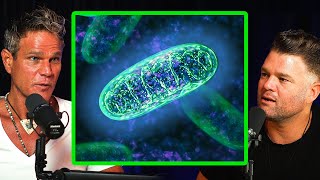
Yeah. So it's a brilliantly blue salt. And methylene blue has an affinity to the mitochondria, which is where we make energy. And because we can make energy from photons and electrons, methylene blue can work on both those systems because it can harness photons. It absorbs red light. Right. So especially if you're out in the sun or you're doing sauna, doing red light therapy, you can really enhance this effect that methylene blue offers. But it donates an electron and an accepts an electron, which is really, really unique. And, and there's no molecule that has been seen or discovered that has anything remotely the potential to methylene blue to enhance this mitochondrial aspect. So you have four protein complexes in the mitochondria, and the mitochondria's job is to move electrons. Right. And as I mentioned, you can use photons as well, which we'll get into a second. But it's moving in through these four complexes. And so they're named after Complex 1, 2, 3 and 4. And as those electrons are moved through that complex, they are, they produce heat. Right. So it's considered an exothermic reaction. So that heat is then harnessed and you make something called ATP. And that's the currency of energy. That's the gasoline that's running everything in your body. And if you don't have this even for a moment, you wouldn't be, you wouldn't exist. So it's, it's really critical now the, the conversation starts to get to like, how efficient is this pathway? In other words, like, if I give you a certain amount of calories, like how much energy can you make from those calories? The other conversation might be, as I give you a certain amount of calories, how much waste product are you going to make based on those calories? So you have the pollution that that's going to create and also how efficient. So, you know, you think about automobiles and cars, you know, you can really start to wrap your head around mitochondria. So you have a really efficient new car versus you have a really old car that's hogging gas and producing a lot of pollution.
Yeah.
So we want those mitochondria to be more like those new cars. And the way that we do that is we enhance its efficiency. And methylene blue does a very good job at that because it goes in there and it acts as an electron donor and an electron Acceptor. And it allows photons which are in that cytochrome C, which is the fourth complex cytochrome cell, cyto chrome light. So when we add light to this system, it enhances it even more dramatically. But I would. The science shows that taking methylene blue can enhance mitochondria by about 30%.
That's amazing. When would we do that? Exactly? Does it matter? Morning, night, what's the dose? What's the specificity around viruses or illness or sick recovery?
Yeah.
How do we do it?
Well, I know a lot of experts will even say that you're absolutely crazy not to take at least 15 to 20 milligrams of methylene blue every single day. A day, Every day. Mainly. It's got anti cancer properties, it has neuroprotective properties. And if you have a stroke or a heart attack and they had some methylene blue on board, you'd be able to get energy independent of oxygen, so the survivability of those cells would be dramatically higher. I was listening to a podcast with Rick Rubin, and he was talking about a brain surgery that he had, and he wanted to get IV methylene blue while he got this surgery. Yeah. He went to the top surgeon and he asked if he could run a methylene blue IV at the same time that he's getting the surgery. And the surgeon said no. And then six months later, the surgeon called him up and said, I did some research. You were totally right. And from now on, I'm going to run methylene blue. And they use this in the hospitals quite a bit as well, too. So every. It's. It's a required nutrient for all hospital ERs to have. If you have donated blood or what blood banks do is they add a little bit of methylene blue to the blood and then they expose it to. To light, like infrared and near infrared light. And what that does is it clears out any pathogens in the blood. So if anybody's gotten a blood transfusion, they've gotten a little bit of methylene blue.
This is amazing. Like, why. Why is it such a confusing topic? A lot of people think of methylene blue only for, like, malaria. Why is that? Where's the confusion there?
Well, I think it's hard for people to wrap their head around something having so many utilities and things get kind of pigeoned into, like, one benefit. You know, like ivermectin was like the horse, you know, the horse product, Right? Yeah. Or ketamine is a horse tranquilizer. Right. So. So it's like you have these different Medicines or nutrients that especially people that want to like kind of shine a negative light on it, you know, that's like a tactic.
So this is something that is sourced in a lab. It's not like somebody could just go out and harvest methylene blue. Like you have to have a trusted source that you get it from. How is it actually created? I've always wonder this actually. How do you make methylene blue?
Yeah, that's a good question. It's made in a lab. So it's a synthetic salt. And normally I would be, you know, having issues with like something that was synthetic. But when you look at methylene blue and you look at all the things that it does, and in fact it was called the magic bullet because it has all these far reaching benefits to the body, but leaves the body unharmed. And, and so that word magic bullet was, was phrased about methylene blue by Paul Ehrlich and he won the Nobel prize because he also discovered that methylene blue was secure for malaria. And that was the primary treatment for malaria for many, many years until the sexy new antibiotics came about, right? And so then the doctors have these cute, you know, girls coming in. You know, it hasn't changed in like a hundred years, right? They've got the marketers that come in and I think we want the new clothes, right? The new fashion comes out. We want to go put those new fashion clothes on, right? It's like there's something about the psyche of, of us humans is like something that better is coming along, something sexier. And we don't want to use the same thing that our parents used, right? It's, we want to like have something different, be more autonomous. And that happens with physicians quite a bit. And when a physician learns about a new medication and they start talking to their colleagues, well, they're smart, right? They're educated, they know about the newer cutting edge things, but it doesn't mean that those things are better than the older things. And sometimes these tried and true treatments like methylene blue get replaced by things that are as effective in the short term but leave the body damaged. And, and they didn't realize how the microbiome was so important back then in the beginning. And now you have antibiotic resistant colonies of bacteria and malaria that methylene blue doesn't build a tolerance, which is really phenomenal.
Why is that? Why does methylene blue like for example, my audience knows this. One of the treatments and the test I have to thank you for was the Marcons test. I had no idea that even existed. We did the Marcons test, it came back with like six or eight different strains that were resistant, multiple antibiotic resistant staph. And I'm actually still going through a healing process on that. So methylene blue really can assist, but the body, AKA doesn't get used to it. It's not like you're going to develop methylene blue resistance. Why is that compared to antibiotics?
Well, the methylene blue starves those microbes from oxygen and it does it in a way that doesn't seem to have a resistant pathway. Right? So we're antibiotics. There's so many different types of antibiotics. And what happens is that the microbes, because they, there's an intelligence, right? A survivability intelligence, they will start to morph and colonies that are resistant to those bacteria or those, those antibiotics will start to proliferate. And so when you're, when you're killing these microbes at such a deep root upstream way, those, those changes are harder to make within the microbial colonies.
Check out some of the videos on this screen that are perfectly curated based on the video you just saw. Make sure you follow me and I'll see you in the next.