Methylene Blue: The Most Misunderstood Molecule in Medicine?
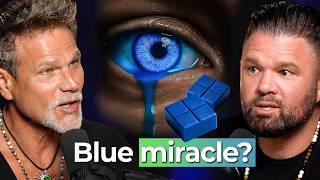
Podcast interview (Josh Trent with Dr. John Lieurance) focused on methylene blue — its history, mechanisms, clinical uses, misconceptions, and related protocols. Key claims: methylene blue accumulates in mitochondria, enhances photobiomodulation (acts as a "light accelerator"), has antimicrobial/antiviral effects especially when combined with red/near‑infrared light (used in blood sterilization and IV + light COVID protocols), and is neuroprotective (cognitive, stroke, heart protection). The conversation places methylene blue in historical and regulatory context (Paul Ehrlich, Flexner Report) and describes clinic protocols (Red Blue O2, ProstaBlueZone), delivery forms (IV, oral "squares", intranasal sprays, eye drops), adjuncts (melatonin, ivermectin, EDTA, quercetin, hyperbaric/O2, MUSE stem cells) and a patient-access pathway via a membership/"club." The guest also shares personal illness and recovery (Lyme, mold, leg injury → amputation) and reflections on slowing down, emotional processing, and integrating physical/mental health.
Questions this video answers
He reports "well over 100 patients".
He cited 155 medical schools originally and said they were reduced to 33 schools.
He states it's acceptable below "I think it's three."
He cites research noting toxicity above about 2–4 milligrams per kilogram of body weight.
He describes a study where survival rose from about 6% to about 86% with melatonin treatment.
Chapters
What did you know for 20 years with methylene blue that you feel like society is just getting truth on now?
Well, I've worked methylene blue with well over 100 patients with an IV protocol using intravenous red light and intravenous methylene blue. And it wasn't uncommon to see people in the middle of that IV start to sit up straight, like, what's in this stuff, Dr. John? Like, I'm feeling better. Is that normal? Could I be feeling better already? Yeah, yeah, yeah, you could.
Dr. John Laurence specializes in regenerative and functional neurology and is the best selling author of Methylene Magic Bullet.
There's been a lot of misinformation put out on methylene blue in particular, because methylene blue, it's actually from petroleum. Some people are bringing that out as a big negative, like, why not to take it? You know, so what, It's a synthetic molecule. There's a lot of man made stressors. Because of that reason, I firmly believe that we need man made solutions. Methylene blue, because it accumulates in the mitochondria, it acts like a sponge to pull those photons into the mitochondria so we can feed photons into that system and actually get a boost in vitality and energy at a cellular level.
So it's essentially a light accelerator. Do you find it surprising at this point in your career that methylene blue would have such a light on it?
Well, Chase Hughes was, he was on the Joe Rogan show and he's like, well, I met this medicine man that turned me on to methylene blue. He doesn't state my name in the show, but that was absolutely from his experience. He came into the clinic, he had a brain injury, he did a whole, I mean, it's not a secret. He did like a whole YouTube segment. He's got a huge YouTube following. And he talked about his treatment with his brain injury and the use of methylene blue and also some of the stem cell things that we did in the clinic.
So how did this even get discovered? You said 20 years ago you found it. What was the origin? Did somebody create it in a lab and they tested it on a mouse? Or how did it get like, how did this healing power come through?
Paul Ehrlich was his assignment was to discover a cure for malaria. And so he sat down with his microscope and so he has all these different bottles of remedies that he wants to introduce into. So it's a parasite that carries malaria. Right? So in essence we're looking for an anti parasitic that Kills that parasite. He has that on the, on the slide, you know, and he, and he adds the methylene blue so that he can see everything, right? Because methylene blue is a staining. So it would stain tissue. So they were using it in medicine and different types of dissections because it really delineates a lot of different types of tissues because it accumulates in the mitochondria. Tissues that have different mitochondrial content will show up either really blue or not very blue like nerves. Brain tissue, very, very dark blue. Because they have a lot of mitochondria. The more mitochondria cell has, the more metabolically demanding it is. It needs more energy to perform whatever tasks it's supposed to perform. So between the brain and the heart, they're the most metabolically demanding, you know, tissues. So, so Paul's sitting there and, and he adds the methylene blue and he's observing this and he sees the parasite die. And he, literally before he starts, he's already got his cure. And so that's where they discovered that methylene blue was a cure for malaria. And then he started to discover, because it had such a big affinity to the brain, he noticed that it had a brain enhancing ability. And so he started to work with that for cognitive applications. And it's just, since then it's gotten research, everything from cancer, bladder, chronic bladder infections. Because it accumulates, you'll pee blue. So it accumulates in the bladder and so it can kill chronic bacteria that's in the bladder. They found that it actually increases your ability to clear the plaques like the beta amyloid plaques associated with Alzheimer's. Tau protein. Right. So the, the general category for these like junky proteins in the brain is tau. And you have neurofibillary tangles and you have beta amyloid and Parkinson's, you have alpha synuclein. And so these are proteins that you don't really want accumulating, but they're your immune system. They're part of your normal immune system that these proteins normally encapsulate foreign particulate, whether it's a toxin or a bacteria or a virus or such. And it surrounds it so that the brain doesn't continue to react to this foreign invader. It walls it off in essence. Right. So it's part of a normal process in the brain. And so recently I was watching RFK in a hearing and he mentioned, he said that the, the beta amyloid fraud, I think is the word he said. And so this, this idea that big pharma was targeting medicines that would clear the Beta amyloid plaque from Alzheimer's disease completely failed because they're trying to clear something that's a normal process. And they're not looking at the root cause, they're looking at it to. In an effect. In other words, they're looking at the smoke and they're ignoring the fire. Right. So instead of addressing the toxin or the infection, which is the cause of that, those proteins to be produced, you're looking at trying to figure out some downstream fix to, to the problem, you know, painting over rust, if you will. Because, like, at some point, 10 years down the road, we're going to be looking back at this, like, historically, Right?
Yeah.
Looking at healthcare and certain events that have triggered different trajectories, potential trajectories. And one of the happenings that was in the early 1900s was the Flexner Report. Have you ever heard of the Flexner Report?
No. No.
So Albert Flexner was an educator and Rockefeller and Carnegie basically formed a foundation and they were looking around at healthcare and they're saying, hey, this is so fragmented. There's no science. And literally they had a lot of points being that, you know, people could get medical degrees without really, you know, that you could be a doctor and just open a clinic in some shady.
Yeah, salesman.
Yeah, a lot of snake oil stuff. And homeopathy was very popular back then, and herbology and, and electric therapies. And there was a lot of different things happening back then and there wasn't a lot of science. And this is, you know, very, very clear that something needed to happen. And so they felt they created a foundation and they hired Flexner to basically go and create a report based on the status of, you know, the medical system. And he went to all the different schools and there was 155 medical schools at the time. And he came back with this report and he was biased against natural medicine. And it showed up in this report. Even though Rockefeller used homeopathy as his primary means of his own personal health care, the biased. With, with, with Flexner was very, very against natural medicine. And so this report basically was very negative on most of, the, most of the schools. And his conclusion was that there needed to be some sort of a consistency with medicine where there was some sort of a scientific backing where we were able to measure certain outcomes, you know, blah, blah, blah. And so they presented this and they, they created this foundation and they funded medical schools, but they, the schools could only get this funding if they did. They taught no natural medicine at all. It had to be strictly pharmaceuticals. And so Rockefeller Wanted basically the healthcare model to be based on synthetic drugs and these drugs would be patented. And the business model is genius. Right. And most all the medicines are all based on petroleum. Right. So they're petroleum derivatives and petroleum is an organic compound and so they can break petroleum down into its organic molecules and build larger molecules with it. And you know to some degree you can look at it and say okay, well you know that's not healthy and that's toxic. So petroleum in essence is like, if you, if you consumed it like petroleum jelly. A lot of people don't realize like that's you know, not the healthiest thing to put on your body.
Yeah.
But most all of our pharmaceutical drugs are based on petroleum. And so, so Rockefeller basically launched this and the schools went from 155 schools all the way down to 33 schools. And so this, this biased against anything medicine. So they couldn't even teach diet, they couldn't teach herbology, homeopathy, none of it. Right. And so this has carried on for over a hundred years. We had that. Things haven't really changed.
Yeah.
And you look at a lot of medical doctors, you know, they're lucky to get a day of diet, you know, training in, in their schooling. It's just not part of the curriculum. So chiropractors and osteopaths were basically presented with the option to kind of come over and be more in the pharmaceutical based. And the osteopaths said yes. And that's why when you look at osteopathic medicine, you know these and medical are the two primary care physicians that deal with you know, DEA licenses and have pharmaceutical based treatments in general. Yeah. Where osteopaths still have a little bit of some natural. But chiropractors basically said no, it goes against our philosophy. And so that's why chiropractic was so highly crucified. In fact, the chiropractors sued the Rockefeller Institute and the Met the medical association in one because they pr. They were able to prove that there was a, a campaign against chiropractic. Right. And so this was a big deal but people don't really talk about it. So when I look back at that Flexner report and that change that happened with our medicine, it was kind of a perfect storm because Rockefeller was right and he, you know, in the sense that he, there needed to be some sort of congruency in some sort of science, science based studies with disease.
Yeah.
However it went so far the, the wrong way into pharmaceutical and there wasn't the balance like we need a Balance. Because there's some pharmaceutical meds that are absolutely necessary, you know, and I'm not opposed to all of them. In fact, we're going to be talking about a few of them. Like methylene blue is. It's actually from petroleum. It's a petroleum based, like a lot of medicines.
Oh, people don't know that. That's not spoken about that. It's actually petroleum based.
Some people are bringing that out as a big negative, like, why not to take it? Right. Wow, what a dude.
What a great history lesson you just gave. What do you think it is about that consciousness from the Flexner report that led us to here that actually gives public opinion about methylene blue? So much gravity, so much of a Runway.
Yeah, yeah.
What is that?
Well, you know, I think we have this opportunity right now to embrace what's good and to get rid of what's not good. Right. And so, you know, there are some, some medicines and some applications and some protocols everywhere from the hospital to our general practitioners. But our health care model, because it's been so biased with the money from big pharma, it's just gotten out of control and it's like a, it's like a misbehaving child that just needs to be reined in.
It's like a 16 year old that crashes a Ferrari or something.
Exactly.
Like, what is. We all see it.
And then you get RFK that walks in and says, okay, party, you know, go to your room, we're going to party. But it's not going to be the same. Yeah, so. So yeah, I think that there's been a lot of misinformation put out on methylene blue in particular. And there's some people that I believe are trying to just kind of get some limelight because it's a hot subject. I was first introduced to methylene blue almost 20 years ago when a doctor friend of mine was treating his mom who had Alzheimer's. And I remember I was getting an IV at his clinic at the time and I was looking at the IV bag and it's like, what is that that you're doing? They're like, oh, it's methylene blue. And it was just slightly tinted blue, which, from what I know now, it must have just been a few milligrams of methylene, but like a tiny, not even enough to move the needle. Which is when I asked him, like, is it working? Because he said, you know, this is medicine supposed to help with Alzheimer's. And they said, we haven't really seen much of A result yet. Right. And then I. I started following Francisco Gonzalez Lima, maybe this is like, 10 years ago now, and his research using methylene blue, along with different types of photobiomodulation applications. And that's when I started to experiment myself, you know, and I usually will work with myself and experiment with myself before I start, you know, experimenting with patients.
That's very noble.
Yeah.
I would say that's not the case for all medical practitioners. No. Yeah. No, they just get science and do it.
Yeah.
So what did you find when you started to play with the methylene blue yourself?
Well, I found it to be safe, and I found that there wasn't any. Anything that happened, negative, you know, and. And then I noticed that my brain just turned on in a way that was so clean, you know, it wasn't like a caffeine, you know, it's almost like the, The. The paraxanthine is kind of in that same, like, field where I get this energy, which, you know, and we're drinking update drinks, you know, shout out to Sean.
Yeah.
But we, We. We came up with the Satori, which is the bar that has the Parisian thing in it.
Those are amazing. And there's the alpha GPC in here.
Yes, yes.
Okay. And there's Copa, this guy if you're trying to fly.
We had our.
Our update taken, and I was like, there's no caffeine. It's for the kids. And the guy looked at, he's like, no, we're taking it because, you know, you can't bring stuff through security. You can take this.
Yes.
This is amazing.
Yes.
Like, shout out to you for making this. So, okay, so back to methylene blue, and then we'll go to Satori.
Sure.
So methylene blue is interesting because I feel like I learned. I know. I learned about it from you five years ago. Oh, yeah. You were one of the OGs, and you learned about it 20 years ago.
Yes.
Looking back, what did you know for 20 years that you feel like society is just getting truth on now through Joe Rogan and everyone else.
With methylene blue?
With methylene blue?
Yeah. Well, the studies are ongoing. I mean, some of the things that a lot of people don't talk about with methylene blue is its ability to work against microbes. So as an antiviral antimicrobial, particularly when you blend it with light. In fact, at the blood banks, it's the primary way that the blood sterilized. So if you've. Anybody that's gotten a blood transfusion has actually gotten a little Bit of methylene blue. Whoa. So they'll put a little methylene blue in with the blood and then they'll irradiate it with red and near infrared light. And so that combination is very powerful. I've worked with well over 100 patients with very significant Covid with an IV protocol using intravenous red light and intravenous methylene blue. And it wasn't uncommon to see people in the middle of that IV kind of like start to sit up straight. Like, what's in this stuff, Dr. John? Like, I'm feeling better. Is that normal? Could I be feeling better already? Yeah, yeah, yeah, you could.
Is there something to the color blue about methylene blue that makes it powerful because of its color?
Great question. So blue is blue because it's reflecting blue and it's absorbing red because there are opposites in their color. And so we absorb mostly red and near infrared light and we use those photons to make energy. We have the ability to use photons to make energy. We have the ability to use electrons to make energy. We can in fact use either, either or, or both. And so the reason that we can use photons is we have this enzyme called cytochrome C. And this, this protein complex that sits in the mitochondria is it's a four part protein and they're named based on protein 1, 2, 3 and 4. And the fourth complex protein complex is called cytochrome, cyto meaning cell and chrome meaning light. And so we can feed photons into that system and actually get a boost in vitality and energy at a cellular level. And, and so that's why a lot of like near infrared and red saunas, people have like red light beds, different devices, they're all red, mainly because that's the primary color that can absorb the best into your body. Right. The sun has a lot of that as well. So we absorb that and we use it, you know, for our body to be healthier. So methylene blue absorbs the red. It acts like a sponge to just kind of like pull those photons into the mitochondria. So it has an affinity. So it gets into the mitochondria and then it acts like a chaperone to pull those photons into that structure.
So it's essentially a light accelerator, is what I heard from you.
Yes.
That I'm obviously that's a civilian term.
Yes.
But is it a light accelerator in many ways, the methylene blue to the red in the body?
Yeah, amplifier accelerator. It's, it's there. It doesn't need to be taken together. Like, I don't want people to think like, oh, man, you know, I'm not going to get out in the sun today. I'll skip my methylene blue. You can take methylene blue with or without light.
Yeah.
However, when you take it with light, you are going to get a more powerful antimicrobial effect. So if you are dealing with something where you're sick and you want to use methylene blue, for that, I would recommend, you know, like a sauna, space sauna, or if you have like some red light devices, I would put, put it over your wrists or like your carotids. Because then once the methylene blues in your blood, then you kind of want to charge that blood and those immune cells in the blood with the light.
Where can we go from here when it comes to nourishing? Let's spin the conversation to this place. This feels the most true for me. So we've already talked about some of the tools for the physical. How does maybe another tool, like potentially the NAD or the sandman or what's another one that I use? I really love the squares. I do take the methyle blue squares. What's another tool that we can access the physical side of ourselves so that it can help to grow our capacity for the other sides of ourselves, the mental and the emotional. Is there, is there a great tool that you've come across to start the physical, but it's really more about feeding the mental and the spiritual and emotional.
Oh, I got a great one here. So. And it, it kind of feeds into some of the questions you've had quite nicely. So one of the, the points that you had asked about the blue. Right. What's the significance of blue?
Yeah.
So I want to bring that into the mix. I also want to bring in fear, I want to bring in breath work, and I want to bring in your question about, you know, the, the emotional. Emotional fitness.
Yes.
Right. And what, what things we can do.
Yeah.
Right. So there's an area in your brain stem called the locus cirillus. And the locus coeruleus in Latin means blue spot. And this blue spot is the master control. Stress nucleus. It's the stress nucleus and it's hardwired to the, to the amygdala. Right. In the limbic system. And so the limbic system is basically going to make sense of what is dangerous versus not dangerous. Right. But then that limbic system has to trigger something to say, okay, if it's a stressful situation, then we need to elevate Stress molecules to act on, like a predator jumping out of the jungle to attack us. Right. And what we need to do in order to accomplish that is norepinephrine, and that's like cortisol, norepinephrine. So in the. In the central nervous system in the brain, there's. It's norepinephrine. In the body, it's cortisol. Right. The cortisol is made by the adrenal glands, which sits on top of the kidneys. Norepinephrine is produced in the brain. But the specific area in the brain that regulates norepinephrine is the locus coeruleus. And so that's why I say it's the master control stress system. Because when we have stress, that's going to show up with norepinephrine, because that's when we're like a holy shit. You know, that's that holy shit feeling. It's really getting really technical and science here, it feels like holy shit.
It brings us back to caveman days where there was a real threat. But I would say 99.9999% of the time, it's just old wiring. Yeah, we don't.
It's all wiring.
We don't need to be in stress response to somebody cutting us off in traffic. Just be like, go in peace, brother. You know, like, we don't need that.
Yes.
But it feels in our neural tree.
Yes.
I hate the word nervous system. I'm not saying that. Nervous anymore.
The neural tree.
Yeah. It feels in our neural system neurons that there's this electricity that's creating a fear response in my life, and I don't. I don't enjoy it. So that's my work. It's all of our work to know that, like, we're safe. And the electrical system you have is really ancient, and it relates to this locus coerillum in ways that I'm sure the methylene blue helps to downregulate. Does it bring us back to homeostasis or make us more sympathetic?
Methylene blue does work on the blue spot. It Quite. Quite powerfully. In fact, they did studies with methylene blue and found that it strengthened that area of the brain. So much so that when people went through phobia studies, so people with phobias with PTSD say, like, you're. You're afraid of, like, a spider. Right. So what they would do with phobia cases is they would do exposure therapy. So they take a spider and they throw it on the table and say, you know, Here, you know, you're like, ah. And then the next day they throw it on the table, maybe a little bit less of a ah. And be ah. And then, you know, you do that enough times, it's like, oh, okay, it's just a spider. No big deal.
Yeah.
And so what that's doing is it's rewiring that limbic system so that there's a new story, like the story that you were telling yourself about how dangerous spiders were. Changes.
How does it rewire the limbic system? Specifically through experience, through activation by learned environment.
Yeah. Okay, that's it. So. So then that limbic system is going to trigger the norepinephrine, depending on what it is, what it's signaled to do. So. Right. So if it's signaling, hey, this is like a dangerous situation, that spider is going to kill me, then there's going to be a lot of norepinephrine. If it's like, oh, you know what? That spider's fine, but just keep it away. A little bit of norepinephrine. And then it's like, oh, interesting spider here. Come here. Let me see if I can hold it in my hand. No norepinephrine at all. Right. So there's. There's scales to this. And so it all has to do with behavior, experience and neuroplasticity, the ability to change. Right. That plastic change in the brain is what gives us the ability where we can go in and change those stories and those narratives.
So the methylene blue goes in there almost. I mentioned this earlier as an accelerator or a supporter of light, biophotons. And then if we're pairing that with emotional practices like breath work or just conscious relating, nonviolent communication, like telling our bodies that we're essentially safe. Yes, because the body, you know, Bessel van der Kolk writes in his amazing book, the Body Keeps the Score, that we can time travel. And this is actually from someone else. I'm forgetting her name right now. I'll remember it by the time I'm done. But our nervous systems time travel in moments that have no basis in reality. And they time travel because they were coded really early, much like for me when I was a kid or you in Hawaii. And they get coded. But the cool thing about coding is we can recode them, but with how much toxicity and how much stress is on our system. That's why I think supplements are actually a game changer. How are we supposed to operate in a world that our grandparents operated in when it's a totally different world maybe 150, 200 years ago, we didn't need any supplements at all.
Yeah.
Because the world was just a different place. But the reality, the honesty that I'm bringing forth, that I'm curious you're feeling on and your awareness on is that our environment and our unconscious beliefs and our emotional patterns, they hold us hostage in many ways. And this is what I believe emotional epigenetics is all about. The epigenome turns off and on switches for the genetic code, but it doesn't change the genetic code and the power of this and your tools and I'm sure you've gone deep into epigenetics anyways because this is your world. One of the parts of your world the methylene blue is, is, seems like the best starting place. It literally seems like the best starting place. Is it, is it the best starting place?
It's a, it's a safe place to start, you know, dosing wise. Anybody that's starting with methylene blue, you definitely want to. And you know, we talked about my book, would be smart to, to get my book on Amazon. It's audible as well. The last paragraph or the last chapter is on, you know, how to take it and you know, aspects surrounding that. If, if one was to embark on looking into methylene blue and started to look on the Internet, they're going to see some things that are very positive, mostly very positive. Yeah. And then they may find some things where people are putting out some negative articles on methylene blue. Y and I've looked at all of them. I get every, people send them to me all the time, I bet. And it's just a bunch of hogwash really. It's like, I think people trying to get their 15 minutes of fame. But you know, we had pointed out one of the things that people will bring up like, hey, it's made from petroleum. Well, you know, we kind of brought that to, to, to, you know, the light as far as that their organic compound. I mean it's plant matter. Yeah. That it's ancient plant matter, but they're organic molecules and they're very shelf stable. Right. But just because the origin of something doesn't necessarily mean that it's toxic because of that. Because there's a lot of different molecules that can be made, I mean literally an infinite amount of molecules can be made from that same original molecule. One of the, the, the, the other aspects to it is that it works on serotonin. Right. And so that it, it does elevate mood, which is a good point. Right. And One of the arguments, people will say, that's why everybody feels better on it. It's just because it's working on serotonin, but it's not doing anything else for you. And I think one individual pointed out an article that was on rodents, and the conclusion was against Methylene blue may be working as powerfully on the mitochondria. But there's things, thousands of other articles that prove its effect. And with methylene blue, nothing. They've never found a molecule that works on all four of those. We talked about those four complexes in the mitochondria. It literally increases the, the functionality of all four complexes. And on average, it's about 30% of an increase in mitochondrial capacity and it's independent of oxygen. And so individuals, everything from breath holding to, you know, with free diving and so forth, great applications for, like, MMA fighters and which I've worked with a lot of them, and they, they love this molecule in individuals that might be looking for an added, an added benefit to, like an executive, you know, to have improved brain function, right? To. To just be able to execute their job. People that are looking to mitigate the stresses of toxins like the. Methylene blue has been shown to be neuroprotective. Like, if you had a stroke and you're currently taking methylene blue, you wouldn't likely have much damage at all. In fact, there's a few of the absolute top neurosurgeons on the planet that I'm aware of that won't do surgery on individuals unless they're. They've got a methylene blue drip going at the same time because they know that their patients are going to be safe in case something happens. Same thing with the heart. If you had a heart attack while you were taking methylene blue, you're. You're very much protected. There's another aspect to methylene blue that they'll show pictures of blue brains and they'll say, oh, look, you know, it's. It's staining the brain. This is also confirmatory of how toxic it is and how negative it is. It's like, I like to know when I'm looking at something, okay, this plus this equals that. But, like here, you're jumping from, okay, so it's a blue brain. We know methylene blue has an affinity for the mitochondria. We know it's going to get into the brain. We know it, it should be blue, right? This idea that it's going to be permanently blue is kind of silly. What actually happens with methylene blue? Is that it converts into a white form of methylene blue, which is called leukomethylene blue. Up to 86% of all the methylene blue makes this conversion. And the leukomethylene blue, there's been a lot of research on it and actually has some amazing qualities to it. And it might be one of the reasons that methylene blue works so well against viruses is because the leukomethylene blue is a very powerful antiviral. It's very powerful as an anti inflammatory as well. And it's the reduced form of methylene blue. So methylene blue is the oxidized. Right. And the leuko is reduced. So it has to have this balance between, between the two.
There's so much power here that people have probably never heard of. Do you feel like you are one of the world experts in methylene blue? It seems like it, yeah. Not from an egoic space. I'm just saying, like, honestly.
Well, I've, I've spent a lot of time on it, you know, and when you write a book, you know, especially if you got a third edition of a book, you've. You've put your time into it.
Yes. What continues to fascinate you? And it seems like my question was right on you. Tell me if I'm wrong. Seems like methylene blue is a great place to start if you were going to do one of the many tools that are out there to fill that pentagon, that capacitor, for. For renewal of health.
Yeah, absolutely.
It seems like that's the best. Honestly, in the easiest place to start.
Yeah.
Suppositories aren't always comfortable for people. Right.
Yeah.
Am I on the right track here with, with methylene blue? And I mean, I could be wrong. Am I on the right track with that being like, if somebody looked at 10 tools from Mitozen and they were like, which one should I start with?
Right.
Would it be safe to say that it's methylene blue?
Well, unless you have a rare genetic disease, it's a G6. There's. Well, it's not a disease, but it's a G6 pathway. And if you have it, you usually know it. There's no real contraindications to it. If you take it in a dose that's, you know, I'd say like below 2 milligrams per kilogram of body weight. Really Very. I be pressed to find anything in the research that shows that there's any potential negative, even if an individual was taking SSRIs, but I'm not giving this as medical advice by any means, you know, you should.
Well, we already had a disclaimer, John, when it started. None of this is medical advice. Yeah, we know that. That realm doesn't like this realm.
Right. Yeah.
More power to you. It makes for an interesting game.
But you had asked like, why am I fascinated with methylene blue? So, so I, I came up with this concept of red blue O2. Right. And this idea that combining red meaning like all things photobiomodulation, lasers, red light, saunas, infrared, near infrared, like the sun, you know, all of these things are really, really critical, I think for biohacking and for health and well and well being. And then oxygen. And when I look at oxygen, I think about breath work, I think about carbon dioxide, which is earlier on I had said, I'm going to answer your question about which we should circle back to some carbon inhaled carbon dioxide as a biohack. But we'll get to.
That's on the fringe for me. I have not heard about that. Okay, continue.
So you have hyperbaric oxygen, you have hypoxic types of therapies, but all of those things are kind of within oxygen. And then the methylene blue, which is photosensitive. Right. So by taking methylene blue, you have this ability to enhance the other aspects and combining those three together. And so that's why I teamed up with Brian Richards, who his wedding was yesterday. You know, shout out to Brian and Mila. Congratulations. What a beautiful wedding they had last night. Yeah, so. So Brian Richards wrote and Jason Saunders, who's like got a. Basically a PhD in hyperbaric oxygen. We all teamed up and we wrote this really great article that's at the end of the new third edition of Magic Bullet. And so, and we're going to be probably having another event towards the end of the year. Red Blue O2, we did one last year. But this idea of putting together protocols that people can do at home to really enhance their own health and take their health into their, into their own possibilities. And then what I'm doing in the clinic medically with Red Blue O2 is extremely exciting. In fact, we created a nonprofit where we're running research on the application of red blue O2 to the inner ear for hearing loss and tinnitus for prostate disease, whether it's prostatitis chronic. We're finding most men have a chronic infection in their prostates which can be discovered by a simple semen test that we send to people's home.
And, and this is different than the blood test where they just check for the marker much different.
You mean psa?
Yeah, the psa.
So psa, that prostate specific antigen is, it's in essence a cancer marker. Right. And that cancer marker is acceptable below, I think it's three. Right. And so when you get above three, then they say, oh, you know, it's starting to get up there. And it's normal for men as they get older to have that go higher and for the prostate gland to swell and they look at that and say, well, it's just normal for men and all men that happens. And it seems to be sensitive to hormones. And so when people get cancer, they basically drop their testosterone to zero. And it doesn't need to go that way because women, what I'm finding, and my hypothesis here is that almost all of these cases are from long standing infections in the prostate. And this can be tested for and it can be treated with red blue. And Our Red Blue O2 is called Prosta blue zone. And so prostable zone is a process of a series of three ultrasound guided injections into the prostate gland using methylene blue, a targeted antibiotic. So the testing that we do for the prostate, the results come back with, you know, we don't hardly ever see a negative result. Most people have some level of infection in the prostate.
Why is that? Why do most people have the prostate infections to begin with? What is that environmental?
It's that compartment and inside that capsule around the prostate it's, there's not a lot of circulation there. Right. So the immune system has a hard time like clearing that area up.
Would it happen more for cyclists? Yeah, that's good because they're sitting on those little seats.
It's like, yeah, yeah. There might be some environmental aspects that could predispose people more so than others.
Or if you just sit down more and you're not active, then less blood flow. Because you already said there's less blood flow.
I've seen, I've seen. You know, it's interesting with like ejaculation, like they, they, they say like you should ejaculate a certain amount of times per month to prevent prostate disease. But then you've got all this like with the Tibetan semen retention, semen retention and this, that and the other.
Come, don't come, come, don't come.
Yeah, yeah.
But I just think intuitively it's good to come sometimes. I don't know the magic number. Dave Asprey has his whole formula. Well, you take your age and you divide it by this and then that's how many times you should, you know, ejaculate each month. But I'm so into this because I'm 45 and for the people out there who have loved ones that are in their 40s or 50s, I just didn't know. I didn't know that. I didn't know I had unconscious incompetence about the marker in blood being different than the marker you find.
Right. Well, it's good to know the psa, this doesn't take and substitute that.
Okay.
But most you'd be hard pressed to find a doctor that really even knows about this test. So it's next generation, so sequencing and it's so sensitive, they literally cross reference 60,000 microbes. And then once they isolate the microbe, they will let us know which antibiotic they're sensitive to. And that helps us because then we add that antibiotic into the injection and then we use methylene blue and ozone. That's the O part of the oxygen part of the prosta blue zone. And then we irradiate that with near infrared and red light. And that's been working really well. We've been working with a stem cell line called Xcel. And these excels have a very large population of a type of stem cell called a muse stem cell, which is M U S E and that stands for multi generational stress endurance. Stem cell and stress endurance. And the re. This is really fascinating the way that they. And the reason I'm bringing this cell up is because they're anti cancer and we've had some application with some cases with prostate. And I'll tell you about one particular case that we did. But the, the mu stem cells were discovered by this Japanese stem cell researcher. And she took stem cells in a petri dish and put it on the side and it didn't have any nutrients. And she would have expected the stem cells to all be dead. But she picked it up like a few days later and she noticed there was still some stem cells alive in that petri dish. So she isolated them and that's when these mu cells were first discovered. Because they're so hardy and so they're very small, they're almost like kind of in the same size, close to the same size of like exosomes. Right. And the mu cells are found in adipose tissue. Right. So these are collected from healthy volunteers, usually in their early 20s. And so then these mu cells and we, we. I've heard other people talking about mu exosomes. I think that's starting to get out there where people are now starting clinician wise, maybe even biohackers are starting to hear the word muse more and more out there. But we're, we're actually using the actual MUSE stem cells and there's great study on studies on MUSE and how they work with cancer. And cancer is a real concern with stem cell therapy, especially with perinatal tissue like Wharton's jelly and, and, and placental derived stem cells. And the, then the negative with these placental derived stem cells is that they don't last very long. They're lucky to live an hour, maybe two once they're injected in the body. And so they've got a very short life where these other endurance stem cells last for months. And that's why, like, if we're treating a hip, it used to be that. Yeah, I don't know if we can fix that hip to like. Oh, yeah, absolutely. Like we can grow the cartilage back in that hip. Because if you can get a stem cell that you put into a hip joint, you and that stem cell is going to continue to produce cartilage for months versus an hour. You can imagine that you're going to have a thick amount of cartilage. And we see that with before and after MRIs with a lot of our cases. But kind of back to prostate, we, we use these cells intravenous as well. We have a brain protocol that we're having some really good success with. But we had a case that had a, a tumor in their prostate and they, they were a, a case where we did the prostable zone. And, and so initially, and you know, anybody dealing, you know, obviously Biden, right. He just came out, he's got prostate cancer. So it's something a lot of people are really talking about. It's the second leading cause of cancer in men over 40. So it's a, it's a big deal. And so, so what we did after we eradicated the, the pathogens with the prostibluzone is we the mu cells into the prostate and two months later that tumor was gone. Wow.
Wow. And this is stuff that is just coming online for practitioners like yourself now.
Yeah.
Or has this been bubbling for.
Well, you'll probably won't see this type of thing in like standard medicine for 10 years or more.
And it's called Muse cells. Muse stem cells. And they're much different than the others. They're more robust, they last for months. They, they don't pass like endurance.
Think endurance. Yeah.
Wow.
And so think endurance, think anti cancer, think myelin that they're very, very powerful at growing not myelin. That's why they're great for neurological and brain applications. Overall, you know, I, I think that these. And that's not the only stem cells that are in excels and, and if you go to excel us we I have a whole article that I wrote on these cells and it also provides an opportunity if you wanted to set up a consultation and get more information about these cells. If you're a clinician or practitioner and you're wanting to bring this into your own clinic, we can help you with that. Or if you're a patient, we obviously can help you that there's so much here.
I mean, wow. The physical part of the Pentagon that's on the screen right now is so profound because it takes experts like you that have a subsection of physical health. But yet the more we fill up the physical part with nourishment, then the others can start to operate more. This is just a simple lens. I know it's like second simplicity for you. But it's really important for me because I feel like my role here on earth, man is to just be this arbiter of truth that I learn things, I take the complex things and I make them simple for people to understand. That's a big part of why I'm here. And so that's why I created the Pentagon. Because if somebody gets lost in what you're saying, there's a reason why you're a specialist at what you do in the first place, right? Because this is your life's work, this is your lane to know everything that there possibly could be about these healing tools and methylene blue and NAD and everything. Yet it can be so overwhelming for people. That's why I like to ask you the simple questions like hey, where do people start? Because you know, whether it's their sleep, which let's definitely talk about melatonin next. I feel like they're stressed. You talked about the locus cerillum with the blue. Whether it's their allostatic load from EMF and all the shit coming into their system which we talk about bioenergy and bioenergic healing and breath work and all these different things that can off gas. The crap that we take on what is step number two, which is where I'm. It's not an intellectual question for me. It's really like a, like a truth heart based question. If we start with the methylene blue and we start to get all the crud out and we start to have more synergy of these systems These homeostatic control systems, then we can actually get to a place where, where we can earn the revenue or the money to buy the other tools. This is why the Pentagon, every side works together. Because a lot of times people say I don't have time or I don't have money. And what's really beautiful, it's on the screen right now is you can go to Josh trent.com forward/mitos and club. You can join a club and give you access to things that most people never get access to, especially in an MD's office. And this club is so amazing. You can join for a $10.
Yeah.
And so when you go to the club page, then you can start to get all these tools that you can't get legally. There's still a legal energy that's wanting to. It's kind of like we talked about with that report you mentioned this. This energy wants to keep it all for itself and control and be the arbor of all the information. The club is really important. I really would love for you to share about the club because that's where you can get these products that you normally cannot get. You just go into that a little bit and honestly, why you even had to form the club. Let's be real about that.
Well, you know, during COVID and I look at Covid as a side note, as like another Flexner report moment, Right?
Definitely, definitely. Although this one felt way more severe. The other one was covert. This one was just wide out in the open. Yeah, it was like a public announced Flexner report.
Yeah, yeah.
Covid theater, I call it.
Uhhuh. Yeah. So I was shut. Well, they tried to shut me down because, because I was, I wanted to just get on the top of the tallest mountain and just scream Melatonin. Because I just deep dived into melatonin as it resulted into viral infections. And I was finding the most lethal viruses when they, they did studies where the. They were lethal, where only 6% of the animals would survive after given subjected to this virus, this human encephal encephalitis virus, they gave them melatonin and it went up to like 86% survival rate. And so this idea that melatonin can be somehow protective during an infection and prevent that cytokine storm that was killing everybody. I was like, well, why aren't they talking about it? And they were initially. And I know like Trump got coveted. I don't remember, like in the very beginning, Trump got Covid, he went to the hospital and they, they actually were pretty vocal, like, oh, yeah, they gave him high dose melatonin. They were. It's like 50, 100 milligrams publicly.
That was stated.
It was public. Yeah. And the hospital that he went to, they actually had it posted. But they took all that down because, you know, the narrative is that there had to be no alternatives to the vaccine in order to maintain the emergency authorization status. Right? Yeah. And so because of that, they, they. They hired the fda, basically was hired as like, you know, a mobster from the big pharma to basically silence anybody talking about anything except herd immunity through mass vaccination. And so I was one of those people that was sent a nice pretty letter from the FTC and the fda and I had to hire a lawyer and I had to like completely take any. The word virus was like off of my website site. And all of this material that I. That I had put up talking about melatonin and colloidal silver. And, you know, at the time, I didn't know about how powerful methylene blue would have been towards Covid. Otherwise I would have been speaking about that. I was talking about my glutastat, Ben Greenfield and I. That's almost. I think one of the reasons that kind of catapulted me into a bit of more people knowing who I am was that product Glutastat, which is this essential oil, antimicrobial nasal spray. And Ben just started to, like, talk about it on his podcast. And. And so that remains one of our bigger selling products, which you've got the version that has the Ivermectin in it.
Oh, we get to talk about that. So one thing I love about you, John, is you're a really beautiful mad scientist. And I say mad like you just love it. That's when somebody does, like, madness. They're just like, this person's so mad about what they do. You're mad about wellness, you're mad about your products. I love it.
It's.
The passion's very palpable. You have this Glutastat spray. This is really interesting. It's on the screen right now. And if you're watching on YouTube or Spotify, 120mg Ivermectin per bottle, also with the same Glutastat that Greenfield talked about. And that really has helped me. When I used to have sinus infections too, I use Glutastat a lot. I would actually use it in the mist, the nebulizer, and then I would do the rinses and I would do the flushes. I think it really Helped. Why did you create this now? Specifically for people that are dealing with the Spike detox from the vax?
Yes.
Is that why?
Right, yeah. Well, you know, initially I thought that was, you know, a bunch of bull. Like, I was like, ah, Spike shedding. And the science is actually coming back saying that it's a real problem. And so when, whether we get Covid or if we get the vaccine, the body's going to potentially release Spike protein, which is extremely inflammatory. Right. And so there might be some people out there that are suffering from some fatigue, some brain fog. It could be, you know, a variety of different types of inflammatory diseases that could be triggered by exposure to Spike. So if you're around people that are, that are shedding and you might, there might be certain people that you notice. When I spend time with that person, I notice I don't feel as good. And that could be related to something like that.
They're not just an asshole.
Yeah, I know that too.
It could be it. They're an asshole and they're spiking on you.
Yeah, yeah. So this idea of addressing Spike has been something that I've been really interested in. And methylene blue has been shown to really help that. And so we talk about that in the third edition of the, the new book Magic Bullet, which is on Amazon. But ivermectin also is a, it's a medicine. A lot of people have been hearing about ivermectin, they've been hearing about fenbendazole, you know, and these in conjunction with like cancer treatments, like an alternative cancer treatments. And they're initially anti parasitic drugs. And so when I started to look at ivermectin, I noticed that there was some efficacy with intranasal approaches to it. So when you look at applying something intranasally, you want to start thinking brain, you want to think nasal passage, you want to think sinuses, you want to think brain, brain. Because this is a very close relationship. So the absorption of like, if you ask a cocaine user, like, the quickest way to get it into your brain. Right. It's like snort it.
Yeah.
So if an individual was looking to kind of increase ivermectin levels like in the, in the central nervous system, then this could be a good application. Or if an individual was in and around a lot of, you know, spike shedding situations, then the essential oils along with the ivermectin could be a really great application. Now there is a prescription that's necessary for this. So we do have that option. It's, I think $49. It's just a real simple little medical exam. Well, it's, it's distance. You don't even need to like, talk to anybody. It's just you sign up for it, there's certain information that you provide and then. So it's legal, you know.
Yeah.
And so then we also released the only, as far as I know, the only product that has methylene blue, ivermectin and EDTA and quercetin has like all of these in one supplement. And so we call that fenmectin. And then mitomectin comes with and without methylene blue and that has ivermectin only. So these are similar to the lumital blue bars or the Satori or the sandman bars, where they're squares that are meant to take orally, where you basically swallow it. But yeah, as far as I know, nobody's come up with these medicines all in one. And since they are prescription, if you go in through the club, there are options through the club to, to set up consultations with our healthcare providers. And, you know, and these products are available, but they're not available to just order them off of the website. Yeah.
And it sucks that it has to be that way because. But then I also understood you mentioned the Flexner report earlier, where initially his intention was probably good. He's like, hey, I want to make sure that nobody's selling snake oil, so it's good. But then he overreached and we're in this time now where there's been such an overreach. Imagine how much easier it would be to get these products to people if you could just go through some kind of governmental test to signify that, like, you're safe. Yes, right. If like that existed, if you could just take people through a government sponsored test, whatever. But we all know the answer to that. They don't want to have this type of information out there. When I say they, I just mean people that have financial interests, where they keep the information siloed. So I think this club is really important. It's on the screen right now. Joshtrad.com MyDozinClub Y' all join that. If you're looking for these things, you can't just go buy them, which sucks. Right. But we have an option. You can go purchase the products and.
You know, the benefit with the club too is, is you have all the breathwork event, you know, sessions that I've done. I don't know that I've done one with you, but I think we ought to carve out some time.
We did some breathwork in Sarasota when.
I visited with Mitozan.
I don't know, we've done so much together.
So the breath work kit with Mitozen is like this. You got the. We did the root Zen together, Right. You're activating the root. You do that before you start the breath work. Then there's the breath honey. Right. Opens up the whole upper respiratory. You've tried that before, right?
Yes. I love the breath honey. It's amazing.
Go ahead and hit that. I just did a little bit myself. Yeah, it really opens everything up.
Yeah. So the breath honey, it works on opening up nasal passages and. Yep.
And then the. And the blue eyes. So there's a couple options with the eyedrops. There's blue eyes and then there's iri. So the blue eye, they both have methylene blue in it. The difference is blue eyes is more like if you're looking for an antimicrobial. You know, people are always sending me messages like, hey, well, blue eyes help this condition, this eye condition, and that eye condition. My answer is always the same. It's like, you know, it's going to enhance the energy, the cellular energy of the eyes. And then the eyes can heal or they cannot heal. It's like I can't determine whether that's the case. If it's an infection, I feel pretty confident. You know, most of the cases that I've seen with infections, usually in a day or two, they're. They're gone. You know, this is. Can't be a guarantee. But since there's gold, silver, and then methylene blue, all of those substances are very antimicrobial. Now the other use for the blue eyes is as a photobiomodulation. So the cells in the eyes are the most. The highest amount of photobiomodulation occurs there. Right. The most photons are absorbed through the eyes. So by applying a drop or two to each eye and then doing sun gazing, or if you're in the sauna or you're using a red light or something like that, really makes a lot of sense. And so in the course of doing breath work, the way that I do it at the beach is I do the root Zen, I do the breath honey, and then I put a. A drop in each eye and I allow myself to sun gaze. Then I go through my breath work. And then as an option towards the end part of my breath work, I'll do a Zen spray.
Wow. That's the master combo right there. Yeah. And you're getting everything like you're hitting your circadian rhythm properly, your suprachiasmatic nucleus. The clock is like, okay, it's this time. You're telling your physiology the that like, it's time to go for the day. But you're not doing it with a cup of coffee.
Right.
Which is most.
I think.
I don't know the data. It's like 70, 60% of people start their day with sugar and caffeine.
Yeah.
Like Dunkin Donuts. They'll go to Dunkin Donuts, get like a D, a big bunch of donuts, and then slam a 48 ounce coffee. And I'm just like, yeah, this is not sustainable.
Do satori and methylene blue, please.
Right?
And go ground yourself in out in nature. Right. Watch the sun come up. And, you know, some of these things really are fun to do, you know, I don't know about you, but when I'm out and about, I just get such a kick out of sharing these products with people.
Oh, me too. That's all people. And actually friends text me all the time like, hey, I have this thing, what should I do for protein? What should I do for methylene blue? What should I do for this? And I just give them my relationships that I love because I'm like, and I wonder how you feel about this health and wellness or being. Well, if it's not a hobby, if it's not something that you just are genuinely interested in, it's going to be really hard for you to be healthy in this modern world. If you were to wave a WAND in like five years from now, maybe 10 years from now, even with AI, who knows what's going to happen? And you could create an infrastructure with mitozen that scales it to a place where you feel nourished, your staff feels nourished, and you're helping even more. Let's just say double of the people that you're helping globally now, what do you. What is your sole say that that might look like.
You know, what type of changes we might make? I don't know that there would be a lot, I think last night I was at the wedding and I had a couple come up to me, and for whatever reason, Austin tends to be like a city that there's a lot of people, probably because I've done podcasts with you and Luke Story and Cal Callahan, but I get a lot of people recognize me, even at the airport, and it gives me a little taste of feeling like a celebrity. But I had this couple come up to Me. And they said, hey Dr. John, we've listened to all your podcasts and we've got your books and we take Sandman every night and we've been suffering from mold illness and we're almost through it. And if it wasn't for your products, you know, and, and my response was like, hey, you know, like I was there and like a lot of these products were made because I needed something to help myself. And they're like, yeah, we know, like, and it's really, really moved the needle for us. But you know, having that type of interaction with people like is super meaningful. Like it really touched my heart.
Yeah.
And, and I know that's just one person, like one couple. I know there's a lot of other people out there like that that have, you know, because what I tried to do with Mitozen is put together not just formulas, but delivery methods that would be on par with what you might get from a medical practice and empowering people. Like education, which you'll find at, in the doc club. Right. We have videos with the Mitobrary, but education so people can take back their power. You know, learn about taking care of your doorways. Learn about, learn about cellular energy and how inflammation is the biggest enemy to that and how you can mitigate that with very simple applications. How you can use things like melatonin and methylene blue and paraxanthine to enhance your life and to navigate this very difficult to navigate world where there's so many toxins, there's all these man made bacteria and viruses and like you know, one of the kind of circling back. You know, there's a lot of, like some of the. Not a lot, but there's a few articles that are negative on methylene blue. And one of the other ones was like, well, it's a synthetic molecule, right? You know, so what. It's a synthetic molecule, right? That's. And it's made through petroleum. Right. But, but this idea that it's man made is somehow equals it's toxic. Well, there's, they've never seen any level they a toxicity above like a 2 or 4 milligrams per kilogram of body weight. So the toxicity is with very high doses. But like if you drink enough water, it'll kill you. Right? Everything has a toxicity level, right. So there's a lot of man made stressors. And so because of that reason, I firmly believe that we need man made solutions to augment our, you know, journey through this, this, this somewhat challenging terrain of living as a human in 2025.
Yeah.
It's not easy, Right. Imagine if you were to pop from 2000 to now and wake up 25 years later and be like looking around and saying, wow, you didn't know about COVID you know, about any of this stuff. You know, it's like, it's shocking how, how much more stressful you got. 5G, right. You've got the vaccine schedule. Right. You've got all the vaccines and the toxins and the over prescription of pharmaceuticals. I think the RFK came out with a pretty cool report. I don't know if you looked at that. I briefly did, but one of his points was the toxins in the environment were number one. And then the over prescription of medicines that basically our healthcare model is prescribe first, you know, and people go back and it's like another prescription, another prescription. Now the average person's on 12 plus prescriptions. Right. That's not the answer. Right. Let's not first think of a drug to mitigate a symptom. And let's look at, okay, the body is expressing a stress. You know, what's, what's the cause of that stress? What's at the root of that? This is where you're going to get that life extension. When you address, when you, when you ma. When you navigate life with that mindset of not reaching for a drug at the first symptom, instead thinking, okay, my body's telling me something, I'm gonna step back, have a little bit of patience with my body, patience with the physical body. Like there's a lot of lot to be said about that because I don't think we're patient with our body. I think we're, we demand our body to like push through stressors that it wasn't adapted to push through. Right. So having more patience with the physical body and listening to the body and going and providing silence and calm moments. This is what breath work gives me. You know, after I did, I've done series of breath work, like super calm. Like the, the mind is calm. The. This is a place where I can listen to my body, I can check my body and scan my body. And when my body comes up with symptoms, running anything from a runny nose to constipation to fatigue, I'm thinking, okay, well what, what could this be related to? Right. Versus immediately reaching. And you can have the same problem with natural products as well.
Sure.
You know, I mean, this does not limit itself to pharmaceuticals. Like there are the same problem, and the same problem happens with natural alternative medicine practitioners or functional medicine. Doctors, you know, you can get functional medicine, doctors that do the same thing with natural solutions, but just treating symptoms and not actually getting down to the root cause.
We're at this point where we can all just stop fighting with each other about what works and what doesn't work, and we can just focus on what works. With this whole, like, egoic ness with medicine that you talked about with the flexner report, God experiences God's self in interesting ways, man. And the way that you're going through your own healing journey and all the tools that you've created already in your life. I mean, we've talked about this before. You had Lyme. You almost passed out of this dimension. Now you've been through something where I can't even imagine what it feels like to go through. And I say it with, like, such respect and in my heart and such reverence for you, having a limb be taken back to God.
Yeah.
And I know you've talked about this a little bit. I feel like this is a great point because we've talked about the evolution of consciousness in medicine, and the evolution of consciousness now is in you by going through this ordeal. So there's a respect there that I think. I know you can feel for me what has been the learning here as to why your soul came to experience this path. What's. What do you feel like that is for you?
Yeah. You know, I look back at even the beginning of my life where the camp lejeune is like, one of the largest water contamination catastrophes in u. S. History. In fact, you know, it's still on the, you know, the attorneys running advertisements to get people to join the class action suit. Right. So I was in utero in my first two years of life in camp Lejeune, and a lot of babies were stillborn. You know, I mean, so I survived that. That was like the first, you know, challenge.
That was your initiation into life, was being born into a toxic soup air.
Yeah. Yeah. So, you know, you got that and then, you know, childhood of. Of allergies and. And asthma. And then the lyme disease was the next, like, big, big challenge. And then mold illness. You know, that really almost took me out for. For sure. And then, you know, last October, you know, I had a. I had a. A slip and fall. It was kind of during the hurricanes. And I was taken to the hospital. Right. And I had a lot of trauma to my leg and to my hip. And they basically said, you know, we've got to, like, open up your leg, because there's. There's Pressure that's built up in there. They call it a fasciotomy, right? And so, you know, I had no choice, at least I felt like I had no choice at the time and wound up being in the ICU for a few weeks, you know, after that. And there was so much muscle damage from the hip and the leg that what happens when the muscle gets damaged? It releases all of the proteins from the muscle and it can overwhelm your kidneys. So I had kidney failure. And so they put me on dialysis. So I'm on dialysis. They're telling me that I'll. I may need to be on dialysis the rest of my life. And I had one surgeon telling me that I may need to get my leg amputated at the hip. And you have Hurricane Milton that like, I'm like looking at this on my phone because I had my phone, I'm laying in the ICU and they had to move us from where the regular ICU was because it wasn't hurricane rated. The windows weren't. To this makeshift area. And then Hurricane Milton was literally coming right into Siesta Key, right? Like, literally the absolute eye of the hurricane went right over my house and right over my clinic. And I'm watching this eye wall and I'm watching this whole thing unfold and with the idea that I may need to be on dialysis, not sure if I'm even going to live, right? Possibly losing my leg at the hip and then looking at this hurricane likely going to take out my house and my clinic. And at that moment, I'm sitting back and I'm thinking, this is bad. And wow, there's a meaning here. Like, what a blessing. Like, I don't think anybody ever in their whole life could have the opportunity to actually sit back and experience what it would be like to lose everything. Like, whether I lose everything or not. Like, at this point right now, things are not looking good, right? And so I took it as a spiritual opportunity to really, like, turn the camera towards myself and look at like, what's really, you know, how are you handling this? Like, what's, in a really simple way, just being really curious without trying to determine what is what, but just being curious as to like, what was happening with my emotions, with my mental self and, and what I found in that, in that turning inward was a sense of peace. And there was nothing wrong in that moment. Like, even though I was laying in, in the ICU and I was looking at the, the, the hurricane going to take out my house and my Clinic and potentially this with my body and that with my body. Like, in that one moment, there was nothing wrong. And this is something that comes up for me, you know, when. When there's turmoil, right? It's like, what's wrong in this moment right now? And as bad as things can be, you know, that's always something that's. That's available to each. Each one of us is to just reflect because there's only now, right? This is what's going. Going on. This is what's happening is right now, you know, and the problems are what we make in our head. You know, we create these. The suffering in our mind. So if we can create the suffering, we can create bliss. We can create whatever we want.
There's also the human element at play, too, where you're a human and I fully respect your views of spirituality and what an amazing mindset and awareness and consciousness to have when going through that kind of an ordeal. It's incredible.
Thank you.
It's inspiring. But also, I'm sure when the events first started taking place, or when, you know, the physician came in and said, hey, like, we actually do need to let your leg go and you'll have this prosthetic. Like, there's also just natural emotion, sadness. Dr. Hawkins talks about this with his scale of consciousness.
Right.
Like, how did you process through that? And because it's not like we can skip over any of the emotions on the consciousness scale, they. Almost any emotion must be felt, therefore it holds us hostage, if not.
Yeah.
So how did you move through that?
Well, yeah, it's heavy. I mean, when it came down to making that choice, you know, to say, okay, you know, the. My best path forward is to have my leg amputated versus keeping it. And, you know, this was a. A process that I had to go through with my doctors and with myself. And, you know, my. My options were to keep the leg. You know, I had no feeling, I had no motor. I couldn't move it. It was very painful and not very functional. Right. I hadn't been able to walk on it for. Was close to seven months before I made the decision and had the leg amputated. So with today's technology, you know, I was looking at my life and how active I am with sports and surfing and, you know, foil surfing and all these things that I like to do and hiking. I knew I would never be able to get to that point with keeping that leg. And the chronic pain was a big aspect of it as well, you know, so. So yeah, and then I. I'M I very blessed. I got a sponsorship, an ambassadorship with Proteor, which is one of the top prosthetic companies. And so anybody out there that's kind of looking at navigating prosthetics, Proteor is, I, in my opinion, one of the best.
Yeah.
And I worked with a company called Hanger, who. They're, like, all over the country, and they fit prosthetics. And I got connected with Dan, who was on. Did you ever watch that movie Dolphin Tales?
No.
So dolphin. This dolphin was fit with a. With a tail. It lost its tail. And so Hanger and Dan was on that. That team that. That built this prosthetic for the dolphin. So Dan's my prosthetist, which sounds a lot like prostitute prosthetist.
I never thought I'd say this out loud. You are such a Pisces. I interviewed Deborah Silverman a few weeks back, and she blew my mind. She did this whole process with us. And, like, you know, your necklace, you were like, hey, what do you like this necklace? I'm like, yeah, it's. You. Like, it's. It's Florida, it's ocean, it's water. And then you're like, my prosthetic was designed by the same guy that made it for a dolphin. Like, there's. Anyways, I'm just getting joy from you. Like, I really feel like you're on the other side of it, and it's inspiring. And for somebody that's going through a loss of a limb, a loss of a. I mean, I can't. I don't want to say it out loud. Like a loss of a. A loved one, just a loss of anything.
Like, loss.
Loss is so profound. It's such a. Incredible teacher. So I'm. I'm curious before we, you know, respectfully move on, like, what. What has been the ultimate lesson from losing the leg?
Yeah. Well, you know, one of the things that you. You had asked me before, like, how. How I'm de. Because it's. It's sadness. Is there, right? Sadness and loss. Like, you know, anybody that has any type of situation like this, there's a lot of reasons that we might have strong emotions surrounding loss.
Yeah.
You know, I say go there, but don't live there. Right. And one of the ways that I've been able to navigate the emotional suffering of losing a limb has been to allow myself to cry it out, you know, allow myself to really feel it, you know, go out and just yell and scream, you know, like some just, you know, super primitive sounds. You know, just let yourself express those, those, those dark feelings. Because what happens is on the other side of it, there's actually joy. You know, believe it or not, you could be in the middle of. And I, I would offer anybody to try this on their own. Like in the middle of like really feeling totally shitty, you know, just let yourself cry it, like, be curious. That, like, that aspect of like, oh, what is that? Like, like go inward and, and what? Does it have a color, a texture? You know, does it have a smell? Like, try to like really get connected with it and be really curious. Can I make it bigger? Yeah, I really, I'm ready. You have to be ready for it. Yeah, right. You have to be ready. But when you're ready, invited in, experience it fully and then you'll find that you can, you know, and afterwards party because you'll, you'll experience on the other side of that, it will be typically is joy, man.
I know we've talked about this a few times, but it relates to everything we've already touched on, whether it's methylene blue or the evolution of medicine, the evolution of consciousness. Everything we've described comes up to the fulcrum of this question. The lessons that we learn by experiencing what we don't want per se, or negative emotions. More survival paradigm on the Hawkins scale. We have to fully feel all of it. We have to feel the disconnection in medicine. We have to feel the disconnection from self. We have to feel our anger, grief, sadness, despair, everything. Because it's feeling. That's this gas pedal that allows all the mitochondria and the DNA and everything to work. If we don't feel it, then we just die. We just die early. So thank you for feeling it, man. Thank you for being inspiring.
And feeling puts it into your unconscious and subconscious, right? So like you have the conscious thoughts. And so a lot of our mental well being is being driven by unconscious thought energies, right? Mind energies. And there's belief systems, you know, and ideology, you know, and all of that is stored in like little thumb drives throughout the brain and it runs through your limbic system. And it's your limbic system that's going to make sense of it. Now initially our limbic system was set up to determine, okay, is this a predator? You know, do I need to run? You know, what do I need to make sense of this? Like, is this, is this a threat or is this a friend? You know, is it time to party and enjoy yourself? Or gosh, do I need to, like, be careful here yeah. And so this system, this limbic system is really important for us. And it's, and it's an important system. However, that limbic system, it's up to you. Like, you have control over what you're going to feed into that limbic system unless you ignore your unconscious and subconscious thought forms. Right. But if you just take them and lock them in a cellar, that's just going to be festering and you're not going to know what's really happening there. Right. And so it kind of ties into this idea of like, really fully feeling it because you're bringing these thought forms up and you're like letting your body, your, Your mind see these, and then, you know, the, the rest takes care of itself. You don't have to do anything else. Really.
Wow. So profound. Because if, like you said, if we actually developed a faculty where we listen to our body, all of society would come like 50 to 60% slower in everything that we do. We're running so hot and so hard and with such intensity and, and it's glorified. It's glorified in our society that the only way out of this is actually getting sick, having disease, and becoming, for lack of a better term, broken. To realize that you're not broken, you're just living in a bioenergetically burdened world and the only way out is through and to be honest, oneself, like, hey, can I have the maturity to grow and be able to handle all these responsibilities and be authentic being to myself, first and foremost, Foremost, society doesn't like that. Society will not make money off of you. You are not monetizable in that sense or controllable. So that's really what we're talking about here today. And so if y' all resonate with this, make sure that you go over to JoshTrent.com join the club to get these products that you can't get on the Internet. It's amazing.
You had asked me earlier on, like, what, what. There's several messages. But what's coming up for me that relates to the conversation we're having right now is without a doubt, you think about the leg. Right Leg. You're walking, you're. You're doing, you know, you're moving around. This was the universe saying, Dr. John, slow down a little bit. You know, a big portion of that is just slow the down.
Yeah.
And that's been really helpful. Slow down. And also accept, help, accept and support from others.
Receive love.
Receive love.
Yeah.
Yeah, that's it.
Thank you for that reflection of Truth. I had a IFS MDMA ceremony recently, and in one of my sessions, I just went, am I so stressed out about why am I such an. Like, what is this all about? And it wasn't from judgment. It wasn't, like, me labeling myself as an or. It was the same message that you got, slow down, dude. Just trust God. Trust life. Like, you're not going anywhere, and whenever you go there, you're just going to be loved. Whenever you go there, wherever that there is, just chill. You're a child of God. You're a son of God. Just relax.
I got you.
You're okay.
Take the wheel.
You're safe.
Like, yeah.
It's all right, you know?
Yeah.
Thank you for being you, man. Thank you for being you and being here on the podcast.
I accept that.
Make me cry at the end of my podcast.
Yeah. Oh, man.
This is the truth that people are seeking. It's that we get to slow down. It's actually quite simple. Everybody slow down and be honest with yourselves. And then from that honesty, then we can have the radical wellness and the amazing life that we all know is possible.
That's where we're at.
Thanks for being here, bro.
What a great conversation. You are absolute expert. Your 10 years of experience shows. Thank you very well. With your ability to, like, bring out, I think, the best in. In people. And I've had a few interviews where I shared my story, and I feel like this was one of the better you brought out. I think a lot more than what I would normally share.
Yeah.
Not in a sense of, you know, things that I wasn't wanting to share, but just insights that maybe I wasn't even aware of or.
We're all.
Thank you for that.
You're welcome. We're all vibe holders, space holders, and so as long as you can feel that my question is genuine, then you have the safety to share what's real, because you'll know that it's beheld in reverence. But a lot of times people say, so what happened? It's like, what do you do with a question like that? So, yeah, the intentionality is a big one here, man. I really appreciate you coming to my new studio. It's been here a year, but it's the first time you're seeing it. And just thanks for being my friend and helping my family with all your products and my life and my vitality. Just lots of love for you, John. Thanks for being here.
My pleasure, Josh.
Y' all. Share this podcast, Share this podcast with somebody who's struggling that does not have to struggle because they don't. That's the real truth. They don't have to struggle and anything else is just a lie. Yes of course in life we are going to go through stuff. We have challenges, we may lose things but it doesn't mean that you get to stop loving yourself or listening to your body or treating yourself and others with kindness and learning how to do so to have the maturity to do so. So if you know someone that gets to increase their maturity not because you're better than them but just because you know that you're working on the same thing, share this podcast with them and make sure you head over to the show notes page as well. And if you are not living in peace now is your ultimate reminder. I am wishing you John is wishing you love wellness but most important importantly peace and power. You cannot have power unless it comes from peace. We'll talk with you soon.
More from Josh






Your child's future start before pregnancy... and even before conception! #podcast

MD Reveals: Your Healing Creates Your Child's Reality (The Souls Coming In Need Strong Bodies)



