Natalie Jill: Aging In Reverse | Wellness Force #Podcast
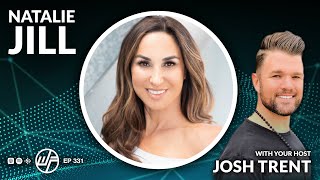
This is a podcast interview (Josh Trent with Natalie Jill) about Natalie Jill’s transformation from corporate life and rock bottom (2007–2008) into a public fitness and wellness leader. Major themes: fitness as a gateway to broader wellness, vulnerability and authenticity as catalysts for change, emotional intelligence and family imprinting, and a reframed concept of “aging in reverse” focused on inner joy, connection, and habit/ belief work rather than just aesthetics. The transcript also outlines a practical coaching framework (decision → driving motivator → vision → identifying false assumed truths → change thoughts/actions/habits).
Chapters
Foreign.
To the show.
Thank you. Excited to chat.
Look, we just did an epic, and I mean epic back and forth tennis match with vocabulary on your show. And this makes me even more excited to spotlight you. Like, this is a cool moment for me because we both have a decade plus in fitness, yet we both also saw fitness for what it is, what it was and what it can be. And I know you believe this. And let's start our conversation right here.
Totally.
When it comes to fitness, it's really just a gateway to wellness. Well being, wholeness, health, like that feeling of peace inside of ourselves. That was my understanding, but I didn't know it in the beginning. You know, what's your take on the fitness industry now, when it's the gateway to wellness, what does that mean to you?
Gosh, you know, fitness is like that first level of wanting to control something. So, like, when I think about, like, when I got into fitness, I was in a very different place. I was in corporate America. It was back in 2007, 2008, when the stock market and housing market had crashed. I was a newly single mom. I just gained a ton of weight. I was depressed. I was having like this massive breakdown in my life of which felt like just this heavy rock bottom. And I remember thinking like, I couldn't control anything. Like there was. I couldn't control my finances, I couldn't control my relationship, I couldn't control my body. But the one thing I knew I could control was what I was doing with my body. Like there was this awareness. And so fitness to me became something I could win at every day. Like I could do something with my body and have a win, which helped me get out of my shitstorm, was really what I was in.
We're going to talk about the shit storm because we all go through them. And yours is a good one because it allowed you. You've had several, but you, but you had a big one that really launched you into a brand and a voice and something people can trust, you know, and so where, where it led you is really fascinating to me. And like you, I love story because I think, you know, if you look at any of the way we've connected as human beings, it's through story. It's through telling great stories. And that's why podcasts are so rich and so impactful now. So going back to this control piece, you're like, yeah, if I couldn't have anything else, I at least could have control when it came to my fitness. So be honest with us here. Like, when you first Started. Was it about you looking good, or was it about you feeling like you were in control?
No, it was a little of both, honestly. Like, I needed a win of some sort, and I thought, gosh, I'm just so out of shape. I'm so miserable right now. I cannot control anything else in my life, but I can control what I do with my body. And I remember thinking, like, if I just move every day, if I just do, like, five minutes of workout, like, if I do something, it gave me a sense of control. Now, that turned into what that looks like on my body for sure, and which then transitioned even heavier and more. But I will say, for me, it really did start out as a place to control something I could control initially.
Yeah. When you were growing up, did you have any idea that you would be a voice for health in any way?
No. No. No idea. In fact, I hated. I didn't even like working out now. I did work out, like, in college and beyond. I'm 48 now, so I really jumped into my fitness career in my late 30s. But when I in college, I just started, like, dabbling with working out, a social hour. It was, like, social hour and something fun to do. I don't even know what I was doing with it. But, like, younger. As a kid, I didn't know I would do anything with health and fitness. And if you had even told me when I started really working out and changing my body and having control on something that I was going to be a fitness expert, I would have been like, what are you talking about? Like, I remember thinking it was funny when I would Google and I would see Natalie Jill as a fitness expert. I'm like, fitness? How am I a fitness expert? Like, I'm a single mom that lost her way and got herself back. So it's really quite amazing. I did not predict that that was going to happen.
That's fascinating to me because you were 39 when things really shifted for you. And I'm 39. Like, my birthday's coming up in two months, so I'm just like, okay, I'm in the same lane, like, the same timestamp that Natalie Jo is in. And I think what you really represent. And this is what I'm excited to chat with you about. It's about this reinvention. You know, on your site, you have a phrase that's called age in reverse.
Yeah.
And I think a lot of people feel, specifically moms. There's a. A lot of beautiful, amazing women in our community, in the Wellness Force community, and a lot of them write to me and they post in our group and they talk about how they just kind of feel defeated, you know, like.
Yeah, I get it.
Stuff is stacked against them. But where you were at 39 was like, divorced, single mom, broke, wasn't happy in your body. You're overweight, you're. Everything was, quote, stacked against you. But yet there was something inside of you that said, okay, I know there's something more. Like, how did you do that? And where did that come from? Was that coming from your heart? Was it coming from pain? Like, where was. Where was the fuel to actually have that change be real?
So to. To be fair, I. There were things that were working for me in my life, too. And what was working in my life is I had success in the past, and I knew I had been powerful in the past, meaning I was in corporate, But I was an empowering person. I had helped a lot of people, and I. And I had that charge in me, and I knew that. And what was also working for me is I knew how to enroll people. I knew how to. I had sales skills. I had. I had things working for me. So, yes, I felt defeated. I was broke, I was overweight, I was unhappy in my body. I was depressed. I had lost my husband. Like, I had a lot happening to me, but I had, deep down in there, this little spark of I am something more. So I did knew that at some level. So what. What happened to me, which is what I see happen to a lot of people through a rock bottom, to a pivot, to an amazingness, is this shedding of fakeness to authenticity. And I say that because I, at that time, before I hit my rock bottom, was living a very fake life. Meaning I did all the things I was supposed to do. I had gone to college, checked, gotten married. Check. Had the house with the picket fence. Check. The two dogs, the baby on the way. I did all these things.
You actually had those things?
I actually had those things.
They were there.
They were there, but it wasn't really authentic. It wasn't really who I was. It wasn't really coming from me. That's the only way I can. And I remember when things started not working in my life, when finances started changing, when my husband and I were divorcing, when things were not working in my life, I remember feeling like I couldn't talk to anybody about it. And the reason I felt like I couldn't talk to anybody about it is I didn't want to tell anyone about it. Like, that was where the fakeness was. Like, I thought I had to look like I had it all together. I can't tell people I'm falling apart. And what's really amazing is what launched my entire new identity and business and success was being vulnerable and actually showing and standing out and showing who I am. Like, literally surrendering to that and saying, I'm a broke, overweight, single, depressed as heck mom right now and I'm going to get myself together and I'm going to do it publicly. And it wasn't a business plan. It was just me being really real and raw and that's what connected with people and that's literally what launched my whole career.
All right, so there's a lot there. Like, there's a part of you that had to have been a little freaked out about sharing that intimately, but yet there was also something inside of you that said, well, I can't not do it. Like, what, what was the thing where it said, I can't not do it?
So I remember thinking, I know now that the thing that scares you is the thing that you must do. And I remember thinking then, like, I can't share. Nobody told me to share it. But I had this glimpse that I needed to share it for accountability. And I remember thinking, but I can't share it. I'll be judged. And. But, but I also remember thinking, like, but what do I have to lose? Like, I was in such a bad spot at the time. And by the way, I have, you know, my Facebook now has almost 2 million people following it. I had maybe a hundred high school friends on my Facebook at the time. And I still went on my Facebook and was like, look, I'm in this terrible spot right now. I'm at my rock bottom. This is who I am. But I'm posting here for accountability. So I literally, I didn't have an agenda. I didn't have this, like, I'm going to create a million dollar business. It was nothing like that. It was just me being raw and real and sharing.
It seems like it was more catharsis than anything. It was more like you putting yourself out there. Connected you back to you.
Yeah. And it's funny because I've looked now, you know, over the years, like what's worked and what's not worked in my business. Anytime there's a dip of my business not working, I don't always see it right away, but when I look, it's always because I've gotten away from my authentic self. Like, oh, I hired marketing people that know me better than me. Like, that doesn't work when I'm truly me and I'm just vulnerable and share. And I don't mean when I say vulnerable, I don't mean writing a post like about to be vulnerable. Like, that's not vulnerable.
Strategic vulnerability.
I mean just freaking airing my dirt out there, sharing it without an agenda is vulnerable.
How do you know when to share and when not to share?
Yeah, so that's a good question. My answer now might be different than that. My answer now would be, is it going to help somebody else? Is it going to help somebody else? Because sharing your crap and just woe is me may not help somebody else. But sharing your crap and woe is me and what you are going to be doing about it or that you're connecting with others about it, that's a very different place. So I think the question to ask is, is this adding value to somebody else by me sharing? That's the question. Because even if you can help one person, it's probably worth sharing.
There had to have been models. I don't know if it was parents or friends or somebody modeled this kind of emotional resilience to you, because at 39, like being broke, being unhappy in your body. Did you have two kids or how many children do you have?
No. So I was actually. So I was 36 when. So my daughter's 12 now. So I was 36 when this was really starting to unfold. And I'm 48 now, so. But at 36, so almost 12 years ago, gosh, wow. Update my story there. But about 12 years ago, about, um. No, I didn't have anyone to model. I lived in. I had fake friends. I had fake everything. Everything was fake. In fact, my friends now are very different than who my friends were then. Like, I, I had no one to model. In fact, I thought I was wronging people by sharing.
Why? Why did you think that?
Because I thought it. Because I. I learned to not show emotions. I learned to be tough. I learned. I came from corporate America where you hold it together and you carry on anyway.
Yeah.
So I know I, I thought I was doing something wrong by sharing. I thought I was going to upset people.
It's so powerful because the, the. Some of the things I want to talk to you about are around emotional intelligence. You know, on the show, we always explore emotional intelligence and physical intelligence. And in your realm, especially if we're going to find out how we can age in reverse, which is a fascinating concept, there has to be true intelligence in both. So when you look at the broad sphere of emotional Intelligence, like, what does that actually even mean to you to be emotionally intelligent?
Well, okay, if you had asked me that three years ago, I would have said it means you're a wimp. Like, I wouldn't even know what that meant. Okay, hold it together. Don't cry. Like, I don't know. But now, to me, it means you're a highly evolved person. If you've got emotional intelligence, I think it is the most important thing. It's the most important variable in health. It's the most important thing in your success, in your happiness, in your pain, everything. I think emotional intelligence is absolutely the number one most important thing, and it's the thing that's not taught in school. It's not shared enough, and it is critical.
Why do you think it's not taught in school?
Because there's a lot of people that live the way that I thought, like, that it's weak. I mean, we come from an era of, you know, especially I think, in my generation growing up in the 70s, like, it was weak to show emotions. Don't be a girl. Be a tomboy. Be a. You know, let's compete with men. Like, we learned that that was weak. You know, I grew up with a dad that never said I love you because he thought that that would make me mushy. You know, like, it just wasn't. That wasn't the norm. It wasn't accepted. And we've been conditioned that that's fufu that we don't need to do that.
I'm having a deja vu of something we explored in your show, and it's so impactful for this moment because we talked about imprinting and the way that we literally are branded. We learn so much from our parents because, like, shoot, they bring us into the world. You know, they're a big part of how we grow and how we evol. When you look at the mom and dad dynamic, what was that? And how did that shape you in any way, whether it was shaping you by contrast or shaping you by love and by growth?
So I had amazing parents. They did the best they knew how to do. But I'll tell you, my dad died when he was 49, but my dad never shared. I've never saw my dad express emotion. I never heard him say, I love you. And in fact, I remember being a little girl, and I would cry, and my dad would tease me, oh, look at the monkey crying. Like, it was, like, a funny thing. And I grew up really thinking that crying made somebody weak, that expressing emotions sounded needy. My gosh in corporate America, I was the one that went in to fire people because I could hold it together, you know, like. And I remember even people in corporate crying to me. And me basically saying, like, take a few minutes to compose yourself. I didn't know how to deal with that. And it's really amazing. Like, I think back to now, to pain I've had in my body or like, that's holding emotions in. Like, a lot of that was holding emotions in and not learning how to deal with that. So I think I got sidetracked off your question here. But I think there's just not perfectly aligned. Yeah, there just wasn't enough education around emotional intelligence. I really didn't understand that. It's truly okay until about three years ago.
The phrase age in reverse. There's so many things that make us age. And I was funny, I was just talking with my partner about this yesterday and she was like, yeah, this woman we met looks so young. It was Vanessa Lambert from Be the Wellness. And she was like, she looks so young. And I'm like, yeah, because she expresses herself.
Yeah.
And I get. I feel this. I'm curious how you feel. People that don't express themselves. The opposite of expression is depression. Depression ages us. Right. So think about, like your experience. Like learning from the dark contrast of your father, like, never having permission to show emotion, just. It just wasn't there. You just didn't do it. How does that relate to how you help people now? And honestly, how you've even helped yourself?
Yeah, and I'm still working on it. Like, I honestly still have a hard time crying. It's just like it's in me. It's very hard to let that out. And I've worked to get to figure that out, but I find other outlets to get my emotion out for sure. Now. I don't think crying is the only way. I think there's other ways. But it is important to purge that and release that. So a big part of it is the idea of connection. For years I would have said I'm an introvert. I would have said I'm a social introvert. I like being on stage and on video, but one on one in like a group. Ah, I don't like that. I don't believe that anymore. I think that was me being afraid of connecting. And I. And I believe there's healing and connecting and I think that we're here to connect and love others. And I think that me actually opening up and being vulnerable and sharing and meeting new people and connecting has helped Me, age in reverse. I think it's a. It's a big part of why we're here.
Yeah.
And. But it was a belief. I had to unwind and change.
How do you unwind that kind of a belief? Because when we talk about imprinting, that things. Hardwired, baby. Yeah, that's real hardwired.
Yeah. It's a commitment and I'm gonna be really real that there's lots of different methods to get there. And I started with the less aggressive and I got to the more aggressive and the more aggressive ones work. So for me, like, there's different layers. Like you could, like on the bottom level and nothing wrong. I don't mean this is like, this is bottom level.
It's like a progression.
It depends on who. Like. Like my daughter is the most emotionally amazing. Like, she's so in touch with her emotions. Like, those things would work for her. For me, it was a harder nut to crack. So I'll start with therapy as sort of like that bottom line. For some people, therapy is incredible. For me, not a chance. Like, I wouldn't have opened up to a therapist. It just wasn't going to happen with me. And then there's. So there's different layers, then there's the, you know, meditation, yoga, spiritual. And I put them in the same. They're different things. But like religion, all those are ways to get through to you, right? So for me, even that religion, meditation, yoga was not getting through to me. And then there's, you know, taking it up another level to spiritual, like plant medicine, doing breath work. Like, those are all different levels. So it's whatever it's going to take for you to break down that barrier. Emotional development classes, personal development, whatever it is that's going to help break you through is what's needed.
Do you ever get to points in this journey where you do feel alone?
What do you mean alone? Like.
Well, like, do you ever have the sense that, like, oh my gosh, am I doing this alone? Does anyone else struggle like I struggle? Or have you already worked through that construct?
I hadn't really thought through, am I doing this alone? I believe that everybody at some point in their life gets to this place, and I believe it. Sometimes people are just have this awareness early, and that's just who they are. Some people, it takes rock bottom. It takes breakdowns in their life to get them to there. Or some people may never get there till they die. You know, like, I think there's just different levels. For me, it was. It was having a second massive Rock bottom three years ago that got me there.
The rock bottom which we're going to get to. But I have to ask you this question because you posted something recently about this conversation with your daughter. And it was about how you had this realization that the. The term J A P JAP Jewish American Princess, and how much judgment that you felt and how that kind of knocked you off course. And then this real beautiful conversation that you had with your daughter that's emotional intelligence is being able to really hurts us, you know, so that it gets out there. And the way that you described it. And we'll link this post in the show notes. The way that you described it to your daughter was what I know for sure. We are all God's children and we all get to our own, our uniqueness, embrace it and celebrate it. Even if our celebration is a party of one.
Yeah, yeah, yeah, yeah. Now I get why you're asking me that. Yeah. Because I think that not, not everything has to be understood and celebrated by everybody. Everybody has their own truth they get to get to. And whether that's you celebrating that you got to your truth or you're shouting from the rooftops doesn't really matter as long as you get to your truth.
Yeah. As long as you arrive. Right. But I feel like this, this term, like, arriving, like, it's like, when I make this much money, I'm good.
Yeah.
When I have this. Whatever you talked about the picket fences and everything you else had, isn't this all just a big fucking lie? I mean, Joe Rogan has talked about this. Everyone I've had on the show in some way has mentioned that when they got to the thing, when they had like the six figures of the seven figures, they were like, I thought it would feel different than it feels now. Have you experienced this in your life?
Yeah. And here's what I know for sure. And I like things, too, but I'm more of an experienced person than things. I will say that I love things, but I love experiences. Every single thing in our lives that matters to us will be taken away from us. Whether it's early or later, it's going to be taken away from us. I mean, we all leave this earth at some point, every single one of us. So we can't take with us what we have right now. But attachment is a really scary thing because we do get attached to things, and they could go away at any time. You know, I just met a woman last week who had built her whole life in Malibu. And like, in the swoop of one Fire at her. Everything was gone. And she's actually okay because she had this great awareness that she's more than her things. But there's nothing that we have that is permanent. There's nothing that we have that lasts forever. So, yes, I like money, too, but I like money for different reasons now. I don't like money necessarily for things. I like money for experiences and for how I can help other people.
What's your favorite way to leverage money from a place of love?
Being generous with experiences for others. Like. Like I used to. I mean, I remember growing up, and I'd pass homeless people, and I'd want to give them money, and, you know, I'd hear things like, don't give them money. They're gonna buy drugs. I'm like. And now I'm like, well, I don't care if they buy drugs if it's gonna make them happier. For the moment. I just want people to feel that they like I do. I carry money with me. A good friend of mine, my friend Allison, had told me recently that she carries different levels of dollar bills with her all the time. Like dollars, fives, tens, hundreds, 20. Just so she can feel free to be generous however she feels. And I started experimenting with that, and it's really amazing. So, like, I. There's. I would rarely pass a homeless person where I'm not going to do something for them and support them. I just like to be able to be free with my money and working hard and generating money. One of the reasons I do that now is so I can feel free to be generous with experiences and money. I think that's what it's for. I think money is energy. I think it's flow. I like nice things, too, but I've gotten less attached to nice things. It's. I really want money for what I can do in the world and what I. And what I can experience.
What was the event or what was the thing in life that made you shift from just wanting the things to wanting nice things to a point? Like what? How did that shift occur? Because for many people, it's a slippery slope.
The first shift was when I lost everything back in 2007, 2008. I mean, I was $1.4 million in debt. Literally, like 1.4. I lost my ass in housing, credit cards as well. No, actually, not initially. It was. I was actually the person that turned my nose up to debt for years when I was in my fake life. You know, I thought, who has debt? Like, you should go to college and get a job and like you never who has debt. Like I didn't understand. Okay, thanks universe. You taught me. Because I was the one that put the 20% down into my house. I was the one who was responsible and always paid bills on time until the housing market crashed and until I was going through a divorce and until I almost lost my house and I had to make a decision decision. And my decision was to stop paying my mortgage so I can feed my daughter. And that was a very scary decision. And that reflects on your credit report. Hello. So I remember going to put gas in my car and I'd never been late on a credit card payment in my life and it was rejected. And I called American Express from my car and said, why is my credit card rejected? And they said, well, Natalie, you're $1.4 million in debt. And I just remember my heart sinking like, how am I $1.4 million in debt? I didn't understand. But that's when I started selling off everything. You know, I sold off jewelry that mattered to me. I sold off everything that mattered to me. And I had a hard time even, you know, now with my, my husband, My husband Brooks, he loves nice clothes and I remember him buying me designer shoes for the first time. And I had like a really hard time with it. Like I felt that it's, you know, frivolous or not, this is not a good. And I've had to embrace a different mindset around that too, that like it's okay to treat yourself to nice things too. Like we can be worthy of nice things. I'm just not attached to them anymore. There's a difference. Like I have nice things for a period because I enjoy them. And when they don't serve me anymore, they don't serve me anymore. But I don't need them for my happiness.
You know, I did a 10 day Vipassana and I'm not sure if you've ever explored vipassanas, you know, the silent meditations.
No, I've heard about that.
Yeah, they're an ass kicker. And then there's some people. Like a friend of mine just went into darkness. He meditated in darkness in a cave for five days. Anyways, yeah, there's different degrees. But the question that came up for me is when you talked about impermanence, like, yeah, we're going to lose everybody. Like your relationship with things has changed so much. There's this phrase that they talk about in vipassana and it's called Anita. And Anita is Sanskrit for impermanence. Everything's impermanent. And I remember feeling so angry about that. It's almost like there was a part of me that didn't want to believe that everything was impermanent and that we would lose. Lose all things. This is a fairly philosophical question, but it feels like it's the right time. How do you deal with that? How do you deal with the fact that we will lose everything and that everyone that we love and all these things that we've gathered and done and all this will one day go away? I mean, how do you make peace with all that?
I don't even try to make peace with it. It just is. I mean, it is what it is and it actually gives me a sense of comfort about. I don't go into the conversation of. I don't have, like, I don't look at people's things with jealousy at all because I know it's a knowing and, and I choose to hold experiences as a higher value to me. It doesn't mean you won't see me with nice things. It's just different. There's not, there's not an envy around it. There's not a jealousy around it. In fact, my husband and I, believe it or not, like, we don't, we don't own our house right now. After owning four homes and losing my ass in the, in the housing market, I don't care about owning a home right now. Right now. That could change later. I don't care. I don't, I don't ever want that stress again. To me, I enjoy finding a new rental property that we love and can live at for a couple years and then a new adventure that works for me in my life right now. I no longer care about the practicality of, oh, but you're losing money and I don't care. I'm in it for less attachment and for experiences now. And so that works for me and my husband right now. One day we might build a home. But I'll tell you, I wouldn't build a home unless I was going to be okay losing it too.
Tell me about that. Like, it's almost like I visualize like a sandcastle at the beach where the water comes in and just sweeps it all away.
Meaning if I ever have a 10 million dollar home, it's probably because I have 20 million dollars and I could do that, you know, like, it's, it's just, I just don't, I don't ever want to be in a position where something owns me, where I'm like, if I lost this, I would be you know, I don't want to be in that position.
Yes. You know, this is really relates to your concept of aging in reverse because the things that make us age the fastest are depression, not expressing ourselves. Financial stress is probably, I would say, if not the number one, it's definitely up there in the top three. And then of course it comes to like belief, self love and self worth. These are like the core components that I see that age people rapidly. Their food choice is in there too. But I'm curious, like, why you even chose this phrase, age in reverse. Like what does that mean to you?
It's so funny. So my original choice for the world is not what it means right now. My original grand plan idea was three years ago was I was going to teach everybody how to look like young forever. Like we're going to have the doctors on talking about Botox and whatever that is. So not what it is now. Boy, was I in for a rude awakening. So when I first came up with that title before I wrote my book that's in stores now, Aging Reverse, that was my vision that I was going to have these high end retreats of these women that want to look perfect. I'm so far from that now that I can't even believe that that was actually a vision. What aging universe means to me now is having the childlike wonder that we had as kids when anything was possible, when we were creative, when we believed anything was possible and we were actually living for love and joy. Because that actually is what I know is true, to make people age in reverse and feel younger, look younger and be younger now. So I was in for a rude awakening when I was so focused on external looks or what I have or all that. And that wasn't working for me. And now what I know is the true joy is in actually just being your authentic self. And you know, I think back to like I look at little kids playing at the beach, whatever. Like they're so confident. They're like just having fun. There's no sense of time. They're very present. All they care about is love and presence and fun and joy. And that is what I see keeps people young, is when you embrace that.
I love this. You lit up like your whole body was Christmas tree when I brought up your daughter. Because it's like just, just thinking or just hanging out with the vibration of kids. It activates the kid in us. Like it allows us to feel what it's like to, as you said, access that, that childlike joy and be real. Like we're In a world where bills need to get paid and there's like responsibilities and construction projects and the TPS reports are due, blah blah blah. All that stuff just feels arid. It just feels like it's so cumbersome and boring to the mind that if we're not careful, if we're not aware, it can just crush us. It can make our soul feel like it's dying. It can make us lose our childlike joy. How do you integrate this awareness, this teaching in your messaging around aging in reverse?
Yeah, so the first part of that question is I do it very carefully because people don't want to hear that. They want to hear what's the injection I need, who's the surgeon? That's what they want to hear, right? They want to know the quick fix and what I know now to be true and me included. Because God knows I've done enough to my body and to myself for years to try to look a certain way, feel a certain way. And what I know for now is that person that seeks, that has a broken foundation they're working from. And that's like putting rust on a frickin painting over rust. It really is. And I'm speaking my truth with that because that was me and I did that. And I can honestly say I've way backed off of that stuff. And I'm a different person now because I get this. And I'm not better than anyone. I just get it now. I just get this now. And what I know for sure is that women think that that's what they want. But what they really want is to love themselves. And they really want to feel whole again. And the way to get there is not from all the surgery and the injections and all the, the stuff that we're doing to ourselves. It's going back and healing past trauma. It's going back, it's getting off the frickin addictions. And I mean the Xanax, the drinking, the sleeping too much, the workaholic, the whatever, the addiction, the shopping, whatever. The addiction is getting off of that and actually feeling and actually feeling and knowing what it's like to actually be alive and live and have joy and when you can get to that place. So much good comes from that. But it's. I gotta ease people into that carefully because nobody wants to hear that initially. They want to come to me for the secret. So we start with the secret. I give you the secrets first to help warm me up. And then we're going to get into the deeper stuff.
Well, you give it Sounds like to me that you're giving people maybe what they're a little bit of what their ego wants or a little bit of what they might receive as an immediate gratification so they can feel some traction. It's kind of like I remember, you know, you were in fitness for a long time, you have somebody lose weight in the first week, week or two, and then they're excited because they're like, oh, I feel good, I have an immediate result. But then the real work comes in the middle, like when the rubber meets the road. So where does the rubber meet the road when it comes to people actually aging in reverse? Like I understand in the beginning you give them probably wins so that they feel like they're in momentum. But where does the rubber meet the road and where does the conflict come up for most people there?
Yeah, the conflict comes up when we live too much in our ego, when it's not enough and we're not willing to trust the process and open up. The win comes in connection. As soon as you can open up to connecting with others and realizing there's others like you feeling this and start opening the conversations, that's what opens up the floodgates. So it's in the connection and it's why I have a community now. It's why I am reachable and accessible. It's why I started taking one on one clients again in a different level. Not in the gym, I'm not taking them in the gym or doing their diet plan. But why I do work selectively with some one on one clients that really want to get to this because it's in that connection that the change happens.
What inspired you to work with, with one on ones again? Because I would think like after working in fitness for so long, there was a part where I just, I didn't want to coach or work with anyone for a long time because I was kind of burnt, you know, so what.
Reinvigorated that I was tired of doing nutrition plans one on one. Like, I'm like, if you want my nutrition plans, I've got a million programs for that. Like, we don't need the one on one conversation there same. And I wasn't going to train one on one. But I do know that there are women that they, they are scared to connect. They want to connect, but they're scared to. And there's a trust piece in me because they like either the way that I look or they like what I've stood for or what I built or whatever. So I thought, I really do Make a difference when I can connect with someone. So I'm selective, I don't work with everybody. And I'm not cheap. I'm gonna be real. And the reason I'm not cheap is for a lot of reasons, but the biggest reason is the investment in oneself. I know what I've invested into myself to break through stuff. And I think people need to put their money where their mouth is on that and invest in themselves. So, and I, and I, because I only do take, I take four clients a quarter, that is it. So I mean, I literally, I want to go deep with the clients I work with, so I do that. But I decided that I can make a bigger impact connecting deeper with someone and especially if I'm doing it with a thought leader, because there's a trickle down effect. So if I think of my clients now, they're all thought leaders, they all have their own audiences, their own. And I know that by me helping them break through, they're going to help the masses. And that to me is very rewarding.
The thought leader is a really cool phrase, you know, because I work in the media world a lot. Like I work with, with Rythmia who's part of this podcast, they support this podcast. You actually were at Rythmia, I think two weeks ago.
Last week.
Last week. So like, and also, you know, I speak at Paleo FX and I go to conferences and I have awesome conversations like this that are just enjoyable and they're really tangible for people. Yet I can't help but notice you and I operate in a world of how many followers do you have and what is your reach and what is your impressions and your engagement? We live in this zero and ones where we're trying to quantify human beings by their social media reach. I mean, it's fucking unbelievable. What's your take on where we are right now? How do you maintain authenticity and integrity there?
That's a good question. So first of all, I don't even look at it as followers or they're really, they're people. Like they're all heartbeats. They're people. So when I say thought leader, I don't necessarily mean like somebody who has millions of followers, like followers online. I mean somebody that's making a difference in the world and has an impact on other people. And I think all of us can be that. But that's who I'm interested in helping. I want the trickle down effect. So somebody comes to me that they are, you know, they're in the work, they're a therapist or whatever that it is. They're, they're a speaker and I can help them break through this. I know the trickle down effect is gonna, is gonna help the masses. I'll always have my programs that deal with how to get a six pack that's not gone away. Like I'm not gonna delete those things.
Yeah.
However, I do know there's so much more to that and to me, I find that I can help really break people through more when they're actually in my community or on my calls with me or working one on one with me. I'm going to make a bigger impact there than just giving you a video or a PDF or a program. So that's why I chose to step back into that and I get to honor what I'm here for and my time. And that's why I am selective with who I work with for those things.
Do you believe in. And I'm saying this because it seems like you've progressed and pivoted and now you're working with people deeply. Do you believe that, that we should ever be exploring 10 year plans, 15 year plans, 20 year plans? Do you think life moves so fast that doesn't even apply anymore?
It doesn't even matter. Like, no. Who. Let's focus on being who we're being. Like that's the problem. We're always so far into this, who we're going to be and create or what was holding us back that when we stopped just being like, let's just be right now. So I'm all for like planning, but you got it. They have to be loose plans. Like I always kind of know we're in the direction I'm headed, but I'm not, not really. I'm not going to be detailed on. I'm going to do these things to get there. And because it doesn't, I don't know, it's just I get clear on my vision of the direction and then how it actually happens that I let the universe kind of help with that.
When you say vision, it's a term that I think gets thrown around quite a bit. And I'm curious what that even means to you. You know, like, like for example, my vision is to reach a million people a month across all of our channels. And so we're definitely on the way to getting there. And so that vision is something I held since the beginning. And I'm curious for you, like when you, when you first started based on now has vision, has the term my vision stayed the same? What is your vision? Now what was in the beginning?
My vision at the beginning was very like, it's got. It's yo yo'd up and down. So let me explain that. So my vision when I very. When I started was just to take steps forward. Like literally my eyes. How do I get myself out of this? It was just baby steps, like take steps forward. And I started with little mini goals, like I'm gonna be on fitness magazines or whatever it was. I had these little goals. When I've gotten into trouble is when I've gotten really attached to a very specific vision. So to give you an example, my first book, Seven Day Jumpstart on Process yous Diet. It was originally an ebook and it did really well as an E book. It did well financially. I helped hundreds of thousands of people with this ebook. It like changed people's lives and my ego got in the way and I wanted it to be in stores. So I got a book deal and it was published in Barnes and Noble and all the things. And I had a vision that I was going to be New York Times. And somehow along that way, I lost track of what I was doing the book for. It was now it became all about hitting New York Times. So I did everything in my power to sell, you know, 30, 40,000 books. And then I didn't hit New York Times and I got depressed and I was like, I was in a funk for weeks. And it took my husband saying to me, natalie, look at the reviews. Look how many people you've helped. For me to get back to Earth and go, oh my gosh, like, what was my vision? It was so ego based. Like, no. So my vision has changed with things now. Now I go in a certain direction. Like right now, my vision is as simple as I want to help empower people. That's it. I don't have to have the details on it. I just help empower people. And I do things that are. That are led with love. And I do things that are good in the world. And I. And I. That's my vision and it's. And I'm okay with that. I don't put pressure on myself to be very specific and put it in a box.
Yeah, it's interesting because vision is something that I think changes as we change. And so I really. I'm in the same camp as you. I don't think that even a five year plan applies anymore because things move so quickly. Look at how technology moves us. Yeah, I mean, we are in such a crazy time right now. Human evolution has this curve where it goes like this technology just is exponential. It just keeps rising and rising and rising. If you look at some of the work from the X prize and from all the men and women that are in this whole technology movement. Ray Kurzweil, the Singularity, like, technology ain't gonna stop. It's gonna continue to replicate really, really fast. How do you see us operating in this world where technology is gonna be a beast? Social media is gonna continue to harvest our attention for money and time. Like, how are you shaping the narrative so that we're healthy around technology?
Yeah, I really do believe that we're going to get back to small group connection and like micro communities. I think social media has been amazing and it's helped us reach and find new pockets of people, but it's really created monsters with people and ego with this like, thing of like, I have to have followers or I got a monetize, like, and I think what people are really searching for is some realness again, and that's micro communities. So I think social media is here to stay, but maybe it's here to stay to help us find our tribes. You know, like, it's here so you could easily navigate and find your people. But, like, I'm not interested in having, you know, 20 million social media followers. I'm interested in connecting with really people that want my help and that I can really connect with. So going deeper with smaller groups.
It's so cool to hear you say that because, you know, a lot of entrepreneurs that might listen to the show or just people in general would be like, wow, this woman has, quote, millions of people that follow her. But the reality is, is a lot of, like Facebook and Instagram and all these things. We don't own that bandwidth. At any moment, they could take that away. Right?
And it doesn't really matter. I'll tell you, the more people you have following you, the less you're reaching people. By the way, tell me more about that. So, like, if I had, when I had, call it 5,000 social media followers, most of people would see my newsfeed.
Yeah.
They would see what I'm now with. My gosh, between platforms, 3, 4 million people, I don't know who sees my stuff. It's not the same people seeing it consistently. So it's a lot harder to go deeper with. So just because you have 2 million people on a platform doesn't mean it's translating to money or to clients or any of that. So I lose people on Instagram every single day and I'm like, yes, that's awesome. You know why? Because it's just making more room for the people that want to be there to actually see my stuff and connect with me.
I love that. And I love. My favorite part of your answer is when you said, I think we're going back to micro communities because I feel that, like I don't know. And I was at a Brendan Burchard conference once and he said this, like, we only get about 150 high tension decisions every day, you know, decision fatigue. And we also can only have 150 really rich, deep, wide relationships with human beings in our lives. And I don't know the exact number, but I only have a handful of very, very close best friends. Right?
Yeah.
And because it takes time and energy and it takes my chi to interact with them along with my partner, my business and everything else. So my question to you is like this micro community element. Are you. Obviously you have a micro community with. With your brand and who you are, but are you also training other people to create their own micro communities so that we can actually grow the micro communities in the world?
You know, I haven't really done it in that direction. I do one off. Like that included when I say I take one off clients.
Yeah.
People come to me for different reasons. Some of them come to me because they want to look better. Some of them come to me because they want business help. I literally lump it into the same category. So. So, yes, I think it's all part of my conversations with them and it's part of aging in reverse. It's tribe is everything. Like we've gotten so far away from tribe. It's become so fake. Like I'm just gonna have these fake follower and not fake as an actual fake. But we don't know who these people are.
Well. And a lot of them have robots that actually are fake.
Maybe. Yeah. It's not actual people, but actual connection and tribe is so important. So anything we can do to get back to that is critical and amazing. And if you look at like blue zone communities mean all of them, they live in tribe, they live in community. Like we're not meant to live by ourselves. Isolated as an introvert that just shows up on Facebook every day. Like, that's not how we're meant to live. We're meant to live in community and tribe and that's part of aging in reverse.
I love this. We had Jason Prall on the show, the director of Human Longevity, and that was what he found is that no matter it was Icaria Greece or it Was them going to Sardinia. The real centenarians, the people that would live to 100. They had higher power connection and they had micro communities like they're talking. That's what made them live longer. That's what made them quote, age in reverse. So as we, I mean, we could talk for a lot more time, but I know people probably already listening to this for the second time. If you could leave us with wisdom and some parting guidance around really being at peace and loving ourselves so that we can age in reverse. Like, what are the beginning steps for that?
Oh, gosh. Well, I have a whole method behind it, so I'll try to keep it short. But I would say the number one thing is make a decision. Like, decide that you're ready to start taking on and leveling up your life and living a better life. So whether that is I, I'm ready to start aging in reverse. I'm ready to start, I'm ready to shed this weight. I'm ready to create financial freedom. I'm ready for connection. Whatever it is. You have to make a decision first. I think that's we lack from decision. We're waiting for life to happen to us and we have to decide that it's going to happen. So a decision is the number one thing. The second thing is I call it driving core motivator. We have to know what's driving this change. What's your real reason why? I think a lot of times we have these visions and goals and decisions for ourself, but we don't even know why we want them. Like, I want more money. Why do you want more money? Like, like, what's that for? I want a new relationship or I want to lose weight. Like, what is that for? Getting to the root of your real driving core motivator makes a big difference for people. And then the third thing is we were just talking about vision, but you have to know where you're headed. And it could be general, but you have to know where you're headed. If you don't know where you're headed, it doesn't. You're not. Who knows where you're going to end up. So you got to pick. It can be as easy as I want to empower people or I want to, you know, I don't know, whatever. I want to have a family. You have to have some type of vision of what it is that you, you want or we're not going to end up there. And then the fourth thing is we have to start getting really aware of false assumed truths I say I kill fat for a living. Those are false assumed truths, like these limiting beliefs that have held us back, like my genetics or my financial situation or victim anything. Victim mentality.
Yeah.
It's a false assume truth. And then the fifth and fifth thing, before we get into, like, the detail specifics would be, you've got to change your thoughts, actions, and habits if you want to make a change. So if everything you are right now, today, you are a result of your past thoughts, habits, and actions. Right. So if you want something different, we've got to address and change all three of those things. We have to change your thoughts, your actions, and your habits if we want to create something different. So those five places are where I really focus with clients. And whether they come in through my books or one on one, we have to address those things first.
Wow. And it seems like no matter what they're up to that all of these pillars, these five steps, you might spend time on one more than the other. They're not linear.
I've had clients. It takes us 12 weeks to get to their damn decision. What is it that you actually want? And that's fine, but we're making headway. So some people, I get through everything. The first call, it's really. Everybody's on their own path, and we're all of different personalities, but it has to go in that process or we can't get there.
Well, we covered a lot of ground when it comes to even this concept of aging in reverse. And one of the things I love the most that you shared is you were like, yeah. I'm being be honest. When I started it, it was gonna be like Botox and interviewing people on beauty. And then you're like. Then I realized it was actually going within.
Yeah. By the way, my thing on Botox and how much this has shifted for me, and I'm somebody who's done Botox before, but I have not done it in several years. And I'll tell you, like, I look at it so different. I'm like, why would you. Something that freezes your third eye. Like, that's how far I've come. Like, let me freeze my face to, like, why would I put something in my third eye? So I've changed. Look, I'm not against plastic surgery. I'm not against any of it. I just know that there's something bigger, and I'm someone who's walked through it all. There's something bigger, and it's a bigger breakthrough for people when you get to the stuff.
First, the phrase that I feel come up for you is this term earned wisdom. And I believe that, that it's been mentioned in Buddhist text and it's a phrase where it says beware of wisdom that you haven't earned. But on the flip side of that, that's people that I think you and I know or have seen that they might go from, like, ceremony to ceremony to ceremony and, you know, personal development conference to conference, and they're not actually integrating it. They're not actually doing the reps and like calming themselves down and putting in the work to apply it. And my question for you is, what is one of the biggest pieces of wisdom that you really, in your heart, feel like you've earned?
God, that's a hard one. That we actually don't know jack shit. We really don't know anything. We don't. Things are changing all the time. We don't know anything. All that is true is our actual truth, and everyone knows their actual truth. So what I know for sure is that we get to stop hiding and we get to. My next tattoo is going to say truth. I've already. I decided that last week that, you know, I. Tattoos mean things to me, but I want to get a tattoo that says truth. Because whenever you stay in, your actual truth is when life works for you. So all we actually know is our own personal truth. We don't know anything else. Like, you can go attend a seminar, you could attend, but it always going to come back to your truth and what you're doing with it.
Wow. Mic drop. For the third time at least. And the last thing I want to ask you is around every single thing that we've mentioned, and it's at this nexus, you know, I feel like. Like really what wellness is and what I'm always learning about is this physical component, this mental component, and also the higher power. You know, the fact that, like you said, we don't know anything. Like, there's something else that breathes us and there's something else that controls all things, and that's the physical. So where these three overlap, there's like this sweet spot in the middle. How do you define that sweet spot? Like, what does wellness mean to you? How do you define wellness?
Gosh. Wellness. How do I define wellness? I don't even know how to. How do I answer that? Being aware, being awake, Being aware and being awake. I think that most I know now, actually, I don't think I know that disease. Disease is caused from dissing ease, from not living, from not feeling, from not accepting, from not being Truthful disease comes when we block all of that. I believe that with every inch of my body now, me included, if I were to get a dang disease, I believe that it comes from not being our true selves. That's what I know right now.
Well, thank you for that reflection because it comes from a woman who's done the gathering, the applying, and the embodiment. Right. And so you've been on this planet for some time now. And as we say goodbye, I just want to thank you for all the work that you've done. You know, starting out, like, coming into the public and being like, I don't know why I'm doing this, but I feel compelled to share my journey and, like, you were doing it way before it was, quote, cool. So thanks for having the courage, you know, to live your life well, to do the things that you've done. NatalieJillFitness.com is the website, but where do you play? Where can people learn more about you and get involved?
Gosh, I'm everywhere. You can find me everywhere. And it's funny. I'm like, am I stuck with Natalie Jill Fitness forever? Probably. It's, like, so funny because I feel like I'm so much more than Natalie Jill Fitness, but built everything on there. So, yes, it's still there. You can find me there. I'm on social media everywhere. Natalie Jill Fit on Instagram and on Facebook. And then my podcast is called Leveling up, and I've had Josh as well on there. So check out Leveling Up.
Thank you for coming on the show. And we're talking about Natalie Jill a lot in the Wellness Force group. It's wellness force, wellnessforce.com group. And also, I just want to say this is a totally unexpected conversation. I didn't know too much about you before we jumped on the podcast, but I knew from our friends that you had something special to give. So it's been really remarkable. And I know people have already heard this twice. So until we see everyone again, I'm wishing you love and wellness.
Thank you.
More from Josh






Your child's future start before pregnancy... and even before conception! #podcast

MD Reveals: Your Healing Creates Your Child's Reality (The Souls Coming In Need Strong Bodies)



