Reverse Your Skin's Age: PEPTIDES for Longevity + Graceful Aging (OneSkin)
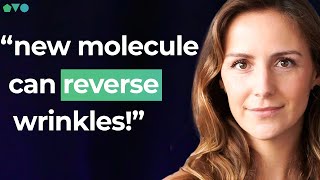
YouTube interview (May 7, 2024) in which host Josh Trent speaks with Alessandra (OneSkin co-founder/scientist, age 36) about skin biology, senescent cells, and OneSkin's peptide OS1 developed to reduce senescent cells and improve skin health. They discuss the epidermis/dermis structure, how senescent cells drive local inflammation and collagen breakdown, and how topical peptides can penetrate skin layers to lower senescence and restore barrier function. Alessandra describes OneSkin's R&D: ~5 years of research, hundreds of experiments (she references ~900 tests), a lab-developed molecular skin-age clock that currently requires a skin biopsy, and a clinical skin-microbiome study that sequenced samples from 38 participants showing more balanced microbiome after 6 weeks of OS1 use. The company positions itself as “pro-longevity” (not anti-aging), emphasizes lifestyle/inner care plus topical treatment, ongoing lab rigor, and offers a promo code (Josh15).
Questions this video answers
May 7, 2024.
OS1 peptide.
38 participants.
About 5 years.
About 900 tests (900 different tests referenced).
Chapters
The senescent cells. These are the cells that actually split. They divide, but they don't die. Did I hear you correctly? It'll start to actually turn on the signaling pathways to aid you faster.
The cells are dividing and they stop dividing when they become senescent and they secrete inflammation factors. They stop dividing because they accumulate damage on their DNA. Usually when we are young, our body removes the cells and the tissue restores the homeostasis. But with aging, some of the CE die. They stick there in the tissue and that constant release of inflammation starts deteriorating the healthy environment around the dead cell. So what we did at One skin was research specifically for a new molecule that could reduce the senescent cells. This peptide can penetrate the layers of the skin and can help reduce the senescent cells on your skin. And when you have less senescent cells on your skin, the healthy cells can proliferate, more collagen and they can do their own function, creating this protective barrier for the skin. Your skin is speaking to what's inside you, what's happening inside your brain. You age better when you are feeling good about yourself.
Our skin is a representation of our inner world.
We are not anti aging. We are pro longevity. What we want to bring to people's life is this empowerment on how they are aging and feeling, getting a skin that's strong for them to navigate this path of aging.
Hey, it's Josh. Before we get into this episode, I have a small yet powerful favor to ask of you. The community has been growing by thousands lately and the bigger the tribe, the bigger names of world class guests we can have on this podcast that I can bring to you from my heart, from my curiosity so you can have more wellness and wisdom in your life. Would you please be so kind as to hit the subscribe button wherever you're watching or listening to this podcast. It'll allow us to rise naturally in the algorithms based on your 2 second act of generosity by you just tapping that little subscribe button wherever you're viewing or hearing this episode. Thank you so much. It means the world to me and our entire team here at Wellness and Wisdom. Now enjoy the podcast. Alessandro, welcome to the show. Thank you for being here.
Thank you so much, Josh. I'm very excited for this conversation.
Me too. It's been marinating. And speaking of marinating, my skin is marinating right now. It's protected. I've been using the products that we're going to talk about today. One Skin. Amazing name by the way, because we literally only have one skin. It's fascinating to me. When I was digging into the research in your life and just preparing for this multifactorial conversation, I thought about, okay, where does she come from? What is her roots? Because the skin is the root of who we are. So I wanted to dig into the root of who you were. And it was interesting because on one of my friends podcasts, wellness mama Katie, I just spent some time with her a couple weeks ago. You said on her podcast, which I loved. You said, you know, when I was growing up, aging brought a little bit of fear into my nervous system. But how has that changed for you? In all your years now of scientific research and helping to launch one Skin, you've scaled a mountain in a way. But when it started you had fear around aging. How has that shifted for you? I think it's a beautiful position for us to start this concept of skin and aging and fear and just growing old gracefully. Right. So how did that start for you? How has that changed for you, your fear when you're a little girl about aging to now being a leader, co leader of a company?
Yeah, that's very interesting question. And before I dig more in what I can say, it's very liberating to not fear aging anymore. Like as you said before, I was always like, oh my God, I will grow up. I was, I'll have a cancer because my grandparents parents had cancer, I will have dementia, I will suffer, I'll be a burden. And now I just like this. All this concept shift so much when you understand that aging is a malleable process and that it's more about the choices, our lifestyle, what we do and we can embrace science to help us to age better. So now at 36 years old, I've never felt so vital and so healthy and as like in my best phase than before so and very excited for the future. So it's very liberating that and continue with what you ask. I'm from Brazil originally, so I grew up in Brazil. I started my studies there since a young age. I was very passionated about science and the potential of like okay, being a researcher and finding cure of diseases and like people will not suffer from cancer anymore. I don't want to lose anyone for that. And that was what drove me to study biology in college and then look for a master in a PhD on the stem cell world. So I was studying stem cells and how to how to create organs in the lab basically. And after my master I got interested on skin because I visit a hospital and I saw how they have Like a skin bank to have like cadaveric skin to use for big wounds. So basically they use those meshes of skin to protect when someone have like a big burn wound. And when you have big wounds, if you don't protect your body, you're so exposed to infection and losing hydration that you can die. So you need really like a first coverage. And they use like human skin from donors for that. And the problem is that it's just a band aid because coming from a different person, your immune system can start reacting to that. So after two weeks, you need like to change to remove that. So it helps at the first time, but then eventually, like, it's not completely effective to promote a perfect wound healing without scar tissue formation. So I was interested, intrigued about that. I came back to my supervisor and I said, professor Alfredo, I want to promote better wound healing. I want to research science skin, because also the tissue that is less complex to reproduce in the lab compared to like heart, liver, that has more cell types and more complexity on the 3D structure. So I was working with bone, bone tissue on my master, and I switched to skin during my PhD and I did my PhD, like building these 3D models of skin, skin that I'm associating with the stem cells to promote wound healing. And I also, like, I continue this research even through a postdoc. And then although part of me was very excited to be doing research that was translational research, there are some path going out of academia can be hard and like, especially like working with the stem cells and regulatory issues. And I was doing my postdoc happy, but a little bit frustrated. And this was when, like friends, colleagues from Brazil that was starting one skin here in San Francisco, Carolina, they wanted to research skin at this company. And she called me Alessandra. You have such an expertise on skin. Come join us here in San Francisco. We want to create a unique and robust platform to validate and screen new molecules that has real potential to improve skin health and reverse the biological age of the skin, to promote health and to help your aging process. And that was so when she called me for this, that idea of like now looking today skin, not only to fix when you have a problem, but to maintain the health and to associate this with your aging process. It was like kind of like, oh, I. I was not looking to the skin with that lens. This makes so much sense. This, there's so much potential there. People are not looking to skin with the angle of longevity and skin health. And that was like the shifting moment where I start to embrace more aging research and understand longevity better and how, like, we can empower ourselves and maximize our health to. To live a better life. And skin can contribute with that. So for me, was fascinating because I was eight years researching skin, and at that moment I was like, okay, I can get all this knowledge and start trying to apply to something that we even can bring to the market sooner.
So powerful. So powerful. There's so many layers there. Just like the epidermis. There's so many layers to your story. And I think about how beautiful it was. You followed your passion. You. You really, in other words, followed your heart because it started through the care and love of your grandparents that had cancer. And so you followed your heart and you started to go down these corridors and understand that, wow, what I thought my career, my passion or my purpose was going to be is now totally different. And I can't tell you, Alessandra, over 600 people have been on this podcast, and they all share a glimmer of your story where you started out from your heart for the care of your grandparents, and you started researching the skin, and then it led you to a place you could have never gone back and knew exactly where you'd be. Now, there's no way when you were a little girl or even when you started your PhD that you could say, I'd be in San Francisco doing cold plunges and Fisherman's Wharf and working with one skin. Like, there's no way you could go back in a time machine and see that. Yes.
Yeah, there's no way you can see that. But now when you look back, you connect the dots, and every. Every step that I took led me to be prepared to this moment now. So I was so, like, digging into skin biology, and I was thinking on One Direction, but all that knowledge was what, eventually I could apply here. The journey has surprised me on so many good ways, but I think it's like your daily commitment to something that you love and doing, even if you cannot imagine what. Where this will take you later on, if you're doing a good job later on, you will look back and connect the dots and see, like, oh, everything made sense. And I was just like, without even knowing I was getting prepared to be here now.
Yeah, it's easy to look back and go, oh, I'm exactly where I get to be. And to go into one more layer, too. I think about this when I was growing up, I grew up on welfare. I grew up in a very poor family, a very poor environment. There was no talk about sunscreen. Or skin health, because we were really lower on the Maslow's triangle of needs. We just were talking about safety and security. But I think now what's really amazing is that the science has actually made it less expensive for people. And when you open up money as a tool for people to transform their health, starting with their skin, their water, their food, you can start having a different conversation and you can actually have a different life. You can improve the quality of your life. So I wonder, to begin this complex question, how you might feel or how you might explain this. When we look at the epidermis, which, by the way, y', all, it's the biggest organ on our body. It literally absorbs nutrients, it takes in vitamin D. It protects us in our environment from toxins. There's so much here, we could do an entire podcast on just the epidermis. But I want to unwind this concept of regeneration of the skin stem cells and actually protecting our largest organ for people that might not know how. Would you scientifically, and also personally describe the epidermis, its function, how it protects us and just, you know, how we can treat it with love and care.
Yeah. So the epiderms is one of the layers of our skin. So basically our skin is formed by the epiderms. That's the outer layer is the one that you're seeing and you can touch it. And also the derms, that's the internal layer of the skin. That's the layer that gives the structure and like it gives the feeling of the skin. So the derms is mainly composed by fibroblasts and collagen. And the epiderms is composed by keratinocytes. This cell type differentiate and stratified into layers that forms like the barrier, the protection for our body. So it's like this protection that we are seeing is made of the epiderms. And the main function is to protect our internal body. So our skin is protecting all our organs internally from all the stressors that are outside the environment. So it's protecting from uv, it's keeping the hydration, the water, inside our body. We are like mostly made of water. So if you are losing water, you are dehydrating, and then your cells don't function well. So the skin has this function of keeping our body hydrated as well and is also protecting against infections. So because we have the skin bacterias and other virus or other microorganisms, they will not get in to our body. So it's very important. It's a very important organ that keeps the homeostasis of our body. And when we start to have dysfunction on this, in this organ during aging, you start compromising your internal health because a skin that's more fragile, that has a skin barrier that's not protecting super well your body, it's increasing inflammation, like increasing things that are affecting your skin, and it's generating inflammation. And because of the size of this organ, these amount of inflammation can start like contributing to detrimental inflammation on your whole body.
Oh my gosh, I have to cut you off there. So fascinating. So when you say skin is fragile, what do you mean by that? What makes skin fragile?
So with, especially with aging, like, the skin starts to thin, it gets like. And sometimes like, even if you have contact with more elderly people, their skin is so thin that they can tear easily.
My mom is like that. Her skin is very thin.
It's so thin. And this is a consequence of aging. And that thinning of the skin compromised the skin barrier function. And then what happened is that like a lot of times you can bruise or like you can have cuts easy and. And you are exposing your internal body. So you are more susceptible to infections, to pollution, to getting to your skin, to UV radiation getting to your skin. And all of that is leading to more inflammation on this organ, on the skin that because of its size, compromised your overall health as well.
There's so much there. Let's go one more layer. I'm going to keep saying that because I want everybody to who's watching on Spotify or YouTube or who's listening in their car, think of this as multi layers. There's many, many layers. Do you know off the top of your head? I know I'm putting you on the spot, but I figured since you're a scientist, you may know how many actual layers from the top of the skin, where there's the microbiome on the skin, all the way down to the muscle tissue. I mean, we're talking more than 20 layers. How many layers deep is the actual skin?
I don't want to give the number because I need to think a little bit to like all the layers, just to say, like in terms of just epiderms. The epiderms has five layers. Like you have the stratum corneum. That's all the. You have the granular layer. That's like the cells already almost forming that stratum corneal. Then you have the proliferative layer and you have the basal layer. So you have like four different layers of cells to create just epidermis. Then you have the derms. Then you have fat tissue, and then you have, like, the muscle under the fat tissue. It's a lot. And a lot of interconnective tissue as well in between those. Those stitches.
It's fascinating to me because each one of these layers needs nourishment. It deserves nourishment. Right. And some of what we're going to talk about today that I'm excited to unpack slowly with you is feeding us from the inside and also using these peptides and the science really having that come in from the outside. So feeding us from the inside and also feeding us from the outside. One thing that many people may not know when you talked about those five layers, and there's probably more that we could unpack there, but let's just go simplistic here. For people that may not have a cellular biology degree, the senescent cells, these are the cells that actually split. They divide, but they don't die. And then eventually, this is what causes aging, is these senescent cells. How can you explain that? Both on a high level and a low level? So we understand how senescent cells age us, essentially.
Yeah. So the Sebastian cells, the cells are dividing, and they stop dividing when they become senescent. So they stop dividing, and they secrete inflammation factors. So they stop dividing because they accumulate damage on their DNA. And these senescent cells that are secreting inflammation, usually when we are young, our body remove the cells and the tissue restores the homeostasis. But with aging, some of the cells, they don't die. They stick there in the tissue. And that constant release of inflammation start deteriorating the healthy environment around that cell. So that leads on day skin, specifically. The fact that you are releasing that inflammation leads to collagen breakdown in the dermis and leads also, like, to impairment of these layers of epiderms that does not form like, as well. They are, like, compromised. And the skin barrier function that's so important, it starts to be compromised as well. So you have more permeability on that skin barrier, which, as we were saying, is not good for you because it's losing the. The main function that's like protecting the body.
It's interesting because the analogy could be, you know, the friends that we have, the people that we spend time with, they affect us on an emotional, psychological level. Same thing with skin. So if a senescent cell is actually becoming, you know, I guess you could say out of homeostasis because of our environment, internal or external, it'll start to. Did I hear you correctly? It'll start to actually Turn on the signaling pathways to age you faster. So then how do we, how do we deal with these senescent cells? You know, what do we do, men and women to deal with the senescence aspect?
Yeah. So I mean the formation of this senescent cells is also associated with your lifestyle style, the things that you do. So one of the main things that makes you accumulate senescent cells on your skin is UV damage. So UV accounts for most of the damage that we see that we get on our skin. But also things that you eat, how you treat yourself, it's all connected, you know, so if you're having like a balanced diet, if you're having also taking care of your mental health, your like, if you have a purpose in life, if you feel like happy, this always contributing your body to work better while like on the other side, if you're exposing to a lot of damage, if you are eating just like a lot of processed food, a lot of intake of sugar, you are damaging your body. You're trying like you're bringing stress to your body inside. And all this damage eventually can turn into senescent cells. So how we get rid of it like a good lifestyle help you to reduce the accumulation of senescent cells. And for the skin, what our research was showing is that like the top co products that we have available so far, they were not targeting specifically the senescent cells. So what we did at one skin was research specifically for a new molecule that could reduce the senescent cells on the skin. And then this is the OS1 peptide that we formulate on our topical products. So by apply it on your skin top, this peptide can penetrate the layers of the skin and can help reducing the senescent cells on your skin. And when you have less senescent cells on your skin, the healthy cells can proliferate more, they can produce more collagen and can they can do their own function of like creating this protective barrier for the skin.
Peptides are so fascinating. So I've played around personally with tirzepatide and BP157 and just different things in the peptide world. For people that don't know Alessandra, what exactly is a peptide? How is it different from a molecule? Or is molecules and peptides brother and sister?
I mean they all somehow they are brothers. The thing is like the peptide is made of amino acids. So amino acids are building blocks of proteins. So peptides are like biological molecules that can have a function, that can exert a function on your cells. So it's basically Like a small size of a protein that when in contact with the cells can interact, activating pathways that will do different things.
The activation of the pathway with the OSO one. And I love that name, by the way. It's a very scientific name, right? So people know just like reading the name of it, it's like, okay, there's something special here. Much more special, I think, than us just putting coconut oil in our skin or, you know, the, the zinc oxides. There's so many misnomers, so many myths in the skin protection and skincare world. And I'm actually going to share a cool story because I love story. I'm sure you do too. I love how you told us the story about your grandparents and going to San Francisco. And I think we all learn through story. We're all craving these, these tribal stories. So, Lauren, shout out to Lauren, the executive assistant here at Wellness and Wisdom. She had found your product. And she was telling me she used to go to these department stores and spend hundreds and hundreds of dollars on these products with parabens and toxins. And she just didn't. She didn't know. We don't know. We don't know. And so I think a few months ago when she started, she was telling me, josh, my wrinkles are different, my wrinkles are less. And I thought, wow, that's anecdotal and scientific, you know, experience of her to really use this for her life and really understand that our skin is a representation of our inner world. What we're feeling, what we're experiencing in our inner world. I think so many of us get caught up, like Lauren has done, and even like I have done, I've, I've played around with different skincare products where we think the answer is going to come outside of ourselves and we're just searching for the next best thing. I think what I really love with what you've done with one skin is you've taken something that actually activates a pathway through science naturally, and you found a way, over five years, 900 different tests plus of finding the right peptide that would actually mimic this pathway. It's science really giving us what I think our society and our environment is attacking us with. You give us protection around that. So I wanted to tell that story to give Lauren a voice here because she's a woman, I'm a man. I think we're all human beings that want to have healthier skin, both in vanity but also in protection. We want to be able to defend ourselves against not just looking like we're aging, but also supporting the body in its homeostasis. So I love that story because it's real for us. You know, she's on our team. I've been using the products too, and I have never in my life been a huge, like, vanity guy with my skin. But I'll tell you, I notice a difference. There's a smoothing effect. What is it about this peptide that actually allows the smoothing to happen? It's not like you're going to completely remove the wrinkles on day one. I mean, nothing's a panacea. But it must have been really exciting to start seeing the thousands and thousands and thousands of customers across the world report in and say, oh, my God, I'm feeling better. My skin feels hydrated. There's some wrinkles that have been leaving my face. Like, what came up for you emotionally when you started to hear that? As a scientist, you know, and as.
A human, as a woman, I love this story. And thank you, Lauren, to finding one skin and seeing the benefits and bringing to you, Josh. I would say as a scientist, and this is like something that I share with my co founders as well, we always dreamed of, like, taking the science knowledge beyond the bench. So one skin, one of the things that our research made was possible to all this research that we have done in the lab, transforming to a product and bring to the market. So the day that we brought like our first product, the OS 1 phase, to the market was kind of a dream coming true. We were like bringing something that we validated and we studied so much and we knew that could bring benefits to people's skin health and now would be available and people will start using. So receiving those feedback. When we start to get feedback back and like seeing the number of customers increasing, see, it's so rewarding as a scientist because the products that people use at their home, they were all discovered and developed in our lab here in San Francisco. Like I and my team, like, we look to all the data, we carefully analyze all the data for the OS one, but also in all the formulas that the different formulas, the combination of ingredients that goes together, There is a lot of research behind that. We make sure that that final formula does not. Will. Will not have any side effect. So everything is tested first in the lab before going to beta testers and clinical studies as well. So at the end, what we have is a product that a lot of people can experience benefits. And what's happening on the layers of the skin is that our peptide is allowing this healthy environment of the skin and with the constant use naturally your skin start then to produce more collagen, a stronger skin barrier and you start feeling this healthy skin. That one good side effect as well is that improves the appearance of the skin, reduces the wrinkles. But most important is like creating this stronger and more resilient skin barrier that will protect your body with aging. So it's very interesting because we got on this beauty like industry but lens more of wellness. And we don't identify that much with beauty companies. And the way that also like we are gaining especially the men to use like to represent to start using our product. It's because we are not just talking about beauty. We are actually showing your skin is important organ. If you start using this, you are like promoting health. And you will also like being proving your appearance that at the end of the day it also counts because if you feel good on your skin, this is also counting like that feeling to have a healthier life as well. Like you age better when you are feeling good about yourself.
I loved earlier how you talked about mental health and how it shows up on the skin. But I and we here at Wellness and Wisdom always understand things. Alessandra through the Wellness Pentagon. You know, our physical, mental, emotional, spiritual and financial. These can all be stressors in our life. All of those five parts of self. So I think about the way that someone might have care for their skin. That's caring for the physical body. But when you really go down the rabbit hole and this is what I want to learn from you. When you start to apply the products that you have that actually use the peptides to turn on the healthy pathways for signaling, it brings another question to a woman or man's mind. And it's like, okay, if I'm taking care of my skin from the outside, how can I now take care of my skin from the inside? Because this is like you said, a wholeness process, a homeostasis process. There are people and I'm just going to put everyone on blast. You could use the products, but then you smoke, you drink, you eat sugar, you're in the sun for 14 hours a day, you're not going to notice anything. Let's just be honest here. It might help you in one way. So describe to us on a high level, please, the inner career with the outer care. The peptides are there. We're going to link that in the show right now, wherever you're watching or listening, it's linked below. But talk to us about the inner care because I think this is a big one that let's Be honest. Most beauty companies that are in Macy's and these department stores, if they started to teach people, Alessandra, about the inner care, they would then have to be honest about the toxins in their products. That's why they don't teach people about the inner care, because then they'd have to be honest about what's in their products. And you can be honest because there's nothing in your products that are harming people. It's actually helping people. So share with us the inner work, please.
Yeah, and so that's because when we, what you were saying about other products being toxic, when we started the company and we started building the skin models, we start testing the products out there in the market and we thought that we were genuinely thinking that they were good. And I saw like in the lab in the microscope, so many products that what happens to the skin with that those toxic ingredients is like, wow. So I mean, as you were saying, like, it's. There is a lot of things that, that other companies cannot talk and speak and there's a lot of like toxic ingredients on other products. But you said very right. It's a very holistic approach for our health. You cannot like, do just one thing and expect a great result at the end. So it's a combination. You treat your, you are like treating your skin health. But if you, you need to also think about your diet, about your exercise routine, about how you are like mentally keeping strong and healthy if you're finding purpose in your life, community around you. So there are a lot of like, different things that you need to be aware in order to improve your wellness. So everything that you're eating, like we are a lot. Our skin also represents what we eat. So a lot of times if you eat a lot of sugar or a lot of fat, like processed food, you get pimples. Your skin like, just start like showing like, oh, reacting to that things that you're eating. So combining like different approaches is when you will have the best benefit. So when you associate like having top coat treatment with a good diet, with remembering to keep yourself hydrating, drinking water, you are helping the from outside in, but also from inside out. And then you have more benefits. It's always the combination of different actions that will lead you to best results than just thinking that, oh, okay, now that I'm using this product, my, my problems are solved. I'll get rid of my wrinkles. But your skin is speaking to what's inside you. What's happening inside your brain. Your sleep, your sleep is so important for your skin as well. Because if you don't sleep enough hours, a couple of days, you will see on the skin, like, you start having like dark circles. Something's wrong.
I've been there. I'm a father. I know. So when my children keep me up at night, I'm like, oh my God, I can see it. I love what you said. Your skin is speaking to you about what's on the inside. Y' all just let that land for a moment. That was probably one of the most powerful statements you've made. Your skin is speaking to you about what's going on on the inside. I think we all live such fast paced lives, Alessandra, that it's easy to not even look in the mirror sometimes. Or it's considered just vanity. Right. But taking an honest look in the mirror is both emotional, spiritual, mental, physical. It's everything. When I look in the mirror, and I'm sure you've seen the little clip of the little girl where her dad puts her up on Instagram and she says, I am amazing. I can do anything. And she's there with her dad in front of the mirror. We, we have that little child inside of all of us. And what you're speaking to about the skin being this mirror of what's going on on the inside, I really feel like this is a spiritual journey. Because when you start caring about your skin, not just from vanity, also because you want to feel good and you want to look good, it's really pointing towards self love. This is probably the main conversation that comes up once we get through the science of one skin. It's really about self love. Taking care of your skin inside and outside is about loving yourself.
I totally agree with that.
How do you see that playing out?
Yeah, people should look more in the mirror to themselves like, and notice like, and hear what their body is telling them. So the, the body is telling us a lot through our skin. And we can also, like, by looking ourselves in our eyes. Like when you look at the mirror and you look inside your eyes, you can be honest with your own self, of what you're doing with your life, where you want to get, what are the actions that you need to take. And have this honest conversation with yourself can change like a lot of things on your life.
Yeah, it's beautiful. I can feel it from you. You look very young. You already said your age, so I'm not going to ask your age. You already said it. Right. There's a difference though between chronological age and biological age. Right. Health span versus lifespan We've explored this with many different companies on the show, like Clockwise and Cy Fox and blood testing and fertility testing. Now I think about the way we can actually test our skin. Do you have a way or do you know of a way where people can get the biological and the chronological age of their skin? Does that even exist?
So this in our lab internally, like it's one of the things that we developed that's a molecular clock to measure skin's biological age specifically for the skin. So when we build this clock, we analyze 500 samples of skin from different ages to determine the biological age of the skin. And we, on the samples that we have at the lab, we can extract the DNA and measure this biological, the skin biological age so far. Now, like, to do that we need a skin biopsy, which it does not make it consumer friendly. So we cannot like measure this specifically the skin biological age. We are working internally in our lab to create a non invasive way of measuring the skin biological age. But so far it's not available in the market. Anything specifically to the skin. There are some tests available in the market where you can collect either saliva or blood and have a general look of your biological age. It's not specific to your skin, but always like represents if your general biological age is younger or older than your chronological age is also speaking to the skin. But what we'd seen like on a lot of research is that each organ ages on a different phase. So for research, it's more specific if we look to the biological age of that specific organ. But yeah, so far we don't have available in the market how to measure the skin biological age. And you can measure like your overall biological age. And I have done this test, one of this test with one clock available. It was, I was so excited. The first time I did it was in 2020 and I repeated the test at the end of 2022 and I'm like 15 years years younger on my biological age. And I was like, oh, that's how I feel. I think that's real age. Early twin is not 30s.
Oh my gosh. Aging is a state of mind. And then of course, a state of mind is actually how much you care about yourself, how much you love yourself. One thing I talked about earlier that I'd love both your personal and your scientific lens on is the microbiome. Because it's so fascinating. We must have done Alessandra, maybe 50 shows or more about the internal microbiome. But I think people forget and I know I have at times we have a Beautiful microbiome, a super important microbiome on our skin. And right now on the screen for y' all watching on YouTube and Spotify, there is a clinical study that was done through hello Biome and One Skin. And I want you to unpack this for us so we can start to understand not just the senescent cells and the correction of pathways and the protection of the skin and the vitality of the skin, but also the microbiome. We've talked about this y' all so many times on the show the inside microbiome. Share with us this study that y' all conducted with hello Biome and and how did that actually play out scientifically and personally? What, what exactly was it?
Yeah, so skin microbiome is a whole complex like world as well that's starting to be more explored now. So generally the scientific community is still learning about the skin microbiome and how it's interacting with your skin to promote health or not and even like to while we are aging how this skin microbiome is playing a role on that protection barrier of the skin on helping becoming stronger or weaker. So we, we it's not our expertise skin microbiome but we got interested to start understanding how our products are affecting the skin microbiome. We conducted this clinical study where we sequence the skin microbiome of 38 participants. And we look so the skin microbiome is composed by bacteria and fungi, different species and the balance of these different species is what gets your skin to be healthier or be unhealthy. What we saw and then after six weeks using and we did this first on our OS1 face product after six weeks of use we sequence again this skin microbiome and compare the changes. So we were very curious and we had no clue of what would be the end result. But we, we know that our product is like on all the markets that we are looking is reducing senescence, it's reducing inflammation. It's like improving the benefits of the skin, the markers of healthy skin skin. So somehow and we test the like we treat the skins in the lab somehow we were already expecting like a positive result coming there. But everything when you're doing research is new and when we got the result was very interesting to see that our product is not this regulating the skin microbiome and is actually like bringing a better balance for that ratio of different bacterias than the than it was before. So especially like with aging some we lose some bacterias that helps on oil production on the moisture of our skin and you're losing. That's why when we get older our skin gets drier is one of the reasons why as well. And what's interesting to see this data that there is an increase on bacterias that helps to create that moisture on the skin. So we are not only not disrupting the skin microbiome, we are also like kind of balancing to a healthy state of skin microbiome. We still want to understand and we will need to do a lot of more research on how to associate this with aging. And what is this like balance how what happens like with longer use and what's happening with this skin microbiome with aging. But so far this first data was very positive and we now can say that our product, it's like promoting a healthy skin microbiome that's also important to keep your skin healthier.
How do you get it so cheap? It's like half the price of those toxic things that Lauren used to buy from the department store. How do you get the science? It's expensive science but you've made it affordable. Like how do you do that?
I mean it's very expensive science. We spent five years, we need to raise like a lot of funds to, to back the research. So during five years like millions of dollars were spent on the research to get to OS1 and to get to this first product. We wanted at the end to have like a product that could be affordable to more people because we, we got to the price that we're still valuing the science and all the investment that we have done to get to this peptide and to continue maintaining an R and D team that does research every day and continue like improving and understanding more about our peptides and developing so carefully all of our formulas. So we, we got to a price where it allow us to continue doing that. But it's not super expensive that we couldn't have more people being used to because we could price this double or triple. But then we, we are not being able like to get this into like more people's hands. And we also wanted to spread that to more people as well.
So it's kind of a, we're here doing it. So thank you for that because like you said millions and millions of dollars. 900 peptides is not easy to research. That's a lot of research for 900 peptides. So it's all, I mean I was.
There pipetting so I can tell you was a lot of work.
Okay. There was a lot of microscopes and a lot of petri dishes and a lot of work. It's on the screen right now. Joshtrend.com forward/one skin. The code is Josh15. It's 15 off new orders. Earlier I talked about the health span and the lifespan. I think about this concept of health span. It's like I want to age gracefully. You know, there's the anti aging movement that in other words, you're involved in somewhat the anti aging, but even the vernacular or the etymology behind anti aging. I wonder if we could flip that and we could say instead of anti aging, can we age gracefully? Can we age with pride? Especially let's talk to the women in the audience. There's so many mothers that are here with us. There's so much shame around women having to look a certain way in society. Oh, when a woman's older, she loses her value. This like old school weird narrative. Oh, a man is only as good as his bank account. These societal narratives that I don't believe in, that we don't believe in, but they're there regardless. How do you use your narrative with one skin to bring a new conversation to anti aging and how is it really about aging gracefully? That's really what we're talking about.
Yeah, that's very on point. And like a lot of times we even say we are not anti aging, we are pro longevity. What we want to bring to people's life is this empowerment on how they are aging and feeling, getting a skin that's strong for them to navigate this path of aging. But as you're saying, it's very hard for the society to look like to that perfect skin and that perfect young visuals and things that we need to be on that parameters. I feel that like there's a shift already on the society, although a lot of those thinkings are still emerged on the society. But we are trying to change this with, with the message of longevity and how you feel. So we want to bring like this feeling of feeling good throughout aging and not that perfect appearance of your skin. And this is super important. I think it will take time to really change society mindset. But small people like thinking differently is a start point. I think so. So a lot of what we want, it's like really to empower the aging process and to be able to feel as healthy as possible throughout this life cycle. So I want like people to, to be able to do whatever they want regardless their age. I think that idea that an old person needs to be like on a wheelchair or in the bed taking care, that that's not the truth. And it's very interesting that I Was talking to someone yesterday that mentioned that even AI, when you, like, ask AI a lot of times, oh, give me an image of an old person. It gives you an image of someone on a wheelchair or like, someone very like, with disabilities. So so far, until now, why AI is giving this message is because it's been trained with accumulated data that was showing that to us, that that's how we look when we age. But we can be aging, being, like, moving, healthy, with your mental, like, capacities still, like, and this is a shift, this is still like, happening now. And we want to bring that message of like, continue being at your best regardless your age.
Look at the blue zones, Alessandra. Like, look at Sardinia, right? There are people in their 90s and some over a hundred chopping wood, gathering fish, hanging out, drinking wine on the courtyard. Like, I'm sure you see that in Brazil as well. Like, these European countries can teach us a lot in America about how to actually live in community and about how to be connected to each other. Because that, like you said, shows up on the skin. I wonder for the parents, though, let's speak to the parents. There's so many parents. I'm a parent, I'm a father of two, and there's so many moms in our community. Speak to the mothers. For mothers, how do they age gracefully?
I think, first of all is for you to embrace this process, to stop thinking about on a negative way. So embracing and taking care of yourself. If you're taking care of yourself, like on, on this overall health, like, not only your skin, if you're taking care of what to eat, if you're like, exercising, like, exercise is one of the number one things that have scientific data that can change the way you are aging. It's a simple thing that moving your body, like, every day can completely shift and even, like, can help with mild depression. So embracing having, like, being active, thinking about the things, nurturing your body from the inside as well, what you're eating, your thoughts, we are reflecting a lot of what we are thinking. So just like, swift change in that a little bit. And first, it's changing the, this narrative of negative aging. If you change that mindset, you're already aging better and you're already embracing who you are in that moment of life. Because to be honest, even if I'm seeing that my biological age is like, on the 20s, I would never want to go back to the 20s because all the knowledge that I got throughout this year, all the experience with the life, this, this gets on with aging, we get more Wisdom when we are getting older.
Absolutely.
I want that wisdom. I wanted that like, knowing more about myself, knowing more about the world out there, knowing what I like, how I feel. So this, this kind of knowledge we only get with age. So there's so many interesting aspects of aging of like being, acquiring. Acquiring more knowledge and being like, knowing what we are doing, getting more purpose on life. So if we embrace that and we remove the negative thinking about, oh, I'm getting older, I'll be useless. I will be. I'm getting, I'm not pretty anymore, I'm not. Remove all those thoughts and just like concentrate on the beauty of aging. I think that can, can change a lot.
All right, y' all hear, y' all heard it here first. We're starting the aging gracefully movement, which probably has already been echoed. There's probably somebody that owns aginggracefully.com but I think about this concept of what you described so eloquently where really it's about the inside thoughts. There's a whole branch of science in, in psychology, psychoneuroimmunology, the science of how thoughts become things. And I wonder the, the marinade and the rumination that happens for so many of us. Alessandra, when we start to change the way we think, our skin starts to tell a different story and so does our organs and our body. What continues to fascinate you about this world? It's not easy. Like, you know, you've climbed a mountain, there'll be many more mountains to climb, right? As the co founder of this company, maybe another 900 peptides in the future. Who knows what continues to fascinate you about this enough to keep you going. In other words, what fuels you?
I think at this moment, particularly to me, what the feedback, the potential that we still can, how much we can add of value, like of bringing this concept of aging gracefully to people and improving longevity. This feels me a lot because like this word is just starting. We are bringing all these concepts of talking about skin health. Although I already talked on several podcasts, there are so many people that haven't heard about like how your skin is important to the way you are aging. So there's so much there is still to be done and the science continue to evolve. And I get so excited of like how we can still bring the novelty to continue, like bringing better products to the market or bringing new ways of assessing and measuring how our skin is changing. So the science, innovation, it's a constant movement. So we never stop and that fails to continue like researching and getting to the next step and where we can bring more like in five years from now that's reflecting all the innovations that's happening at that time.
It seems like you love science. It's a love for you.
I love it.
Why do you love it so much? Why do you love science so much?
It's so incredible because it's the thing that I have most done in my life. So I first enter a lab when I was in College on my second year in college, that was 2005. So it's been. And since I, since today, every day I go to almost every day of my life, I'm on a lab environment and a research environment. So it's the number one thing that I have been doing and I'm still not, I still feel fascinated to see even small results. When I, I get in the lab and I see on the microscope the, how the skin is looking after the treatment with our new formula, I get so excited to see that when we start to develop new models of some things that are coming, like all new result, it gives me a lot of excitement. So I, I, I still have, like, I have this deep passion for science and, and seeing the results in the land.
Wow. The, the come from that we've talked about in psychology and also neurology on the show, where our intention and what we're doing is sometimes just as powerful as the thing we're doing. In other words, why are we doing it in the first place? When I heard your story at the beginning of this podcast, when I looked at the leadership team, it's for women. It's for women who are deep in science. Like, there's a feminine energy that I think is present in the company, and I think that's why it's resonating with so many women. Obviously you have tens of thousands, if not hundreds of thousands coming male clients as well. But I wonder too, if this is part of the wave that we're seeing just on a societal level where we're just accepting the creativity in us. Men are accepting the feminine energy inside of themselves. Women are allowed to flourish now like maybe never before. And I think it's just this beautiful place that we arrive at where, yes, there's doom and gloom. We don't really know what's going to go on with the world. It's kind of 2024 is a crazy year already. But there's also this light. It's like a friend of mine quoted Hawkins once and he said, you know, above the clouds, the sun is always shining. The sun is always Shining above the clouds. And I wonder, even when we're inside the house, how do we let the sun shine on us? How do we recognize that no matter what we're going through, that we can actually always connect with what you've shared with us, which is this love of science or love of creativity or the feminine energy inside of us? It's a curveball. I know you're a scientist, I'm throwing a different question your way. Right. But as a woman, as a creator, how do you see this concept playing out? The acceptance of feminine energy in us as men and really the space and the capacity in business and in public for women to express themselves in a way that really didn't exist before now.
Yeah, I feel it. For me, I feel proud of the team and like where I am right now and all the. My co founders and where did we get. Because if you think back 10 years ago, we were. I was actually in Portugal, but we were in Brazil. We came from Brazil, from small cities in Brazil. And imagining that we would be leading a company in the Silicon Valley in San Francisco was so far away at that moment. And I think now what we embrace a lot is like not losing opportunities and not having the feeling that we cannot do something that we want. So I think more and more for us, for me, it's an example that we can with work, with research, hard work, we can get into. Our dream was transforming science into product and changing people's life. Other people has different dreams. Whatever is that dream, it's just like working for it and being open to the opportunities out there. I think a lot sometimes we lose opportunities and having the courage to not lose opportunities can change some path on your life. So being here, Silicon Valley is also a place that embrace a lot of this leadership and like you can get wherever you wanted. This mindset of abundance, which was, it's very mind changing. If you think like when we started the company, our mentality was like, oh, okay, we'll create this platform to validate other products that are in the market. We were not thinking that would, we could create a brand that would compete with the big brands and the big products out there. We were still thinking small. And here, like now, now I think One Skin can even be the, the number one skin health company in the world is just. And this is a shift on your mindset that eventually allows you to really get there because you're now believing that you can get there. So there's more of that feeling happening nowadays? I think so at least on my environment that can be transformative on, on the purpose that we have in our lives.
I've always described success as talent, specialized knowledge, and timing. You put those three things together and something beautiful can happen. And I think it's a testament to so many things. We've explored a lot of ground on this podcast. This has not just been a skin health podcast, this has been really a masterclass in skin, but also how the inside reflects on the outside, which I love because that's so much of what we cover here on wellness and wisdom. But I wonder, with all the ground that we've covered, Alessandra and also, I'm just going to be straight up with you, all of these interviews that you're doing, like, who. Who's missing the mark? What's the question that no one is asking when it comes to the skin? What is the question that no one is asking that you'd love to share with the world?
I think one thing like that I like to share with the word that not all the time like we're able to talk about is our commitment with the rigorous process of science independently of already finding the OS one and being already in the market. So we spent five years doing research, but their research did not stop when we started launching our product. So our process of thinking scientifically through the development of all our products, it's something that a lot of people are not super aware and how much we, when we bring something to the market, there was a year of research or more of research and that formula was changed like several times until we got to the formula that we bring to the market. And everything is going through a scientific methodology to, to make sure that we are only bringing things that will nourish, nourish your skin and benefit your skin. So this rigorous process, this constant thinking on the science and the innovation, it's something that not everyone that knows One Skin are aware that still happening and is a constant daily thing inside One Skin.
The science is pure, it's felt, it's palpable. I know you're passionate about science. It's tied to when you were younger. So it's super clear. It's on the screen right now, y'. All. Joshtrend.com One Skin and the code is Josh15. 15% off. Thank you so much for the discount, by the way. It's not cheap to make all these products and to do the science and to, like you said, have every day of your life in some kind of a lab coat and go into the, to the lab. So thank you so much for that, you know, a lot of what we've explored have been around this concept of wholeness. And on the screen right now, there's our logo for the podcast, the Pentagon, which is these five sides of self. The triangle, which is water, which symbolizes feminine energy, and the circle, which is wholeness. When we look at wholeness, you cannot have wholeness without wellness. How would you describe wellness? How would you define wellness in your life? Especially coming from your roots and the mountain you've climbed now, what have you learned about wellness? How do you define wellness in your life now?
I think for me, wellness, it's all the proactive actions that we do and take to maximize our potential, maximize our health, thinking on the long term. So we are in this journey for the long term. Everything that we do today will be reflected later on. So taking care of yourself today, it's being like proactive to yourself 10 years from now and wellness. For me, it's like all these proactive things that we do to take care of our well being, to be at our best moment, our best health now, but thinking already that this will be reflected in the long term later on.
I love that. I've always felt in certain ways that wellness is like a bank account. You know, if you overdraft your bank account, interest piles up. It's the same thing like you said, every single thing that you do. How you think, what you touch, what you eat, the people you hang out with, look at the all the blue zones in the world. Alessandra. There's a reason why there are certain clues around why people age gracefully. And I really loved all the different areas that we've explored today around this concept of aging gracefully. We're definitely going to put that in the title of this show and really just have this be an ethos of our conversation. So thank you so much for coming on the show. Thank you for the discount. Thank you for being a supporter of this new narrative. In the world where we can actually age gracefully, it doesn't have to be shame, we don't have to be caring about wrinkles. And by the way, I just want to say this one last thing before we end the show, this beautiful podcast. The AI is fed information from the current narrative. I'm excited to see what happens when we feed AI something different and when we feed ourselves something different, that's when we're going to see AI actually be of service. I don't believe in the doom and gloom of AI I mean, anything's possible, right? Who knows? But I really love that you brought up AI because there is a. There's a mirror of AI beyond what we're feeding AI, And I think that's what people tend to forget. So thank you so much for being here. I've really enjoyed our conversation. So many different aspects of skin and aging that are really important. So y' all share this podcast. Make sure you share this podcast with somebody who maybe has the negative narrative about their skin and about aging. It's super affordable and you get the hookup. Thank you, Alessandra. And it's something you can do every single day for just a little bit of cash. Save yourself some money and take care of your skin. So, Alessandra, from my heart to yours, thank you so much for being here. I really enjoyed this time.
Thank you so much, Josh. I enjoyed a lot this conversation as well. Thank you. Thank you for everyone that's listening to the podcast as well.
Okay, y', all, until we see you again, we're both wishing you love and wellness. Talk to you soon.
Bye.
More from Josh


Your child's future start before pregnancy... and even before conception! #podcast
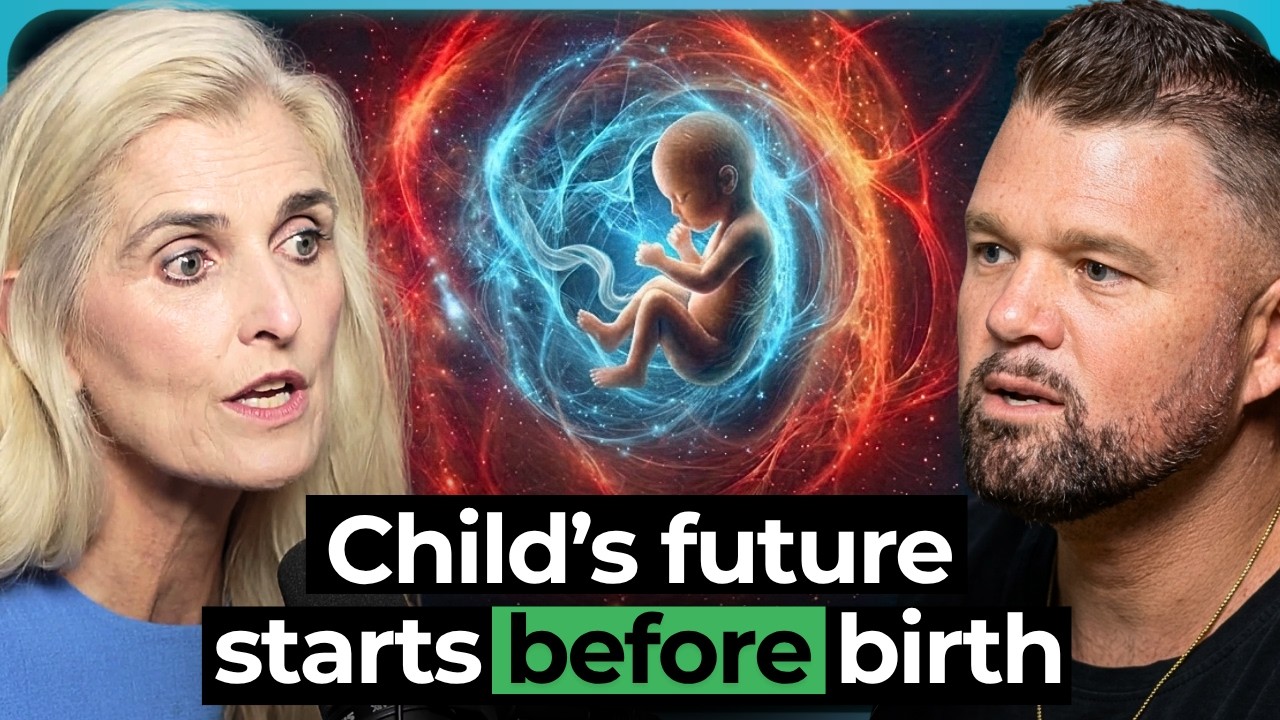
MD Reveals: Your Healing Creates Your Child's Reality (The Souls Coming In Need Strong Bodies)