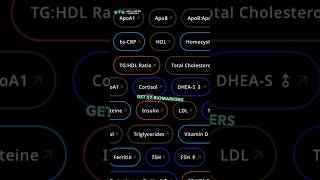
Short YouTube conversation (Josh Trent and a second speaker) advocating personal blood biomarker testing for health optimization. Speakers describe low-cost dried-blood-spot tests that provide many biomarkers (enabling 'N=1' tracking), and argue that frequent data collection creates useful baselines for debugging health changes and assessing interventions (e.g., diet effects on testosterone and sleep).
Questions this video answers
17 biomarkers
Chapters
Actually done the test where you just do the Lancet, you drip the blood on there and you send it in. You're an empowered citizen scientist. You're the true N equals one that actually is taking control of their health. And you can do it for like, a freaking fraction of the cost. Some of my labs that I've run are thousands of dollars. You can get 17 biomarkers from dripping your blood on a piece of paper. I mean, I know I'm being reductionistic, but it's fricking incredible.
Having more data makes it easier. So if you give a doctor lots of data, here's it, here's five years worth of blood tests. Why am I feeling bad? The chances that they're going to give you a good answer quickly are very high relative to you coming in. You've had one blood test a year. They haven't even tested you for most of the interesting things because you haven't had symptoms. Now you're not feeling that great. So that starts like a debugging process. If you have a baseline and you're. That you've been optimizing against and you see something change, that's much easier to deal with. And it's even something that people can take into their own hands. So they can say, okay, you know, I'm going to try the keto diet, right? Let's see what effect this actually has on me. Like, does this have an effect on my testosterone? Does it have an effect on my sleep?