The Diet Trap: Perfectionism Ruins Your Weight Loss! How to Use CGM to Get Results
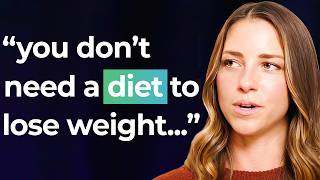
Podcast episode (YouTube) conversation between Josh Trent and Kara Collier about using continuous glucose monitors (CGMs) to restore bodily intuition, reduce perfectionism/orthorexia, and support sustainable behavior change. They discuss how CGMs provide unbiased feedback to reconnect people with hunger/satiety and glucose signals, practical strategies (timing, movement, strength training), the psychological/spiritual dimensions of food, and Nutrisense's human-centered coaching approach.
Chapters
Data helps people reconnect to their natural signals. So a lot of these signals are things that we can hear naturally, but we've lost a lot of that ability.
It's one super powerful mirror because the data doesn't lie. And I think that flies in the face of many people in our wellness world that say, why would you need a CGM anyways? You should just listen to your body. Well, what if the signals in your body are so blunted because of trauma? Hypervigilance, the emotional component that food is attached to. With food being a drug, most people.
Don'T realize when their glucose is dipping really low and they're having hypoglycemic symptoms. Or most people don't realize when their glucose is really high and they're jittery and nervous and it feels like anxiety. When we are given this prescriptive eat keto and follow this exact thing, it's really hard for a lot of people to actually stick to that long term. But when you see, this is my data and this is how my body responds, it's much more meaningful and it's a lot more sticky. And then eventually, ideally, you've enhanced your own intuition and you can know these things without the data always needing to be present. It's about developing a lifelong healthy relationship with food and how you think about food. So a lot of times we think of it as punishment or like, I have to be on this strict diet because I want to lose weight, but if instead we can reconnect to when I eat healthier, I have more energy and I can be more present and, and I can be a more loving partner and parent. Because when we build awareness, we naturally gravitate towards those things that are healthier.
Hey, it's Josh. Before we get into this episode, I have a small yet powerful favor to ask of you. The community has been growing by thousands lately. And the bigger the tribe, the bigger names of world class guests we can have on this podcast that I can bring to you from my heart, from my curiosity, so you can have more wellness and wisdom in your life. Would you please be so kind as to hit the subscribe button wherever you're watching or listening to this podcast. It'll allow us to rise naturally in the algorithms based on your 2 second act of generosity by you just tapping that little subscribe button wherever you're viewing or hearing this episode. Thank you so much. It means the world to me and our entire team here at Wellness and Wisdom. Now enjoy the podcast. All right, we're here. Hi, Kara. Welcome Back to the pod.
Hi, Josh. Excited to be here.
There has been so many freaking changes since we chatted last almost 400 episodes ago. For people that don't know you or what you're all about in this world, give us like the 10, 15 second understanding of why you are so fascinated with tracking blood, being in the health field, and just helping people actually look at their habits in a good way. What's that all about for you?
Yeah, so super TLDR version. I became a dietitian because I was always fascinated by how complex the human body is, but also how important feeling good is. So when we feel healthy, we can do anything, in my opinion. So I've always been obsessed with that. And then working in traditional healthcare settings, I realized that there are quite a few shortfalls. So we can, we could dig into that, but was realizing I couldn't make the change I wanted to do in the traditional way. And that eventually led me to tracking glucose, paying attention to medical metabolic health as sort of the route to helping people more effectively, and really getting to some root cause issues.
Yeah, you mentioned root. And the apple doesn't fall far from the tree, unfortunately. When we look at epigenetics and learn family behaviors, I think about my own life, Kara, and I don't know if you can relate to this personally, but I have a half Sicilian bloodline. And so food is very big in the Sicilian and Italian culture. I mean, it's like the way you bond. I remember when I was a young kid, my mom and my parents would say, hey, clean your plate. Like even if you're full, just keep eating. And this is a really, really cool jumping off point that fascinates me. It's this learned behavior that we get not just from our parents example, but also we show up epigenetically wired to turn on and off certain parts of our habits. It's just utterly fascinating. And yeah, we'll get into the science and there's so much to unpack here today. But just on a personal note, what was it like for you growing up? How was food in your household? Was it fair, a healthy mindset? Was it unhealthy? What was that like for you?
Yeah, it's really interesting. Cause I was just talking about this yesterday of cause I don't have any kids now, but I want to have a family. And so talking about what things you think you did really well in your family versus what you might do differently and reflecting on those experiences similarly, something that I don't think is the best thing to do is the clear your plate. I really didn't like meat as a kid. It grossed me out. So I would sit at the dinner table because my meat would still be there. And I'd be there till it was bedtime. Cause I was more stubborn than my mom. Then she'd be like, okay, fine, you could go to bed because you still haven't eaten. So it was clear your plate mentality. I grew up in the Midwest, blue collar. I don't think that's the best approach. We want to honor, like, our natural hunger and satiety signals that children have. Because we're born with that, we lose it through our experiences and our environment along the way. Some things that I do think were positive, though, is that generally what was in the household was relatively healthy. And there weren't a lot of labels on foods being good or bad. Because that's the other extreme I think you can take incorrectly is that we all know that kid from school that they had no unhealthy foods at their house. So they'd go over to their friend's house and just binge on all of the junk food that was around.
So, like, that is Twizzlers and Little Debbie snack cakes and just all the stuff their parents weren't giving them.
Yeah. And so tying rewards and labels like good or bad to a food teaches a kid certain, like, mental models around eating. So when we teach a kid, you know, you need to eat your broccoli before you go watch your favorite television show. Now, it's like, broccoli is a punishment rather than, like, broccoli is so enjoyable. These are all the things it's doing for your body and teaching, like, the benefits and the science and modeling that. Or if it's. If you don't scream at all at the grocery store, I'll let you have cookies when we get home. If we fry, then. Now, sugar and candies are reward. So it's like, oh, I associate this as a reward. So really not tying food to punishment or reward can also help kind of break some of that programming that we learn really early on. And that's kind of important for child development as well.
I would say super, super heavy lift for parents to be able to not use food as this dangling carrot. Because I have two children and my son is three, and every single day, he's like, cottage cheese, cottage cheese. He just loves cottage cheese. Like, this boy can't get enough. He can eat an entire tub, which is like his weight in grams of protein. Like, the dude just loves cottage cheese. So I'VE caught myself at times saying things like, okay, if you do this, then we'll give you cottage cheese. And so I know that's not the most healthy approach. How else might a parent like myself, or any parent listening or any human who's parenting themselves, how what? How might we incentivize food in a more healthy way for children?
Yeah. And again, I'll caveat with I am not a parent yet. So I'm sure it's so much easier said than done where, like, I'm in this situation, it might be like I'm doing all the things that I say you shouldn't do. I have a niece and nephew that live really close to me, and I spent a lot of time with them. And, you know, I know it's easier said than done, but a lot of it is not thinking, like removing that as the potential reward or consequence. So instead thinking about food as how it's benefiting us and educating around that. And I think it's also involving kids in the cooking process and as much as possible, the food growing process. Where does our food come from? Instilling curiosity about what this food does to us. So this is giving us. This is full of protein, which helps you build new muscles. You know, you're growing an inch every few months, and that protein is what's fueling that. So kind of educating around these benefits to make food more enjoyable and fun and educational rather than, this tastes good, so I want it, and so you get it as a reward for something. So kind of disconnecting those two things.
Do you see in your future that you would like to become a mom one day, or are you unsure?
I really do want to. Yes, of course there's some of those things that. Well, it's not as out of your control as a female as it is as a male.
Sure, sure. Yeah. Interesting, because I would guess that your advice and your experience would change once you have children because it's really, really challenging as parents to not incentivize food. And I can see this being something that a lot of parents deal with. I wonder, in my own life too, I never was incentivized by food or I was never really taught anything about food. Actually, I came from East County, San Diego, which, for those of you that don't know, back in the 80s and 90s was like geriatrics. And a lot of people that are pretty frayed on the edges. So consciousness and diet and nutrition was not forefront on the tongues of my parents. And God loved them. They just truly didn't know, but, you know, if there was a magical way that you could wave a wand and just teach parents. Because if we don't teach parents, they won't teach the kids. Right. If we could teach parents some verbiage and some mindset around what healthy eating actually is, what would that be like? If you could create a magic course that wasn't even in a school, by the way, because school's being completely ripped apart right now with the democratization of online education. And look what's happening with the Ivy League schools and all the controversy and just there's some really crazy stuff happening in education, which I think is a good thing. But if you could wave a magic wand and teach parents how to teach their children of what healthy eating actually is, what would that be?
Yeah. And I think that is getting parents to get back to in tune with their own signals as well. So we have to teach parents how to almost recreate what it was like for them to be a small child when we have those natural signals of what feels good. So we've lost a lot of our intuition on, I eat this, I feel an energy crash. I eat this, I feel better, I eat this, my head hurts. We've lost a lot of that connection, which we could tie together of eventually connecting that with data helps people reconnect to their natural signals. But I think that's a big part of what would have to be. Step one is building awareness in the parents themselves so that they can firsthand re experience what they did experience at one point in time. But it's probably been so long that it's hard to remember of how you can actually feel the difference of what is healthy eating versus not healthy eating. And it's about the outcome. Right. So a lot of times we think of it as punishment or like, I have to be on this strict diet because I want to lose weight, or I need to go run on the elliptical because I need to burn 500 calories. It's this, like, restriction to achieve this outcome. But if instead we can reconnect to when I eat healthier, I have more energy and I can be more present and I can be a more loving partner and parent. So reconnecting to how that can fuel better outcomes in your life and then having that enhanced awareness of what foods do that for you. Because when we really do that and we build awareness, we naturally gravitate towards those. Those things that are healthier. And it doesn't actually have to be so complicated as I think we've created it, where a lot of times those healthier things are the more whole food, low processed items, you know, high in protein, nutrients, they're fresh, local, as much as possible. And you're eating slowly and mindfully so that you're actually listening to your body when you get full, and then you sleep, stop eating when you're full. So a lot of these signals are things that we can hear naturally, but we've lost a lot of that ability. And then that's, that's what parents need to probably reconnect to. If we could just waive that and like reset them to like back what their baseline was, I think then that would probably push some of the biggest benefits across the board.
So what I heard from you in one way was getting really clear on what intuition and what somatic signals from the nervous system, the digestive system, the satiety system, the leptin and ghrelin that we all experience as human beings. Leptin being what is secreted when we are getting full, ghrelin being the hunger hormone. We talked about this on our last podcast. It's 397, so joshtrend.com 397 for a deeper dive into that. I, of course want to go into science with you because that's a big part of your role with Nutrisense. But on a personal level, I can reflect back to my life and remember so many times where I unknowingly would use food as a drug. And I think food, sex, money, social media, all of these things. All of these things, if we're not mindful, they can be drugs, they can literally be drugs. And so the only way out of this is through it. It's not to lean on the CGM as the only tool that is going to fix your intuition and it's going to allow you to listen to your body. But it's one mirror. It's one super powerful mirror. Because the data doesn't lie. And this is why I love this good part of the wellness tech sort. Data doesn't lie if the technology is accurate. And I think that flies in the face of many people in our nutrition world or our wellness world that say, well, why would you need a CGM anyways? You should just listen to your body. Listen to your body. Well, what if the signals in your body are so blunted because of trauma, because of hypervigilance, because of the emotional component that food is attached to? With food being a drug, how do you start that conversation with your staff, with your company, with, you know, these hundreds of thousands of people now it's maybe even a million. How many people has Nutrisense reached at this point?
Yeah, hundreds of thousands. Not quite a million, but soon enough. Soon enough.
You're getting there.
Yeah, getting there, yeah. And this reminds me of a conversation I had with a reporter a few years ago that really stuck with me, that she was like, I don't understand, like you're saying why anyone needs this tech to tell them, like, if they feel good or not or if they feel petty. And I was like, oh, that's like the connection in my head that was like, oh, you haven't worked with people one on one. Like, you don't know that. Like, most people can't do that anymore on their own. And that's just the reality. And when we've worked with now thousands and thousands of people, you see the same trends over and over. Everybody is a unique individual, but there are patterns that you see across the board. And one of the big ones is that complete loss of intuition. Like you're saying, so most people don't realize when their glucose is dipping really low and they're having hypoglycemic symptoms, or most people don't realize when their glucose is really high and they're jittery and nervous and it feels like anxiety, or most people don't realize, you know, when they're not sleeping that it's having this effect the next day or chronic stress, etc. Etc. So we have lost a lot of that awareness. And we're also in such a, you know, move fast society that it can be hard to pause and actually build, build that awareness and take the time to reflect. So often what data can do is put a mirror in front of your face and just show you some facts in a way that doesn't feel judgmental. And that's the other thing is we have tied so much judgment and emotions to the number on the screen scale your weight. That's a objective number. That's objective data that you can spit back at you, but it doesn't, it's not objective anymore, right? It's. It comes with a lot of emotion. So this is a new metric that can really reflect your health back at you. And a lot of these body signals that we don't have this like, emotional tie to typically. So instead it can be kind of this unbiased way to build awareness. And our brains are also hardwired for that immediate gratification feedback loop. Right. So the sooner you can get some feedback on the action that you did right, then the better your brain can make that connection of putting two things together. Right. And so with nutrition and health, there's often a very delayed gap. You could eat something every night for dinner and it's bringing your glucose up, it's making your sleep poor, and then you feel cruddy the next day and you don't know what the thing was or what's driving that. Or maybe you start working out for the first time and you feel sore, you're not seeing any body composition changes, you're tired, you're like, this is really hard. I'm not really sure if I'm getting anything out of this. You're not seeing that immediate reward that you're actually doing something good for your body. So when we have this delayed time gap from action and outcome, it's hard to put things together as well. So that instant data is another component that's important for our brains to be able to make those connections. And then eventually, you know, ideally you've enhanced your own intuition and you can know these things without the data always needing to be present. For some people it's good just like for accountability, maybe you now know like what the signals are and some people like that always to hold them accountable. But not everybody needs to train their system 247 for the rest of their lives, so to speak.
Sure. It reminds me of my son doesn't ride his bike yet, but when he does, I'm getting him a bike without pedals so he can touch the ground and then eventually he'll go and have training wheels. And I think that there's a really interesting mindset that is so deleterious to people's health where they say, and I see this a lot in the holistic circles, unless it's natural and unless it's 100% aligned with just you being you, there's no place for technology in training yourself how to be in touch with your digestion, in touch with yourself. And I just call BS on that because we don't live in that world, we don't live in our ancestors world anymore. Right. If it was 100 years ago, Kara, and we, you and I were growing up on a farm and we had raw dairy that we could milk in the morning and we were getting our microbiome all seasoned by farm animals and we were eating natural foods and being in the the sun all day, maybe we wouldn't have to use cgm, but, but we're in an environment now that is so technologically focused, we've got to look at the silver lining of what technology is Bringing us. And I think that is more mindfulness. Because if we don't have mindfulness, and mindfulness being not a mind that's full, but a mind that has capacity to know thyself better. Oh my gosh, the ramifications of that are so incredible. So just. I'll get to the question, I promise. But when you go to, when you go to learning how to ride a bike, you have training wheels. Sometimes we forget, like you said, who we are. You talked about training the parents so they can train their kids. I think so many people in specifically North America, because we're, we're very entitled when it comes to food. We're used to huge portions, meal delivery on Demand, Costco and 50 breasts of chicken in a bag. Like, it's just wild. It's so wild compared to the world that I'm speaking of a hundred years ago. Do you believe that in the same way a child learns how to ride a bike, they need training wheels? That there are specific times when an adult needs to use a CGM as a training wheel to bring themselves back to not just homeostasis, but to their heart, to their body, to themselves, so they can stop using food as a drug. What do you make of that?
Yeah, and that's, you know, my whole thesis here. And so I 100% agree. And I don't think every single human needs to do that in order to succeed, but I think the vast majority do do because like you said, we have a mismatch now between our physiology, our biology and our current environment. So we are living in human bodies that have evolved for a environment that is in the past. And then our current environment has evolved so much quicker. So so much has changed in a short amount of time and a lot more is going to change even more rapidly in our future. And so I think we have to remove the stigma around technology because right. At a disadvantage, like our bodies biologically are primed to crave things that are calorically dense, that are sweet, that are fatty, to make sure that we have enough energy. We're still fused for that type of reaction. And we're also biologically driven to not expend energy if we don't need to. And now the problem is we live in an environment that both of those things are working against us. Right? So we have, like you said, unlimited access to all the types of foods that we could ever dream of or imagine 100 years ago. I think people would be shocked that these foods are even possible of tasting like this and could be created so not only can we get food at any time of day or night, you know, you can literally eat around the clock, but the food that has been created is biologically working against you because it was hyper palatable. Right? Even the foods that seem more natural, like we know that a Dorito is a hyper palatable food. It sure takes corn, which isn't like the corn that's grown in the fields, like you know, flowing in the wind that we think of, but it's corn that has been chemically broken down so that it is just individual little molecules and then turns into a paste and then removed all the nutrients and then formed into this little chip that then has oil and salt on it. And now it is, you know, and then we have flavorings and MSGs and all of the other things on top of it. It is a food like substance. But some of the other items have also evolved. So the chicken breast, they are huge, right? Like, our chicken breasts are so much bigger than they used to be. They're also really adjusted from what is maybe the natural version of what a chicken just living out in the wild looks like. Same with our apples. They're 100 times sweeter than they used to be. So not saying these things to make it feel like we can't eat anything, but just that it's a true fact that our current food system is working against what our current biological body function as. And then similarly with the movement and energy expenditure, our bodies want us to be lazy. They are designed so that we don't want to expend energy. Right? It's like, save your energy unless you need it. But now we literally don't need to move. We can sit on our couch, work from our couch, literally with our laptops on our laps. We can order our groceries. Groceries. We can adjust the AC from our phone. We can call our friends from the phone. So if we wanted to sit all day, probably for those who don't have kids, but sit all day on the couch, then you could, right? You don't have to move if you don't want to. So we have a lot working against us. And I think that's where we need to have some empathy for how hard it is actually to do these healthy behaviors. I think there becomes a lot of judgment you're not disciplined enough or how come you can't stick with the goals that you know are right for you, or why did you binge on those Doritos there? Don't you know those are bad for you foods? Like, that's not helpful because it is genuinely hard to stick with these things, which is why I think we need to support ourselves with the more tools in the toolbox to make it easier. Easier to achieve these things, the better. And that's where I think technology can really help you just be more successful. So it's not about using it as a crutch, it's helping you. You know, it's a tool tool on the toolbox.
Yeah. There's a picture of it on the screen right now. It's really fascinating. It's this little micro wire sensor that goes in your body. You stick it on, it's waterproof and it literally data wise tracks your blood sugar. I mean, it feels like the Jetsons, like science fiction, doesn't it? Are you ever just like, oh my gosh, I can't even believe this technology exists. It's so fascinating. I was introduced to your world by Rob Wolf and he did Wired to Eat, which was a phenomenal book. Everyone needs to read this book. And he opened up my mind to cgm. And then that's when I found Nutrisense. And I have to tell you, I didn't really believe it at first glance. Like, is this real? Can it actually help me? I was completely floored. The a potato versus rice. A potato for me spiked me like 25 milligrams per deciliter more. Sometimes even 50 if I just. If I ate that with another sugar source or carb source compared to rice. So. And we've all heard about like, you know, the, the Chris Kresser method where you boil the potatoes and you let them cool and it's supposed to lower the glycemic index. It didn't work for me, y'. All, like, the only way I could have known this, truly, hands down, the only way I could have known that rice was actually a better choice for me than a potato was by seeing the data. Otherwise I was just going anecdotally off of how I feel. Right. And I think this is a really, really beautiful way that we can be more mindful. Because people may be, quote, eating healthy, Kara. Following their neighbor's plan, following their daughter's plan, following a PDF that they got online doing Carnivore, whatever. And like you said, it's not that we want to harp on people. It's about giving people better resources so they can make better choices, so they can be more in tune with themselves. I would have never known that a potato would spike me way more than rice. I just assumed that they were fairly equal. Have you found something like that for yourself, like, what shocked you in your own experiments? I know you don't eat Doritos, but, like, was it a smoothie? Was it rice? Like, what. What was one food that your CGM showed you was probably not the best choice for you?
Yeah. And I actually have an example that is always top of mind of the opposite of a food I thought was maybe worse for me and ended up being perfectly fine, which was bananas. Like, everyone's like, bananas are the highest glycemic index fruit. I mean, which is true. That's a fact. But that's at a fiber level. Yeah. And they have fiber. And to your point is everyone is a unique individual. And what we have seen is that people have different responses to foods. So you might respond, you know, better or worse to potatoes than rice, where somebody else might have the complete opposite response. You know, we're this unique individual because of our genetics, epigenetics, microbiome, all of these factors. But for me, for whatever reason, I have barely any glucose increase at all to bananas, and it's higher for other fruit like strawberries or apples. So understanding that, where it's like, I really like bananas, but I really felt like I had to limit them to, you know, just certain times or just certain portion sizes. But now I realize that's not true. Like, you know, I can have them and it's not a big deal, and I enjoy them. And so that also enhances my pleasure with food, which is an important part. You still want to enjoy the food that you're eating, whereas other things, like you said, for me, sweet potatoes bring my glucose really high, but I don't really like them. I always ate them because they're, like, the healthier potato choice. But white potatoes, I actually respond better to. And I'm like, great. Because I don't really care about sweet potatoes that much either. So learning those things can help you make more mindful decisions. And it might be that you have a higher glucose response, and it's your favorite food in the whole world. So we would never, ever recommend that you stop eating it for the rest of your life. So instead, it's now having more mindfulness around. Okay, this is a food that brings my glucose up more. So maybe it's more of a special occasion food rather than a daily food. Um, and I'm mindfully making that choice that I'm okay with the fact that it raises my glucose higher, but I'm not gonna eat rice, which also raises my glucose high, and I don't even really like rice. So it's being able to make those personal trade offs and decisions and kind of educated choices that are unique to you and your preferences and how you're responding and that actually empowers people. Like that's the word that we're always trying to go for. We're not trying to tell you what to do, we're not trying to create a restrictive diet for you. We're trying to empower you with information so that you can make better decisions which leads to hopefully better outcomes in the long term and a more sustainable plan. Right. When we are given this prescriptive eat keto and only do this thing and follow this exact thing, it's really hard for a lot of people to actually stick to that long term. But when you see this is my data and this is how my body responds, it's much more meaningful and it's a lot more sticky. So when people see that it's, it's a lot easier to be like, nah, I don't really like, I'm gonna skip the rice because I know what it does to my glucose. And not because your doctor told you don't eat rice that's too glycemic. Like you have two totally different outcomes in those situations.
See this is what's really fascinating to me too is, is nutrient timing and glucose signaling dependent on physical load? And I remember when I was a personal trainer, I really didn't know anything about nutrition. I was just kind of faking it. And when I got to like my, I trained people for 10 years and when I got to like the seventh or eighth year, I found Paul checks book, how to Eat, Move and be Healthy. And he talked about food rotation, diet and nutrient timing and actually giving yourself the spike that you need before physical activity or after physical activity. And I was all about that because that flipped the script for me. I thought, wow, okay, so you actually can eat the majority of whatever carbs you want within moderation, as long as you time them for activity. And I think that's really important because maybe this is something that people don't know that's super, super valuable for them. Nutrient timing and cgm. You will see that even if you go for a short walk. There's a research report that we'll link in our show notes today. And I believe it was from a college over 10 years or something. Don't quote me on that, but I know that the outcome of the study was that just going for a brisk walk after you eat lowered your glycemic index by 30% or more. Just a brief walk after you eat carbs. How have you played around with that? And can you unpack that from both scientific and also personal habits? The timing of nutrients combined with activity?
Yeah, absolutely. And there's two big timing factors. One is with activity and the other is just the time of day that you're eating and kind of our natural circadian rhythm there. So we can also chat about that. But exercise is one of those huge tool tools in our toolbox, right? So it's one of those things that you can lean on to help improve your glucose levels and metabolic health overall. So as you're mentioning, and this also to take a step back, the bigger picture takeaway here is that there's a lot of flexibility in our approaches. So what people often think black and white, especially when you don't have the data, is that, okay, I can never eat rice, had a glucose spike to that, or I have to stay under 50 grams of carbohydrates. Because that's what I read somewhere about what, you know, brings good metabolic health when actually there's a lot of flexibility. So maybe it's I can only eat rice on the days that I exercise, and if I missed my workout for whatever reason, I don't eat rice that day. So it's learning those tools so that you can be flexible and adaptable to the real life situations that are inevitably going to happen. What happens when you are out of your routine, when you're traveling, when you're sick, you know, when you're in a totally different scenario? We need to have the ability to adapt appropriately and still stay on track. So exercise is one of those tools. When we work out, either it could be cardio, so like a steady state working out, you know, you're going on a jog, you're doing some light exercise, or it could be something more intense, hit heavy weight lifting, sprints, whatever it is, that is using a lot of glucose in the moment. So you're using up some of those glucose stores that you have in your body, which is essentially making more room for new glucose to come in. So we store glucose molecules in our skeletal muscle and it's stored as glycogen. So think of it as kind of like the storage space for your glucose. And once that is filled up, then we store things as fat. And so we want to kind of utilize that glycogen storage space as much as possible. When we work out, we're clearing some of that because we're using it to fuel the workout itself, which makes more room for new glucose to then go and be stored there. So that's a big component of why exercise is so beneficial. And then the other component is that it makes us more insulin sensitive. So when we are working out regularly, those muscle cells are more sensitive to insulin. Which means when our glucose goes up and our body responds by releasing some insulin, it's able to listen to that signal well. So it has good communication patterns essentially, is how I describe it, and is able to bring that glucose down quickly and appropriately. So we're able to basically maintain homeostasis really efficiently. So it's like a well oiled machine when we have that good insulin sensitivity. And the act of working out and using our muscles regularly, even if it's kind of that more mild workout or more intense, helps to build that insulin sensitivity.
There's one more thing that I'm fascinated too, and that is the dumping of liver glycogen. Right. So I'm curious, the timing on that. I've heard 10 minutes, 15 minutes, 30 minutes, depending on the volume. You know, what's your, what's your heart rate, what kind of load are you doing? But the liver can be emptied as well. So would a good workout, a solid workout, some for someone to start just be focusing on some cardiovascular training and then doing the carbs pre or post workout or depending on where you are. Are you looking to actually completely empty the liver and the skeletal muscle as well?
Yeah. So it's, it's complex and like the glucose homeostasis and all the pathways, the liver can like infinitely make more and more glucose through gluconeogenesis. So in really intense exercise. So we see this a lot with like crossfitters or people who are performing at a high level, they're seeing a big glucose spike while they're exercising at that intense level, because their liver is dumping out glucose to directly fuel that workout. So it's getting used up immediately. And it might not even be the glycogen storage form, it might be new glucose that the liver is producing to give it energy. And so it's important for people to know if they do see that glucose spike during intense exercise, that it's a good thing you're fueling the activity that your body needs the energy for. So it's a lot different than having a glucose spike while you're sitting on your couch and eating some food. And that energy doesn't need to be immediately used. So that's, that's one component of it. But if somebody is just getting started with exercise and they know that this Is, you know, a healthy habit that they want to do. It's cheesy, but I always say start with the thing that you're most likely to stick to, so the thing that you like so that you'll do it consistently. Because what we've seen is consistency is where you're going to see the biggest outcome. So if that's just gentle walking, that helps, too. But if you're dedicated, you're focused, and you want to know where is the best place to start for metabolic health, I would actually recommend some strength training. So building up that lean body mass, because what we see often is that early, early stages of insulin resistance, so basically the opposite of insulin sensitivity, when your body is not understanding those signals from insulin as well and not doing the reactions it's supposed to when insulin is released. So early signs of insulin resistance often starts in the muscles. So particularly this becomes impaired glucose tolerance. So after meals, our glucose stays high or goes really high, and that's an early indicator of insulin resistance. And a lot of times it's because we've started to store some lipids in that skeletal muscle that decreases our insulin sensitivity, which is causing that kind of miscommunication with insulin. So when we can put make our skeletal muscle in better shape and build up that lean body mass, get lots of skeletal muscle and start to do some strength training, we usually see the. The quickest improvements in some of that glucose control and insulin sensitivity. So if you're not somebody who typically strength trains very often, that's a really good place to start. But all exercise is good exercise.
All right, y', all, you heard it here. Don't fall into the trap that you have to do. You hate all the time to succeed, like, you know, shout out to David Goggins and certain people like that, because there is a time and a place where it is good to push yourself, especially like the younger generation. And even in my generation, there seems to be a lot of softness physically, like the celebration of dad bod. And that's a whole nother podcast with the insane psyop that's coming where men can't be men anymore and women have to be more masculine. It's utterly insane. I just don't even understand it, so I won't even go there. The only reason I mention that is because I think we all, men and women, we all deserve to have strong, healthy bones, to have strong, healthy muscles. But what you're bringing to the table is even better, because what you're sharing with us is that there's actually when you're not moving fat, that gets stored in the muscle belly. And I remember back in my early training, like NASM OPT Model 2002 is when I learned it 20, over 20 years ago. It was about these actin and myosin hooks that are in the sarcomere and they tear and that's what produces lactic acid. But that's also what happens when your glucose and your glycogen is needed to restore the function, to repair the function of your muscles. I personally don't like to work out with food in my body. It just doesn't work. I know some people can like slam oatmeal and then go to the gym. I'm like that, that doesn't work for me. So I like to fast in the morning and do some resistance training or even go for a walk and then reward myself. When I've naturally through these muscles, working through the actin and myosin and the sarcomere, creating that lactic acid, replenish myself with like a smoothie or some fruit or. I just get this question that comes up all the time. Is fruit bad? And it's actually not bad or good. It's wonderful. I think fruit is nature saying, eat me, eat me. What do you make of that?
Yeah, 100%. I do not think fruit is bad, but I think everything is situational. And it's very rare that I'm going to put black and white rules on things. I mean, sometimes things are explicitly like good or bad. But with fruits, fruit could be bad if you're juicing it five times a day and eating excessive amount of fruit. So. Yes, but fruit in and of itself is not bad. It is, like you said, nature's candy. There's a reason that it's so colorful because it's often really dense in nutrients and it's a great way to get some of that natural carbohydrate source that's tied with fiber and nutrients. And I. And it's also very easy for most people to digest. So that's another important factor to consider. But I don't think fruit is bad at all. But it could be an inappropriate use of fruit, so to speak. So if you wake up, that was.
Very, that was a very clinical way to say it, an inappropriate use of fruit. Right. There's good time, there's a good time for it, and there's a time that it's. It's less advantageous.
Exactly. Yeah. If you wake up first thing in the morning and eat a, you know, honey crisp apple, I'M pretty sure your glucose is gonna spike because it's a really sweet form of fruit and you're eating it on an empty stomach before any movement. So it might not be. And you're eating it by itself. So that might not be the best use of fruit. But if you just worked out and then you're eating, you know, eggs and avocado and then you're having berries and maybe even a banana, you know, let's say you have a couple pieces of fruit, but you just did a hard workout and you're pairing it with protein and fat, you're most likely going to be perfectly fine. But there's also the person that's metabolically metabolic, I wouldn't say metabolically broken, even though that's a phrase that gets thrown around, but you have more metabolic damage that has occurred. So let's say somebody with type 2 diabetes, they might not be able to handle fruit as well right now while they are struggling with insulin resistance. Because any form of glucose is kind of like adding kindling to the fire. Right. First we need to heal that insulin resistance in order to eventually bring it back in. So it's all contextual and that's why a lot of the, like, flashy headlines type of things, they need more explanation.
Yeah, it's Instagram. Science is what we're talking about here, where, where coaches that are starting out and, you know, I'm not trying to hate on them, that's not my intention. But let's just say a 20 year old personal trainer who's like, fruit is the devil and all you need is ground beef in the morning and do CrossFit and make sure your AMRAP is below 10 minutes. I understand the heart intention behind that, I do. And I think everyone's doing the best they can with the level of consciousness they have. But I think what really I'm learning from you and even learning in my own life is this is a deeply, deeply spiritual journey. Yes. It's intellectual because we're dealing with data, we're looking at glucose, we're understanding how the pancreas gives us insulin or not. Which foods do. These are all really important things to know. Right? They don't get to be discounted. And paradoxically, yes. And on top of that, food is such a deeply spiritual journey because it is the most, one of the most overused drugs on the face of the earth. It really is. I believe that food from my own experience. I used to be 280 pounds, so I played football in high school. I was athletic But I just kept eating like I was when I graduated. And that set me up for, you know, a big five year chunk of time where I really struggled, Kara. I mean I really struggled. Like I went from 280 down to 190 in like three months from starving myself. Food became this hatred in my life, or actually hated food. I would think about eating and I would get annoyed, but it's because I didn't have the spiritual maturity, I didn't have the emotional maturity to understand that food is a spiritual path. I mean, look at fasting, look at what people do in India, look at what's happening right now with just the movements of vision quest where you go out and get in greater connection with your heart, with your soul and you don't eat food for four days, which I've done. So in that vein, how has the spirituality of food unfolded for you in your life?
Yeah, it's a huge, hugely important topic where it's like food is emotional, like you're saying. And the complex part about food is we all have to eat, right? So it's not something that we can just escape or it's not something that we can create some sort of restrictive short term thing to achieve an outcome and hope for the best. It's about developing a lifelong healthy relationship with food and how you think about food. Because if we're not trying to develop that like long term healthy view towards it, then we're inevitably not going to be successful because you have to eat for the rest of your life. Like we're stuck with food. And so it's about figuring out how to live in harmony with food. And that's where a lot of this coming back to childhood is. We learn these dysregulated behaviors around food or these emotional connections around food that then drive a lot of these behaviors that become really difficult to break. And that's why kind of having the human along with the data we believe is really important because it's so complex and there's a lot of this spiritual side to it like you're mentioning. And it's not just like black and white. If I gave you a report of the best things to eat that like now you're good to go. So I also.
It ain't that simple.
It ain't that simple, unfortunately. So just like everything, you know, your, your relationship with anything, you know, your mental health or different triggers that you have, it's a lifelong journey, right, where we always have to kind of be aware of it and have other people help that we love and trust, hold us accountable to things and have the support of other people who are helping us be successful. Because it is hard to do it on your own. When we live in this environment, to bring it all kind of full circle, it makes it more challenging. But my story, I had a similar effect where actually the CGM for me really helped me break some of these mental barriers where I've never been overweight. And so a lot of people are like, oh, you don't know what it's like. But that doesn't mean I always had a healthy relationship with food. So when I got into nutrition, a lot of dietitians actually have a similar story. I developed what is called orthorexia, which is like an obsession with being healthy. And so if something wasn't healthy, like completely healthy, I didn't want to touch it. And so inevitably I'm losing weight, but not because in the traditional sense of anorexia, that I want to be a lower weight, but because of such a fear of things being unhealthy in my body that then it's like, no, I can't eat that, no, I can't touch that, no, it's too late in the day to eat or all these rules around food. And I became obsessive where I'm thinking about food all the time and it, it becomes exhausting, as I'm sure you can relate to. And then you start to hate everything about it. And then that led to like, you know, eventually, a few years later, kind of a tendency to restrict, restrict and then have like a binging type of moment where it's like, oh, maybe I had a drink or two with friends. Now I don't have his ability to be as disciplined as I am naturally. And so I ate the entire tray of brownies and now I'm crying and yelling at myself. So like this was a really real cycle I went through that. I know I'm not the only person, which is why I'm willing to share it because I know it's a story that many people can relate to and can experience or have experienced. So obviously it takes a lot of work to kind of get through that. I have been able to like work through that. And the CGM was one of the tools. And this was before, before Nutrisense was even existing. This was when I was just doing my own kind of self improvement journey, self exploration journey. And it, like I said, that that weight on the scale became obsessive and now it was a new number that didn't have that emotional Tie where it's like, actually, I think I've eaten enough. I'm not gonna. I'm gonna have one brownie. I'm not gonna have eight, because I'm gonna take a pause. And it just helped disconnect that for. For me, at least in that moment of I'm binging because I never get these foods. And now it feels so good. And it's that reward, dopamine. It allowed me to pause and reflect a little bit, to be like, I can see, actually, that this is all I need. And I can. I can pause and feel the fullness and, like, step away. So it just, like, helped me to detach from some of the emotional triggers. But that journey for people, relationship with food is complex. And I think more. I would go ahead and say majority of people have struggled with some sort of relationship with food. I think it's, you know, more common than not. And I don't think a lot of people talk about it as openly as we probably should.
I'm having a memory come through from Wired to Eat, one of my favorite books. So shout out to Rob Wolf. And there was a story he was getting paid a large amount of money when he. I think he first opened up his CrossFit gym. And he had a CEO, pretty high profile client. And the guy kept eating ice cream at night. He could not break his addiction to ice cream. And they went back and forth for a while. And then finally Rob looked at him, he said, so what is this all about for you? What are you getting? What kind of reward are you getting from eating this ice cream every night at night? And the guy took a breath and he reflected, and he said, well, my mom and dad were always working, and the babysitter would give me ice cream as a reward because I think all human needs are universal, right? We want to be loved. We want to be accepted, want to be part of a tribe. We want to feel safe. And so that ice cream became something that he felt safe from. And so here it is. Decades later, he's still repeating that same safety behavior, but it's actually pseudo safety. It's not real safety. And this is what I learned. And you've already touched on this, Kara. It's not. When you use food as a drug, it may be perceived in the moment as safe, or it may be perceived in the moment as something really calming to the nervous system, because it is. But it's not sticky, like you mentioned. It's not sustainable. You're going to get not just glucose spikes. You're going to get wavering confidence in yourself. Because the only way we can be confident is by keeping the promises to ourselves on a regular basis. It's this integrity piece tied to the spirituality piece. What do you make of that? How has that story unfolded for you now? Can you look back on the earlier version of yourself with compassion for what she went through?
Oh, yeah, absolutely. And then in that moment, there is so much lack of compassion, you know, afterwards. And this is very common, where it's like, I can't believe you did that. Like, now you have to start over because you. You went on this bench and now you need five days of, you know, being really good to make up for that. And there's all this shame and negative self talk. But you can look back on that and see why you were doing it right with like, the lens of compassion for a friend of you were doing this because you needed to control something. Like, this was your lack of control that you had as a child that now you need to control what you eat, because it's this one thing you can control. And then there's these triggers. So it's. It's having compassion for yourself. But I think, as you mentioned it, a lot of it starts with being able to pause and have some awareness. So similarly, as your story at the CrossFit gym, he had to have that connection of, wait a minute, why am I doing this? Building this awareness. So sometimes somebody talking you through that or taking the time to identify the behaviors that aren't serving you and trying to reflect on, why might I be doing this? What are the triggers that are causing this? Or what is the story that has led me to this moment. Having compassion for that, as you mentioned. But it's really hard to turn the next leaf if we don't have the awareness in the first place. So that's where it all starts. And again, data can build awareness, but it's not the only tool to help you have that awareness ability.
It's pretty powerful, though, because we're on our phones. I don't know, a hundred, I think it was like 100 or 150 times a day that the research shows people check their phones. So it's there like the phone's in our hands anyways. So we may as well check it when we're checking our other stuff. And by it, I mean ourselves, because I'm with you. Like, if we can increase our awareness, then there can be the agency of choice. If we're just running around with a chicken with our head cut off and we're at the mercy of modernity. Then the Doritos at the checkout line look pretty good because you haven't eaten all day and you're not aware of where your glucose is. And I find this utterly fascinating because there's. It seems like there's camps in the nutrition world. Have you felt this? Like there's the keto camp and the carnivore camp and the vegan camp.
It's very, like, political, almost dogmatic. Yeah.
I think it's because it touches upon this part of the psyche that essentially is. I identify with this tribe. And so if there's a new set of rules or a new way to be and it goes against my tribe, then, you know, I'm just going to go ahead and with my cognitive dissonance, kick that out. But, but what's really cool and what I'm really curious about from, from you and from Nutrisense and really what, what the essence of monitoring your blood sugar really means is that when you can take a breath, when you can take a pause and you can actually look at what's truthfully going on in your life because the data doesn't lie, then you can make a better decision. You're essentially blessed and empowered with the agency of choice. And this is like the really deeply spiritual fulcrum that connects all of this together. Because health and wellness, it's an inside job. It's a state of mind. But we must train our mind through increased awareness, increased consciousness that'll actually give us the sustainable behavior change. So we can use technology as a tool and not a crutch.
Absolutely. And that's the key word over and over is empower people. Right? Empower people with the knowledge and information to make the decisions that they deem best or make the decisions that they want to make. Because we can never make everyone do something. Like, you can't make anyone do anything. You really can't. It comes with, you know, your internal agency. You have to make the decisions. But I want to empower people with the most information so that they can make the best decisions for themselves. Because even though we don't have a problem of not enough information, like, we live in an age where there's a lot of information. We have a problem of lack of good information. So it is. And that's, again, compassion for people. There's so much judgment that happens when people are overweight or have certain health conditions of blaming the individual. But it is legitimately challenging. And there's a lot of poor information out there, and there's A lot of misleading marketing that's trying to trick you, and all of these factors that lead to making good decisions difficult. And so when you have, you know, more data that is relevant and helping you kind of make those good decisions for yourself, that's where I think the most important changes can happen in society. So it's allow. It's about being an active driver in the driver's seat and not just kind of passively letting life happen to you. Right? If we just passively let it happen to us, then this environment that we live in that's a mismatch for our bodies are going to dictate the direction that we go. And that direction, I can tell you, is obesity with diabetes and cardiovascular disease and dementia. Like, that's what the current environment is going to push you towards if you become passive rather than an active driver. But when you're empowered with the right information and you make the choices to actually consistently move forward with that information, then you can be an active driver, even if the environment is working against you. Like, everybody can do it. But like you said, it has to be that individual choice. At the end of the day, yeah.
Y' all need to dork out on nutrition. It has to become an identity. I'm just gonna say this. This is my own vantage point. You can agree or disagree. And by the way, y', all, I'm not here to tell you how to think. I'm just giving you someone like Kara, who's creating massive change in the world to learn some new information, and then you make the choice for yourself. Right? So what I'm about to say is my own opinion. I believe that in order to truly be healthy and to truly be well in this age where so many things are stacked against us, we must become a dork. The dorks run the world. I don't know if you know this. Like, dorks run the world. You have to dork out about something. You have to become so enthralled and fascinated. And at times, you have to become so zealous about what it is that you're learning that it becomes the fabric of who you are. It's like when I was a trainer, I was fully immersed in training. Like, I would, like, sleep. Just an analogy. I would, like, sleep with my macros and my pills next to the bed. Like, that was just. I dorked out on it. I came to mature from that place. But I think all of us get to really look at. Are you kind of dabbling your toes in your own health and wellness, or are you all in. Have you, like, jumped into the edge of the pool and are you swimming and are you just enveloping yourself with this knowledge and this information? And are you inspired and are you curious about what the truth is for yourself when it comes to health and wellness and nutrition? I believe that is the only path to liberation is to become a dork. I think it's the only way. What do you make of that?
Yeah, I never thought about it through the phrase of being a dork, but I completely agree.
I don't think it's a negative word. I think it's a really positive.
Yeah, not at all. And we. We all know that the. Yeah. The dorks in high school are the ones that are doing really interesting things. Like the dorks win.
They create $100 million companies that we all pay.
Yeah. That we love. Yeah. But the identity piece is super important. Like you mentioned, where, when. When a habit, so to speak, becomes part of your identity, that's when we know it's the ultimate level of stickiness. So it's much different to be like, oh, I have to go to the gym because I'm supposed to work out four times a week, versus I'm the type of person who does some type of movement every day. I'm that type of person. That's part of my identity. Like, now it's not, should I go today or not? I don't know if I really feel like it. It's. No, this is. This is who I am. It's part of my identity. And it takes a while to get there. But that's when we know it's going to be super, super sticky because it's hard to then disidentify with that type of belief. And so when we can get there, that's like the ultimate goal. And so it's leaning in. And there are stages of change. Pre contemplation is like, I'm not even thinking about it. Right. Contemplation is like, I really should meditate more. But, like, I don't know, I haven't really done it. And then there's like, you're beginning to do it. You maybe do it every once in a while, but it's not part of your identity. And then there's consistent change where you're doing it regularly, but you still kind of have to think about it. If you go on vacation, you might come back and never do it again. So it's not really part of your identity, but you're being consistent. And then eventually we get to identity. So it's a journey. Like, it's not easy work to make that part of your identity. But I do think that's the ultimate goal.
But I bet if you got everyone on their deathbed and you asked them if there was a few things you could change about your life, one of them would most likely be, I would have cared for this vessel more, I would have cared for this body more. And it's not to ruminate on death that I bring this up. It's like, we're not going to make it off earth alive. We're all going to the same place, wherever that place is. And so if we can be mindful using technology or not, I mean, we're here to talk about the mindful use of it. So I think it can be really, really freaking powerful. Really powerful. But really what we're talking about here is when you live your life, what is it that you're here to thrive for? You know, I'm sure you get people that come into the Nutrasense community. One of the things I love about the community is they actually work with a human because information without emotion is just nothing. Right? So when you attach emotion and personal guidance to information, it becomes real. It starts to actually become this new identity. But what's most challenging, like you went through with your orthorexia, was this striving for perfection. I'm sure that people come in and maybe you or a coach can identify pretty quick that this person has orthorexic tendencies. How do you deal with that?
Yeah, and this happens a lot. And especially, you know, there is the, the dark side of data where that type of person is eating. More drawn towards data sometimes because it's more of perfectionism. Right. And so that's where, you know, we kind of have to build in this mindfulness. And each individual does need to be aware of their own tendencies and take some responsibility there too, because, you know, you can't. You have to also have that awareness and make that change for yourself as well. But when we do see those tendencies, and actually with everybody, it's leaning into that flexibility element. And this is a huge reason that we include humans in the service. Most people don't do it because it's hard and it's harder to have that human workforce. But we believe it's worth it. And without the humans involved, we're not making the impact that we want to make with just data and just software. But that human can point out, because most people's reaction the first time they have a glucose spike, let's say you Eat a breakfast of oatmeal, you have a big glucose spike and usually their message to their dietitian is, oh my gosh, like glucose or oatmeal spikes my glucose so much, I guess I can never eat oatmeal again. And I guarantee you our dietitians are going to say, actually, let's try a few experiments. We're not going to judge this response, but let's experiment with a few things, with curiosity and just see how it goes. How about tomorrow we try some eggs first and then half the size of oatmeal and just see how it goes. Or let's try moving your 10am Walk to 9am before your oatmeal to see what difference that makes. So it's instilling some curiosity for that ability to be focused, flexible and not have that judgment around like, oh my gosh, this is bad. I guess I can never eat this again because I think those words just make things more rigid, more perfectionism. So we really try to avoid labeling anything good or bad and instead instilling some curiosity about the fact that we can try different things. Or maybe that wasn't the best response, but what else do you like to eat for breakfast? Let's try that instead and see how that responds and see how you feel. And that's the amazing thing about the real time feedback is you can try something different the next day. It's not that you got a lab back from your doctor that you only get once a year. That's like your A1C, your hemoglobin A1C is, you know, in the pre diabetic range. Like, you better go exercise and eat better and I'll see you in a year and hopefully you're not in diabetes. And then people are like, I don't know where to adjust from there. And now I feel guilty and maybe I just give up and not try because it's overwhelming. So that ability to adjust things each meal, meal to meal and see that immediate, oh, that one worked better. I'm going to stick with that for a few days is really empowering as well because it's less overwhelming, so to speak.
Many guests have been on the show and they've talked about this perfectionism, which I think is a mind virus. Perfectionism. I'm a overcoming perfectionist myself, right? And really what I've found and what has been reflected to me by very famous people is that perfectionism is actually fear wearing a jacket when I'm being a perfectionist. It just means that I don't Trust myself enough to just be my authentic self. I have to be perceived, I have to be judged in a certain way that I'm hyper controlling whether it's my CGM data, my ultra human data, whatever it is. Right. This, this perfectionism is a dragon that when we feed it, it comes back around and breathes fire with interest. I mean it comes back hard as it did for you with the tray of brownies. So we really get to be aware of this perfectionism cloaking that happens, which I believe is Orthorexia is more just a window into perfectionism because there's this pseudo safety that I've mentioned a few times and I wonder if you can speak to this because yes, you live and breathe in a technological company and world, but really what you are is you're a Trojan horse for self awareness and higher consciousness. That's really what this is. You're just using the medium of technology to increase that capacity for others. So how have you seen that play out in many clients lives? You saw it play out in your own life when you took an honest look at the perfectionism dragon. How have you seen this play out? And what's an inspiring story or way that you've seen this perfectionism dragon just go to sleep?
Yeah, I think the most inspiring outcome or testimonial that we hear from a lot of our customers, that was true for me as well because perfectionism is the heart of a lot of this. And it's that need to control. Like we talked about, I need to control everything that's happening to feel safe and if I can't control it, then I don't feel safe. And that's I think where a lot of perfectionism tendencies stem from. But for a lot of people that leave or you know, have found success through the program, it's the fact that they're like, I came in here assuming that I was going to need to have an even more restrictive diet than I started with. I assumed I was going to have to get rid of my dark chocolate that I loved and I assumed I was never going to be able to go to the, you know, Taco Tuesday with my girlfriends. That's my favorite day of the week. I assumed I was going to have to get rid of these things and I was going to see stuff I didn't like. Whereas I left with more flexibility, I left with more ability to actually include things in my diet than I started with. So instead I realized I could do that, but I needed to make sure that I had my workout that day. Or I realized I can have my dark chocolate at night, but I need to eat it with mindfulness and not too late or whatever, you know, situations work for that person. But a lot of people leave being like, I don't need to be perfect and I don't need to eliminate everything that's bad from my life in order to be healthy. But instead I just need to know what works for me in different situations and to make good decisions at different inflection points. So I think for a lot of people that releases that sense of like, I have to be perfect in order to have good health. And like, they want good health. That's the thing they want to control. But we don't have to be perfect to be there. We actually just need to be consistent. Right? And so that's the big thing again and again is that if, when, when we're not perfect because we're always going to have moments when we're not perfect. It's about being, accepting that, you know, being compassionate towards yourself and getting back into your whatever routine you know, that you missed that day or weren't perfect on getting back on it the next day. Because we also have this tendency to be in this all or nothing mindset. Like, I need to be perfect and then the second I'm not, it's like, screw it, I, like, I suck at this. I'm just going to go back to like, whatever I was doing before because, like, I'm a failure. I can't do this anyway. And so it's about having compassion and building imperfection into your expectations of. Real life is complicated. Real life is hard. And we're not going to be perfect. But I'm still going to have the outcomes I'm looking for for regardless. Because I have all these different strategies that I can lean on and use. You know, if I'm not sleeping because I'm a new parent, we have a lot of new parents on our platform, then I'm going to be even more intentional about what I'm eating during this time because I can lean on that lever more than like the sleep is something that's less. I can, I can have less ability to optimize, so to speak.
We all ride different horses. Some people ride the perfectionism horse. And by the way, y', all, it's a dark horse, okay? It requires a lot of fuel. And then some people ride the discipline horse really well. Some people ride the addiction horse. Do you still ever occasionally ride the perfectionism horse yourself?
Yes. And that's where it's a journey, like you mentioned, this is a lifelong journey that I will always need to be aware of my perfectionist tendencies. And I think the accountability part is really important for me at least I. Having those few people in my life that I really trust and know me super well, that can call me out in a loving way when they're like, you're doing that thing, you know, where you're being super like you're overthinking this. When you're overthinking things, it's because you're being a perfectionist about it. And it doesn't show up as much in my food life anymore, but it shows up in areas of other areas of my life.
Like what areas? Who, who calls you out? Who's the, who's the loving human that calls you out? And what does that look like for you?
My sister in law is really good about like calling me out in a way that works for me. So it might be like, you know, right now I'm deciding if I want to buy a certain type of home or if I want to move and like rent and have that flexibility. Like life decisions that are big decisions that you should be thought through. But then there's a level of overthinking imperfectionism that can happen because I want to. To pick the perfect thing when it's like both things might be good, just pick one. So she's good about being like, I think you have gotten to a point of diminishing returns and maybe you could pick one at this point and either would be perfectly fine because you've done a lot of work to think through these options. So that's a very real example that we have that dynamic that works well. So that also requires being vulnerable with the people that are close to you and telling them the things that you struggle with. So you can have that kind of ability to have somebody kind of help you stay accountable. Because it's hard to do everything on our own too.
Oh yeah. Plus vulnerability is a skill and a muscle. And I'm sure once, once, once enough data shows up and one of your dietitians is working with someone, eventually that client's going to have to be vulnerable eventually. Right? All roads lead to vulnerability eventually. And so when it finally gets there, there's just such a skillfulness that has to happen in a coach client setting, there's such a skillfulness like that dietitian really has to know how to handle what's coming up for the client. Can you speak to that?
Yeah. It's a huge, huge part of Being an effective counselor or health professional is not just like, the what, the science, the, like nutrition, but it's also like the human side of things, the behavior side of things, the connection and like, the how. And so, you know, we practice what is called motivational interviewing, which is helping people identify, like, what is important to them and keeping that front and center. Because you can't just tell someone what to do, what to do. Like I said, you have to find what motivates them and help them create that identity around it. But it's also having that gentleness, especially with food. And so especially with obesity or eating patterns, there's often a lot of shame and a lot of traumas that come from that. So there's a really high percentage of patients who undergo gastric bypass surgery. So the surgery to kind of, you know, remove a big part of your gastrointestines in order to lose weight. And a large portion of those patients that undergo surgery have a history of either being physically abused or sexually abused as a child. And eating has become a coping mechanism. So, like, if you don't understand some of the complexities of that, which is part of our training regimen with our dietitians, then. And of course they shouldn't be, like, treating that, but they need to have awareness of that and make sure that hopefully the patient is kind of having that full supportive care from other practitioners that they might need. But that's a big part of the picture. You know, it's not just this, like, one thing that affects our weight or our health. It's this holistic view of all the different aspects that have an effect on us. And that's our, you know, our mental health, our history, our traumas, but also, like, our environment around us, who, who you live with and what their habits are like. And it's. It's the whole holistic view, which is why now we offer, like, video calls, because it was too complex to have these conversations over chat, which is what we started with. So being able to kind of like, have that longer, deeper conversation stretch over time is something that we've just been doubling down on because of all of this.
So powerful, because like I said earlier, and I've heard Joe Dispenza talk about this, I've heard Tony Robbins talk about this. If you just take information and knowledge and you don't attach emotion, specifically energy and motion, emotion and human connection, it's essentially just mental masturbation. It's just information. I mean, all the information to transform all of our lives exists on Google. All of it. It's all there. So then what's the bridge between knowing and doing? It's emotional intelligence and human connection. There's nothing that can be completed without that knowledge, without emotion is simply just zeros and ones. I mean, it's like the matrix code flowing down, you know, Tony Robbins, to speak of Tony, the perfectionism horse that I mentioned that I think we both share, like, it seems like you and I have both ridden that horse quite a bit. And by the way, we have many horses in the stable. It's this agency of choice through self awareness that allows us to choose a different horse. But we all ride them and all of our horses are teachers, right? They all teach us something. And I remember Tony Robbins was on a stage once and he was talking about like his not battle with food, but his journey with food, that was very complex. And he said, you know, I used to literally only have green juice for my 16 hour training day. I wouldn't have ice cream ever. And he was like very adamant. I would never have ice cream. And then he said, finally my wife turned to me and said, just take a bite, just take a bite of the ice cream. And when he did, it was like his identity shifted from being rigid to giving himself flexibility to just have a bite of ice cream, for Christ's sake, have a bite of ice cream if you want a bite of ice cream. This, this concept of all or nothing, it's in the fitness space, it's in the corporate space. There is no such thing as all or nothing. 0 to 100 in nature. All things in nature start out, they have a life and then they go. But the 0 to 100 or the all or nothing mentality, it is a ankle lead bracelet that if we choose to have that mindset, it will drag us down into hell. Do you agree?
Oh, 100%. Like there's no chance of success with that because like I said, like real life happens and it's complicated. And so if we just have this all or nothing, then we're, we're creating unnecessary rigidity that isn't setting ourselves up for success. And then the interesting thing about the all or nothing or your example with Tony Robbins of the extreme discipline that horse is that we idolized that in society of how impressive it is that somebody has so much discipline that like they never eat ice cream. And so there's all this complication of like viewing that as a good thing when really it's not something we necessarily want to strive for. Of course we want to have some discipline and we need to have some agency. That's important. But taking anything to the extreme is usually not the goal either. So everything is kind of finding this balance and this healthy relationship with discipline that isn't. Is it rigidity and is it feeling like a failure if you don't stick to your exact, like, discipline goal? So it's allowing, like, again, flexibility seems to be the word that I'm saying a lot today. But it's allowing that flexibility where, you know, I've seen many patients who have that extreme discipline. And usually it's. We develop these things because they served us right. So typically it's like, I lost a hundred pounds on keto, which is awesome. And I am so terrified of ever losing that weight back. And so now I don't ever eat this. I don't ever do that. I'm super disciplined. I never miss this. I, you know, don't go out to eat with my friends. And they have all these extreme rules because they're so afraid of entering back into that space they were in before. And so it's finding that ability to still stay on track without having to miss out on life at the same time. Because we. We want life to also be fun and pleasurable, and it's finding that balance. And I think it's quite complicated. But you know it when you hit it. Like, you know it, feel it when you're there.
When you're in flow with food, life opens up. Life's really beautiful, especially for people that have struggled with food. Like, life becomes so incredible because it's not this gnawing, psychotic voice in your head that's telling you what to do all the time. It just comes naturally. The only thing I'd push back on when you said that extreme is. Is bad, and maybe I heard you wrong. I could have heard you wrong. I do think that this concept of extreme ownership is really, really valid. Because now I'll have a caveat, and I wonder how you feel about this. The caveat is extreme ownership doesn't mean extreme shaming when you lack ownership. Extreme ownership means, and this is one of Jocko Willink's terms, that you become responsible response, able to deal with whatever your environment is bringing you, and you are responsible to whatever your actions and your behaviors produce in your environment. So that. Notice I didn't say shame or guilt or any of that in there, because there's no room for shame or guilt. If you're going to be a leader, if you're going to be a leader of yourself or others or take ownership, how do you see extreme ownership? What does extreme ownership mean to you when it comes to food and health and wellness?
Yeah, I would completely agree. Where there's a extreme ownership to me is about taking responsibility. And that doesn't mean beating yourself up when you don't do xyz, but it's taking responsibility for your actions and for the repercussions it has and for maybe your lack of action. So we all have to be responsible for our own, our own agency. Right? So it's, it's really, truly identifying where you're responsible in any situation. So a lot of times we'll blame other people where it's like, my boss is such a jerk and that's why I'm miserable at work and stressed every day. But where are you responsible in this situation? There's always some form, I think, of responsibility that we can take. And that's true. That's especially true in nutrition and health. But I think that there's a gray line with, like you said, that bleeding into shame and lack of compassion and that negative self talk. And so if we just blame like, oh, it's because my partner always buys hyper, you know, chips or hyper palatable foods, and then I, you know, it's stuck in my environment and that's why I'm always eating at night and I can't lose the rest of the weight that I want to lose. That's not taking responsibility for your actions involved in that, even if it is, you know, involving other people or if it is these other factors kind of leading towards some of your decisions. So I agree that responsibility needs to be taken, but I see a lot of people do it in a way that isn't a healthy internal state or internal feedback loop associated with that level of responsibility. Because it's either like, I'm dodging responsibility or I'm taking it, but I'm beating myself up. And that's where I kind of push back on. Like, Goggins is an impressive person. I don't know him personally, but a lot of his stories elicit that feeling of like you're not good enough or kind of like beating yourself up internally. That negative self talk, feedback loop. If you don't stick to the discipline or stick to the thing that you're trying to do or if you fail. And I think that can be a slippery slope for a lot of people. For some people, he's probably an outlier in a lot of situations. But I think, yeah, I think a lot of people adopt that. But then it doesn't serve Them. Well, even though what they want is to is that mental resiliency and toughness, which is extremely important, and we have a lack of that. But what they leave with is guilt and shame, and that's not getting them to the place that they want to get.
Yeah, I mean, again, I'm not here to slander anyone. Everyone is open to feel and think the way they would like to. I'm just here to present different info. And by the way, y', all, none of this is medical advice, right? Obviously, the things that we're talking about are very sensitive things. So it requires you to take ownership of your life and start actually using the tools. Or to quote Rob Wolf, put on the sweater and see if it itches. You know, like, go and actually try the cgm. It's on the screen right now. Just head over to JoshTrend.com Nutrisense and use the code WellnessForce for $50 off your first order. I talk about Goggins because he is this outlier, and I think he really is of service to men that need a swift kick in the ass to say that brutally. And a lot of men need a swift kick in the ass because we've become very soft as a society. Now, is that a sustainable fuel source? No, it's not. I don't think that shaming and saying, stay hard, bitch, every day is a good way to speak to yourself or a good way to speak to others. I think that there are different masters and different leaders that come to us on our journey of evolution, of knowing who we are. Like this whole podcast, we've been circling around this concept of knowing ourselves, right? Knowing who you are, knowing your body. But I think what's. What everyone gets to be careful of is whether it's Goggins or anyone else who's very extreme in the way that they live is to notice that they're just a character in the theater. They're just swimming around in the cosmic soup with us. They're an actor on a stage like we all are, and at the right place and the right time. He can be very inspiring and motivating to someone that may be very in the depths of grief or sadness or the worst would be apathy. Right. If you look at the Hawkins Scale, apathy is the lowest frequency emotion that we could ever feel. Actually, I'm sorry, it's shame. Shame and then apathy and then guilt and then fear. So to round out our. A wonderful conversation, which has been a mixture of spirituality and emotional intelligence and science and wellness technology, like these Are all things that I love. So this is super fun for me because I'm a dork. And if you're with us still, then you're a dork too. So celebrate that. Dorks run the world. I wonder how you see your life now compared to when we interviewed 400 episodes ago. You know, I asked you this question many years ago, and it was, how do you thrive? What is your definition of being? Well, how do you understand wellness? So how has the wisdom that you've embodied over the past four or five years, how has that changed the way that you define wellness? In other words, how do you live your life?
Well, it's a great question. It's a good, like, reflection moment, I think, for everyone. Probably for me, I can't remember what my exact answer was. So I'll be curious to listen back to that to see how it's changed. But a big component of wellness now that I'm not sure I was doubling down on quite as much is having that purpose front and center. So finding that thing that lights you up and that feels like you're adding meaning into the world and making sure that's front and center in what you're doing. So I see that as kind of like the action item in the middle, and then around it is making sure then I am well equipped to serve my purpose out. So that to me is making sure that I have close friends, that I, you know, friends and family, that I have community and connection. It's making sure I'm fueling my body with the right food so that I feel good. It's making sure that I'm always moving and being active. And for me, I like to try new activities and like, test my physical capabilities and learn new skills. And I think learning new skills and challenging yourself both physically and mentally in that combination is important part of, like, that kind of holistic, how do I kind of basically make sure that I'm finely tuned in order to serve out my purpose? So it's all of those elements, my mental health and my sleep, all these components of wellness, but at the center, so that it is like fueling that ability to bring my purpose into fruition, which I don't know if I quite thought about it like that several years ago, but I'll. I'll relisten and double check.
So what is your purpose?
My purpose that I feel very, very strongly about, and this I don't think has changed is my clarity around the fact that this is wellness is empowering people to live healthier lives. So it's really being a truth seeker and also bringing that to as many people as possible and helping them make better decisions. And so that is super crystal clear to me of it's about empowering people. Maybe at one point it was about like actually making people, everybody healthy, where it's like, again, they need that individual responsibility and choice. And before maybe it was like a specific solution or specific thing to solve, but now it's very clear that it's about providing that information and guidance so that people can make, you know, whatever decisions that they're going to make, but it's at least giving that an empowerment.
Well, to end the podcast, if you do the same thing you've always done, you'll get the same result you've always gotten. So send this podcast, share this podcast to somebody that's been struggling with their weight, struggling with their metabolic health, just struggling in general, really, because on the screen right now is something that we teach in the Liberated Life tribe, Kara, and it's this pentagon. And at the bottom of the pentagon is physical. Then on the walls is mental and emotional, and the roof is financial and spiritual. And I don't care who you are, we all signed up to master these things because we're here on Earth. Otherwise we wouldn't have signed up for it. And anytime you start doing deep work on one of those five sides. So in your case with cgm, it's the physical. No matter where you start on one of those five sides, you're always going to get to the same place. And that is more wholeness, more wellness, more completeness. So thanks for being here with us on the show. Until I see you again, I'm wishing you and wishing all of us love and wellness. We'll talk with you soon.
More from Josh






Your child's future start before pregnancy... and even before conception! #podcast

MD Reveals: Your Healing Creates Your Child's Reality (The Souls Coming In Need Strong Bodies)



