THIS Exogenous Ketone Helps You Quit Caffeine (For Good!)
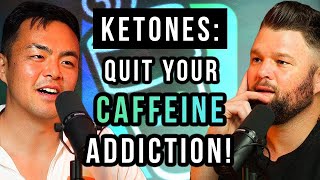
Long-form YouTube interview (May 22, 2023) where Josh Trent interviews Geoffrey Woo (co-founder of HVMN). They discuss exogenous ketones — how they work as an alternative fuel (D‑beta‑hydroxybutyrate), differences between endogenous and exogenous ketones, and practical applications for performance, recovery, TBI/concussion, appetite suppression, and as a potential 'fourth macronutrient'. The conversation also covers HVMN’s origins (synthetic-biology production vs petroleum routes), DARPA/SOCOM and athletic research, safety considerations (type 1 diabetes, ketoacidosis), and broader themes about entrepreneurship, spirituality, and personal optimization.
Questions this video answers
May 22, 2023.
2017.
Around 2014.
A Harvard Medical School professor’s prolonged human fasting studies (examples include seminary students fasts; long fast N≈1 up to 365+ days referenced).
Chapters
At about 3 o', clock, I find that my energy dips. And I think most people have an energy dip just because of circadian rhythm and because of our sleep wake cycles. What is it about the ketones specifically that bring people tbi, or addiction based to homeostasis?
Ketones are basically derivative of fat that your body naturally produces when it's in a starvation mode. If you can have a drinkable ketone, you skip that conversion step. So you can have something that you directly consume that gives you ATP, but it's not a protein, fat, carbohydrate. You have instead of only like three colors, like red, green, blue, to like paint pictures.
Yeah.
You have like a fourth color that didn't really exist in conjunction because like normally in physiology you don't really have a context where you have high glucose and high ketones at the same time. So from an athletic context perspective, and that's where we're seeing a lot of the performance gains. You have carbs and ketones elevated at the same time, which doesn't happen normally.
Yeah. To me, this is like the only ultimate biohack. This is a special table from Tamarindo, Costa Rica. Have you ever been down to Costa Rica before?
I need to go. I. So many friends are saying, you know, such good things about Costa Rica. It feels like pura vita kind of lifestyle. Sounds great.
Oh yeah, dude, are you, Are you a spiritual guy, religious guy, atheist? Where do you fall in that? So spectrum?
I grew up not having any religion. I mean, I think my parents came kind of got out of communist China. So a lot of like that religion of China was kind of banhammered by the Communist Party of China.
Do you feel like they escaped or they chose to leave?
I mean, a bit of both to some extent. Right. Like, I think some of the smartest people of that culture got out. Right. Like people wanted to go, go live the American dream versus being sent to the countryside as like farmers and, you know, the proletariat, essentially.
Yeah.
And I think a lot of my, you know, grandparents were like educated and there was like this whole cultural reformation. So I think partly like looking for building a better life. And I think a lot of Asian Americans, or just immigrants in general are coming to like live the American dream and live almost for their next generation. So I feel very thankful.
Yeah.
That, you know, born in America. I feel like I have like the blue collar work ethic of that immigrant mindset of like literally being on the farm or, you know, empathy of my parents and grandparents who are like sent down to the farm and. But also just having that confidence of being, hey, like just straight up. I feel as, you know, primarily an American. Right. Like, I think a lot of immigrants come here, don't feel any super belonged to. To like the American tapestry, but whatever, you know, just growing up here and I feel like, hey, you know, I probably pay more taxes, you know, employ more people than, like, the average American. Like, I have a huge stakeholder of, like, the American success. Like, all my assets are here, so. And I think a lot of my work now intersects with the military and veteran community and a lot of the first responders. So I think a lot of that original ethos of come to America, build, create freedom, live the American dream. I'm like, fully in that Kool Aid.
Yeah. And you're here in Texas, which is like, in my opinion, the last frontier. We had David Wolf on the show and he was like, well, if everything falls apart in America, then Texas can just secede. We can just live here. And it's really cool because, man, when I started really digging into, like, what HVMN was and the science and then trying it myself, it's been a constant battle of, like, caffeine in my life, ups and downs and roller coasters. But then when I started learning about the ghrelin benefits and the appetite suppression and the energy and the cognition and the metabolism, I was like, why have I never heard of this before? And I think it was because ketones in the past, like, when most people hear the word ketones, they think of like, oh, it's a fat loss, mlm, or it's some kind of bullshit science. But, like, this is very, very deep in science. 2003 DARPA. Like, by the way, welcome to the podcast. We've already been rolling for a minute here, so thank you for being in Austin.
Great to be here.
And. And there's a part of my heart that's so excited about this, and there's also just a part of my body that's excited about it because, like I said, I've. I've battled with caffeine for so long and so many people in our community have written in, like, what do I do besides that? Third, fourth, even unfortunately, fifth cup of coffee. Especially like the. The busy parents. Like, I'm a parent. And so, you know, when we have sleep deprivation, like, we need more energy. So maybe let's jump off right here. Like the 2003 and your relationship with DARPA and everything that came from maybe that culmination point there was the early experience with HVMN with nootropics. And then at some point y' all shifted into really having these ketones as a fuel substrate.
Yep.
Um, at the time, I'm sure in 2003, you were still a computer scientist in computer engineering, right?
Yep.
So did you even like looking back in this fun time machine, could you even see you sitting here being the co founder of your company of hvmn? Like could you even look back and go, wow, I never saw that coming. Or did you have an inkling when you're in computers?
I think, I think about that Steve Jobs quote. Like you can't track the dots moving forward, but looking back, it all fits into the right places. I think as a computer scientist, as an engineer, I think the idea of optimizing oneself is just very natural to us. I think when you're optimizing computer code, like big O efficiency of algorithms, I think a lot of this, I would say the big improvements or the leap of machine learning, AI is not necessarily the math has changed, is that the efficiency of these algorithms have gotten much better. So in some sense, as much as AI is a math problem, it's an efficiency and engineering problem. How do you get more data training data in the data pipeline? Right. These are all engineering problems. So I think if I look backwards, was always interested in how to organize first a computer program, which is similar to marshaling people. Right. In some sense, when you're managing a podcast or managing a business, you have different algorithms or functions within your organization.
It's funny, I never, I've never thought of them as algorithms, but you basically.
Tell them, hey, if this, then that, if this, then that right there.
And that's essentially what an algorithm is.
If having a very rigorous if then statements that you can get more and more advanced with different cases, different heuristics. An algorithm is just like a step by step process that can be replicated in a Turing complete computer and that can be encoded in 0 and 1 binary form. So most things. So you can get very philosophical and this is like the edge of information theory. Can everything be coded in 0 and ones? And there's an argument that, yeah, maybe that's that simulation hypothesis. Right. Maybe we are just in a giant computer simulation that can be encoded in 0 by binary.
Well, the quantum computing, like the superposition of the ones and the zeros and even Kevin Kelly's description of the technium, which is the consciousness experiencing itself through technology.
Yep.
That's a total rabbit hole. And I'm wondering when you were sitting in that rabbit hole at some point and the opportunity presented itself for you and Michael, like you had to do a gut check moment. Am I going to stay in computer science? Am I going to go maybe this more traditional path? I don't know if your parents wanted you to stay in that lane or not, but like, we all have these moments in life that we have to decide that what we really want and what we really believe in is the path we're going to go. And regardless of what people think or feel, all these people on the wall did the ex thing.
Yeah.
You know, Martin Luther King and Larry King and Frank Sinatra and Betty White and even all the people that founded Burning man, they. They did a path for themselves and they had to do it because they just believed it, you know, so there was something that made you go, that jumped the bridge between the old and the new. What was that?
I mean, it didn't feel like a risk at the time. I think I've been lucky where I had academic success young. I feel like when I hear a lot of podcasts are like, hey, I was kind of a fuck up when I was a kid. I was just actually very good at school. So like, like was the highest SAT score as an 8th grader in the country. Like random little factoids like that. Did a lot of science fairs and math competition.
It just came easy for you.
I think I'm really good at taking multiple choice tests. Like, I think a lot of people will say, hey, I'm like bad at taking tests. Like, I'm just, I know how to like guess well. And I think I would just like, I think I just read a lot as a kid, so I had like, I would say like a fairly advanced vocabulary. Like, I just would like. I remember like those library challenges. I don't know if people go to libraries anymore, but like read like 500 books in the summer and get like little prizes and all that stuff. So I was like super into all that stuff.
500 books in a summer, probably.
I mean like Encyclopedia Brown, like all these like, like Goose, you know, all that kind of stuff. Right. And there's so just a big reader and I. But I was also, I would say like rebellious. I think that my parents knew that they couldn't necessarily like tell me what to do. So at some point I think was fortunate enough to go to Stanford, do computer science degree before we graduated school, had a chance to start a company backed by Y Combinator, one of the top early stage VC firms out there. So I had a path to either do my PhD at Princeton, join Facebook early or start my own company. So again, so with that context, it wasn't like, hey, I had like a no safety valve. It was just like, hey, I had like really credible traditional paths.
Yeah.
And I basically had a free bankroll. I was like 21, 22. That a VC firm was going to give me $170,000, which at the time felt like infinite money, to start an app business with a couple of my smartest Stanford computer science and electrical engineering friends. So at the time it was like, hey, this is very like a free role on being an entrepreneur. Long story short, sold that company to Groupon right before I turned 24. And that opened up a lot of, I would say, like economic and just an aperture to explore personal interest and optimizing myself. Biohacking was just like something that I just naturally enjoyed doing. So it wasn't like, hey, I wanted to become like a biohacking human performance business person. It was just something that I was like doing on the weekends for fun. So I was like ordering new pap Russian Alzheimer drugs, random like racetams just through like the Internet and buying like the sub microgram, like little drug scales.
And like on Silk Road or on.
The actual web, both just where we could source this stuff. Right. I can remember at the time, like there was a lot coming out of the, like Alibaba, a lot of these, like Chinese, like chemistry labs. Right. Like a lot of these things were just like.
And what time was this? What year was this?
Probably like 2014. 2014.
Yeah.
Almost a decade ago.
Wow, that is so crazy to think about. Okay, so trace. Trace it back 2003 to 2014, when DARPA wanted to increase muscle mass and soldiers through the MTOR pathway. And then how did that plug into you actually making the jump? What kind of research did you gather before you felt confident to leave the traditional path behind and do your own thing?
Yeah. So I think like our entry into the ketone space, I think we have to just recognize we're really standing on top of shoulders of giants. So the ketone research, I would say was anchored, I think around. I would. I would say that the story really starts with this Harvard Medical School professor who did the seminal study on fasting. So he would fast seminary students for 90 days.
90 days?
Yeah. So like one of the longest fasting experiments was like a 365 plus day fast.
Were they overweight or.
Yeah, this guy, this particular n equals 1 was like an overweight person. And this was like in the 60s and 70s where like the ethics approval were, were possible to do this.
Okay.
So the theology students were just fasting and you would get these very interesting ketone, blood glucose, triglyceride, all the substrates that power metabolism. Like those were the seminal human studies when you're just fasting these humans for like these long sent durations. So I'd say that a lot of that early research saw that ketones were looking like a very good replacement for glucose. So in the 16 and 70s there was like, hey, we don't just go brain dead when we run out of stored glucose or glycogen. Right. I think there's like a lot of this common sense, especially in like the, in modern endurance world, hey, you gotta eat gels and sugar and all that stuff or well, so you're going to.
Like Carlo carb load.
Right. So I think that has been a meme within like the performance endurance sector for a long time. But it's obviously very clear that you know, you know, when we were hunter gatherers, we were not just constantly having sugar bombs in our pockets. Right. Like these people would do multi day endurance hunts. So I think in some sense we almost forgot that ancestral wisdom of hey, you can run off fat, you can run on ketones. I think this Harvard study really showed that, hey, we actually are plotting out the PK curves of all these different substrates. Some other scattering of interesting research, again predating, before I was alive and before I was focused in the human performance space, saw that there was an interesting petri dish study showing different substrates powering sperm cells and how vigorous they were. You would drop sugar, triglycerides, fatty acids and ketones into sperm cells and the sperm cells on ketones were swinging the fastest. So there's a couple early interesting indications that, hey, something is interesting about this ketone substrate. Um, but I would say that like a lot of it got forgotten because the way to get to ketosis was one, if you googled in 2014 what ketosis was, you would get diabetic ketoacidosis.
Right. Which is totally different than what we're talking about.
Yeah, I mean it's basically you have no backstop of insulin, you just produce so many ketones because your body's trying to fuel that your blood gets acidic. That's like saying, hey, you're gonna just continue gorging on sugar because your body doesn't know like it wants to fuel and it's fueling it with ketones, but doesn't know how to stop.
Yeah.
So that was like literally in 2014 I think when you're saying like, hey, this is like some weird kooky thing. Like in 2014, when you Google keto, it was like ketoacidosis or hey, this is Kim Kardashian's magical diet to like lose weight. I remember there was like headlines, hey, this is like Kim Kardashian's magic lick. Like elixir to lose weight. Or like, hey, this is bad for you. Like being in ketosis, like, you're going to. You're going to die. So again, like, why was ketosis? And I think there's other. I mean, just like, just to give you a little bit of a context. I mean, ketosis has been interesting in a number of ways. There was in the early 1900s, putting children on a keto diet was the only way to control seizure and epilepsy before all these anti seizure drugs came out. So there's been applications throughout history, but no one has pieced together, I would say, until the emergence of something like exogenous consumable ketones and the formalization of a keto diet being a big movement. And I think carnivore is a sub sector of that movement that I would say was really popularized five, 10 years ago. Where one, I think now in the public mainstream like, like eating a keto diet or eating a carnivore diet is like very doable. Where I think you talk to the average person in 2010, like, yo, you're gonna die. Like, how can you only eat steaks? Like you're gonna die now? It's like, hey, like, we see people like Sean Baker, Paul Sanadino.
Yeah.
Liver King, just like running around, just.
You know what's funny is we had Paul on the show in the middle of the craziness in 2020.
Yeah.
And I remember we were both living in Encinitas at the time.
Yeah.
And he was sharing with me, like, look, one person's path is not everyone's path. You have to actually be like, you said, The N equals 1. You have to be your own. Maybe even, to quote Kevin Kelly, you have to be your own citizen scientist. You know, you have to like, do the things yourself. And I Wonder, like, when 2013, 2014 came around for you, you had already been tinkering on the weekends. You said it didn't come from pain, it came from your own pleasure seeking, performance seeking, optimization seeking. A lot of times people come to ketones because they're in pain. They chd, they have obesity, they have all these different autoimmune issues. And what have you? I think it's really cool that you did something new. A lot of times on the podcast, when I'm sitting with somebody, they're like, yeah, I came from my own crucible, from, from me being in pain. But you're like, no, I was actually just tinkering and it came from fun.
Can you, I'm glad you mentioned that. Cause I, I, I do feel a little bit like kind of a black sheep in the overall industry to some extent in the sense that I think, I think you're exactly right. Like, I think people come to these alternate methodologies because of desperation because like the standard classical western medicine system didn't work for them. I feel very fortunate that I was just literally like reasonably healthy, 24, 25 year old, just messing around and like trying to, you know, at the time, like, hey, I was in the mindset, like, if I can be 1% smarter, the economic outcomes of being number one in Silicon Valley is literally billions of dollars for being number two. Right. Like, it's a parallel distribution of value creation. Right. If you are uber, you are 10 times more valuable than Lyft. If you are Facebook, you literally, like, MySpace doesn't exist anymore. So I think like my mindset at the time was if I can have an incremental advantage in cognition for an economic battle of company formation, that would be interesting to optimize myself for. So that was my problem set coming into that.
That's honest. You're like, cool, I did it for money.
Yeah, I did it. Yeah, for money. But like, like, yeah, competing on the economic battlefield or competing for ideas, I mean, I think, yeah, I have a lot of empathy now towards a lot of athletes because it's in a similar way, it's like, hey, they're all athletes. I mean, they're all like very healthy generally, you know, smart people. And it's like, hey, how do I get an advantage on my opponent? Right? Like, it's got to be legal advantage. But of course, like, we're trying to figure out a better way to train, a better way to fuel, better way to compete across all sports. You're not trying to win, like, what are, what are we doing?
Sure. At some point though, it, you're, you're, it's funny, we usually burn protein, carbs and fat for fuel and that's our substrate. Right. Which, by the way, we're going to talk about this PubMed study with, with ketones being the fourth micronutrient, which I think is fascinating. But I love how you yourself are literally an embodiment of your brand because you went from like just basically wanted to succeed in Silicon Valley to then finding out there was all these insane benefits of your product for people that are suffering. It's interesting how you went from your own fuel substrate of wealth creation to now helping and serving people that are suffering or athletes that want to perform better. And it's like, it's so interesting because in our bodies we burn a different substrate normally, but this one we don't really know about. The public doesn't know about this. That's why we're here talking about it. I find that to be totally cool and a really interesting connection. The motivation that drives you switched.
Yeah, no, I mean I think you're exactly right. I think as we got further into ketogenic diet, realizing that fasting had very similar properties to being on a ketogenic diet. Right? You're with fasting restricting all calories with a ketogenic diet restricting carbohydrate a lot of mechanisms in terms of, you know, whether it's insulin, mtor some ampk, right. They, they're, they're very similarly impacted with calorie restriction and carbohydrate restriction. So I got super into intermittent fasting back in 2014, 2015. So you know, kind of as a side quest in this nootropics and all that stuff started getting really into fasting. So I think a lot of the Valter Longo research out of USC was just dropping around that time so just started doing 72 hour fast. So like me and like the hmm team at the time we would do Sunday nights to Wednesday mornings. Like we just went in hard. Like I didn't even like there was no like, I mean there were early discussions on OMAD and, and, and, and, and like like shorter time eating windows. But a lot of like the mouse studies were pretty long duration so we just started like boom, 72 hour fasts and eventually like the longest fast I've done is a seven day water fast which was, and going back to the original question, I think I've become you know, not very religious growing up but like much more open minded in terms of spirituality and cool and, and all of that.
Because of the fasting, did you have a spiritual experience or a heart opening experience fasting?
Yes. I think like it's interesting from like a cognitive perception perspective that I think my approach to it is actually just much more pragmatic than that. Actually I think I've just seen like a lot of friends and business partners, for example like Jake Paul who's my venture capital fund partner is. I don't think he would classify himself as religious per se, but he's very, very spiritual and is like very, very focused on manifestation and like thinking through and. And I've just seen like how one carries yourself can affect the reality around you. So to me it's like I see the power when there's like true belief, true faith in something where like having no faith doesn't get me any incremental advantage. So if it's a placebo effect, at worst, I will take it.
Yeah.
So that, so that's like the very pragmatic answer. Like I don't know if there's like a specific book that describes a holy guy in the sky. Like I'm not sure that there is like a human anthropomorphic thing that like cares about.
Definitely not.
It's not sleeping with or like if I masturbate or not. Right. Like, I think a lot of the very humanized focus on some of these teachings are very myopic. Sure. But am I open minded towards is there some universal energy source? Maybe is there like a computer simulator programmer out there? And if I have faith in it or pray to it or think about it or manifest to it, at the very minimum it's a placebo. And I have some sort of like comfort in that, giving up some sort of control to it.
Yeah.
And maybe at best, maybe there's something out there is listening and like it's going to bend reality to. Towards my will.
Ever since I was a little kid, I thought I was in the Truman show. Which is why when saw the Truman show, where he's always being watched, I'm like, that's how I've been feeling. I've literally been feeling like we're in the Truman show. And you said, I don't know if we're being watched. I don't know exactly what it is, but I do know exactly what God or what intelligence feels like. And so I'm not here to say that my definition of God or my views around spirituality are the best. They're just mine. Just like any choice I make for my body or my mind or my emotional health, these are my choices. And this show has and always will be just a place for people to come to trust this physical, emotional, financial and spiritual and just an understanding of how do we nourish ourselves? How do we nourish ourselves in a way that we can live our life? Well, like that's the core question for me. All this intellectualization, Jeff, about Like, what is this and what is. What is the meaning of life and the purpose of life? I think that's a beautiful path that unfolds as we grow older and especially when we have children. You know, to tie it back. I'm thinking about you and Jake Paul and the motivations that he might have and the motivations that you have. Like the motivation for us to do anything has to come from our heart. We can't necessarily force that. Otherwise. If we force it, I've found we really meet a darker part of ourselves. And when we meet that darker part of ourselves, we go through burnout. We go through a lot of like different hurdles that we can't cross. Or maybe you even break up from a relationship or get fired from a safe place corporate job. Like, have you had one of those before you became the co founder of hvmn? Did you ever have a moment where you had to really gut check yourself and look at your beliefs or your way of being.
I would say that probably the a gut check moment was around building hvmn. Actually. I think in my academic career I felt like, you know, was generally doing well. So I think in some sense, I think, and I think this is applied to just my view on entrepreneurship or just like people in general. Right. Like you gotta, like people have gotta take Ls, and I think so many of us never are shielding ourselves from actually taking losses, putting ourselves out there. Like the strongest people I know, the most resilient people I know take so many friggin Ls, but they don't give up and they keep improving. And I think that we just see the highlight reel of everyone. But you go behind the scenes. I'm sure you've interviewed like really renowned business people podcast, right? Yeah, like they like, they all have just like not given up.
That's right.
So I think it goes back to. So I think in terms of like, I think like a formational part, in terms of like scaling up atriumn. Okay, so fasting keto diet, you have to fast. You have to do like basically a lot of dietary intervention or workouts to make your body turn its own fat reserves into ketones, ketogenesis. Your liver has to convert to fat stores.
Yeah.
Takes a long time. You can get really good at it. And maybe you get your natural ketones up, you know, in 18 hours, 24 hours. But usually if you're just like a carb eater, you're going to take like multiple days and you're going to get what's called keto Flu, you're going to feel really shitty.
I've gone through that.
Yeah, yeah. Cuz your body just got to adapt readap its enzymes, all its metabolism to focus on being a fat burner. So as I was getting super deep into fasting, there was a research paper that came out of Oxford that showed that exogenous ketones can improve cycling endurance. But the stuff was super expensive to make this shot would have cost 2,500 bucks for one dose. So in the DARPA programs, these were just being literally made by hand in chemistry labs at NIH in Oxford. And it's like handmade and you were purifying from petroleum crude oil product.
Whoa.
Right. So like most organic molecules are just carbon based link chains. Right. Like sugar is, has carbon, fatty acids, carbon chains. And what is crude oil petroleum product? It's like fossilized plant matter and dinosaurs.
Sure.
So the way that a lot of organic molecules are produced actually so like these are things in a lot of foods and lots of cosmetics. These are just purified petroleum product through all this fancy chemical engineering synthesis processes. When h women came in the picture, we realized that hey, we could actually scale the production if we applied more modern synthetic biology techniques. Can we have genetically engineered E. Coli ferment sugar into ketone precursors? So skip all the chemical engineering and use synthetic biology to have a supply chain and a production facility.
It's nice. It's not from petroleum either.
Yeah, I mean that's a lot better. Yeah, I think to me it's like it's you know, end of the day, like to be food grade it has to be clean. So I'm not sure but I understand from like an optics and a sound bite perspective. Yeah, like of course I don't want to. I want, I'd rather have a fermentation process than like a petroleum product.
Me too.
100%. So we brought the first exogenous like ketone ester to market back in 2017 and supplied a bunch of Tour de France teams. And that's originally how I got to know and start meeting all these athletes and military folks and really opened up like a very interesting journey into the human performance athletics military veteran world where yeah, me and at Stanford. I would never have thought that like I would be at Fort Bragg or Fort Benning talking to like tier one operators and just being like, whoa. Like I get, I'm on a military base seeing like helicopters land. Like I feel like I'm in a movie set. Like I was just like used to be, you know, grinding all nighters Coding operating systems or network switches, the Stanford dormitory. So I mean and to get back to your question, like what was like a tough experience, there was a lot of challenges in terms of the ip, the partners to get something from DARPA research land, which was honestly forgotten in an academic bench. There was nothing going even though the early data was very, very good. So as we had really positive results with our research contracts with Special Operations Command, so we had a phase one study. I think the specific details are being published. But a long story short, without getting into too many specifics, operators on ketones versus on placebo at altitude say 14,000ft up, like Afghanistan mountain fighting ranges, you would retain memory recall as if you were on sea level versus control. So that kicked off a multimillion dollar SOCOM research project. I think that as we were scaling up in, you know, going through the whole government contracting and contracting vehicles and all that was very, I would say like stressful. Especially around that same time like covet happened and a lot of things were delayed.
This is serious red tape as well. Yeah, no, anybody that knows the federal government, there's serious red tape.
And I think you're just signing a bunch of like very serious docs. You're like oh yeah, I'm doing like a business with the federal government Department of Defense. So. And there are some setbacks in terms of production timelines and like things going out of stock and we needed to like regut our entire supply chain. So I think at one point I was like oh man, like can we even fulfill this friggin contract that we just signed our company towards of supplying and doing research on these ketones? And like hey, our supply chain partners were not up to snuff. So I think part of that, that was like a very formational moment because I feel like as a startup entrepreneur, oftentimes your ego is within your company or brand. Yeah, and I was very much that entrepreneur that like lived and breathed like the brand the company was me. And I felt like there was a chance where and like my company could die if we could not fulfill like a multimillion dollar government contract. And I felt like I felt some sort of ego death in terms of, hey, like I got to see that mortality of a business and myself in that business which got me down. Like reading a lot of both western and eastern philosophy, I think that's like a pet project of mine. Just like reading Marcus Aurelius stoicism and comparing that to Lao Tzu and Taoism.
How much have you, have you gone into reading about the Dao.
That's what I was going to say. Like, I feel like Lao Tzu, the Dao, like Taoism is very, very, I would say similar.
Yeah.
And it's like cool to see like these very, very different cultures and, and civilizations had like a con, like a convergent evolution towards very important themes around. I mean, I think that like the Zen and Tao is like almost how do you be like water? How do you flow with the universe around you? Like, don't. I think before we started rolling. Right. How do you not fight against gravity, but how do you have gravity apply to you? I think stoicism is often similar in the sense that like, if you. Is something that you cannot control, like almost like let it free and only apply yourself and, and, and like that is your purpose. Apply yourself where you can actually be effective. So I feel like, you know, reading from a Roman emperor perspective to like a Chinese court official perspective and then just like being in kind of this weird 2020 Silicon Valley thing and pulling what I think is relevant. I think it's like a very interesting, like formational in terms of defining principles for myself and like how I. An organization should be run. But hopefully, you know, you know, through conversations like this, hopefully just give teasers to like what other people can borrow and apply as well.
What was one of the craziest things that you saw that you can at least talk about, you know, on the military base or working with operators, Obviously you don't have to name like the branch or names. You're not going to be like, hey, Captain o' Rourke said. But what's something that you saw when people started to. At this extremely high level, which has now been vetted for the average person, you know, whether they're a busy parent or a pro. What's something you saw when people started to consume the ketones that you, it really ripped your hair back and you thought, wow, this is, this is going to help way more people than just special operators.
Yeah, I think it's a great question. I think on the endurance and performance side, I think that's cool. But the most impactful application has been around concussion and traumatic brain injury. So what is the mechanism of action there? So when you take a acute contact in the brain, glucose uptake shuts down because it's very inflammatory. So everything the catecholamine release, the brain kind of just shuts down and tries to like, not inflame and not expand. So oftentimes like the penumbra, like the surrounding damage of that acute damage, like everything else there is damaged but starving for energy. So the mechanism is that ketones are metabolizing a completely separate pathway than glucose. So it crosses a blood brain barrier very quickly. A lot of rat studies actually done out of UCLA and UC Berkeley, we just drop like weights on rat brains. Rats on either ketones and or lactate, like another alternate substrate recover brain energy much more rapidly.
Why is that?
So the theory is that like glucose uptake is shunted down so then like the damaged cells are just starving. So like the brain is protecting like a lot of inflammation by not letting glucose come in, but you're starving. Like the damaged but recoverable cells neurons, you have an alternate substrate that doesn't go through glucose pathway that's not inflammatory, it's actually inflammatory supply suppressing. You just refuel and allow your cells neurons to recover immediately versus waiting like 3, 4, 5 days until all the inflammation shut goes back down.
Yeah, to me this is like the ultimate biohack. Honestly like there's a few things that I take all the time. My mana with the Sheila G, the ketone iq, the red light therapy, I don't go balls to the wall. Some people take a stack of 50 different things. I literally have my stack on the table right here. It's like five to six things maybe. And the reason I love this is because to go back to what I said with coffee, like at about 3 o', clock, 4 o', clock, I find that my energy dips. And I think most people have an energy dip just because of circadian rhythm and because of our sleep wake cycles. So I wonder for people that have experienced TBI or for people that are struggling with any kind of CNS stimulant addiction, whether it's coffee or anything else, even, even these can be addicting. You know, the nootropics, like people can get hooked on many. Do you feel like there's a corollary there for supporting homeostasis? Because essentially people that have had TBI or people that have an addiction of any kind, they've pulled themselves out of center, they've pulled themselves out of homeostasis. So I wonder what, what is it about the ketones specifically that bring people TBI or addiction based to homeostasis?
Yeah, I think the idea that this is a macronutrient is an interesting one. So I think what's interesting about ketones separate from a lot of other micronutrients or supplements is that this is a calorie containing substance. So if you look at a nutrition label, there's fat, protein, carbohydrate, Those are only three things that have calorie content. Yeah. Right. Like ethanol has some calories and some other things have calories. But the primary food substrates are fat, protein, carbohydrate. Right. Like things like calcium. Right. Like, you need that as a micronutrient to, like, build bones or magnesium enzymes for dopamine release. Right. Like, there's other things that support the enzymatic function of your body to metabolize. But fat protein carbs are the only thing that actually converts into ATP. Right. Like ATP is the currency of mitochondria. That pump that pumps out something needs to feed the electron transport chain. Fat, protein, carbohydrates feed into that. So ketones are like a basically derivative of fat that. That. That you're not your body naturally produces when it's in a starvation mode. But if you can have a drinkable ketone, you skip that conversion step. So you can have something that you directly consume that's not. That gives you ATP, but it's not a protein, fat, carbohydrate. So to me, it's like you have instead of only like three colors, like red, green, blue, to like, paint pictures.
Yeah.
You have like a fourth color that didn't really exist in conjunction because, like, normally in physiology, you don't really have a context where you have high glucose and high ketones at the same time. So from an athletic context perspective, and that's where we're seeing a lot of the performance gains. You have carbs and ketones elevated at the same time, which doesn't happen normally.
It's not a natural behavior of nature.
Correct. Right.
The only time back in the day, you and I on the Serengeti, if we were fasted for three days because we were hunting, then our body would produce endogenous ketones. So for people that are struggling with caffeine addiction, caffeine withdrawal, how exactly do ketones help them with that?
That's a really great question, I think. I don't say I don't have that many vices, but caffeine is definitely one of them. Just travel and liking that, you know, kick in the morning. So ketones are an interesting adjunct for caffeine. 1. It stacks really well with caffeine, but I think it also is very useful as a replacement. So caffeine is a Denison blocker. Dennisine is the neurotransmitter that triggers feeling tired. Ketones actually affect neurotransmitter in a very complimentary way. So one like I will oftentimes either Reduce caffeine load and add ketones. And I've also experimented with like just cycling caffeine and ketones. And if I can be a little bit more adventurous, nicotine, nicotine lozenges. I don't like vaping or smoking anything, but nicotine is also a very interesting nootropic in some extent that has stimulatory effects but doesn't trigger the same pathways as either caffeine or ketones. So when I think about cycling, it's like, hey, maybe you cycle caffeine ketones and maybe adventurous some nicotine lozenges as a way to not be overly reliant on one specific source of cognitive energy.
But I think what's really cool, and actually I do want to talk about this PubMed study, ketones may be a fourth micronutrient that is necessary to the human body along with carbohydrates, proteins and fats. That's fascinating to me. And I wonder, plugging that into this practical question, if we are only meant to naturally physiologically produce endogenous ketones in a state of fast, then are there any negative feedback loops that are created? In other words, is there anything deleterious that happens to the system by inducing the exogenous ketones?
Yeah, I think that is like a very, I would say like a, like, like an important question that's asked by like the savvier folks in the space. Right. Like exogenous ketones is not like there's not like complex carbohydrate that exists in like potato starch. Yeah, like that is like a food substrate. Like this is something that we've had to, you know, have a lot of engineering and science figure out. Okay, how do we deliver a consumable ketone? My thought here is that the, the actual end molecule is D beta hydroxybutyrate, the same exact molecule that your liver produces through ketogenesis. So the body understands how to metabolize and understands its metabolic signal. And then two, in terms of all, you know, we sold you know, like probably like millions of doses of this by now and wow, congrats.
Millions.
Yeah. No, I think it's especially like growing really quickly over the last few months is that like, I think like it's very well absorbed in the, and like all the data on its, like its consumption in, in, in, in the metabolism is actually very, very strong. So like to me it's like I would love to have 30 year longitudinal data on ketone IQ, just like I would love to have 30 year longitude of data on Data on, like, eating beef or eating sugar or eating, I don't know, Gatorade or whatever hydration drink, which does not exist. So to me, it's in terms of the baseline. In terms of how I understand the metabolism, mechanism of action. I feel very comfortable with the idea that, hey, I'm having like, a. Like a short, like, very understandable bolus of ketones that hits my system really, really quickly and it metabolizes out and it's out of my system in six hours.
Yeah, this is why. And I'll bring this up and actually, we'll put it on the screen right now, just the actual PubMed study so y' all can see this. So on the nutritional and therapeutic effects of ketone body hydroxybutyrate, why wouldn't somebody just consume. Just to consume the. Why wouldn't they choose to just get, like, a powdered form of the hydroxy. Why wouldn't they just take that. Is there something special about the delivery package?
Great question.
Because that's like. Why would I just go right to the thing?
Exactly. Okay, so D beta hydroxybutyrate has to be bound to. To be stable. It's bound to an acid form. So it's D beta hydroxybutyric acid. It's missing like, a proton. So, like, you can't. When you're in water, then it splits into, like, a proton and a butyrate. So a stable form that you can actually store has to. Is like, in an acid form or it's in a fat form. Right. Like, again, you ask the question of, if this is so great, how does it evolutionary stor. Why isn't. Why aren't we just carrying butyrate around? Well, it just is not stable. Like, it's an. It's either in an acid form or it needs to be stored in a fatty acid form that. That goes through conversion. So to answer your question directly, like, you can eat D beta hydroxybutyric acid. You're just drinking acid and I've done this, and you're gonna. Your pants. Like, I literally, like, tried this. So I. I've been through this experiment, like, and. Yeah, so.
So that's why. That's a. That's a good. You can just stop right there.
No, no, but I think it's, like, interesting, right? Like, like, it's like. Like, I think that's like. Like, that is, like, the right engineering question. Like, okay, like, I want to get the most direct, efficient way to get this thing that I think is good into my system. Yeah, okay. What is wrong with butyrate or butyric acid? Well, it's like hard to get enough ketones in a form that's palatable. Like this already tastes kind of funky, but just imagine drinking like acid.
Sure.
Right. Yeah.
That doesn't sound that tasty.
I think from a like a GI performance issue. Right. Like I, I think so many things that like kind of work in the clinic or the lab, don't work in the field in it downrange or in like an athletic setting because you just are going to be throwing up or pooping your pants.
If you had to guess and maybe you already know this with your computer science background. What percentage of human beings that consume the ketone IQ and are looking to get this cognition boost, the energy boost the downregulation of ghrelin. Like there's so many things that we could talk about. All the benefits of this. Does it benefit 70% special ops and athletes, 30% everyday busy humans? Like what's the percentage split there?
Yeah. Originally started quite high on the high end side just because it used to cost so much.
Okay. So 2, 500 bucks a shot and.
Then we brought down the 30 bucks a shot and now it's like sub 5 bucks a shot which I think is not finally like kind of reasonable.
That's great.
They bring it even like lower.
Yeah.
I mean though, I think how many.
People spend five bucks on a freaking sugar based latte every day?
Exactly. It's within range now it's definitely within range. I mean but to me it's like I want this to be as cheap as possible. If this is a macronutrient that we think is like as useful as a protein carbohydrate, like that's why like I, I don't even really care about competitors or brands or it just like if this is really a macronutrient, like you can't have one thing own a macro for sure. Like I don't like like this own creatine or like does anyone just own fat? Like out the patent for fat fu. Right.
Like I'm sure that Pfizer would love to own fat.
Right. So, so to me it's like I would love to be in a world where this is as available and as cheap as like table sugar.
Okay.
Or like protein powder. Right. Just like, like I think this is actually useful for, I mean I just look at the American health care costs. Like we're just, I think a whole insurance health payer payee system is so messed up and just like, and it's just like, man, like we like people just got to be like, baseline healthier. And I think when I just saw. And I think there's like, I think, you know, folks like yourself are just getting and growing really quickly from an audience perspective because, like you actually walk the. I feel like when people see doctors who are like, hey, do the, you know, I just. Yeah.
Or they like tobacco or they have a chewed belly hanging over and they're.
Like, hey, do the. Do this drug or do this vaccine. But hey, I don't really exercise. I don't take supplements. You know, I don't do anything. It's like you're not even like, you're not even like taking care of yourself in a way that I think is like honorable. Right. I think there's so much focus on like, hey, I want to listen to people that actually walk the walk. Look, I get that, you know, you don't need to. You can be really smart about like being an athlete or like a coach and you understand, like basketball really well without being a basketball player. Sure, that's fine. Like, I get that. But I think if you have a choice, like I want the person that has lived experience as an athlete.
Yeah.
And has the coaching skills. Right. Because I see that there's a higher integrity and conviction of your purpose. Right. If you say one thing and do another thing, which I think that is the case. I mean, I'm sure we have a lot of doctor friends who are great. They all know that the payer incentive systems are kind of messed up. And they know that the mental health and the physical health of doing 18 hour shifts is not optimal living and healthy living. So they already know that the integrity of the business of healthcare is not the ideal, optimal way to live. So I think even from that foundational perspective, and I think that incongruity trickles out where I think, like alternate. I don't even want to use the term alternate. I think just like more authentic sources of information are just really compelling.
Yeah. We had Dr. Molly in the seat here a few weeks ago.
She's great.
And we were talking about this. That's why she left Kaiser in the Bay Area. Because in the beginning of her career, she had spent all this money, she had spent all this effort and really bled for her profession, you know, and by the way, like, I'm not against western medicine. Like, there's a time and a use case for all applications when people have emergencies or when people need that help. However, it has become a crutch that people lean on. So they can outsource personal responsibility and taking matters of health into their own hands. And so it broke her heart, but she left. And the reason she left is exactly what you're talking about. Like, there's only so many hours. We only have so much chi to give.
Yeah.
And. And once that chi is exhausted, then when we start pushing harder on the gas pedal. I've learned this personally myself. I'm sure you have too. There's ramifications. Like there's things that happen when you push really hard. If we could just use cleaner fuel, that could probably make us have better decisions. So when we take in fuel that's not cookies and candy and donuts and sugar that give that kind of temporary pop of energy or even caffeine, then it really becomes this false prophet of energy we're looking for as a society, something that we can actually rise to the demand of kids, responsibilities, calendars. Like, I don't know anybody, and I'm sure you don't, that has a life that's super chill with no responsibilities unless they like hit the lottery or they're independently wealthy, whatever. Most people, 99.999% of people, they have dreams, they have things they want to accomplish. And I think I'm curious how you feel parenting being a professional of any kind, but specifically parenting. I'm a parent of one with another on the way. Like that is an athletic sport. Sleep deprivation, feeding, dealing with noise from crying. Like, I don't know if anybody's ever asked you this, how do you think parents specifically can increase their performance as a parent with ketones compared to coffee or other CNS stimulants?
Yeah. Unfortunately I. I'm not a question for me, so I can't comment from personal experience, but.
Right.
My co founder and our CEO Michael is a. As a new father.
That's right. So that's right.
Yeah. I think he has like, he has a lot more direct experience here. But I think just like how baseline health practices improve any endeavor, I think like some of those principles apply from parenting. I think, you know, depending on, I don't know if your child is one of the wilder ones that can't sleep. Right. But like, I think is like one of the tough ones. I mean, I think one of the things that we're actually looking at doing more research on is there's been a lot of anecdotal, like oura ring data around increased HRV while in ketosis while being asleep. So can you extract the most efficiency out of sleep being in ketosis while you're. While you're resting. That's right. That's an interesting little factoid that whether you're like an up and coming PhD student and want to like a thesis idea that would be interesting to look into.
Doing the Cold Plunge and cold thermogenesis is fast becoming the number one way to increase your health and metabolism, which directly leads to weight loss. Let's hear from Ryan Dewey, the CEO and co founder of Plunge to learn more.
At this point, you've probably heard about cold plunging somewhere on the Internet and wondering what all the hype is about.
Well, here at Plunge, we like to.
Take all the stress out of the problem by providing at home cold plunge units that provide crystal clear cold water on demand as opposed to lugging ice and getting that trough in place and dealing with dirty water. The Plunge provides it always and they're ready for you. Cold plunge is one of the greatest ROI tools that's out there. Two to three minutes every single day and you get the increased dopamine levels, a more resilient immune system, a regulated nervous system and ultimately just a more calm, peaceful outlook on life. We truly believe that when you take the plunge, you change your life. We'd love for you to check us out and see what the cold plunge is all about.
Save $150 off your brand new plunge plus get free shipping right to your home by heading over to joshtrent.com plunge use the code wellnessforce. This is Hands down my top daily biohack for longevity, inner peace and mitochondrial health. Don't miss out on this special limited time deal. Head over to joshtrend.com plunge use the code wellnessforce save $150 off your brand new plunge and a super special deal of free shipping.
I think a lot of the recovery aspects so I think going back to your point, I think like the, the headline is performance enhancement of ketones but I think the deeper application is actually on the recovery side. Right. We touched a little bit about TBI and concussion but the, and we talked, we, we talked a little bit about mtor. So the data around, so MTOR is I would say like more popular in the, in the conversation because it's the muscle protein synthesis pathway and things like rapamycin inhibit mtor. So people are like oh, you don't want mtor, you want to shut it down. So you like, you live longer because you, you produce less muscle. I think it's a, it's becoming a little bit more of a debatable controversial point because you actually want to build Muscle at the right time, you. So I think that, I think where I'm landing is that you want the spikes of MTOR at the right times at the right place. Right. You don't want like perpetually high mtor, just like you don't want perpetually high stress.
Yeah.
Or high cortisol, but you want spikes of cortisol or mtor when you're actually doing about. You actually want to build muscle after you're doing a intense exercise. So the interesting thing with ketones is that ketones so sugar and protein trigger MTOR aggressively. Ketones do not. But in the context of post exercise, protein carbohydrate ketones, at the same time, after workout, MTOR synthesis is actually increased. So you recover better when you have ketones in the system in conjunction with protein and carbohydrate. And I think it actually makes sense from an evolutionary biology perspective because when one is naturally in ketosis, you're doing a lot of muscle sparing. Right. Like you're fasting, you're still working out. You don't want to be burning protein as your primary fuel. You only burning not functional tissue. You want to be burning sugar or fat. So when ketones in the system, it signals, hey, we need to be protein sparing and build and recover fast.
That's amazing.
So that's like a very interesting, like, subtle point in, in, in the mechanism that I don't think is well understood in the, in the prior discussion.
It's beautiful because we all know, like, your RMR increases the more lean muscle tissue you have. So you're literally going to be more efficient as a human being the more muscle mass. And what most people don't realize, and I remember this, with the actin and myosin tearing in the sarcomere, we actually get lactic acid within signals the repair mechanisms. But if you're stressed out, if you're not sleeping, it's not going to repair.
Exactly.
And also if we're in nature and we're fasting because we're on a hunt, the body has this homeostasis where it's like, okay, I know that there is a threat right here. We're going to burn the muscle first, we're going to save the fat, because the fat is the last line of defense. What do you make of that when you look at endogenous versus exogenous ketones, the muscle sparing, the fat burning. Can you explain that a little deeper? Because I've always had questions about that.
Yeah. So endogenous is just simply, you're eating a keto diet or you're fasting or you've worked out so hard that you burnt through your glycogen stores which from.
What I've heard it's about 30 to 45 minutes or so for the liver to empty of hard hit training.
Yeah, I mean you got to go pretty, you got to go pretty hard. Yeah, maybe even an hour but like that's about the right range and I think. And then you hear about people bonking out when they're doing like marathons or bike rides. Right. Like you're eating sugar but at a certain point you just can't. Your body does not digest the sugar quickly enough. So you just bonk out. Right. That's like you muscles like freak out. So the way I look at exogenous is that there's just like again I think it's like an additional quiver arrow in that quiver in terms of like applying hey, like we want this specific signal happening at this specific time that not would not normally be achievable by a diet. So like to me, and maybe this is like me having a little bit of like maturity like again when I really don't care about like the. Obviously I wanted the business to do well but like it would not affect my life really if I made like a zero dollars like a billion dollars from ketones. Like, like I actually think that like having this as a macro treatment is really, really cool. And it's a part of why I think it's really cool is that I just want this to be like a tool to just instantly trigger up and down ketones and how it affects metabolism. Like to me this is like a research metabolism tool to turn fasting on for you now basically or turn keto diet on for you now.
Yeah.
While having other paints and other substrates. So I mean I, I think like just like I would say that people are still figuring out carbohydrate protocols and like ice bath protocols. Right. Like I think there was just like a. Andrew Human is talking a lot about ice bath and there's. He's just talking about oh do I do it before a workout, after a workout. I mean this is like cold just being in a cold ice plunge. Right. Like I feel like it's, it's kind of funny to me that like there's like literally like $10,000 friggin machines for this where it's like hey, just flip your bathtub with like 5 cents of water and buy a bag of ice and just jump in there. I don't Know like that's called bougie.
Biohacking when you spend 15, 20k.
I get it, it's nice. But I, I, part of me is like, come on. Like the point is not to like sure, get Gucci'd out.
That's just the human ego expanding into consciousness.
Yeah, I think it feels performer to me at some point. But like hey, like, like just like how, But I think the point is, I think just how cold it's interesting leverage. And we're still figuring out how to properly put it in a, in a person's protocol like before after workout. I think ktons are in a similar trajectory where I think we have a very good understanding of how one would use this for combat sports, how one would use it for endurance and cycling, how one would use it for an operator specific context. But we just need more people messing with it out there.
What do you think most people get wrong about ketones?
Uh, I think one's probably like, hey, is this a Kim Kardashian Melt fat off my body? Um, so no, this is a calorie containing substance. Whenever you have something that contains calories, your body will burn the exogenous input versus using its own body fat stores. Uh, that said, it does have a ghrelin effect, so it will suppress appetite. So I think maybe net long term that's why a lot of people like keto diet, because it feels more satiating. That's from the ghrelin effect. So I think that would be misconception one, like hey, do I drink this and I'll melt fat off my body? It's like we may be able to control appetite, but no, we're not like breaking the laws of thermodynamic deleting like energy from your system. I think there'll be one, I think two. I mean I think it's like one needs, I don't like to oversell or overhype because I think because it's a macronutrient, there's a lot of different applications for it. So it's like, hey, like it'd be good for recovery. Hey, it could be good for brain function. Hey, it could be good for concussion. Hey, it could be interesting for some of these more therapeutic applications that are, you know, that are neurological. Right. Like we've heard of like type 3 diabetes, Alzheimer's. Right. Like there's a lot of interesting research. Can you similar how TBIs hit. Glucose uptake is inhibited in an Alzheimer's brain as well. Can you rescue some of that function with ketones? Instead. So when you have like all of these interesting areas like yo, like what is this? Why does it do everything? But then what? But it's like if it is actually like a fourth macro, it's like why does sugar do everything? Why does protein do everything? What does fat do everything? It's like, well these are just like primitives for body fueling.
I gotta introduce you to Dr. Dan Engel. He used to have a center here called Kuya, but I don't know if you've heard of him before. He's a TBI specialist, world famous.
Been, been out to Kuya a couple times. It's a great, like the sauna.
I think he left the company but. But he's phenomenal because he works with so many people. Special operators, athletes and everyday people that have had these TBI cases that literally can never ever be healed. They go to him, he's like, he's like the guy and I wonder if he could learn about the science of this and maybe he has, maybe he hasn't. I think that's really something I'd love to chat with you about. Is this, this concept of synergy stacking. So you have like one thing, whether it's an external locus of control or an internal locus of control, like the exogenous or endogenous ke that actually helps when you complement it with another therapy. So I think about like the EEG monitoring and doing the neurofeedback for TBI and also stacking ketones. Like what other. Are there other things that you can stack ketones with that are. That'll be in harmony and synergy. That'll amplify both results?
Yeah, that's a, that's a good question. Maybe I'll just put it out there.
I've somebody type it in on YouTube right now. Just type it in the comments.
Yeah, yeah. Like I have not tried this but I, I would. I want people that are experienced with this to try this. So I've heard very interesting combination synergy with ayahuasca, plant medicine with ketones.
Okay, now you just drop the mic because. Go ahead, go ahead. So ayahuasca and ketones.
So I have not never before tried this personally but I'm very open minded to it. But my understanding is that oftentimes for a lot of these ceremonies there is some sort of fasting and purging and like a very clean diet.
Yeah.
And you're not really able to hold down food. So in some sense you're essentially getting into a ketogenic state while you are on this, you know, multi day ceremony.
Yeah.
So this particular person was like a squirrel suit jumper. Like it was connected. Like, he's like one of like the most extreme sport athletes. Had a conversation with him a few years ago. He was based in San Francisco at the time. I actually lost track of him. I really. I know, but long story short, I think the death rate of that sport is like freaking high. Like he was telling me that like he's literally had like friends die on jumps with him. It's just like, like a lot of adrenaline junkies, a lot of like former cool to watch guys are doing that and the death rate is very high. It's like a very high trauma community. So he's like just super deep into like doing all this, all the adventure stuff, but also deep with experimenting with all this plant medicine, ketones and all that stuff. So he was saying that he was like, there was. He felt really, really good with ketones on top of his ayahuasca plant ceremony. And like, to me it's like, hey, you are having a very efficient brain fuel, as I'm sure, like when, when you're, you know, in a plant ceremony, you're like, all these neurons are firing and you need energy, you need substrate to fuel all that neurotransmitter release or do ketones are a very efficient fuel to power a lot of those synapse firing. I think it's like an interesting question. So I have not tried this, but like some of the protocols around it.
Yeah, that's interesting sense. It does make sense. One thing, I mean, I'm sure if you talk to the purist, they'd be like, no, you know, but. But I think what's really cool about technology because essentially this is a technology and so are the hieroglyphics, by the way. Everything is a techno. Information is technology. So this technology is really cool because if this is really going to be known in the North American content and beyond as the fourth macro, then we've really got to change the conversation about what else does this stack with and what is the function of why we're stacking this or why we're taking this in the first place. Like, we all know that protein adds more satiety, right. And it has a slower burn. We all know that carbohydrates, especially the, the simple sugars, they spike people's gi. They crash it. There's certain things about the different macros that, that are just widely known. What is something about ketones? And I want to go back to the synergy piece, because you just rocked my world with the ayahuasca and the ketones. I've never heard that before. So we'll go back to that. But. But what is it special? What, what is the special thing about ketones when it comes to it truly having the virtues and the efficacy of being a fourth macro?
Yeah. So I mean basically in, in some sense we're always stacking with protein, fat, carbohydrates. So every single food is just some sort of combination permutation, combination of fat, protein, carbohydrate in various forms and various densities. Right. Like complex carbs, complex fatty acid chains. Simple, like shorter chain fatty acids. Right. The amino acids or the more complex proteins. So we're already stacking. So specific attributes. Insulin is required to uptake sugar. Right. Like you literally need this hormone created by the pancreas to allow your cells to shuttle in glucose sugar.
It's a miracle how the body works. It's so cool.
Yeah, I mean just, it's incredible. Crazy machine, man.
Yeah.
So. So like that is an important attribute. So fats don't require insulin to work, but they're like really, really big, like complex chains. So it takes more energy and time to like cleave off the carbon link chains to turn into ATP protein. We've heard of gluconeogenesis. So it is a process of take protein and fatty amino acids to convert it into sugar, then which is metabolizing the sugar pathway. But usually protein is not considered as a metabolic substrate because it's just you, you want to be using that protein amino acid for muscle building, not for metabolic processing. So protein is usually just like put aside like, hey, you want to be burning fat or carbohydrate protein because it converts into sugar has like a slight insulin impacting effect. So I think in, if you look at the attributes, you have fat, slow burning, a slow process to. It's called beta oxidation to cleave off the two carbon, two carbon length blocks to turn into ATP sugar. And then by, in, by gluconeogenesis, protein faster acting but requires insulin. And then the modern dietary context, like everyone's pre diabetic and or over like obese or overweight. Right. You follow the trend line, everyone's going to be obese in this country. There's like too much insulin happening, being dumped in our system. So ketones are interesting because it does not require insulin action to get into field of system, but it works much more quickly than fat. So like just to paint like really broad attribute Forms, descriptors. This is like you get some of the best qualities of sugar and the best qualities of fat in this specific.
Form and without the natural energy demanding process of it going through the pathway, the substrate going through the pathway for the body to receive the energy. So it's essentially a shortcut is what I'm hearing from you in some way.
Yeah. So like, I think in some sense we've all heard of like bulletproof coffee, MCT oil. So the whole mechanism of why those got popular is that those are types of fatty acids that convert into ketones more efficiently. So they're just like, like coconut oil. It's like, It's A, it's C8 Caprylic acid is like the 8 carbon length fatty acid in MCT oil. Coffee, bulletproof coffee. And the reason that is popular is because it is so beta hydroxybutyrate is 4 carbon. It is faster, simpler to convert into the D beta hydroxybutyrate. So you could like eat omega 3. These are like 26 carbon length things like omega 3, omega 6. These are like 20 plus carbon length chains. So it takes more effort to cleave off in beta oxidation all these extra carbon lengths to turn into ketones. So the whole buzz around MCT bulletproof coffee was hey, like it's a more efficient form of fat to convert into ketones. But with this form of ketones, ketone iq, you just basically skip all of that fat processing.
Yeah. People forget there's a thermic effect of food. There's an energy cost to digest food.
Yeah.
So if somebody's already struggling with energy and even if they're eating, let's say organic, clean foods, there could be still a learning curve as to what foods produce energy for them and what foods take energy. I mean, I've definitely dealt with that. Whether it's like Mediterranean diet or keto or carnivore, like there's a freaking spectrum for people to eat. And, and I guess you could say be their own scientist to figure out what works for them. Who is this not for though? Is there somebody that, that maybe should not be drinking ketones?
I think if one is type 1 diabetic and is worried about ketoacidosis, which is in specific in a type 1 diabetic, which is this different from a type 2. For type ones, the pancreas no longer generates insulin, so there's no feedback mechanism to control ketone release. So in some ways ketoacidosis happens when your body needs fuel, it produces ketones, but doesn't know when to stop. So, like, ketones are protective, but, like, it just. There's no stopping mechanism anymore. So you just produce a lot of ketones. So when you're. You don't. You want. You want to, like, avoid being in acidosis state. Like, probably don't need to drink more ketones to put on top. But that said, a lot of, like, type 1 diabetic athletes are using ketones to fuel because. And I think type 1 diabetics are oftentimes like the most hardcore biohackers. Cause they were. They were the original users of the continuous glucose monitors. Yeah, that was designed for type ones. Cause they needed to control their blood sugar in a very tight range. So I was playing around with this stuff in, like, 2015, was an early investor. And you might have seen Lovells, one of the leading.
Yeah, we had Josh on the show. Yeah, yeah, yeah.
Good friends. Yeah. I was lucky to be a small investor there. But yeah, I was playing around with this stuff and realized that, like, the type ones just knew their metabolism very, very well. Because life or death for them.
Yes.
And I remember, like, early times, I was getting a lot of hate for being like, why are you playing around with medical devices? I'm like, dude, I'm just trying to understand my body too. Like, this is like a. This is a data output.
Where'd you get hate from?
I remember we got some, like, because we were like, this is like 2015. Okay, 2016. Right. Like, this is like very early in, like, the biohacking phase, before, like, levels existed. And I think type ones got offended that, like, I was healthy and using, like a medical device.
Oh, yeah.
And like, this stuff is not cheap, but, like, I was kind of just, you know, I think the best argument is that, like, hey, I was like, taking it away from people that needed it for life or death. Which, yeah, I would give away my glucose monitors for that case, but I don't think that was the case. These are mass produced by Abbott. There's a big business around these CGMs. And now they're being consumerized. Right. Especially now.
Everything goes through waves of consciousness. No one knew what a CGM was 5 to 7 years ago. No one knew. And now every fitness influencer, maybe because of levels of nutrients, they're wearing them. And I actually celebrate it. I think it's amazing. They. Why do we need to hide education or hide tools from people when they're just trying to figure it out? In other words, does everybody have to be a fucking black belt to teach? No, you can be a purple belt, you can be an orange belt. To teach white belts. Like most of us, Jeff, are white belts. Most of us in the world, we're figuring out how to live well, how to be a parent, how to be a businessman or businesswoman. Like so many of us just need to be shown by someone else's, I guess you could say courage to just try it publicly. To truly be The n equals 1. Speaking of publicly, you guys were on Shark Tank. I don't know if Michael went on or you went on. Did you both go on?
We were both on.
Okay, so in the public spotlight, like you were probably the first ketone company that went on Shark Tank, I assume.
But at the time, we were not even in ketones yet. We came.
Oh, you went with the Nootropics?
We went with our Go Cubes, our chewable coffee product. Okay, so it was like.
So you didn't even talk about ketones on Shark Tank?
I mean, I mean like it was like a 90 minute taping. But like, I think Shark Tank like clips you for six minutes to like get the spiciest points and make a little viral clip out of it.
So is that real? Are they actually. Is that a real thing where they're actually thinking about if they want to invest with you or not? Is that truly real?
I mean, I think it's like public enough. I think it sounds like, I think just behind the veil. Like, I think half the deal is never consummate because. Okay, like it doesn't work out for tv.
Yeah.
I mean, if I had. If I could do Chuck Squatty Potty did well. Yeah, Look, I think it's like you get like millions of eyeballs for free essentially to be on national TV with one of the most popular TV shows. I think any company, any founder should do it for sure. It's like, yeah, get that rep in. I think it's like tv. If I could get to do it again, I would just like win a deal. So you want to look like a winner on America. Yeah, get a deal. I did a deal with, you know, Mr. Wonderful or Mark Cuban. Yay. And then whatever the business deal is. The business deal afterwards. Yeah, because I think that like everyone knows is like a show. I think it's entertainment first.
Oh, yeah.
Like there is not one is not going there as a serious venture capitalist. It's a show first. But look, I think it's a great platform. I think it's educated a lot of people around like the foundations of business formation and capital markets.
Well, the reason I was bringing it up is because you guys put your balls out there. You know, you really went for it publicly and you probably had to deal with some flack of people. How do you deal with that? Just as a CEO, as a man, being a creator, putting yourself out there on a freaking regular basis. All the podcasts, like, how have you developed the emotional grit and the emotional intelligence to not take things personally and to roll with the punches, especially with the Department of Defense and everything you've been through. Like, this road ain't easy to create what you're creating. How do you do that?
I think what I realized is that most of the time no one gives a. So if anyone actually gives a. That you're doing something, like you're in the rare 1% already, right? Like I, I, like, I'm sure, like in the very beginning, like just no one cared.
It's crickets, right? It was crickets for like five years for us.
Yeah. Yeah. I think that's very common for everyone and that no one talks about, like just no one cares about anyone's shit, right? Like, I'm thinking about myself. You're thinking about it, right? So like, to me, it's like we are in such a luxury land if you're like, oh, people are hating on me. Like, hey, someone actually friggin wasted their life like looking at art shit.
Yeah.
So to me, it's like one get to a point that people actually even are spending time and emotional energy on you. Hey, you're winning. Like, they're thinking about you and you have no idea who they are. And then stage two is, I think as I've gotten a little bit more maturity. I think that's why you, you choose your battles and principles that you're willing to die for. Like, I'm okay to get on if I actually believe my principles. Like, I'll have that debate. But if I am in a weird spot where like, I don't super like want to be on a territory now, I'm like defending it and I can't stand for it. I think we've all. I've been in that spot. I'm like, oh man. Like, I don't want to be like defending this point that I actually don't really care about because I'm like, I don't want to like, fall in that sword.
Yeah.
So in some sense I've made my life simple where it's like just actually be willing to stand and fight for whatever you say. And then like, if people want to debate, let's Go debate. Like sharpen my sword. Right. Like if you actually have a better point than me, I'll learn. I'm open minded to that. So in some sense I made it just super simple. Like no one actually cares. If people actually start caring, then actually just defend and stand on principles they actually believe in and willing to argue for.
Yeah.
And then be open minded to change and evolve.
Matt, it's. You're so right on. I would say what holds 99 of people back from creating anything or from facing their fear edge. Right. Like leaning into the blade is this phrase. What will people think? What will people think if I do my thing, if I have my gift, if I speak my truth, whatever it is. And honestly, as you so eloquently put, no one cares. They just don't. They're so entrapped in their own life and their responsibilities and the things that they're doing. I wonder what that is about psychology. And we can't let you go without talking about psychology and brain health. I mean this is a huge part of it all. A lot of the things that people do for brain health, whether it's like wearing devices on their head or taking nootropics or even doing like rapid eye movement testing and you know, the neurofeedback and there's so many freaking tools out there that people are trying to get the edge of cognition or even repair, you know, like for the, for the tbi. I wonder out of all the research and all the case studies and everything that you guys have seen so far, what is something that truly inspires you about how ketones make the brain optimized?
Yeah, I think even just 0th order beyond like a substrate like ketones. I think what I've realized that we all need missions and I think especially in the veteran community, when people are transitioning, especially from high performing units, they lose their identity, they lose their mission set. And I think a lot of my friends, I'm sure a lot of people just are lost. They don't really know who they are or what they stand for. So to me, I think nutrition, sleep devices, ketones in some sense are second order to actually understanding values and principles that you believe in, would fight for, would die for. And then like what is your identity and mission set? And I think that when you come from like a special operations veteran community, it's like, hey, that is like you're the tip of the spear. You're like the, you're the baddest dude in the world. And then you're like, hey, you're just a freaking normal civilian. No one cares. Like, I think that you're at Home.
Depot buying a fridge on a Tuesday or something.
Yeah, I mean I had like get like, you know, our institutional lead who has served 20 years in the army, he literally, you know, 15 years in special operations as a Green Beret. He literally was like, hey, before joining hvmn, I thought I was going to be a truck driver. Like I didn't know what to do. But I think because like I don't, I don't think there's like a pathway because I think for a lot of military vets, especially in the high performing end, like that is your career, like not you're no longer an asset. Like, I don't know, like maybe you're like, you're trash to some extent. I think that's why there's so much like, I think mental health issues in that community. And I think there's been a lot of work done being saying, hey, like that is just like one aspect of one's life. Just like all of us have different chapters in our lives. I think the military veteran use case is a very like, specific, very like big community because like the GY, it was such a 20 year war, like impact so many of us or so many Americans that I think it's like a very good case study. But I think all of us have this identity struggle. Right. Like even for me, I was like a good math science competition competitor in high school and then I did computer science at Stanford. Then I became like a young entrepreneur in Silicon Valley and now, you know, got into human performance space, now a venture capitalist and now like not so young entrepreneur in, you know, building different business, investing in businesses. So like I remember each transition point, I was like, yo, who what what what what am I like what, what I wake up or what I think about? And I think a lot of us don't think enough about that purpose. We're just trading life or time for money to like live on the weekends.
Yeah.
So and I think that's, and I get it, like not everyone, like we need to pay the bills, take care of ourselves and our family. I get it, sure. But I think it's like how do we shift more and more of that value creation to be more aligned with like intellectual interest areas. So to me it's like getting those like foundational things that like don't require any money. It's just like, hey, you got to just like sit by yourself and think. Yeah, I don't think people think enough Actually anymore. Like, we're always like, I know. I'm just also very bad at it. And I'm, like, conscious about it, like, just from bored. I'm just like, like, looking at the phone, like, just scrolling an infinite scroll. And I think some of the best formational times is like, okay, like, I don't whether it's like Burning Man. Like, just like. I think that's a bad example because there's way too much going on also Burning man, but, like, just actually being bored for a long enough period of time where you can actually think. And I think, like a lot of therapy, honestly, just like you're just dumping to some other human. And maybe that's a useful way to just, like, get yourself to think and you block out time to do it. But I think the core point is none of us, I think too few of us actually think about our values and principles and what we are willing to fight. And I think die for is a very extreme term, but essentially, like, you're always all dying. So in some sense you are dying for something. Are you dying for, like, your, I don't know, whatever, Office Depot job?
That's right.
But because you are literally dying for it.
Yeah.
So, like, what are you willing to die for? Again, doesn't have to be a super romantic to like, die for your country and all that stuff, but we're always dying.
That's a great point because, you know, someone might hear you say that and they would say, well, Jeff, you're this successful CEO in Silicon Valley and, you know, in Stanford and all these accolades, but that was your chosen path and you had to sacrifice for that. So you did have to bleed for that in many different ways. And the people that, that work in the cubicles, and by the way, I'm not on people that work in cubicles. Like, you can. We can work in a cubicle. You can work for someone else. I'm sure you have a lot of people that work for you on your team that are stoked on what they're doing and they're choosing to have their entropy exhausted in that way. You know, that's, that's what they've committed to. But many people like you said, they, they don't take the inventory because it's freaking scary and because they're laden with the financial responsibilities that are sucking their energy dry. And by the way, I will say that usually if their energy is sucked dry, it's because they're partying on the weekends, they're drinking, they're doing all these super Unhealthy things where they, quote, think they're saving money or they think they're applying this temporary salve to their life, but actually if they were to just wipe the slate clean and clear out the hundreds of dollars every single month that they're unconsciously spending, and I did this in my early 20s, unconsciously spending money on alcohol and partying and all these things that kind of fill the well of our soul temporarily and just invest in something that's like the same price as a cup of coffee. It's a no brainer to me. But of course, I'm 42 years old, so, like, I can look back with wisdom. So I'm definitely here to share with y'. All. If you've been thinking about doing something that's healthy for you, instead of having this entropy, having your life force energy burned for someone else's dream and then trying to solve it by all this shit that makes you sick anyways, you may as well take a different look. Yeah, that's what we're here talking about today.
I mean, I think that, like, that point, I think is just very salient to me because around you only can do it with the wisdom of making those mistakes. And I think that is like the razor's edge that I've been like, realizing, which is that I feel like for so many of us, we live a lifetime full of battle scars, only to become wise and then run out of energy and die. Like, we, we learn all these lessons but never have the time and energy to actually apply those lessons. Lessons, it takes like 60 years to like up all those times to be like, oh, I'm wise now. I can actually like live a great life. And that's why I think reading like Lindy philosophy or just like having conversations, this is like, I mean, we just covered it like a wide gambit of con. Like you're, you're clearly very curious and like introspective to just like cover this much ground, right? And I think, I think these long form conversations are helpful for people because you can't make all the mistakes in your own lifetime. Like, I want to find that line where I can like, learn from everyone else's mistakes, steal, borrow their best ideas.
That's right.
Not eat that pain myself, you know, have to eat some pain. But like, learn that fast enough where you have enough energy, Runway life to actually do something with it like that, that is something that I think about a lot. Like, and I think in your turn of twenties, you're just like, I got infinite time, no I'm in my 30s now. I'm like, okay. Like, I feel good, but I think we all, like, there's enough. I mean, I think in your 30s, you have some friends who've died. Sure. That you grew up with.
How old are you?
34.
34.
Right. Like. Like life sucks. Like, sometimes you just freaking die in your late 20s, early 30s. Right. Like, you see your parents, like, you see them in the. For the very first time. Like being old.
Yeah.
Like frail. Like, hey, there's not infinite time.
Yeah.
So I think that's like that wake up call when I. Which I felt like I. I guess, somewhat cognizant to be like, hey, time is fleeting. We all have that same 24 hours a day. What are we going to do to apply it? Yeah.
I know you don't say that you're a religious guy, but you've got some death of spirit. Like you. You definitely have. Through your philosophical studies and through going through what sounded like some dark nights with the growth of the company and the Department of Defense, I don't feel like we have to always go through 60 years of wounds. Like you said, we can shorten the learning curve of wisdom. That's this whole podcast, the Wellness and wisdom podcast was birthed from my own pain, from me wanting to have better results, a life well lived, and not having to go through all the mistakes of my parents.
Yeah.
And all the mistakes of everybody else. Like, wisdom is always borrowed. I don't care if it's from the ancient east or here in modernity in the west coast or in Austin. Like, we're all borrowing wisdom from each other at all times. But the key factor, and I wonder how you feel about this, the key factor is like, just because I get wisdom, just because I get information, unless I actually embody it, unless I use that, and I actually put that into an integrated form in my life, then really I'm just kind of mentally masturbating. And this is what a lot of people do on podcasts. They just go to the different. I have people that write in. They're like, you're in my top 20 podcasts. I'm like, you listen to 20 podcasts. How do you have time for that? So what is your take on this as we round out this conversation? Because we have covered a lot of spaces in your own life. And for all of us that are on this path of wisdom and of wellness, how has it helped you the most to have a certain lens where you take in information and how do you embody that information? In your life so you can actually be wise. Truly wise.
Yeah, I think that's a good question. I, I think like you mentioned like novelty seeking or curiosity seeking. I think that's just something that I've either was born with or have fostered. I think that I just gravitate towards biographies or holy books or spiritual books. I like, I treat them as less so direct words from deity, as, as more so. Hey, this is a pattern that has seen like product market fit with billions of people. Right. Whether that's a, you know, the, the Bible or the Quran or Taoism or Zen Cohen Buddhism. Right. Like to me it's like, like these things have lasted, you know, some for, you know, 5,000 years, 6,000 years. Right. Christianity, you know, 2,000 some years. Right. These are more foundational than. That's 10 times older than America. Right. Like America we think of as like this like entity that's been around that, you know, our grandparents, great grandparents grew up through. Now this is like a spot that's like an experiment that, you know, with all the banking crisis and all this stuff, I don't know, like, fuck, like America is in a weird spot right now. Sure. So I gravitate towards lessons and ideas that have like stood the test of time in a lot of ways. So, and I, again, it's less so of like, hey, I'm looking for a spiritual guide. More like, hey, these are product market fit proven concepts that I want to just get as much of it in my head as possible. Like I want all the frameworks, all the templates. Like, I don't care if it's who or whose template. Like I want all of them.
What do you think is something that has stood the test of time?
Well, I think the religions, I think going back to spirituality is like in terms of ideas have stood the test of time to, to the extent that any human artifact has stood the test of time. Like no country has existed for that long. Right. America is 250 years old. There's so many just different dynasties and conquerings of Roman Empire, like a bunch of, you know, like Anglo Saxons and that turned to England and then, you know, right. Like there was no France, there's no Germany. There were just like, you know, different, you know, Prussian tribes killing, you know, battling each other.
Yeah.
So a lot of these like things that we see as like institutional things are actually just like few generations old actually. So in some sense, like, I think that's where religion tries to answer like the deepest questions, like, why are we here who we are? And I think there's a lot of, like, like, mythology, creation stories. I think again, to me, it's like, I care less about the literal. I don't know if I believe in, you know, again, someone making something in seven days or like a flood and people can, like, do some magic. Like, I don't take that literally. Like, I don't think, like, that's. I. Some people do, obviously, but I try to get the allegorical or, like, the purpose of why those messages have had resonance. But I think in terms of, like, a little bit more grounded stuff, I think when people are like, going like, pure plant based versus, like, hey, being like, animal protein based. Right? Like, I'm just trying to look at, like, what made humans humans from, like, Neanderthals. And it was like fire and eating meat. Yeah, right. And just like, okay, we're gonna. Now we're gonna get so advanced that we're gonna make. Make like, pea protein.
Oh, my God.
Like something healthy.
When soy Lent came out, that squeeze drink.
Yeah.
I literally was like, who is buying this?
Who the hell Silicon Valleys were buying it.
Why do they not know about the goitagenic effects of soy? Like, who.
Who.
Who are these people that just do this anyways? I have loved this conversation. We covered some ground that I never assumed is why I love podcasting, man. I never assumed that we would cover this ground. And one thing that you said that that has stood the test of time. Whether it was religion or behaviors with eating, it's thought form. Thought form has. Has stood the test of time. When somebody has a pure heart and they have a pure intention, like a loving intention, and they blast their thought form from that space out into the world. That stands the test of time. That always. That always stands love. The reason why Michael Pollan talks about platitudes so much. I saw him once here in Austin at a church. He said platitudes are literally the most powerful wisdom that hides in plain sight. Like the fact that love is all there is, or when you work hard and when you have a pure intention, good things will happen. But I think in our world, because things are changing so fast, and especially your experience in Silicon Valley, I wonder how you'd answer this. To live life, well, I believe takes a foundation of physical, mental, emotional, spiritual, and financial nourishment. That's the Pentagon that we teach in our BREATHE program. It's. It's in all of our. It's in all of our media. In the center of that, there's you. There's you, Jeff. That makes the decisions that garners the wisdom. Life is so complex. There's so many things that come into the center of that Pentagon. How do you operate in that center? How do you live your life well? What's your definition of wellness?
Man, these are like super philosophical questions. I mean I, I literally think about like, like that, that is like a phrase I think about a lot, like, what is a life well lived? Like that is like a goal, like an objective function that we're all trying to optimize.
Podcast.
I think where I've landed on that journey, and I think it's something that I, I think we should constantly be revising is that finding like a few core missions that we're willing to fight and die for and build it with great people. I think, I think a lot of people are very lonely and very in solitude and I think building with great people, compounding over time, building that trust over time has created some of like the most fun adventures and experiences that I wouldn't have thought, right. Like going back to like this formation of, you know, buying Russian Alzheimer's drugs on like Alibaba or whatever, like a Chinese chemical factory to yeah, having this conversation here again. To me it's like that mission around improving myself went from like, hey, I wanted to be a better competitor in Silicon Valley economic battle to like, hey, I think we're creating a fourth macronutrient and like a lot of the applications could be very, very useful. And like, and I think from that being less like, hey, dollar oriented to hey, let's fight and create awesome things that have a great mission behind with great people and like the economic financial engine is like essentially a side effect of that. I think, I truly think that that is how you actually win the financial game. Like if you're just doing it for the money, someone will do it for free. But if you do it for free, do it for fun, you can't compete with that. Right? Like that's. I think the best athletes, the best, like they would, they're down to just shoot friggin 1000 more free throws than you because like whether it's fun or they're brainwashed and doing it, they're just doing way more reps. So I think it's like, what, maybe like a more salient way, like what pain are you willing to absorb in your life is maybe like another way to ask that question. Is that pain? Is it like broken dreams, solitude, loneliness? Is that the fight that you want to fight? Or is it something human performance, something in content, something in business? I want to make AI real. Which battle do you want to choose? So I think in some sense, you got to be thoughtful on which battle you're going to choose, because society will give you a battle. It might be just work in Office Depots. That's your battle.
Profound, dude. Really enjoyed the pod. I sense from you that maybe if you look back and I don't know if you ever done a 23andMe, but in your lineage, there may have been a warrior archetype at some point. There was on my side. I mean, my grandfather was one of the first, if not the first. I'm still trying to get the research clear on this. Italian American generals in the Marine Corps in the early 1930s, early 1940s, late 1930s. So there. Have you ever studied that?
I took my 23andMe, but I don't know if it got so detailed to see if there was some, you know.
I guess it would be genealogy. Wouldn't be 23andMe.
Yeah.
Okay. So you. Do you feel like in your lineage there was some kind of warrior archetype, if you had to guess, or are you more the peacemaker?
Look, I think in some sense, like, all our ancestors probably killed each other. No doubt we're enslaved, and everyone.
Like, we all come from warriors in some way.
In some way. Right. Like, we survive like. Like generations of conflict.
Well, the reason I asked that is because you mentioned a few times on the podcast, what are you willing to bleed for? You know, what are you willing to die for? And that language is. Is the language of a warrior. Right. Except for, as Tim Ferriss said, now, money is the tip of the spear. Right. In our modern world, money is the tip of the spear. You and I in the tribe, a long time ago, we were judged by our women and by our tribe by how much animal flesh we drew back. Now we're judged by how much finance we bring in, because that is the spear. The tip of the spear is money. So it's an interesting world. It's an interesting world we live in where some people were that had warrior characteristics in the past. Those don't apply to now. A different type of war.
It's a good analogy because I think that the warlord game is over. Like, I think if you put Alexander the Great and Genghis Khan into this.
Modern world, they're done.
I mean, they're not going to be rounding up, like, soldiers and, like, taking over, like, countries.
Yeah.
So, like, I think that the manifestation of that energy would be in business.
Sure.
Right. Like, it's A more clearer foundational rules. Yeah. So in some sense, like, I don't know, I feel like. I guess, like, I just draw. I don't know if, like, warrior. I mean, I think I. You know, I'm thinking, like, here, like, just watching some clips from last summer. I think that's, like, a cool image, but I think. I think of really, like, the archetype for me is, like, resiliency. I think that all of our ancestors have gone through way fucking harder shit than, like, us. Like, just hearing stories from my grandfather surviving World War II and Japanese invasion of China, and just, like, all this stuff. I'm sure all of our grandparents who, like, lived through and. Or fought and bled during World War II, actual, real global conflict. Everyone, like, full total war. It's not just like, hey, 3% of us are out in Afghanistan or Iraq.
Yeah.
I think I get a lot of the imagery and the language from just realizing how easy the game is compared to, like, what our ancestors actually had to live through. So to me, it's like, almost a disservice to how much struggle that they've had to get to live through and to survive and to procreate and, you know, let me have this, like, sense of consciousness for, you know, hopefully a few more decades, man.
I'm right there, completely aligned with what you said. I have said what you just said in many different words many different times on this show with many different guests. So I'm right there with you. It would be a disservice. It would be disrespectful for us not to optimize, not to come from scarcity, but to come from abundance, true abundance in this world because of the sacrifice, the blood, the sweat, the tears that our ancestors have gone through. It would literally be a spit and a slap in their face for us to just be, like, resting and not trying to be the best version of ourselves. Not from a place of freneticism or scarcity, but from a place of, like, true honor that we're here. I'm grateful. How cool is it that we get to do what we do, that you get to play around in the world with the people, that you get to play around with that fuel of gratitude. And that fuel of honor is really the best way to end this podcast, man. So thank you for coming on the show.
This is a fun conversation.
This is really fun. And also thank you for the hookup. You know, I know it's not cheap to create what you create, so you guys go to JoshTrend.com HVM and use the code Josh, 20% off your order, which is incredible. It's already less than a cup of coffee, so just that's the link on the screen. Also, we're talking about this in the community. Joshtrend.com forward slash community. Jeff, thank you again for being here, man. From my heart to yours, until we see you again, we're both wishing you love and wellness. We'll talk to you next week. Hey, thanks for watching this video. If you love this video, hit subscribe. That way you'll be automatically notified when new videos come out, new episodes, and also share this video with a friend. If you loved it, they're gonna love it too. Check out some of the videos on this screen that are perfectly curated based on the video you just saw. Make sure you follow me and I'll see you in the next video.
More from Josh






Your child's future start before pregnancy... and even before conception! #podcast

MD Reveals: Your Healing Creates Your Child's Reality (The Souls Coming In Need Strong Bodies)



