Unlable Your Life | Embrace Change | Dealing With Loss | Lori Streator
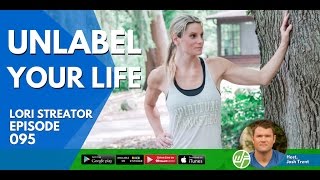
Podcast episode (Wellness Force Radio #95) featuring host Josh Trent interviewing clinical counselor Lori Streator about 'unlabeling' one’s life to enable growth, heal from loss, and build sustainable wellness habits. The conversation covers Lori’s personal experience after her mother’s death, practical steps for identifying and shedding unhelpful labels, commitment and planning for change, the role of support, and short rapid-fire reflections on values and purpose.
Chapters
Wellness Force Radio Feelings are essential, but they can't dictate our actions.
We literally inspect each other with our emotions.
We came here for a special purpose. Let the purpose unveil itself. Knowing without doing is the same thing as not knowing. They're not just trackers. I'm gonna wear this, and it's gonna.
Help me do the right thing.
Wellness force radio episode 95 with clinical counselor and the owner of Breakthrough Mind and Body, Laurie Streeter.
We become so defined by things that have happened to us that we can't be who we are. Somebody who's been a victim of something or had some adversarial experience and they've gone on to be successful and write books and do amazing things. The only difference between that and somebody who's struggling is that they made a choice and they chose to not let that experience or their past or whatever happened define them. And they've defined their own life. When you think about what you really want, you know, and if you think about why do you really want it, you get to that core reason. The thing about unlabeling your life is unlabel the stuff that's not working for you. If you're stuck and you're confused and you're frustrated about something, okay, what are the labels that are stuck to it and get rid of those and either choose to relabel it how you see fit or don't label it.
Welcome back to another episode, my friend. I am your host, Josh Trent. Thank you for spending your time with me here on the podcast. This is where every week I'm bringing you access to global experts in all things wellness, behavior change and new technologies. On this podcast, you'll learn from exceptional people who are dedicating their lives to being a positive force for our physical and emotional wellness. My intention with the show is that together we we'll discover the connections between our emotions and healthy habits to live our best life and enjoy the process. This episode is brought to you by Perfect Supplements, a company I'm stoked to partner with who actually walks the talk with their values of non GMO, pesticide free real food supplements that fuel us for the wellness journey. Head on over to perfectsupplements.com wellnessforce Enter code wellnessforce to save 10% off your entire order. What's up, my friend? It's your friend Josh. And by now I know you're feeling the momentum of the year either lift you up or or possibly weigh you down. So today's show is perfect timing, number one, because you're Here with me, listening number two, because we're discussing the power of unlabeling our life, what that means and what it means to our wellness with my good friend and return guest on the show, Laurie Streeter. Now, this show is gonna be one you're either gonna love or it might rub you the wrong way, but either way, the message below it all is going to be of service, I promise. Because on today's show, Lori is talking about the growth and lessons she's been sharing all over social media and the Internet. After losing her mom in 2015 and from thousand hours working with clients across the country, she's sharing with us the labels she's peeled off and some key strategies around how we can identify the labels that are stuck to our arm that we don't even know that are there, but that are definitely not serving us. So Lori's going to show us how to move through difficult periods of change, why self love and self improvement are mutually exclusive, how to make this year more about your mission and less about your ego, and five powerful questions to ask yourself as you go through periods of change. We'll talk about how to deal with loss and finding that space to heal by allowing emotions to come up and how to source the right kind of support from people who have been there. And so for episode 95, we're talking about something deeper than just feelings because if you've ever lost someone you care about, then you know the definition of happiness takes on a whole new and unique meaning for you if you're meeting Lori for the first time. She is a whole body wellness professional and the owner of Breakthrough Mind and Body. After having her son in 2011, she gained a newfound respect for healthy living. So she combined her love for health and happiness with her passion to help others. Lori is a licensed clinical professional Counselor with over 10 years of experience in the field of psychology. She teaches from the philosophy that we get to build healthy habits, not ridiculous restrictions in order to create this positive and lasting change. Now her clients learn how to shift their mindset and improve health by working towards their ideal life. So let's break through to this compelling conversation with Lori Streeter. Lori, welcome to the show.
Thank you for having me. I'm so excited to be back. What? 2015 was the last one.
This is round two. That's right. You know, last time we had you on the show, it was around busy moms, and I think there's still a lot of busy moms out there. And we talked about breaking through fitness and the mindset around that in 2015. But for 2017, unlabeling, you have this new mission where you're helping people to unlabel their life. Before we get into that, I mean, share with us something that you've learned about yourself in 2016. Something fun, unique, maybe something that you don't normally even talk about.
That's funny because I'm working on an article and it's a pretty vulnerable article. But 2016 has to be, like, my worst year. I'm the happiest I've ever been, but in regards to challenges and things that I was faced with and the stuff that I really had to dig deep and come out the other side, 2016 was a big one. My mom passed away in October 2015, but 2016 was the year that I really had to deal with it. There's just a lot of stuff that comes up after you lose somebody big. There's all kinds of crazy things that, like, I had to problem solve around and things I wasn't necessarily ready to deal with. And 2016, I learned more about asking for help and really getting the support from the people around me. Something that I knew how to do, but not to that extent. And it really set a foundation that I woke up on January 1st of 2017 and was like, I'm in. I'm good now. That set the foundation. We're good to go. So it was a learning year for sure.
You wrote on your Facebook, change is difficult in the beginning and can get messier as we go. But it always starts with love. Because in order to improve yourself, you first have to love yourself. It's about acceptance, not settling. Keep your unique quirks and your perfectly imperfect amazingness in mind as you set intentions for 2017. What did you mean by that?
Know who you are. And I think we'll talk about that a lot today. Know who you are. Own it. You can love who you are, but that doesn't mean you have to settle for certain things. Self love and self improvement aren't mutually exclusive. It's not one or the other. So know who you are. Own your quirks, step into who you are and then build on whatever you're working on. Work on those goals. Work towards what you want to work on. Having grabbed onto all the amazing, unique parts of you because we were all made different for a reason. So know what that is and just go for it.
Someone listening knows a little bit about you from 2015. But for those that are meeting you for the first time, tell us who you are, what you do, and why you do it.
I am a wellness specialist. My background is in therapy, so I am a licensed therapist and I own Breakthrough Mind and Body, where I get to create content, write articles, social media posts, things like that, and also work with private clients. My investment in my clients is really intense because I want them to not be able to depend on me. At a certain point, I want to work with them and then them call me and say, look what I did by myself because of what we did together. So I don't work with a lot of private clients, but an extension of that, I work in a private practice where I have a physical office and I can run workshops and things like that. So the wellness end of everything that I do is built on. It's not a one size fits all, and you gotta find what works for you. And that's okay because a lot of people need that permission to do what works for them and to not fall into what everybody else is doing and what they think will work for them.
I think there's an emotional attachment that I've had in my life and that a lot of people have when they're either starting their journey or they're in the middle of their wellness journey or they want to be attached to a camp, you know, they want to be either an MMA or a crossfitter or a runner or a Paleo camp or whatever it might be, because there's a little bit of significance that happens there.
But.
But as you've talked about, I mean, these are labels. So what is this unlabel your life movement? Why did you create this?
So unlabel your life. It is. It's a huge mission. And going back to what you said, that's fine. If you wanna be part of an mma camp or CrossFit or whatever, if you like it, if you've chosen it, if it's not something that somebody has chosen for you or you into, or something that you dread, but you keep going to, we have to like what we're doing. Unlabel your life in general is something that I've been working on for many years. You know, we learn a lot about ourselves from our childhood. And we're told for as long as we can remember who we are, who we should and shouldn't hang out with, things we should and shouldn't do. Our identities are shaped as we grow, and rightfully so, that's fine. But as we get older, we really need to get back to the core of who we are and the things that bring us joy. I've done a lot of Work with victims, sexual abuse, physical abuse, things like that. And when it comes to those kinds of experiences, we become so defined by things that have happened to us that we can't be who we are. And I like to use the analogy that somebody who's been a victim of something or had some adversarial experience, and they've gone on to be successful and write books and do amazing things, the only difference between that and somebody who's struggling is that they made a choice and they chose to not let that experience or their past or whatever happened define them, and they've defined their own life. So when we start to strip away the layers and we start to shed that proverbial weight, we get back to who we know we are, and we start to relabel our life in a way that works with us and is best for us and throws out people's opinions. And we get rid of the things that we think we should and shouldn't be doing. And we do things that make us feel good at the core of who we are and bring us real joy, not just, like, temporary satisfaction, but sometimes.
The adhesive is pretty strong. I mean, these labels stick for years and years and years. So, I mean, peeling off this is kind of painful, right? I mean, what does this transition look like? Somebody's kind of sensing that they're wearing the wrong label or that they've been doing something for years and they're not exactly sure why they've been doing it. I think a lot of people can relate to that. You know, one waking up one day and saying, why am I actually doing what I'm doing in the first place?
Yeah. And that's the craziest part about my journey, is it wasn't an overnight thing. You know, there's a few examples. I am very social. I love people. I'm a therapist. I work with clients. But I hate being the center of attention. I've also really got into doing interviews and public speaking. But I hate the attention. It's the fact that I'm just a vessel to be able to deliver something that might help change somebody's life. It's not about me getting the attention. It's not about, look how many people showed up to my workshop. It's about if I was able to help somebody make a shift that'll change your life. That's what matters. I was always a really good student when I was little and very social and outgoing, but I hated giving speeches. I got out of every speech I ever gave in high school. I got to College. And my one teacher was like, I'm gonna fail you. You don't give a speech. I'm gonna fail you. So that was like, well, I had to do it kind of thing. But I was like, okay, so maybe I'm not outgoing. Maybe I'm not this social person. I'm an introvert. So I was like, this is gonna work well for me. So I labeled myself an introvert for many years. I'm like, cool. This is comfortable. This is gonna keep me in my little box and not make me. Force me to step out of my comfort zone. Force me to do the things that I really know I want to do, but that are scary as hell. You know, it's stuff like that that really shapes who we are. And people are like, oh, you're socially awkward. And then you're like, oh, I am socially awkward. And then you give yourself all these reasons why you are that thing, and it just keeps you stuck. Like, labels that we don't define ourselves are frustrating. They're confusing, and they essentially keep us stuck. So it comes to being able to identify them and then saying, oh, okay, does this fit my life? You know, you weigh in one hand. Does this work? Yeah, that's great. I'll keep it the next hand. No, that sucks. It's not working for me. It's making me miserable. It's keeping me stuck. That needs to go. So it's not an overnight process. This took me a lot of soul searching, but it can be done. And I think you come out of the other side with a lot more confidence and a lot more gusto for life, because it's so freeing to not be labeled by your past, by other people.
This soul searching part, is there a framework for that? I mean, is there like a template to search one's own soul, or is that just unique, like a thumbprint?
You know, I don't think it's a one size fits all. I wish it were. I think it's like health. Everybody has their own unique journey, and there's gonna be things that work for you that don't work for me. I read a lot. I talk to people. I connect with people who are where I want to be. And. And I'm like, what resonates about their personality, about them that I want either more of in my life? Or why don't I like that about them? And why does that trigger me so? I think everybody's on their own journey, you know, whether you need a coach or a therapist. I worked with people on this. But simple things like, does this bring me joy? Does this make me happy? Is this benefiting my life? Yes. No. And if no, why am I still doing it? You know, I think so many people are miserable in their jobs, but what are you doing to get out of it? You know, we feel stuck, but then we want to complain, we want to play the victim, and we don't really want to do the extra work that it's going to take to move beyond that. Because change is scary. Change requires that we have to do something different. So if you feel stuck, you have to do something different.
What does that discovery process feel like or look like? I mean, looking at your past, there was many times when you where you were stuck. I mean, you write about this on your website where staying stuck was something that you dealt with firsthand. What did that look like? How did you get out of the stuckness?
You know what? It sucks. Like, feeling stuck doesn't feel good. We're humans because we have complex brains. We have emotions and feelings and these thoughts. And when you think about what you really want, you know, and if you think about why, do you really want it? But why? But why? But why? I call it the five whys. Because I can really dig deep with somebody. If you keep asking yourself, what do I like about that? And you dig and dig and dig, you get to that core reason. We know what we want. We know how we want to feel because our feelings drive our thoughts, which drive our behaviors, which drive the outcome. So when we don't like something about our life, we either do something different and we change our mindset around it, or we stay there and we blame all the external circumstances, or we blame our past, we blame our past experiences, and we say, that's why I am the way I am, or that's why I'm in this position, because doing something different would be more scary.
What happened for you that was making you kind of stick? And how did you overcome that?
I think after college, you know, you just. You get to a point in your life where you either want to grow or you don't. And I think meeting my husband, having my son, had a lot to do with it. My son is a huge driving force in my life. But there were still things. I still lacked confidence in certain areas. There were things I wanted to do, goals and such that they were scary. It required public speaking. It required me to put my opinion out there. It required me to take a stance on topics to really formulate my thoughts and get them out into the world. And that is scary to Say, well, somebody's going to agree with this or somebody is going to have an opinion. So like I said a few minutes ago, for a long time, I was like, I'm an introvert because it kept me safe. It kept me safe from the rejection. It kept me safe from the feelings of fear that I was about to do something I had never done before. And. And what it got to be was that it drove me nuts. It drove me absolutely crazy because I knew in my heart of hearts that I had these big goals, but, like, I wasn't doing anything about them. And I was spinning my wheels, and I was like, my own worst enemy. And I think whether it's weight loss or fitness or some huge life goal or public speaking, like, we are our own worst enemies, relationships, things like that. So once you can identify where the struggle is, that's where you can figure out what you need to change. And it all starts in the mind. So I started kind of really focusing on affirmations for confidence. And I can't care what other people think. I have to do this. And the big kicker was in October 2015, when my mom passed away, I was like, seriously, this is what I was worried about. Like, I just lost my mom, the grandmother, to my son, my best friend, my number one cheerleader, and I'm worried about writing an article that somebody may not like. I was like, I'm freaking nuts. So that was the final. Not to be morbid, but nail in the coffin. That was just like, you have to do what's in your soul, what you want to do, and just stop caring and equally be kind. You have to care what other people think in the sense that you don't want to offend people. But not everybody's going to agree. Not everybody's going to like what you do. And it has to come down to, is your happiness worth. Is it worth it? Is it a priority? Or are you just trying to make other people happy? And I think after my mom passed away, I made the promise to her that I would do everything that I wanted to do, everything that she knew that we had talked about. I mean, we spent a lot of time in hospitals talking about goals and things like that, things I wanted to do with my life. And now I'm on a mission to fulfill that, because she knows the kind of person I am. But once she was gone, I was like, and we're worried about an opinion, we're worried about a judgment. We're worried that somebody may not hit, like, on a Facebook post. It's gotta Go. It's gotta go. All those labels, all the past experiences, it's not serving us.
What did you say to her in the hospital? What did you promise her?
That I would do the stuff that. Like public speaking. That I wanted to host workshops. That I wanted to have this mission in life and fulfill that purpose and, you know, of helping people in wellness, specifically of the idea that it's healthy habits, not ridiculous restrictions. We can't be confined by labels or people's opinions that I just. I knew I had to get myself out there more to be able to create a positive change in the world. Yeah. I mean, I just promised her that I would be the best person that I could possibly be. And I can't let negative anything impact my wanting to get that out there. Like, it's just got to get out there.
Yeah. And thank you so much for sharing that, because I think many people can relate. You know, they lose someone very close to them, and there's this set point, there's this fulcrum that nothing's ever the same afterwards. And typically, like, a major injury will happen or someone close to you might pass, and it'll just wake up the mind. It'll hit such a deep subconscious level that everything gets shaken, and the only thing that remains is really the authentic you. I mean, how did that impact you? And what are you taking forward now from knowing that this life is so finite, you know, and we only have this little glitch of time that we're here? Like, what did that uncover for you.
To not hold back, to not worry about? You know, there's. There's 7 billion people in the world. 7.4 billion people. And I'm worried about one person. You know, after. After my mom passed away, I could have laid in bed, but my son was like, in my face the next morning. Like, make me breakfast, Mom. I'm freaking hungry. So I could have laid in bed, and I could have gone that route, and then people would have been like, you need to get up. You need to do stuff. So I went the other route, and I did what was gonna make me feel good, and I went out and I did things, and I still worked out, and I pushed myself even more into work, and I spent tons of time with my son. And then people were like, well, maybe you should tone it down a notch. Are you overcompensating? Are you actually really depressed? And I'm like, why are you so worried about what I'm doing? I just stopped caring and just did my own thing. And what was gonna Heal me and be me. And I was just like, I gotta let anybody who is not gonna support me. I don't care. It's. It's over.
How does somebody who's dealing, you know, someone's listening and they're dealing with a loss. Maybe it's not as close, or maybe it could be someone who they never thought they would lose. Like, what does that look like for people to step into giving themselves the space to heal?
You know what? I just. I think it looks different for everybody. I think you have to find outlets that give you that space to heal. Some people go to church, some people go into nature. Some people work out. Some people need that solidary time by themselves. As long as it's helping you recognize your emotions and deal with it and not fall down an unhealthy path, like turn to addiction or, you know, substances or things like that. You know, if you need a therapist or you need help or you have to reach out to somebody, people on the other end are always worried about, oh, my God, what do I say to this person. If somebody reaches out to you because they need help, the best thing you can do for them is just be like, I'm here for you. And because if it's like, oh, I understand what you're saying. They really don't. They can have empathy, but they don't really get it. They didn't just lose their mom or their brother or whatever, or their best friend. So, like, I'm here for you, whatever you need, and give that person the permission to ask for help or whatever it may be. But I think that kind of. That healing looks different. I'm not healed. There will always be a hole in my heart. It's just a new normal, and it's learning to live with it. And I have really good days. And I have days where I'm like driving and I break down and cry and I'm like, okay. At first I kind of get on myself, but now just like, okay, like, I'm really sad and that's fine. Like, I lost my mom. So, you know, we. We like beat ourselves up over struggling with a negative emotion or when we're sad, if we cry or we get really angry and we get mad at ourselves, but it's. That's fine. Like, all the emotions, the range that we experience is okay. And knowing that and experiencing it and not judging yourself and then, okay, what do I need to do next? Do I need to make dinner? Do I need a nap? Like, you gotta do what's best for you.
This is so powerful. Thank you for sharing with us. Because the same energy I'm feeling, like the exact same energy that clamps down on the emotions that come up in all human beings. You know, all of our emotions that we feel are universal. Someone in France, someone in Germany, someone in America, we all go through these emotions. But that energy around clamping down and not letting ourselves feel that, that's the same kind of energy that makes labels sticking for way too long.
Yeah.
So what do you describe as a therapist, as somebody that works with people one on one in groups and online? I mean, that same type of energy, whether it's the label that's sticking, that doesn't fit, or it's the voice inside that says, don't feel what you feel, how do we actually address that? And then what are the steps to remove that?
Holy cow. You know, it's ultimately, you know, I really, really believe that, you know, what makes you feel good, the piece you may be missing is can you identify it? But, you know, in the moment, if you're judging yourself, if you're crying and you're upset about something and you're getting mad that you're breaking down, you know, has somebody labeled you insecure and you're like, God, I just want to be confident. I just want to feel good about myself. Do the things that make you feel good. Do the things that make you feel confident and let their opinion go. Like I said, I think ultimately it's what feels good to us. The noise out there is so loud, and it can be even louder if we let it. So it's really kind of turning inward. And what brings you joy, it's almost.
Like an emotional inventory I'm feeling from you, where there's just an assessment point where we're looking at, okay, what are the things that actually make me feel joy? I mean, Lori, I gotta ask you, is it that simple? Is it really that simple that we just do the things that bring joy?
You know what I think it is? I think it. We complicate things more than we should. We complicate fitness, we complicate nutrition, we complicate life. And yeah, life is complicated, but not to the extent that we make it. What makes you feel good? You know, when you leave a conversation with somebody, if you like that person, if that person added benefit to your life, or if they just sucked out every last bit of energy that you have for the day, you know, the question is, why are you going back? I mean, I spent many years with an ex boyfriend, and I knew it was wrong. But I was a teenager and I couldn't do anything different. I didn't know any better. It took many years for me to figure out how to break it off. Once I did, I felt so good, but I knew the whole time it wasn't good for me. But we just keep doing it because change is scary. You have to do something different. And I was too scared to make that decision. So whether it be relationships, you know, nutrition, exercise, something in your life, a loss, your marriage, you know, if it's benefiting your life or if it's just taking away and keeping you from doing what you really want to be doing.
This inventory, I think is challenging because it addresses our deepest beliefs, our deepest value system. You wrote, actually, I see it with my readers and clients. People don't want to try something new or take action because they're not X, Y or Z. Something you'd recently heard was that I'm not a runner, so I don't want to attempt my goal to run a race. Why does that exist? I mean, what's going on in our psychology there?
The labels keep us stuck from doing what we are doing and stopping that, or keep us stuck where we are from taking on a new task. So somebody was like, I'm not a runner so I can't run a race. Go run the frickin race. And then if you want to call yourself a runner, call yourself a runner. You can call yourself a runner today or when you cross the finish line, it doesn't matter. You define your life and you have to define your life how you want to define it. Not because somebody's like, oh, you ran one 5k and you think you're a runner. Okay, why are you listening to their opinion? Why does their opinion hold so much weight in your life? And is their happiness more important than yours? And that's the piece we miss, especially with this whole label thing. You know, we talk about nutrition and somebody's like, I'm a vegan and I'm Paleo and I'm. If that works for you and you need that structure and you need that label to stay with something, fine, you put it there. But I eat a lot of plant based stuff. I don't call myself a vegan because I'm not, I'm not a vegetarian. You know, I don't label my nutrition anymore. And guess what? I don't have issues with my weight. I don't have issues with my fitness because I eat what I want. I pick quality over quantity. And I stopped focusing on the Numbers and everything that defined nutrition that was making it worse for me. Some people need to count macros. You know, if you're in the fitness competitions like that, you kind of, you're required to do that kind of stuff. Fine, if that's what works for you. It didn't work for me. And I think there's a lot of labels that they're not one size fits all and they don't work for people. So it's shedding it, it's ever evolving, it's unlabeling it. And then do I want to label this or do I want to just do my own thing? And we need the permission to be able to do that. And I'm giving that to you guys today.
A big part of our emotional health comes from how we feel in our body and how satiated we are throughout the day. I mean, it's hard to treat other people well and think good thoughts if you're walking around hangry. One of the best ways to cure satiety and satiation is to add in powdered collagen to your drinks, your waters and into your foods. I use perfect supplements collagen. It's sourced from 100% grass fed cows. That means there's no hormones, pesticides or synthetics because these are healthy cows that eat grass while the sick cows eat corn. So beyond these healing powers of collagen for digestion and joint health, it also has 20 grams of protein in two scoops, which helps to curb appetite and increase that satiety. One of the cool things about this collagen is that there's individual packets you can mix in water and you know what, it tastes like water. I mean, all of a sudden my glass has 10 grams, 20 grams of protein and all the health benefits of having this non GMO pasture raised collagen in my bloodstream. So don't walk around hangry. Pick up your grass fed collagen. Feel better in your emotional body and your physical body every day. It's part of the WellnessForce radio bundle and it's heavily discounted just for you. Click over to perfectsupplements.com wellnessforce to save 10% off the already discounted package and get more wellness in the process. Well, I definitely feel that because I think decision making, the ability to make a conscious decision based on how we're actually feeling inside is a challenging thing. And I think that comes with time, with experience. Getting that contrast, Laurie, of like what we don't want to feel for long enough and you actually talk on your website about living life on our terms. Is there something that we can guide ourselves by when we look at our terms, or is it just simply taking the inventory?
I think it's both. It's. Do you like it? Do you not like it? Wait out, you know, in one hand, oh, that works. That's great. And then the next week, it might not be so good. So you don't do it. We have to live our life. You know, like I said. When my mom passed away, I was like, I'm spinning my wheels. I'm literally wasting time. I'm wasting time, and I can't. I can't do that. I can't. Knowing who I had lost and knowing that there were things she still wanted to do in her life that she could no longer physically do here on Earth. That's. That's a hard thing to. To sit on your heart. So it's, you know, it's taking that inventory. It's making those conscious decisions, like you said, and living consciously. And I've talked about this before, like, in other interviews and articles and stuff like. But that's, you know, when we unlabel things and if we choose to relabel things, or it's all about, like, living consciously and making the choices that are best for us not necessarily fit your friend or, you know, at the end of the day, can you look in the mirror and say, I did a good job, or do you look at yourself and think, I could have done a better job. I wish I would have done this. I regret that you wrote an article.
For Elephant Journal, and it was five questions to ask yourself before taking the Plunge for change. The first question was, are you committed? And this is an interesting one, because question number one. Are you committed? I think a lot of people would say yes. But how do we actually know if we're committed? What does commitment feel like?
You know, when it comes to commitment, change is scary, like I said, and it forces you to do something different. Are you committed to facing that fear? And part of that commitment is knowing what you're concerned about. You know, we have goals, but we don't address what could come up? What could come up for me that might make me think, whoa, pump the brakes.
Especially when the novelty wears off, right?
Totally. Totally. Especially, I mean, when the newness and the excitement in the air is gone, what's the stuff that's going to carry you through? So are you committed to doing what you need to do to face those fears to get the outcome that you want to get? And on the flip Side, it's stepping away from that outcome and knowing how do you want to feel in the end? Because it's ultimately not about the ten pounds, it's about how you're gonna feel about yourself when you look in the mirror and the ten pounds are gone. How are you gonna treat yourself? How are you gonna treat your body in your new body? And why aren't you doing that now? Love yourself now. Change will come.
You talk about having a plan in step two. Plans are something we can tweak. I mean, it's not like we're gonna have this structured, rigid plan the entire time. So where does labeling and peeling off the old label fall into planning? How do we use whatever new label we want to create? And what does a plan actually look like? I mean, here we are in the third week of January, and there's probably people that have achieved their progress they want to have, and then there's people that are like, I feel like I'm at square one. You know, how do we do this? This contrast between the label we want and then letting go of the old one.
As we plan, as we build new things into our life that are good for us, those healthy habits, whatever our goal is, it doesn't matter whether it's healthy habits in regards to your eating or your mindset, it doesn't matter. It will start to edge out the quote unquote bad stuff, the stuff that isn't serving you, but you have to be committed to adding that stuff in. And it's not anything crazy. It's simple stuff. Drink an extra glass of water, wake up five minutes earlier for gratitude, or read a pick up a new book. You know, it's adding those little things in that are life changing. And being committed to that and knowing how you want to feel in the end and. And when it comes to labels, simultaneously looking at what hasn't worked. Why have I been yo yo dieting? Do I always try this diet and I just think it's gonna work because all my friends lost ten pounds on it, so why am I not doing it? Do I go to this workout class because everybody else says it's amazing, but I'm freaking sweating my ass off and miserable and I don't want to be here if you're not feeling it, it's not going to work. So, you know, we can give recommendations. And when I work with clients, it's not a one size fits all, like I said. And I give them options because I want them to tweak their own plan. I want them to Find what works for them, and that's going to give them the best results for them, not for the person I spoke to an hour ago.
And I think what you're talking about is a support structure. And support structures need to bend and sway with the breeze because sometimes in life it gets breezy. I mean, things happen. So how do we do this? When we talk about social support, there's technology, there's social media, there's your community, there's people you care about. There's all these options out there. I almost feel like there's a fire hose of support. Do you feel like it's really about seeking out the support or allowing it to come in?
If you're looking to make a change and you don't have the support that you want, you have to go get it. There's no other way about it. If you don't ask, the answer will always be no. And I really operate under, if I want something, I have to go get it. I have to make it happen. I have to ask for help. I have to learn that skill, whatever it is. So when it comes to support, we can't necessarily maybe change the people we live with. Sometimes the support doesn't come from the people that are closest to us, our friends, our family, the people we live with. It doesn't come from the people we want it to come from the most. And sometimes that's true. So when it comes to finding those cheerleaders, I think one of the key pieces is finding people who have been there, finding people who have done it that can shed some light on the situation that will help you, and finding the people who will cheer you on, who are maybe in the trenches with you, that you can swap stories and tips or whatever you're doing. But if you're not getting the support that you want, again, it's adding in new, healthy stuff, adding something in. Go find it. Go join a Facebook group. I get some pretty good feedback in the group that I run on Facebook. It's not big, but they're fairly engaged and they ask questions all the time. They're all in the trenches together, and I'm there to kind of help shed some light on things. So, you know, point them in the directions or people who I think can help them. If you want it, you have to go get it. And we can't do things alone. We need people to back us up, and that's okay. We want to be these independent people. I did it myself. You're not doing anything yourself. You Googled it. Somebody wrote that article, you asked somebody for a book recommendation. I mean, we're not doing anything ourselves, let's not kid ourselves.
Mindset is something that I think so many people explore. I know I do, constantly. You should see my book library. I'm like 10 books deep right now. But. But one thing that you wrote in this article that really struck me. You said, your body will not go while your mind can't. What did you mean by that?
If you're physically working towards a goal and you're stuck in the I'm not worthy or this sucks, it's not gonna work. You know, if, like I said, if you're in an exercise class and you're burning a ton of calories and you're sweating but you're miserable or you don't like it, you're not going to get the results that you want. You may get some results, but you're not going to get the full whole body benefit that you desire. So like I said, it's not about the 10 pounds or the weight you want to lose or that physical piece. It's about how is it going to make you feel. We have to get into that mindset. That's where, like, affirmations and things like that come into play. We kind of have to act as if and do the things and then our thoughts will start to go to this feels good. I have the confidence I can do this. I'm getting stronger. My life is good. I am grateful for xyz, stuff like that.
Sometimes our gut feeling based on whatever experiences we've had or the labels we're in the process of peeling off doesn't always serve us as we're going through a threshold of fear. Because I can think back of many times where I'm going through a threshold of fear. I'm speaking on a stage or I'm doing something that puts me in public spotlight, and at that moment, it feels like the last place I want to be. And if I just trusted my feelings in that moment, then it wouldn't be guiding me to go in that direction. What's deeper than just feeling? Because there's some kind of signal inside. There's some kind of light inside that's wanting to come out, that's pushing us to do that thing, that's giving us that fear in the moment. So there's feelings and then there's something a little bit deeper. What do you think that is?
Well, I think you said it. I think there's feelings, and then I truly think there's gut feelings and there's many times where I haven't gone with my gut, and it's come back to bite me in the ass. So, you know, it's. We can identify our feelings, but then there's always that gut that I know, I know, and knowing what those feelings are and digging deep on them. So what I mean is, this doesn't make me happy. Well, how does it make you feel? What does happy mean to you? Because happy to you and happy to me are two totally different things. So if you're chasing something that you want to make you happy, does that mean that you're going to feel more confident? Does that mean that you will feel accomplished? What do these feelings mean? And then identify them even deeper? And that's, you know, like you said, if you're on stage and you're scared and you don't want to be there, and if you would have gone with that feeling, you wouldn't be on that stage. But when it comes to fear and doing something different to get the end result, I was told by a mentor many years ago, everything you want is on the other side of fear. So when it comes to fear, it's feeling it and doing it anyway, recognizing it and not being held back from it. But when it comes to feelings like happiness and confidence and satisfaction and accomplishment, that will light the way.
Hmm. And this brings up the last point of your steps of change, where you talk about psychological garbage. I'm almost feeling like the reason why we have that feeling, that fearful feeling that blocks us from the thing that our inner, deepest, most excited cheerleader wants us to do is the garbage. And you write, we change for one of two reasons. We've learned enough that we want to or we've been hurt enough that we have to. What did you mean by that?
When it comes to change, we tend to do research. How do I lose weight? How do I do this? We ask people, we go try new classes, stuff like this. And then you have all this knowledge, and then you make the change. Or I'm so miserable in this body. I'm so unhappy. I can't meet a significant other because I'm not confident. I don't want to leave my house. I'm miserable. I have to do something different. So it's, you know, it is the. I've learned. I'm good. I have the skills. I'm gonna go for it now. Or it's the life sucks so bad. I have to do something different. I cannot stay here. I have to go beyond this comfort zone that I'm in. And, you know, when we talk about comfort zones, it's not that the comfort zone is good. Comfort isn't necessarily a positive thing, but it's what we know. It's what is quote unquote, normal to us. It's what we understand to be true. So just because when people are unhappy and they've been hurt and they're choosing to do something different when they're unhappy, that's still their comfort zone. Like the relationship that I was in many years ago, it was comfortable. I knew what to expect. It was miserable, it was toxic, but I knew what to expect. I knew how to deal with it. I didn't know how to be treated well. I didn't know what a good relationship looked like. So just because it's negative doesn't mean that's not your comfort zone. I'm much happier outside that comfort zone. But I think that's the piece people miss, is, you know, even though you don't like it, you're still comfortable there. Something is keeping you there.
God, Laurie, that is such a great point, because we've talked about in the show, Bonnie Kelly has come on. We've had many guests that are in Behavior change and that science wing that talk about this old software we're running on. And I think you talked about it with psychological garbage. So this is the last part of our show. You've already shared very deeply with us, and we appreciate that because I know that someone is listening and they've been through similar experiences. So thank you for doing that. But to go one level deeper. Let's go to the basement. Are you down? This is seven questions. It's going to be really fast answers, whatever comes up first. Are you. Are you ready?
Oh, my gosh, I'm ready.
What label are you in the process of peeling off right now?
The insecurity, I guess. We're always working on that. I'm always doing things that are going to make me more confident, make me feel better, make me feel more secure in things that I'm doing. So it's still shedding the stuff from my past. Like I said, it's not an overnight thing. So it's always an ever evolving, working on it, a constant, I don't want to say struggle, because I'm enjoying it now that I know what I'm doing and I've been able to identify it. But it's constantly peeling and learning and growing and expanding, and that's okay.
Do you feel like it's more important to live life without any labels at all or to replace the ones that don't stick.
I think it is more important to live life how you see fit, not how your past. If something good has happened in your past and you're like, yeah, that's awesome, fine, great.
Then you can stick the label on. Right. And say this because you associate positively with that. Yeah, yeah.
So if the thing about unlabeling your life is unlabel, the stuff that's not working for you, if you're stuck and you're confused and you're frustrated about something, okay, what are the labels that are stuck to it and get rid of those and either choose to relabel it how you see fit or don't label it.
Have you ever had a situation in life where you've put a tremendous amount of time into something and energy in something and it didn't pan out? How did you move forward from that?
Totally, yeah. I think with my business. I mean, I've been doing this for a long time. I knew at 14 I wanted to be a therapist. This is how the path has unfolded. I've gone the more wellness route, yet I still have my clinical license. So are there things that I wish would have already happened? Totally. Are there things that I wonder what the hell went wrong? Yeah, absolutely. But that doesn't mean I'm going to quit. Because what I know that I can do and what I'm capable of and the things I want to accomplish and we want immediate gratification, and that's just not how life works. You have to put in the work. So I think my entire business hasn't panned out exactly how I wanted it to. But that doesn't mean I'm going to scrap it. I'm always tweaking things, changing things. But like you said early on in this interview, it's been pretty consistent. You can go back to things I've written a few years ago, and it's not the same thing, but it's always a similar message. I always come from the same place. So, yeah, life hasn't panned out the way I wanted it to. That you always get back to basics. So whether it be me or the health and wellness industry from 50 years ago, we're always coming up with new things, trying new things, finding what works for us. But the basic is, does it work for you? So there's all these diets out there, there's all these things, information, opportunity. And we can Google it until our fingers fall off, but is it going to work for you? So whether it be me or the entire Industry. It always goes back to the basics of do you like doing it? Is your head in the game? Is it working for you? Or do you need to try something else?
If you could have a conversation with yourself 30 years from now, what might that conversation look like? How would you make it meaningful? What would you want to say to yourself then?
Girl, you better have done everything you wanted to do. Because regret sucks. I think Gary Vee says regret is poison. And yeah, I totally agree with that because I did a Facebook Live a long time ago and not a long time ago, a few months ago, we went to a World Series game. We went to World Series game five. My mom always wanted to go to a Cubs game. And when she was alive, I was always too busy. Life got in the way. I never took her to a Cubs game. We live 45 minutes from Chicago. And that was the one thing that bugged the crap out of me when she passed away, was that I did not take time out of my day to go to a Cubs game with her. And then when my husband won tickets to game five, I was like, I get to take my mom to a Cubs game. She had already passed away. It was like a year. And it was like the most surreal out of body experience to be at a World Series game, but to know that, like, my mom was there, so regret sucks. And that was able to shed that regret for me. But are you holding back from something and are you gonna look back and think, I should have just gone for it. I should have given that speech. I should have written that post. I should have asked that person out. I should have gone on that interview. The shoulda, coulda, woulda's are too late.
Do you have a mantra or something that you've told yourself this year, this past year that's really guided you through times of stress or sadness? What's something you tell yourself, I'm strong.
I'm capable of more than I know. Because this past year, in those times of get it together, you're gonna fall apart. I stepped it up and figured it out. So that's just something that I always keep in my head, is I'm stronger and more capable than I know.
What is wellness to you? What do you feel that wellness represents in your life? What's your definition?
Wellness is health in your mind, health in your body. It's health in your relationships. There's so many different areas of wellness, social wellness, financial wellness. People miss that piece of. Are you looking in the mirror at the end of the day and thinking, I did a Good job. Like I said before, are there struggles in my life? Yeah, absolutely. Am I the happiest I've ever been? Totally. And I can 100% say that with confidence. And I know that I am well because of that. It's not just the absence of illness, which I think might be the formal definition, but it's, you know, feeling good in your body, feeling good in your life, feeling good in your relationships, loving yourself and working on yourself at the same time. It's everything. It's how you feel throughout the day. It's how you face challenges. Wellness is a whole harmonious experience.
You can learn more about lori@wellnessforce.com unlabel But, Lori, if people wanted to contact you directly, you're all over social media. You have unlabelyourlife.com where can people reach out to you and get involved in the program? Tell us about the program.
So if people go to unlabellyourlife.com you'll get three videos that kind of just walk you through the simple process that will get you thinking and identifying the things that you struggle with and give you tips to kind of move forward. Because we can't change what we don't know. So my mission is to tell my story and then help you start identifying the things that you might be holding back. And then you can feel freer once you've identified them to move forward. And then I'm on social media, Instagram, Facebook, everywhere. Loristreeter.
Lori, I just wanna acknowledge the growth that I've seen from you, the way I've been inspired by you. When you're in my Facebook feed, when I look at the work you're putting out there to the world, this incredible beacon, this bright light that you're shining out there. Thank you for what you're doing for the wellness community.
Thank you. You know, that means so much to me because there's so much noise out there, like I said, and there's so much noise, and it can be even louder as we let it from fellow wellness people like you. I so appreciate and I'm so grateful for the support. And then the people who reach out and they say, that really hit me today, or I needed to hear that, that means more to me than I can even explain. So I appreciate that from the bottom of my heart.
Thanks for coming on the show.
Thank you.
That ends episode 95. Thank you, Lori, for sharing so deeply because it helps all of us on the wellness journey. And thank you, my friend, for listening. If you felt something today from the show, share it with somebody you care about. Don't forget to join the Wellness Force community by heading over over to wellnessforce.com news so we can connect both in real life and off the podcast to have discussions that move us closer to where we want to be. I want to take a second to read an incredible review that was left on itunes this last week. It's called hooked on one podcast by Jonboys66. He says, I heard Josh being interviewed in a podcast I regularly listened to and something just clicked. I felt this truthfulness in him that made me think I needed to listen more. I immediately went and found it. I've listened to probably 20 of them in the last four days. All of his guests are very knowledgeable and they talk on a level that any layperson can understand. I love that. It's influenced me to look deeper in my own life and see what lies beneath the surface, and there's a lot of emotional baggage. It's also inspired me to help others with their journey. I listened to a podcast with Bonnie Kelly that just made me open up. I'm looking forward to following on my journey to awakening and helping others along the way. Thanks so much. Much, Josh. Just what I needed. John, thank you so much, man. Your voice is so appreciated. And the way that that's impacting you is just a ripple of how it's impacting other people. So we really appreciate you voicing your words to the itunes airwaves. You know, I was going through the editing for this episode with Lori and my takeaway from the show, and I think it's something we all can practice, literally as soon as you switch off your device is that we get to make this mission, this life, more about just us and our ego. I care. I can't tell you how many times I've allowed my ego to get in the way of me being of service to the Wellness Force community and on my perfectly imperfect path. This is to be expected. But plus, sign on top of that, the commitment to this podcast and this community is that I bring on guests like Lori to talk about things we all universally experience that might not be puppy dogs, rainbows, or ice cream, but give us the insight we can pull from to move forwards towards what we want in our lives through people like her. These forces of wellness, these incredible people, they're just shining lights on the part of us that hold that same power. So as you go about your week, get in touch with that force. Let it guide you to be of service to the people around you you care about. So until I see you again real soon. I'm wishing you love and well.
More from Josh






Your child's future start before pregnancy... and even before conception! #podcast

MD Reveals: Your Healing Creates Your Child's Reality (The Souls Coming In Need Strong Bodies)



