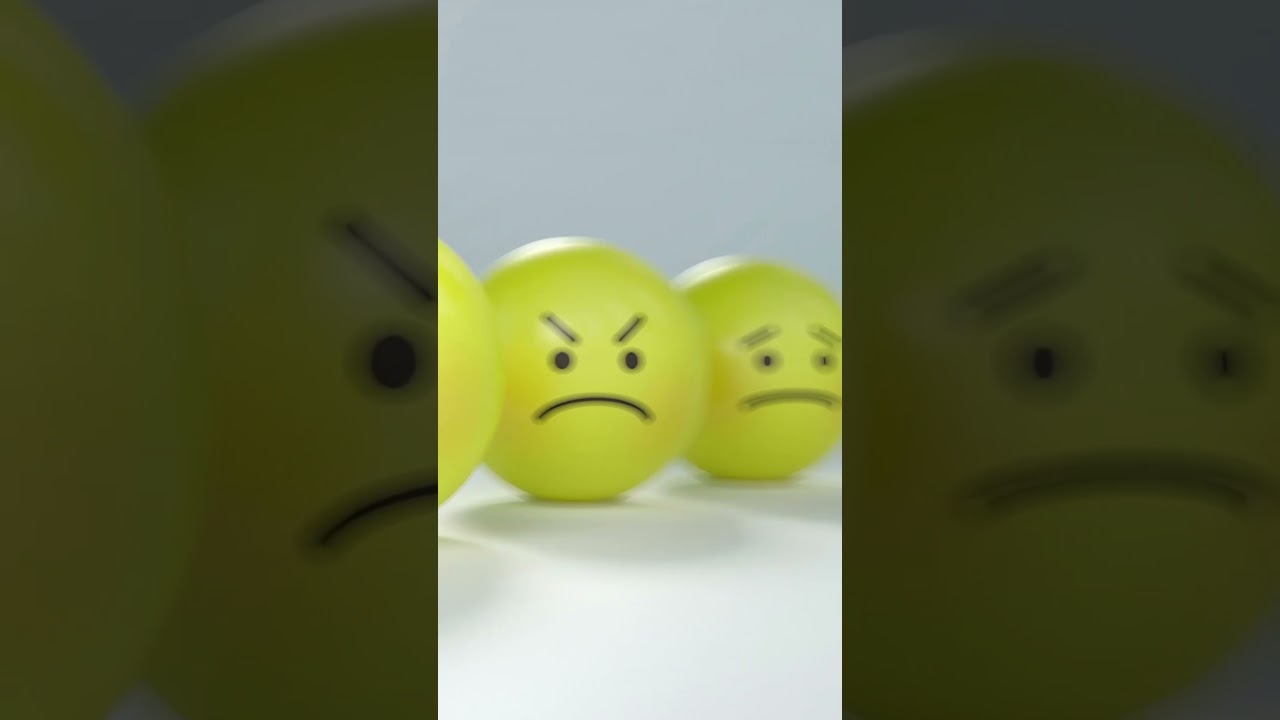
In this YouTube monologue, the speaker explores the long‑standing question of whether artificial intelligence can possess consciousness. Beginning with a brief history, they note Alan Turing’s 1940s speculation about machines that could merge with human intelligence and his formulation of the Turing test. The speaker then highlights recent breakthroughs—advanced conversational agents and photorealistic video generation—showcasing how AI can mimic human behavior. Despite these achievements, the speaker argues that current AI lacks genuine consciousness: it has no emotions, pain, joy, or subjective experience. They emphasize the distinction between imitation (as demonstrated by the Turing test) and true understanding, using the mirror analogy to illustrate that reflecting human language does not equate to feeling. The talk concludes with a cautious note that the question may evolve as AI progresses, but for now, AI does not possess consciousness in the human sense.
Chapters
More from Yamossoun







Algorithme de calcule de la racine carrée par dichotomie #dichotomy #squareroot #algorithm