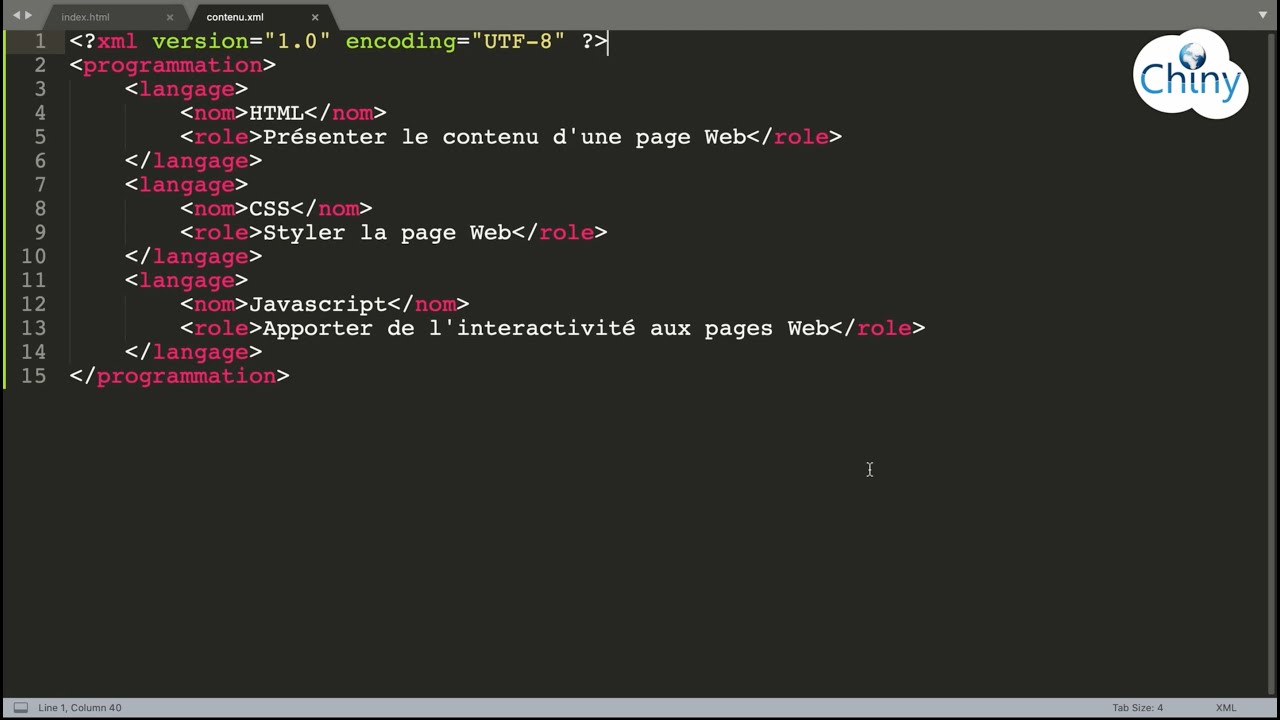
In this short French instructional video, the speaker explains that after an AJAX request, a server can return either an unstructured response—such as plain text or ready-to-insert HTML—or a structured response where data is well‑organized, making it easy for JavaScript to extract and process. The most common formats for structured responses are XML and JSON. The "X" in AJAX originally stood for XML, reflecting the early intention of AJAX to handle XML documents. Although XML is now less frequently used with AJAX, it still offers a clear, tag‑based presentation of data similar to HTML. XML (Extensible Markup Language) was created to enable data exchange between heterogeneous systems and also serves as a format for storing structured data, which is why it can be employed in AJAX contexts.
Chapters
More from Yamossoun











Algorithme de calcule de la racine carrée par dichotomie #dichotomy #squareroot #algorithm