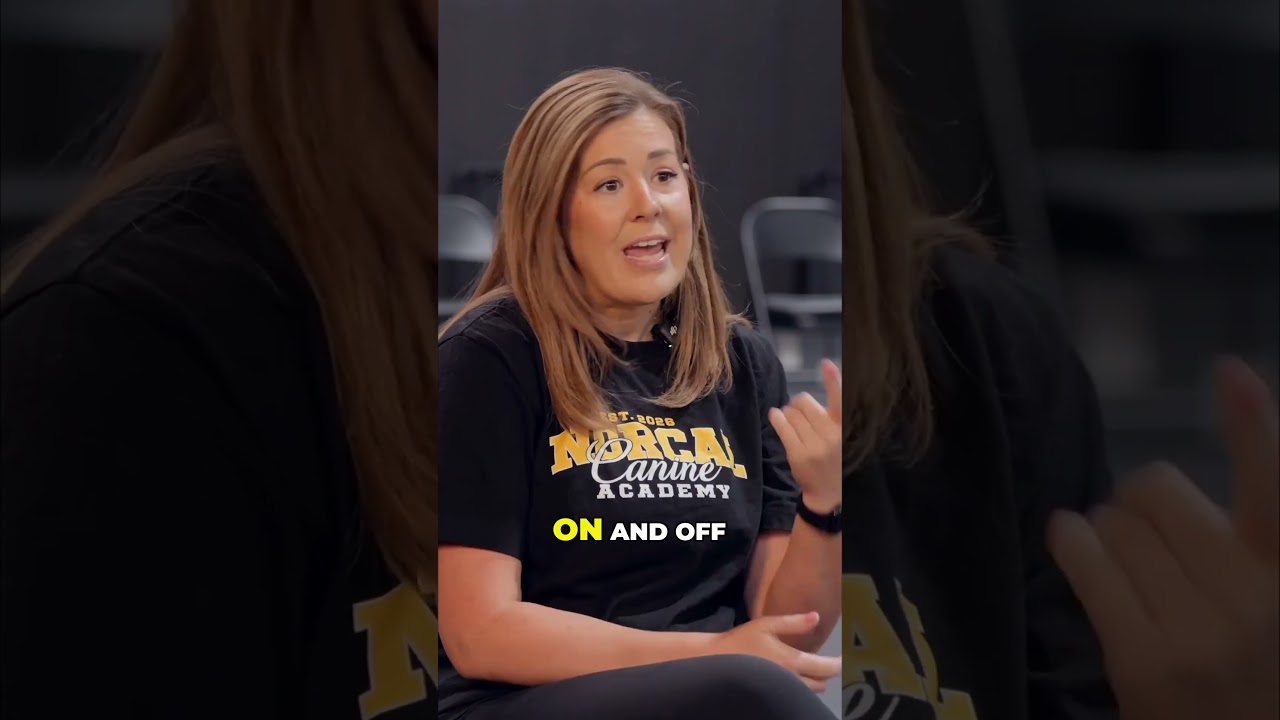
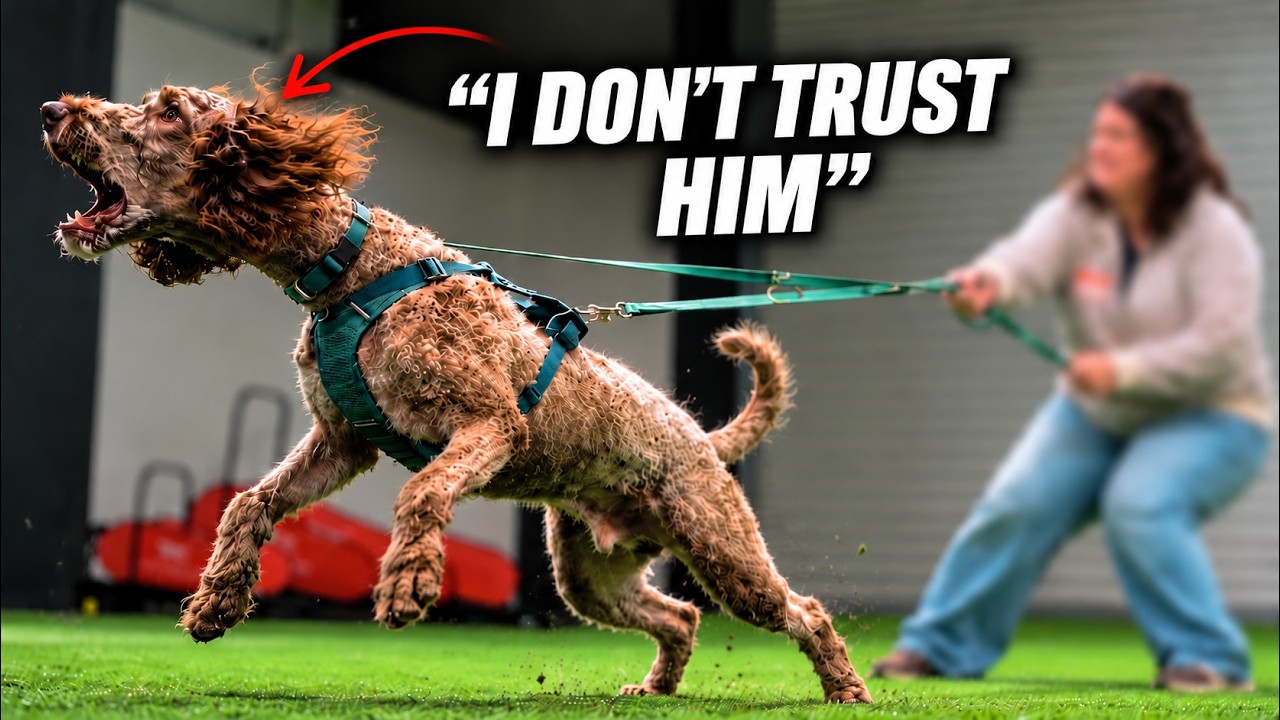
In this YouTube case‑study video, host Speaker A interviews Christina about her severely reactive dog, Charlie. Christina describes how Charlie’s constant barking, lunging, and anxiety forced her to restructure her entire daily routine—early morning walks, night‑time outings, and hiding behind cars—to avoid incidents. Prior attempts with conventional obedience trainers yielded only marginal improvement, and friends suggested rehoming or limiting Charlie to a backyard. Christina admits she felt extreme frustration, resentment, and a breakdown in trust with Charlie, which she believes amplified his reactivity. The interview sets up a five‑day boot‑camp program that shifts focus from surface‑level obedience to the underlying emotional drivers of Charlie’s behavior, promising a transformative change. The segment establishes the problem, the emotional stakes for the owner, the inadequacy of past methods, and the motivation to try a deeper, driver‑focused intervention.
Chapters
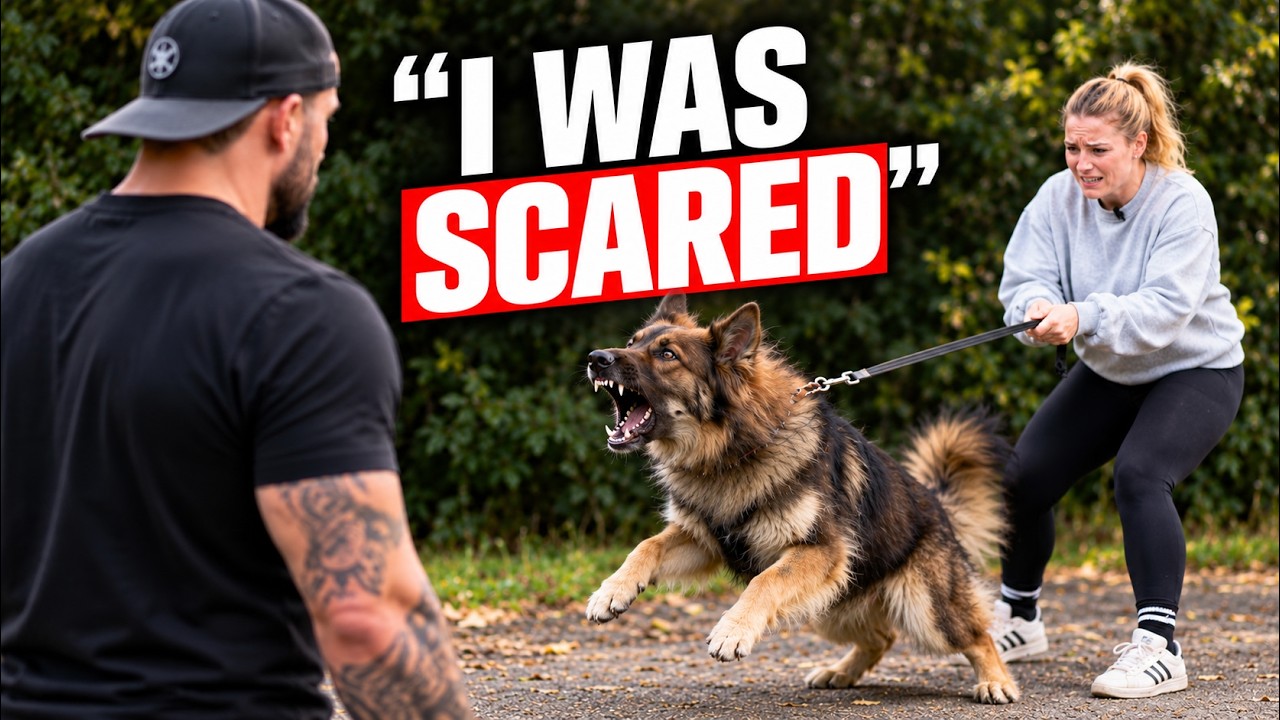
If you've got a reactive dog, you probably know what it's like to plan your entire life around avoiding the next reaction. You're waking up at 5 AM when no one is out, or walking your dog in the middle of the night. You've been hiding behind cars to avoid other people passing by, or driving somewhere quiet just to find some semblance of peace. That was Christina's life with Charlie. She had already spent months working with previous trainers, and although it had helped a little outside of the house, Charlie was still barking and lunging at everything in sight. She couldn't trust him around other dogs, and one day he even got loose and chased a person walking their dog. So any freedom or peace for Charlie felt completely impossible. Over the next 5 days, we're going to show you what changed when we moved beyond obedience and started working on what was actually driving Charlie's reactivity. How would you describe Charlie in a nutshell?
Prior to coming to boot camp, I would say that he was just a very anxious, unsettled dog, not well adjusted whatsoever. The minute we would leave the front door, it was just a constant scanning, head on a swivel. He would see triggers, it would be lunging, barking, extreme responses that quite frankly would scare everybody in the And so that's really what led us to seeking out help.
Did your family or friends say anything about your relationship with Charlie?
Yeah, there were multiple people who had told me that he should just be a backyard dog, that maybe I should rehome, just given that I don't have a backyard. Yeah, I felt that people were telling me that he was not going to be able to be rehabilitated, that it was kind of a sad case, and that I should seek another option.
We've talked about Charlie and describing where he was at behaviorally, but what about you? What about the human How were you feeling before training?
Extremely frustrated. I think that it really impacted the ability to bond with him. I became extremely— harsh to say, but resentful of the way that it was impacting my life. And I think that it in turn affected him because he was feeling that frustration from me with the constant trying to get him to behave in a way that I felt was socially appropriate. And I think that that prevented us from, you know, maybe trusting each other and enjoying each other and maybe even furthered the reactivity.
What was What was your big motivator for, like, not just knowing that you needed the training, but wanting the training for him?
Well, I could see the anxiety in there for the reason for his reactivity. I wanted him to be able to feel calm and confident in his environment and to be able to, you know, because nobody wants to live with anxiety. I wanted him to be able to just enjoy the outside and be able to exist happily.