A finance student paid $800 for a Harry Styles ticket through Ticketmaster presale, then watched it drop to $400 on resale. He explains how this mirrors options pricing: the ticket is the underlying asset, the presale is buying a call option, and time decay means the value hits zero at showtime. He's going anyway.
Chapters
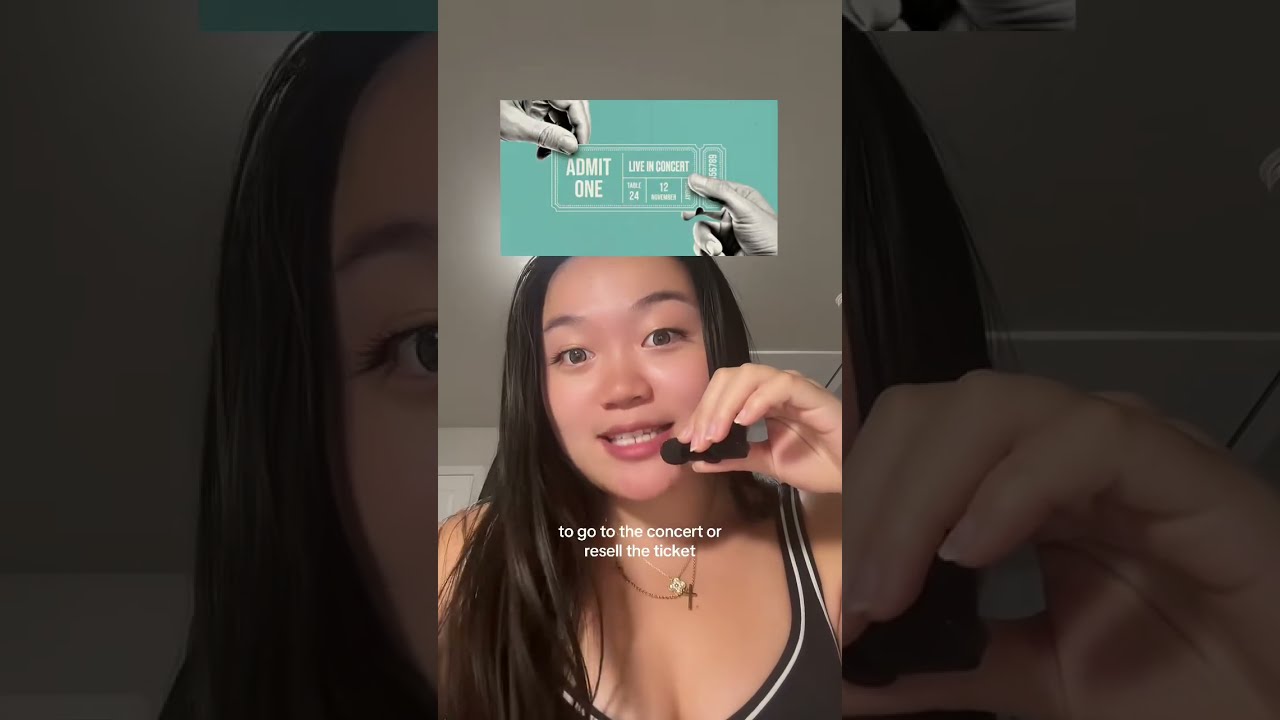
I'm a finance student and I paid $800 for a Harry Styles ticket. This is why you should not trust financial advice online. But instead of regretting my impulse purchase, I want to use this as a lesson about options pricing. What is an option, you ask? An option is a contract that you pay for, for the right to buy or sell a stock at a set price between a certain time frame. So when I bought the ticket during Ticketmaster presale in January, I was essentially buying an option to go to the concert or resell the ticket. Typically, the underlying asset, in this case the concert, has a fair value, but you don't know 100% what that is because the market Besides the price for you. Being naive as I was 9 months ago and unaware of Ticketmaster's evilness, I thought that the resale value would go up. I was hoping for some asymmetric upside, but the complete opposite happened and the resale value of my seat went down to $400. I'm not saying that $400 isn't already insane for a normal seat, but I suffered a 50% loss on my investment. There is a concept called time decay, which means the value of the option goes exactly to zero at the expiration date, which is the day of the concert. I still have the option, of selling the ticket at a loss or exercise my right of attending the concert, which I definitely will. Was it a bad investment? Yes. But was it a bad purchase? We'll see this weekend.