He Turned an Unsexy Business into Wealth

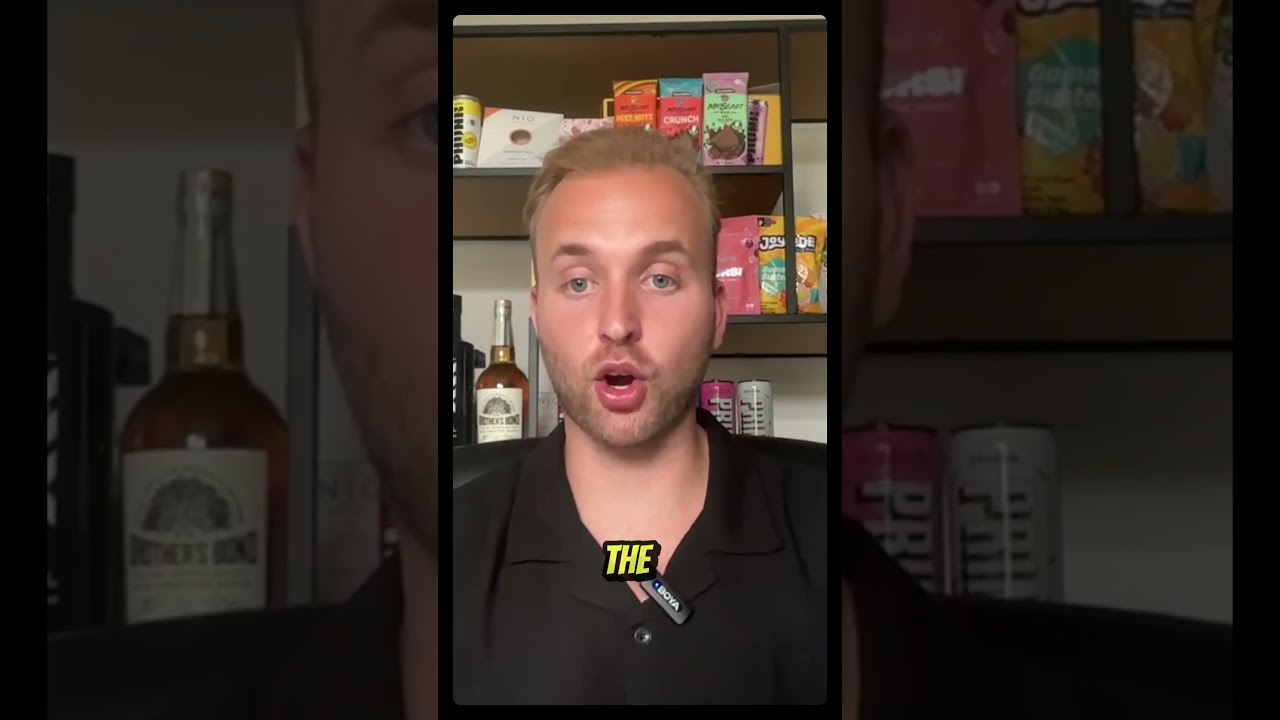
In this interview, host SPEAKER A talks with Mark Amory, the founder of several home‑service brands including Puddle Pool Services, Dalu Pest and Vials Life Control. Mark recounts his career path from a teenage pest‑control technician to a serial franchisor, describing how he identified the pool‑maintenance market as an “unsexy” but high‑margin opportunity. He explains the market’s geographic breadth, the misconception of seasonality, and shares that the business enjoys an average net margin of about 20.5 percent. The conversation dives deep into the technology stack that powers the franchise – a proprietary, mobile‑first CRM, iPad‑enabled technicians, automated quoting, payment and subscription billing, and a centralized call‑center and marketing team. Mark outlines how the lean franchise model eliminates traditional brick‑and‑mortar overhead, keeps marketing in‑house, and passes the full spend to franchise partners. He discusses the criteria for selecting franchise partners – discipline, cultural fit, diverse age ranges, and a willingness to be an “A‑player,” rather than prior pool experience. The role of social media, especially TikTok, is highlighted as a key acquisition channel, supported by an in‑house marketing crew. Growth strategy is described as controlled quality expansion: from the first franchise in 2020 to roughly 30‑35 territories by the end of 2024. Mark reflects on early pain points (finding the right partners, managing mistakes) and shares advice for prospective franchisees: thorough research, use of brokers/consultants, and ensuring the brand aligns with personal goals. The interview closes with final encouragement to take the plunge into franchising while emphasizing fit and due diligence.
Chapters
Ladies and gentlemen, welcome to the Franchiser's Seat. My guest today is Mark Amory. He's been acing the franchise game in both the residential and commercial services space. He's the founder of 2 Dalu Pest and Vials Life Control as well as Puddle Pool Services. So, um, today people are seeking opportunities in the so-called— pardon me, Mark— unsexy or boring businesses. Such as laundromats, car washes, pool services. But I guess now people are catching up on where the real money lies. And these industries have a lot of potential. Mark, you've been in the game since 2014. Correct me if I'm wrong. And you've—
Yeah.
And, and you've revolutionized the pool maintenance industry across Canada and the US, which of course we'll be exploring in the podcast. And a fun fact for those of you who are watching, Mark has also made his appearance in the Dragon's Den television show, in which entrepreneurs pitch their business ideas to a panel of venture capitalists. Mark, I'm very intrigued by your ventures and escapades already. So welcome to the show.
I sound really old now. 14. That's a long time ago.
When was that, the Dragon show appearance?
Oh, that was a while ago. That was about like maybe 5 years ago. That was, um, yeah, that was a while ago.
So. Interesting.
Yeah.
Yeah. I, I was doing some, a little bit of research on you and I, I was quite taken aback. It's like a, it's like a version of Shark Tank, right? Kind of Shark Tank.
Yep. It's the Canadian side. Yes. I think they were before Shark Tank. I'm not too sure, but that might be the way it is.
Okay. It's, it's a Can— okay. I, I had this impression that it was British. Okay.
They do have it. They do have it in in Britain as well. I think I think it's called I think it's called Dragon's Den in Britain as well.
Yeah, it's it's the same name.
Oh, is it same name? Okay, yeah, yeah. So yes, yeah, they do have it. Yeah, you're right. I've seen that one before. Yeah, that was a long time ago though.
Yeah, that was um okay okay okay. And was it for one of your home services or brands itself or?
Correct. Um yes. So I had three different ones prior. And then just kind of bringing them as a collective and then expanding that way. So, but yeah, they were all in home service, always been in home service. So.
Yeah, you've been in the home service industry since 2014. So my— I would like to begin it this way.
Sure.
You started in the home services industry. What was your background? What led you to get into this industry?
The home services. Yeah.
Yeah.
I've always been in home service. Yeah. Even since, you know, my first real job out of high school was in pest control. I was a technician and kind of, you know, stayed with it for a while and then grew into like, you know, the typical manager position and kind of growing the corporate way. And then realizing at one point where you start to do the math where you're like, what am I— this— I could be doing this, you know, and you kind of You kind of get that bug. And I think that's where the bug started for me, is realizing not so much the— it's not just the money. Oh, I could be making this money, or this could, you know, that kind of thing. But it's more the freedom where asking, like, can I have Tuesday off? I hated that. Like, can I have Tuesday afternoon off because I have to go to the dentist? Or trying to justify. That's the part I really didn't like. So I think— I'm not sure how every business owner and that— I think that's probably why the drive, why they would start, either money or time is usually the one. But for me, it was kind of more the— The time, of course, the money as well. Like, you see those, but that's kind of what led me into, into my own path. So, but yeah, so I started from home services, so I don't really know any other. I would not do well in the restaurant industry kind of thing, you know? So.
No, I think based on your experience, you made the right decision. That was very wise of you to enter into home services. This industry has a lot of scope. Literally, people are catching up on it. There's an influencer, her name is Cody Sanchez, and she talks a lot about these unconventional businesses that people never think about, how much money these industries can provide you with, and so much scope.
Very unsexy. I've heard that a lot of times too, right? And it's very unsexy. There's nothing sexy about it, right? It is, but it is, it's essential service, right? If you own a home or like, You know, that kind of thing. There's services that you need to do to your home or your property that sometimes you just don't want to or you can't. So I think that—
Exactly. And I think what you're doing precisely, revolutionizing the industry, that's where the scope lies in these so-called unsexy businesses. So I get that how you got into home services. Was franchising on top of your mind when you ventured? Did you think already that I'm going to franchise it?
No, I didn't. I didn't really know what franchise was. I just knew like, hey, we're going McDonald's. I knew that was a friend. You know, like I was pretty young. I was like 18 or 19 or something like that where it started on my first. It was a pest control company because it came from that field and went into the other. And and I it was I just grew it corporately. So I just you know grew it till there's one two three four five six technicians kind of thing. We had routes going. We started taking market share of the big boys. The the, you know, the larger local. Um, we became the largest local, um, you know, in Vancouver or, or, um, BC, BC probably at that time. Um, and then it was, I exited, um, to a competitor, but, um, yeah, sorry, I don't know where I was going with that, but it, it, once I exited that, it kind of, you know, I was younger, younger now, I'm 47. So I keep saying I was younger. I was like 20. Maybe still young. Yeah, there you go. Yeah, I don't know. I don't mind getting my ages wrong. But after that, I decided to kind of take some time and just, you know, what you want your next one to be, because I was— I had some time and I was really eager to get back into something. And I couldn't do pest control, obviously, because I had non-competes. And then I went to a— it was like a business convention, but, you know, one of these, you know, shows or whatever where they had somebody speaking. And I I watched a guy talk about franchising, and his name is Jim Trelliving, and he owns all these Boston Pizza. He's a huge mogul in the space, right? So, but yeah, he— I kind of watched that, and then it really, it really kind of just like ticked with me, and I thought, oh, that's really cool. Then I liked it, and then I kind of did more digging and digging, and that's when the— that's when that kind of sparked there. So. That's kind of how it went. Yeah.
Interesting.
Yeah.
And then you started, got started with Puddle Pool Services. So how did you, I, first of all, why pool services? I get that it's kind of falls into home services and commercial space.
Yeah.
Yeah. Why?
What? Yeah, it's, so I kind of had a, like in my brain I had a bunch of home service sectors I wanted to hit over time. And then after exiting All those, I moved and moved. We had we had puddle kind of on the sidelines for for a couple of years waiting, and then we're slowly developing. And on the side, like like myself, it's not just myself. You know, we have a leadership team of of five now over like ten years. So everybody kind of knows everybody really well. It's like family. So we started developing that, and then why that space? It was like for me personally, it I moved into a house and it had a pool, and I had. I had no idea how to run a pool. And so, like, unsexy essential service. I needed somebody to do it. And you just— I couldn't get a hold of anybody. I was calling up to people like an hour away, and either they wouldn't answer the phone or they're just, you know, they're like, hello, wait, you know, that kind of thing. You had the odd— and just could not get anybody. And finally I had a guy came on like a Sunday, says, yeah, I'll stop on my way home from camping or something. And he showed up and he had his dog in the front and he looked like he just came from camping, you know, which is fine. And then he had like one flip-flop, which I remember, and I was like, is this for real? And he took— yeah. So anyways, after that, kind of like, okay, it's go time. And then it's time to come in and, and, uh, I don't know, clean up the space or, you know, just kind of, kind of do some things a little different. So that we, we moved right into, into that. So. That's kind of how we— yeah, that's how we started that one.
So I think that's one of the best ways to get into business. You identify that there's a real need, there is a gap that you could fill.
Yes.
And just venture into that because you're solving a real problem. If you face it, I'm sure a lot of people are.
Yeah, it was, it was pools. It was, it was like I have 5 kids. I'm like, I'm not going to be like dumping chemical. Do you know what I mean? Like, and then you read the horror stories online, then you're So it really scared me at first. And then when I had it, I'm like, oh my God, I'm not going to be able to find anybody that does this. So anyway, so that's kind of— we found a company after that and we went right into it. Excuse me.
Got it. So, okay, now if we were to talk about business, I do get how did you identify the need? Can you put things in perspective as far as the market is concerned of pool houses today?
Yeah.
The margins, etc.?
Yeah, that's— yeah. So as far as markets, so there are— there's no— everywhere has a market, right? If there's pools, right? Except for like Antarctica. That's— we can't go there. It's too cold, right? But that kind of thing. It's like we're in Canada. We have all 4 seasons. You know, we have some parts of Canada that are 6 feet of snow at some years. And then I'm in Vancouver where it's just like, you just, you know, it just rains all the time. That's all it does, right? We get a couple months of And then you have in the US, you know, you have down in the southern states where it's 24/7, it's nice all the time and everybody and their mother has a pool, right? So the market's kind of changed throughout. So it's the same. It's just we base our territories on a 10,000 pool count. So some folks may have a little larger area and some may have some that are really tight where every 1 in 2 homes has a pool. So as far as the markets, it's everywhere. We also do like hot tubs, water features, Hotels, motels, you know, apartments, all that kind of thing. So there's really available anywhere. So for this—
yeah.
And the second part of the question, I forgot.
The second part, the margins.
Oh, the margins. Yes. Yeah. So we have an average net of 20.53%. So 20 to 20.5% net after all said and done, which is the whole service space is It's fantastic.
So yeah, that's what I was going to ask. How's it when you compare the home service? Okay.
Yeah, it's— that's what makes it really attractive, you know, and the fact that we've simplified it and made everything— I don't know if like techie is the word, you know, like you can run the entire business from your phone and, you know, techs are using iPads. So it's a little more not just a value add for the client at the end of the day, right? It's just the ease for the people in the field. It's easy for the franchise partner, the owners to kind of run their day-to-day. So we've made it where it's a little more, you can like an executive model where the owner isn't putting their hands in the pool. They're kind of on the sidelines growing and driving the business. So, sorry, I think I'm like veering off the question. Stop me. Yeah.
No, no, no, not at all. Actually, I would like to have a question on just around how are you trying to change the pool landscape? Into, you know, bringing in technology in it and how is it helping different stakeholders. But just before that, because we are, we are trying to, you know, set the base as far as this industry is concerned, many people have this thought process and you briefly touched on that, that it's very seasonal. So how do you, you know, kick out the idea of seasonality out of the picture with what you do at Puddlepool Services?
Yeah, good question. That's usually a really common question is how do— like, what do you do in the, in the off-season, right? So for us, there, there is no off-season because we deal with homeowners, residential, yes, um, that may, you know, in some areas they may close their pool down in the 40s, you know, the colder seasons, um, but some, like in Vancouver, they run it year-round where they're just there every 2 weeks checking. But, um, back to how we revolutionize it is Not, not only going into the residential and commercial space to make— because that commercial space, you know, apartments, townhomes, multi-units, HOAs, apartments, you know, or apartment, like that kind of thing. It's, it's year-round because the pools are indoors or the water features are indoors or outside that where it has to be taken care of that in most, you know, areas and zips, it's daily. So there is no— Season. It really helps us because we have that question a lot. It's like, what if it— when it's cold, or what do you do then? And like being, you know, 18 territories in Canada running strong, it kind of helps where they're like, well, if it works here, it's got to work there, right? So, and which is true because we do experience the full, some parts of the full seasonality. So yeah.
One of the things I really like is, you know, when you think of pool maintenance, people don't think about, you know, shutting the pools, closing the pool. When it's winters, and that's what you do as well.
So yeah, correct.
Just being able to— yeah, I think just being able to know what the client needs and adding that service, and this way you, you're, you're being able to kick away the, the seasonality out of the business.
Yeah, core services, you know, the regular maintenance and, you know, stuff like our leak detection, vinyl liner replacement, full pump repairs, all the mechanical sides, up to right up to actual fiberglass pool installs we do as well now. So we're, um, so it really is because during COVID some people were waiting a year, you know, a year and a half for a pool. It just, you had to hurry up and wait, right? So we've kind of streamlined that process as well with our suppliers and getting I don't know the word to use, best pick or quickest pick for the homeowner, you know, within 6 weeks you can have one, you can have one in your backyard ready to go. So, you know, so it's those other, taking that, the seasonality of that as well, and there's always something. So, yeah.
And I believe from what you're saying, it's the commercial space that is more lucrative when compared to the residential one.
Correct. Yes, it's, um, it is a different game. It's a different, you know, it's a pool is a pool is a pool. It's the same thing, right? Might be just bigger, a little more parts and intricate, you know, kind of things happening to it. But it's more of, um, yeah, it's, it's, there's different marketing plans. It's a different approach. There's a different, um, it's just a whole different— I can't, I can't give you too much just in case a competitor's watching, then I have to, you know.
Yeah, yeah.
And we'd have to go after them. But no, it's, um, yeah, it is a little more, um, Yeah, it's a little more. It's a different space, right? It's totally. It's totally separate than residential. Yeah, it's a whole new learning process. That's why most people don't go into it.
Well, at least this what you you've answered that this is not a seasonal business, and that's what is essential for people to know that if you enter into this business, you would not have that issue, and it's more like a subscription business model. Given that you always have the need for okay.
Exactly.
You were talking about revolutionizing the space. How have you managed to revolutionize, and what do you mean by that? How are things? You did mention that briefly, but how did you change the state of affairs? Yeah.
So for the the business owner side, the franchise partner side, it's it's not your typical. Like owner-operator model. It's not, hey, I want to clean some pools in my area, here we go. We've built it for scale, like through an executive model where they're, you know, filling the teams. But we also do have that owner-operator side as well, where we have folks in our system that run it that way, and they, they feel more comfortable in the field, but running the team, you know, they're just more hands-on. I'm like that myself. I'm very hands-on. I got to feel it. I gotta, you know, I gotta see what's going on. But, um, how we revolutionized it for the, the, um, or the owner would be, uh, I could, I could run where you are right now from where I am, to run the entire business, to run a home service business as soon as the technician's in place. And that's kind of the kicker. So being able to, um, like we have all the marketing goals in the world, the call center, you know, all that flows into our own CRM that we have. It's proprietary. It's been built since day 1, so we don't outsource anything. Having that allows the, the owner to quote the jobs. Everything kind of syncs with Google Earth, links with the technicians, with their vehicles. They know what's going on at all times. They don't need to do site visits. They can send quotes within seconds, collect payment within seconds, automated everything as far as, say, subscription model. It's best for the homeowner as well as the, as the, as the business owner where they can, at the end of the month, they hit one button, it just invoices all the cards. So they're not chasing money. All the pain points in the home industry, and I've been in it for a long time, so I know everything. I always joke about even the littlest thing down to these buttons on this phone are too small. I got big fat wet fingers, make them bigger. Because it's ours, we can make, and that's a pain point, right? So from the technician side in the field, you know, even their assistants, how Having live help for technicians when they need something, they just you know they just hit help me and it goes to one of our live ops, somebody in the ops field that will help them walk them through that. Or we have video, so there's a lot of not just the support side. So it's kind of what's like when they say you can run the entire business from your iPhone or your iPad or your whatever that you can really run it from afar. So that's what's really revolutionizing. That's what makes it I'd say the most attractive. You know, like we've scaled pretty quickly this year. controlled growth, right? So it's, um, but that would be kind of the, the idea there.
Yeah.
If I start to ramble too, I have a tendency to just not shut up. Just tell me to—
no, no, no way. I mean, that's the idea, you know. Okay, let's— we're exploring a free-flow conversation.
There you go.
You talk about revolutionizing, and the point that he's just mentioning, the botanist is used more. I think that's also adoption. not just rolling out a piece of technology, but making sure people that you work with actually adopt.
Yeah.
So active listening. How is this model different from— if we are just thinking in terms of the franchise partners, how is it different from a brick-and-mortar business? And how is the model lean? Because from what I understand, it's a very lean model that you've created. How is it lean and how is it different from a brick-and-mortar business?
Yeah, that's a good point. Good question. How's it different is everyone, you know, your fixed costs, your overhead is we want to keep it minimal. You know, we want to keep it at zero if we can. So not having those fixed lease payments, the heat, the hydro, that's, you know, all those things to keep the lights on. You really don't have that in the homes, usually in home service space. You know, that's not, you know, we didn't do that. That's just kind of why most home services, those unsexy, dirty businesses are attractive. We don't have— you don't need to have a storage facility to keep all of your chemicals and tools for technicians and whatnot. We've automated that side. As far as everything we do is in-house, like their marketing, their call center, social media, PPC, SEO, digital, all that fun stuff that's usually a bit of a challenge, we do in-house. So that overhead, they don't— even though When you have something that's in-house and then somebody says, we offer marketing, right? Not that there's anything wrong with the other side where they're outsourcing it, but the person that pays for it at the end of the day is the franchise partner. Because if they have, say, $1,000 to go to marketing, if it's in-house, usually it's like for us, all $1,000 of those dollars go to marketing, right? And nobody takes a cut. If they're outsourcing it to another third party that does the marketing for them, they say, here's $1,000.
Yeah.
They obviously need to take a cut for themselves for doing the work. So maybe they take $250, $300, whatever that number is, and now they're really only left with $700, right? So keeping it lean and mean allows them to have that ROI, right? When their biggest concern is, when can I get my money back? And how much money am I going to make? Those are usually the most common questions, right? And I think human nature, that should be, right?
Right.
And it's our job to make sure They can get their return as quick as they can and that they're profitable as quick as they can. Because the better they do, the better we do. I think that's what keeps everybody on their toes is make sure on our end, we want to make sure that, you know, if you guys don't do as well, you know, without using some colorful language, then we don't do as well. So, yeah, so I think that's kind of probably number one.
That's an interesting approach because a lot of times, as you rightly mentioned, it's the franchisees that are left to do the marketing job. But how do you ensure that they could do that well? So if it's in-house, you have the control, the expertise to do it and just run the ads across all, let's say, locations on behalf of the franchisees, right? That's what you meant?
Correct. We don't want them doing any— they can certainly help or bring, you know, we have some Guys that are and gals that are well versed in in social media. We have one guy who's about 24, Kalan. I'm calling the K man, and he's all over TikTok. And I myself, I go on TikTok to just you know be an idiot and just look at the the funny stuff and whatever they have on there. But when you look to and you look at the um the his ability to make videos and get he has one of like nine million ten million views. And myself, that just blows my mind because that's I'm not. From that world, right? So like myself, if I was left to do social media on my own to start, I would not do well because that's not my land. I don't understand that, right? So it really— having those people, um, in-house is just— and they know the— it's like you say, how can we grow in each territory equally? And up to— they've been doing it for so long and we've been doing it together. They know the keywords, they know the backlinks, you know, they know all of that, those things that drive that. And Typically, a franchise partner wouldn't, or if they did, they might not know this this space, those things, the phrases to use. So it really is a big big help for them.
Yeah, absolutely. And how what's the age range of this this franchise partner who has a big presence on TikTok? I'm asking it because I think for your industry, I want to know some give me some information as far as the age range is concerned. What would work for you?
Our youngest is 21, or 20 or 21. She's 20, and our oldest is about— I think he's about 59 maybe, or 60. So we have a range of— and we have men, you know, we have couples, we have single guys, we have single ladies, we have husband-wife, we have wife-wife, we have every— there's every— we have every— so it's not just like 18 to 25 male. It's— we have everybody, so it's a large spectrum. Yeah, so it's great. It's a large— it really pertains to anybody that really has that drive, that we have the younger folks that are, you know, they kill it on the social media field where, you know, maybe some of the olders, me being in that group, would need help with that. And we have, you know, these chat groups and helps. But then the young or the older who have life experience can really help with relationship building with, you know, maybe in the commercial side with the younger folks that haven't hit that. So it's a really It is like, it's a, it's a great— it's not even like, I don't know if family's the word. It's just a great space when you see that happening, that the young helping the old and the old helping, you know, sound like Yoda right now. But that's kind of, that's how it is. It's, it's very cool.
So. Which is the beauty of it because I think every age range has something to bring to the table.
Yeah.
Especially the younger generation. Social is what you mentioned.
Yeah.
Which social platforms work for this kind of industry? You mentioned TikTok, which is interesting.
Yeah, you know what, that would be a, um, T2 question. One of our Tylers in marketing, he would— he does our social media side in depth. So that would be their question, which works. But I know we're on all of them. Um, again, that's not really my space, so I'm not too sure which one is— well, I know, you know, TikTok, Facebook, Instagram, you know, LinkedIn, all those basics. Um, but we run campaigns in push and boost in all of those markets, and they all drive to the one call center. So I think all of them, but I know TikTok, I think, is the funnest.
Yeah, for sure. I mean, especially, you know, I think you shared a post on— there was a TikTok video of Paddleboo. Yeah, I saw that video, and that's why I had this question.
Oh, right. Yeah, yeah, it's, um, yeah, it's, uh, yeah, it is a space like, you know, TikTok, you have to be there. And at first when it came out, I said, okay, you know, whenever we first started looking at it, especially in the home service space, um, there's things on TikTok that work and things that do not work. And that's not coming from me, that's from our social team. And I know even when we're, we're doing our training and our, you know, our roundtables and group meetings on social media, and they talk about, like, you know, one of our guys runs those who's the franchise partner, you know, came and he helps with those. And it's like, even it's just crazy, the whole matching. Like, I sat at the sidelines, and to me, I'm just like, what are we talking about? This is crazy. Not crazy, but just like, it's a whole different world, and it's their world, right? Like, you know what I mean? Like the younger—
Yeah.
Like you guys, younger, right? So it's more of Yeah, it's more just like the music that attaches that they put to it. Even the way the cameras, he says, when you start from your feet and work up and then like just all of those little things, you're like, wow, it really, and you see it works, you know? So that's very cool.
I really like, like while speaking with you, I really like that you have this mindset of letting the experts take care of their domain. Many entrepreneurs have this and that's okay, but they have this feeling of control. But it's good to let people have, you know, take care of the domain and make it more of a, let's say, we share the best practices rather than telling them what to do. You've been in this space, yeah? You've been in, yeah, I was going to say you've been in this space for a decade. What have been the main pain points? Let's say in the past, um, as far as franchise partnership is concerned?
Yeah, I think since, um, you know, I think it's really the pain points would be, you know, whenever you, you do your— we did have our first franchise, you know, it was just, it was great. You have, you start to have the pain point. It's not great. I shouldn't say not great. It was at first it was challenging, um, because you're, it's like a whole, even though it's in franchising, you're franchising a You know, home service, right? It was very first one. Let's say it was a window cleaning, right? So, and that's what it was. And it was more how do we bring on the right people? Because you're kind of learning as you go. And if anybody who starts gets in the franchise space, oh, I know everything and I know how I'm like, yeah, right. For sure, you think you have an idea, right? But you're you're not you're not selling the service to the homeowner. You're not, and you're not even really selling the business to somebody. Hey, do you want to buy it? Do you want to buy it? It's more like. Here it is. Does it match with you? Right? So the pain point at the beginning was definitely getting somebody to believe in the system and believe in you. And you know what I mean? So like my very first franchise partner of all time, Andres, you know, he was the very first one. He was a technician. We had a window cleaning franchise and or business, and then we grew. We were going to grow into franchise, and he was a tech. He says, "I want to. I want to do this." So he moved to another part of. of Canada, and he was our first franchise partner ever of all of them, right? And I still talk to the guy, and he's, he's moved on since then, right? You know, and he's getting a little older. But, um, yeah, having those, uh, the pain point is really how do you grow and, and what do you do? And because in this space, when you make a mistake, it's expensive, you know? It's like, it is, the marketing costs are different. That— yeah.
Yeah, that's why I wanted to also, because it's extremely expensive if you do not have the right partner, yeah, that could be a lot of issues. So I believe you've had the same, you must have faced the same problems in the past. And you already mentioned it's more of a challenge. So what's your philosophy today as far as seeking franchise partners and such?
Yeah, so it's, and that brings it like to today, which is a great point. It's now where it's very, um, like Discipline. You got to have— make sure you have discipline to surround yourself with the right people and the right partners. Like, I'm, you know, as the founder, I'm on all the very first, second, third calls from an intro call. You just— I like that because it's important to our team, everybody. And when I say it's not just me, it affects everybody in the system.
It does.
You know, like one bad apple can spoil a bunch, right? So we want to make sure it's We're very selective and they have that same mindset and no, no red flags kind of thing, you know. And I'm sure every franchisor has their own system to what they look for, which is fantastic. And so you really got to look at like what we're looking for and be really— it's not just, hey, I have a check, I want to buy one. No, that's not how it works. That's usually a huge red flag. So I think it's surrounding yourself with the right, the same like-minded individuals and teams and that. So.
Yeah, and having the right, um, that's right, having a checklist of, and obviously believing in your hunch. Yeah, speaking with would be a right match, but also, you know, actively listening the way they talk.
Yeah.
Okay, so those are the kind of partners, um, that you're looking for. As far as compatibility is concerned, uh, do they need to have a tech background? If What would you say as far as seeking a new partner and their background is concerned?
Yeah, so we don't actually have any— well, I shouldn't say that. We have one person that was in the pool space prior, and we have another one onboarding that has a pool business now. So that aside, of all of our franchise partners, we don't— and nobody has any pool experience, right? I always joke, I say I don't even think many of them can swim. So they don't— that has nothing to do with it. It's more of the business side. they have that managerial experience, or it's not necessarily, hey, I've managed a team of 1,000, or like, okay, if you've managed a team of 2, that's also okay. So that's great to be able to grow and scale and have that vision. I want to grow an empire. So really that drive, it's just those little things. We don't really— there's a checkbox you have to have. Obviously on the financial side, they have to be well-vetted. They can't be in prison. They have to be clear, that kind of thing. But as far as the type of person, they have to They have to really want to be— have to be an A-player. They have to be outgoing. They have to be able to, like, go out and shake somebody's hand, you know, like, hey, how are you? Just that outgoing attitude. So, and if they've already— like, I always think if they've already reached out and they're looking for something and they were already inquiring, if, you know, then they've already kind of have that bug. So you don't have to worry about, do they want to? They wouldn't be talking to you if they didn't want to. So I think it's just— what do we look— it's just that individual. I think it's a case-by-case, right?
Yeah.
So if they have that spark, you can kind of just tell if it's— If this is for them or not.
So love it. Yeah, you've got a very, um, a slow approach, but that's great because, yeah, you're mindful of the kind of people you attract, and, and that works towards the end of the day rather than having this bulk mindset attitude.
Um, yeah, okay. You actually grow quicker when you're more selective. It's going to be slower at the start, right? Like, we started, um, start franchising Puddle 2020, last year, 2023. And we ended the year with 11 territories. And then '24, now we are— we just closed on 3. So I think we'll be up to about 30 in a couple of weeks. So by December, we'll probably close out the year with roughly 30 to 35 territories maybe, right? So that growth there is— it comes, it's going, we're growing quicker now, obviously, right? But it's a quality grow, you know? And so we can really be selective. And then when you see those You have all of the, you know, the business as a whole and all the franchise partners as a whole, it supports because whoever we bring in the system really does affect them, right? But with their support and you're picking these quality people and they're part of these validation calls and, hey, can the new person, like if you were looking for a franchise and you wanted to, you get to validation where you want to talk to other people, right? And if they can't, if they're not saying good things and they're not happy, you know, then you're not going to grow. So, I think that controlled, when you have these quality, and they also want to bring in quality people because— It's as much up to them as it is to us, you know, and that is true. It's not like we have had, you know, candidates talk to franchise partners and our franchise partners going, I don't know, man, like, I don't think this is going to work. And you hear somebody else and she may say, maybe not so much. So we got to take all that into account because it does affect everybody. So.
It does.
Yeah.
Love that, that you, you believe in that because I think in the system it's a win-win. So it's a friend, the franchisor wins, the franchisee wins. And either of the parties are not satisfied, it's not going to work. Okay. Yeah.
That's just us though. That's like, that's not the right way. I'm saying that's just the way we do it. So every, there's lots of great systems. I don't want to, you know, offend anybody or any of that kind of thing. I'm just saying that's just the, that's what works for us. So it's, we've adapted that style.
And that's the beauty of this business. So every time I speak with a brand, They have different ways of working, but if it works for them, good for them.
Yeah.
The point is to see what works for you and then just replicating it time and again to get the results.
Yes.
As your— what would be your final words for anybody watching this podcast seeking to get into the franchise space? And what would be the right— who would be the right person for you?
If they, as far as getting into the franchise space, you know, franchise is typically safer than starting your own. If they're looking at franchises, they probably already well educated in this and know. Yes, there's. If they're getting into franchise. Sorry, can you repeat the question? Kind of lost my train of thought. Yeah, sure, sure.
Yeah, sorry. To end this podcast. What would be your last words for somebody looking into getting into franchising?
Oh, sure. Yeah.
And what would make them take to work with you?
Sure. Yeah. Maybe you can edit that other part out. Sorry, mid-morning brain fart. As far as getting into franchising, I would say, like, if they're looking at franchising, they already know, they understand what franchising is. Like, what is it, you know? And don't be afraid to ask those questions. What is it? There, I would go to do your research, right? Don't get— don't go on the next flashy thing, the next— but like, we're growing quickly, right? There will be some point where, oh, these guys are growing really quickly, this might not be the best for them, right? So really do your research. Look at all the spaces that you want to get into. You know, compare home service to brick and mortar to what have you, right? And really get— like, if you do pick home service, Get like 3, 4, 5 sectors or different brands, not in the same industry, right? Like maybe a painting, maybe a landscape, maybe a pool, whatever it may be, because you really don't know until you see what it's like. For us, there was no— I'm sure nobody grew up and said, I want to own a pool business, I want to own a pool franchise, right? You don't know until you see the metrics. You're like, wow, this works, right? So really do your research. If you're not sure, there's brokers and consultants that you can use that will— there's no charge to you, right? They're paid via the franchise. And in that space, it's heavily regulated. It's not, hey, we'll give you this. It's all equal. So, they can use brokers and consultants that can guide them through the waters with that. And they're really, really beneficial because they know everything about the backend, about all of these franchises. And they can give them the— they'll pair them and say, you know, your type and what you're looking for, maybe try these 5 and see which. And then they'll— so there's that road. But really do your research. Don't rush it, right? This is a huge life-changing, you know, thing. Don't say I have to get it in by the end of the year for my, you know, for tax credit or whatever. It's just really take your time. And if you're ready, just— I would, you know, I always say just do it. You know, I don't think I can say that. It's Nike's, right? But just, you know, just go for it or just don't think about it. Just Because it will kill you if you don't do it. You know, it just mentally, I think if you have that entrepreneurial spirit and you don't, you're like, man, I should have done that, right? So that would be my— and as far as to know if Puddle would be a good fit is, again, it doesn't matter who you are, you still have to go through the same system, the same vetting process. Yeah. So just, you know, if you're in the home service space, you know, we'd love to talk to see if there's areas available. But I'd say really, Get a bunch and just, you know, pick kind of your, your, what kind of ticks your boxes.
Yeah, absolutely. Yeah. I love, I really love this conversation with you. It's been a long time. I wanted to speak with someone who is in, in, in this industry. There's a lot of buzz going around, especially the younger generation. Actually, TikTok generation has, has its eyes set on the home services industry.
Yeah.
Um, so that's why I really wanted to speak with you, Mark. And I think, yeah, you're doing really well trying to revolutionize the way things are organized in the sector. So that's great. And as my last words, um, please, uh, if you could share the link of the show, I'd love to watch you. Dragon's Den.
Yeah, I have to find it. Yeah, that was a while ago, but for sure.
Yeah, I would love that. So, um, thanks a lot, Mark. It was really nice chatting with you.
You as well. It was great. Thanks for having me.
More from Abhilasha


The Best Business Leverage Isn’t Financial #business #entrepreneurship #leverage

If you love it enough, you can make it work #foundermindset #WaltDisney #startupadvice