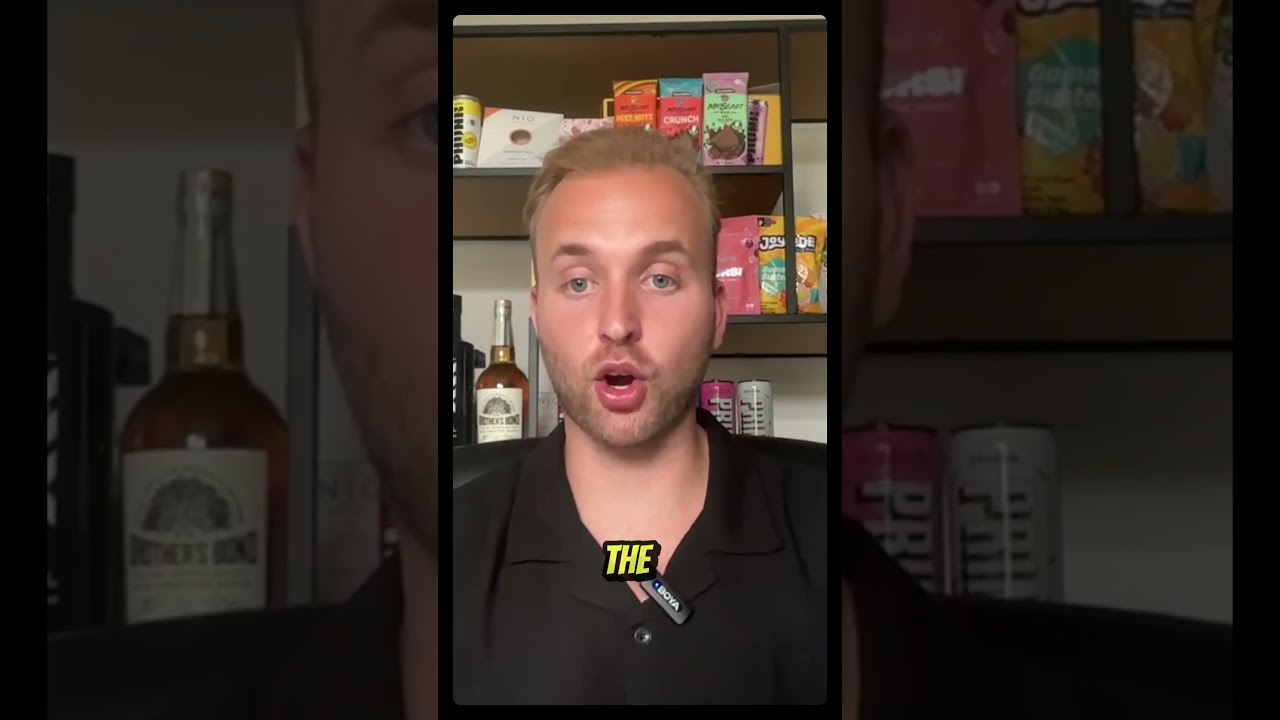
How creators are quietly building billion-dollar brands
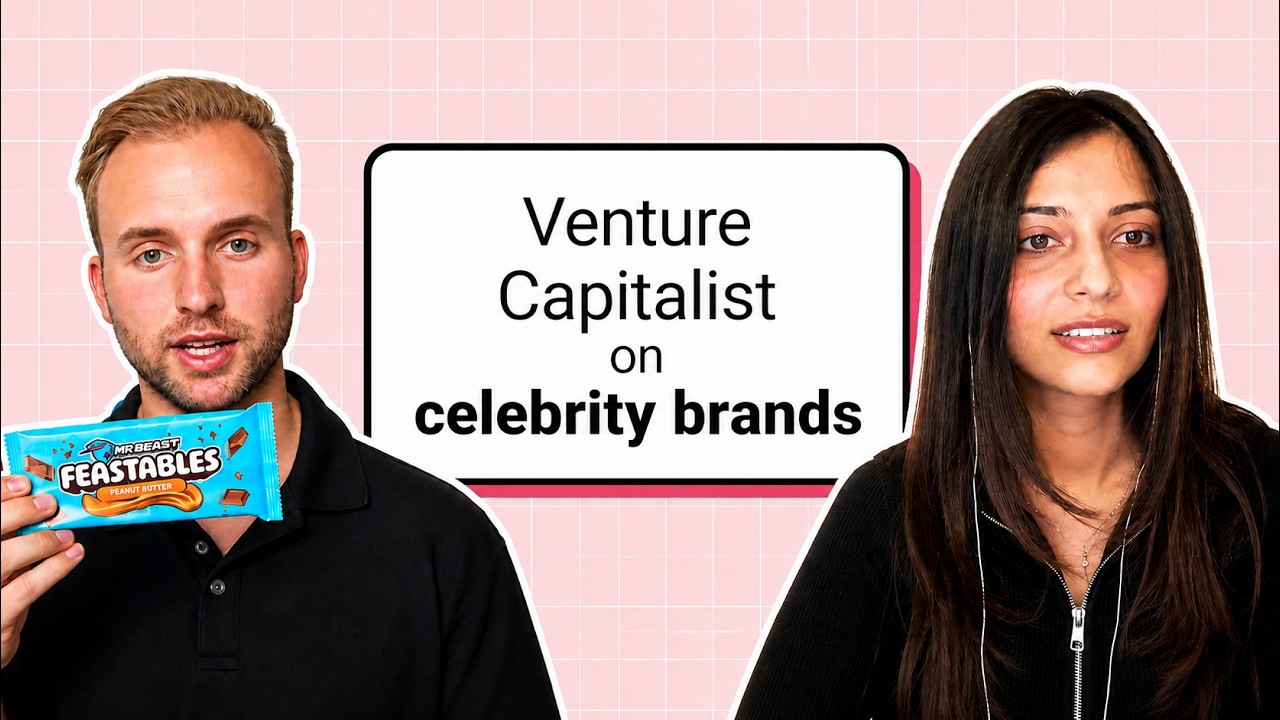
In this July 2025 podcast, the host interviews Scott, founder of Hotstart VC, a fund that backs creator‑ and celebrity‑founded consumer brands. Scott explains why the creator economy is now a hotbed for billion‑dollar opportunities: creators own massive, trust‑based audiences that can replace costly advertising, turning personal brands into powerful distribution channels. He outlines the shift from traditional brand deals to founders launching their own companies, citing examples such as Skims, Fenty Beauty, Rare Beauty, Rhode Beauty, Feastables, Beast Burgers, and the Honest Company. The conversation delves into the core ingredients of a successful creator‑led brand – authentic product‑market fit, product‑first over celebrity‑first, strong operating teams, and defensible IP. Scott warns against a “blueprint” mentality, emphasizing category creation and disruption (e.g., Skims’ shapewear, Fenty’s inclusive makeup, Joyride’s better‑for‑you candy). He discusses how VCs evaluate these ventures: market size, scalability (20‑30x potential), dependency on the founder, and moat. The interview also covers go‑to‑market strategies, contrasting direct‑to‑consumer (D2C) launches with retail partnerships, and why retailers chase creators for foot traffic. Scott shares insights on community depth versus follower count, the importance of engagement, and how micro‑influencers can succeed with a true‑fan base. He highlights partnership models (creator equity pools, co‑founding with existing brands) and the broader economic impact of creator‑driven tourism in places like Dubai. Throughout, the tone remains conversational and analytical, with a generally enthusiastic but measured sentiment toward the opportunities and challenges of creator‑led entrepreneurship.
Chapters
Hey Scott.
Hey, how are you doing?
All is well. So good to have you today.
So yeah, thank you for having me.
Same, likewise. I'm glad to have you here. You know, there's one thing I wanted to say before we start the podcast. Um, I've had some VCs coming to the podcast, but they were from different niches, you know, um, impact investing, traditional VCs, etc. And, uh, your content particularly caught my attention because we see those celebrity and creator-led brands everywhere, but we don't know what's going on behind the scenes. You know, who's raising money? Are all of them, you know, eligible to raise money? Where do they get it from? How do they succeed, etc.? So I think it will make a ton of sense to talk about it, especially with social media. I think everything is so decentralized. Creators have their own stage, their own space, and they're coming up with more and more brands. So we'd just like to see, you know, what's going on in this space. Why did you start this company and focus on this niche particularly?
I'm the founder of Hotstart VC. We are a new fund that invests in brands that are founded by celebrities and creators. So yeah, the asking— the question is why now? What you see in today's world is that we learn about new products and services from the people that we follow online, not anymore from billboards or from TV ads or whatsoever. And yeah, in that you really see that creators and celebrities, they're the new power centers in culture, business, and beyond. We get our information from people, not anymore from companies or whatsoever. And what has been interesting is that they have built their own audience online and are now creating businesses on top of it. And it all has to do with their competitive advantage in company building as they have built an audience that they can leverage to put free eyeballs on their company that traditional companies have to pay millions of dollars for. So yeah, this already resulted in companies like Skims by Kim Kardashian, Fenty by Rihanna, More recently, like Rhode Beauty by Hailey Bieber, and many more seeing growth that traditional consumer brands have never seen before. And this is just the beginning. Literally every single celebrity and creator is thinking about launching their own brands, and those are the types of companies we like to invest in.
Oh, that's wonderful. Yeah, I was reading an article about it, about— I don't remember the number, but it's massive, the number of creators that are coming now, especially with social media, because everybody has a voice. And if you ace the game, You ace it. That being said, where do you think the creator economy is being headed?
Yeah, actually what you just mentioned, like everyone starts to become a content creator and that is just about seeing the opportunity ahead of us. Like the future of companies is all about personal brands. Just look at a company like Tesla, whatever you're paying is about Elon Musk, but he's also like seen as a personal brand and he can leverage his audience and voice and platform and network to actually scale companies. And you see that opportunity now with basically everyone. Like the first wave of celebrities and creators, they just did it because they loved content creation. They never thought that they were actually going to make money from it. And now you actually see a second wave of people that actually see a real business opportunity because by building an audience, they can actually create credibility that they can then leverage into turning a company, whether they are selling a product or selling a service.
I think one of the keywords that you mentioned here, which is personal brands, is pretty essential because I feel like even common men is realizing now that it's their face more than the brand itself that needs to shine today because people believe in people and personal brands. Yeah, I like that. That being said, where do you think— why are celebrities moving from dealing with brands directly to building their own brands? I mean, you did mention that, but What gave them the confidence? Was there a particular celebrity brand that led to this wave, or how did this suddenly happen?
Yeah, so I would say that's a couple of things. I think that there's definitely a certain FOMO in the space. People have seen George Clooney sell his company for $1 billion, like Hailey Bieber selling her makeup brand for $1 billion within 3 years, and everyone is basically asking themselves the question, Why not me? You know, I have millions of followers, so why can't I actually replicate those successes? So there's definitely like some FOMO going around, whether that's a good thing or a bad thing, you can leave that in the middle. I also think it's just about the income opportunity. Like if you look at someone like a Selena Gomez, her net worth is about $1.3 billion, which like over $1 billion come from Rare Beauty. So even though she became famous through like her acting and her singing and performing, It's actually her building a company, Rare Beauty, that brought in over 80% of her net worth. And that's what you see a lot of with these other celebrities. They're like, hey, I can do brand deals with like the Guccis of this world and get like a few hundred K, or I can actually build my own empire. So I think that's also one of the reasons.
That's a good point, actually. Not sure where I read it, but I think it was about Rihanna making more money from her brand Fenty Beauty more than her music career. Just crazy.
Yeah, it's just crazy to think about, right? Like, another great example that I always love to talk about is Roger Federer with, like, running brand On. Like, during his competitive tennis career, he earned $100 million. And then later on, he did an equity deal with the running company called On. And that 3% equity stake that he got— so he wasn't even a founder, and he didn't even get 10%. He only got a 3% equity stake and has been helping to grow the company. And that 3% is now worth over $350 million.
That's crazy.
300 times more than actually what he like earned during his professional tennis career.
Yeah, that's a pretty interesting point because that's true because now it's not about commissions. You know, you talk about the brand and earn commissions, they're more interested in brand equity. So there's this business orientation coming into the mix as far as creators and celebrities are concerned, which is cool.
Yeah, 100%. And eventually it's also about control, right? It's like the ban of TikTok has showcased a lot of people that they kind of are renting their audience and not owning their audience. So they have to understand that they have to build their own brands that can actually outlive platforms and outlive themselves. Like a lot of content creators, they actually have to start thinking like athletes as well, because they're not going to be content creators for the next 60 years. They kind of have to be a content creator for 15 years and build their empires in that time frame. And that can also outlive their own content, you know. So Yeah, it's an interesting time.
That's something I did not think of, but that's true. After the TikTok ban, there was so much conversation going around, you know, you should have control over your audience. Once— what happens if the algorithm, you know, fucks up things and you lose your access to your audience? So yeah, that makes a ton of sense. Well, let's shift to brand building. There are so many creator-led brands now. or celebrity brands. I don't think all are successful, right? Because I've heard a lot of celebrity brands that weren't successful or great. Celebrity/influencers. What is the blueprint to make a successful brand? It's a pretty broad question, but yeah, open to your take.
Yeah, so it's always funny because although I'm like obviously one of the thought leaders in the space because I'm investing in celebrity and creator-founded brands, You would think that I'm one of the biggest supporters of actually celebrities and creators always launching their own brands, but I actually think they should only launch a brand when it makes sense. So many celebrities and creators, after seeing the successes of their peers, they started to launch their own companies, and that leads to a lot of saturation. So a lot of them are launching like another tequila brand or beauty brand or apparel company, often very superb products in oversaturated markets. I personally think they shouldn't focus on that. I think they should focus on kind of the second wave of celebrity and creator-founded brands launching enough of the products and services that solve actual customer problems and that also have a certain edge around product IP, science, or even technology. Those are the companies that we're really excited about. Then we are talking about the blueprint. Obviously, there are certain criteria that you have to follow, but I actually think you should not be following a blueprint. the best brands, not alone the celebrity brands, but the best brands in the world, they didn't follow a blueprint. They actually disrupted their industries.
I love it.
They did exactly something contradicting to the traditional blueprint. If you look at Skims, uh, from Kim Kardashian, before Skims, like, Kim Kardashian wasn't able to find like shapewear that actually made her body like stand out. Afterwards, she created it herself. Uh, same with like Rihanna, like with makeup, there was only like 12 skin tones and that didn't fit with her skin tone. So she always had a hard time finding makeup. So she launched Fenty actually having 40 different skin tones for makeup. So completely disrupting the blueprint. Then there's obviously certain things that I think every celebrity-founded brand should have. One of them is, for example, that they have to be product-first and not celebrity-first, meaning that the product should always be on par, actually exceeding the ones of competitors. Just because like a celebrity might help you sell the first product, just because I'm curious what The Rock or curious what Kim Kardashian is selling. But if the quality is not good, you're not going to buy it the second, third, or fourth time. And that's actually where businesses are being built. And then secondly, I think team is very important. Like it's great that you have a large celebrity on board, but that person is not going to be answering the phone and operating the business. So you need an experienced operating team co-founding the business alongside you.
That made me wonder a couple of things. A, the first point that you mentioned was around category creation, which is interesting. We'll talk about it in a bit, but good that you mentioned that. And B, I think it was your post somewhere on LinkedIn where you mentioned about MrBeast iterating Feastables. So I think that's a good example of how when you had a product, it was not really good, it doesn't matter that it's just your name and you throw the product out there, but you completely You know, keep iterating the product based on the demands and how the, the market is receiving it. Yeah.
No, it's funny because I actually have the chocolate bars here in front of me.
You do?
Oh. So we originally launched this chocolate bar, um, focused on like a better-for-you chocolate bar with like 4 ingredients only. Um, like it was a very thin bar, so it would break very easily.
Mm-hmm.
And people hated the experience because the, the brand was completely shattered. And it just didn't taste any good. So yeah, MrBeast did what a lot of celebrities never do is he listened actually to his, uh, to his audience and they said like, we want to have a better tasting chocolate bar. We want break lines, a thicker formula. And that actually pivoted towards this.
I had this one.
Oh, you had this one?
Yeah.
Okay. Yeah. What do you, what's your opinion?
I, I like it, but I've, I don't have a baseline because I did not try the previous one. But see, I think your post did mention something about the marketing as well, so. The difference between what's written on the 2 chocolates.
Yeah. So like this, like it's quite hard if you have different flavors to see what flavor it is exactly. So in the next version, they actually highlight even better what type of flavor it is. But it just showcased that even though he has 400 million subscribers, that doesn't mean that like he can automatically create a good product. He also had to pivot and pivot and pivot again to find the product-market fit. to now where they have it, and then they can actually scale. So they did like $375 million in revenue last year, just because they were able to listen to what the audience actually want and change the value proposition because they went from a better for you with like 4 ingredients, you actually see it here. Now actually a new value proposition that's focused on ethical cacao sourcing and fighting child labor.
So yeah.
Though he had 400 million subscribers, it doesn't mean that he immediately finds product market fit. Similar to every entrepreneur, he needs to find it on his own and not just based on his follower account.
Lovely example, because you mentioned category design earlier, and this is exactly what he did. So in a way, correct me if I'm wrong, he knew that, you know, his chocolate is distinguished from the market because it's ethically sourced and protects child labor, but he did not actually evangelize it earlier, and now he's doing that. So that's a differentiator.
Well, I don't know, to be honest. Like, I don't know also if MrBeast is the baseline because he's so big. So to be honest, everything that he would have touched probably would have been somewhat successful, except for Beast Burgers. That's a different story. But like, he's not the first chocolate brand that's focused on like ethically sourced cacao beans and fighting child labor. Tony Chocolonely is the leader in it. And he's actually have a strategic partnership together with Tony Chocolonely, who's helping them actually put the whole supply chain in place. So he actually needs Tony Chocolonely to execute on his own value proposition, showcasing how hard it is as a newcomer to execute on such a value proposition.
Interesting. So he's kind of waving the ride, the wave, riding the wave instead of fighting against the wave, which is Tony.
Yeah, I would say so. But like, there's, the market is big enough, right? So like Tony and Feastables, they're still fighting the Hershey's and the Nestlé's who are not doing it.
Interesting. I see that you mentioned Beast Burgers, so maybe move a little bit because I had this question around, do creators usually start from scratch or they like to partner with existing brands? Because I believe with Beast Burgers, it was not their own, it was not CPG directly, but they partnered with Subkitchen, a ghost kitchen that helped them distribute. So in your experience, what have you observed is better?
Yeah. So to talk a little bit before I answer the question about Beast Burger, I don't know if like MrBeast was like the original founder, but I think someone came with a business opportunity to him and then they basically were working together with like 4,000 ghost kitchens that were not managed by them. So the MrBeast team, they were just teaching these 4,000 ghost kitchens on how to prepare Beast Burgers, but they didn't have any control over the quality, right? So people started to buy Beast Burgers and someone else would make it. And that would have resulted in like terrible burgers that were like not good anymore, that the meat was not good or whatsoever. And that really showcased MrBeast that like people don't care as much about his brand as himself, right? So you need to have the control of your own brand. Then to go back to your original question is like, okay, do the celebrities start it from day one or do they actually attach themselves later? It could be both. I would say that it could actually be 50/50. Like an example of Skims or Feastables, that's actually where the celebrity or creator, they want— they came up with the idea and they now start to build a team around it and execute on it. But there's also companies like The Honest Company. Everyone is praising Jessica Alba for it, but she wasn't the original founder. She only joined like 1.5, 2 years later when the fundamentals of the companies were already there, but she really helped accelerate the growth of the company. Similar to like, uh, you probably see it in the back here, Aviation Gin, the, the bottle to watch here. Aviation Gin was founded in 2006 already, and Ryan Reynolds only got in touch with it in 2017. And then he loved it so much that he reached out to the founders and said like, hey, I want to find a partnership. Um, and then in 2018, they struck a deal He helped the company scale. Within 2 years, they got acquired by Diageo for $610 million.
Hmm.
So yeah, there's 2 buckets. They both work. Uh, it just depends on what is the authentic fit and, and what are the, the operational fundamentals behind those brands.
Hmm. That's, that's, that's a good move as well, you know, because once you have some foundation of the brand, you use your personal brand and then accelerate the brand. It's a win-win situation for both parties, I believe.
Correct. Yeah. So there's pros and cons in both models. I think if you start your company, you have a little bit more control, whereas like if the company's already existing, like they already have a mission and you don't have a say about the branding or the name or whatsoever, but it also gives you less headache, right? Because you're not operationally involved. You just do what you do best and that is creating content and like promoting the brand. Whereas if you started from day one, you need to do leadership and onboard people and all that other stuff that actually gives you a lot of headache.
Mm-hmm. I agree. And I think in case of MrBeast, even if Beast Sparklez didn't perform very well, he did generate some revenue, which eventually might have helped him fuel his next business venture as well. I mean, he is an extreme example, but for other creators, I might say.
Yeah, I don't know if he made money. I don't know if he had like a revenue share deal or it was just 100% equity. Um, but yeah, these creators, they kind of are comparing their business model similar to a VC, right? A VC, like we also have a portfolio of 30 companies, we don't need to score 30 times. If like 28 of those companies go bankrupt, but those 2 companies in our portfolio are the next Airbnb and Uber, like people are gonna praise me to be one of the best investors in the world. Similar to MrBeast, he's launching Beast Burgers, he's launching Feastables, he's launching like a toy company, he plans to launch like a fintech app, a personal care company. Only one of them have to be really successful. And like he never, he doesn't have to work again in his whole life. But to emphasize the point, like he's going to be swimming in money.
80/20 rule, the Pareto principle.
Correct. Yeah.
Do you think influencers, celebrities, let me put it as creators, they perform better when they stick to their niche, niche they are known as? I think in case of celebrities, it's a bit obscure because everybody says all celebrities are launching their own skincare brands, perfume brands. Do they need to stick to the niche to be able to be successful?
I think so. It's all about authenticity. We call this like creator product market fit. So that basically means is that the brand that the creator is launching should fit his or her personality, content, and audience. I always love to illustrate this with a good and a bad example. I will start with a bad example. So are you familiar with the model Emrata? Emir Raja's cousin?
Yes. Yeah. Yeah.
Okay, well, beautiful women. She often creates content in swimwear, and that helped her also to gain more than 30 million followers on Instagram. So she thought, why don't I actually launch my own female swimwear line? So at first, she would say, oh, that's a great fit because she's always wearing swimwear. She posts about this, and it helped her gain her audience. So I assume people like this. Then she launched Imarata, but the brand never took off. Why? Because the majority of her audience are males, and males are following her for different reasons than buying female swimwear. Then you have someone like Dani Austin. Dani Austin is a lifestyle influencer. She creates content about her life as a mother and that type of stuff. She started to experience hair loss due to stress, and it got to a point that she had a lot of like bald spots. So she became a little bit insecure and didn't want to be in front of the camera that much. But after a while, she was like, hey, why don't I share about this as well? Because I've been sharing my whole life online as well. So she started to create content about her hair loss journey and talking even about wig reviews and that type of stuff.
Oh, wow.
And tens of thousands of women started to engage with it and basically saying like, thank you so much for like sharing. You're the first influencer creator that's actually talking about this openly and really helping me with my hair loss journey. So she was like, hey, why don't I actually turn this into a company? So for 12 months, she started to work together with an R&D team to create a hair serum called Divi that helps you avoid hair loss. In the first year, that company did $40 million in sales, and the second year, $55 million in sales. So even though she only had 1 million followers and Emirata 30 million followers, Austin was much more successful because of that greater product market fit. So I think it's very important that there's authentic fit between the yeah if have they talked about the problem in the past and actually integrated naturally in their content.
I think what you touched upon is is precisely community community follower counts. And depth, community depth. In case of Imra, there was no depth. There was follower count, but depth with regards to what she wants to sell, actually.
Yeah, yeah, correct.
There has to be like a Venn diagram, you know, what you want to sell, who follows you, and if you are the right fit for it.
Correct.
The 3 have to— there has to be a tick mark, otherwise it's going to be a disaster.
Yeah, I think so too.
Yeah. So I think you answered this question already. I'm not sure if there's more to it, but how do you gauge a creator's strength of community?
Yeah, so you do a lot of like due diligence into the audience size, the engagement rates. You look at their profiles, you literally look in the comment sections to see what type of community do they have. Are these people that are just like, yeah, like shouting them out and like telling them that they're idiots or whatsoever? Or are these people that are genuinely like engaging with them? So yeah, quite quickly you can see if they have a real community or not. Like I always refer to people like Alex Cooper or like an Alex Earle who have like the Daddy Gang and Alex Earle has her own community that is like really, really, really engaged. And then there are some people that have more followers than Alex Earle, but they're able to generate 1/10 of the engagement, you know. So yeah, you can quite quickly see who has like an engaged audience by leveraging data and just looking at the comment sections.
With Alex Cooper, she came up with a drink brand, right? I don't precisely remember what that was about, but—
Unwell, yeah.
Unwell.
Hydration brand, quite similar to like a Prime, but then for females.
I saw that there was a lot of buzz around Unwell, people having different opinions about the brand name. Not sure if they had opinions about the product serving its community well or not. Yet there were a couple of questions around, hey, but females don't need this. There were some questions around that. Yeah.
I don't know if you ever seen my LinkedIn post about it, but it went quite viral because I said it was a terrible fit just because I don't ever see women drink Gatorade or these types of drinks. So in my opinion, it was like a mismatch in like this greater product market fit. But then there were like hundreds of females, thousands of females telling me that like, I'm basically an idiot and that they drink hydration drinks and that type of stuff. So, it was an interesting discussion.
It was maybe your post that I saw. I'm not sure, but I saw a post where there was a lot of conflict around, you know, if it's for females or not. Perhaps it was yours.
Probably was mine.
Okay, good to know. Good to know. We're talking so much, so whenever you think of celebrity brands, you know, it's mostly CPG, mostly in the consumer packaged goods space. Again, correct me if I'm wrong, but that's most of the times is what you hear, you know, be it cosmetics, food brands, et cetera. Why are they so drawn to CPG as creators?
Yeah, it's funny because this is one of the reasons why I came into the industry. Like, my background has nothing to do with celebrities or influencer marketing or whatsoever. I've always been an entrepreneur. I was also working with like a lot of high innovative tech companies, also on the consumer end. And it was around 2019 and I saw this first wave of celebrities and creators launching their own brands. And I was always personally a little bit frustrated or like, just like I didn't understand it, why these celebrities weren't launching like very innovative companies or tech companies or whatsoever. So because the opportunity is a lot bigger, right? If you launch a tech company, the market size and the opportunity to scale that in comparison to a tequila brand is just 100 times bigger. So yeah, I basically started to reach out to a couple of my Dutch celebrity friends asking them the question like, hey, have you ever like thought about launching your own brand? And to my surprise, not a lot of them were thinking about it. And if they were thinking about it, they were also thinking about the rum brand or skincare brand or whatsoever. So I basically started to showcase them the companies that I was working with and basically asking them the question, like, wouldn't you be interested in doing an equity deal with this company where you can just focus on what you do best, and that's creating content, and they do what they do best, and that is actually operating the brand and scaling it from the backend? And they were like, wait, that's possible? Like, Yeah, I would love to do like a deal with a company like this. So I think it just illustrates that on one end, it's just about them not knowing like that they are content creators or they're celebrity first. They're not entrepreneurs. So they're entrepreneurs in a different type of entrepreneurship than traditional entrepreneurs launching brands, so to say. So I think they just don't understand that there's a bigger opportunity here. Then I think it's also about What type of opportunities are they being proposed? Like oftentimes they have people reaching out, their team thinking about it. There's a lot of venture studios right now who are launching like the manufacturing backend for liquor brands, skincare brands, like personal care companies, apparel companies. So it's just really easy nowadays to launch such a CPG brand. And then lastly, I think is that a lot of these celebrities and creators, they often say that they want to align themselves with like high quality premium products. And that aligns well with like spirits and skincare and personal care. And yeah, that's why they can kind of naturally integrate it. But I always, and this is always what I've been challenging celebrities and their teams on, it's like, hey, instead of launching like a CPG brand, can you actually launch a tech company? So yeah, our last 2 investments have also been in tech companies founded by creators. So I hope to see more and more and more.
Oh, that's interesting. So you've, you've actually suggested otherwise as well to think of a tech company?
Yeah, yeah, we actually just invested in 2 companies, 2 tech companies that are being founded by creators.
Oh, interesting. And what kind of tech companies are they? Deep tech or SaaS?
Yeah, no, yeah, so one is an AI talent manager. So instead of having like a traditional talent management agency, you can actually have an AI talent manager doing all your brand deals. And the other one is called Standard Giving, which is a platform that allows brands to give back to people in their community. It's co-founded by MD Motivator, Zachary Derenwoski. He's one of the largest kindness content creators in the world.
Oh, interesting. That's a good one. I think it matches very well with your niche as well because it has to do with creators and their communities.
Correct. Yeah.
Okay, good to know. So if we— since we are talking about CPG, retail has a big role to play here, and I don't know much about it, to be honest, but I stumbled upon Walmart's some affiliate program, and I was wondering why retail is trying to serve creators more and more and vice versa. So, what's the deal with retail and their offers for celebrities and creators?
Yeah, so, like, if you look at a standard, like, CPG founder, for them, it takes them months to get into retail, years often. Like, if they want to schedule a call with Walmart, it's going to take them a long time. Whereas these celebrities, like, or creators, if they are launching a brand, executives from Target, 7-Eleven, Walmart, they will actually be flying to the creators, convincing them to do an exclusive launch with their retailer. And it all has to do with that these creators and celebrities, they can actually bring in foot traffic to the store. Because if MrBeast is doing a launch in Feastables within Walmart, everyone is going to rush to the store and pick up a chocolate bar. But they're probably not only going to buy a chocolate bar, they're probably going to buy other products as well. So just a smart play for these retailers to get consumers in the store and also thinking about the type of consumer. Like, I don't know how old you are, but like the millennials and Gen Z, they are very comfortable shopping online. And like they don't, they barely go into stores anymore. But for the future of the retailers, it's really important that our generation still goes into retail. So by working together with creators and celebrity brands, they can actually get our target audience into the store and make sure that there's longevity.
Oh, that's an interesting note. I, I didn't think about that, but it's true. Gen Z. So, uh, yeah, that's true. I can say that, you know, it's all more online oriented, but it's cool because if someone like MrBeast, who is also a Gen Z, I believe, trying to promote Walmart and those back-to-basics kinds of business model, more and more people, obviously there will be more foot traffic. Yeah, makes sense.
Correct.
And on that note, why do you think they're moving from direct-to-consumer model to retail?
I don't think they are.
They don't?
No. So like, it's, it's also not shifting, it's and. Like, it's, if you, it serves 2 different purposes as well. Like, I always suggest that brands should always start with D2C. Why? Because they have to understand their target audience. Because otherwise you can't also make a strategic choice on which retailer you want to go to. Because if you are like going into a retailer like a Costco versus a Whole Foods, both have 2 completely different target audiences. So if you don't know which target audience serves your brand, you might make a choice to go into Costco, but your consumers actually shop into Whole Foods, you know. So I think brands should always first start with D2C to understand who's their customer so they can actually target them better into retail. Retail is also a much heavier, resource-heavy business model. Like you need a lot of inventory, working capital, like payments are being made every 90 days. So you just need a lot more resources and it's just a different ballgame. And some categories also need retail more than others, like Happy Dads from Nelk or like one of my portfolio companies, Hippie Water, which is like a cannabis-infused beverage. that's founded by Sascha Pietersen. We as consumers, we still pick up our drinks in the store, but if we buy clothes or whatsoever, we just buy that online. So the need for Skims to have like retail presence is less important than for Hippie Water or Happy Dad. So yeah, I think thinking through those—
That makes sense.
Strategic choices is very important. And also looking at success cases, right? It's like, Rhode, they just sold for like a billion dollars from Hailey Bieber and oh, it's all D2C. And they're now just sold to e.l.f. and e.l.f. has a lot of experience getting into retail. So it's a strategic partnership where e.l.f. can actually help expand Rhode by just focusing on what they do best and Rhode Beauty focus on what they did best. And that was just D2C.
Um, digressing a little bit, but Rhode, um, why do, why do you think it, it, It performed so well as against so many other celebrity brands that tried to launch their own skincare brands. Why Rhode in particular had so much success?
Yeah, so it's a, it's a couple of things. So one, it talks about the authenticity between Hailey Bieber and skincare. Like for years before she even launched Rhode, she did like shows talking about skincare and, and her involvement and that type of stuff. So people knew her for the skincare girl. Then 2, it talks about a better product. So they have patents on their products. The product is just really, really good. It's much better than other alternatives on the market. So that's also why people buy it the 2nd, 3rd, and 4th time. And that's where our repeatable business comes from. And then 3, it's people like Hailey Bieber brought in very experienced operators, CEOs of like very like big like skincare companies or makeup brands to actually run Rhode Beauty for her. So, the combination of like an authentic celebrity product-market fit, the great products, and then a great team, that's what made them successful.
Interesting. I never thought about the operator front, but yeah, that makes a difference as well because you already have people who are giving you the best of advice in your particular business. Okay, good to know. And I think that you've repeated it twice, and that's something I didn't take note of, but it's— from what I understand, it's essential also to show your journey, because then people think of you as more authentic because you've been talking about it for a while. I think it was the hair brand that you were talking about where she also shared her journey.
Yeah, Divi Hair. Like, it's always so random when a celebrity, they never talked about a specific product and now all of a sudden they're trying to sell you something. It's like, why are you the best person to sell me this? Like, I always take the example of The Rock, Dwayne The Rock Johnson, selling shampoo. I'm like, you've been bald since like the last 10 years. Why would I take hair care advice from you? You know, like that's, that's, that just doesn't feel authentic at all.
I don't know where I read it, but some creator, I'm sorry, I'm being so vague, but at least I have the concept. Some creator used to talk about a homemade recipe for, you know, hair, hair quality. And she would talk about it. This is my grandma's way of, you know, growing your hair. And she used to share her journey for a long while. And then she created this brand and it immediately got a lot of traction, and I think she made $5 million.
Yeah, I know what brand you're referring to, I just don't know the name.
Yeah, it's, it's a, it's, it's a less known celebrity creator, but it was a good example of how sharing your journey and staying authentic actually helps, as against just out of the blue launching a brand.
Yeah.
Um, yeah, so you very well answered the product-market fit, uh, in creator-led startups. Other than that, I would say based on your experience, if it's a very famous celebrity, someone like Hailey Bieber coming up with a product proposition, do VCs always buy that in just because they have, let's say, a deep community, community depth is there, let's say the product quality would be there? What would be the case when you would say no, it's not good to go the VC route?
I actually just released a newsletter about this. So it's funny. It's actually talking about that probably 90-95% of the celebrity-founded brands are not VC-backable. And it has to do with market size. Like as VCs, we're looking at businesses that can 20x. So we are looking for the billion-dollar outcomes. And a lot of these celebrity brands, although it could be like a nice $10 to $20 million business, that's not gonna change the VC's life, right? Like we're not in the single business, we're in the home run business. So just the expectations of a lot of these celebrity-founded brands and the platform, the ceiling that they have just doesn't align well with VCs in general. It also has to do with like the dependency on the celebrity. Like, can it actually outlive the celebrity? Not a lot of celebrity-founded brands can because it's just too dependent on like the celebrity itself. It has to do with like, yeah, IP. Like if we are like being approached by another like tequila brand or skincare brand or apparel company, they often don't really have a moat. So it's super easy to copy. The only thing that's not able to copy is the celebrity's name. But if the celebrity eventually like leaves the company or does something stupid, you have like a complete keyman risk. So that's something that VCs are very aware of and try to avoid.
And when you say the market could 20 or 30x, can you— is there an example in your mind when the market can 20 or 30x?
Yeah, many, like Skims. Skims is valued at $4 billion. Fenty is valued at $2.8 billion. Rare Beauty is valued at $2 billion. Like Casamigos, Rhode Beauty just sold for like $1 billion. So those are typically the outcomes that we're looking for.
Okay. And is there a way for you to decipher that that would be the case just by looking at the brand and the celebrity? If there's a tick mark on everything, how would you know that, okay, this is a particular product that would explode? If that's the case.
Yeah. So our team has been involved in 55 celebrity-founded brands. Like, as part of the team, we also have like co-founders of these both co-founders of The Honest Company that actually have worked with celebrities to start and scale their businesses into billion-dollar brands. And we have also looked at all the successes and all the failures in the market. And we have basically leveraged all those insights to create our own framework that we basically analyze every single celebrity-founded brand on. So it talks about, is the celebrity— is the brand— is the product first or is the celebrity first? Is there an authentic celebrity product-market fit? What is the celebrity's role and celebrity's ownership stake? Is this something they're really going to lean in or are they just a name on the pitch deck? Who's behind it? What's the team? It talks about the market size. So how big is the market? Can this actually grow into a $1 billion brand or is it stuck on $500 million? Like questions like that we ask ourselves whenever we're doing due diligence.
Okay. Okay. Okay. Makes sense. And do you often look at the revenue before you think of investing in a celebrity? Do VCs do that? What if a celebrity has a solid proposition, good operators, there's no revenue coming in, it's a fresh new idea?
Yes and no. We invest in pre-seed and seed, so we also do invest pre-revenue. It's also interesting because if you want to invest in these brands, you actually have to be early because let's say you have an opportunity to invest in, let's take Rhode Beauty as an example. If you're able to invest on day one without like revenues, you're able to get in in a quite interesting valuation. However, let's say they launch and it is super successful and the company does a couple million dollars in revenue and now they're going to fundraise. Now you have to pay a 15x valuation of what you had to do on day one. So the returns in the second round that you're investing in are a lot less than actually the returns that you can on a— when you're actually investing pre-revenue. So for us, it's important that If we have conviction, uh, we need to get as early as possible, but sometimes we also do invest pre-revenue. Not every company, 70 Founder Brand is also like a success out of the gate. Some need a little bit more time to, yeah, find product market fit. Um, so we definitely also look at such companies.
Oh, okay. Okay. Okay. Makes sense. And have you had any examples of brands that did venture into category creation where there's no market per se? I mean, no proven market, let's say. Let's put it this way, but it's just a new category altogether.
Yeah, definitely a lot of the examples that I've already mentioned, like The Honest Company was like an ethical baby and beauty brand, like Skims, like with shapewear, like Fenty with inclusive makeup. Those are definitely like the front leaders in the celebrity and creator space of people that actually created the market instead of just following the blueprint.
You mentioned, I think one of the examples that you mentioned that I really liked was better-for-you candy. No, I don't know much about it, but there was something about candy which is better for you as in it's not too sugary, but more on the health-bent side. So, kind of an example of category design.
Yeah, there, there's actually 2 better-for-you candy brands here above me. So, the yellow one is Joyride. It's from Ryan Trahan, and the other one is called Sour Strips. Sour Strips is actually an interesting story because Although it sold for $80 million to Hershey's like a couple months ago, it's actually founded by a fitness influencer that has like 300K followers. So fitness influencers, everyone followed him for his like fitness courses, for his meal prepping, and you wouldn't think candy is a good fit. However, he just like leverages content creation skills to create a community and understanding product development and that type of stuff. So Yeah, that is not necessarily if he would have approached me from day one and said, Scott, I want an investment. I would probably have said no because there's no authentic celebrity product market fit here. He still proved proved me wrong, right? Like I didn't have an opportunity to invest, but yeah, he sold his company for eighty million dollars and owned a hundred percent of it.
So yeah, maybe because do you think it's because he created a need for something that people didn't think they had?
I think so. Yeah. So he was just like aiming for candy lovers and he just understands social, right? So. He just like really was able to create great content, not necessarily with his face in it, but just great content in general.
Totally. And in a way, you know, his community was of fitness freaks in a way. So they would definitely think of something which is more of a healthier option as against going after candies per se. Yeah.
I also don't know if it's actually better for you. That's the thing. Like, I don't know enough about it. Probably it's a little bit less sugar, but it's not like Joyride where they really focused on better for you.
Okay, makes sense. Based on your— let's talk about your portfolio companies or maybe others, up to you. But a creator or a celebrity brand that really, really worked could be a good example. And why did it succeed specifically?
Just like use case. Yeah, let me talk once again about one of my portfolio companies. The company's called Fyre. It's a barbecue brand, so they have their own patented grills, provisions, fuels, apparel, you name it. It's co-founded by one of the largest barbecue content creators. His name is Derek Wolf. He has about 9 million followers across social media. But here's the interesting part. He has created a creator equity pool and onboarded 20 of the other largest barbecue content creators to come aboard as shareholders. So now instead of having one influential face, you have 21 of the largest barbecue content creators, which is also quite of a niche, right? There's not Tens of thousands of barbecue content creators. You have the 21 largest barbecue content creators now working together, leveraging Derek's experiences, creating on every single piece of equipment out there, and now create a better version of it with patented products and that type of stuff. So I'm really, really excited about that approach just because you have that built-in audience that goes far beyond only Derek's following. And yeah, they did like a Kickstarter to sell their grills and they were able to sell like $1 million worth of grills within a couple like days.
That's a good example. I, I mean, I can connect the dots, but you, you mentioned that earlier, just too much of overreliance on the celebrity face could also backfire. So it's an interesting approach of how you could collaborate across different creators from the same niche so that, you know, you don't have that as a, as an argument that you cannot really answer back.
Yeah. Like I always encourage like celebrity founders, like, hey, instead of owning 25%, own 20% and give 5% away to other celebrities in your network so that, yeah, you can expand far beyond your target audience and go deeper also into your community.
It's more exponential actually, because then you have the network effect, their community tapping into their community, cross-community, everybody grows actually.
Yeah, like you're a marketing expert, so there's this saying that you need to have 7 touchpoints before you buy something, right? So If you now follow 7 content creators, individual content creators, and they all talk about Fire, then for sure next time you're thinking about buying a barbecue or like a grill or products related to grilling, first company you're going to think of is Fire. Yeah.
And also because there are 20 of them, I am pretty sure that each of those will have a different way of content creation. So I might like your style, I might like his style, and I don't know, while you're selling, I might like this You know, you're just tapping into different ways of selling, basically.
Correct.
And you never know. Pretty, pretty interesting example.
Yeah.
Any failure that you would like to share? One that did not work and it just went wrong?
Um, yeah, we definitely talked a little bit about MrBeast and MrBeast Burger. Like, I love the Feastables story just because, um, it's not about like that MrBeast failed. It's about that he failed forward. A lot of celebrities would've stopped there. They would've blamed the market, cut their losses, and move on. Uh, but MrBeast really was like, hey, can I listen? Can I improve and actually turn it around? And it just showcased that even though you have millions of followers, it doesn't mean anything. Uh, because fundamentals of business comes first. And that means that you need to have a good product. You need to have a good team. You need to have a good supply chain. 'Cause all without those things, you're gonna fail regardless.
Mm-hmm. Totally. I agree. And now that we are talking about MrBeast, I mean, if you remove the celebrity part from the question and just focus on creators, because celebrities still have an added advantage because they, their face is stronger. But creators who have not been, let's say, I'm just a creator, I have a following, but I'm not coming from Hollywood or that kind of music industry, etc. What's the real power of creator-first brands in that case?
I think it's that they have a certain trust with their audience, so they're very familiar in creating content and they're basically always like in the lives of their consumers. So yeah, we just have a built-in audience that we can leverage to continuously promote the brand. So every time they record a video, like every time Selena Gomez— and I know that she is a celebrity— but every time she does a get ready with me and she talks to her audience, and in the meantime she puts skincare products on, that's an ad. And it doesn't cost her anything, but to her audience it doesn't feel like an ad. It just feels like a friend of her that's actually promoting, talking about their day and talking about their skincare routine. But it's not more, whereas like traditionally, everything felt very like selling, you know, it's like, oh, this campaign, they're trying to let me buy a car or let me buy something else. So it's just about the authentic way of product placement and doing that on a massive scale to millions of followers every single day for free.
Makes sense. Do you think this is getting saturated or not yet? Creator-led brands?
Yes and no. So yes, in the sense that the world doesn't need another like celebrity or creator tequila brand or another like creator skincare brand. Like the world needs companies that sell products that are innovative, that are better for human and planetary health, and that are solving a problem. Now, Arguably, the world is in more problem than ever. Like we're talking about environmental problems, we're talking about societal problems, we're talking about political problems. So I think that the people that have the trust, the content creators, they can actually use that opportunity to build real meaningful businesses that have a real impact. So I think the opportunity is massive, but only if they focus on the right type of companies.
Makes sense. Actually, MrBeast kind of did it, did that in a way, because even if he has a CPG product, let's say, we'll say, come on, another CPG, another creator in the CPG space. But he did have an intention to solve a world problem that people might look at it from a different lens altogether.
Yes, but then at the same time, he's selling sugar to kids, you know, so But yeah, there's a flip side. Yeah. So, and, and like, this is the funny thing with MrBeast as well. Like when he was like having like Beast Burger, he also had vegan options on the menu and those were the worst selling items. So he was like, guys, I'm trying, I'm trying my best to implement it to be better for the world. But yeah, people don't want it. Same with this. Like the first bar was focused on a better for you value proposition with only 4 ingredients. So in a sense, it's a better chocolate. But people didn't like the taste. So he was like, let me change the formula. Let me just copy what works, but then like source my cacao beans from like ethical sources and child-free labor and that type of stuff. So yeah, there's always pros and cons, you know, you can't tackle everything.
You can't be a pure angel in, in with that regard, especially in this kind of an industry. Yeah. Uh-huh. Okay. Um, let's quickly move to Gen Z. Because Gen Zs are actually more, it's more of the Gen Zs that are becoming creators today. It gives them more leverage, more power, independence. How are they changing the creator commerce altogether?
I think that we trust people, so we follow people. We follow people over corporations. So we love to like align ourselves with people that see the world in the same way. That's why if you look at like the Cooper of the Daddy Gang from Alex Cooper, or you look at the following of Alex Earl or the Nelk Boys, those are all people that actually align with how those influencers see the world. So if they have a product and that specific celebrity or creator, and they don't see them as a celebrity or creator, they see them kind of as friends because they have been following each other. They see each other every single day on their screens. They wake up with their content. So, yeah, it just made it very easy to buy things from them.
OK, OK, OK, makes sense. I guess my last question is about, I think we'll kind of sum it up, because I see like a lot of countries are also attracting a lot of tourism through creators. So it's also getting, in a way, creators are also helping shaping economies. And Saudi Arabia is one of these examples. Not Saudi Arabia, sorry, Dubai is doing that. Saudi Arabia is also doing it, but more on a celebrity front, I believe. But Dubai is doing it a lot on the creative front. What makes them so particularly interested in it?
Yeah, driving tourism. So similar to why Walmart is doing it to get people in their stores, countries are doing it to get people visiting their country or city. Like one of my Dutch influencer friends, he was paid to fly to Rome and he just had like a trip to Rome, Italy. Completely for free. Beautiful hotel, great flight, great food. Every receipt he could hand in to the to the government of Italy or the municipality of Rome, just because they wanted to get more tourists actually to Rome. So similar for these countries, especially the countries that have a certain stigma, like a Dubai or like a Saudi Arabia. They need folks that have the trust to visit there first, showcase how beautiful it is, showcase how fun it is. before actually their audiences consider spending money there.
Yeah, that makes sense. Well, as my last question to you, Scott, and I think this would make a perfect end to the podcast, is do you think follower count is essential? Talking about micro-influencers, macro-influencers, ones that do not have a lot of followers, can they still see hope in launching their products and being successful? And then what is that number? Is there a threshold and what's the number like?
Yes and no. Probably not the answer that you hope, but in certain ways, no. So I think the example of Danny Austin versus Emirata showcased that follower count doesn't matter. It's really about the engagement that you have and the engagement within your community. You don't need like a million people to actually buy from you. You only need around 10,000 people to buy from you to be really successful in business. Or like Paul Graham has this concept from Y Combinator, 1,000 true fans. You need 1,000 true fans to be very successful in business. That's what you need. You don't need 10 million followers. You need 1,000 true fans that actually are willing to spend money on you. Because if you have like 1,000 people that are willing to spend $100 a year on you, you have like a 6-figure business. And that's what you need to be kind of financially independent. Yes, it's important because it adds certain credibility. How often do you look on someone's Instagram or like LinkedIn even, and you see that they have great content, but they only have 4,000 followers? Then I'm like, oh, this is just an amateur or whatever. Why would they trust this person? So I do think that the higher follower count and the verification button, it adds to people's conception on you being a thought leader or you being an authority in the space.
But at the same time, having the depth to be able to make a real impact on your projects whatsoever is really important.
Yeah.
Makes sense. Well, Scott, this was very insightful, really. I think we got a 360-degree view on the creator economy, where it's heading. Super interesting. I might, if I have a follow-up question, I will definitely add it. to the, to the episode. But thanks a lot for joining in and keep sharing that interesting content on, on LinkedIn. I love those stories, by the way.
Of course. Yeah, I hope that people that thought this was interesting definitely give me a follow on LinkedIn or subscribe to my newsletter.
Surely do. Well, have a great day, Scott, and thanks a lot.
I appreciate you. Thank you for having me.
More from Abhilasha

The Best Business Leverage Isn’t Financial #business #entrepreneurship #leverage
If you love it enough, you can make it work #foundermindset #WaltDisney #startupadvice