Medical Intuition: An Insight Into Your Unique Energy System With Wendie Colter
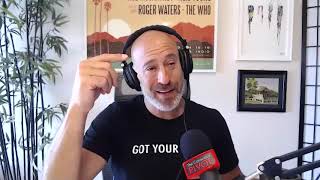
Podcast episode (Conscious Pivot) in which Adam Markel interviews Wendie Colter, a certified medical intuitive and founder of Practical Path. Wendie defines medical intuition (visual scanning of the physical body and biofield), describes intuitive modalities (clairsentience, claircognizance, clairaudience, clairvoyance), and explains how intuition can be taught to wellness and medical professionals. She recounts using visualization to shrink a benign tumor, summarizes a pilot study she ran (blinded sessions with 67 subjects) reporting high concordance with subjects' primary health issues and life-history correlations, and describes a collaboration/future study with UCSD (Dr. Paul Mills). The episode closes with practical resilience/self-care tools (grounding, energetic boundaries, guided "releasing" visualization) and pointers to workshops and free guided-audio resources.
Questions this video answers
December 22, 2020.
67 subjects.
~94% accuracy locating/evaluating the subject's primary health issue; ~98% accuracy correlating life-history information (as reported in the interview).
University of California San Diego (UCSD) School of Medicine; Dr. Paul Mills.
Workshop: "Medical Intuition for Healing" (also referenced "Nature Medical Intuition for Healing" in places). Free guided-audios: "Energy Essentials" (includes an exercise called "Releasing for Emotional Balance").
Chapters
Welcome to the Conscious Pivot Podcast with international speaker, business mentor, best selling author of Pivot and your host, Adam Markell. The Conscious Pivot shares the stories and wisdom of people who have successfully reinvented some area of their business and personal life. You'll gain powerful insights into how you can fully embrace new opportunities, increase your performance, and master the art and science of innovation and resilience. So please join Adam as he guides you on your Conscious Pivot.
Welcome back to another episode of the Conscious Pivot Podcast. I'm your host Adam Markell and I am very grateful at this moment, feeling blessed and I'll call this out because it's really true for me in this moment that I haven't spent a whole lot of time in gratitude so far this morning. It's about it's almost nearing mid part of the day for me and I woke up feeling grateful. And that's because I have a very strong ritual around that and that habit has really deeply embedded in wherever things are embedded. So in my subconscious, in my mind and all that. I don't have to kind of think about it any longer to be in that space. But then shortly after that I think I just sort of got into more my head doing work and working with some folks and just was tracking that. I kind of lost a sense of gratitude for the day. And I'm calling that out because I've committed to both greeting the day and maintaining the day with love in my heart. And that's been a practice that I started to initiate in the last month. And it's that maintaining piece that's really a bit new for me. The starting the day and the TED talk I gave on how it is that I began to start my day. When I used to start my day feeling dread and I was a lawyer for 18 years and I put my feet on the floor and I just was like my life sucks. And that was sort of the energy of the beginning and now I don't begin that way anymore. But sustainability is so important. We're going to talk about that. I've got a great guest today to speak about her take on resilience and sustainability, longevity, things of that sort of. And we're going to talk about it through a different bit of a different lens and talk about our own guidance system internally to know when we're on track and sometimes when we're off track. And so I figured good for me to be present to that and model it as we begin this podcast to just say, hey, I was a little off track I felt from where I wanted to be and where I find myself at the moment, I'm getting back on track. Just calling it out has helped, but yeah, that's one of those things. We have to be honest with ourselves, I suppose. So. I'm really happy to have Wendy Coulter as my guest today. She is a certified medical intuitive and founder and CEO of the Practical Path presenting intuitive development programs for wellness professionals. The company's name reflects Wendy's mission to fuse spiritual wisdom traditions with constructive real world results. In fact, her programs have been pivotal in helping holistic health professionals from every discipline develop and optimize their inherent intuition. Wendy's trailblazing work has led to a collaborative study with the University of California, San Diego. I happen to know that school well since I have a daughter who's attending and I'm paying tuition there. But it's the University of California San Diego's School of Medicine out of the recognition of the increasing value of medical intuition in the medical setting and the need for scientific research. So I'm really happy to have you on the show. Thanks for being with us today, Wendy.
Thank you for having me, Adam. It's a pleasure.
Oh, wonderful. So what's not a part of your bio that I just read that, that you would love for people to know about you at the outset?
Well, goodness gracious, so much. Well, you know, what I've been doing is being a practicing intuitive practitioner, medical intuitive for about 20 years and I've been teaching intuitive development to wellness professionals for about 10 years. So it's been a wonderful experience in showing and teaching and developing this skill that I believe everyone inherently has in the healthcare sector, which is where I think it's needed most because people want to know more about what their bodies are trying to tell them when they're not well. And that's the skill in a nutshell of medical intuition is having a conversation with someone's body and their energy field and all of the attendant pieces of it to find out what's really going on. Yeah, we're finding a lot of accuracy and success in this process.
It's fascinating to me the, the whole mind, body connection thing, you know, and if you like, I'm a lawyer for many, many years, lived on the east coast, raised our kids on the east coast, but then we moved our family out to California about nine years ago and, and it's a very different, just different mindset out here for sure. And there is some, you know, a little, just a little bit and I love the woo, woo. So personally I'm a woo woo guy. I love it. And a part of the reason I think I do love it is because I can think practically as well and I can sort of put a lens on that's a little bit different and just sort of look for, you know, look a little bit more cynically, I suppose.
Or skeptically.
Or skeptically.
I call it skeptically. And frankly, I love, I love skeptics. I am a skeptic, believe it or not, and I deal heavily in the woo woo. But if it doesn't make sense, if it's not practical, and you said the magic word and frankly, why I called my company the practical path is because it needs to be practical and we're talking about healthcare or wellness or well, being practical is really the only thing you want to deal with. How do I feel? How is this sitting? What is working? What is, you know, how does my body respond? How does my energy respond? So that mind, body spread, spirit connection is very real and much more acknowledged now in healthcare than ever before.
Let's see if we can't reconcile the, this thing will that you're, you're referring to as in being intuitive or an intuition, let's say, and what that means. Let's define it first and then let's reconcile that with science and the, the way that, that medical professionals have been trained. Because my guess is that, and I'm not, I wasn't trained as in that field but, but my guess is that they weren't trained to sort of trust their intuition or look for their intuition when making diagnoses or things like that. I'm guessing that's not been the case.
Thus far, the most part. You'd be surprised. Adam. One of the things I'm very fortunate and blessed to be able to do is I'm on fellowship faculty for the Academy of Integrative Health and Medicine. And this is a very wonderful organization that is bringing integrative thought into traditional health care. And I also am on rotating faculty at the Andrew Weil center for Integrative Medicine, one of the original centers for integrative medicine in the country. And what we're finding more and more here is that, and when I speak to doctors, and I've worked with doctors for many, many years as a medical intuitive, what we're finding here is that even though what we call traditional Western medicine, most of the time a traditional doctor, what Western medicine doctor will look through the lens of their education, but in their training, believe it or not, there was discussion usually about what a gut feeling is What a hunch is. And the excellent doctors, you know, the doctors that you recommend to your friends and family, are those doctors, do you think have a little bit more than the guys? Doctor, what is that little bit more? Very often it's they're trusting their instincts, they're trusting their intuition. And nurses are also phenomenal for this. Nurses are told to trust their gut feelings, and if they notice that something's a little off, even though they don't know why, they're told to talk to the attending physician. Now, you know, how often they're listened to is another story. But that little feeling of a gut feeling or hunch or just a knowingness is, in a nutshell, what I define as intuition, what people don't understand. And this is where I come in. Really.
So trusting your gut, in essence, is trusting intuition?
Oh, without question, absolutely. What else are we going to call it? What's interesting in society, Adam, is that we have all of this understanding of intuition, but we don't use that word.
Right, Exactly. That's. That's what I'm trying to draw out here is that the word itself has been a barrier for many people. Right. Because they associate that word with. Maybe somebody's a medium or they're, I don't know, Tom reader or something.
It goes way. Well, usually when I talk to doctors and I do a lot of speaking at conferences, when I say think of the word intuition, what do you usually think of in your mind? And most of the time people think of that neon sign, you know, the big palm flashing on and off, psychic reading. You know, look, that is a valid thing to think, but it is not the skill of developing intuition as a tool to use or a skill to use to add as a foundation to your practice. And we have found in my programs, I teach from across the board a wealth of different kinds of practitioners, from MDs and DOs and, you know, medically trained people all the way to nurses and psychologists and whatnot, social workers and energy, you know, energy healers. People who are very skilled and certified in their modalities where there is evidence based, believe it or not.
Yes.
And all of them can learn how to develop this intuitive ability, this method that I've developed specifically for people who are used to thinking with their left brain rather than their right brain, interestingly enough.
Yes.
Yeah. And anyone can develop this.
It's interesting to me because I was interviewed earlier in the week and someone asked me a question about what's the greatest piece of advantage, which I kind of don't love this question anymore. But you know that what's the best piece of advice you've ever been given in your life and who gave it to you kind of thing. And, and it was my dad, and I was maybe in my early teens. And he said, trust, Trust your instincts. And to this day, not only did we pass that on to our four kids, but anybody else that would listen when asked or given the opportunity even I've shared that, that we have to learn how to trust our instincts, which in many ways is about trusting ourselves. And it's also about trusting intuition, something great, far greater than ourselves, whether you call that, you know, whatever you call that. So I don't mind saying that's God for me. But, yeah, universe, source, spirit, whatever you like. But something, you know, that is bigger than us. Can you, you know, what's the level of trust that you bring to the problem that you're looking to solve or the situation that you're wanting to be present for?
Yes, very well said. And the word instinct. Trust your instinct. That's just another way to say it. And I love that. It's really part. Listen, it's part of the entire human experience, regardless. Whether people want to be skeptical about this whole concept or not is perfectly fine. But everybody knows the feeling of trusting your instincts, trusting your gut. And you know what it's like when you don't, right?
Yeah.
You know, you regret it when you don't. So that tells you something about the nature of intuition, so to speak. There's many, many kinds of intuition, Adam, and they can be very specifically defined. But in my experience, each one of those types of intuition correlate with something that is already very well understood in society. I'll give you an example. One is the. It's called clairsentience. And clair is a French word meaning clear. And sentience means to feel, you know, emotional feeling. And people who identify as intuitive, when they come and ask me what I'm, you know, what I think, generally speaking, they're talking about this feeling of feeling other people's feelings. Right.
Soaking it in empathy.
Empathy. Another word for all of that is compassion. Compassion means resonating with somebody's, you know, emotional or experiences. And that's a very human experience. Right. We know what that means, and we actually prize that in our society. And so I. My spin on it, or my view of it is that that human connection that we all have, we all can recognize when we call it different words really is the underlying source or explanation, I guess you could say, of the intuitive process.
Yes. So I would love it if you'd give. Give our folks a bit of, you know, the 101 on the types of intuition that you might, that we could identify or be, let's say, aware of from this point and how it is that you've actually worked with medical professionals to help them to be, I guess, more in tune with that. So that they are, in fact the best nurses, doctors and others that they can be. Yeah, especially now because. Right. I want to, want to contextualize this. We're in a health crisis for sure. And it's a global health crisis, which we've never, at least in our lifetimes, never seen this before. So it's. And to be able to navigate things like that are. There's protocols, there's science, there's innovation, there's so many things that are coming to the table to be, to assist. And yet the individual's responsibility, both the health care provider, practitioner, how they come to the table in the best way that they can. I want to tie what you have to offer to that endeavor. And then I'd also, if this is even possible, how does that also inform the patients? Because the bottom. The bulk of what we're talking about are not people that are providing the care. It's the rest of us who's. At least I think, and I only want to. I think our greatest responsibility, self responsibility, is to ensure that we aren't burdening the healthcare system because we can in fact do right by ourselves.
We can have a conversation with our own bodies and find out what's going on and be very self. Aware. Aware. Now, I love your question because it had about five questions in it.
I know I tend to.
You're gonna have to remind me my.
Listeners are going, it's Adam.
I wish I took notes on that dissertation here. Okay, so thing number one, which you did mention was sort of a breakdown of what, what is intuition and what do we call it? Well, medical intuition in a nutshell, so to speak, is a, A method of viewing. That's the intuition I use as a visual intuition. Viewing the physical body as if I'm looking at an mri. It's kind of that process. And the biofield. And the biofield is defined by the National Institute of Health, by the way, as the electromagnetic field that surrounds and permeates our physical body. So, you know, colloquially we call it, or maybe you could say, say in spiritual language, we call it the chakra system, the auric field. You know, it's been measured. There's actually science around that part and that is what medical intuition is. And the way I practice it is by the use of visual intuition. And I'll talk about that one in a minute. We talked about clear sentience, meaning clear feeling, and how people who work with, certainly in healthcare, you know, can soak up other people's energy. They can kind of feel exhausted by the end of the day because they feel they've been taking on a lot of energy, or whatever you want to call it, emotion from other people. And people talk about this all the time, particularly nurses and massage therapists and people who work directly with the body. They can end their day just exhausted, not only by the workload, and certainly that contributes to burnout, but by the emotional toll it takes. That emotional toll, I would say, is part of clairsentience. So that's one part of. That's one definition of medical, of intuition, excuse me, empath, all that. The other one is claircognizance. This is a very, very common human experience. It means clear knowing and that gut feeling and that hunch and that women's intuition and all those things we talk about. That falls under the header of claircognizance. I know what I know. I don't know why I know it. I just know that I know it, you know, that kind of thing. And that's a really fascinating one. We all have that experience of thinking about someone in our lives, and the next thing we know, they're texting us or calling us or emailing us. And that's a very claircognizant experience. There are several others. Clairsentience, claircognizance, clairaudience. That's a little more rare. But people say they hear things. Maybe they hear guidance or they hear whatever. We actually have a. And that can. That can definitely, you know, cross over into the idea of mental illness or critical inner voice. And we're really not talking about that. Believe it or not, there have been studies done to make a differentiation between those two states. Practice clairaudience and people who actually have been diagnosed with mental illness. And the difference is. Or one of the key differences, that people who identify as clairaudience hear very positive, useful information, whereas people who might suffer from bipolar schizophrenia, generally, they'll hear, you know, more difficult or painful or whatever information. So there's definitely been a lot of studies on every one of these kinds of states. We call that the still small voice. Right? We have a name for that. People recognize. If you're in prayer or meditation, sometimes you might hear something, might sound like, you know, an Ancestor, relative, or your own voice. But it's. It's guidance of some variety. And that's an interesting state. It's an interesting intuitive state. The one that I use and the one I train people in is the visual one, and that's called clairvoyance. Clear seeing. Voyance is a French word, to see. And that word clears a room faster than anything I've seen when it comes to doctors, because it has that stigma about it. I wish there was another word for.
It, but really, there's a good joke in there somehow. You know, how do you get rid of a room full of doctors?
Just say the word clairvoyance.
Just say it. And they'll go.
But here's the thing about that, is that we really do have a knowledge of this. We use it all the time. It's called visualization in your mind's eye. You know, that doesn't scare anybody, because we know what that is, right? People are taught these days guided imagery, guided visualization, if you close your eyes and think about the face of your loved ones, that's using your mind's eye to visualize. And the process of medical intuition, the way I teach it and practice it, is to learn how to develop that skill as a tool in order to view the physical body, to scan the physical body visually, and also to look at the biofield and also to look at where this issue came from. And that's the life history part. And we want to be able to ask the energy field, the physical body, whatever, where this issue began and what it needs to shift in balance for wellness. And that's a whole conversation, right? Talking to your liver or your spleen or your immune system or whatever else is going on, to find out why it began, how it can shift, and other information as well that would be useful for you.
Yeah, it's. I was working with a qigong master a few months back, somebody we know a bunch of years, which just wonderful man, just love this guy. And he was talking about chi, about the movement of energy in the body. And at a certain point, I got a distinction, actually had him as a guest on the podcast as well. And we were. We were having this conversation about chi.
And.
And at a certain point, I said to him, so it's like you can instruct your chi. And he did a little like, his head move back. And I saw that it actually, what I said made sense. He got it. And not only he got it, but he got that I. That I got it. That was the most important thing, because I Wasn't teaching him anything. I was just receiving from him what I think was really good guidance, which is that we can actually direct, or at least in that, in that discipline and using that language. Right. That we can direct our energy or direct our chi in ways inside of our bodies to do things for ourselves. Do you believe in that? And what language would you use to describe that?
You're talking about a healing process. Qigong is a healing process where we're actually moving with physical movements and whatnot. The energy flow, prana chi, whatever you want to call it, and that I would put under the header, so to speak, of energy healing, because it's self healing. Now. I do it a little differently, what I do. And by the way, I'm also a trained energy practitioner. I've been doing that for a lot longer. And that's where I really started to develop medical intuition. Because I noticed when I was healing, doing my healing work with people, I was seeing into not only their bodies and their rib cage, in the whole nine yards, I was seeing their life history and why something had developed and manifested the way it had. That's a whole other story. But the self healing process you can actually also do with your mind. You can do it with that visualization technique. And I teach that in a workshop, very short workshop that's open to everybody, called Nature Medical Intuition for Healing. And again, this is not new information. This kind of practice has been around for centuries.
Those ancient practices.
Ancient practices, yes. Modernized so that people can really have fast, easy, accessible ways to open up the conversation between their mind and their body and try to discern. And I use it all the time, what's going on, body? What is it you want? You know, looking down at my body here and having a conversation.
Right.
And then using visualization to help shift and balance and heal. And that is a self healing practice that I love. And I've been using that for years. Actually healed myself of a tumor that way.
And did you give, did you give instructions to your body in regard to that tumor? Did you call it that? I'm just curious about the. How did you. How did you. What? How would you categorize the way you spoke to your body? And I know lovingly, of course, but as a loving parent and, you know, just sort of. How would you. How would you know?
Well, I'll tell you the story about that because it's really interesting and it really was a pivotal moment for me in understanding how the mind and body connect, which is, you know, wasn't really something I had paid much attention to before then, other than reading books and finding it fascinating. I read Deepak Chopra's book called Quantum Healing. Great, great book. And in it he describes how he started teaching his patients how to shrink their own tumors and their physical issues using visualization. I thought that was pretty cool. And sometime later, when my body developed a little tumor, I went to the doctor, as you do, and she said, well, it's benign, it's dysplasia, which means, you know, bunch of abnormal cells. It's not cancer, but we don't want to take any chances. So she asked if I'd be okay if we had surgery. And I said, of course. But I read this cool book, this awesome book by Deepak Chopra where he's teaching people how to shrink tumors with their mind. And, you know, she was western trained doctor and of course she thought I was cuckoo, but she was very generous and she said, it's fine. I'm sure it won't hurt you and.
I, we won't digress on that one. But yeah, sure it won't hurt you.
Sure it won't hurt you.
Thank you for listening, letting me know.
It was very funny. And I went home and I used similar to Dr. Chopra's technique in that I visualized that little tumor just shrinking. There's like a week or two. It was about a two week window I had. And so I would. I was meditating at that time. I was doing transcendental meditation. It's a wonderful skill. And after my meditation, I used visualization that that in your mind's eye. And I imagine that little tumor just shrinking away. And what. The image that I used was an image that made me laugh. Okay. And that is the key to keep it joyful. It was an image of a little scrub brush and happy little bubbles, big smiles on their faces, just bubbling, fizzing it away. And that just honestly made me giggle. And two weeks later, and I didn't pay any attention to the tumor, and two weeks later went for the pre op exam and I hear my doctor gasp and I think, that's it, I'm done for. It's all over curtains for me. And she said, well, what did you do? And she was curious because it had gone from about the size of a nickel to about the size of a pea. It had shrunk by more than half. And, you know, she was astounded. It wasn't supposed to do that. And I was astounded because I hadn't realized that that's what was happening. I just knew it Was. And I figured, what the heck? And that was one of those moments in life where your skepticism. Because I'm a healthy skeptic, it was like, okay, I get it. It happened to me. So there's something here that really bears research and looking into. And that kind of set me off on a lifetime's worth of study and developing my own perceptions in my own intuitive perceptions and seeing what can happen.
I love how the way you. You unpack that gives us a new way to look at that word clairvoyance. Because you're describing in that visualization, clear singing, clear seeing. Yeah. And so seeing. Seeing something more clearly is seeing in many ways in sort of. More a. Sort of a spiritual context. Seeing the truth about something and potentially even seeing where. Our own limiting beliefs or the way that our mind. Yeah. I'm trying to do it in the most secular way that I can because the truth of it is. Is different. If we. Capital T truth. And in is different than, let's say, the little T truth that we say. I'm this, you know, that we give names to things. We name our illnesses, our ailments, personality traits, all of it. Right. And those are not necessarily big T truths. They're just these limiting beliefs that we live with. And so therefore.
Yes. If we. Therefore they manifest. And, you know, this is not new information. This comes very much now is being researched in. From the psycho psychological world, psychology world, in something called adverse childhood experiences, where early life trauma sets up a pattern, a study.
Yeah. And those 10 traits. Right. And yes, you just look at how many people are living these really unhealthy lives or having health challenges as a result of having adults.
And much more broadly than you would expect, why does one family member develop, you know, cancer or diabetes or something like that when it's in the genetics and another family member does not, who.
Also has it in their genetics.
Exactly.
But doesn't have it. Right.
But doesn't have it. What is happening there? That's a fascinating conversation and that's a very interesting conversation as a medical intuitive to have with someone's body and energy field. What triggered this? What made this occur? And that's the key to medical intuition, is we want to know what happened, why did it happen and how can it shift and all of those pieces create a picture. You asked about how the patient or client can use this information. I think that is such a good question, because what we're finding is that the medical intuitives that I've trained are seeing more compliancy from their Patients and clients in terms of their health journey, in terms of seeing it as belonging to them. Because when you go to the doctor, you know, it sort of seems like a little outside of you and take this, do this treatment or take this intervention, do whatever there is to do and you don't really know why. There's no, there's no information other than that about it. Maybe medical intuitive's job, at least the way I practice, is to give the missing pieces. What is it you need to know about your body? What does your body want you to know? Put it that way. What does your body want to tell you about this? What is it? Emotionally, mentally, spiritually, physically? What's going on here? This is the difference in my opinion between. Now I'm going to say something pretty big here and it's not always true, but I think it's the difference between more permanent health and wellness than not. Because things can certainly reoccur and that can all happen. And there's just a lot of information going on and there's no one way to do it and there's no one answer ever.
Isn't that true?
People find that if you, you know, the testimonials are pretty great. But even more great than the testimonial is the research that we've done on medical intuition. And the pilot study, if you don't mind me going there, we completed it last year. And frankly, I mean, I knew my students were great. We were getting a lot of high anecdotal accuracy, but I wanted to test it because there have been very, very few studies done. And of course, you know, working with the healthcare profession, you want an evidence based for your work. And I decided to just go for it. And I worked with some wonderful people down in San Diego on developing a survey that would be, you know, we could find accuracy levels to the point that it could be researched and studied and could develop from there. And we worked with five of my graduate students and was exactly 67 subjects from all over, not just San Diego. Some of them were from the UCSD medical community, like the hospital and patients in UCSD Medical. Some of them were self selected. Some of them were from Scripps Health where I was doing some teaching at the Cardiovascular center there. So we had this nice diverse group. All of the sessions were blinded. In other words, the medical intuitives had no intake, there was no prior health information, nothing was given to the them. And they actually have their eyes closed so they can use their mind's eye even more accurately. So there was no visual cue either. And what we found was 98, excuse me, 94% accuracy in the medical intuitive accurately locating and evaluating the subject's primary health issue. And again, no intake, no prior information and we thought that was pretty great. We also found 98% accuracy. And the medical intuitives looking at life history from their point of view and seeing information that the subject could correlate to their current health issue. So it made sense to them. And that was a wonderful result as well. There were many more results from that study that are published on my website and they're actually about to be published in a peer reviewed journal next month.
That's beautiful.
2020. And one of the questions we also asked kind of off the cuff was for those subjects who had a known medical diagnosis and remember we didn't ask ahead of time how consistent was the medical intuitive with that diagnosis. And we had a 94% accuracy right there, or consistency rate, I should say, which we thought was pretty astounding and remarkable. And so what I did was I sent all of that data to Dr. Paul Mills at the University of California School of Medicine and he runs a research center there. And he, you know, he's, he's an intuitive fellow himself, so he was very open to this concept and it fits within the purview of integrative medicine because it is an integrative process where we work with physicians and we work with people in the healthcare field. And so he decided it was time to create a first of its kind gold standard study on medical intuition. And we are in the process of fundraising for that effort, but it will be through the UCSD School of Medicine, using their patient base. And we're very excited about that. So hopefully that'll happen very soon.
I want to go back to something you said earlier too, when you were referring to ACEs, and we're really talking about epigenetics, right? That on some level.
Well, this goes back farther. Epigenetics means your grandparents or your ancestral line, the way I understand it. So it's something that comes down through the family line in the DNA that can get triggered by trauma.
That's. That's what. Exactly. That's why it's expressing, as you said, you have one, one brother that's got the same genetic markers but doesn't express diabetes or some other thing. And then one that does. And, and when they looked at the one that is expressing those things, it, you know, the, the early life traumas that that person experienced were different than, let's say their twin brother or some other Family member. So are the. Are medical intuitives then able somehow to. To tune into that. That meaning that it's the two people physically look the same. They might even be twins, let's say. See, the kind of identical twins, you can't tell them apart, but yet one. One person was molested when they were seven years old and the other one wasn't. And that one that had an early life trauma. And by the way, it doesn't have to be something as extreme as that. Those 10 markers had to do with things like fighting in the family, divorce, alcoholism, physical abuse, mental abuse, neglect. I mean, all kinds of things.
Oh, yeah, yeah. If you're asking, can a medical intuitive look at that, it depends on how they were trained. They were trained with me, the answer is yes, they can. Well, that's part of the job, is to look, to see how the physicality is expressing based on life history. And that, again, is where mind, body, spirit all comes in. And early life trauma and all of that. Now, your typical western medicine doctor may not know what to do with that information, but the patient, that's deeply informational for them, and it really does in many ways. Many of my clients have said, wow, you just put the pieces together. I didn't have a knowledge of that. Or even if they've been in therapy for a very long time and knew about that, knew about early life trauma, they weren't hooking it up or making a connection in a tangible way to why their body was expressing in a certain way.
Right.
Yeah.
No, I was just gonna say. So that aces study, when it came out, was revolutionary or not even when it came to. Came out, but as it's been applied. Because you would never walk into a doctor's office, typically like just traditional doctor's office, and be asked personal, very intimate questions about your ha. About your history, other than your medical history. You know, you'd always be asked, is there any. Any history of cancer in your family or heart disease? Those were typical questions, but not whether or not you suffered an early life trauma.
There's a reason for that, Adam. The reason is scope of practice. A scope of practice. Everyone has to look through their lens, and their lens is accurate to their particular practice. The only issue is that medical intuitives can't have a lens.
Well, that's. So that's what I wanted you to talk about. It's perfect, right? Because intuition is not a siloed thing. It's not like, oh, I have intuition when I'm looking at it through my. My lens of expertise, even Though it bears on that, that. But it's something much wider and deeper than that.
Broader. And that's why, you know, I have a referral service for my graduates to work with medical doctors, to work with medical professionals who want someone in their practice that they can either consult or work with their patients or something along those lines. Because health, health is not just about, you know, your condition and the treatment for the condition. Health, health. If you want to talk about holistic health, you want that whole view, what's going on with someone not just psychologically or emotionally, but in every way, physically, mentally, emotionally and spiritually that's relevant to the, to the client or patient. And this is why medical intuition is really such a. Frankly, could be potentially a really big paradigm shifter in that regard. Because right now the medical community has embraced health care coaching, which is new for them. What is health coaching? It's about lifestyle, right? So they're understanding in the integrative and functional medicine world, of which I am deeply grateful for and work within those doctors, those MDs, those DOs, those, those professionals understand what lifestyle medicine is, number one, how your emotions can affect your, your stress level, your body. So you go to your doctor and the doctor says lower stress, but doesn't tell you how or why. You know, this is where medical intuitives can really shine. This is where we're supposed to be, you know, assisting in that in that place.
So this is, this is bit bold. You said you were going to, you said something bold earlier. I want to, I want to up the ante just for a second when it comes to where, where we are right now in the midst of a pandemic and, and Covid being something. COVID 19, being something that's changed the fabric of our society and the world. And the ripple effect of that will be felt for a long time, I'm sure. And there's an emotional toll. So I want to do a couple of things with the remaining time that we've got. One is that I want to look at how it is that people can create a more resilient approach to dealing with the emotional toll. So what would your advice be on the topic of resilience and how it is that we can do something about the emotional toll. The kind of sense that we're, you know, for me, like people are walking around a little, little dazed and confused. I'll just speak for myself. A little dazed and confused at times, A little off balance at times. A little, you know, lethargic, sometimes angry, just, you know, things like that that are showing up that people might not be tracking at the moment why they're feeling the way they're feeling. But the world has been, you know, it's still on its, on its literal axis, but I think figuratively the axis has been shifted and people are, I think, off balance. So I want to have you address that and deal with that. And the, the other thing has to do with self responsibility, which we talked about earlier. And the fact that our greatest responsibility right now in many ways is to do the right thing for our own health so that we are not in fact infecting other people or a burden. And there's certainly an opportunity for people to take the kind of care for themselves now that would, would mean that they can go out in the world and help other people because we just, you know, it's like that old example of the air mass coming down, you know, in the plane.
Take care of yourself first.
If you can't do that, if you're incapable or you yourself are a liability in doing that, it's, you're not really able to help people as much. So why don't we talk about both of those things in any order that you'd like to address.
This is my favorite subject. Yes. So I'll speak in terms of what I can offer. There is. I put together a short workshop for this very reason. It's called Medical Intuition for Healing. And it's about self working on oneself. Not working with other people, but working on oneself. And there's a really important reason for that. The reason I put that work is together is for a couple of a few number one healthcare professionals that didn't have the time or it wasn't the right timing for them to take the main program, needed quick tools they could use right away in their lives, in their jobs that were going to help them stay grounded. Which is one of my favorite words, to stay centered and focused in the, in the midst of, you know, chaos. And they, that is a very important skill. That's emotional, mental, physical, it's everything. It covers the whole spectrum. So I put that workshop together specifically for that also for my students and practitioners who want their patients and clients to learn how to balance and focus and center their own energy. And I'm real big on work smarter, not harder. In other words, I, I want quick tips, right? Yeah. I think meditation and a meditation practice is number one top priority. However, not everyone has time for that. Not everyone even has the inclination for that. So how are we going to use an intuitive skill to balance and get resilience in our energy on the fly right away. So I use certain things when I want. Tool I use every day is called grounding, and that is imagining. Using visualization to imagine myself connected to the earth. That's a very powerful skill and it's taught pretty much in every yoga class. Learn how to do that. Number one, learn grounding. Number two is learn how to balance your own energy fields so that you don't feel like you're taking on the troubles of the world. This is one really the time to learn this. I call that energetic neutrality, or another word for it is energetic resilience. Emotional resilience. You need to have something that you can use to create, you know, even an imaginary boundary for yourself, you know, and some people are saying, I'm getting off social media, I'm not watching television. All that is great because it helps you with that. But I would rather work with my own energy, so to speak, to create energetic boundary. That really works for me. And so I teach that as well.
And that's a visualization as well.
It's a visualization. All of this is visualization. And finally, I want a skill to be able to clear out anything in my. And I'm going to talk in terms of energy, but really what we're talking is about is emotional resilience and things that, you know, stop us from having that. So I teach a skill to kind of like, let's just let. Let all that stuff go. And at least we. It's like your qigong instructor. You're moving deliberately energy, so to speak, out of your energy field that you don't want there anything unwanted you want to get rid of. So that. I know that sounds a little esoteric, but.
No, no, no, I'm actually smiling because I think there's a fun moment here that we could do one of those letting go exercises right now on the fly. So why don't you teach everybody? Because that emotional toll, I think is really strong and it's getting stronger for a lot of folks who are in difficulty with their businesses or financially, let's say. So what's one way to let go of some of the fear or other things that are going on for folks?
Well, the first thing you want to do is take an inventory of how you feel right now. And most of us don't do that. We are in our heads, we're processing information, we're feeling the emotion of it, and we just kind of sit with it. So one great way to release it is just to take a deep breath and close your Eyes for a moment. And really feel your body and notice. We'll go through this somewhat quickly, but you can take your time with it. Notice where in your body you might feel an emotion right now, like a strong emotion, maybe an emotion of a negative emotion, something you'd rather not have. Emotion of fear or anxiety or stress. And usually it manifests in the physical body in some way. It'll be in your shoulders or in your gut or maybe in your jaw. You'll feel tension there or between your eyes. Or between your eyes.
Yeah.
You know, somewhere. And some people manifest it in funny places, and that's okay. Wherever you might feel that, I want you just to notice where it is. And when you notice where it is, I'd like you to imagine. Excuse me. That right outside of your. You know, like at eye level, with your eyes closed, you can kind of see it floating in front of you. A big golden soap bubble. And that big golden soap bubble is absorbent. And you can put anything you want into that golden soap bubble. So imagine you can reach into your body and pull out that feeling from wherever it is. Like if it's in your shoulder, your jaw, between your eyes, reaching in and just pulling it out and putting that emotion right into that soap bubble. And I'd say it's always fun to just use your hand and pull it out and put it into that soap bubble. You can imagine it just coming out. And again, that soap bubble just absorbs anything you can let go of. And the next thing you're going to do is imagine a whoosh of air. There you go. Just pull it out. Yes. And put it right in the center. Good. And imagine a whoosh of air coming along and whooshing. That soap bubble. Up, up, up. And you can watch it in your mind's eye with your eyes closed if you want. Floating up, up, up to the clouds, getting smaller and smaller. And then floating up, up, up beyond the clouds, smaller and smaller, up into the atmosphere where the sun is shining. And all of a sudden it's going to pop and dissolve into golden sparkles. Yes.
Beautiful.
Open your eyes whenever you want. Now, that exercise, as fanciful as it might seem, did you feel anything kind of releasing for yourself?
I did. And again, I'm along the skeptic lines at times, too, myself. But there's no question that when we decide. When I decide that I want to release something or let go of something, I have complete control of that. There's nobody who can release anything for me. This is just. It's common sense, really.
It's common sense. I like the way you put that. Now those kinds of techniques of releasing energy, releasing emotion as you choose, it doesn't mean that you're not feeling your emotions. People mistake that. Of course we have the ability and we should process our emotions, but when it affects our physical bodies, this is when. This is like the turning point, right, of manifestation of imbalance. And we don't. I don't want that. You might not want it either. So why not take some action when you can and start releasing. And when you get in the habit of it, it becomes very second nature. And I'll tell your listeners that I have three audios actually more than that on the website. They're guided meditations called Energy Essentials. They're free. That exercise is called Releasing for Emotional Balance.
Beautiful. Well, we're going to have a full show list. As always, our show notes will have links to where people can get those. And so if you're already itching to get that, just go right to the show notes and click the link and you'll be able to get those free and there. Would you call them meditations?
Well, they're called guided meditations. It's really, you know, imagery, using visualizations skills to affect your own energy, your emotions, your physical state, etc, etc, and again, the one day workshop is just all about that and we get really into that. We learn how to use your mind's eye for visualization and for self healing even more deeply. And of course the main program is for practitioners and wellness people of every kind who want to learn how to do this kind of skill, working with their patients and clients.
Yeah, so on the side of that statement that getting past this particular virus, this particular pandemic, has a lot to do with our individually taking better care of ourselves. I mean, it's great to say, hey, we need testing and we need a vaccine and we need all these things to be, to sort of meet us where we are. But inherently we're in North America in particular, an unhealthy community. It's unhealthy most, a lot of obesity, a lot of people with a lot of stuff that they're dealing with physically. That, that in many ways, as you said, relates back to early childhood trauma that hasn't been integrated, has not been dealt with, etc. And ultimately it's not without compassion. I'm not saying this to say, hey, you know people, anybody that is dealing with this is somehow invited it or deserves it. It's just a, it's just a question of what's our responsibility to ourselves and to the larger community to take care of ourselves. So frankly, and I'm going to be bold to say this, drinking diet soda and eating Doritos and eating garbage and putting sugar and other inflammatory things into our body is something we've ignored, at least in North America, for a very long time. And there's an element of this is hitting us particularly hard and other places in the world as well, because we are more susceptible. You know, these, these viruses, they look for a vulnerable host. Right. Isn't. It's a. And it's opportunistic in that regard, isn't it?
Yes and no. You know, I never listen. I'll just tell you right now, as a medical intuitive, I have to leave my biases at the door. And that goes for everything. And that's the way I teach. And of course, you're absolutely correct about foods and diet and lifestyle and exercise and stress and all the rest of it. Of course, it's rare that I see. I do my work with someone who hasn't had some kind of stressor that's caused some kind of issue. And that's what I look. That's what I'm looking at anyway. So absolutely all of that. And everyone is so individual that some people can handle a very high level of stress with no repercussions, and some people cannot. So I have to look at everything from that big, wide field rather than through any kind of lens or of opinion, which is really interesting because you can imagine it's a bit of an unlearning process in the learning curve. And the reason is, is because if someone comes to me and they say, I want to get off medication, well, ethically, guess what my answer is? Absolutely not. You need to talk with your primary health care provider, number one. But also what's going on that caused the imbalance with the need for medication in the first place. Let's look at it from that position, because that's an interesting one that your body probably has a lot to tell you about.
Exactly. This is a catalyst in many ways. Something really positive that'll come out of this, hopefully, will be that people will be looking at dealing with these things more from the standpoint of the cause and rather than at the effect level, at the level where medication or surgery or some other thing is required in the moment because it's gotten to a place where it's presenting.
Yes. So beautifully put, Adam. And I really appreciate that. Medical intuition is, for me, the lens to which to look, so to speak, that really gives you that 360 view. It's the holistic view. It's the what, why and how. It's the where did this come from and why is it here? You know, kind of perspective. And that's something that medicine is just at the beginnings of learning and very, again, very honored and privileged to be part of that, that wave. Because I think that's where medicine is going. I think five, ten years from now, hopefully sooner we'll see this just really permeate the healthcare community and this is what people will go to their doctors for, you know, to work with medical intuitive, to work with a nutritionist, to work with their yoga instructor, all the rest of it, to get that whole health perspective right.
Well, I so appreciate the work that you're doing in the world, Wendy, and I'd love to thank finish by asking you just a question about your own resilience rituals if you've got any something that you do on a ritual basis to build your own resilience. What's one of those things?
What a great question. Well, I meditate every day and I really recommend people take on and learn a meditation technique. There are so many. Some are more involved, some are less. Mindfulness meditation is lovely. Just take some time for yourself. Five minutes. If that's all you get to just calm this whole thing down, you know.
Energetically calm this whole thing down physically, emotionally, we are a hot message.
And connect, you know, in any way that makes sense to you. Do that. I do that at least five minutes every day and sometimes a lot more and use the techniques that I don't teach, anything that I, I don't use.
Right. And it can be as little as five minutes. That's the really remarkable thing about that.
Just go outside and take a walk and appreciate gratitude. You started the show with that. Gratitude is a meditation. In my world, if I think thoughts that are grateful and I make a go down my own inventory of gratitude, I consider that a meditation.
Absolutely. What a perfect place for us to park for the moment anyway. And as I park, I will remind myself and everybody that is listening to this, something that you may have heard me say before, which is regarding the waking ritual, how it is that you wake up and greet the day. And I've been going to sleep at night reading a part of an Ogman Dino book, an old book called the Greatest Salesman in the World. And this, this evening ritual for me has become thinking about greeting the day and maintaining the day with love in my heart. So that's how I kind of Go to sleep and with a bit of forgiveness practice as well, which is quite an interesting thing, just to look back as an inventory of the day that's just finished and think, where was I not kind today? Where did I lose my compassion? Where did I anger easily or do something even, you know, more rough than that or not. But either way, to forgive it, to ask for forgiveness, to be thankful for forgiveness upon. Upon laying my head down for the night and then in the morning waking up to begin with. So, Wende, are you. Are you up for waking up again tomorrow? Every day, Every day, every day. I have yet to have anybody answer the question differently. You know, yes, I will wake up tomorrow. And of course, that's physically and it's metaphoric. What's the ability. What's our ability as these amazing sentient beings that we are to be able to have a little more awareness tomorrow than today, a little more consciousness tomorrow than we have today? And I think that's possible for all of us. And if that's the only goal you set out for yourself, I think it's a good goal to have. That's. So step one, wake up. Step two, you already expressed it, Wendy. Is the power of gratitude, the meditation just surrounding what we can be grateful for, even for 10 seconds. It could last. You know, you can get into gratitude space and it's a warm hot tub. It's a big, it is bath to be in.
It also creates a physiological shift in your body. Your body, your cells love that.
You know what? Let's do something great for ourselves as we're wrapping up here. Part two is being gratitude. You're going to wake up tomorrow. You're going to be in gratitude. Let's. Let's practice that right now. So take a moment for yourself as you're listening to these final words from me. What's something you're grateful for right this moment? Let's feel that maybe really grateful for Wendy Coulter and some of the beautiful things that she shared with us today. And for the breath that you're taking, the life that you've been given and all your challenges. And can you be grateful for those two? They make you who you are, and they put you on your growth edge and they give you this wonderful opportunity to live an interesting life. Maybe not an easy life at all, at all times, but an interesting life and a worthwhile life and all of that. So feel what that feels like for you right now. And then, of course, the third part of this waking ritual is, for me anyway, to say something out loud. To actually express something. I'm not a big Bible studier, but I've given it some look and also read a lot about it. And the first words of the Old Testament are, let there be light. And God said, let there be light. And so it's a speaking into existence of something magnificent. So what do you want to speak into existence tomorrow morning when you wake up? Think about that right now. For me, it's those four simple words I shared in my TED Talk. I love my life. That's it. I want to. You know, what are those words for you? Maybe it is that you love your life. Maybe it is that you just looking for the miracles. Today I had a guest that was expressing that very same thing a few months back. She said, I wake up. She's in her 70s. She goes, I wonder what miracles are coming today. Those are her words when she wakes up. So what are those words for you, Wende? Do you have any of those words that come to mind right away?
Gosh, so many. You know, one of my favorite affirmations comes from Louise Hay. And I use this every day. And that is all is. Excuse me, that's not from Louise Hay. That's from Abraham Hicks. Oh, excuse me. Louise has wonderful ones. The one I use every day is actually all is well. All is well is such a wonderful thing to think, especially when things don't seem like all is well.
Exactly. And I love Abraham as well. So cool. Wendy, it's been a blast to have you on the show. Thank you so much for being with us and everybody again. Please feel free to leave a review if you haven't subscribed. Do that. You can go to how tomarkel.com podcast. Leave a comment, we'll respond. You can join our Facebook group Any and all of those ways to connect and to join. Join a community of conscious pivoters. I'll say for now, anyway, ciao. Thank you so much, Wendy. Bye bye.
Thanks for listening, everyone. We hope you now have the tools and greater insights to navigate your own pivot. Help us inspire others by sharing this episode and leaving your comments over@adammarkel.com podcasts for more tips, strategies and support as you consciously pivot into a new business and lifestyle you love. Join our Pivot community on facebook@pivotfb.com.
Sa.
More from Adam


Mastering Strategic Communications To Navigate High-Stakes Environments With Chris King


Mastering Self-Leadership Through The Conscious Habit Framework With Amy Woodall




Optimize Your Performance And Vitality Through Advanced Metabolic Health Testing With Mauro Stara

Cultivating Audacity: The Audacious Path To Success With Anne Marie Anderson
