Candid Conversation with Adrienne Barker, MAS
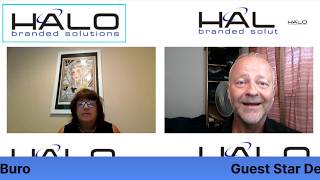
In this candid, livestream interview recorded on May 25, 2020, host Adrienne Barker, MAS, welcomes veteran and LGBTQ+ entrepreneur Dennis Velco, founder of OutBureau.com and the original LinkedIn OutBureau group. The conversation covers the origin of the LinkedIn group (created 12 years ago before LinkedIn’s group tools existed), the motivation to provide a professional space for LGBTQ+ employees, and the evolution into a standalone platform that combines features of Glassdoor, LinkedIn, and niche community sites. Key topics include the problem of “pink‑washing” (companies using rainbow branding without substantive LGBTQ+ policies), the site’s dual‑track model (free employee access, paid employer listings based on headcount), anonymous employee reviews, mentor‑matching, group structures (public, private, secret), content creation (160+ articles), SEO strategy, and the founder’s bootstrap, boot‑strapped journey. The interview also touches on practical guidance for companies seeking to improve LGBTQ+ inclusion, handling disputed reviews, and the importance of authentic corporate responses. Personal anecdotes about mentorship, SCORE volunteering, COVID‑19 impacts on South Florida, and the founder’s upcoming podcast are interwoven, illustrating the human side of building an inclusive tech‑enabled community. The dialogue ends with mutual appreciation, a call to action for viewers to join OutBureau, and an invitation for future collaboration.
Chapters
Hello, happy Memorial Day. I'm so pleased to have Dennis Velcro with us from Out Bureau, but I want to also just say, you know, Memorial Day is a day that we need to remember all of our soldiers that have fought with us and the families. So hi Dennis, welcome. How are you today?
Hi, I'm doing well, and I'm also a U.S. veteran, so enjoy the day. So appreciate you having me on a day respecting veterans.
Thank you so much. Thank you for your service. It's— they're words, but they, they really do mean so much. We appreciate it. Before we start, I— you're, you're friends with Victor Lopez. Did you know Gregory Henshaw? Did you know Gregory Henshaw?
Yeah, the name rings, rings a bell. But, um, yeah, I'd like to say too, if you're looking at my contacts on LinkedIn Beyond my 46,300 group members on LinkedIn, I'm also connected to 29,000 first-degree connections around the globe. So I don't actually know everyone.
Gregory was on Rainbow 411. He was doing the directory back in like maybe almost 7, 8 years ago.
Okay.
Such a lovely man. Yes, lovely man. So I am really excited. I'm on your website and I'm looking, you have so much information. So I really need to throw this interview to you to tell us about Out Bureau and also the name, the meaning of the name is wonderful.
Sure. Um, well, I'll back up just a little bit and kind of the inspiration for it. Um, now 12 years ago I started the very first group on LinkedIn that was not created by LinkedIn. And matter of fact, I actually had to contact them way back then, their customer support, in order to even create it because it was before they had the create the group button and so forth. And they only had college alumni groups that they were starting. The features were very new. And one day I was at one of my clients in New York City, and my clients in a meeting were starting to talk about it. And so I sent LinkedIn a message and say, hey, you threw me in an Ohio State alumni group. Thanks, I guess. But you really need to throw me into the LGBT group because that I definitely belong in and want to participate in. And they wrote me back a nice message and said, we had a couple of exchanges, but the short of it is, is that I sent them a case, you know, a whole page outlining why it was important to have an LGBT presence like that on LinkedIn, being a professional networking site. And they agreed with me and, but didn't know who to turn to because college alumni groups at that time were turned over to the alumni associations to manage and moderate. And they were like, who do we go to in the LGBT community? There's so many nonprofits and so forth. So we just don't know who to turn to. And within 15 minutes of me receiving that particular email of a multi— over almost a month of emails going back and forth, I said, well, if it's possible, will you create the group and assign me as the moderator administrator, I'll, I'll just take that on. And that was 12 years ago, and now it is 46,300+ global members and grows every single day. So over the course of the years, I had people contact me with all kinds of issues, from immigrate— seeking immigration to people who work for employers who were on either, you know, one of the corporate equality indexes around the world. And they were very frustrated because after their companies reached that coveted 100% score, they were saying that their employers were backing off. Management were off to the next big and bright and shiny project. Funding backed off, and it left them feeling disconcerted, a little dismayed, and almost heartbroken for how their employers were essentially utilizing that as only a marketing tool, kind of like we hear about pinkwashing, right? And not that the employers necessarily had that intent, but that's how it left the employees Yes, I never heard of pinkwashing. Okay, so pinkwashing is where in the month of June, being Pride Month around the globe, brands will, you know, gayify, rainbow stripe their logos, but then they have no— many, some of them will say— last year's study was done that 40% of the brands that were rainbow-fying their logos had no employee LGBT-friendly policies and benefits. They never did any kind of LGBT outreach in their consumer marketing and so forth. And so that was a bit of a misstep. And companies last year, it got a lot of press. So if you Google pinkwashing, and I believe there's an article even on OutBureau.com, that's O-U-T-B-U-R-O.com. I believe we have an article about it as well, and a recent one. So that pinkwashing basically, you know, it's like, all right, you're coming out for the month of June, you're making your logo all rainbow and, you know, gay unicorn happy, right? But, you know, what about the rest of the year? What about your own employees? So right now, there's a huge push within the LGBT community to hold companies accountable. You know, don't use the symbol of our community in a very patronizing way, frankly. So, so getting back to the, you know, the Out Bureau, how that was formed is I use that really frankly as a way to connect. At first I was traveling between 50 to 80% of my time for corporate clients, relocating extensively because of, you know, long-term contracts. And when you relocate like that and you travel extensively, it's— people discount you, right? You try to— it's very hard to get involved in a community when you know, for example, you might only be there for 12, max 24 months, and you'll probably move for the next big contract. So it was a little lonely and difficult. And so doing the group, starting the group on LinkedIn, which you can find by searching simply in the top LGBT or OutBureau, but simply typing in LGBT, gay, lesbian, and select groups, you will find it. It's always the top one selection. And there are other groups that come along, but this is significantly the largest, typically by about 300 to 400%. So it's a great venue for LGBT people around the world and our allies and recruiters and so forth to connect. But starting the group is, you know, I don't own LinkedIn. I don't own this platform. I wish I did. I don't own the platform. And literally, I mean, although LinkedIn is investing into their group platform, the reality is, is tomorrow there could be a news announcement that Microsoft put down the edict because Microsoft owns LinkedIn. That they are abandoning the whole group feature and it could be turned off. So that was one of the— that coupled with many of my conversations and some of the limitations of the group and the inability to really thoroughly network, engage, communicate, and share ideas and information in a multiplicity of ways. That the groups on LinkedIn just does not provide. I appreciate being there. I value the group on LinkedIn, but I now view that as a one channel for OutBureau. So launching OutBureau, technically it was 2 years ago. I've had some technical difficulties because I am an entrepreneur of one. Bootstrap Startup. And so I do everything from— I have over 160 articles that I've authored over the last year and a half.
Oh no, no, no, no, no, no, freeze. Okay, wait. All right, hold on. I'm going to— I'm going to— bear with me for a second. Hide myself for a second. Let me see. To get rid of me. This is so interesting. Oh no, okay. All right, does that help a little bit? Oh no, okay, good. All right, wait, we lost you. 160, oh no. Oh no, this is very interesting. I like, oh my gosh, I really could listen to this for hours, what Dennis is doing here. All right, come back, Dennis. We're gonna wait for a second because I want Dennis to come back and I'm very excited.
Dennis, we're about to make cookies. Hi, can you not hear me?
I can hear you, I don't see you, but I really would rather, I would rather see you and not see me So can you put your camera on and I will hide myself? Because you—
okay, that would be— I do have my camera. If I need, I could, uh, leave this application and come back.
Yes, please. We're gonna wait for you. We're patient. And then I'll hide.
Be right back.
Thank you. By the way, just letting people know, with Andre entrepreneurs that SCORE is always looking for mentors. Or if you would like to be a SCORE client, please reach out. All right, put you in the stream and then actually— okay, hold that for one second. We're going to come back. Okay, 160 articles is what you were saying, which is kind of blow away. All right, let's, let's continue. And then if I find the— if I find it's a bad connection, I'll get rid of me.
Like, you know, hide myself.
All right, because 160 calls is pretty amazing. That's a job in itself.
Yes, yes, it is. And so, um, so the site's kind of similar to as if, uh, Glassdoor.com and LinkedIn met at a party, hooked up, and had a gay baby. And so, uh, you know, it's not as robust as any— as either of those sites, although, um, it's It's very robust, but obviously I— well, I guess not obviously, but just being honest here, I haven't put $200 million into it yet. But the site has a lot of features and I will be expanding some of it here real soon. But right now people can go to the site, join for free. It doesn't cost you, the average person joining the site, anything, not a single dime. It would come in the form of when employers choose to claim their listing and participate. So it's an— on the employer side of the house, it allows the employer to list everything that they do for their employees as well as social proof it. So it's not just tell me you have transgender inclusive benefits, link to your website where you indicate that and describe it. You know, for example, do you make political contributions to, you know, candidates and/or current political players? Are they anti-LGBT stance, pro-LGBT? And I want this to be a safe space for employers. I personally am not trying to, you know, be the boogeyman out here to tear you down for what you're doing. For example, last year AT&T was raked over the coals in the LGBT media because they, uh, in just one year donated $2.5 million to only U.S. What I mean is, so think of that number, $2.5 million. Those were just to U.S. congressmen who are known anti-LGBT players in the political sphere at that level. Now they also donated to pro-LGBT and so forth. But here's the thing, I'm not out there to beat AT&T up over that. It's just a point of fact. So I use that in my example in that if and when AT&T signs up on OutBureau to allow and engage their employees and potential candidates about everything that they do, Putting even that kind of information in a proactive manner, saying, "We donated to all of these political players," noting the ones who are anti-LGBT in their decisions and policies and biases and so forth, but then listing simply why that was important. We do not control— I'm sitting in Florida. I do not control that such and such congressman is the chairperson of the telecommunications committee in Congress, right? And AT&T doesn't control that either. And I realize, being a business person, that sometimes we have to do business with people that we don't agree with on all facets of their life or their ideology, okay? But, uh, it's about getting in front of the conversation. Um, there is also the ability to, similar to LinkedIn, have a professional profile, um, where you, you know, list all of your professional stuff, whether, you know, also, by the way, whether you would like to be a mentor to others and/or whether you are seeking a mentor. So when you go through the community side of the house, which is kind of similar to LinkedIn, a little bit like Facebook, um, you're able to search for other members and say you know, hey, I'm a, I'm, I'm a new entrepreneur. I'm, I, but I, I don't know this in this topic. And you're able to search out bureaus.com for people who indicate that they're open to being a mentor and what their skill set is. And then right there on the platform, friend/connect with them and then send them messages and so forth. Similar to how we started communicating on the message, message portion of LinkedIn. You, uh, and Facebook, you know, has the direct messaging. OutBureau has that capability as well. So it's a place where you can connect with others, and there's lots of search features and so forth. I don't want to get into a feature— all feature description, but also to let folks know there are groups similar to LinkedIn, so, and groups on Facebook, and those can be public groups, private groups, and secret groups. And so, for example, we have a group that is hosted by a fantastic entrepreneurial lesbian, and it's called OutStartups. There's many other groups that are geographic-based and/or topically focused so that people again can begin to engage, share, connect, and learn in a safe space that's dedicated for them. Right.
I love it. I love it. Okay. So I have a question. So I was honored to work for the American Cancer Society and American Cancer Society really takes very serious inclusion. So there was a lot of training and a lot of— and then I actually joined, it was really one of my favorite chambers, the Tucson GLBT Chamber. And you know how you look forward to like every, like that once a month, like breakfast and lunch, it was, Lovely. And then I got on the board, which was great. It was probably one of the toughest things leaving Tucson, Arizona, is leaving that chamber. It was really a magnificent chamber. And so shout out to Tucson PLBT, love you guys. But the thing is, is that, um, how does a company— so, so ACS to me, I mean, because I'm not an expert, but ACS to me seemed like they really were doing a great job in training and understanding and also just understanding, um, words and how to, and how to speak properly.
Nice.
Do you have a guideline for companies so that they can start? They maybe they don't know exactly what to do. How would they get that information?
Well, I, out of the 160 or so plus articles that I have there, there are some of the articles dedicated to employers on steps to take. One article that I have is simply a definition of, of, you know, common terms within it. I also have an article with an Out Bureau diagram of understanding gender identity and gender expression that can be used to educate folks. But, you know, because I've been in this space for some time and curate world news constantly and so forth. You know, when do I have ideas? Do I have recommendations? Sure, but I do want to make very clear that I am not a— by the governing association bodies, I am not a professionally certified diversity and inclusion consultant. So that is not my career. Although OutBureau is a space for information to be gathered, joining groups, dialoguing, for example, diversity inclusion directors are more than welcome to join the site no matter their— and also let me be clear, OutBureau is inclusive of everyone. All right, you, you can be heterosexual and join the group. I'm actually partnering with companies that, um, you know, help entrepreneurs, and the founders of those companies are heterosexual, but they're very open and welcoming and want to help LGBT entrepreneurs. So that is part of inclusivity, is not being also just an LGBT rainbow unicorn island, right? Because we also have to walk the walk and be inclusive as well, right? If we want to be included, we have to also be inclusive. So, and I welcome anyone who wants to be an ally, obviously. So, but there are wonderful diversity and inclusion consultants in around the globe that I happen to know fairly well and value their integrity. and authenticity. So if there is organizations out there who are, uh, desiring to up their game and become better, you can start with some of the information on OutBureau and then join groups, uh, to collaborate with, uh, your peers. But then, uh, you know, lastly, through your own searches and so forth, if you're not finding, or if you want to expedite that feel free to contact me. I have numerous outstanding awarded individuals that I can recommend.
Smart. And then, so I saw the profit and nonprofit. It's really, first of all, it's a very interesting site because, you know, I love to Google, so it's, it's fun putting the names in of the companies and seeing who's coming up. And then, you know, your mind's thinking, oh, well, they should, you know, they should go in and do it, or I need to go in and put my information in. So, but tell me about the profit and nonprofit. I thought that was interesting. And then the political part of it is interesting too, because this really gives you a deep dive behind the scenes.
That is the intent. Uh, we're still in our startup phase and I am looking for businesses, uh, and while I say organizations of all size, uh, who would like to partner with me on being an early adopter.
Hold on for one second. The TV— this is candid— the TV just like popped on for some reason. Hold on, I'm gonna just turn it off. It's—
no worries. While you're doing that, I'll take a sip of my coffee. It's still morning for me. I work late.
All right, you never know. Sometimes my 14-year-old comes out, sometimes my dog pees or poops.
Okay, all right, okay.
So keep going. So we're talking about the— about the getting businesses.
Yeah, so what I've done is I've preloaded the site, uh, with right now about 80,000 employers or so, plus or minus. And, um, that is— and, and several of them I've went ahead and filled in some of the information with, uh, demo information. Um, but any of those employers can claim their listing and then put in their real content. Uh, the site allows anyone to add their employer for free, so you can join the site for free. Then as an employee, so long as you're not in the HR department, if you're at a company that has that level, you can add your employer for free with limited features and then immediately thereafter rate that employer on 10 different factors across inclusion, as well as we ask general questions such as, you know, effectiveness of meetings, the quality, what your perception is of the quality of your coworkers. So it's more than just, it's an LGBT-centric with more general and broad information as well. So that it's a whole picture as an employee versus just a microscopic view, only, you know, LGBT issues. So it's like a Glassdoor.com or a Kununu or the ratings on Monster and Indeed.com. However, the, call it 20 to 30% of the focus are specifically LGBT. For example, Have you experienced discrimination? Yes, no. If yes, provide a description. Have you experienced harassment? Yes, no. If yes, provide a description. And then also ask questions such as, you know, your— do you feel that you were compensated fairly? If not, why? You know, general stuff too. So it is— so when we're looking at, you know, when you mentioned the the for-profit, the nonprofit, the government, and political, like, political organizations. That is understanding the legal entity. And as you're selecting, then, you know, what kind of category of company it is. As the data grows, we'll be able to actually— not only is it providing a service in general to the community because You know, right now there's only about 8 ratings, and please everyone go out. And again, I really don't care what your sexual orientation is. I would just love you to engage in the site. Is we'll be able to eventually provide studies into it, utilizing that data to help educate and possibly partnering with political organizations to utilize that information to help form new policies. At, you know, local, state, and federal levels. So, and by you providing— here's my thought is, one, it's anonymous. So as you're providing your rating, your employer does not know who you are. You know, so long as you keep the content, you know, nonspecific, we have guidelines for that. Don't provide names, for example, you know, my boss, John Jones, in this company, in this department, No, no, no, no, no, bad idea, you know. So we have guidelines for that. All reviews go through an approval process to ensure that that kind of information isn't there. And of course, we don't want just pure hate speech and so forth. So OutBureau does reserve the right to remove or blank out, you know, words and/or content that is not constructive and, you know, just blasphemous and hateful and slanderous. So we have a review process as well as we have a reporting process. So the site on content throughout, for example, the community site, I feel it's very important to be a safe space knowing that LGBT people could be fired from their job and so forth, possibly depending on where you are, imprisoned and even put to death. So in order to make that safe, you can indicate on via your profile to choose to use, for example, a profile name versus your real name.
Got it.
In order to hide that.
All right. So question, I'm like a 5-year-old.
No worries.
So, all right. So I love any time we can give a voice to employees that are often unheard. But I know that the question that will be asked is, well, what about the employer? So the employer pops on and they have someone that is absolutely not telling the truth. How do they remedy a situation that maybe is not really honest on the side of the person, the employee? So the employee says something that's not really true. What is the recourse for the employer?
Well, if the employer is a subscriber to the site, number one, then they have a mechanism to respond to each and every comment. Then beyond that, they obviously can contact us right now. Me, I say we and us in a royal sense, but they're then able to bring that above and beyond the tools that the system provides them. They're able to contact us via our support system and raise that as an issue. You know, sometimes the, the truth, you know, what is the truth? Perception, right? Everyone has their perception of events. So, you know, outside of a legal challenge and so forth, it'd be very difficult perhaps in situations if a company brought something said, oh, that rating is absolutely not true. It didn't happen. You have to take that down from your site. Well, one, there's First Amendment, freedom of speech. Number two, how would I— I'm not an arbitrator, I'm not a legal arbitrator, and information is going to be put out there. It's really about how that employer responds. For example, "Thank you so much for sharing your concerns. We are investigating this." We would love to have you contact us directly so that we can resolve this because we value you as an employee and we want our space to be 100% safe for everybody. So this causes us great alarm and concern. Please be proactive. Feel— know that you— no retribution will be taken because we take this seriously and we value you. That is the proper response.
Okay, that is a great response for any review, for Facebook, for anything. You'll see, because I've, I've seen, you know, that they don't respond and then it gets ugly. Whereas that's a great advice right there. That's a clip right there. That's a blog right there.
That's a good one.
That's— I have a question regarding— I don't— this kind of seems like a silly question, but like the SEO. So I go and I put my company name in, will that help? Is that like called the backlink? Is that So like, will help so that I get— I'll be found on your site. Good. Okay. See, oh, I know.
And actually, if you Google right now LGBT SEO OutBureau, one of my articles on OutBureau is number 1.
Good for you. That's— it's not easy. I know that. So wow. So you did everything right. That's doing everything right.
I'm pretty— I'm, I'm pretty good at it.
And for— so, okay, so then the next question is going to be Kind of like the personal question, how do you make money on your site? How are you doing all this with yourself? Do you have ads? Because I didn't actually see any ads, so I wasn't sure.
Right. Not, not as of yet. I mentioned I had some technical difficulties for a while, and me being a personal one, I'm dealing with a couple different developers for the different sides of the Out Bureau house. And, um, you know, developers love to point fingers at each other. And really took actually me delving down into it. And I'm not a coder. But I actually found the root cause. And that was— that's caused some delay. So I've retooled the site, still working on it every day I work on it. But as far as the financial model, and I appreciate you asking that, It is very similar to Facebook and LinkedIn and even Glassdoor.com. It's where it's free for you to join as an employee, but as an employer, you can claim your listing and there's an annual subscription to do so, which is based on the number of employees that you have. So if you're an employer of, say, 20 people, versus like an AT&T, staying with that example, an employer of over 200,000 people, you know, obviously there's a difference in amount of possible utilization in the sense of number of people, amount of content, frequency and everything. So data— so between data storage, bandwidth and everything, Alt Bureau has a higher cost of doing business when larger employers are on the site and engaging their employees. So therefore they pay a higher price, uh, on their annual subscriptions versus a smaller employee. However, they get the exact same features. So it's wonderful for all.
It makes sense. So Dennis, okay, so you're a good-looking man, you're doing this, you're like interviewing me now, but you're doing a great job. You're like, I, I love it. What are you doing this? You should be doing what I'm doing, conversations, because you have so much to teach. And I think that you would be— you would have a lot of people watching.
And well, I appreciate that. Um, I am actually right now, uh, in the midst of launching a podcast.
Okay, good.
And I have my first 5, uh, inter— my first 5 conversations agreed to, just a matter of booking over the next week or two. And we'll explore doing video conversations and then extracting that to podcasts. Right now, it's a— because I am self-funded, bootstrapped, and so forth, every dollar that has been spent on Out Bureau has been mine. Every minute that has been creating it is me. And it can be a little overwhelming. And I typically work between 10 to 16 hours a day. So, but that is my next thing, because it's about creating additional content that's valuable. So the new podcast Um, is, uh, featuring LGBT entrepreneurs and professionals, uh, at all levels in their career and all types of entrepreneurs and professionals. And what I like to say is a professional is everything from a dog walker to a rocket scientist.
I love that. I don't know, so you and I, so we met on LinkedIn And I, I love business. So I love business so much that my hobby is SCORE. So I volunteer for SCORE, S-C-O-R-E, and SCORE is for the life of your business. So we provide mentors and, and we have clients that we, we, you know, mentor in workshops and programs, a really strong, robust website, and we do it all for free. So there's 10,000 volunteers throughout the United States. We received some funding from the small business, the SBA, and you have a— you're at Broward is a wonderful office. I'm in the Volusia Flagler. I got involved in SCORE about 2006, '17. I met David Terrell out of Tucson and fell in love. And then, you know, I just, I go right in. So I became the VP of Southern Arizona, the marketing, loved it. Now very proud to be the VP here in in Volusia-Flagler County. So I'm just in Daytona Beach and it is wonderful. So I love, so when you say that, because you're right, a dog walker has just as much responsibilities. Entrepreneurs work 10 to 16 hours. That's very common. It's very, it can be very frustrating. And it's nice to be able to have a mentor, no matter what that program is that's providing the mentor. So if you're providing mentors, I just want to do a shout out to everyone that's on your platform to take advantage of it because we all need mentors. And the nice thing about a mentor is that they— I'm thinking that you have the same— that they're free. Because when you're—
at least if you currently connect, you know, through someone on the site who's indicated they're open to be a mentor, OutBureau is not monetizing that. You know, always open to adapt. you know, based on feedback and so forth. But, you know, right now, uh, the concept is it's just folks who are, um, you know, have experience and looking to give their time. And it's totally up to them who they choose and how much time they spent. We're not— we're just a facilitator that, uh, A can find B.
It's so important because when you mentor, you— first of all, I honestly, there are times, there's days where I'm like, oh, not another call. I can't do it anymore. But every single time I feel that way, I take the call and I'm like, wow, I learned something new. So I really have to say, I think being a mentor is a two-way street because you learn as much from your mentee as you do. So I mean, and then Right, it's so amazing. And then you probably see the Halo branded solutions. So I have been in the promotional products industry for over 35 years and I love it. So I sell anything that has a logo on it, like, oh, the thing from the back of my phone, which I love.
Yes, I saw one of your shows where you went to a— I was watching a few of your videos and where a vendor had, uh, you know, already had for you a a placard with a nice, uh, with, with your name on it and, and so forth. That, that was, uh, very nice.
That was very nice. And that I received that because I opened the email. As an entrepreneur, you open everything, you look, you never say I'm getting too many emails, I can't deal with it anymore. You just, you just do what you got to do. And I think your site— so, but I want to ask you, how are you now with COVID-19? You are not open yet, right, in South Florida? So you—
well, we're completely online.
You are, but this, like, going out—
I mean, the area.
Yeah, the area, because I know your beaches are closed.
Are you even—
I think you'd have to worry about a haircut, but are you— so where are you? Like, you get confused. South Florida, are you fairly open or nothing's open?
It's, uh, you know, barbers, hair salons, uh, this last A week ago Monday, restaurants opened, but of course there's lots of, you know, rules. You know, like in a lot of areas, sometimes they're not being followed, but at least where in my limited sphere that I've been, you know, walking around— I live in the Wilton Manors area of Fort Lauderdale, and a lot of the bars here are also food establishments and restaurants in the direct area, they're being very cautious. You know, they're following all the recommended rules of, you know, they've redistributed their tables. You know, they took out, have taken out tables in order to make the space to ensure that tables are, when people are seated and, you know, in their chairs, that they're at least 6 feet apart. You know, you have to wear your mask in the facilities and as the servers are coming up to the tables, you know, you just take off your mask to have your meal. And so folks are generally following that pretty well. There are areas where, you know, at least via my boys on Facebook are posting you know, pictures that they get where they, they believe, you know, believe that people are not following the rules. But, you know, people do have to make their own decisions, um, and, you know, you as yourself can choose to go up to those people, uh, if, you know, they— if you know them or not, or, you know, stay your distance. Everyone has to make their own personal decisions, uh, in everything, but obviously in this case as well.
Well, you know, I teach etiquette too, so corporate etiquette. So I think that when we start getting back to business, you just, you just can't do it. You know, I think, you know, I love people too. We all— hugs are just beautiful. And, and I, you know, there's a saying that I love that said social media turns handshakes into hugs. So you meet someone like we're doing this talk now. If I see you, of course I want to hug you, but it wouldn't be nice. Now, now you have to ask. So I tell people the most important thing to do is stand up for someone. You know, if you're sitting down and you're going to meet someone, stand up. Don't sit there and, you know, get lazy, because that— there are only a few ways to really show respect, and that's what it's all about. I think that in life we need to show respect, and I love what you're doing. I—
you—
first of all, I'm so glad that you reached out to me. I can't thank you enough. And, and my, my mind was like Oh my gosh, are you kidding me? It was like, whoa, yes, I'm so happy! And then now, so how can I myself personally, and then anyone who's watching, how can we support you? What, what would you like from us?
Joinoutbureau.com, uh, for example, you yourself, uh, you create your professional profile, uh, there you're able to put your, uh, links to your website site, content about you and your services. When you're looking at your— at the detailed resume/CD portion, similar to LinkedIn, you know, if you look at my profile on LinkedIn, it doesn't say my duties. It doesn't say, you know, that I do this and this and this and, you know, whatever. It's a marketing, right? If you look at my LinkedIn profile, it is just my marketing message. And And those, even if you're in, you know, in a professional, a professional looking for a new job, that's what it should be. So your, your profile on OutBureau is very similar. Um, and then, uh, I invite you to start a group. You can start groups for SCORE, uh, to, uh, and again, very happy to have, um, heterosexual folks on the, uh, on OutBureau. It does not, although it's LGBT centric. It is not exclusive. So there can be groups that you could do, participate in, be the moderator of if you so choose. There is the Out Bureau, the Out Startup group that you would be able to join that Helen runs. And you could start a group for your geographic location and invite all your peeps to join you there. Engage, share articles, you know, share, share content. You know, if you see an interesting article in the New York Times or, you know, online in your local paper that you feel is interesting and so forth, you can share it on the activity stream as well. As everyone has the opportunity as well to post articles that would be included on the OutBureau.com blog. And there's different categories.
Oh, I love that. You, you are so— I mean, you're doing so much more because you really are helping companies to market themselves. And if you've never done it, I mean, in all honesty, I've never done Candid Conversations before. I've never used this site, BeLive. I— but I find, just do it. Because if you don't do it, if you don't take the risk, If you never took this risk, Dennis, which I know had to be really risky, and I wonder how many people told you no, no, no, no, Dennis, don't do it.
On— oh, on— for Out Bureau, or just you mean this meeting? You know, how many people have told me no? Well, I've owned a few other businesses in my past, and my husband of 17 years was never very supportive of me as an entrepreneur. So one of the, uh, articles that are— is on my website is called, um, The Entrepreneur's Why, or The LGBT Entrepreneur's Why. And part of understanding your why, when you really know that you are doing something that is so core to you, so something that you truly believe in, whatever that happens to be, right? And that's whether it's being an entrepreneur for a for-profit or even a nonprofit. Like, if you really love animals and you have a passion for Chihuahuas and your passion is to start an animal rescue and adoption center for Chihuahuas, then go forth and do that and don't let anyone tell you no. Because, you know, that— because in that example they might be saying, oh well, the, you know, how are you going to get donations? How are you going to pay for the dog food? Who's going to clean up all the poo, right? And, you know, so for Out Bureau, I've had naysayers. I have them still today, you know, wondering why am I— most people, once they get to know me and what I'm striving to do, the, the, their, their questions typically go down they still think I'm insane because they're like, oh my God, you're spending so much money on this and yet you haven't made a dime from it. But for 12 years, I haven't made a dime off of doing the LinkedIn group either. But it's so important and it's created the visibility and it's made other people feel comfortable. And interestingly, a couple of weeks ago, I was having a phone introduction call with a person who's been a journalist in the HIV/AIDS mostly focused era for like 35 years. He's just incredible. He's out of San Francisco and he actually reached out to me and I was touched. He goes, oh my gosh, I've been following you for like 2 and a half years. And I love the work that you do. I love the focus. And it's so needed. And it's like, wow, you know, I had no— I had no idea that this person was watching me. I have no idea because I have no insights into LinkedIn, how many people I touch. I don't even know unless you like or make a comment on one of my postings on LinkedIn or even on Out Hero. I don't know. Other, you know, other than Google Analytics, I generally know the numbers, but I don't know the impact. And, you know, what I feel is, is, is it's needed, it's important, and it's a void, it's filling a void, right? And so there is that uptime that, you know, kind of pushing the sand uphill, so to speak, of this is new, trying to get the information out so people come join and start to engage. Realizing it's new. And it takes everyone who's going to join to start being active so that others join and it be active. That's just how the LinkedIn group started as well. And naysayers can, you know, there's always going to be the naysayers, there's always going to be, you know, jealous people. I didn't want to say that word because I didn't know if I had to say that here, but you know what I mean. There's always going to be those people who don't understand. There's always going to be, you know, again, jealous folks and so forth for whatever reason, uh, that they didn't think of it or whatever it might be. But, you know, you have to have your own— be core in your own why. Why is this important to you? Because as an entrepreneur, no matter what you're doing, you have to have that, understand that why, so that, that gives you the passion and the drive to work on your business. And when you do understand your why, you're able to get other people excited about it because they know that it's coming from a, a place at your core, from your heart, and that you're striving to do better for other people, right? Because if you're just in business to make money Well, first, well, how superficial is that? And good luck with that. But money doesn't create happiness, right? Money might be able to buy you toys. But do those toys make you happy? And most studies show it doesn't. It creates actually the opposite. So when you have that why, doesn't matter what other people say. It's, it's you, your passion, you're going to attract the people who are interested in what you are doing, and you're going to create a difference. And hopefully, no matter what that business is, even if you're like, for example, a financial planner, okay, if you're only, uh, in it for, oh, I want to make as much money as I can, you're only going to have a certain clientele for so long. But as a financial planner, if you switch that and you say, I understand how difficult it is to make and keep your money, I know personally the struggles of doing it and I'm here to help you better your life. What a much better value proposition for that potential client, you know, that, that they see you.
So your words are beautiful. I think, I don't know if you know how many people you probably have helped with just that last 4 minutes of what you said. It was— it— I know personally some people that are listening to that that needed to hear that. So thank you, Dennis. It's really teary-eyed, but it was really, you know, words are so beautiful. You just use them. And I, I need to try to figure out how to edit her on YouTube because this will go on YouTube. So it's Facebook Live right now, but we're not looking at all the comments and stuff. Not that there's anything wrong with comments, but I'm so focused on what you're saying, I don't want to look at comments. But on the other hand, it goes to YouTube, and then I want— I need to take that. You just— you probably changed some lives right there. Those words that you said are so beautiful, and I know personally needed that, those words, because I have my friend Maria who's doing Healthy Souls International, uh, disaster relief, and she has done so much, and she is an angel on earth. And I love her, and I know just her listening to that. So how— so I'm gonna need to— is it okay if I, um, like, I'll have the whole thing, but I want to take that portion too.
Oh, absolutely, absolutely.
And I want to get approval too. May I get approval to, uh, take some of your, uh, articles and put them on my professional global etiquette website, and then I could show it to you? Is that okay?
Uh, certainly.
I'll let you know which ones then. But I, I'd like to, um, you have some really good ones. And what you're just saying before that, I would like to put that on there too. So sorry. So, and I interrupted you. I apologize.
No, no problem at all.
Well, my eyes are really— I am really— I'm like, I went to wear mascara today.
You're beautiful.
You are really a beautiful man. I am so, so blessed to have you. Come on and talk to me and share with me your passion, and I will continue to push it out and follow you and connect with you and find you, and I will be your stalker because I like that. And thank you so, so much. Did you have anything else you want to add?
Just as I've been saying, like so many, I'm a bootstrap startup. On a mission of why, to change, you know, to, to change the, the dynamics and, and content for the LGBT community. But my articles are also, and the articles that I'm now getting from others to be posted on the site, and, and you and everyone can become an author and post content on the site, um, is being— although I, before SEO, I throw in the word LGBT, you know, that the acronym LGBT, right? But it's still pertinent for you, for anyone as an entrepreneur. So for example, one of, you know, my, uh, recent articles posted this, uh, last week was, um, LGBT entrepreneurs, are you happy?
Oh, I love that one. Oh my gosh, that was a good one.
You know, that although I say LGBT It's pertinent to everyone. And that particular article, you know, it's, it's not only pertinent to this time, but it transcends this time. And, you know, because as entrepreneurs, we're passionate, hopefully, in our why and what we're doing, and therefore we do work those, you know, 10 and 16 hours often. And, you know, that can create a very uneven balance in your life. And, you know, if you're not, if you're not taking care of yourself, if you're not taking care of your personal relationships, it can, you know, cause unhappiness and, and struggles and stress, additional stress on top of all of the business stress that you have of running your, your business or your nonprofit organization. So that article is meant to you know, question. And I ask everyone in it to, you know, take a 1 to 2 hour walk, throw on some, you know, easy listening, you know, hopefully meditative style music and ponder the questions. You know, are you spending, you know, if you're in a relationship, are you dedicating and actually if you have to put on your calendar, you know, special date nights and make them special. Not just ordering, you know, pizza, but really go out of your way to make it special. You know, have those really deep conversations with your significant, significant other, create game nights with your children. I know you have kids because I've listened to you say that. I have a 10-year-old myself. I'm an adoptive parent. And so it's so important that, you know, my ex is Daddy and I'm Poppy. And it's so important to ensure that, you know, in our, in our, in our vision and all of our work to grow our businesses, that we don't lose who we are as a human being, as a spiritual person and so forth, as a, as a husband, as a wife, as a, as a brother, as a sister, you know. And so I give some ideas about simple things to do. For example, go schedule a once a month, a 1-hour call with, with an old friend, right? Spend that time connecting, reaching back, even while we're still in COVID, right? It's— you have your phone, you're both totally safe. I have one of my best friends I've had since I was 18 years old, and we have a monthly call. And we've been We've been doing that for a while and we get on the phone and it's like we're 18 and 21 years old. We each have a cocktail in hand and it's yada, yada, yada, yada, right? And so, and there's lots of ideas, but I don't claim to know anything and everything that I do. Some people think I come across as a know-it-all. Are you kidding me? No, you know, I just talk.
Good relevant information. And part of it, yes, I mean, I could see someone would say you make a great coach because you're saying the things that people do need to hear. And I think that's lovely. I'm going to share the article because I read it and I was like, ooh, and my first thought was that's just perfect for entrepreneurs. Absolutely. Wow.
We've been talking about post your ideas and comments and, and, you know, things that worked and not worked for you. Uh, I, I walk a lot, so that's my time. I listen to podcasts, uh, on, on entrepreneurship. Um, I, I'm trying to get back into my daily meditation practice and yoga practice. Um, and, uh, but this— and this COVID and cookies, oh, so hard. I've put on— I've put on a few pounds, and I need to get back to my single gay man marketing body.
Well, I, I honestly, my avatar and myself have to lose weight. I had to create a chunky avatar for myself, and I'm like, she needs to lose weight, and so do I. But yeah, when the gyms open up. Thank you so much for all your time.
I—
so we'll talk again. I'm gonna just— let's just stay friends. Thank you so much, because you— I'm just so grateful that you reached out to me. I can't even thank you enough.
Oh, well, I appreciate it, and thank you for all your viewers tuning in for this episode. Please provide comments on all the channels that she provides openly, and do consider joining us on OutBureau.com. O-U-T-B-U-R-O.com. We'll stay in touch with all of you soon.
Thank you. You are perfect, perfect. I put it down on the bottom too, to join today. I'm gonna do it the minute I get off. All right, we're gonna stop streaming. That was lovely. What










