Adrienne Barker introduces MannerShift, a framework for young professionals navigating hybrid workplaces. She covers the intent-versus-impact gap and teaches a three-step pause-assess-respond routine to adapt your communication while staying authentic.
Chapters
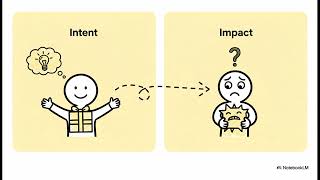
All right, let's talk about something. It's this feeling that I think a lot of us have at work, but we can't quite put our finger on it. Today we're going to put a name to it. This massive unspoken shift that's been happening in the professional world. You've probably heard people say it, right? Professionalism is dead. Well, here's the thing. It's not. Not even close. And that is the key. It evolved. This is exactly why so many of us feel this weird disconnect at work. It's like the rules of the game totally changed, but nobody gave us the new rulebook. So what are we talking about here? Basically, those old, super stuffy rules of how to act at work? They're gone. They've been replaced by a whole new set of expectations that, well, nobody ever wrote down. And it's not about being formal. It's about being way more dynamic. Yeah, this isn't your grandma's etiquette class. We're not talking about which fork to use. This is all about being aware of what's going on around you and being able to adapt how you communicate to fit what's happening right now in the modern workplace. Okay, and this brings us to a huge, huge problem. It's that feeling, you know the one, when you're trying to do the right thing, but it just doesn't work out. It's the intent versus impact problem. I mean, think about it. Have you ever had a moment where you had the absolute best intentions, you meant so well, but somehow the way people took it was completely wrong? Yeah, you're definitely not alone. This is at the heart of everything. And here's the big disconnect. On one hand, you're thinking, "But I meant well!" But on the other hand, the way people see it is totally different. In the professional world, it's the impact of your actions that really matters, way more than what you intended. That perception is what shapes everything. And realizing that this gap exists, that's the crucial first step. You know, tiny little things—your tone in an email, when you choose to speak up in a meeting, even your body language—they can make a world of difference when it comes to trust and credibility. So, we've laid out the problem, but what's the solution? Well, there's a new framework for this, a new skill, and it's called Manner Shift. So, what exactly is Manner Shift? It's actually pretty simple. It all comes down to learning how to read the room and then adjusting how you communicate. It's not about being fake or changing who you are. It's about being effective. See, the thing is, professionalism isn't this one single thing you have to be all the time. It completely depends on the situation. For example, you wouldn't send a formal 5-paragraph email to a coworker for a quick question, right? You'd probably send a quick chat. That's manner shift. It's all about the context, the platform, the timing, and of course, who you're talking to. Okay, so that's the what, but how do we actually put this into practice? Let's break it down into 2 simple core lessons you can start using like right now. First step is super simple 3-step process. Before you do anything, before you hit send on that email or reply in that meeting, just pause. Seriously, resist that gut emotional reaction. Then take a second to assess what's actually happening. You know, read the room. And then you can respond with real intention, making a thoughtful choice instead of just reacting. And that brings us to the second big lesson. This one tackles a fear I think a lot of us have: that being professional means you have to be some kind of boring robot and lose your entire personality. Let's get this straight right now. Adapting your behavior is not about losing who you are. It's about developing your situational awareness. You can absolutely be your true, authentic self while meeting professional expectations. The two things aren't enemies. They actually work together beautifully. Okay, let's wrap this up. Because the real goal here, the reason this all matters, is actually pretty powerful. So, the goal isn't to be perfect. Let's just get that out of the way. It's not about following some strict rulebook or never ever messing up. I mean, who could live like that? It's completely exhausting. No, the real goal is confidence. It's about feeling competent and sure of yourself in any professional setting. It's knowing you have the skills to read what's going on and respond in the best way possible. That is the true power behind all this. So I'll leave you with this final thought: the professional world has already changed. The shift has happened. The only question is, are you ready to shift with it?