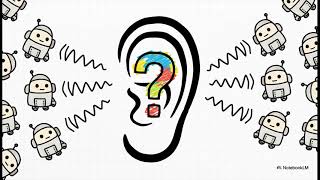
Adrienne Barker examines the explosion of AI meeting bots like Otter and Fireflies, which can turn 40% of attendees into non-human agents. She identifies five problems: no etiquette for using them, overlapping transcripts creating clutter, murky ownership of recordings, bots that distract rather than help, and the loss of spontaneity when every word gets archived.
Chapters
Today, we're gonna tackle a problem that's kind of sneaking into our work lives, maybe without us even noticing it, and that's the absolute explosion of AI note-takers in all of our virtual meetings. So let's dive right in. Just picture it: you log into your morning meeting, you're looking at the list of attendees, but something feels— off. You do a quick head count, and— wait a minute— you realize there are literally more bots on the call than actual people. It's a weird feeling, right? When you have multiple machines transcribing every single word, you can't help but wonder, who is all this information for? And more importantly, is anyone actually present and listening, you know, in the moment? So let's just start by getting a handle on the scale of this. We're now living in the age of the overcrowded virtual room, where basically everything you say is being recorded. And not just once, but often multiple times over. Okay, so let's imagine a pretty standard small team huddle. You've got 5 people on the call. The whole point is to have a focused, collaborative chat. And then this happens. 3 AI assistants join the call. All of a sudden, your cozy little huddle of 5 is now a meeting of 8, and almost 40% of the attendees aren't even human. The whole vibe of the room just completely changes. And look, we're not talking about some abstract sci-fi concept here. These are real tools that are becoming totally standard in the workplace. You've probably seen names like Otter, Fireflies, Fathom, and of course Microsoft Copilot just popping up in your meetings. And they're all there to do pretty much the exact same thing: listen, transcribe, and summarize. This tech boom has kind of created this awkward social situation. We've got all these brand-new tools, but we really don't have the rules of engagement for them yet. Which brings us to the whole messy world of AI assistant etiquette. This is really the big question, isn't it? I mean, what's the protocol? Do you announce your bot like you're introducing a new colleague? Or is it just assumed now that every single conversation is being recorded by someone's AI? There's no clear answer, and that's where things start to get a little tense. And that leads to an even bigger question: is all this actually helpful, or are we just creating a ton of digital clutter? Seriously, when 3 different bots are spitting out 3 slightly different transcripts of the very same conversation, are we being efficient, Or are we just building a huge messy pile of data that somebody, somewhere, is gonna have to deal with? Okay, and this is where the whole thing shifts from just being awkward etiquette to having some pretty serious legal and privacy implications. Because if we're creating all this data, we have to ask a really important question: who actually owns it? I mean, just think about that for a second. It's a simple question that points to a massive problem. You have one meeting, one single conversation, but now there are 4 separate, permanent records of it, created by 4 different apps. So, who has the rights to all that data? And this just lays out what a tangled mess it is. The person who brought their bot thinks, "Hey, it's my AI, so it's my data." The meeting host might say, "Nope, it's my meeting, so it's mine." Then the employer steps in and says, "Well, it happened on company time, so it belongs to us." And all the while, the AI company is the one actually storing the data on their servers. It's a total legal minefield, and nobody has a map. Alright, so, setting aside the legal nightmare for a moment, let's talk about the effect this has on us, the actual people in the meeting. Are these tools really helping us focus, or are they just giving us a new way to get distracted? This is the human side of the dilemma. So here's the great irony of it all. The promise, the sales pitch, is that the AI takes the notes so that you can be fully present and engaged in the conversation. But the reality? For a lot of us, that bot becomes a safety net. You know you can just read the summary later, so you let yourself check your email or kinda zone out, which completely defeats the purpose of being in the meeting in the first place. So here's a question for you to think about. The next time you're in a meeting and you see that little notification pop up—AI note-taker has joined the call—just pay attention to what happens in your own head. Be honest. Do you lean in more, or do you kinda subconsciously lean out knowing that the bot's got your back? And, you know, this isn't just about our individual habits. This behavior scales all the way up to the organizational level. This is about company culture and strategy. Which brings us to a really critical question that anyone in a leadership role should be asking: where do you draw the line? Is automating Go Team's memory a brilliant move, a smart way to delegate and free people up for more creative work? Or is it actually a form of negligence, are you just outsourcing the basic responsibility of a leader, which is to listen, to understand, and to make sure the team is truly on the same page. And this is exactly why companies can't just ignore this and hope it sorts itself out. They really need to create clear policies. Should there be a one bot per meeting rule? Are there rules about when it's okay to use them, especially for sensitive talks? And a huge one: who is actually in charge of managing all this recorded data, making sure it's secure and used correctly? I think this quote just perfectly sums up the moment we're in. It's a funny update to that old workplace complaint, but it points to something really big. We're not just questioning if we need a meeting anymore; we're starting to question if we even need multiple people in the meeting, if the only goal is to create a record of it. So as we wrap this up, let's leave it on this one final thought. In this race to use technology to create a perfect, searchable, shareable memory of everything we say, What are we losing along the way? What is the real cost to just having a spontaneous, creative, and sometimes messy human conversation? That's the question we really need to be asking ourselves.