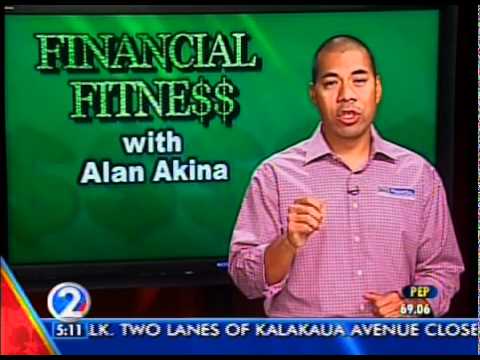
This content was created by Alan Akina. This content was uploaded by Alan Akina. This is a YouTube video titled "Financial Fitness with Alan Akina - Life Insurance part 2" (posted June 24, 2011). It contains a short broadcast/financial tip segment in which an announcer introduces Alan Akina, and Alan explains term life insurance—how premiums and death benefits work, typical term lengths, cost-effectiveness, and that beneficiaries receive nothing if the insured outlives the term. He signs off and notes a follow-up on whole life insurance next week.
Chapters
Life insurance. It is something we can all use. Alan Akina has more in this week's Financial Fitness.
Good morning, everyone. Last week we talked about the importance of protecting your family by using life insurance. Today we'll discuss one of your best options, and that's term. In my opinion, term is the purest and simplest form of life insurance that you can get. So what is term? Well, each month you're going to pay the insurance company a fixed amount, what they call a premium. What it does is provide what they call a death benefit, better known as a payout, for a specific amount of money. Now typical policies range from 10 to 20, even 30-year terms, but nowadays you can get just about any length in term that you need. So if the insured dies within the specified term, then the beneficiary receives the death benefit payout. Now, if the insured survives and the policy ends, then the beneficiaries receive nothing. Now, term is typically the most cost-effective way to protect your family, as you can get a large death benefit for a fairly small premium. Now, over the past several years, the cost and medical qualifications have been reduced as people are living longer and healthier, so the premiums or payments are lower. Next week, we'll talk about another popular kind of life insurance, Whole life. This financial fitness tip is on the Wake Up Today page at khont.com. I'm Alan Akina. I'll see you on Thursday.