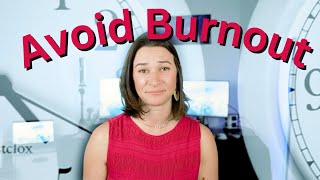
YouTube video by Alli Peck (uploaded March 1, 2023) explaining workplace burnout: defines burnout as physical and emotional exhaustion tied to working conditions and notes its classification as a mental illness. Includes commentator perspectives (system-driven exhaustion preventing good work) and cites a recent survey of 1,000 full-time workers reporting 89% experienced burnout in the past year and 70% would consider leaving for better resources.
Questions this video answers
March 1, 2023
1,000 full-time workers
89%
70%
Do you know the signs of burnout at work? Additionally, did you know burnout is now classified as a mental illness? Burnout is classified as having feelings of both physical and emotional exhaustion, usually due to stress related to working conditions.
Burnout is someone who wants to do a good job, is capable of doing a good job, but there's a system that prevents them from doing it and then they get exhausted, then they give up.
A recent survey of 1,000 full time workers found 89% said they'd experienced burnout over the past year and 70% said they would leave their current job for another offering better resources to reduce feelings of burnout.
This is serious, you guys. It's so important that you know the signs and symptoms of burnout and how to avoid it altogether. So that's we're going to go over in this video. If you're new here, I'm Alison Peck, AKA Alief Corporate, and I make videos dedicated to career development and sharing my lessons learned with you so that you don't make the same mistakes that I did in your career. So let's talk about how to avoid burnout. So first let's talk about how to identify if you are getting burned out or if you're already burnt out. So the biggest symptom or sign of burnout is just pure exhaustion and feeling tired and fatigued all the time, even after you go to bed and get a full eight hours of sleep or more, waking up and feeling exhausted. Another sign is reduced professional efficacy. What does that mean? You're not as efficient at your job as you normally are. Maybe you're dragging your feet. Maybe you can't recall something you were supposed to do and your mind is a little jammed up. Maybe you're moving just real slow and things are just taking you longer than they normally do. And the last major sign and symptom of burnout is increased mental distance and possible feelings of negativity towards your work or your job. None of these sound good, do they? This can lead to some serious health issues. And so you want to nip burnout in the bud before it even starts. But how do you do that? How do you know when you're approaching burnout or when you're stressed at work? A lot of times we can talk ourselves out of that by saying, oh, it's just my project. It's heating up. It's climaxing right now. It'll be better in the future. Oh, it's just because so and so quit and I have their workload. They'll hire again soon. No, it is never okay to feel so stressed that you're experiencing these signs and symptoms. Burnout is a very serious thing. So let's go over how you can identify when you're approaching that level and what to do about it. So, something that I always like to tell an individual contributor, this doesn't necessarily work the same for managers. I'll talk about that in another video. But if you're an individual contributor, it's so important that in one on ones, occasionally you let your boss know what your stress level is. On a scale of 1 to 10, 10. My personal rule of thumb is that if I'm ever approaching a 7 out of 10 stress, I let my boss know immediately and we do whatever it takes to reduce or eliminate the sources of the stress. Sometimes that's taking something off my plate. Sometimes that's my boss reprioritizing my workload for me. Sometimes that's my boss telling me, delegate to the other team members, they have some bandwidth. Another thing you can do to help prevent or reduce burnout is creating work life balance for yourself. Now I learned this very late in my career. Nobody's going to create work life balance for you. You have to literally fight tooth and nail for it. And you should take your PTO or your paid time off like a vitamin, not as a painkiller. Also, it's important. Sometimes you don't have to have your work email or slack or teams on your phone or your personal device that helps me reduce burnout and not even get stressed about work. Sometimes if you work from home, it's important to have a dedicated space for your work and to shut your computer down after 5 o'. Clock. If those are your working hours, it's not reasonable for you to be reachable at all hours of the night. Of course this depends on what industry and what job you have, but normally you should be able to shut your work off at 5pm and not have to think about it until 8am the next day. Also, it's so important to know your mental health inside and out. Be self aware, as one of my last videos said, and know the signs and symptoms for you of being overworked. Maybe you have a reduced appetite, maybe you have insomnia, maybe you don't have out with your friends and family as much. Maybe you have nightmares about work. Whatever it is, know what the signs and symptoms are for your body and your mental health so that you can nip burnout in the bud before it even gets there. And then lastly, my tip for you for reducing or preventing burnout at work is to know what recharges your battery. If you like yoga, do yoga regularly. If you need to take a walk while you have some of your meetings, go be outside. Get some vitamin D. If you need to take a sick day or just a mental health day because you're feeling like you got a case of the bummers, which is what I like to call it, take a mental health day. If you need a vacation or even a staycation, schedule that for yourself. You deserve it. So those were a few signs and symptoms of burnout, and also what you can do to prevent it or eliminate it at work. I hope you learned something from this video. And as always, please like and subscribe and ring that notification bell so that you don't miss my next video and I will catch you next time.