7 REAL ways to make Passive Income as a UX Designer

Andres Gonzalez breaks down seven income streams for UX designers, from Framer templates to online courses. Real examples: Hamza makes $17k a month from Framer, Matt earned $240k from a Figma UI kit, and Ryd made $300k in four months with a course. Each method gets rated on effort and earning potential.
Chapters
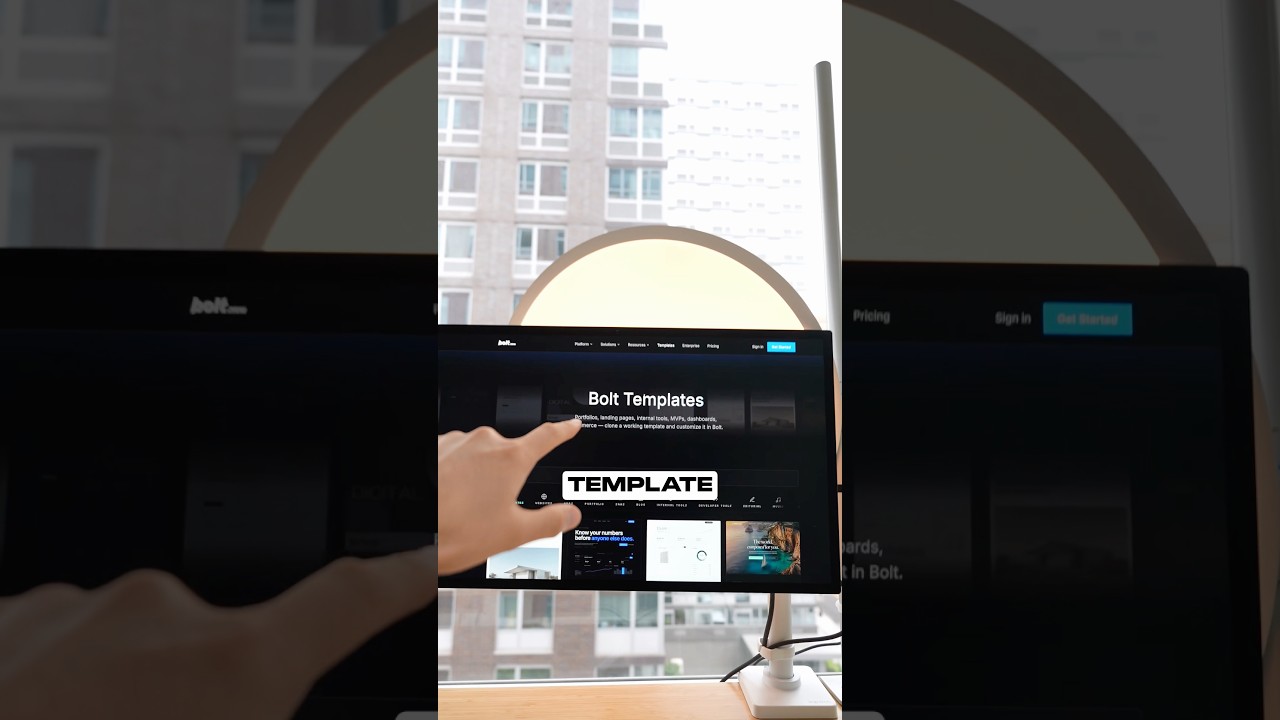
Let's be real, designing user interfaces is cool and all, but constantly chasing clients and doing revision after revision after revision for a client who just is never happy isn't fun. But you know what is? Making passive income while you're on the toilet. Something about that place just feels magical. So today I'm talking about 7 ways of making passive income that has the most potential for UI/UX designers specifically, with real examples of designers who are actually doing it. And at the end of this video, I'll be sharing the exact passive stream I'm choosing for 2025. So quick disclaimer before people get their panties in a bunch, there's no such thing as truly passive income. That is completely made up. Every passive income stream requires some level of work. Some take upfront effort and some need occasional maintenance, which is why I'm rating each passive income source with an effort level and an earning potential level so we can keep this realistic. All right. Let's get into it. You can create Framer templates, sell them, and get paid every time someone subscribes to a paid plan. The best part? Framer's affiliate program pays you 50% commission for every new user who signs up through your link. So in theory, you could totally double dip selling templates and getting paid for referrals. And let me tell you about Hamza, a designer who went from making beats to making bank with Framer templates. In just 15 months, he went from making $2,000 per month to $17,000 $10,000 a month with Framer. So yeah, Framer templates aren't just a cool side hustle. They can actually replace a sizable chunk of your client work or your salary if you do it right. Now, if you're wondering what kind of templates actually sell, Framer University put together an amazing guide for us. They analyze search demand versus supply, and these are the most profitable categories: e-commerce templates, landing pages— perfect for SaaS startups— real estate templates, and portfolio templates. But realistically, how much effort is required to make this a success. I give this a low effort rating because learning Framer is insanely easy, and you'd be surprised how fast you could build templates, especially since Framer feels familiar with tools like Figma. The biggest challenge though is marketing, but let's be real, that's the case with any digital product. If you want sales, you got to be able to promote your template in front of people. But what about its earning potential though? I'm ranking this as a triple dollar sign high. If you build multiple high-quality templates and stack your affiliate commissions, this can easily be a 4-figure or even 5-figure per month passive income source. Hamza scaled to $17,000 a month, and he's not the exception. Uh, just search Framer template income on X, and you'll find dozens of designers who are killing it out there. So the big question is, you know, how do you actually make money selling Framer templates? What is the process like? The first thing that you want to do is join the Framer partner program to earn that 50% commission on Framer signups. You can apply on framers.com/partners. Then Create high-quality templates. Just make sure that your designs meet Framer's marketplace requirements so they can officially be listed. More visibility, more sales. After that, you want to set up payments. I recommend Lemon Squeezy to handle transactions smoothly and automate payouts. Then market your templates on X, LinkedIn, Instagram, and YouTube to drive traffic to your store. If you're a UI/UX designer, this is a no-brainer. No explanation needed. But I do want to highlight a great example. I want you to meet Matt, a designer who casually turned this ShadCN UI kit into an absolute cash machine. This Figma template mirrors actual code components that'll make developers say, I love you and potentially call you Batman. But how much did he actually make selling this template? Well, let's just do some back of the napkin math here. He has over 2,000 reviews on his template. His lowest pricing tier is $119 per license. That's at least $240,000 in lifetime sales. And that's just the bare minimum estimate. And if that wasn't wild enough, Matt also made $33,000 from a Figma plugin called Figmaster without writing a single line of code. It was just an exercise-based list of text that helped people learn how to create design systems in Figma. The takeaway: Figma products sell a lot. But what type of Figma templates should you make? Popular categories on marketplaces like UI8 tend to be dashboard UI kits, e-commerce UI kits, mobile app UI kits, and wireframe templates. But feel free to do your own research on this one. I'm giving this a medium effort rating because most templates that sell are very robust and complex, like UI kits that have tons of components, variables, and it can be a lot of work. So keep that in mind before you get started with this one. Earning potential, it's high. $3 sign high. I mean, if Matt really made over $250,000 with this ChatGPT template, clearly it has tons of earning potential if you focus on the right niche. But how can you actually sell Figma templates? So Figma technically has a marketplace, but it looks like they're not accepting any new sellers as of the making of this video. So I recommend trying places like UI8, .net, Creative Market, and offering a free version of your template on Figma Community with a link to pay for the full premium version. Like before, use Lemon Squeezy to process payments. Imagine curating a collection of icons, portfolios from top tech companies, UX research insights, and other resources that designers can't help to bookmark, to share, and to most importantly pay for access to it. And the thing is, you're probably using a lot of these resource library websites in your day-to-day job. Here's some cool examples of resource libraries actually built by designers. Teardowns.ai. Like Mobbin, this is a collection of AI workflows that give designers real-world inspiration on how to design AI software. Toolfolio, a collection of all sorts of tools and resources with designers in mind. Cofolios, a collection of portfolio websites from top tech companies like Google, Apple, and more. Laws of UX, a collection of the best practices that designers can consider when building user interfaces. Growth.design, a collection of UX case studies from popular brands like McDonald's, Adobe, Apple, and more. See, I can keep going, but again, I'm sure you use resource libraries like this all the time. Now the question is, what if you were to create a library of your own, and how much effort would it be to create something like that? So I'm actually classifying this as high effort. Not only do you have to find and curate a list of resources. You also have to build the website that hosts the resources, enable memberships and/or subscriptions, and then you have to keep the library up to date with trends and new content. Earning potential? Well, this one's kind of tough. I'm not really sure. I would guess for the average designer, this could be safely classified as two dollar signs, AKA medium. But how would it work? How would you actually go about building a resource library in a UX/UI designer-friendly way? Well, I would personally use Framer and a third-party membership tool like Outsetta so I can create a fully functional membership website without needing to code. Outsetta handles user authentication, handles payments, handles emails, and much more. Also, another idea, you can also just choose to make your website free and go with the sponsorship route. That's what resource libraries like Ko-Folios did. All right, so let's talk about writing ebooks. Now I know what you're thinking, bro, I'm a UI/UX designer, I'm not an author. But hear me out. Writing a design-focused ebook or even a physical book is one of the most underrated ways to build passive income. Why? Because designers are always looking for practical guides, UI principles, case studies, and even funny, thought-provoking design memes. And lucky for you, I got two perfect examples of designers who turned their ideas to Books That Sell. If you've ever seen a completely unhinged UI meme on X and thought, wow, this should never exist, chances are it came from Soren's book Can You Imagine? It's a funny-ass collection of satirical design concepts, basically a book full of UI fever dreams that should never exist. The best part? Soren Iverson sold out 2,000 copies of this Can You Imagine book, priced at $30 each. At 2,000, that's $60,000 minus shipping costs, manufacturing, etc. But even at a 30% profit margin, that like, that's impressive. Now on the more serious side, we got Practical UI by Adam. This book is the ultimate UI design cheat sheet packed with quick actionable design rules to help build intuitive, accessible, and beautiful interfaces. At $79 each, if just 10 designers bought this book per week, that would be over $3,000 per month. But I'm sure he makes way more than that with his 140,000 following on LinkedIn. If you're thinking, okay, but like, what do I write about? You can make a practical guide. Think 100 UI Tips That Will Make You a Better Designer. You can do case study collections like deep dives into design successes and failures from top tech companies. Uh, you can make a visual design book, something that mixes illustrations and UI Insights. You can do a UX Playbook if you have experience in UX research or strategy. This could be gold. See, the key is to find a niche, and if you have an idea that solves a problem or makes designers think differently or even saves them time, you might be on to something big. But let's be real, writing a book is not easy. This is definitely high effort. It takes time planning and lots of coffee. So what is What's the earning potential for design-related books? Well, this one is tricky. It just depends on the demand for your specific niche, your specific topic, how well you market it, and whether you go digital only or sell physical copies too. But even if you get a few hundred sales per month, that's a solid side income. So if this is something that interests you, how would you actually go about it? What would the process look like? Well, ebooks are kind of easier to sell. They're just a PDF that you can sell using Lemon Squeezy. What about writing a physical book? Well, I honestly have no idea, and it's probably a better question for ChatGPT. You probably saw this one coming. It's pretty obvious. But what's not obvious is just how much money UI/UX designers can actually make from online courses. Spoiler: it's way more than you think. Meet Ryd, product designer turned educator who's transformed his Figma expertise into a thriving online course. He launched his Figma Academy in 2022, earning over $300,000 in his first 4 months. That is absolutely jaw-dropping insane. And before you get too excited though, creating an online course can be pretty high effort in my opinion. Uh, you really have to think about what you want to teach, how to plan it. You gotta write it, you gotta prepare design files, film it, edit the footage, and continuously update to keep the material relevant. Yeah, I personally completely underestimated how much work it actually requires to make a course that I would be proud of putting out. The money-making potential though, also very high. Triple dollar sign. So how do you actually go about selling online courses though? Can you use platforms like Maven, which provides some of that audience for you already and does a cohort-based course at a higher price point. Or you can do Skillshare, which is a lower-ticket video-only course, which is way more passive. You can also try Teachable, where you'll keep a higher percentage of your revenue, but you're expected to drive your own customers to your course. Or you can, you know, choose platforms like Udemy, where you can host your course in their marketplace. They'll take a higher percentage of your revenue. Wallpapers. Yeah, let's talk about it. Meet a fellow YouTube legend, Aalir. He made over $50,000 selling this iPod-inspired wallpaper. Dude, I— this is crazy. Like, it's just one viral tweet made him $50,000. It's absolutely— it's absolutely insane. Like, what am I doing with my life? Effort. I mean, with all these AI image generation tools, I would confidently put this into the low effort category. You still do have to be creative, but just with all the tools that are accessible today, low, low effort. Moneymaking potential. Genuinely, I have no idea. I would have never thought that someone could make $50,000 selling an iPhone wallpaper. People pay for that. So how would you actually create wallpapers and sell them? Well, same as templates, you would use Lemon Squeezy to process payments. You can use AI tools like Midjourney or Krea. Overall, kind of nuts. YouTube has brought me so much incredible connections, opportunities, and yes, actual passive income. It would be a great disservice if I didn't mention it here in this video. Personally, I've made over $15,000 from YouTube ads alone. And sponsorships have been over $60,000. If you're willing to put in the work, YouTube can be an incredible place to not only make passive income but launch your career. Effort level: high. Earning potential: also very high. The thing about this income source is that there's a lot of upfront work and it's not entirely passive. Like, let's take the sponsorships, for example. I have to continuously make videos to actually get paid through sponsorships. The reason YouTube is so valuable though is that it can become a launching pad for any sort of other digital product that you want to create. But what type of videos could you make? Well, probably the videos that you watch, like the UX/UI design tutorials where you teach people how to use Figma, Framer. You can do portfolio reviews and case studies. You can break down real-world UI/UX projects that you've done. You can do design trends and industry insights, like what's new in UI/UX and make content about that. So how does making money on YouTube specifically work? Well, once you get 1,000 subscribers and 4,000 valid public watch hours in the past 12 months, your channel qualifies to get monetized and to start earning some ad revenue. So let's talk about my personal passive income stream that I'm focusing in on in 2025: Framer templates. I feel like it has so much potential and I can simply create and design things without the opinions of clients or anyone else. I'm super excited about it because I can create what I want to create. So if you want to learn how I actually sold my design agency and how I got scammed in the process, you're going to want to watch this video next. God bless you and Batman out.
More from Andres

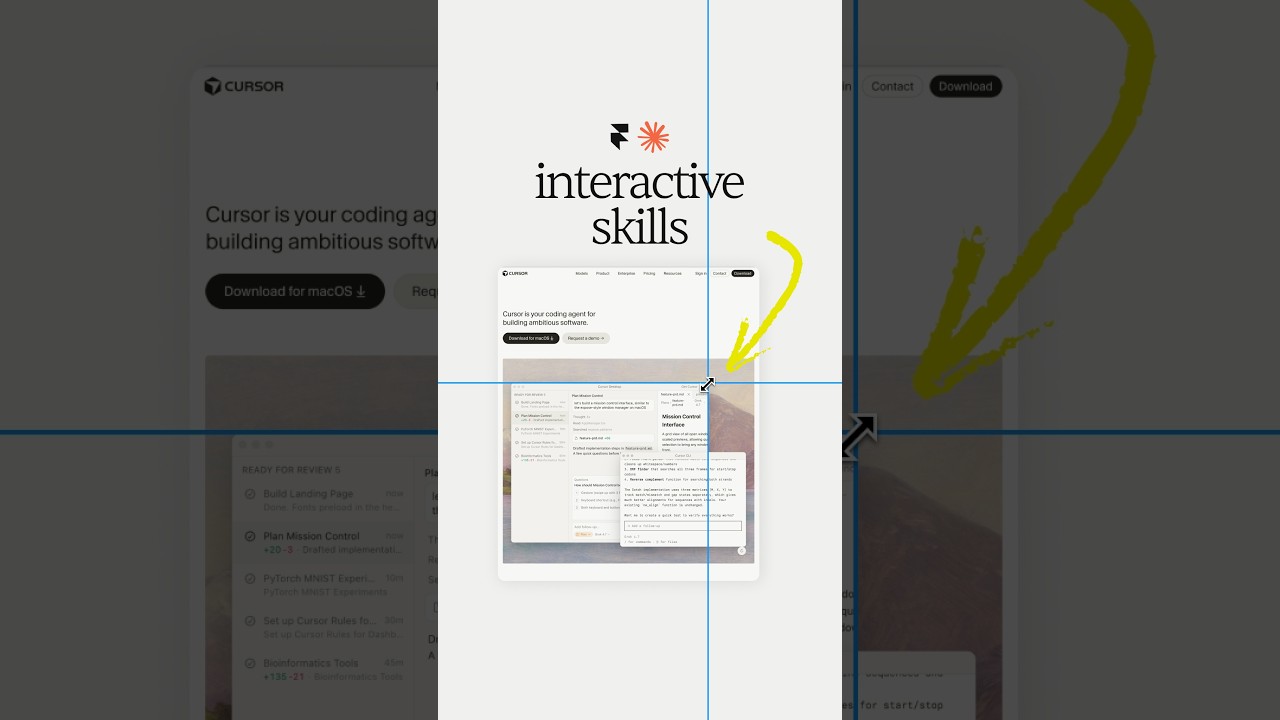

Claude Design, meet Aqua Chat (anyone else obsessed with Aqua UI 👀) #claude #design @claude #ad
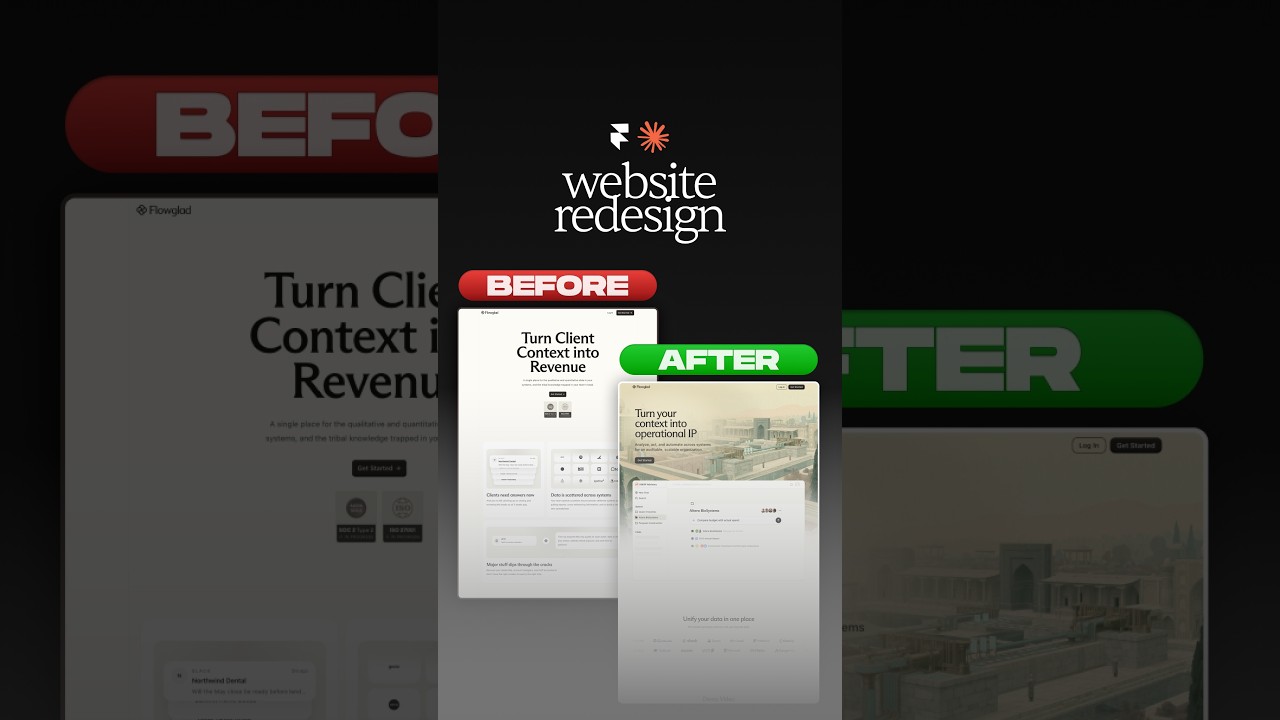
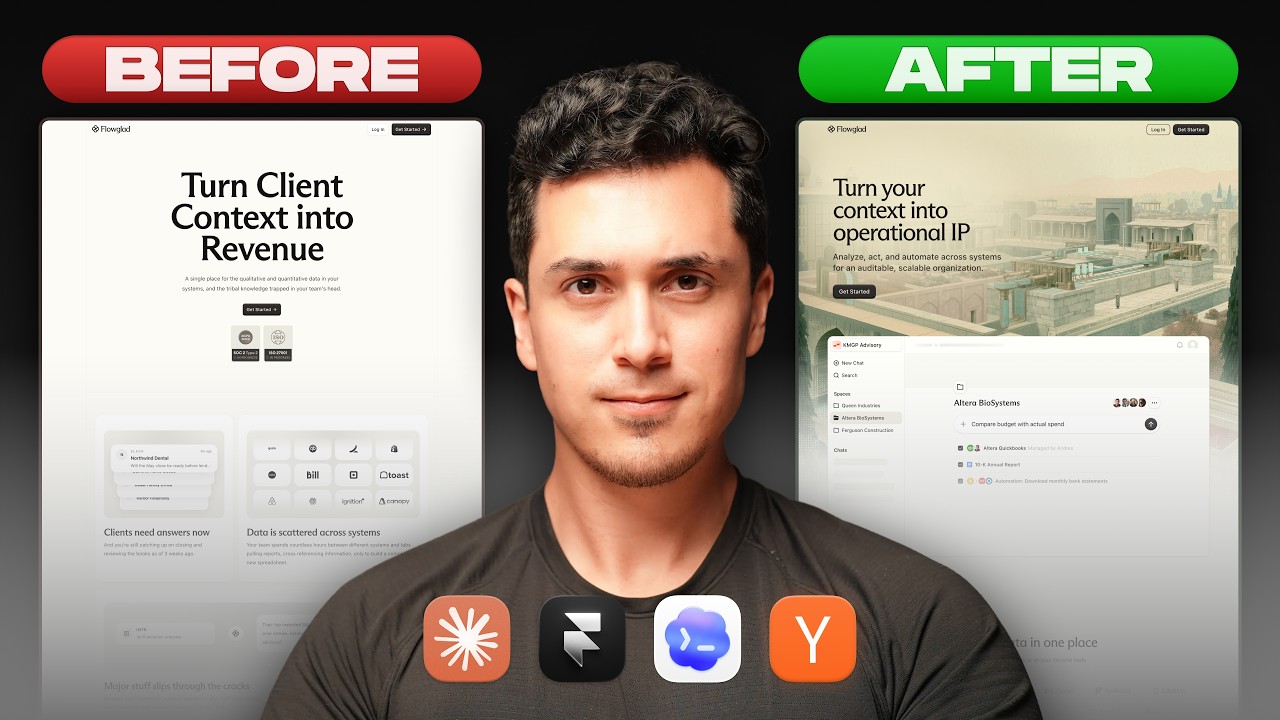
Website redesign for the coolest Y-Combinator startup everrrrr 😏#framer #webdesign #ad



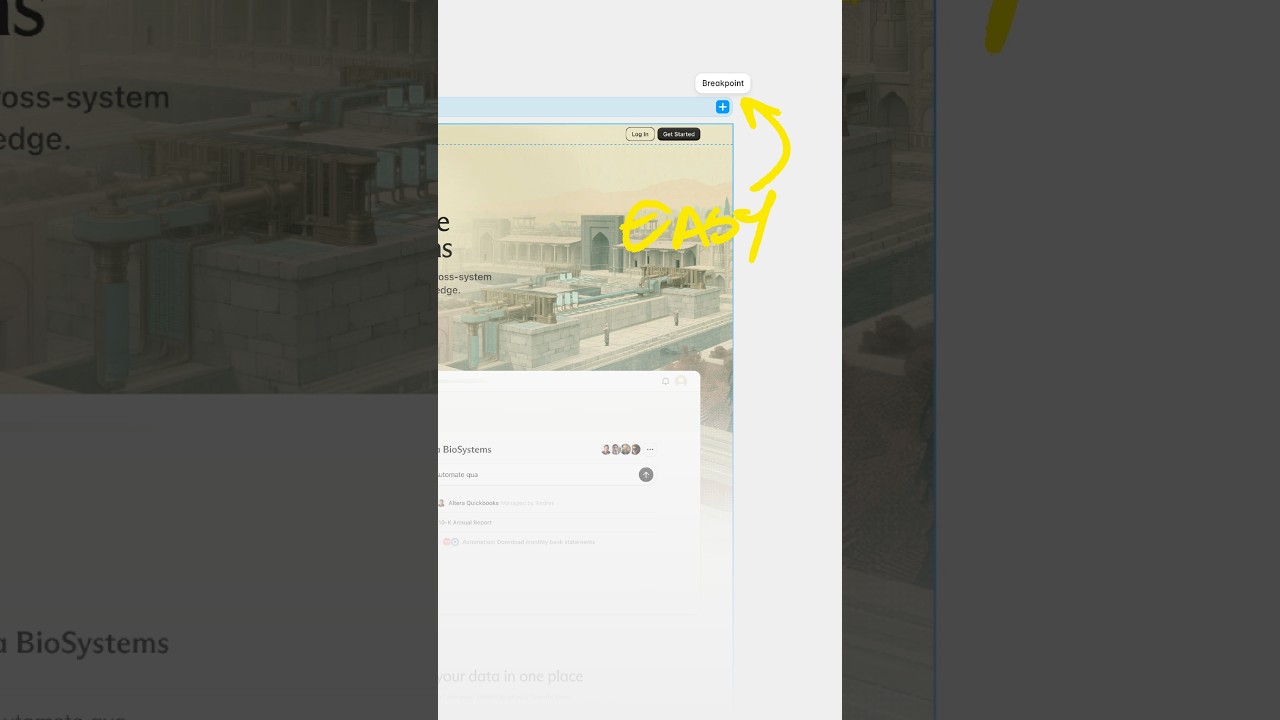
Break barriers by letting Framer agents' break points 😏 #webdesign #framer #framerpartner