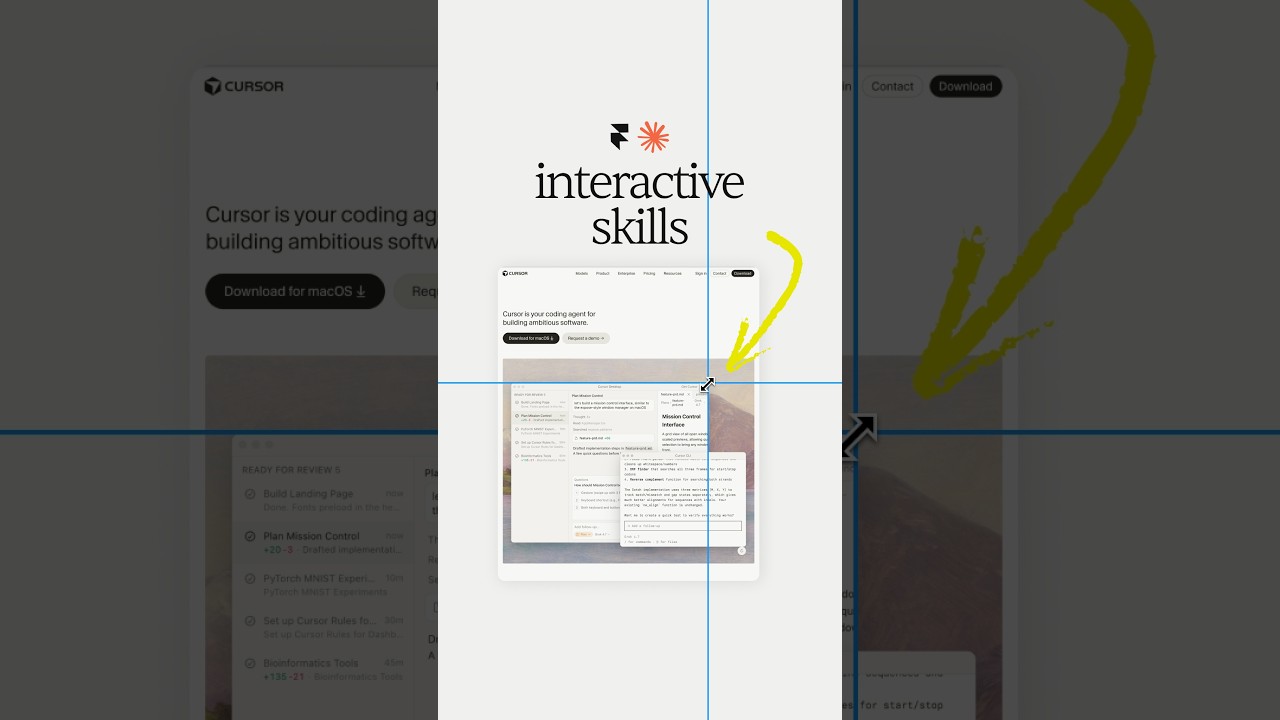
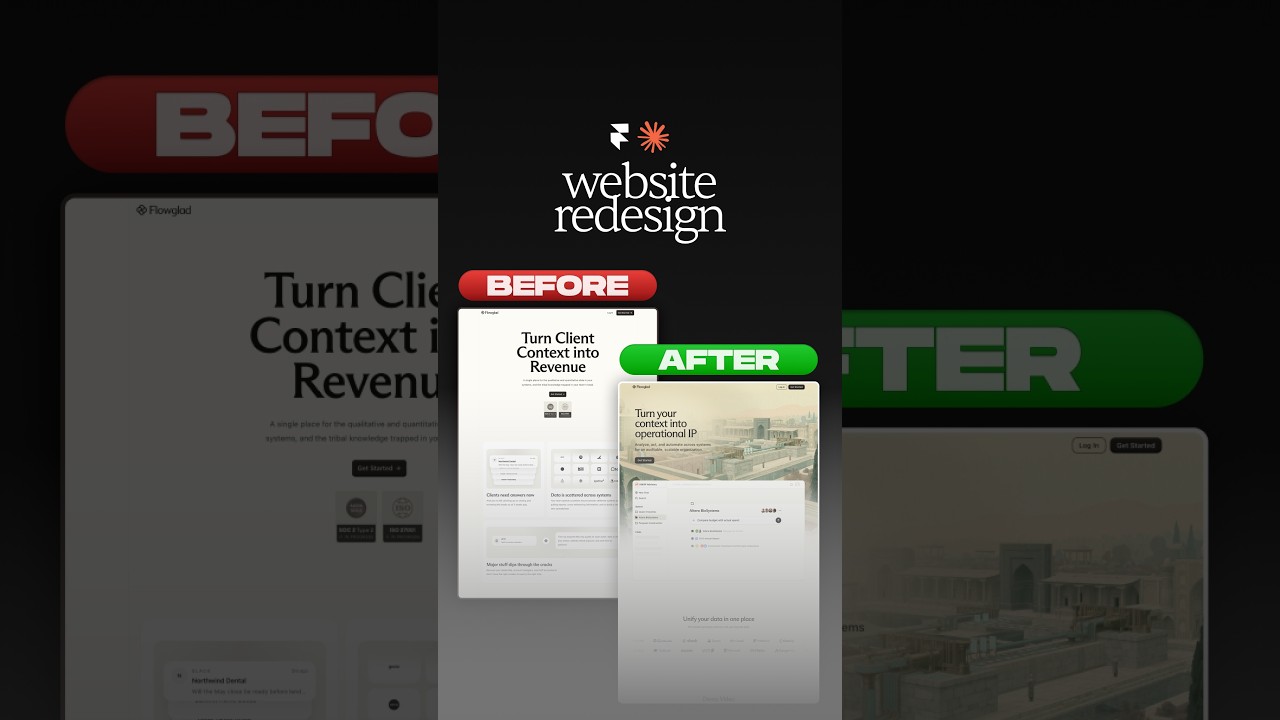
In this energetic, humor‑laden video, Andres the Designer (self‑styled as Batman) walks viewers through a curated toolbox for building a standout product/UX design portfolio. He starts by recommending portfolio‑inspiration sites—Cufolios, Wall of Portfolios, Portfolio Project, and Prettyfolio—highlighting their focus on top‑tech designers. He then shifts to case‑study resources, showcasing Growth Design’s animated UX case studies and Case Study Club’s real‑world projects. For designers lacking client work, he suggests idea generators: uxchallenge.co, Sharpen Design’s 6.9 M prompts, and ChatGPT as a personalized brainstorming partner. When it comes to actually building the site, he promotes Framer (a no‑code builder with animation templates, disclosed as a sponsor), Relume’s AI‑driven sitemap/wireframe generator plus its free Figma component library, and the broader Figma Community for icons, design systems, and plugins. He also stresses the importance of the Laws of UX to articulate design decisions in case studies. Throughout, he mixes playful bravado (“gigachad”, “designer aura”) with concrete, actionable advice, ending with a self‑promotion to subscribe for more “banger” design content.
Chapters
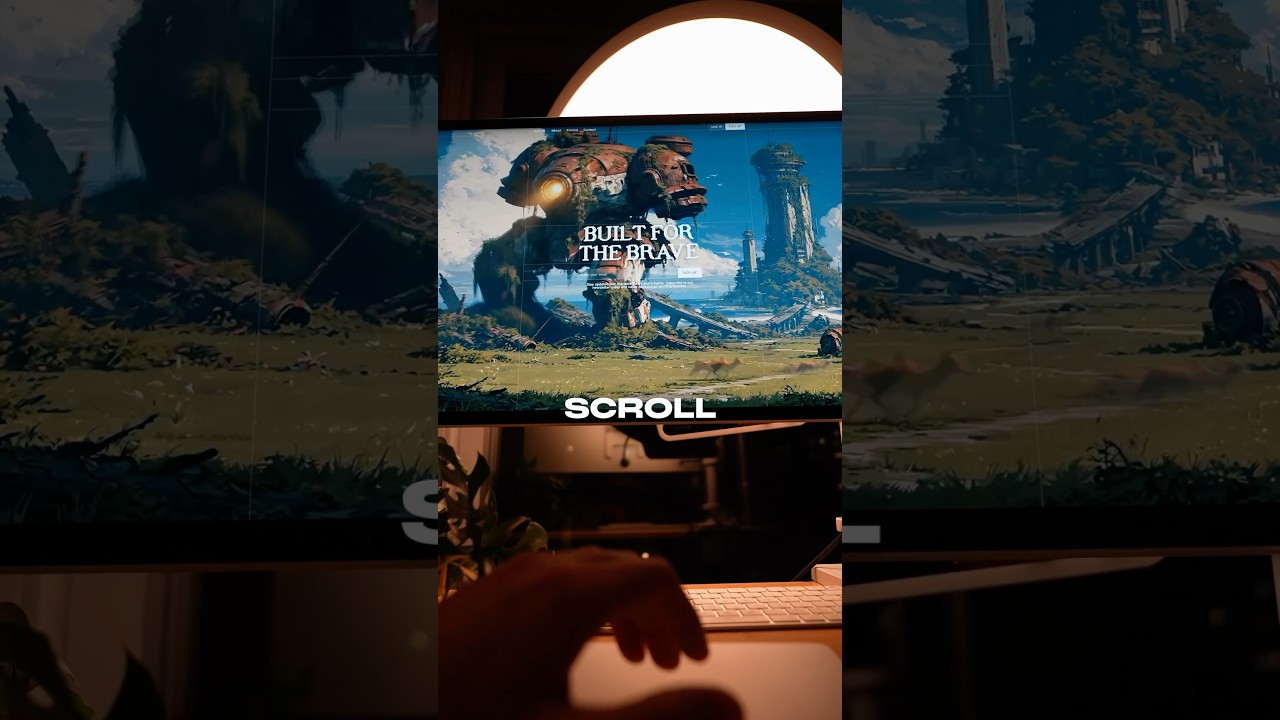
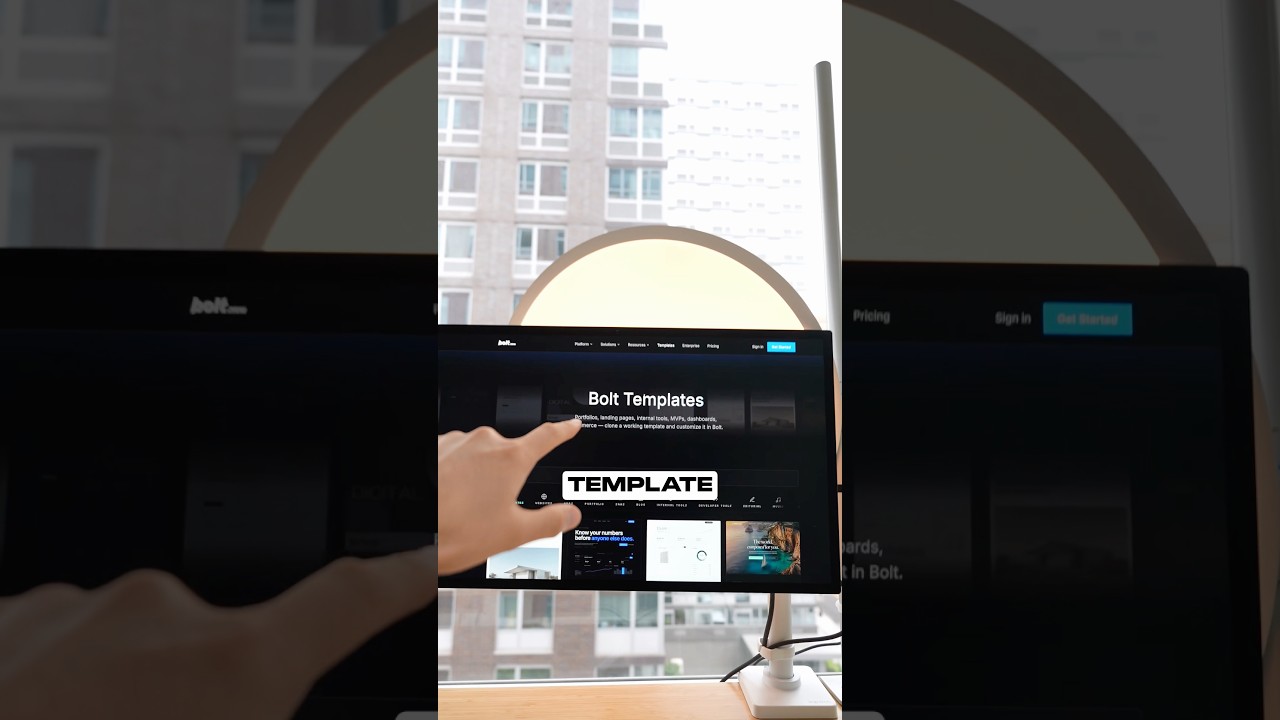
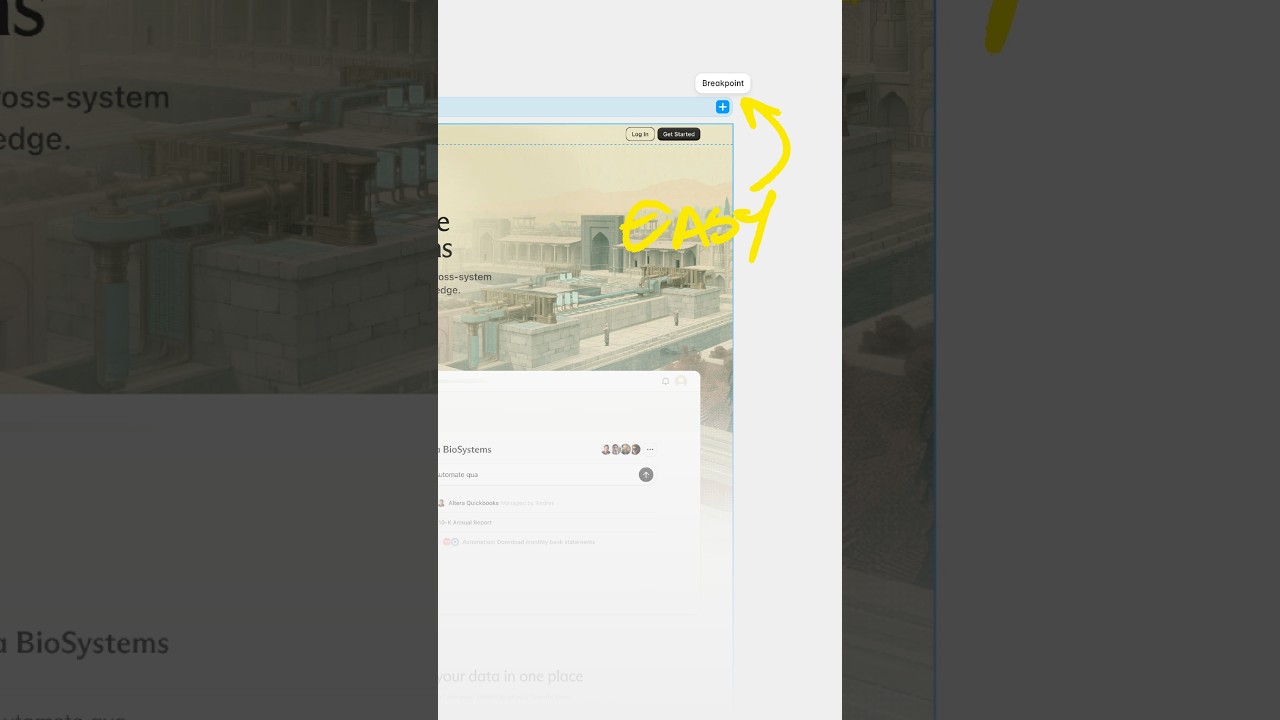
The portfolio website. The thing that designers use to determine their place in a designer hierarchy. Because it's not just your portfolio, but the very essence of your designer aura, and mine's bigger than yours. But if you want to grow your aura too, just call this number or take this pill, and by that I mean watch this video until the end. What did he say? One of the easiest ways to impress the ladies, aka your mom, is by learning from the best. And by that I mean getting inspiration from designers who've actually worked at top tech companies like Apple, Google, Meta, and other top tech companies. That's why you want to check out Cufolios, a portfolio inspiration website built for exactly that. You'll notice some portfolios from designers that I've actually mentioned in the past in previous videos. But I get it. You want more power, more aura. That's why you need to check out Wall of Portfolios where you can see even more portfolio websites from designers with big dick. Not to be confused with Portfolio Project, which has portfolios from both designers, developers, and even some agencies too. And we obviously can't forget Prettyfolio, which obviously has one of the prettiest portfolios on the market, or in their words, curating top 1% portfolios on the internet. Now, all these portfolio website inspirations and cool interactions are cool and all, but what about actual content on your portfolio? The case studies, the actual work that you're sharing? Well, they don't call me Batman for no reason. I'm sharing Growth Design, one of the best examples of UX case studies I've ever seen, where you can click through examples of fully animated presentations of good and bad design practices based on the psychology of design, which you could use on your own case studies. But what about real projects and case studies from builders? Well, let me introduce you to Case Study Club. Well, you'll find exactly that— real projects from real designers at startups and tech companies alike. But what should you do if you don't have any great client projects to share on your portfolio? Well, you should consider using a case study idea generator like uxchallenge.co that are based on real-world problems. You filter through different industries and other categories that could provide some great ideas for concept projects. There's also Sharpen Design, another solid case study idea generator with over 6.9 million product design prompts. But I think the best case idea generator and overall thinking partner is actually ChatGPT. With ChatGPT, you can actually tell it your years of experience, which companies you'd like to work for one day, and tons of other personalized information. Then you can ask it to generate some case study ideas with the goal of getting you hired at the potential companies you'd like to work with. And for bonus points, you could even ask ChatGPT to help you come up with a marketing strategy that would actually get you noticed by the companies you you like to work with. But what about actually building your portfolio website? What website builder should you choose and how should you actually get started? Well, one of my favorite website builders is Framer, a no-code website builder that helps you create really cool websites just like this. And that's one of the reasons why I've recommended them so much on my channel. You can create really cool animations and interactions. It's really easy to use, especially if you're coming tools like Figma. And yes, they sponsored this video, but I would have recommended them anyway. But that'll be our little secret. And be careful because Batman is always watching. And Framer actually has tons of solid free and paid templates that you could customize and make your portfolio website the ultimate flex and become the gigachad you've always meant to be. Relume has this really cool AI website builder that could help you generate your portfolio sitemap and wireframes in minutes. And they also have this free Figma component library which you could use to start designing designing your portfolio. And then you can even import it into Framer using the Figma to Framer plugin. The next resource I'm going to talk about is Figma Community, because over the past couple of years, the number of quality resources has been pretty impressive. Anything from icon libraries to actual design systems to useful plugins, their stuff is top tier. If there's anything specific that you need in your portfolio website that I haven't yet talked about in this video, you'll probably find it in Figma Community. And now I want to talk to you about Laws of UX. You see, case studies are filled with hundreds of design decisions that you've made, and clients or hiring managers are going to wonder why you've made those decisions. That's why I love Laws of UX. It helps uncover the principles and laws of UX design that help us explain common themes when we've redesigned something. It's also just been incredibly useful to understand these concepts and add it to my vocabulary so when I'm talking to clients, I actually have something to back up the design decisions I'm making. And the last and final resource is your boy Andres the Designer, a.k.a. Batman, bringing you the hot portfolio inspiration videos, resources, and tons of other design content for the free. I don't post that often, but when I do, they're bangers. So I recommend hitting that notification bell and watching this video about sexy light mode portfolio websites right here.