Drew shows how to protect yourself when paying contractors by breaking the project into four or five staged payments called draws. Inspect the work before each payment, use an itemized bid to decide what qualifies for payment, and coordinate with your lender so they verify the work first.
Chapters
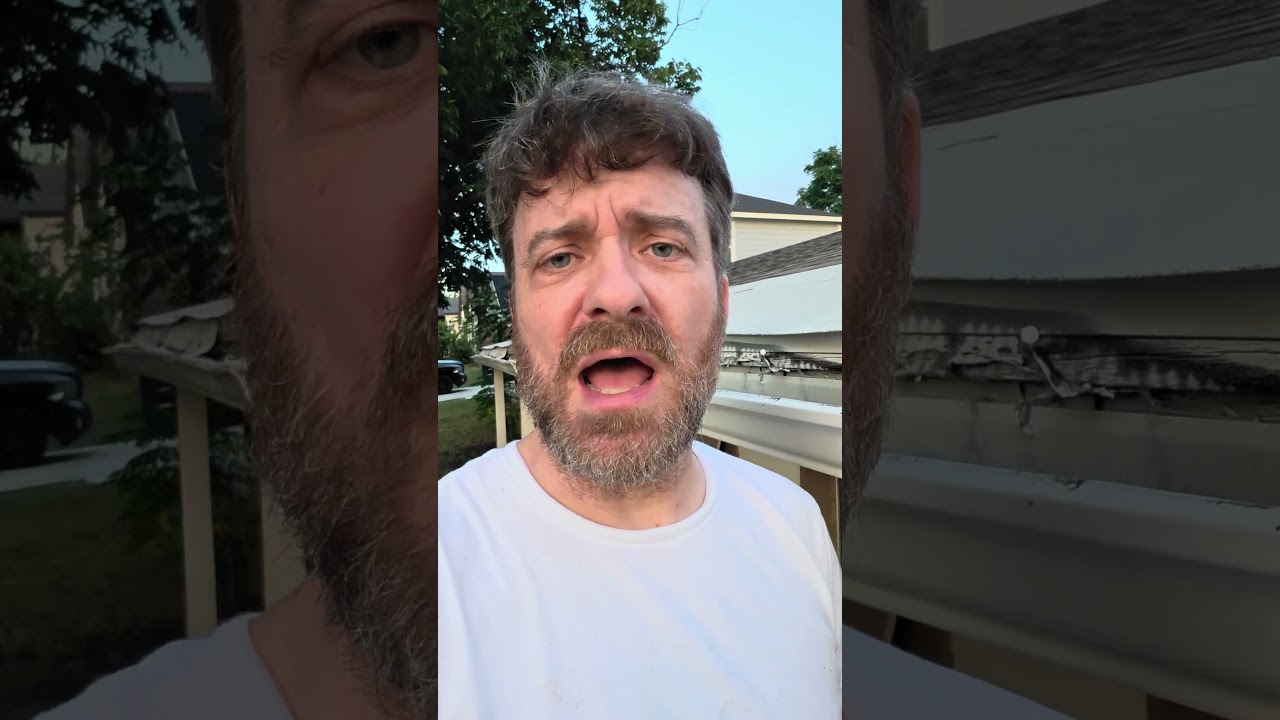
Heyo! DrewTube time! And let's talk about contractor draws today. So one of the ways that we protect ourselves as real estate investors when we're on a job site is we give our contractors small amounts of money at a time. Usually we divide it by 4 or 5 draws. So the total budget, we divide it by 4 or 5 and then give it to them in stages. Those stages we call draws. And we inspect the work before we pay. So we usually have 2 options whenever we give a contractor a draw. We can, one, go out and manually inspect the work ourselves, which is what I'm doing here today as I scroll around through the property. And then 2, if you have a hard money lender, your hard money lender will also inspect the property before the draw. So the way that I have it set up is my hard money lender comes out, If they look good, they give the money to me first, and then I pay the contractor after I look at it. I just want to double-check everything, and it does look good. So we've got subflooring in, and I can pay them for that, but the flooring is not finished, so I don't pay them for the flooring. And that's all in the itemized bid, and that's why we need that initial bid itemized, so we know how to pay our contractors. It keeps everybody protected. Hope this makes sense how I'm describing it. Thanks for watching today's Drew 2. We'll talk with you soon.