Grief is part of the human experience
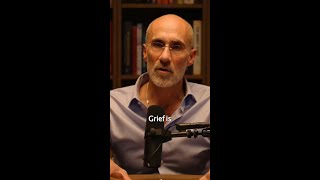
In this solo talk, Arthur C. Brooks explains that grief is an unremediable loss that cannot be fixed or avoided. He describes the physiological basis of grief, noting that the dorsal anterior cingulate cortex remains active after a loved one dies, likening the experience to a crashed jetliner with a pinging black‑box that gradually loses power. Over time the “pings” diminish and the brain’s grief response wanes, allowing recovery. Brooks emphasizes that grieving is normal and healthy, but it is not meant to last forever. He then highlights gender differences: women, especially widows, tend to recover more quickly because they have larger, richer social networks, whereas men have far fewer support connections. This disparity contributes to a dramatically higher mortality rate among widowers compared to widows.






