Has Work Replaced Leisure as the Center of Our Culture?
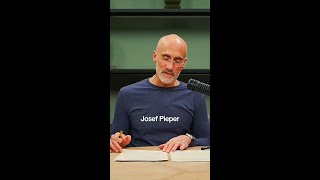
In this monologue, Arthur C. Brooks critiques Josef Pieper’s classic claim that leisure is the foundation of culture. Brooks argues that, in contemporary United States society, paid work has become the central cultural pillar, shaping how people define themselves and organize family life. He warns that when individuals spend their non‑working hours merely recuperating for more work, the culture becomes “deeply ill.” Drawing on his own experience, Brooks explains that achieving a healthy balance between work and genuine leisure—activities not tied to compensation—has improved his family’s cultural life and allowed him to contribute more positively to the broader culture. The talk highlights the problem of identity being tied to unpaid labor, the societal consequences of a work‑centric ethos, and the need for a deliberate, balanced approach to work and leisure.






