The Childhood Belief That Fuels Workaholism
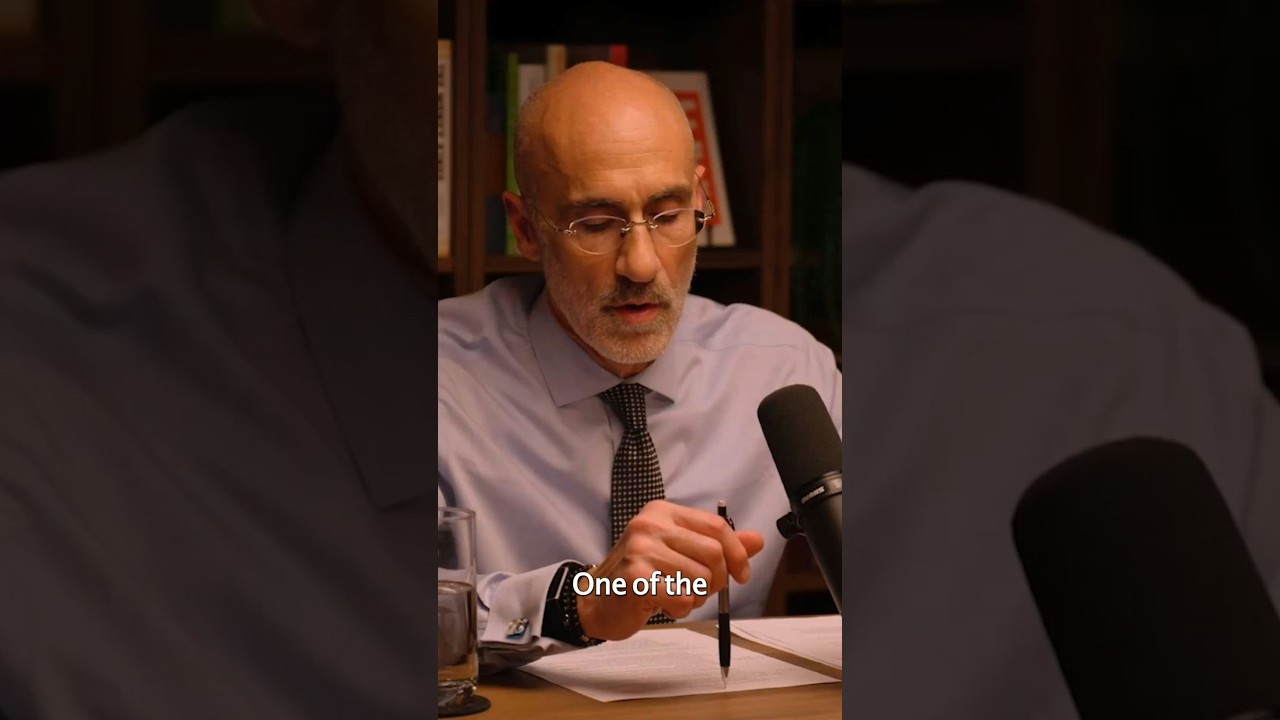
In this monologue, Arthur C. Brooks explains a common psychological pattern he observes among high‑achieving, work‑addicted individuals. He argues that during early childhood, when the brain is highly plastic, many children learn that love and affection are contingent on exceptional performance—straight A’s, first‑chair in the orchestra, making the sports team, etc. This belief that "love is earned" becomes internalized, leading them to seek adult love and approval by continuously over‑working and striving for achievement. Brooks contrasts this with his view that love is a free, unconditional gift—a grace—not something to be earned. He warns that relationships built on conditional love are unhealthy, and that recognizing love as unconditional can break the cycle of workaholism.






