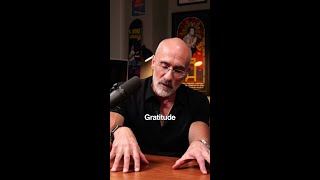
Dr. Arthur Brooks explains why gratitude requires deliberate practice, not instinct. He outlines four science-backed techniques: a weekly gratitude journal, sending two gratitude texts on Mondays, posting thanks publicly, and loving-kindness meditation. Studies show these practices boost life satisfaction by 6-12% in about 10 weeks.
Chapters
Gratitude is something you have to manually use to override your ingratitude. The problem is that we're not taught to do that. And there's a bunch of techniques for doing that in the behavioral science literature. The first is gratitude lists. I recommend a gratitude journal where you're writing down five things you're really grateful for on Sundays and then looking at it each day for a couple of minutes and updating it on Sundays. And the data show that you can raise your actual life satisfaction, subjective life well being by between 6 and 12% by about 10 weeks. Second way to do that is to be overtly grateful to somebody and sort of an on purpose, purpose way. So Monday mornings, write two texts to people that you're actually grateful to. The third way is public gratitude. Yeah. Towards somebody, whether you know them or not, and say, this is somebody's work who's really, really helping me. And you put it on social media. Use social media for gratitude more. The last place is just meditating thoughts about gratitude. Sort of loving kindness meditation. Yeah, but gratitude meditation toward other people. And if you have a protocol of those four things, your life really changes a lot because you start to override the natural ingratitude from your ancestral environment.