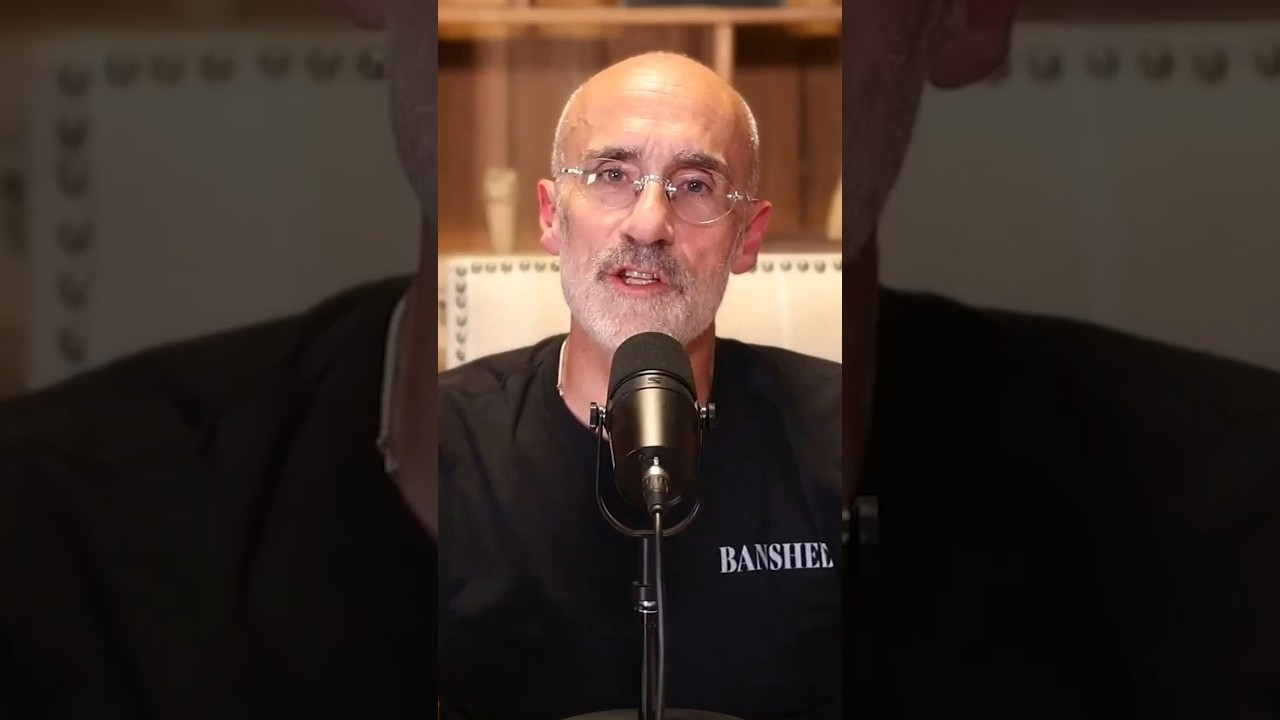
In this talk, Arthur C. Brooks argues that asking for help is not only beneficial to the individual but also serves as a conduit for others to exercise their generosity. He challenges the common belief that virtue lies in giving without ever receiving, using the story of an elderly woman who lived by the maxim "I give, but I don't take" and would even refuse a glass of water. Brooks explains that such refusal actually hoards moral prestige for the giver, depriving others of the joy and recognition that come from giving. He reframes indebtedness as a potential gift, suggesting that when handled properly, being in someone's debt can empower the giver and strengthen relationships. The talk encourages listeners to embrace asking for help as a way to lift others, increase personal happiness, and create a healthier cycle of generosity.
Chapters
You should give other people an opportunity to give to you. You should ask for help more. Do you want to lift people up and make them happier? Do you want to be happier yourself? It's not enough to be a charitable person. You need to be the conduit between other people and their charity and help them help you. Now, I've met a number of people over the course of my life that wouldn't agree with this. They believe that to be a virtuous person, you should be all give, no take. I had a close acquaintance of my family, an elderly lady and a lovely person, very generous. If you needed something, she was there. If you were sick, she had the chicken soup. She was really wonderful. She was thoughtful. She remembered birthdays. She wanted to cook you dinner. She had you over anytime you were around. And she had a saying, which was this: I give, but I don't take. And she meant that, by the way. If she came over to your house, she would literally not even accept a glass of water because it was this system of ethics that she had created for herself that she thought was most virtuous. And I suppose that she thought that it was best for other people. But the truth of the matter is that that was as lovely as she was. A form of selfishness. And that's what I want to talk about, because the truth of the matter is that when you only give and you don't accept, you're appropriating for the giver, which is you, all of the moral prestige, all of the generosity, all of the joy of giving to yourself while never giving any of it to anybody else. And why are you doing it? Because you want to avoid a sense of indebtedness. Well, your indebtedness to somebody else can be a gift to them if you do it right.