Arthur C. Brooks argues that constant digital input suppresses the brain's default mode network, which drives creativity and meaning. He prescribes boredom exercises: workouts without headphones, phone-free train rides, idle time with no input. Mental wandering, he says, is where ideas actually come from.
Chapters
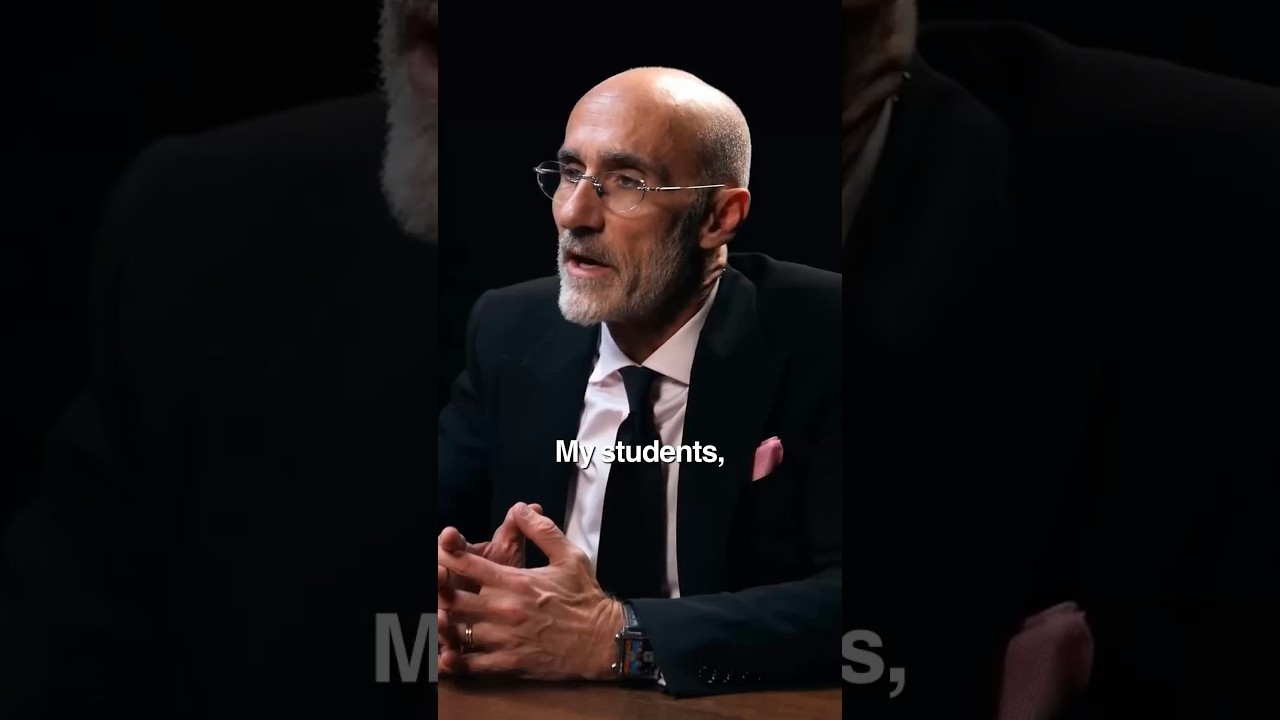
My students, I give them exercises on being more bored. I assign my students to work out without headphones, to work out without devices. The reason that you have your best ideas in the shower is because your phone isn't in there and you turn on the default mode network. And the iPhone is how we distract ourselves chronically. Right. Is when you're sitting behind a light and it's going on too long and you pull out your iPhone. When you're in a supermarket checkout line, it's going slowly, you pull out your iPhone. And the reason is 'cause you want to keep the default mode network off. Pulling out a book can turn off the default mode network too. And so one of the things I assign my students to do is to get on a train and to put your hands in your lap and your, turn your iPhone off and look out the window. That's your assignment is to look out the, no reading. They're getting too much input and they're distracting themselves from the hard work of thinking about ideas. Don't always be distracting yourself. Find times in your life. You need more white space in your life. You need a flight where you're just sitting and thinking and praying and letting your mind wander. Yeah. It's really, really important cognitively for you to understand the meaning of your life.