In this interview on "The Story Is," host Elex Michaelson talks with Arun Gupta, CEO of the Noble Reach Foundation and co‑author of "The Mission Generation: Reclaim Your Purpose, Rewrite Success, Rebuild Our Future." Gupta argues that AI is reshaping careers, making the traditional model of long‑term stability a new risk. He proposes a new career scaffolding where individuals pursue multiple careers (4‑6 over a lifetime) and choose work based on the problems they want to solve rather than institutional prestige. He emphasizes developing fluency across sectors—public, private, and national service—to become a super‑power. Gupta explains Noble Reach’s mission: a non‑profit with a $500 million endowment that channels top tech talent into early‑career public‑service roles, fostering a community of “dual citizens” who understand both sectors and can rebuild trust. He outlines the emerging forms of capital essential in an AI‑driven world—experience, learning, trust, impact, and health capital—arguing that AI will excel at IQ tasks but cannot replicate the unique human perspective derived from diverse experiences. The conversation frames purpose‑driven work, cross‑institutional fluency, and holistic personal capital as the keys for the next generation to thrive amid rapid technological change.
Chapters
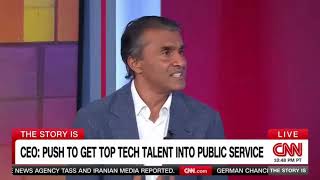
Joining us now is Arun Gupta, CEO of the Noble Reach Foundation and co-author of the new book, "The Mission Generation: Reclaim Your Purpose, Rewrite Success, Rebuild Our Future." Welcome to "The Story Is." Congratulations on the book. It's exciting and important to talk about it. And one of the things you talk about in this book is AI. Yes. And how it's going to impact all of our careers. A lot of people are freaked out about that. What is your advice when it comes to AI?
There's a few things I would say. One is a scaffolding change is how we think about our careers. I look at my father and that generation. They had one job for 40 years. My dad worked in the Navy. I look at my cohort. We had one career, multiple employers, but we stayed in our lane of what we did. Mm-hmm. I look going forward to this new next generation. They're gonna have 4 to 6 careers over their lifetime and their professional journey. And so I think the scaffolding that's required is very different. So when you start thinking about like how do you build your career, you're also thinking about what are you trying, what problems are you trying to solve? Today, when we think about our jobs, people are picking their jobs based on what institutions they're working for or what job they have. Those are getting disrupted in real time. We need to start thinking about our careers based on what problem are we solving. The first two are really markers of prestige. The latter is a marker for purpose. And I think as things get disruptive, we're living now in a time that will always be changing. And our systems are set up for a more stable time. And so what we write about in the book is that seeking stability is actually the new risk. Stability is the new risk. And what we need to get comfortable with is an ever-changing environment.
So it's risky to think that things are going to stay the same. So what is the smart problem to be solving right now?
That is a personal one, I think, right? Whatever, wherever you get energy from and whatever problems you care about is what you should be trying to solve, but not focusing it on what institution you go to or what specific job you have. Because the problems that we have today, whether it be healthcare, whether it be national security, whether it be climate, whether it be energy, these all cross institutions. And so having fluency across these institutions will become increasingly more important.
You're the CEO of Noble Reach. We've got some video of some of the young people associated with that. What is Noble Reach? How does that work?
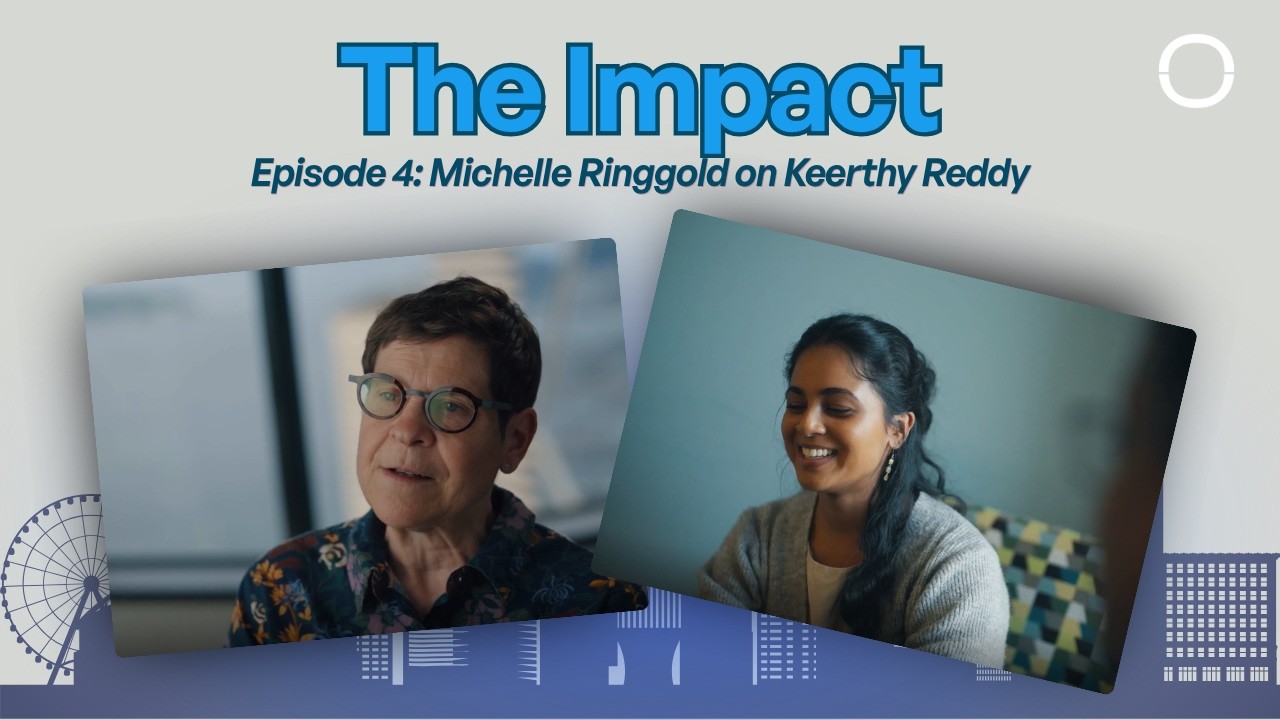
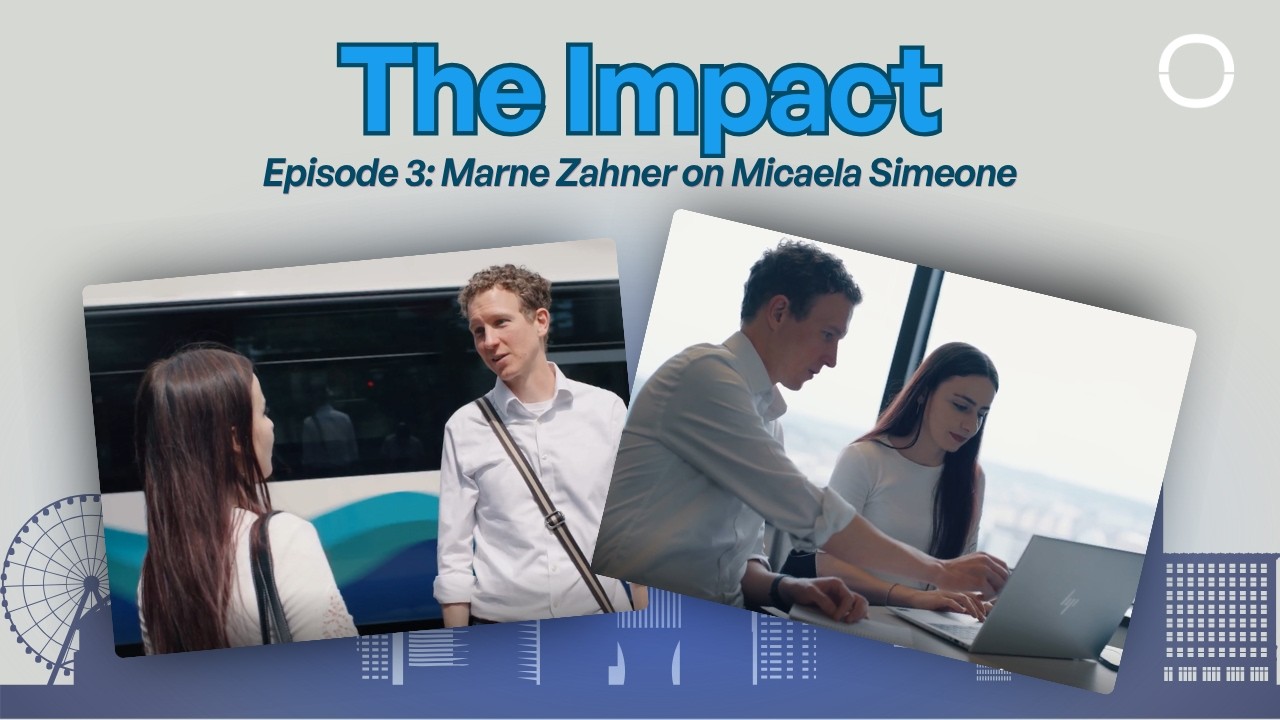
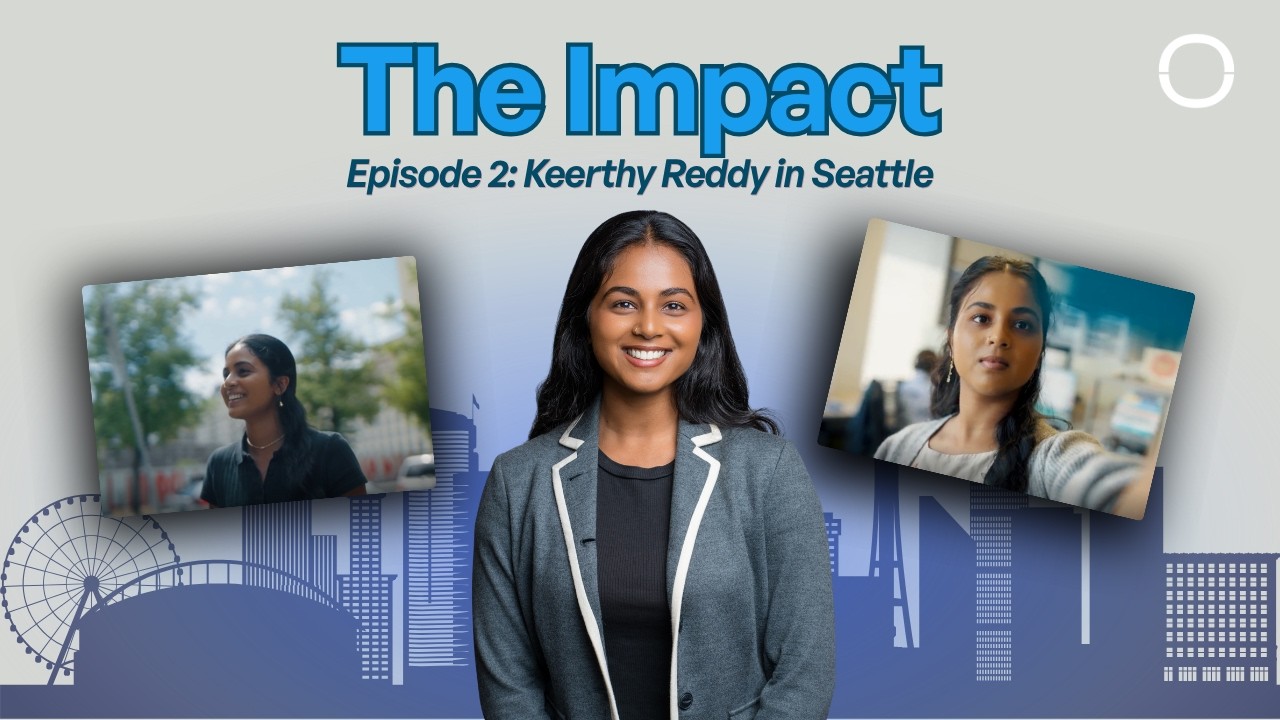
So Noble Reach, at the end of the day, we're a not-for-profit. We have a half a billion dollar endowment, and we're really focused on, think Teach for America, but pointing to public service. How do we get our top tech talent specifically to go into public service to start their career for 2, 3 years, and then they can come out and become changemakers around the problems that they see and they want to get involved in. We're really thinking about ourselves as inspiring the next generation for national service, but also more importantly, creating a community of dual citizens, public-private sector citizens. People that understand the language of both, the culture of both, and then more importantly, have networks in both. And that's how we rebuild trust, Alex.
And one of the things you said was certainly that generation is to think about institutions in a different way. What do you mean by that?
What I mean by that is that you can't think about the institutions as where you draw your meaning from. The meaning's gotta be coming from you and what mission do you care about. And understanding that, like, over time, fluency across those problems and being able to move across institutions, I actually think will become your superpower.
Mm.
AI, it's gonna go after IQ over EQ. So it'll go deep very quick, but what it won't be able to replicate in the near term is the unique human perspective that you can bring to the table. So the more experiences you have, the more vantage points you have of looking at a problem, the more of a differentiator that will be going over time.
You say in the near term?
In the near term. In the very near term.
What about the long term?
It'll only compound over time as a strategic advantage because that's the world we're walking into. And we talk about this right now that our systems are really designed because we use the language when you think about net worth, about financial capital being defining what our net worth is. Going forward though, you've got to be thinking about experience capital, like where you— what experiences you have that are unique. Your curiosity is going to become important. Learning capital. The relationships you build. What's going to become immensely important, I think, in a world of AI is trust. Like, who do you trust? And that becomes even more important in the world we're in. And then important is going to be the impact you have, because all of those things will become important in how you sustain yourself. And then finally, health capital, because I think going forward, young folks today aren't just going to have 30, 40-year careers. They're living longer. They're going to probably be going 60 to 70 years. And so think about that, is that it's hard to think about a career that lasts that time without having off-ramps and on-ramps.
Really interesting, really important conversation. The book is called "The Mission Generation." The co-author is Arun Gupta. Congratulations. Thank you so much. Thanks for coming in here in Washington. We'll have more of "The Story Is" when we come back.