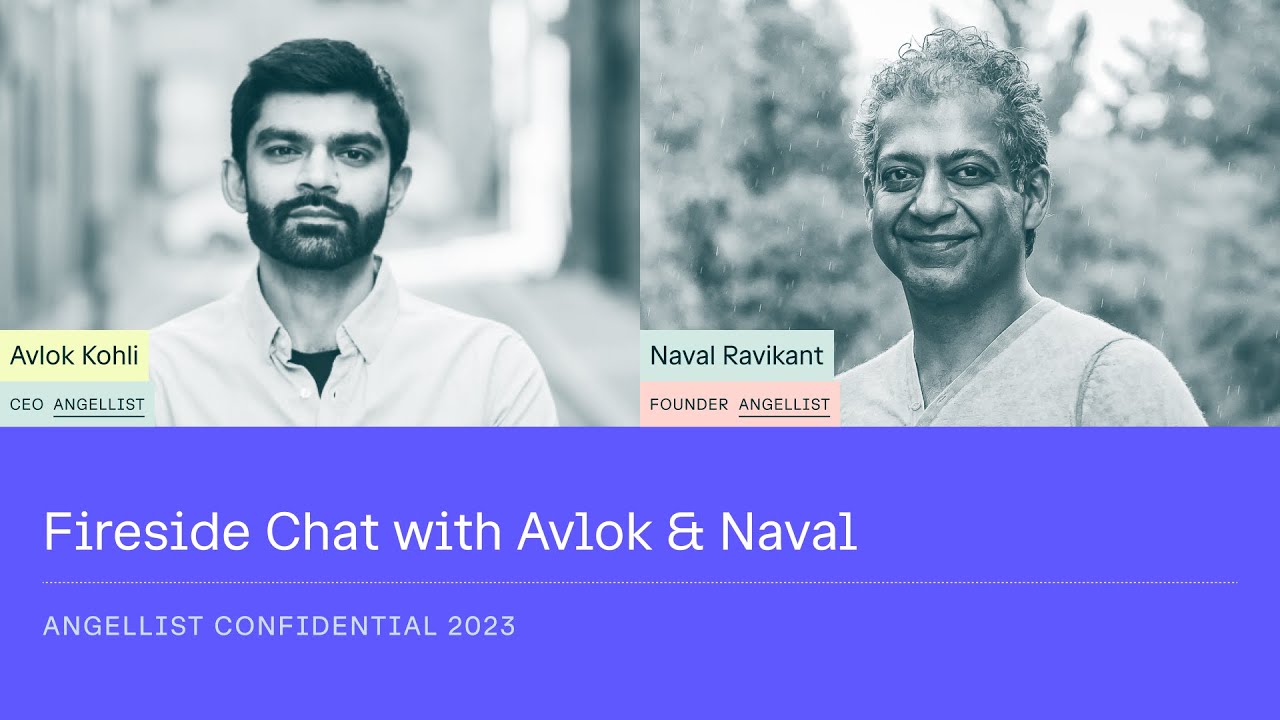
Avlok Kohli explains how AngelList's rolling funds cut the friction of traditional venture fundraising. Traditional funds required $100-200k yearly in legal and back-office costs, forcing managers to raise $50M+ and spend 12-18 months fundraising. Rolling funds, built on software, eliminate the lock-up and let managers raise capital continuously.
Chapters
So that went incredible for you guys from the outside looking in, and lots of people used it. Companies found it valuable, uh, kind of the capital allocator, the new VC, uh, found it valuable, and then capital partners found it valuable. Uh, at what point did you say, wait, maybe we should actually kind of innovate on this model and go after the rolling funds product?
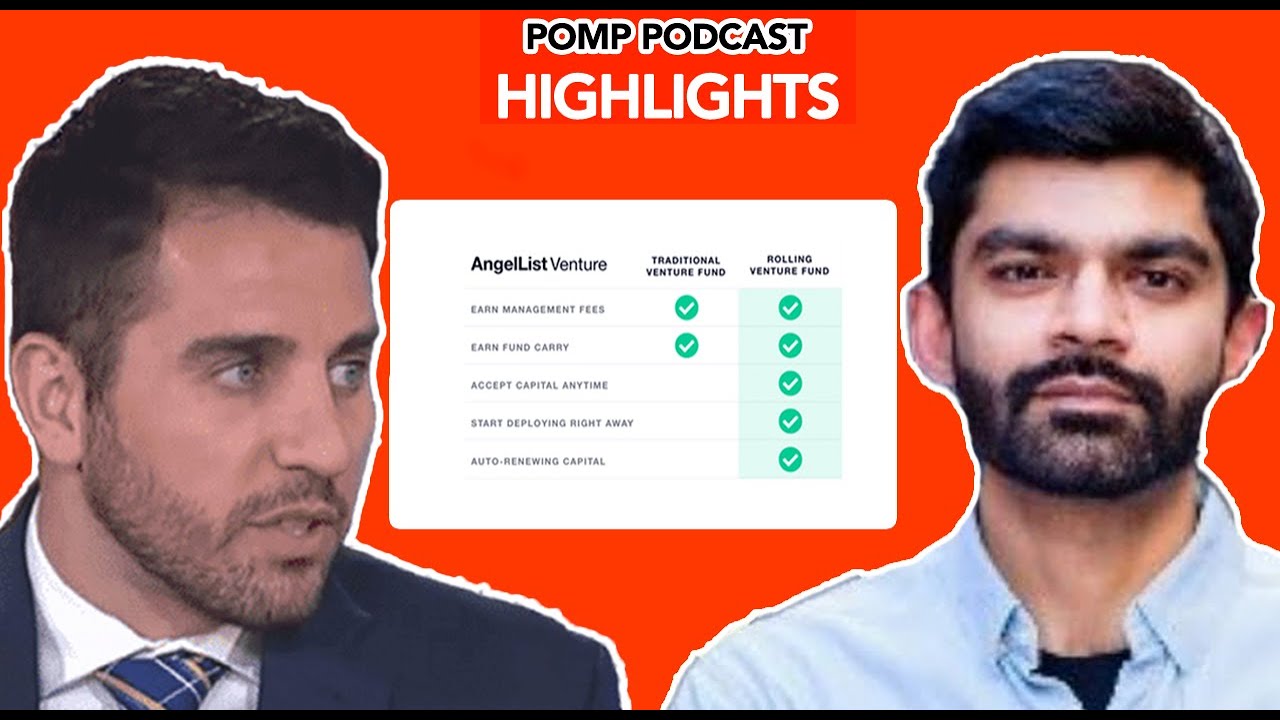
Yeah, so after syndicates, uh, there was actually another moment where we launched traditional funds. That's a traditional venture fund. But the real innovation there was actually the innovation to make a venture fund as small as possible. So usually venture funds, when you start a venture fund, there are all of these legal costs, back office costs, accounting costs, everything that need— that's needed to run a venture fund. It used to be very expensive. It literally used to be $100,000 a year $200,000 a year just to start a fund. And by the way, that's charged across 10 years. So you actually got about $1 million at least to get a fund off the ground, which means your target size of a fund ends up being very large. And as soon as it's that large, you have to have relationships, right? So in a way, it kind of restricts access to the industry because of that. So the innovation going from syndicates to traditional funds was how do we compress the costs of what it takes to run a fund. So AngelList managed to— we managed to compress the cost by an order of magnitude. And again, it did the same— it had the same impact. It was like, great, you were able to now bring in a lot more folks into the industry because guess what? You don't need to go raise a $50 million fund just to get started. You can actually raise a million-dollar fund, right? And so we found that to be very powerful, and effectively it kind of took the person on the journey, right? You start off with syndicates, you build a track record, a reputation, and then you evolve and you go into a traditional fund. And so we kept, you know, we actually stayed with them along that journey. And then with the traditional fund, they would start one, deploy the capital, and go raise the next one, fund number 2, 3, etc. So that was the second innovation that AngelList Venture did, and this was in 2016. And so from there, you know, we've now supported hundreds and hundreds of these traditional funds, right? So we have, over time, we actually built a ton of infrastructure all the way from banking infrastructure to accounting infrastructure to all of the software accreditation checks, everything. And from there, we still noticed, kind of going back to again the theme of how do you reduce friction, right? How do you remove the steps? We still notice that the biggest friction point for anyone raising capital is the process of raising capital. It's that when you go to raise a venture fund, the way— the traditional venture fund, the way it works is you basically set aside 6 months, 12 months, 18 months sometimes to just go raise the capital, and then you're just heads down raising capital, taking all of these meetings, all warm intros. You can't talk about it publicly because it's illegal to talk about it publicly, And then once you raise the capital, you lock down the fund and then you can't raise capital again into it for the next 2, 3, 4 years. And we found that there was still a friction point on the fundraising side, meaning you still have to put in a ton of your time, ton of your energy. And one, for people who don't have the access, meaning they don't have the network of LPs to talk to, or two, people who have access but like they're You're just too busy, right? Like if you're running a company, um, and like, you're not going to go through that 6-month, 12-month process just to go raise capital. And so what we noticed was, you know, we actually just looked at the core of that whole thing and went, why is a structure this way? Right? Like, why do you raise capital and then lock down the fund? Because it doesn't actually make sense. Your best time to raise capital is when one of your investments has a markup and there's so much excitement around it, right? And so we just were sitting there and it actually came through the jam session with Nibal, and Nibal is great at that stuff by the way. He's probably one of the best strategic thinkers I've met. And we were just jamming on this and he's like, yeah, you know, I've had this idea in the past and question like, why is this traditional fund structure this way? Why can't you just keep raising capital? And so we kept thinking about it and we're like, it's interesting. The traditional venture fund structure was built in a world where the assumption was that people would be doing all of the legal back office accounting work. It was built in a world before software. Rolling funds are a venture fund structure built in a world post-software. So our view is that rolling funds are actually a superior structure to a traditional venture fund, meaning if software existed when the venture fund structure was originally built, it would be a rolling fund. And a rolling fund, if you want, you can actually apply constraints and build a traditional fund out of it, right? So it actually is just a structure that is— it's a venture fund structure that's built through software, that essentially has many more features, and you can choose the features and mix and match the features however you want. But it really, at its core, it's just a venture fund built through software. And because of that, you don't need all these constraints of, oh, you need to go lock the fund down and then go deploy and then raise again, go through this big bang fundraising. You can just always keep it open for capital. So that was a real breakthrough moment for us. And, you know, from there, because we had all this infrastructure that we built up over time, we were able to go from idea to initial launch very quickly. And some of the early data that we saw was very, very promising for us. And yeah, we just haven't looked back since. We've just been more than thrilled by how— but not just emerging managers loving the product, but also established managers. We're seeing people coming from the VC industry like, "Wow, this is great. I don't need to go through the 12-18 month fundraising process. I could just set this thing up." So yeah, it's been great.