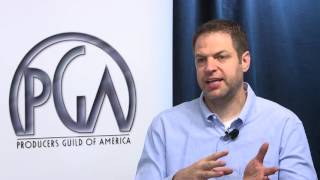
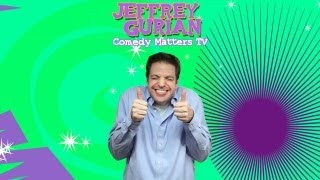
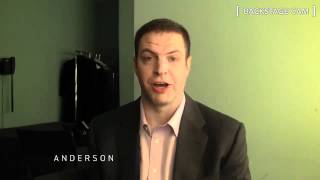
Changing Reality - Ben Relles
Ben Relles, who built Barely Political to 3 billion views and now leads YouTube Originals innovation, talks about cracking YouTube's early algorithm and teaching creators his R-S-T-L-E framework: Realness, Start, Thumbnails, Love, Engagement. He shares hiring philosophy, how YouTube has shifted toward Shorts and niche communities, and why relentless production and audience retention matter more than ego.
Changing Reality. Changing Reality, where we bend reality all across the world. Only on WQHS Radio. You're listening to Changing Reality. Changing Reality, where we bend reality all across the world.
Only on WQHS Radio.
So hi everyone and welcome back to another episode of Changing Reality. So if this is your first time on the show, what are you doing? Why haven't you been listening? But anyway, Changing Reality is a show that features phenomenal people from all walks of life who are in essence changing their own reality. So we'll be hanging out and interviewing through the show. From social changemakers, entrepreneurs, business owners, industry leaders, to even artists, musicians, content creators, and inspiring individuals from all across the world. And I hope that through the show you get to meet different people from all walks of life whose experiences inspire you to make the most out of your own journey and give you a little bit of direction into where you're headed as well. So I wanted to do this show simply because I feel like there are so There are so many people out there who make waves in the lives of those around them and do phenomenal things. And I'm super passionate about learning how these people are changing the world in their own capacities and uncovering the lessons and things about them that enable them to do so. So hopefully we can learn from these little snippets of wisdom and apply those same things in our own lives. And personally, just to show you how big of a fan of stories that I am, I actually founded and run a youth movement called Ascendance. Started off in Malaysia, which is where I'm from, but today it works with over 28 different countries, 900 communities, and we collaborate with global Ministry of Education or large MNCs to provide an alternative education platform for any student out there who wants to change their reality. So we work with students from elementary all the way up to college through various sessions, programs, experiential learning activities, and projects that help them discover their passion, figure out more about themselves through working the world around them, experiential learning, active learning projects, and use those meaningful experiences to create their own careers while they're still in school that not only has a meaningful impact for themselves, but for those around them as well. And to date, we've been fortunate to receive the Diana Award for social action, work with thousands of kids, and even incubate social projects, social enterprises run by students aged 8 to 25 years old themselves. And all of this has been possible because of the power of stories, because of kind individuals who spend their time, share their experiences, so that others can learn from them at whatever stage they're at. And just like that, I hope that this show is the same platform for you guys so that you guys can learn the things that you need to start your own careers, to figure out what you love doing, and hopefully get a snippet into how the real world in the industries that you are passionate about actually work. And if you have any questions about potential episodes or industries or people that you want us to talk to, do drop it in the show chat and we'll try to take as many of them as we can and reach out to whoever we can. Now today's episode, we are interviewing someone who I personally have been looking forward to chatting with on this show because he's someone who's not only phenomenal as a business person, but he's also an extraordinary content creator. So today we have with us the head of innovation for YouTube Originals, who prior to his role at YouTube, or during his role at YouTube, actually oversaw film series and projects with some of the famous stars that you know and love, from people like Demi Lovato, Katy Perry, Kevin Hart, and more. And before joining YouTube Originals, he both served as YouTube's Global Head of Creative Strategy, among other roles as well. He also prior to this was the Vice President of Programming and Content Development at the online video leader Next News Networks, where he led content strategy as the company built viewership to over 2.5 billion total views. And he is also, um, uh, someone who has been no stranger to YouTube superstardom himself and started off as a creator as well. He started off in entertainment where he founded the comedy network Barely Political in 2007, which has been viewed over 3 billion times since it launched. He developed various other networks such as Vsauce with Michael Stevens, which has a combined of 1 billion views across their various channels and was also number 1 in education for the longest time at YouTube. So just like that, he's someone who has so much experience in all aspects of the whole content creation arena, the business behind it, and we're so honored to have him on our show. He's also a Wharton alumni, so definitely someone who I think we can all learn a lot from. So without further ado, let's welcome Ben to our virtual stage. Hello, how are you?
I'm good, how you doing?
I'm great, thank you so much for joining us. I know it's about 7 PM where you are at, hopefully you've had a great day so far.
Great day.
Yep, and like as I said, thank you so much for being on the show. I personally know so many students at Penn who either have been fans of your videos or have watched them before or who are just genuinely interested in the content creation space and have been looking forward to hearing your your experiences on it and hopefully learn a thing or two.
Cool. Sounds great.
Yeah, but you were also someone who, as I mentioned, were very entrepreneurial even before you got into kind of like the whole YouTube and even before you were at Wharton itself. So I think I watched one of your previous interviews where you mentioned that your entrepreneurial venture started in a way when you're in high school and you were working on small projects. Selling things like pretzels and all of that. So where do you think your journey as either an entrepreneur or someone who's just really into this space of either content creation or business started? And would you pick business over content creation or one over the other, or is it something that has always come naturally on both sides to you?
Yeah, I guess there's a few questions there. I mean, my, uh, my dad started a company around 1980, and a lot of people, you know, sort of that I was surrounded by had done entrepreneurial things. So I think maybe that was part of the motivation. Uh, yeah, definitely remember back in middle school buying, you know, 10 packs of gum for 20 cents apiece and trying to flip them for 50 cents apiece. And then in high school Uh, yeah, job selling soft pretzels. College, tried a bunch of different ideas to make money. And I guess I, I, when I look back at, uh, the things which I'm most proud of, you know, post-college, most of them were when I was able to try to come up with an idea, start it, build a team, make it happen. Um, so let's see, so that would be question One, I might have a little bit of a recency bias here, but I saw this thing that was like, you mentioned in your intro, people trying to find what they love to do. And I saw this thing that was like, very often it's not so much that, you know, you're so passionate about one thing. It's more like you find you're good at something and then you become passionate about it because you're good at it. And I guess some of those startup ideas I had some success with early and then wanted to stay in that space. And then yeah, after undergrad, I started a company right out of school. I went to the University of Wisconsin, so my first professional experience was with, you know, a startup for 5 years that I started with a few friends of mine. So, okay, so that was question 1. What was question 2 again?
Question 2 was you seem to have both the business side of things and also the very cool content side and the creativity to actually, I don't know, bring ideas to reality. Do both of them come naturally to you or is one more akin to your personality and you've had to learn the other?
Oh, I mean, I'm not sure either of them come naturally to me. I, I would say that has been something for me. You know, I graduated, uh, 20 years ago or so. Uh, no, more than that from undergrad. Oh man, I guess, yeah, it's been a while. 20, almost 25 years. And you know, for me, I think, uh, I was kind of always going back and forth in both college professional experiences between things that were like very creative driven and then also trying to figure out, because I like the entrepreneurial side of things, where, you know, that fit in, in business. So like, um, as an undergrad in college, I wrote like a weekly humor column, but I also, uh, you know, got a degree in business. And then when I had my startup, uh, a lot of it I was on the road for it. I was like, uh, trying to run this company, but then also trying to sneak in learning how to do stand-up on the road on the side. Um, and then I went to business school, uh, like you mentioned, at Wharton. And it was like phenomenal experience and learned a lot. But then also while I was there, I was the like head writer of the comedy show and, um, actually started a few charity comedy, um, stand-up shows. So I liked comedy a lot then. Then I went into advertising. I mean, this is also— I guess this is just kind of running through my history here, but went into advertising, um, and liked that, but then really found success when I started my own YouTube channel and got to be a creator. So yeah, I guess I've gone back and forth between being like, you know, creative as the main thing I'm doing all day, every day, to jobs that maybe were a little bit more, um, yeah, business, entrepreneurial.
Okay, very cool. You mentioned like even like while you were like an undergraduate—
the question though, sorry, because I'm remembering it now. Um, I guess what I would say though is that neither of them really came naturally to me. Like I remember being terrified when we were going out on the road starting this company, a few of my friends and I, in, I guess, 1998. I remember being terrified the first time I wanted to try standup. I remember when I'd write articles for the college paper and I'd see students reading them in the big lecture halls, having a pit in my stomach about whether or not I wrote something that was decent. So I guess for me, I like taking risks, but I certainly wouldn't say any of that stuff came naturally to me. I remember being certainly nervous about a lot of those ventures.
What do you think was that one experience that really defined for you that, oh, this is a good idea, maybe in your entrepreneurship venture in the very early stages? Because if it's not like one thing about— I feel like many people that I've seen is that they, they're always like unsure, like, is this the thing for me? Or like maybe they get into something but they're not totally convinced, but then one or two things happen or a series of events happens, and that kind of like, you know, as you said, the passion kind of grows from there. Was there any like particular experiences for you when you first started? Like, because you said you tried out like a bunch of stuff at college, was there a particular thing which you went, this, this works, I want to try this out more in depth? And how did you feel like, what was that like, the whole experience behind that?
Uh, let's see. I guess I've had a few of those that were like, you know, for me, most of them were things where I bet on myself. I put, you know, like a lot of effort into something and then it worked. I mean, a lot of things didn't work obviously also, but like the defining ones for me were when I spent a lot of time planning for something, got myself all psyched up to do it and it worked. The first one that stands out for sure was my junior year of college. There was a football game and everybody on the way into the football game, it's like Camp Randall holds, I think, 70,000 people. Everybody on the way in is filing in at like 9 in the morning. And I set up a pretzel stand, which I had done in high school, working for somebody else. And for this one, I remember I bought this 12-foot giant Diet Coke bottle to put all the sodas in. I went to Sam's Club, I bought 400 pretzels. And, uh, you know, roommates were kind of laughing at me. They thought it was just, you know, a bizarre thing to do. And then that morning of this football game, I took in, you know, a couple thousand dollars, and I was just like beyond excited that that worked. Uh, that was my first real sort of thing I tried on my own that worked. And at the time, uh, that was a lot of money, and I was really excited. Uh, then, uh, the first startup that I did was a company called Market Vision, and we went out on the road and we were basically like setting up booths on college campuses and trying— it evolved— but selling posters, signing kids up for websites, credit cards. Um, and we did one at the University of Michigan, and I remember being just mobbed because we were giving away a TV to one person. And, uh, you know, there was like dozens of people surrounding us. And I remember feeling like, uh, I couldn't believe that this was probably what I would be doing for a few years. Cause just in that moment it was like, okay, this is working. Um, and then yeah, the third big one I guess was when I started the YouTube channel. Uh, this was around 2000. 7. So like the, the number 1 channel I think had 60,000 subscribers at the time. It was Lonelygirl15. And, um, I was like very confident that this song I had written about, uh, presidential candidate at the time Barack Obama would, uh, do really well. And then I would be able to start a YouTube channel on it. I didn't think it would become a business, but I was like, this, this could— this will be a great YouTube channel. And the day that that video came out Actually, nobody really saw it, but the day after that, then it got a lot of pickup. Somebody blogged about it, and then CNN picked it up, and then Fox News, and then all of us that worked on the video started getting phone calls to appear on the news and talk about it. So that was another moment where I was like, okay, I thought this thing would work, and it actually worked. So yeah, those are some moments that stand out. And, you know, all of those were things that did not require a lot of investment on my part, but did require taking some risk, taking a bet on myself. And then at YouTube, I've been able to be involved in some things that felt very entrepreneurial. The last 6 years or so I've been on the YouTube Originals team and the early days of YouTube Originals, we were really building the plan for it. What would it look like to build original content on YouTube? And so when it was like, I think it was maybe 6 of us at the time at an offsite, and now I think the team's up to about 60 or 70, but there's about 6 of us on an offsite trying to figure out like what should YouTube Originals be? And that was a very, you know, rewarding, defining experience for me. And then yeah, the last one was I did like a voter registration campaign in 2020. I came up with an idea called Good to Vote, and that also worked really well. And so I guess that was the The other thing, which I started from scratch, which really had a lot of traction and did well. So I have a lot of things that didn't work also, but I would say those are like the 4 or 5 that stand out as things that I did, bet on myself, entrepreneurial, and felt like really gave me confidence to keep trying new things.
Absolutely amazing. And just so many different things that I think that is absolutely— the variety of the stuff that you've tried out is absolutely like mind-blowing to think about. When you first started, like, maybe we can like zoom in a little bit to like that first like real startup that you had like post-college and things like that. How, like, you mentioned this a couple of minutes ago that it's often things that you tried out, you put a lot of effort into, and then it worked out that you, that you found that you would grow it, like your passion for it would grow, and that would like eventually take off. How did you go about, like, especially in like the initial stages when you were still very new in that first startup, to actually get other people to support support the idea and come on board? Because you said you mentioned you did it with a couple of friends. And yeah, what was kind of like the first few things that you did to actually get it off the ground? Because I mean, it's not easy, probably, like driving college campuses, organizing things, like, like getting companies to actually get into the idea. So how did you really like not only make the idea work but convince others that it was a worth— like a worth it idea in a way?
Yeah, that's a good question. Um, I mean, with the startup, I was fortunate because I was starting to work on the idea at Wisconsin. I had two friends who were working on the idea at Penn State. They were having even more success than I was having at Wisconsin. So we all kind of came together and we're like, let's give this a shot. Let's try to make a company out of this. Um, let's see, with some of the other— I mean, I think generally speaking, when I try to have people come on board with a new idea, Um, in addition to paying them, uh, a lot of it is being very open with them on, I don't know if this is gonna work, but I really have a good feeling about it. And so if you wanna take this chance with me, here's what I think sort of the best case version of it is, and here's the version of it that, you know, could completely flop and just being transparent about that. And I, again, think the first one that comes to mind is like, Yeah, that first YouTube video I did where I remember, you know, when I reached out to the directors, to the actress who was in it, to, you know, the editor, like all of it was under this idea of, I really have no idea if this will work, but I think it can. And if it does, you know, here's what I think could come out of it and kind of pitch them the vision. Um, I've had a habit with a lot of things, whether like while I'm working at YouTube or prior to YouTube. Of having people come on first in sort of a part-time role to get a sense of, do they like the work? Do we like working together? You know, what kinds of projects would fit? And so when I think about like building that first Barely Political team, everybody that started was always on more of like a trial basis. Michael Stevens came on as an editor. He did 4 videos. And then we started talking about, well, what if you started coming on 20 hours a week? And same with the writers and pretty much everybody was like, how do you find a way to work with somebody first, get a sense of whether it's a fit and then have them come on in a bigger role. I'd say what's different is having built teams at YouTube, I haven't hired that many people, but maybe 20 or 25 people. That I can, you know, on my team at YouTube. And I think there's always this, yeah, moment where it's like, I mean, a lot of people want to work at Google, but you know, you wanna make sure it's a fit where you kind of have the interview. And I do remember, you know, one person who I hired who was very on the fence because they loved their current job. I was recruiting them, asking them to join our team at YouTube. Most of what I tried to do again was like, I think because I would just feel terrible if they left the job they love for something that I oversold, I was just trying to introduce them to anyone and everyone on the team to give them a real sense, let them take their time, give them a sense of who they'd be working with, et cetera. And I remember one person I hired, I don't think he would mind me mentioning it, his name was Matt Koval. He was like a YouTube creator, a lot of ways similar to myself, loves making videos, but also has really had, I think, a great run at YouTube and done a lot of amazing things while inside the company. And I remember when I hired him, you know, basically conversations about how could we craft the role to make sure he could remain creative in the role. So I guess the answers to your question would be try when possible to work with the person and give them a sense of what the role is. And also try to give them the opportunity to meet people on the team and to really understand what they'd be doing day to day to try to make an assessment of whether it's a decision that they want to make.
Okay, very well said. And I think in a previous interview you mentioned that your first few directors you actually met on Craigslist and got them involved from there. So we really don't have an excuse, I think, when we say we don't have enough resources or the people to actually pull something off. And I think you, you've shown that, like, I mean, now more than then.
I mean, then I used Craigslist, um, but there were— it was more expensive then to make a YouTube video than it is now. Like, I remember being at Best Buy, um, trying to decide whether to upgrade my camera because I had like a $900 Sony handheld camera. Certainly couldn't film it on a flip phone. Like, I wanted to look decent. Right now you could totally film it on an iPhone, but at the time I remember really stressing out and I didn't upgrade the camera. Um, but I remember I was looking at like a $1,500 camera. I think I'm like, maybe I should upgrade to this, you know, to this nicer camera. And so yeah, for YouTube starting out, you don't need that. I mean, you're, you're doing it with this show, obviously. Um, I don't know, what have you learned? I mean, you just started this show. What's been kind of like your biggest takeaways on trying to start something from scratch that's creative that you're kind of, you know, responsible for start to finish?
I guess I've just been very lucky because I've got like a lovely team that helps me out. I think we have someone like managing the station like right now, like adding things like for us whenever we speak. And like, that's been number one, like my biggest takeaway is just having like people who are equally kind of like passionate about hearing these experiences and the stories. And also because I feel like the show itself is like, like, on— in my case, it wasn't something that I did because I wanted to be like a YouTuber or anything. It's because I just genuinely really wanted to hear different stories and different experiences. And I felt kind of bad whenever I had these conversations that I was the only one getting this insight. And I thought how great other people could kind of like be able to hear things that I was fortunate to kind of like pick up. So that's kind of like the, the behind the scenes of why I started the show. But it really also started— I think it was something that I started like on one platform, just on kind of like the radio itself. Then we kind of like think, what if we like added in video? And then like, what if we added in like kind of like streaming it on YouTube or Facebook? And then eventually like other platforms. And now I think we stream on Clubhouse as well. And it's just been something that expanded like as we started working on it. And in my experience, like most things, like I start off small, grow eventually. But for you, like when you began in like the many things that you do, I think like even when your YouTube channel, You— I think it was within a couple of videos that your YouTube channel actually grew like by leaps and bounds, and you actually managed to even get like people to buy over the channel in a very like short time period of time. What was it like that you think you did right that enabled your channel just explode and grow? Was it just like amazing content alone? Was it like being able to position it well, or what was it?
Yeah, I guess I would attribute it to a few things. I mean, one of them definitely is YouTube, which is easier in 2007. I mean, there was not the volume of content, so I was looking at the things that were breaking through and it felt realistic, like, oh man, if we come up with the right idea at the right time, this could be the viral video of the day. And then it's very different, sort of the playbook for YouTube now than it was back in 2007, but some of the principles are the same. Uh, I think What I was doing at the time was basically because I came from a marketing background, looking at what worked on YouTube and trying to put together the puzzle pieces to do my own thing. And I remember when I pitched, I came up with a YouTube video in June and the first one did really well and I actually sold it, the brand within like 6 weeks. And I remember when I sold it, I had this, grid where I was saying, basically, we're going to make videos that really tap into what works on YouTube. And it's music and it's comedy and it's what's relevant right now in politics and it's authenticity. And I sort of just tried to put together, here are the puzzle pieces of YouTube and here's why this political comedy channel will tap into all of that. I mean, that was Again, 15 years ago. So a lot has changed. I was kind of working on something the other day, because I think one of the big things, and this is true for your podcast and true for anyone, it's very kind of cliché advice at this point for YouTube, is basically not to overthink it and just start and just get over the hump and the fear of just like, I'm gonna put something out there and it might work and it might not. But if you're a creative person, Sometimes you still obviously can get trapped in trying to come up with the perfect thing, whereas in reality, just like making things helps you get better and helps you realize what you want to do. So yeah, I was working on this thing where, like, you know, on Wheel of Fortune, they, before you even start guessing, they give you R, S, T, N, L, E. You know what I'm talking about?
Yeah. Okay.
Kind of. Yeah. That for YouTube, anybody you, you know, who's giving you advice on YouTube is gonna kind of give you the same thing. So like the same way, you know, so the R would be basically keep it real, authenticity, you don't need huge production values. The S would be this idea of just start, just get going. The T would be, uh, thumbnails, like for better or worse, thumbnails and titles. Are a huge part of the YouTube game. Um, what am I missing here? Like I said, I was just working on this like 2 days ago as I was thinking about, you know, things I've learned at YouTube. But the L, I think, would be this idea of like make content about things that you love, um, and that you're passionate about, because that kind of like real passion about a subject is contagious, just the same way that like you like learning from people when you talk about this show. And then the E, again, I haven't really built this out, but I was thinking maybe experiment, like, you know, you want to just keep trying different types of content until you find like, oh, this is what I want to spend my time making. Or I was also thinking maybe engagement, like, you know, keep engaging with people. Anyways, so this was a long-winded answer to why do I think that video worked? I think it was because I was early and it was a little bit easier. I think it was because I had a marketing background and I probably was combining that I loved comedy with being really focused on what's working on YouTube and why. And then also I got pretty lucky with the timing. We did a video about Barack Obama when he was running against Hillary Clinton for the 2008 nomination. And Hillary Clinton had put out a video with Bill Clinton where they were kind of doing like a parody of The Sopranos ending. I don't know if you've seen The Sopranos, but there was like a scene where they're in the diner, but it was like professionally shot. I certainly wouldn't say it was cringy, but it felt like, oh, they're trying really hard to do this, right? and then what we did was, um, 15, you know, 15 years ago, again, different landscape, but we were sort of saying like, no, this is actually Obama's fans coming up with something. It's not coming from the campaign. And then that was sort of like the story that I was trying to, um, tell, you know, news organizations, whatever. It's like, this is different now with YouTube. It's not up to the campaigns. To come up with what the message is. It's going to be in the hands of the viewers. And of course, we see that now much more with, you know, TikTok and Facebook and other platforms. Okay, so, uh, so I think I was both using that to try to pitch the story, but then we also became part of that overall story about, um, how YouTube would change and democratize politics, just like it was changing music and every other category. Uh, feels bizarre, this is 15 years later, like I certainly can talk about the metaverse and AR and, you know, what's happening with other platforms, and I'm much more in tune now, I think, with what actually works on YouTube now. But if you're asking at the time when I started, because it was a long time ago, it was very much for me at the time, really about like, what does it take to go viral? What does it take to get tens of millions of views on videos? And I was able to do that a few times early on. And then now on YouTube, like that's still part of the game, but I think the bigger part is like, how do you build a genuine community around your content, a loyal fan base? You know, that sort of shifted, I don't know, maybe around 2010, 2011. You started to see way more of these channels. Um, and then now I'm on the YouTube Originals team. And so, you know, we're sort of— it's a, it's a bit of both. We fund content as YouTube. So some of it is like we want to partner with the creators that have the biggest communities, but we're also trying to figure out what are the types of ideas that hopefully will break through and people are talking about off of YouTube as well.
Okay, so I think that there's a few things that like we can talk about up like, like from that because you just said like so many things that I have like questions on. But like one of the things like specifically that you mentioned is kind of like how YouTube has changed over the last kind of like 15 years. And that's definitely, I feel like, something that even like people who just casually watch YouTube can kind of like pick up just by kind of like what they're watching, um, how they're watching it, and like the type of content that it's been What, what do you think have been your like favorite changes in the last 15 years and the things that are probably your least favorite changes? Like, is it in the people, in the audience, or in the type of content?
Yeah, that's a great question. I would say, okay, um, I'll try— I haven't thought of this answer, but I'll try to do 3 of each. 3 things I like a lot. Um, one is over the years, like these new categories categories break out every few months, and it's like, oh cool. Like, I remember because I've been at YouTube so long, like, oh wow, makeup videos, this is like becoming a huge thing. And they're like, oh, gaming. All of a sudden it's like these gamers are finding these, you know, like-minded gamers. And then you find it in like smaller things. Oh, look at this, this whole community is built around like, you know, planting at home. Or so that part of YouTube in terms of changes, although, you know, again, evolves year to year, has always been really fascinating to watch, like what types of communities and, you know, groups of people find, you know, a way to connect over YouTube with like a very specific type of video. I would say it's been nice to see the creator economy really evolve into a way that like like somebody with 30,000 subscribers now sometimes can basically be a full-time content creator if those are like 30,000, 40,000 really engaged fans. Where, you know, when I started, um, we had it— we had a site where we sold t-shirts and we did get, you know, into the advertising program, but it wasn't like there were, you know, all these different avenues of courses and memberships and Patreon and and all this, uh, this video is brought to you by blah blah blah. Yeah, yeah, like we did, we did that. But right now there is a whole creator economy that definitely didn't exist when I started on YouTube. Um, you know, even when we were acquired, uh, YouTube actually acquired the channel I started and was trying to figure out what that channel was worth. And you know, there was a lot of discussion around like, well, What's the upside of a YouTube channel? Is it going to be selling books, making movies? Like all the stuff that we didn't know. Um, so that's good. There's a whole creator economy. It's been fun to see that evolve. Uh, and then I would say, yeah, there's, there's definitely been, um, an increase, I would say, in the, uh, quality of the content just because so many more people are making things. And so there'll be these— when I started on YouTube, God, every time I say that, I'm like, oh my gosh, I sound like somebody talking about TV in the '50s. But back in my day, there was more of like this video should be 3 or 4 minutes. You got to have something that's a short attention span, all this stuff. And then yeah, really over the last, I'd say 5, 6, 7 years, suddenly you see these channels doing really well with 10, 20, 30-minute videos that are, you know, well-researched, in-depth. Like, to me, that's what makes YouTube most unique from other video platforms, um, in, in the sort of more, uh, you know, user-generated space, is that you can really go in-depth on a subject. And so the audience really gets to know you and really gets a lot of information. We also have YouTube Shorts, and it's been, you know, obviously fascinating to watch how TikTok has changed the way people consume video. But, um, yeah, I like that part of YouTube that, uh, it's— yeah, uh, it's very in-depth. Um, okay, wow, it's another long answer, but 3 things that I don't like about YouTube, um, or not that I don't like but that have changed for the worse. Um, I think the, the sort of, uh, strain on creators over time has been tough. Like when I started, it was so new that I don't think anybody was talking about burnout because everything was so exciting and new. And then that has been something which, you know, has been tough to watch creators that I'm friends with and, and care about just like, I just, I can't do this anymore. I'm burned out. I can't make videos every, you know, couple of weeks. And, um, you know, a lot of them have figured out ways to adjust their schedule. But that's been something that's certainly, I don't think anything's changed about YouTube. It's just something that, you know, now you have people who have been making videos for 10, 12 years. And so, you know, their priorities change. What else? I would say, I mean, from a very, just me personally, when I started on YouTube, there was, phenomenal short-form comedy, like The Onion. Uh, I'm trying to think of all the examples. CollegeHumor, um, you know, I don't know, Cracked, Funny or Die. Like, our channel, I thought, made some great stuff. And, uh, that was sort of a model that worked. And then over time, I think it became harder and harder to create these, like, big you know, sort of higher production writing team, you know, those types of sketches. So you still see great sketches obviously on YouTube, you know, coming off of TV. And you also see individuals doing hilarious stuff on their own. But, uh, yeah, at one point on YouTube, it was sort of a, uh, an idea that you could build a whole comedy network with a staff of writers and a cast and crew. And there's a handful, I think, that are still figuring ways to be in that space, but that's definitely been harder. All right, we'll end there. That's a long answer.
That's a good point. I never thought of that. No, that's a really good point. And I too love all of those kind of YouTube channels that really take the effort to kind of have their own thing. And it's kind of like the replacement for TV. And I think, I hope we see more of that. No way. No, no, I like that point. Um, another thing that you mentioned that was like particularly interesting is the fact that like your little breakdown earlier, kind of like the Wheel of Fortune, like basic letters for like YouTube content creators. One of the roles that you had previously, I think not when your channel was acquired, but when the company that acquired your channel was acquired by YouTube, and you became part of, if I'm not mistaken, the team that had to kind of like understand what worked well and keep that and kind of like transfer that knowledge to kind of like the, the YouTube community so people could understand that. For me, I find that that's some kind of like the best test of success. Not only that you can be successful, but then you can repackage that and help other people be successful in a way. But again, something I find really, really hard to do because You've got to number 1, understand where things went right, and number 2, say that in a way that can be replicated. What was kind of like your experiences going into that? Was it hard to figure out, should I do a workshop or this or that? Or was it something that came naturally to you to kind of see, all right, this is what worked?
Yeah, so yeah, we had been working on a playbook Next New Networks that when we were acquired by YouTube, we sort of reinvented into the Creator Playbook. Originally it was a playbook for the creators that we managed. It was like 100 creators that Next New Networks, um, had in a basically an MCN program. And then when we were acquired, we rewrote it and, and made a YouTube version. And then in terms of the workshops, I did create one that was similar to the thing I was just telling you about the Wheel of Fortune. I was like, let's try to pick 10 things that people need to know about YouTube. And I wrote this presentation called the 10 Fundamentals of Creative Strategy. And it wasn't focused on thumbnails and optimization and some of the audience development stuff. It was more like, if you're trying to come up with an idea, here's how you can make it discoverable, targeted, shareable, conversational. You know, there's, there's these 10 different areas and that became sort of a presentation that I could give in 45 minutes or I could stretch out to 3 hours and do a workshop. But it was this idea that these are the, the things that if you're thinking of an idea that might help you succeed on YouTube, I don't think it was actually hard writing the workshop. I think I was a little bit self-conscious about taking a formula to content creation when I knew that you could break through with content that's not conversational or targeted or topical that we tried to come up with these different areas that could help you think about what would work. But at the same time, creativity, you don't wanna have a box around these are the rules. And I'm sure this is true with a lot of things. People go to school for filmmaking. And then I'm sure, I think there's filmmakers like Quentin Tarantino that would say like, don't go to film school, just start making things and you'll figure it out. Overall, I did like that role. I think for about 2 or 3 years I was doing that before I moved to the YouTube Originals team. And I did like it because it was good to get in front of a group and try to help them unpack what this new platform was all about and how to succeed on it. And then, you know, I had my own channels that I was running at the time, so it gave me some credibility going in there to kind of get up and say, hey, I've got these channels, they're working, and here's why. And also, I mean, this is more this whole idea of trying to balance like being creative with being valuable to a big company like YouTube. But, you know, YouTube didn't care that Barely Political was getting 150 million views a month, even if that was a huge number on YouTube, because YouTube was getting billions of views a day. So there was no way for me to do anything with that channel that people at YouTube would be like, this is, this is important for us with this channel. So I had to position the channel as a way to continue to learn, which was true, and I wanted to stay sharp. And I feel like you're much better at advising people on YouTube while you're in the process of still making videos. Um, and then, yeah, it just was like, as I was trying to figure out this playbook of how to, to come up with creative ideas, it was more about I could scale that, I could turn into resources, I could show how it could impact media companies and brands and small creators. And so, yeah, when you're at a company, um, Well, really any company, not just the size of Google, but any company, you just wanna show that you're having a lot of impact and that you're able to bring a lot of value. And so for me, I loved running the channels and I do think it kept me sharp, but it was sort of like developing these resources that gave me sort of a way through. And it wasn't just me, it was the team. As well that came up with these resources and show we can scale what works on YouTube.
Absolutely brilliant. And I think the part that I especially liked is how you positioned yourself in a way and how you position the channel. And that seems to be something that you do very effectively throughout your journey. It's either you pitch an idea or present something that you have in a way that seems to get absolutely out-of-this-world results. I think you mentioned that. No, you mentioned that in the beginning. And then when your channel was first acquired after it first video. And I think, um, you mentioned that just, um, earlier and like why you like, you kind of like got YouTube to let you like still like work on like your own channel. And I think also like when, when your channel went through a little bit of a rebrand and, um, I think you guys had, uh, this thing called Keys of Awesomeness and like you actually like you pitched that as something new, uh, just when you were trying that out. So you seem to be like really, really great at like coming up with an idea, but not just coming up with the idea, but presenting that idea. And I feel like one of the things that many amazingly creative people lack is that ability to, to not just have the idea but communicate that idea. And you've also worked on series and projects with some of the biggest stars out there, like I mentioned earlier in your introduction, people like Katy Perry, Kevin Hart, Demi Lovato. How do you go about coming up with ideas or like, or positioning those ideas so that people want to listen. So at a corporate scale, but also at a scale of engaging like the people out there who are stars and very, I would say, like influential people in a way.
Yeah. I will say, and I say this to people especially in undergrad all the time, that the ability to present ideas is so important, to craft a story and be able to explain to people clearly why you think this will work and why they should place their chips on your idea is just so important. I've seen so many people with decent ideas sell them through the great pitch and the reverse you see all the time where there's phenomenal ideas that just aren't really sold in. And I do think there's— and I've had moments where I've been in the room and I've felt like, you know, right now it's a Sunday night. I don't think I have my A-game, but I would just be able to look somebody in the eye, pitch it as concisely and as convincingly as possible and leave the room and be like, yes, that was worth the, you know, all the preparation to figure out how I would sell this idea. And then I've had other times where I definitely have left the room and felt like I can't believe I rambled for so long or whatever the mistake was. So I do think there's a lot of importance on that. I like that you assume that I have, you know, an ability to collaborate with celebrities and convince them to do things. There's not a whole lot of that in my job. It's a lot more really the celebrities and their teams coming in and pitching ideas to us. I've been on the buying side now for 6 years. And so we heard a lot of pitches. I remember some of the best pitches being from talent. I mean, I had one where, you know, Kobe Bryant pitched us an idea and it was for a children's book series that he was gonna turn into a video series. And it was just absolutely remarkable, just the way he was able to command the room, like, and the passion he showed for the idea. And when I think about the celebrity pitches, a lot of times, obviously, especially with the actors, like, if Will Smith wants to sell an idea, you know, he can really sell an idea. But I've had a few of those where I was really impressed, not just by celebrities, but by producers who were able to pitch vision clearly, and we bought shows based on that more than based on, you know, how big the channel was or any kinds of projections. It was really about like, do they have a clear vision, not just for the first season, but you know, where it'll go from there, et cetera. I think, yeah, the times that I've gotten to do that, a lot of times it's more convincing people to do something that's going to work on YouTube, not a new idea. Like, we— Kevin Hart pitched us a weight loss show and it was called Hungry Nation, and it was— I think that's what it's called. But anyways, it was basically a weight loss show and it was going to have contestants and someone would be eliminated every week. And I remember talking to somebody on the team and basically saying, I don't think reality shows like this are going to work on YouTube, you know, because You just aren't gonna be able to track week to week who's eliminated, and it's just not the right kind of format. So we basically worked with, uh, the team that pitched it, which is a great team, to reinvent the show to fit YouTube. And it completely changed into something where Kevin Hart worked out with other celebrities. Uh, it ended up getting over, I think, 450 million views across, you know, the 3 seasons that we did. But I remember being on the phone with them and kind of walking them through, uh, I want this to work as much as you, uh, this is what I think will work on YouTube. It's just a different platform. And so again, like I'm not convincing production companies to do ideas. They're pitching us the ideas. I think when I'm convincing teams to do things, um, it's a little bit more about, I think this will really work on YouTube. And now my role has changed. The last 3 years, the role has been on head of innovation, YouTube Originals. How do you sort of take advantage of what makes YouTube unique? So sometimes then we're trying to convince these shows like why they should try new features, like smaller thing— I shouldn't say smaller, but more standard things like adding chapters to their shows, to much bigger things like how they can really create like an interactive experience on YouTube. And so that type of, yeah, that type of pitch can be trickier because I do think producing for television is completely different than producing for YouTube.
Again, so many brilliant things that you mentioned, so I've got to get, like, I've got to ask at least one question like this, but what do you think are the top 3 things that content creators should know but they don't know, or that you wish they knew in a way?
Yeah, um, yeah, I mean, content creators, I have to kind of, you know, think of it through different lenses because like a content creator who's just as a hobby is so different than like a media company. But let's just say like your average content creator, an individual, they've been watching a lot of TikTok and YouTube and thinking like, well, I want to do this, I want to have an audience and get 50,000 views a video. I would say the things that they don't know. Okay, one is this idea. I've heard it a few times lately, but I still like it. This idea that like someone says to their class, you guys spend, you know, a month and make like the very best clay pot you can make. And just, you know, you get to make this pot and spend all the time you want on it. And then to the other group they say, and you guys get to just make as many pots as you can, just keep making pots or whatever. And then I guess the idea is the ones that keep making a bunch of pots come out way better than the people that get to spend a month because they just keep getting better at it. And you could use the same, I guess, story for photography or anything artistic. And I think that's something that is true, that you just get better at anything by sort of putting yourself through the fire, making mistakes, quickly adjusting, and that early on it's really important to produce a lot, even if you're not, you know, making it all public. Let's see, I mean, if I'm talking about younger creators, God, I feel like a lot of this stuff is cliché, but You know, I like this sort of expression that like when you're 20, you're worried about what everybody thinks. And then when you're 30, you stop worrying about what people think. And then when you're 40, you realize nobody's thinking about you. Nobody cares. Just like, do your thing. Nobody's worried about what you're doing. And yeah, I guess that idea of if you're really a creative, don't let that get in the way of making things. This like fear of what people think. I'm such a hypocrite saying that though. All the time I think I have ideas for videos and then I start thinking, you know, sorry if I'm being a little, you know, transparent late in the episode here, but you know, I feel like I have this pressure of, I've given speeches about how to go viral and I've got billions of views from my own channel and from Originals. And now I've got this idea I want to do, and then I like will freeze up on a little bit because I'll be like, but, ah man, what if like, you know, 50 people see it? And then I don't know, I got— I'm, I'm sorry, I don't want to, um, sound like I'm, uh, you know, lecturing or, uh, you know, that I'm some— a wise person on the subject, but I do think that's true, that a lot of people overthink that. And then let's see, maybe something really specific. I mean, ultimately, this is maybe a more detailed answer, but, uh, when people think about YouTube and what works on YouTube as a content creator, I don't know if people realize that it's, you know, largely driven by is your audience going to keep watching more and more of your videos. And so, you know, for that reason, it's not about will they complete that single video, it's about when they watch it, are they going to keep watching other videos on your channel? Are they going to keep watching other videos on other people's channels? That YouTube wants, you know, to basically, uh, recommend content that's going to lead to people watching a lot more content. And so there's different ways to adjust for that. I think one of them is really try to think about how you can trim the fat outta your content and get people to not click away. That's not true for everybody. Depends on your goals. But like if you listen to MrBeast, who's certainly by far the breakout creator of the last few years on YouTube, I think he's at 90 million subscribers or something and probably has triple the next highest over the last year. I think he picked up another $30 million in 2021. You know, a lot of his thing is like trim all the fat out of every video, hook them in the first second, make the entire thing super entertaining, end with something really entertaining, and then just roll right into the next video. I think, you know, that is a big part of why he's been so successful. Um, so, you know, I'd say that's, uh, something which not a lot of people realize is that, um, the, you know, the, the vast majority of your video views are going to come from recommendations, and those recommendations are largely driven by, you know, when someone watches your video, are they going to keep watching more of your stuff, more YouTube videos? And a lot of times, you know, the most successful channels have figured out a way to obviously keep people watching.
You also mentioned earlier in your story that as much as you've had so many successes, you've also had a couple of failures. And I feel like when, like, especially in terms of like putting stuff out there on YouTube and all that, these failures can sometimes feel very personal because it's just like, I put my heart and soul and my, my ideas and my creativity and everything I got into this thing, and either maybe they didn't get the best feedback, like, are Remember, like, I— there was one, like, like, my sister is a musician, so she, she got like a lot of likes, and then she got this one negative comment on her, on her YouTube, like, video. There were so many nice ones, but that one comment really bothered her for like a week. And like, yeah, a couple of times. And like, so many more people, they, they get either like maybe zero response or not the response they wanted, or things just don't work out the way they think it is, like it should, in the very beginning stages. Have you ever been in a position where something doesn't work out, and how do you bounce back from that and actually have that kind of like that intrinsic motivation to keep iterating until you hit kind of like the goal?
Uh, yeah, I mean, I've certainly dealt with bad comments, not one or two. When we used to put up videos, we'd get, you know, thousands of comments and you know, hundreds of them would be, this is disappointing or negative or whatever. Like, there's always, you know, a group of people that didn't like a video. I took it more personally when it was myself, and that was very rare. Like, I remember the first video I put up on YouTube that I was in, or one of the first ones, because I wasn't in a lot of our videos. Like, the first comment was like, what's up with this guy's eyebrows? How weird are this guy's eyebrows? And I was like, oh my god, like, I could read it about other people, but about my myself. And then for 20 years, but like, uh, I, I didn't have to deal as much with the personal criticism, so I certainly can't speak from expertise on that because I just wasn't in a lot of videos. And then, um, the— now picturing the comments on this video, I think about my eyebrows. I'm gonna go through this again. Uh, no, uh, yeah, the, uh, I guess I, I don't want to pretend I'm like great at this. I am not somebody who lets, you know, criticism just, uh, you know, roll off of me. I definitely, I definitely probably still need to work on that, whether it's, you know, somebody in a video. I mean, because we have that all the time. We're like, we'll put up a YouTube Original and we'll work for months on it, years on it, whatever, and then It finally comes out, and when there's negative feedback, I take it personally. How do you bounce back from that? I mean, there must be so many good quotes and points of view on this. I would say I try to stick to really basic stuff, like, is this going to matter in a few years? You know, grand scheme of things. What is one individual who doesn't like a video matter? A kind of general, hopefully like Zen attitude about if you're gonna be working on 10 creative projects at a time, they're just not all gonna work. I don't know if I'm offering of anything of value there, except that, yeah, I guess what I said before, I don't think You know, it's a healthy— like, the— a healthy thing, of course, to worry about what other people were thinking about you. They're probably not thinking about you. Get rid of ego. If you can get rid of your ego, you're good to go. I mean, you know, again, um, I'm not great at this stuff. I read all of it, I understand it. Be grateful, be present, get rid of ego. Uh, so I think, um, you know, focus maybe on the big picture when some of the criticism comes in.
Oh, okay. All right. And I think you, you have shared that like throughout the conversation as well about kind of like stop overthinking things and, and not really like zero in on like what people are saying. I just kind of remember that. And I think the good thing about like YouTube and all, or what I've realized is that people are not sitting there obsessing about me saying this person is horrible and things like that. They just commented and they left and they, they moved on with their lives.
But like, yeah, yeah, yeah, I'm both. I mean, I, I love making things, whether it's like, you know, again, the, the experiences that I love the most are building things from scratch, whether it was like the Good to Vote stuff, the Barely Political stuff, the early startup. It's, uh, you know, really fulfilling and gratifying when it works. But nobody who knows me would be like, Ben knows how to not overthink things. I am not that person. When I— oh, any idea, I am, you know, up at night overthinking about it, every aspect of it. It's, yeah, not something I should be lecturing anybody on how to not overthink things.
Honestly, it's kind of good to hear that. I'm kind of like happy with this answer because of the looks like, phew, it's not just us, like it's normal. Because like when you overthink when you have like 5 views versus when you overthink when I think like you have like billions of views, I feel like we tend to like feel like, oh gosh, how are we ever gonna get success? How is like this ever gonna work out? But knowing that you overthink too, I think makes all feel like a little bit better.
Yeah, I mean the truth is, and not everybody is gonna have success. I think, you know, ultimately it's like it's good to do it because then you won't regret, oh man, I really should have tried it. But yeah, there's, you know, hundreds of thousands of people right now who are, you know, eyes on the prize trying to become a full-time content creator. And there's like definitely a wave now of ways to, to make that happen that didn't exist before. But yeah, not everybody's going to be able to make it happen, but I think either way it's worth giving a shot. What have you been doing this radio show for a while? Give me some things you've learned.
Some things that I've learned?
Yeah, what sticks with you? You've been going in threes. What are 3 things you learned from all your interviews that you think stick with you?
Um, whatever issue that I face or that whatever that I feel, oh my God, this is horrible, I'm gonna like, like, like it's never gonna work out, it's probably me over-dramatizing it because it's probably not gonna matter like 5 10 years from now. And like, I'd be so embarrassed if I stopped whatever I'm doing because of this small thing. Just because like, I hear a lot of these experiences, like your experiences over like 15 years with YouTube, and then I'm just like, if I give up after this one video, okay, it's like a bad review, I'm like, like 15 years from now I'm gonna just like be so mad at myself. So it's just, yeah, put things into perspective. That's like my number one. Uh, number two is just to kind of like realize that, um, It's not like— and this is something that like my team and my mentor says, is like getting things done or like achieving success is not like complicated. It's simple but not easy. Like, like, it's always like the, like, the basic things. It's just like, like, as you said, you've got to iterate. You've got to kind of like, um, like, like just really focus on it. Like, like, not listen to people say— it's all like, like simple things. It's just it's not easy to do. And I realized that most of the time, like, it's not easy because of like my own inability to kind of like, like, manage my emotions or what I feel when I like, like, am in this situation. If I just learn how to do that part of it, just kind of like manage myself, then I can focus on really just doing those simple steps, and hopefully that leads to some success. And I think the third thing is, um, to ask for help. Like, I think one of the things from this show is that I've been really, really fortunate. Like, people like you actually came on my show. That's like a huge thing. And it's just like one of the things that I realized is that if you reach out to people out there and you want to hear their story and you think that you could learn something valuable, people actually are like kind enough to actually spend their time like how you are. And I think that every— like sometimes we feel very alone in the things that we do and or, or like we don't know what to do and we're not sure where do we go from here. Yeah, I feel like just reaching out has been like totally something that I've learned through the show and I've heard people say that on the show as well and I'm always just I'm just amazed of how much power having people around you actually helps you when you want to achieve that. So those are my 3 things.
Definitely. Yeah, that last one is definitely top 3 for me. Getting advice from people you trust, but then also specifically when I talk to college students, I always say, this is the time to reach out to alumni doing the things you think you might want to be doing in 10, 20 years. Ask them what they like, what they don't like, what they learned, what they wish they knew, what book they wish they had read or that they did read that they really benefited from. And if you can keep in touch and all that stuff, partially because it's just so important to hear the real version of that and not just read articles and all that. Also because if you're looking to enter that field, talking to people who actually are in it will give you sort of a confidence that when you're talking to somebody else, you actually understand the industry. And then also that when you're in college, you just are gonna get more yeses. Like, I, if you're, if you, I don't know, I can't remember if you emailed me or you reached out on LinkedIn, but like, when people reach out from Wisconsin or Penn, I don't think I've ever said no. I mean, I try to do as many you know, of those as possible, but partially because I feel like I can keep it to a short conversation. Whereas like somebody out of school is usually looking for a job, exploring career things. And then, you know what? Yeah. I'm just thinking now, maybe I don't wanna say on a radio show, I've never said no to somebody who reached out from Penn. So maybe we'll cut that out so I don't have an inbox, but you get what I'm saying? Like if we're gonna do a re-edit here, So I don't get myself completely in trouble. I would recommend that people who are in school reach out to alumni who are doing the things that they want to be doing in 10, 20, 30 years, that they're exploring doing, that a lot of times alumni will say yes to those requests. Not all of them, but a lot will, and that you'll just get a really different kind of perspective than you can get from reading articles and books, that you kind of need to talk to the people who have been through the trenches and understand that career path.
No, very, very good advice. And I think that's something that I've personally always believed in, is that you only— like, I love being able to Google things and figure things out online and read about it, but I feel like that's 10% of like a billion percent that there is to learn and that nothing really beats like getting that real experience from people who've gone through it before. So you've definitely like answered.
And, and even more so than that, of course, doing it. I mean, you know, again, whether it's making YouTube videos or, you know, getting the internship or raising your hand to help somebody out for, you know, a week, if it's whatever, like being, um, in the role is, is important to figure out about how you can get experience as well. What are you sort of thinking longer term? You might want to go into media. We haven't really talked about it, but are you like, now that you've done this, have you kind of gotten the bug and you want to do podcasts for the next 20 years? Or is this for you a limited project and who knows whether or not you're still doing a podcast in 6 months?
Honestly, I've been infected by the bug of kind of like, I don't know, the fun of conversation and like content creation. So this show is definitely something that I want to see grow, and I want to like grow it out. Um, at Ascendance, the startup I run, I think we've all gotten infected over the pandemic because it's just been like, how do you reach out to people? And one of the— that was like from transitioning physically, we started kind of like an entire series of different content that we have, uh, run by different people of all ages. So some are run by like, uh, students who are in like, like 14, 15, and they come out and share about things that they want to talk to talk about, whether that's mental health or whether that's comedy, uh, college students or like finance professionals who do like, like fun sessions on finance. And like mine was basically about conversation and business and entrepreneurship and figuring things like in your life out. So definitely I feel like I've infected many people to keep on creating content. We have over 50 like events or series that we produce a year now. And wow, Yep, so I'm just really excited to see how that grows. And of course, I love my show like a little too much, so I definitely think that this is something that I want to like take to the next level and hopefully get some of your advice on that so that I don't, I don't know, burn out and crash and die halfway and, and I don't know, like succumb to criticism along the way.
Well, this is a good format though. I mean, I don't know, I, again, I don't know how long you would want to do it for, but I I definitely think that there's certain types of formats that are so tough to figure out. How do I keep reinventing the wheel? But a format where you're talking to people you're interested in, having conversations about things you're interested in, feels like something with a lot of longevity. Yeah, I've never done a podcast, but I listen to a lot of them and Yeah, it feels to me like if I was in your shoes, especially early on, I guess to your point, it gives you an opportunity to both run a show but also learn in the process.
All right, final question then. If you could travel back in time and if you could tell yourself one thing, what would you tell yourself? Like maybe as an undergrad or someone, because you wouldn't know, like, all of these amazing things that you've done, you didn't know. So like, what would you you tell yourself?
Right. Um, I think I would tell myself, um, it's not like it's a brand new question, but I also don't feel like I have an answer. I mean, when I look back now, I feel like I I wish I was more in the moment for a lot of these experiences. Again, not to take a very sort of like big picture view. I don't think this is necessarily groundbreaking career advice, but I just feel like I was always thinking about the next thing. And then now I look back on, you know, 5 years as a creator, 10 years at YouTube, every business school, the startup. That, you know, I'm getting better, better, just like being present in the moment. You know, when I'm with my kids, I'm not looking at my phone. When I'm in a meeting, I'm not also checking email and trying to get ahead. That, like, being present, being able to compartmentalize is something which I didn't get good at probably until, you know, more recently. And so I'm happy that I've learned to, uh, be better at that. Um, yeah, I'll go with that.
Yeah, I mean, blockbuster do this and your career will succeed by age 25 advice that anyone could give, because I think it's more—
I don't know if I have— I mean, I definitely— I had a lot of, you know, lucky breaks early on that I think helped me out a lot. Uh, yeah, I mean, you know, the way I feel Just to— yeah, forget it. There's nothing to being 25. I'm gonna start rambling about something completely different.
No, but thank you so much for, for not just that, but for, I think, all of the stuff that you shared. I, I personally thought that this was like a really fun conversation, and I learned so much. I think not just as a content creator, but about kind of like managing myself as a content creator and as a person in kind of like the journey. And that is something that I think not many people are willing or able to impart, the human side of it. And I learned so much from kind of like just having this conversation with you. And I just hope that you had as much fun as I did talking to us on the show as well.
Love it. And love what you're doing here. I mean, really, this is, you know, and, and also when I interview people, when I'm thinking about people to work with, to me, you want something to be able to point to that you built that's creative. And it's less about answering a question as it is about being able to point to something and saying, this is what I did, this was why I did it, this is what I learned from it, that those kinds of experiences are really important. So yeah, I'm excited. I got to go back and listen to some of your previous episodes.
Well, thank you so much and thank you to our audience. Thank you guys for listening and watching our show. This has been Changing Reality. We're on every Thursday at 10 PM ET, uh, from WQHS Radio, and whatever time that is around the world if you guys are listening live. So thank you guys, and till next Thursday, bye!
Thanks.
You're listening to Changing Reality. Changing Reality, where we bend reality all across the world, only on WQHS Radio.
More from Ben
H.O.W. #16 with Ben Relles, Head of Innovation for YouTube Originals, and The Showman of the WG'04