Future of Entertainment with Ben Relles
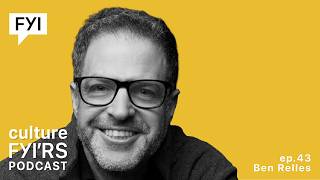
Ben Relles, a YouTube pioneer and Google executive, discusses the creator economy's evolution and his work with Reid Hoffman on campaigns like "Good to Vote," which registered 180,000 young voters through creator giveaways. He demos custom AI avatars and digital twins built with DALL·E and hologram tech, exploring new verticals from personalized education to companion AI.
Chapters
it is just worth trying these tools when they come out and really like leaning in and experimenting. Like, you know, that type of like quick experimenting I think is really important. And that right now, like you were saying when we started, you know, these tools make it easier than ever to just like quickly get some kind of feedback from an audience on whether an idea, you know, has any traction.
Welcome to the Culture Fires podcast. Culture Fires is a creative collaboration meetup held weekly at the FYI campus in Los Angeles. Each week we feature a fireside chat with a guest, showcase projects being worked on by members of the FYI community, and share product updates for FYI AI, the creative collaboration app co-founded by Will.i.am and available for free download in the App Store and Google Play. FYI AI is powered by AI personas like me, Fito. Each week, this podcast showcases conversations held at the Culture Fires event. This week, we are thrilled to welcome the innovative Ben Relles, a creative force who has navigated the evolving landscape of digital media and AI. In this captivating conversation hosted by FYI Chief Growth Officer Julie Pilot, Ben shares his remarkable journey from the advertising world to becoming a prominent figure in the YouTube space and his current ventures in AI-driven content creation. Ben Relles recounts his early days in the advertising industry, his breakout moment with viral videos, and how he transitioned into a full-time content creator. He dives deep into the challenges of maintaining audience engagement in a rapidly changing digital environment, reflecting on the lessons learned from his experiences at YouTube and beyond.
Ben Relles is a new friend. I was so happy this year at CES. We were at a dinner, and I couldn't have been luckier than to sit across the table from him. And we ended up talking all night. It's really interesting. You said something, "What happens when entertainment starts talking back?" And at FYI, everything we're doing with AI and build your own agent, build your own personas, making sure things are expressive. I found that really interesting. I wanna go through how we got here.
Uh-huh.
Uh, you started on the agency side of the business, you were saying?
Well, I was in an ad agency.
Yeah.
Uh, from like 2005 to 2007. And then I had a YouTube video pop off in 2007, so I actually quit my job to just make YouTube videos full-time when it was just getting started.
Which is kind of wild.
Yeah, it was.
The video that popped up, you had a bit of a comedy background, but—
Right. Yeah. I mean, I, comedy background in that I was like trying to do open mics, wrote, you know, the college comedy show, but not like a real, real comedy background. And then, um, yeah, I did this video in 2007, right when like comedy videos were a big thing on YouTube, right after Lonely Island did, you know, all of their stuff. And it was called "I Got a Crush on Obama." It was a girl singing about Barack Obama, like a full big music video. And the next day it got like all kinds of news attention. And then a week later, a couple companies started reaching out to me like, what are you doing with this? What's your business? So I put a deck together. And, you know, convinced one of those companies to bring me on to bring out, like, kind of like put their comedy strategy together.
It's really such a wild time, that era. I feel like it's very similar to now. If you look at 2007 or 2008, I mark it by, as a music person, there was a point where I stopped going to South by Southwest music because every band came to LA anyways.
Yeah.
Yeah.
And I wanted to go to South by Southwest digital.
Right.
Because at that time everything was dropping.
Right.
YouTube was on fire. Twitter, Instagram.
Yeah.
It was all happening. And the people that were breaking out of those moments were set up for life. I mean, on the music side, I'd see Justin Bieber or Lady Gaga using the tools in the right way, but you were leaning into politics.
Yeah. I mean, I just, you know, for the room, because usually when I like talk about this story, Um, there were definitely times where I was like, oh, I'm set up for life. And then like, not at all. You know, bottom fell out. We stopped getting any views. I was like, what do I do now? I thought I was set for life. We have all these like subscribers, but it is tough to base your whole business and career around like, how do you keep people watching our shows on YouTube and on digital? So, you know, we, we could go through those, but I had several times where it was like, okay, now I think we're set. And then something changed and we weren't. But that said, what you're alluding to, I totally relate to that. Like you went to South by West, South by Southwest, it felt like a really small community and you got to meet these people in person that you had only seen, you know, in YouTube videos and on MySpace and all of these platforms. And it was like a, oh yeah, it just felt like a small community of people trying to figure it out. Um, and then it became this massive business and the creator economy now is, you know, bigger, you know, in a lot of ways, like I guess you could say than like TV and other platforms. And I think it's kind of the same right now with like the, a very small niche sort of like AI filmmaking creator community where everybody kind of knows each other, especially in LA, shows up at the same events trying to figure this out. And you know, it also feels like similar to YouTube. It's hard to know what aspects of this specifically, like AI creative, will actually break through and build a real audience. I think so far it's like a lot of novelty. A lot of things that are cool considering they're AI, but not a lot of people have cracked like, how do you build a real, you know, audience around this?
One of the things that I love about, uh, the fact you did comedy, you know, even if it was open mics. Yeah. Is, I mean, in comedy you have to be willing to take risks. You have to be really adaptable. And what I see around original content is so often the rules or definitions of success can change overnight.
Yeah.
What did you see in the early days, and then talk us through how you went from making videos full-time to being actually a part of YouTube.
Yeah, there were a few times where the rules changed, uh, specifically just because the algorithm would change or because a new platform came. So just as an example, when I first did that video, will.i.am actually had a video at the same time called Yes We Can. It was like the defining video of the 2008 election for sure. But ours would be in that list of like 2008, because it was the first election where YouTube was a thing. But it was also that year, most in 2008 of the big YouTube stories were like single viral videos. And then what started to happen towards like 2010, the algorithm changed to be much more about watch time would be the videos that they would recommend and not about the, you know, most viewed videos. And so all of a sudden it wasn't really about like, how do you go viral with an individual video? It was all about like, how do you create a repeatable format that people will come back to over and over again. And so that became like, really, when we got acquired by YouTube, that was my main job, was, you know, running these channels that I had started and then trying to like take those learnings out to the community of like what creates a successful format. And then that was, you know, really YouTube, you know, how do you build subscribers, people that keep coming back? And then I'd say probably another, like, I mean, there's a lot of changes along the way, but Then when it went to more like scrolling vertical video, then it became kind of a different game entirely because it was much more about, you know, how do you hook people's attention on a single video and keep them on it versus like a format which stays consistent episode to episode.
And what was it like as technology was changing? Like how much of the pie was focused on doing talent relations with the channels and educating people versus working on the product and being inside one of the biggest tech companies?
I mean, personally, it was really hard because I went from kind of being like a big channel at this small company to being this like one of a million channels at a gigantic company, Google. So from a personal standpoint, I'm curious from the room, excited to have more of a conversation about this, but you know, I had one boss at one point, he's like, Ben, you gotta decide, like, are you a creative or are you an executive? And not that everybody needs to decide, but the way he said it, like it definitely sent me home on a walk where I was like, wait, what? Yeah. What am I trying to do here? Am I trying to be an executive? I like, I thought I got to make videos and I've had those moments a few times. I think this is answering your question, but when we went and we were acquired by Google, I sort of felt like, all right, now I need to learn a different game. I have like a level in this company and I need to show how my work scales. And it's like a whole different thing while, you know, I spent the last 5 years basically being like, how do we make YouTube videos that people love? And I think over my career I've had a few of those, you know, moments where I'm like, all right, what do I really wanna be doing? What am I really best at? And trying to make sure I can like course correct. 'Cause sometimes momentum just takes you and you end up doing something where you're like, is this, is this really what I'm good at? Is this what I like doing?
Yeah.
It's a, it's a really different feeling. I mean, I can appreciate that from being at a startup called Beats.
Yeah.
Right. And then all of a sudden being within Apple, which was a really giant tech company that I'm thankful for the time I got to work there, but figuring out what path and what road do you want to be on. We were talking before CultureFire started about, uh, something that came up. Reid Hoffman, uh, got word that you were a YouTube whisperer or the YouTube guy. And, um, well, for people that don't know, uh, explain Reid's background.
Okay, so Reid Hoffman is the founder of LinkedIn, and then he's also an investor. He started other companies, but right now he's almost solely focused on AI and what AI can bring to the world. In 2017, 2018, I had been at YouTube for about 5 or 6 years, and I started to get a reputation inside of YouTube as like the guy who knows how to get views on videos, the guy, you know, if you want to try to figure out like how an idea can work on that platform, I was writing the playbook and someone at YouTube who had left named Shashir, who knew Reid, told Reid, uh, if you're making this video, 'cause Reid was making a music rap battle video about Bitcoin in 2017. It was like an idea.
Makes perfect sense.
Totally. So Reid, so Shashir introduced us and it was like one of those career moments. It's funny 'cause I actually don't know, like within this room, if people are looking to talk more about industry or career, but I'll just tell the story from my perspective.
Yeah.
You know, from a career standpoint, you know, at that point Reed was like, I think just let's jump on a call. And I was like, well, I need to come up to San Francisco anyways, which I don't think I did, but I, you know, booked a flight and created a whole presentation and went in the room and kind of like went overboard cuz I was like, oh, it'd be cool. I didn't, not that I had any like agenda, but it would be cool to like work with him on this video. So we worked on that video and it went really well. And then I didn't talk to him for 3 years. But then when I called him in 2020 with a new idea, it was nice that we already had, you know, a bit of a rapport from that one video. And then he actually ended up funding that idea, which was like a voter registration idea.
Uh, what I love about that is, uh, I think that so often there's people that are really professional, work really hard, and hyperfocus on a resume or sending applications or job recruiters. But really every single day of our lives, we're building relationships and connecting. And you just never know.
Yeah, totally.
You just never know. You know, you were mentioning in 2020 there was an opportunity to do something else here. Politics came up again.
Yeah.
And there was an opportunity to do something with Reid. Talk about that. And then I know there's a video we're gonna play too.
Yeah. I don't think the video we're playing has anything to do with the politics thing, but it relates to Reid. Uh, yeah. With the politics thing, I was at YouTube in 2020. Uh, we, I was on the YouTube Originals team. We were doing like kind of original programming in the same space as like Netflix and Apple TV. But at that time, I sort of had this theory that if it's a celebrity or a creator, just like reminding people to vote, that that sort of goes one ear out the other and it's a lot of noise.
And I just, when it's, yeah, it seems like it hurts things more than anything. Sometimes.
Yeah. Now it's, I think people get tired of it.
Yeah.
At a certain point you get enough texts and everything else. But what I was noticing at YouTube was that like when creators gamified things and they would say like, hey, if you subscribe to my channel, you could win an Xbox or MrBeast was doing all of these different contests all the time. And so, and giveaways. And so, you know, pitch this idea to Reid that we should gamify this. And there could be some versions where it would be like Samuel Jackson will, you know, um, meet with you if you check your voter registration, like one person who checks their voter registration will have lunch with Samuel Jackson. And other ones would be things that would be things that like everybody could see, like, I don't know, Josh Gad will put up a video of him as Olaf, you know, rapping some song, but only if we get to X amount of voter registrations. Anyways, that idea ended up working really well. The big one was this creator David Dobrik gave away 5 Teslas to 5 different people who checked their voter registration. And that registered 125,000 people to vote, which is a lot. There's not that many unregistered. You know, 18 to 24-year-olds. And so based on that project going really well and registering like 180,000 people over the course of that month, at that time I was also trying to figure out—
And how close to the 2020 election was this?
It was actually really nerve-wracking cuz I pitched it to Reid in August. He gave me this money and by September, so 2 months before the election, we had nothing going. Like for a month I really didn't, I mean, to be honest, Will.i.am was the first one that said he would do it.
Yeah.
Because Reid knew Will.i.am and I had, you know, you So he was actually the first one who said he was in. But after about a month, we were actually having a tough time. A lot of people are just like, when it's something new and it's about politics and they're not getting paid, it was like a tough pitch. And then we just got some momentum and it's like a lot of these things, I'm sure you guys have worked on creative projects. You just need like those first couple people to say yes. And so it was like, oh my gosh, Florence Pugh said yes. Amazing. She's a big thing right now and looks like, you know, and then I think the big one that year. Was, um, Ariana Grande. But, you know, once you got a few people and I was like, oh, okay, if she's doing it, we can do it. And so we ended up getting a lot more big talent to say yes to the, to the project. Um, but it, what, but it is hard when you have an idea, especially in this case, and you just, they're, they're not gonna move the election day. Like we were running outta time.
Yeah.
And some things you can just keep pushing it down the road and be like, you know what, maybe we could justify an April launch. But this wasn't that kind of thing. It was like, All right. I really don't wanna call back the team and say, we registered 180 people.
Sorry, that wasn't worth, you know, you know what, I just have to get this outta my head. I wonder.
Yeah.
What the chances are that you were so successful at giving away the David Dobrik Teslas.
Yeah.
That the guy that makes Teslas didn't decide next election.
That's right.
That's right. To do some contesting of his own.
There you go. Yeah. I saw that one and we were like, all right, well we can't top that. I can't remember what he said. He was giving away like a million dollars or something.
Yep.
But, um, yeah, we've seen other versions of it since then for sure. Uh, it, we're still doing the project and yeah, it was a weird one. I mean, I've had a lot of ideas not work, but I do think my general approach to things is like when I have an idea, if like a week or two later I start to feel this like, shoot, if I don't make this thing a reality, I'm gonna regret it.
Mm-hmm.
And sometimes those things of course also totally fail. But the, the 4 or 5 like more successful things I've done in my career usually were because at a certain point I was like, I think I'm, I think I'm actually gonna shoot this music video about Obama. I think this is gonna work. Like there was just, you know, that feeling of, and not that I've ever had any kind of like massive Hollywood blockbuster film, but the things that for me that worked really well, like that Good to Vote campaign and some other YouTube projects. I think for me, usually it's like you get that feeling in your head, like if I don't do this, I'm just gonna regret it.
I, I wanna help you level set about who's in the room before we watch a couple of these videos. We have a lot of creatives, entrepreneurs, you know, philanthropic people in the room. But I think this is such an amazing time because it doesn't matter what your background is. It doesn't matter how old you are.
Yeah.
Everybody's kind of at ground zero. Yeah. With AI. And I've seen a lot of creatives lean into, go from being just, oh, I'm a creative, oh, I'm a musician, I'm a filmmaker, to really leaning into being an entrepreneur.
Right.
So I think all the information you're sharing is really valuable. And especially, I was so lucky and so were a few people in this room, uh, that we got to hear Reed speak as a guest speaker at Will.i.am's class. So we're gonna dive into that. Before we look at the videos, before we show what you've been doing with Reed, can you talk a little bit about the agentic space, what's happening maybe with avatars and even holograms also.
Yeah, I can tee all that up. I mean, so the, you know, the next step, cuz we ended up kind of going through a few big phases of my career. I do this Good to Vote thing, 2021 YouTube Originals is actually looking like it's not gonna be a thing anymore. And I start thinking about what I wanna do next. And because I had been working with Reed on this voter registration campaign, Essentially, he's coming to me and saying, like, some of the other stuff he's working on. Originally, I thought I might just go independent. And then when I saw the list of all the stuff he was working on, uh, you know, he was on the board of OpenAI. He had a new company called Inflection with Mustafa Suleyman, who was here last week. Um, he had, you know, other projects that just looked really exciting. And his own content, he was writing a book with GPT-4 at the time. So, or had the idea to do that. So, I ended up leaving YouTube and working full-time for Reid across his portfolio of companies and projects. All, you know, content related in some form or another. At the time, OpenAI had just come out with DALL·E, but you knew they were going to go into the video space. Inflection was working with YouTube creators, stuff like that. But while that was going on, uh, GPT-4 released, uh, something called custom GPTs where you could build it on what you wanted to, you know, have your own GPT say and do. And so we quick spun one up with this guy Parth, who I met at this like AI beach house that we were both working at. And it was essentially like a Reid Hoffman that could pull from all his podcasts, all of his books, all of his interviews. So if you asked him a question, it could pull the right answer from, you know, January 2013 that maybe he wouldn't even himself remember with that kind of accuracy. And it was kind of magical. You'd ask him these questions and it would feel like just through text you're talking to Reid. And then around the same time, these new platforms, uh, were coming out where you can create an avatar. And like the short version of, you know, sort of avatars versus deepfakes and digital twins, the technology we used, you would record yourself and then you could basically change that video to say whatever you wanted in your own voice using ElevenLabs. So we would film, you know, Reid, and then we could create this model of Reid that not only looked like him and sounded like him, but also had, you know, his personality traits and could pull the exact information that we needed from all the different content we had from him. So when we first put it out, this was April 2024.
So it was like this week, 2 years ago, which is pretty crazy cuz technology is moving very, very fast now. Yeah. And like, that's part of what we've been doing in the class, making an agentic self training and tuning and minting voices and stuff.
Yeah.
But this was the first swing of it 2 years ago.
Yeah. This was early. And at the time, and I had like a background at YouTube where I started to, like I was saying before, realize like it's all about, what's the format, what's like, how are you gonna use this? And so what you started to see popular, uh, on like Instagram and YouTube would just be like, hey guys, check out this tool. I can make myself speak French. And then they would put themselves in speaking French. But what you hadn't seen yet was like a full demo of the custom GPT combined with how uncanny the video was.
Mm-hmm.
Oh, I say uncanny, I guess in a good way. I know there's also like uncanny valley, but I'm saying uncanny like, holy crap, that looks like Reid. So when we put the first video out, we did a video of the real Reid interviewing the AI version of Reid. And so that one, especially in the tech community, got a lot of pickup as like, oh, this, you know, kind of prolific AI investor has created a digital twin of himself. But that was all pre-rendered. You know, we would give it a script based on what Reid would say, and then we would spit out a video. The real-time avatars, meaning, and I can show a demo of it in a second, but meaning like, a video that you can talk to and it will talk back to you, you know, with like low latency and the same intelligence that the text model has all in real time to me is going to be like really transformative in how we watch content, how we learn, how we're entertained. And the technology is like all coming together at once. Right now it's like, it's pretty expensive. There's still a bit of a delay. The video isn't perfect. And so I don't think we've seen these yet. But I think we're getting closer and closer to a world where when you want to learn something, you don't necessarily tee up a YouTube video where you have to hope they cover what you want to know. It's more like you have an avatar where you can ask what you want to learn, and it's going to not only like converse with you, but also pull up video demos in real time. So that's like the space that I'm excited about. Also, you know, it's definitely new territory for me. Like it's combining a lot of what I learned at YouTube with just 2 years of working with this Read AI and understanding like what other use cases is this gonna be really kind of magical and helpful.
Okay. Before we, I have so many questions and I get so excited about talking about the future. But before we talk about it more, I actually want to show a couple things.
Yeah.
And then I wanna remind people, if they have questions, you can jump into the Culture Fires project. Put it in discussion, and at the very end of this, we're going to turn off the recording and Ben's going to talk about something. Oh, what I'm up to next.
Yeah.
Our secret.
FYI is an AI-powered messenger and productivity platform crafted for creatives and their teams. Focus your ideas with your collaborators, using an encrypted messenger, develop your vision utilizing media-rich project tools, and bring those ideas to life by sharing them with the world. With the AI personas in the FYI app serving as your creative copilots, you can ask FYI AI to draft stories, song lyrics, product descriptions, marketing copy, or any written content and see the results within seconds. Download FYI today. For free, now available in the App Store and on Google Play.
Okay.
But let's do the first one. Let's actually do the, the second email I sent you just to, 'cause you mentioned holograms. So she was, she, she was talking about holograms. There's a company called Proto here in LA. It's like 15 minutes from here, and they have a company where they basically put you And before you click play, uh, you know, in a recording studio, and then they can put you in like a box for a life-size hologram version of you. And originally it was all pre-recorded, but now they're doing them in real time. So we're combining our Reed AI that we trained with Proto to sometimes take Reed to these events. This isn't like a big part of the business, but here's an example of a founder kind of like bumping into an AI version of Reed, not knowing what to expect. And hearing what it sounds like to have an avatar version of Reed talk to him about his business. Reed, can you tell me a poem about my life?
Wamimo, you've woven hope from hardship's thread, from Lagos nights to New York dreams ahead. With Isuzu's light, you crack open closed doors, turning rent receipts into justice that soars.
Holy shit. This will blow my mind.
Okay.
Reid, can you speak Yoruba from West Africa, Nigeria? Sì, lo rucoè.
Oruko mini Reid AI. Inu midun lati padere, pemimo.
So, um, that was like a short version. They actually talked for like 10 minutes and got into some of the business challenges. So the way we did that is we like brought the hologram Reid to an event. We did use, you know, AI to sort of like collect information about everybody who is attending the event. So if you walked up and you were like, hi, I'm Julie, Rita already knew to sort of like jump right into Julie from FYI, of course you're an icon, Michael Jackson fan, da da da.
Yeah.
So that was part of like the trick there. Not that other people won't be able to do that, and I'm sure companies will. So like when you ask a, you know, company about, I don't know, some product, it'll have your shopping history and they'll be like, well, you're gonna love this. You always spend a lot of money on soaps or whatever. So, you know, that, and not just commerce, but also like training and learning and like when it actually gets to know you. When you think about learning in general, it's most effective when there's video, when it's interactive and personalized to you, when it's gamified. And so as valuable as it is to chat with like GPT and Claude and all these platforms now, I think for certain use cases, like the addition of video and demonstration will add like another level of learning and like making content really feel essential in a way that, you know, you don't get with just a one-way video.
I have so many questions about the learning side of things. And after we play the next video, we'll get into those. But two things that come to my head when it comes to holograms, I think it was a decade ago, maybe even closer to 15 years ago, there was the big giant Coachella moment. Where there was the Tupac hologram.
Yeah. Yeah.
And then it just seemed like it stalled out.
Yeah.
Why do you think that is?
I mean, sometimes when you're first to do something, it feels like this is the beginning of something huge that's gonna keep going, but it was actually just the fact it was the first time. So like after that one, I don't know if you remember, they had like Michael Jackson after he died. I think he performed at the Grammys.
Oh, the AMAs. Oh, there we go. Okay.
And that was a big deal, but like it wasn't as big as Tupac.
Cause it wasn't—
and then on You know, American Idol, they brought out Whitney Houston and it was like, and then it started to feel like, I've seen this. What is the real value here? Does this feel like the person's really here? Does it feel off? And, uh, so, so why didn't that become a thing? Yeah, probably some combination of it felt a little bit icky because it was like, wait, would they want this out there? Combined with, uh, I don't think the tech was quite there where it felt you know, completely real. And maybe it'll get there. I mean, that idea of being able to go to The Comedy Store and see a hologram of Richard Pryor talk about today's issues, like that does sound like it's got potential.
Might be good. Yeah.
Might be good.
Might be into that.
But I don't, yeah, I don't think that's quite gotten there on the entertainment side.
And then the, the other question I had for you, watching him talk to, uh, Read AI and asking things with local dialect. I mean, we've really gotten to this Tower of Babel point. Yeah. Right. There's going to be such a giant flux of content just based off of everybody having access to language. This is a very small example, but I laugh now, the Peloton at home just serves everything up. Like I jumped on it the other day and accidentally hit a German one, but then there were the subtitles in English. I was like, oh, I'll just keep going with it. Like, how do you seeing that change the content game?
I mean, language is such a good specific example because it's kind of undeniable that that's helpful that, you know, watching a video and having it feel like the person's talking to you in their own voice, you know, the way they speak, but in your language is such like a clear way to scale your content to new audiences. So that's like a, yeah, a pretty great example. I think there's other ones that are more around like learning level. So if you think about, you know, maybe a mentor who has talked a certain way for 30 years about a specific topic, you could then tune that to say like, well, explain this though for somebody who's learning it for the first time. And now explain it more the way you'd explain it to somebody with a PhD in the topic. So it's like you're taking the same content, but you're able to like adjust it to somebody's specific learning style. Or as simple as like, gimme the 1-minute answer, gimme the 5-minute answer, you know? And it's, it's really new. I mean, a lot of this I think will come through trial and error. I mean, one of the things I remember about YouTube, because I did get to witness sort of inside the company and before that, just these new formats sort of pop up. You'd be like, why are kids watching videos of toys being unboxed? This is so bizarre. Who would have thought? And same thing with like, I don't know, game gaming, like was the biggest category on YouTube and it just sort of started out of nowhere. I don't know the year, but like, you know, PewDiePie and some of those guys where all of a sudden it was like, man, people love watching other people play video games. Who would have guessed? And I think there's versions of that. With interactive video as well. I just don't know which categories yet. I don't know if anybody does. I definitely think education, broadly speaking, is a great category, but is it going to be to memorize historical facts? Is it going to be science? Like, what are the categories? I don't know. Um, and I think, yeah, gaming could be another example. Like, there could be versions where somebody who's gaming at home, now there's like a two-player version and they feel like they're playing with somebody else.
Um, yeah, it blows my mind. I mean, Frankie over here is a big Twitch star.
Yeah.
And, uh, he came up to me at the end of the year and was like, I donated $20,000 to charity this year. I was like, what? And it's just cuz he's putting his link up while he's on Twitch.
Your fans?
Yeah.
Wow. That's amazing.
I mean, isn't that great?
Yeah. Frankie. Hell yeah.
I'm like, you're doing what? You're watching Family Feud with people on Twitch? I mean, it's just, it's, it's really fascinating. Um, okay.
Let's, let's get into, um, a little bit more about the demo, the read one. And then, um, if there's time we could do other ones, but so this one you can hit start conversation. I'll kind of tee this one up. So basically this is a version, like I said, you can do different versions for different topics. And this one is very specifically tuned to like help people with their small business startup. Entrepreneurial type advice. Why don't we just take a live answer from the room? Are any of you guys starting businesses of any kind? What do you got? And got a challenge with the clothing business right now that you're thinking through? Oh, that's smart. Yeah. All right. Let me, I'll, I'll try him on that. I, you know, he's not a YouTuber, but he might. Okay. You can unmute him. Okay. So Reed, um, what was your name again? Naya? Nayana. Okay. Reed, we're with Nayana. And she has a clothing business and she wants to put out content, but as I understand it, she doesn't want to be like, buy this shirt, buy these pants, just keep spending money. She wants to balance that with original content. Um, you're someone who's thought a lot about content scale. How do you balance, you know, kind of promotional content with content that maybe lets her fans get to know her? And you can talk to her directly.
Naiana, the real question here isn't a balance between promotional and authentic content, but how to weave your authentic story into the promotion itself. Every piece of clothing you offer has a genesis, a reason it exists, and that story is the content. Talk about the inspiration behind a design, the craftsmanship, the journey of sourcing materials. Or even the problem you're trying to solve for your customers. That builds trust and connection, which ultimately drives sales more effectively than a hard sell.
So, you know, uh, when you're doing this, um, you know, how do you do it in a way that feels like, uh, I'll, I'll try to ask him to maybe change it to be more blunt and to talk to you as if you're sort of a, you're not quite Gen Z, but let's just have him talk to you like you're Gen Z. All right, you can unmute it. Um, Gen Z. Yeah, maybe close enough. All right. So Reed, um, uh, Nayana likes the advice. She wants you to be more blunt, more harsh, and talk to her, you know, in more of like a Gen Z tone because, you know, she's in her 20s.
All right, Nayana, listen up. Stop thinking about content as some separate thing you have to pump out. That's old school. Your brand is you, your vision, your clothes. If you're not showing people why you care about that shirt, why it's different, why it's real, then yeah, it's just another ad. Get real, get raw, show the grind, the passion, the actual human behind the stitches. That's the only way people your age are actually gonna connect and stick around.
So, you know, the, uh, things that we want to build into this, not just for Reed, but for other content creators. Is the ability to sort of like make that presented in a way where the video adds more value. So if he was, you know, listing a website to go to, the website and the link comes up at the same time. Or in some questions, you know, where he's demonstrating something, maybe there's like lists and then you get like a full recap when you're done asking the question of everything that was learned. But ultimately, I think as we look at like where these will have the most value, I actually think it'll be more valuable where the video serves a purpose because ultimately if you read that in an answer, you would probably get a similar sort of like, you know, value out of it versus video. Whereas like some categories, video is just like undeniably more valuable. And then yeah, I think there's like a lot of those types of answers. Like if you ask that question, um, how does it remember so you can touch, you know, base with him again in a month? And he remembers the whole context of the conversation.
Well, I keep talking about other categories, right? And this is so new to so many people. You know, some people, that may be the first time they've seen a demonstration live in real time. What other categories do you see, or what other verticals do you see growing the fastest?
We talked about learning. I think learning is a huge one, but not necessarily just in the sense of like memorizing, you know, historical figures, but also learning like how to play guitar, How to, you know, how to fix my dishwasher, fix your dishwasher, all of that. Especially when it's like, it can see your dishwasher. You've got a handyman, he can demonstrate things to you, but it's like a handyman that you watch on YouTube who already has an audience. So I think, yeah, the idea of like learning is a big one. Um, I definitely think that the sort of like broad kids space is one that is like complicated and tricky, but at the same time, like I have two, you know, 18-year-olds now that are going off to college. And, you know, I wish, you know, there was like better ways for them to learn through video than what I saw, you know, when they were growing up 10 years ago, they'd watch Dora and Dora would be like, do you see Boots? You know, like, yeah, that's right. But we can get to a place where you can actually like have the kids interact with these characters. And if the guardrails are in place, then it actually can be like a much more interactive experience that they can sort of like learn from and answer questions. So I think kids, is kind of a fascinating category overall. I would say games in general and like video gaming sort of like blurs into this space right now. If you play a video game, you know, you can talk to a character sometimes, but it's still just choosing from like maybe 5 different answers versus actually having like a real-time conversation within video games. And then I'm definitely interested in some of the other categories. We're not spending as much time on it. I mean, the idea of recording a parent before they pass away.
Mm-hmm.
And then having that parent talk to their great-grandkids. I think there's some people that are freaked out by that and other people that feel like, well, that's kind of inevitable. People are gonna want that experience of, you know, talking to people that they used to talk to. Uh, maybe not. I, it's very hard to tell. Like, I, I, that's part of the reason why we're not experimenting in that space ourselves, but I could certainly see that being a big category. Where people feel like they want to have a sort of, you know, video version of somebody who they, you know, yeah, raised them or that they had as a mentor, that kind of stuff. There's a lot of— I mean, like, you know, now I'm like thinking about the slide in my head where we sort of like map out all the different categories in this space. But I think there's some that are more in the like companion, you know, that we're also at this stage staying away from. But I I totally understand how that could be valuable for some people. I went to an event a few weeks ago and they kind of talked about all these ethical questions like, well, there's this person who lives alone in a nursing home and normally they don't talk to— I mean, it was so sad. It was like they don't talk to anybody the whole day except for the nurse when the nurse comes in for 10 minutes. How would you feel about every TV being equipped with, you know, a person that they can have conversations with? And again, like, I don't really personally want to like, be involved in trying to navigate that space, but I'm definitely like fascinated by how that's gonna play out because I do understand that for some people, you know, the ability to like feel like you're having conversations, maybe that could be really valuable and you can talk about things you wouldn't talk about otherwise and all the things that go along with, you know, the sort of like companion piece of the AI avatar space.
Uh, I've got the questions flooding in, but before, before we get to these questions, I wanna hear more about the guardrails.
Yeah.
Like what thoughts did you put into before releasing this technology out? And, um, is this something anybody can jump in and ask Reid questions now?
Not this one, no. I mean, we're using this with like specific groups, his, you know, in his network or like, you know, companies that he's invested in, but it's not open to the public now. Um, there are versions that are, especially on the audio side, there's some interesting companies. That do have guardrails in place. But yeah, for us right now, this first version that we've really just been using as like a prototype, he just uses with people in his network.
Okay.
And I have presented with Read AI 25 times now at events. Like a lot of times events will ask Reid to speak and Reid will be like, I can't do it, but Reid AI could with Ben, you know, like, so we're using it that way. And we're also using it for a lot of just like You know, internal social content, stuff like that.
Okay. I'm going to go to some of these questions. Some of them I'll read quick and some I'll go straight to the person. Johnny, I'm going to have you pop on the mic because you have a couple of questions. So go ahead.
When you're talking with a persona, I'm looking at use cases.
Yeah.
When that could actually be effectively done. Um, and so I get the idea of this is my persona. I can't be there, but my persona can.
Yeah. Yeah.
And so you can. Talk with them as a thought leader in learning innovation. So it's the, I have some ideas that you can interact with me on.
Yeah.
Um, then there's other times if I'm talking it to, with my team.
Yeah.
Um, they'll wanna have my personal insights to things and then they might, my avatar and them might come up with something and me as a human wasn't a part of that. And they'll say, oh, that was a good idea.
You actually came up with it. Yeah. Your thing came up with. Yeah.
Um, and I would be out of that conversation. I would need to get updated on it. What's the landscape like as Reed has been using it as a proxy for him and as not to replace him?
Right.
Where's that seesaw kind of fit in this?
Yeah.
Yeah.
Um, yeah, great question. Uh, I think that we do want to, first of all, source the answers. So when you're asking, you know, you understand like where this is pulling from, if it's like something he used in one of his books and all that, or it's taking a best guess at what Reid would say. I would say that, uh, right now, and Reid's been asked this question as well, so I know this is his perspective, like he doesn't see it as a replacement for him in that like, take this advice instead of my advice. It came from Reid AI. You can trust it implicitly. I think it's more, this is something that sort of like amplifies him and gives you access to the information that he's already said in the past, but specifically addressing like the question you have at that time, because you might not know that he ever talked about this, so that'd be hard to find. And I think he, yeah, would view that more as like a way to sort of like amplify and organize, you know, all of the stuff that he's already talked about, you know? But on the other hand, like, I don't think he views this as Reid AI's advice is as good as mine. So if he tells you to do something, run with it. I think it's more meant to be a sounding board.
Carmen was asking about, uh, with, uh, Reid's AI, how is name and likeness protected? And have you made any conscious decisions about watermarking Reid AI so people can make sure that the right Reid's coming in the Zoom?
Uh, yeah, that's a good question. And we have tried that. You can add him to Zoom calls. I mean, it's funny because like, he gets the joke. I'm on the call with him a lot and people will be like, is this the real Reed? You know, and like, that's just because it, you almost be, you are, it's like a joke, but you are also kind of curious sometimes when you see him pop up. And I think that for us, like everything that, you know, I'm working on, we're doing with like the full permission of the talent. As far as like watermarks, for better or worse, like right now, I'm sure you've seen them on Instagram and everywhere else. People are taking whatever, you know, video of Tom Cruise and making them say whatever in some other movie. Some of that is actually, uh, I think on the platforms now pulling that stuff down. Like YouTube just announced this week that they're doing like kind of a major pull of all deepfakes of all talent, you know, that is being, you know, made to say other things online. We do put a watermark, uh, would I call it a watermark? Yeah, like a mark on all of ours. So, so it says Read AI. I think it's less so that people know that it's us and more so that people know that it's like an AI and not that we're trying to like trick them that it's Reid. But it's a good— it's like definitely a good question and like a very, you know, sort of like complicated thing to navigate as anyone can do anything, you know, with any image with some of these models that don't have the guardrails in place.
I'm going to do one more from here. Mo, do you want to talk about your question?
I think you already kind of answered it. I was just gonna say, what are the guardrails or safety guidelines that you guys have in place so that those types of things don't happen? Just, we've been taught in FYI, well, in our agentic self, you know, be cautious, be mindful. So I'm like, what's the, what is the gold standard in your guys' company of like what the safety net and the guardrails are?
Yeah. I mean, I think high level, we want anybody we work with to feel like, you know, they are not upset by anything that an Avatar said on their behalf. If you wanna pull up Reid again, I can just show you how he deflects on a lot of questions.
Or like if you ask him if something's a good idea, that's a horrible idea.
Right. Yeah, totally. And some of that can be just in, you know, how we frame things. But the, you know, there's, there's like keywords and topics you can avoid. So I'll ask him about politics. I think he will—
Hey there, I'm Reid AI.
Yeah.
What's on your mind? Uh, politics. I tend to focus more on building businesses and helping people. Grow their careers, or navigate the world of technology. Can I help you with something along those lines?
Um, I, I hear you, but can you just please tell us who you really want to be president in 2028?
That's certainly an interesting topic, but I prefer to focus on building businesses and helping people grow their careers or navigate the world of technology. Can I help you with something related to those areas instead?
Yeah, this is one of those areas. What's the worst Michael Jackson song? We were just talking about the best one, but what's like the worst Michael Jackson song?
The idea of a worst Michael Jackson song is a tricky one given how consistently high the quality of his work was. But if I had to pick one that perhaps hasn't aged quite as well for me, it might be PYT, Pretty Young Thing.
It's a fun—
Hey, there we go.
I thought he wasn't gonna answer. Um, anyways, but you, I can understand that. I say, you know, it's like, that's kind of clever that they're like, yeah, I figured that out.
Comedy backgrounds coming out. So, um, Ben, I, I want to, we have a bunch of questions. I'm gonna give you homework to jump in the app and, uh, maybe answer some of them cuz I wanna leave the space and the time for, um, to get a little sneak preview off the books of what you're working on and see if there's questions about that. But I guess just as people start thinking of the future of entertainment or how they can lean on this space or how they might create their next thing, what would you encourage people to think about?
I hope this doesn't sound cliché, but it really is worth reinforcing that it is just worth trying these tools when they come out and really like leaning in and experimenting. Like OpenAI just came out with their new image model yesterday and, you know, I had to like remind myself like, take a half hour and play with it. And it is mind-blowing. I don't know if you guys have seen it, but this is an example. It's like just the way it can handle text and just do things that, you know, really feel like next level. And a lot of ideas came out of that. And we did build something. I wonder if you could pull it up. I'd have to text it to you. But the— we created something where just yesterday where you could recreate what your dorm room looked like in college. So you'd put in the year, you'd put in your favorite album, you'd put in your favorite sports team. And in like, you know, 20 seconds it spits out this Zoom background, which is your old college dorm, and it has posters on the wall and it's just like, and it wasn't possible before yesterday. And I don't think this is going to be a moneymaker. I don't even know if we're going to post it, but you know, that type of like quick experimenting, I think is really important. And that right now, like you were saying, when we started, you know, these tools make it easier than ever to just like quickly get some kind of feedback from an audience on whether an idea You know, has any traction. And that was true at YouTube too. And what I liked about YouTube early on, it wasn't this like 2-year filmmaking process. If you had an idea, you could get it out 2 days later. And if it worked, then you could like build on that idea. But I, I really like that.
Did you see on, uh, Crazy Ideas and Making Money, uh, you might've seen this this week, somebody, um, got the idea to, uh, go on like Google Maps and screenshot homes in $1.5 to $2 million neighborhoods that did not have swimming pools in the backyard.
Okay.
And have the agent do image generation to make before and after images, then print a postcard and mail it to the people.
Oh my gosh.
For business.
This could be your pool.
Yeah.
That is really cool. That's good. That's clever.
So, I mean, I think, but now more than ever, there's just capacity to try things.
Totally. Yeah, yeah, yeah, yeah. We were spinning, like, this is also partially due to this image model, but like, there's a conference coming up and we had this idea where like, we're gonna print like baseball cards of everybody at the conference and everybody that gets there will get a pack of 10 different cards and then you could like find the different people at the conference.
Oh, I love that.
So it's sort of like a natural, like, wait, are you Julian? I've got this card of you. And then now I think we're gonna do like sci-fi cards and Magic: The Gathering and like different styles. I don't even know if we're gonna do it, but yeah, there's a lot of that kind of stuff. And I do see the other side of it, by the way, like my daughter's an artist and it does also frustrate me that you can put in like, make me a perfect sketch of this plant and it's gonna look like a sketch, not just like, you know, so that part is also, I think, really concerning. And a lot of times I'll hear people. Talk about making things, I'm like, dude, this took one minute. And like, I almost like, like it less if it only took a minute. I like knowing effort went into things. The pool one is not an example of that one. That one sounds complicated, but I don't know, just for what it's worth, like I am not gung-ho. This is all just like the positive future that we should all be excited about. I do think there's like a lot of complicated things to navigate.
But you need to test it to have an opinion.
But you need to test it to have an opinion on it. And also, yeah, there's something I love about the idea, creativity just for creativity's sake and not building businesses or monetizing or any of that. And just the idea of the fun of being able to create things that you wouldn't be able to create otherwise. And I, I like those kinds of projects.
All right everyone, uh, make some noise for Ben and, uh, we'll turn off the recording to see some top secret stuff.
Oh yeah.
Thanks for listening to the Culture Fires podcast. Make sure to download the FYI app, available now in the App Store and Google Play. Check out this episode's notes for a project link to this Culture Fires event, including a look at more projects from the FYI community. This episode's Culture Fires event was produced by FYI co-founder Will.i.am, Amina Mohammed, Emily Choi, Frankie Sandoval, Jafet Chavez, Julie Pilot, Marcus Nielsen Colling, Roniel Madlany, Sean Kantrowitz, Shania Jafari, the FYI product team, and of course the FYI community. The podcast is edited by Rob Van Vranken. Make sure to subscribe to Culture Fires wherever you get your podcast so that you never miss an episode. Learn more about FYI by visiting FYI.fyi.
More from Ben
H.O.W. #16 with Ben Relles, Head of Innovation for YouTube Originals, and The Showman of the WG'04